A single raised bed can be watered with a kit and an afternoon, and this site's guide to a drip system for one raised bed owns that build. The problem changes shape at the third bed. Now there is a garden: a mainline to run, pressure to manage across zones, beds at different distances drinking at different rates, and a ledger that has to make sense per bed. This page owns the whole system, the plumbing architecture that serves every bed from one bib, the three delivery options priced per bed, the pressure rule that decides whether the emitters work at all, and the timer that converts plumbing into the actual prize, a garden that waters itself at dawn while nobody is holding anything.
Home / Garden Projects and Outdoor Living
DIY Raised Bed Watering System: Whole Garden Plumbing, Pressure Rules, and the Per Bed Ledger
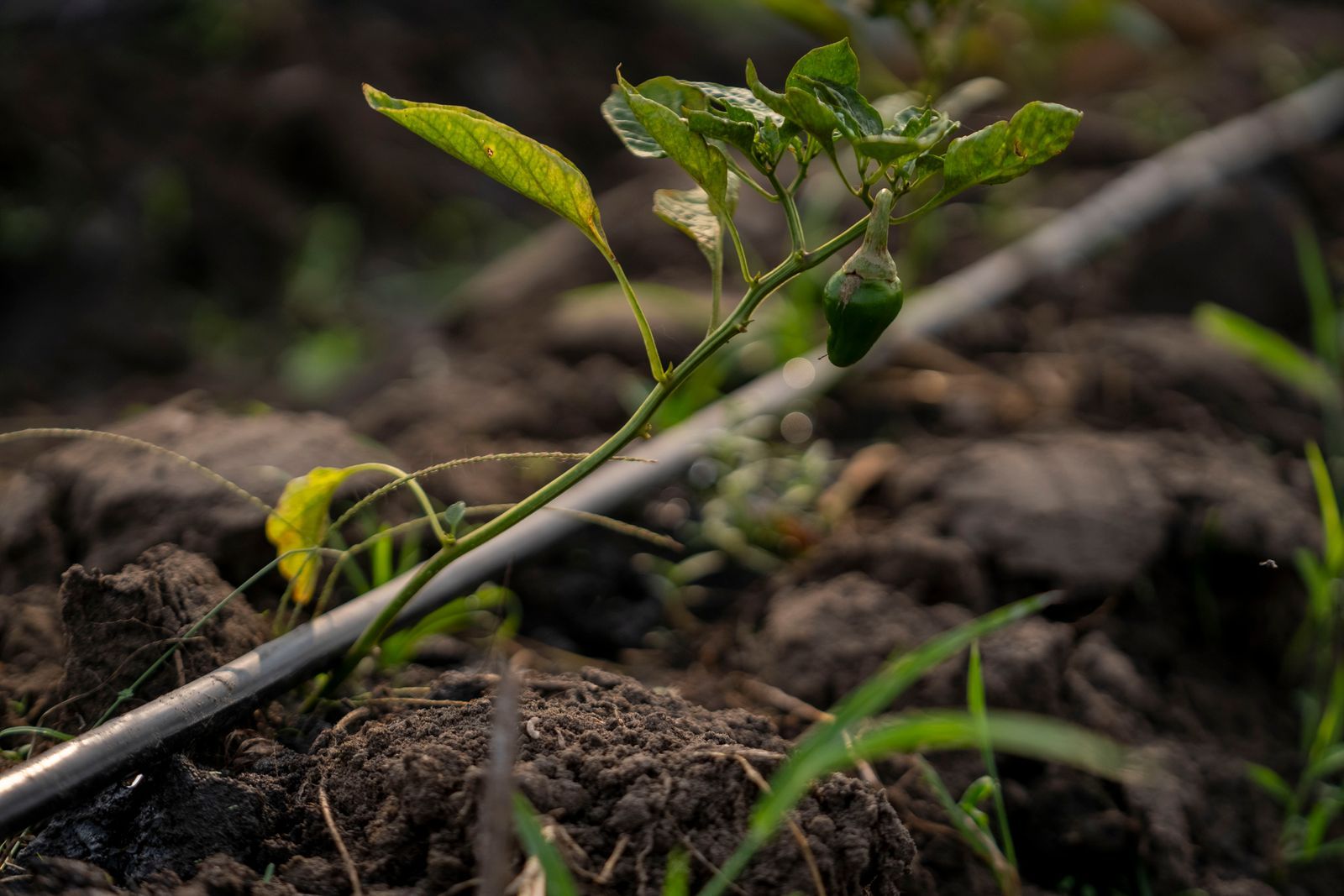
Photo: Elvis KAMBIRE / Pexels
Interactive tool
Raised Bed Watering System Checklist
Check off each step as you finish it. Your progress stays on this page.
0 of 8 complete
0% done
The Architecture: One Bib, One Mainline, Every Bed
The system has four layers, and every multi bed build in the results shares them. At the bib: a backflow preventer, a filter, a pressure regulator, and the timer, in that order from the tap. Then the mainline, half inch poly tubing, runs from the bib along the bed layout, buried a few inches or pinned along paths, teeing off at each bed. At each bed, a takeoff and usually a shutoff valve, so any single bed can be isolated for replanting or repair without draining the garden. Inside the bed, the delivery layer, soaker, drip lines, or PVC laterals, sized to that bed alone. The discipline is to build the layers in order and test each one wet before burying or covering anything: a mainline leak found after the mulch is down costs an afternoon, and found before, a coupling. Size the mainline for the whole garden's flow at once, because zones added later drink from the same pipe.
The Three Deliveries, Priced per Bed
Soaker hose is the economy layer: 15 to 30 dollars per bed, laid in lines 12 to 18 inches apart across the bed and pinned under mulch. It waters slowly and evenly, forgives low pressure, and asks nothing but a long, slow session; its costs are inconsistency along very long runs and a lifespan of a few seasons. Drip is the precision layer: 40 to 80 dollars per bed for lines, emitters, and fittings, placing water at each plant, adjustable bed by bed and crop by crop, at the price of more parts and the pressure discipline in the next section. The PVC manifold is the permanence layer: 60 to 120 dollars per bed in rigid pipe and valves, built once, repairable forever with a hacksaw and a coupling, and the choice for a garden that is done being rearranged. The honest comparison is not price alone: soaker spends the least money and the most water, drip spends middling money and the least water, PVC spends the most money and the least future attention. Most real gardens mix them, drip on the thirsty beds, soaker on the salad beds, and the architecture above serves all three from the same mainline.
The Pressure Rule: 80 at the Bib, 25 at the Emitter
This is the number pair the whole system hangs on. A household hose bib delivers 40 to 80 PSI. Drip emitters are built for about 25 PSI. Connect drip directly to the bib and the emitters mist, pop, and blow their fittings, unevenly and then entirely; the system does not merely work badly, it disassembles itself over a season. The 25 PSI regulator, fitted after the filter at the head of the system, is therefore not an accessory but the component the drip layer is named for. Soaker hose is more forgiving, wanting low pressure and long runs, and a soaker zone on the same system may need its own gentler setting or simply its own valve discipline. Test pressure behavior at the farthest bed, not the nearest: pressure and flow fall with distance and with every tee, and the last bed on the mainline is the honest report on the design. If the far bed starves while the near bed floods, the answer is zones run at different times, which is the timer's job, not bigger pipe.
The Timer: The Component That Changes the Behavior
A battery timer at the bib, 20 to 40 dollars, is what separates a watering system from a watering arrangement. It runs the dawn session nobody wants to stand over, splits the garden into zones across the morning so pressure stays honest, and keeps the garden alive through a two week holiday, which is the moment the system's cost justifies itself in one saved crop. Set sessions by the beds' real thirst, deep and infrequent over shallow and daily, and put the timer's clock where you can see it on the way past; a timer is also a failure point, and its battery wants replacing on a calendar rhythm, spring and fall, rather than at the moment it dies in August. Manual override matters: after rain, the system should be skippable in one motion, and a rain sensor or a simple habit of checking the beds before the session does it. The timer does not remove the gardener's judgment; it removes the gardener's presence from the judgment's execution.
The Per Bed Ledger and the First Season
Total the build honestly per bed, because the per bed figure is how the system scales and how it should be judged. Head assembly, timer, filter, regulator, and backflow preventer, is a one time cost shared by the garden, roughly 60 to 110 dollars all in. Mainline and fittings add a modest sum per bed of run. The delivery layer then prices as above: 15 to 30 soaker, 40 to 80 drip, 60 to 120 PVC, per bed. A four bed drip garden therefore lands in the few hundreds, and the comparison that matters is against the seasons of morning hose sessions it replaces and the crops it saves in the first dry holiday. Run the first season as a shakedown: check each bed's soil at root depth after a session, adjust emitters and session lengths bed by bed, and write the final settings on the timer or a card in the shed. The system that results is fitted to your beds and your pressure, which no kit's defaults could have been.
Frequently Asked Questions
How much does a raised bed watering system cost?
Per bed, by delivery layer: soaker hose 15 to 30 dollars per bed, drip 40 to 80 dollars per bed, and a PVC manifold build 60 to 120 dollars per bed. On top of that sits a one time head assembly for the whole garden, timer, filter, pressure regulator, and backflow preventer, roughly 60 to 110 dollars, plus mainline tubing. A four bed drip garden lands in the few hundreds of dollars all in, and pays it back in saved crops and mornings.
Do I need a pressure regulator for drip irrigation?
Yes, and it is not optional. Household hose bibs deliver 40 to 80 PSI, and drip emitters are built for about 25 PSI. Without the regulator the emitters mist, fittings pop, and distribution goes uneven before the system fails outright. Fit a 25 PSI regulator after the filter at the head assembly. Soaker hose is more forgiving of pressure but still prefers it low; check the farthest bed's performance, since that is where pressure problems announce themselves.
What is the difference between soaker hose and drip for raised beds?
Soaker hose weeps along its whole length, laid in lines 12 to 18 inches apart, watering the bed as a field: cheapest, simplest, least precise, and happiest under mulch. Drip places emitters at plants, watering the crop rather than the bed: more parts, more control, less water used, and the pressure regulator becomes mandatory. Beds of evenly spaced crops suit either; beds of mixed, widely spaced plants, tomatoes, squash, peppers, are drip's home ground.
Can one timer run a whole raised bed garden?
Yes, and it should: a 20 to 40 dollar battery timer at the bib runs the system at dawn, and multi zone timers or sequential sessions let beds with different thirsts drink on different schedules while keeping pressure honest. The timer is also the system's holiday insurance. Replace its battery on a spring and fall rhythm rather than waiting for the August failure, and keep a manual override habit for after rain.
How is a whole garden system different from a single bed drip kit?
Architecture and scale. The single bed build, which the site's drip for a raised bed guide owns, is one kit on one bed from one tap. The whole garden system adds the layers this page covers: a head assembly with filtration and regulation, a mainline serving every bed, per bed valves and delivery layers priced per bed, and zoning under a timer. The physics is the same; the planning is the difference.
Photo credits: Elvis KAMBIRE (Pexels); Anil Sharma (Pexels). Photos are served from this site; follow the credit to the library page for the original.