Notes from the garden path
Gardening and outdoor living for people learning as they grow
A practical blog about gardening and outdoor living for beginners: starting a first garden, growing vegetables and herbs, flowers and houseplants, small garden projects and decor (including wind chimes), and lawn and landscape basics. Every guide carries a working garden calculator or planner you can use on the spot.
Browse the guides
Gardening Basics for Beginners
First beds, first seeds, first season: choosing a spot, understanding soil and sunlight, watering without guesswork, and the short list of tools and habits that carry a new gardener through year one.
Vegetables and Herbs
Grow food you will actually eat: tomatoes, peppers, beans, greens, and the kitchen herbs, with spacing, timing, and care figures drawn from university extension publications.
Flowers and Houseplants
Color outside and green life inside: dependable flowers for beds and borders, and houseplant care that starts with light and water instead of folklore.
Garden Projects and Outdoor Living
Small builds and finishing touches that make a garden a place to sit in: raised beds, paths, seating corners, trellises, and garden decor, including where to hang wind chimes so they sing without driving anyone indoors.
Lawn and Landscape Basics
The ground everything else sits on: starting and repairing a lawn, mowing and watering basics, simple beds and borders, and shrubs and small trees chosen and planted the straightforward way.
Start with the essentials
- 10 Gardening Tools for Beginners: The Exact Kit, in the Order to Buy It
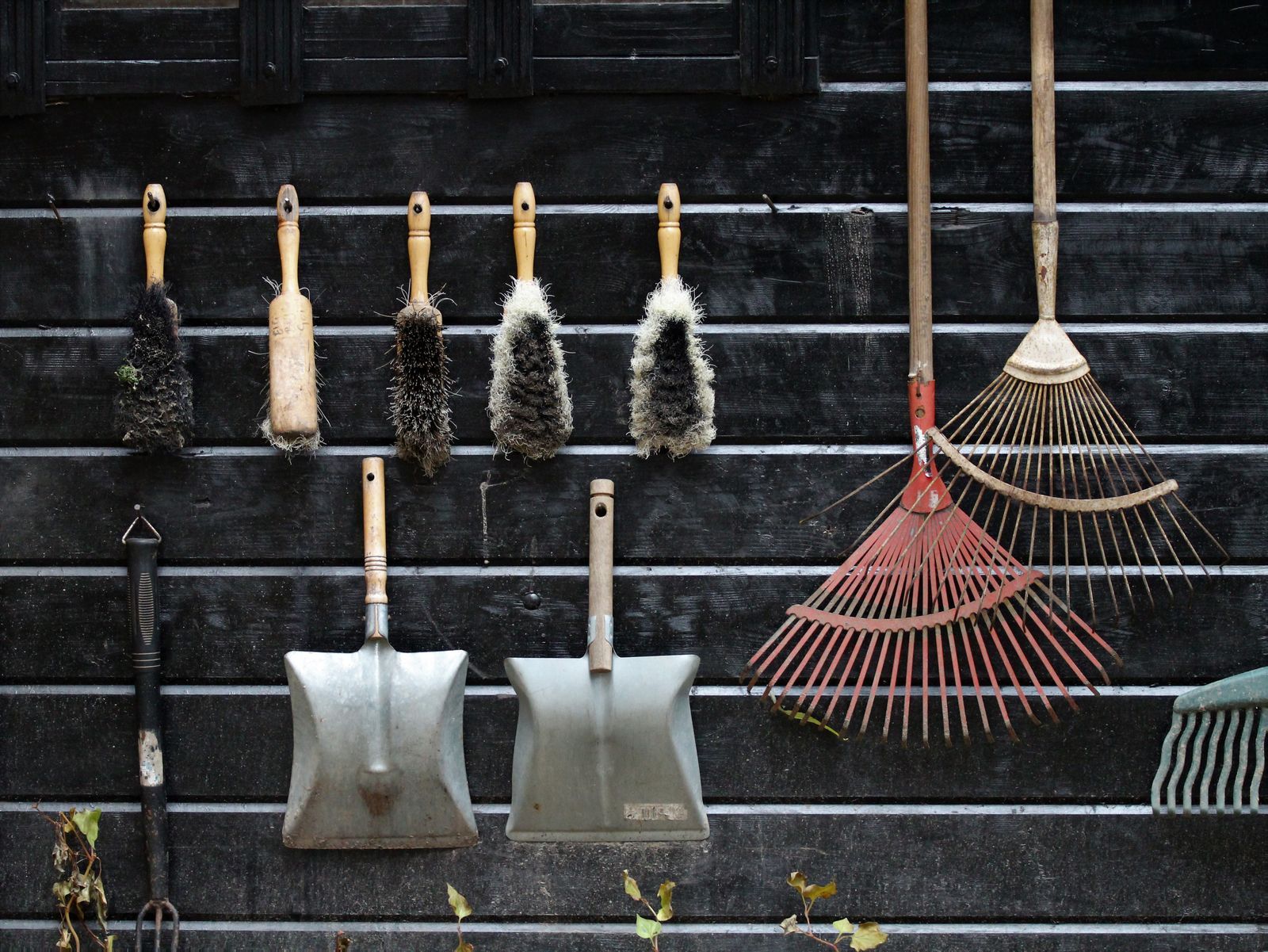
Ten tools run a beginner's whole first season: hand trowel, bypass pruners, gloves, spade, digging fork, bow rake, leaf rake, watering can, hose with a wand, and a wheelbarrow or garden cart. Each one below carries its job, the quality test that separates it from the junk in the beginner aisle, and the moment in the season when you actually reach for it, plus the honest split of five to buy now and five to buy when their job arrives.
- Annual Flowers for Shade: Measure Your Shade First, Then Take the List
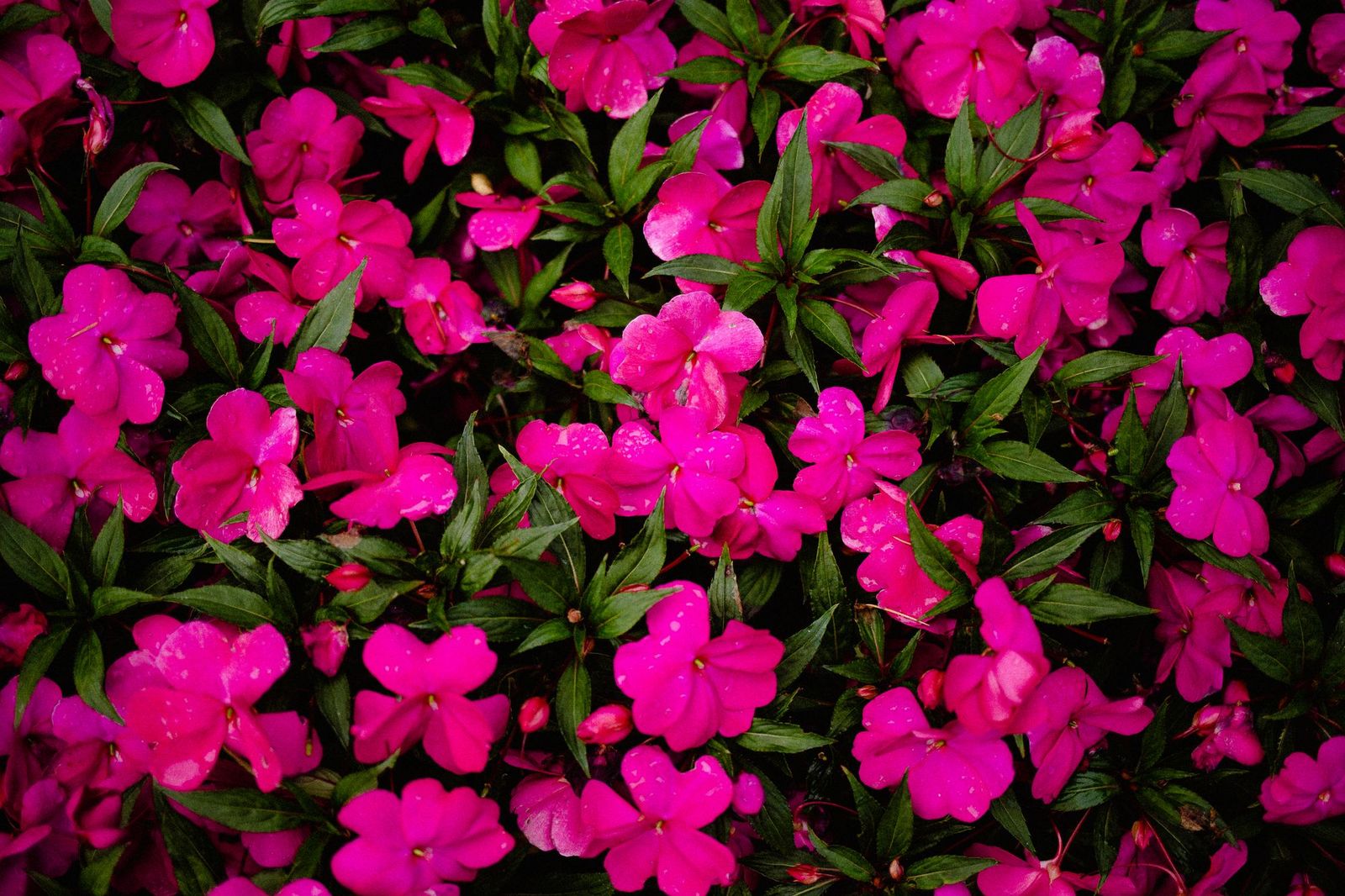
Shade annuals chosen by a measured shade audit instead of a guess: count your hours of direct sun, because part shade and full shade take different halves of the list. The Iowa State Extension anchored plant list, impatiens, New Guinea impatiens, wax begonia, wishbone flower, tuberous begonia, with the downy mildew history that changed the impatiens advice, the foliage lane of coleus and caladium, and the begonia pet warning from the ASPCA.
- Annual Flowers That Bloom All Summer: The True Annuals by Job, the Shade Bench, and the August Refresh
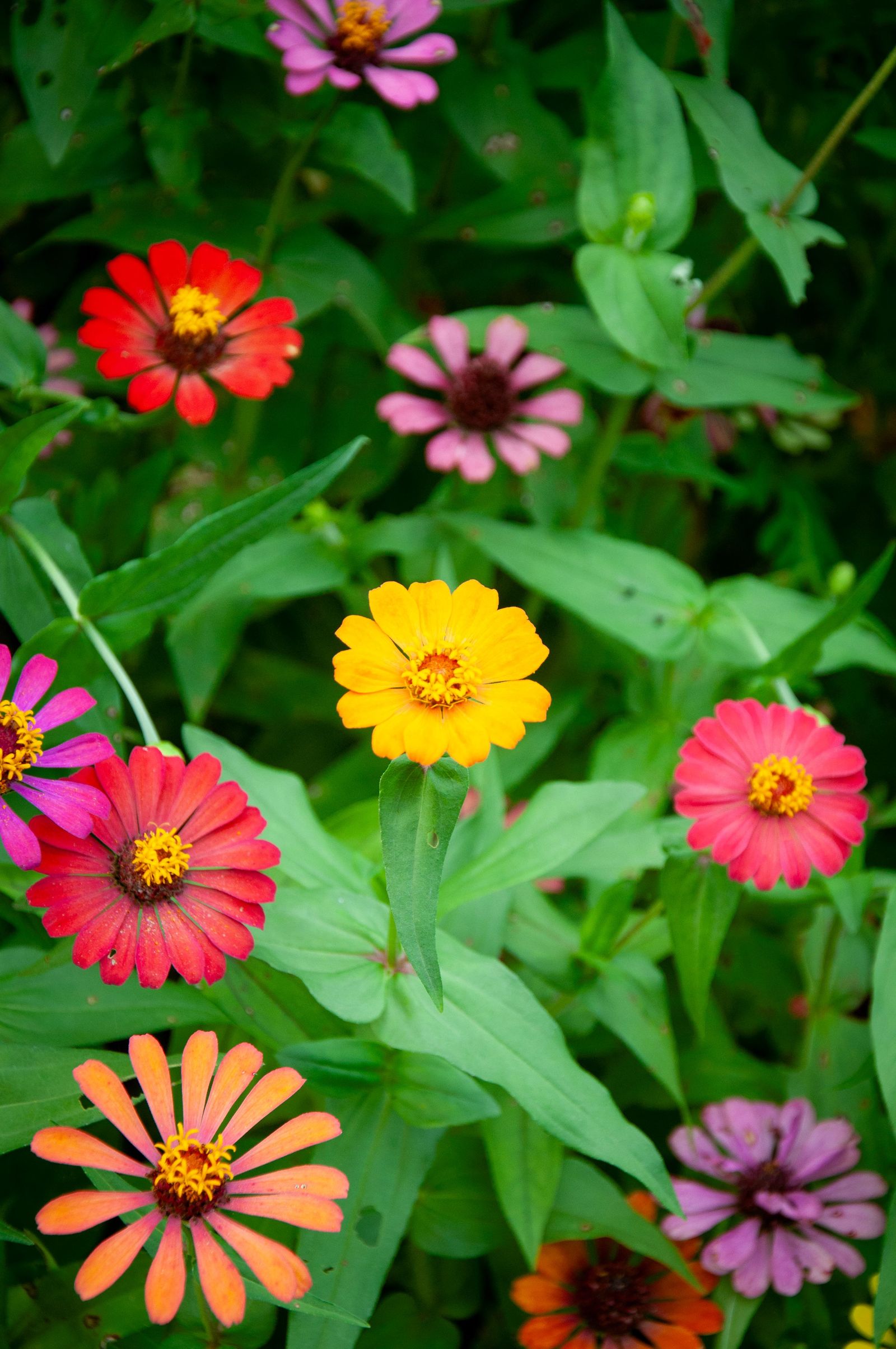
An all summer annual list earns its name by holding bloom from planting to frost without a gap, and by excluding the perennials that pad most lists. The core nine for sun are zinnia, marigold, petunia, cosmos, vinca, lantana, portulaca, angelonia, and salvia, sorted here by the job each does best. Impatiens and begonia hold the shade bench. The deadhead rhythm and the August cutback are what separate a list from a season.
- Arugula Plant Spacing: The Harvest Size Ladder on the Delaware Standard
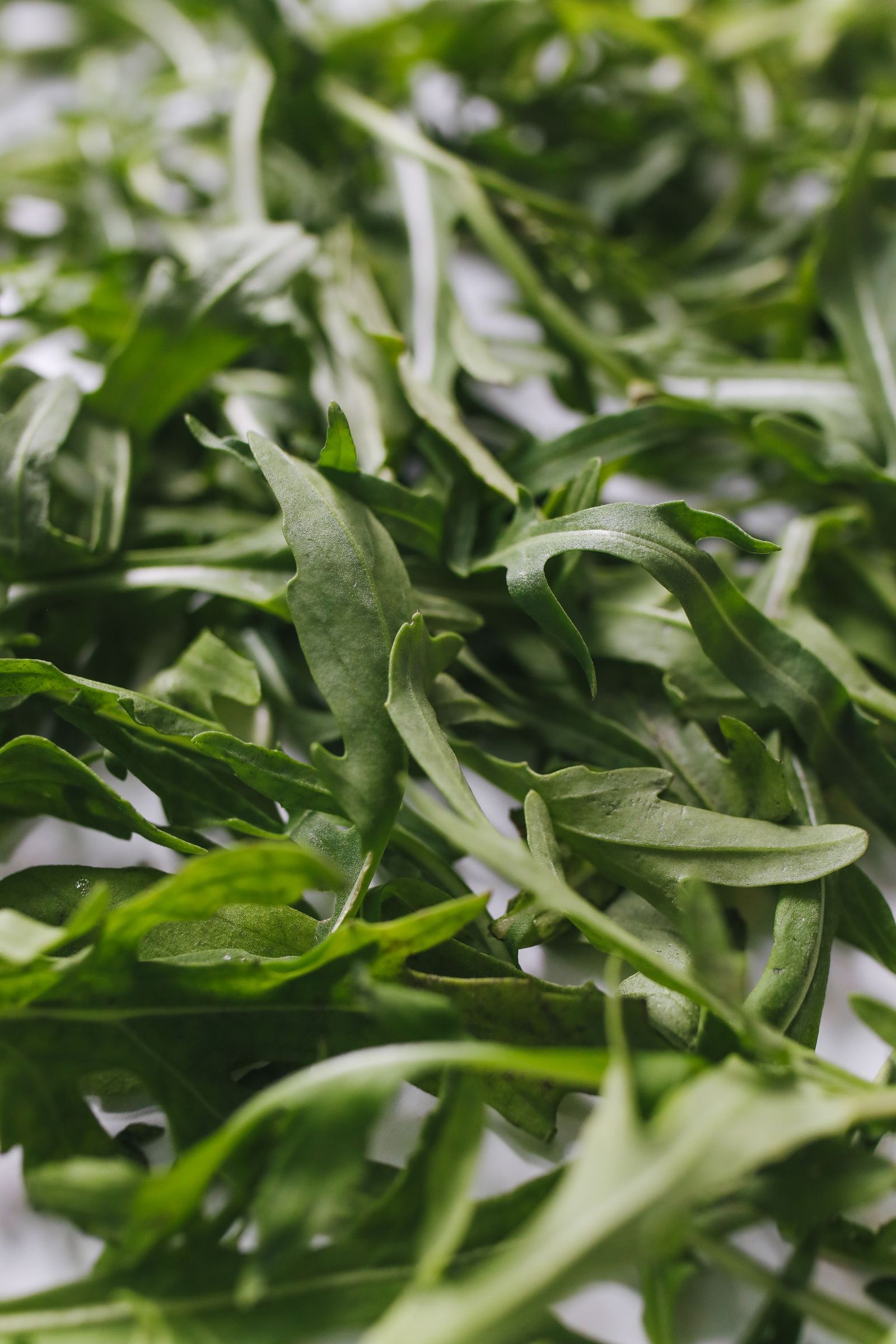
Arugula spacing from the University of Delaware Cooperative Extension Grow Your Own factsheet, read in full for this article: a minimum plant distance of 6 inches in both directions, seed sown 1/4 to 1/2 inch deep and direct sown, thinned as plants begin to touch. Why that number is a harvest size decision, with baby leaf at broadcast density, the production rows at 7 to 9 inches and the seed saving thinning to 10 inches flagged as the alternatives, plus the succession rhythm and the bolt clock.
- Asparagus Plant Spacing: the 15 Year Bed, Laid Out at the Minnesota Standard
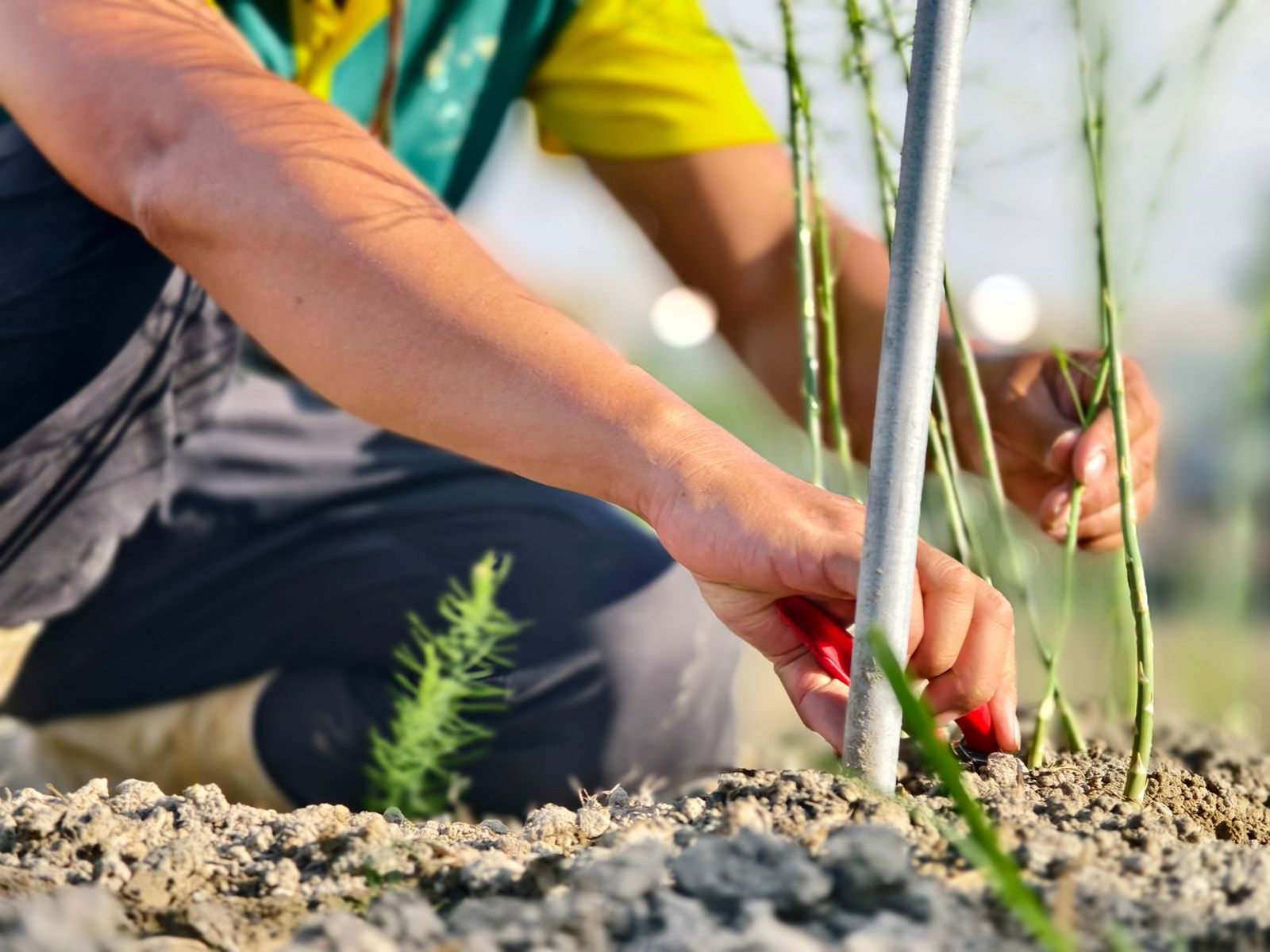
Asparagus spacing for a bed that should produce for 15 years or more, at the University of Minnesota Extension standard read in full for this page: crowns with buds 12 inches apart in furrows at least 3 feet apart, trench 6 to 12 inches deep by soil type. The sprawl in other sources flagged, 12 to 18 inch crowns and rows to 60 inches, plus site choice, the no harvest first spring rule, and the fern funding system the layout serves.
- Basic Lawn Care for Beginners: The Whole Lawn Year in Five Jobs
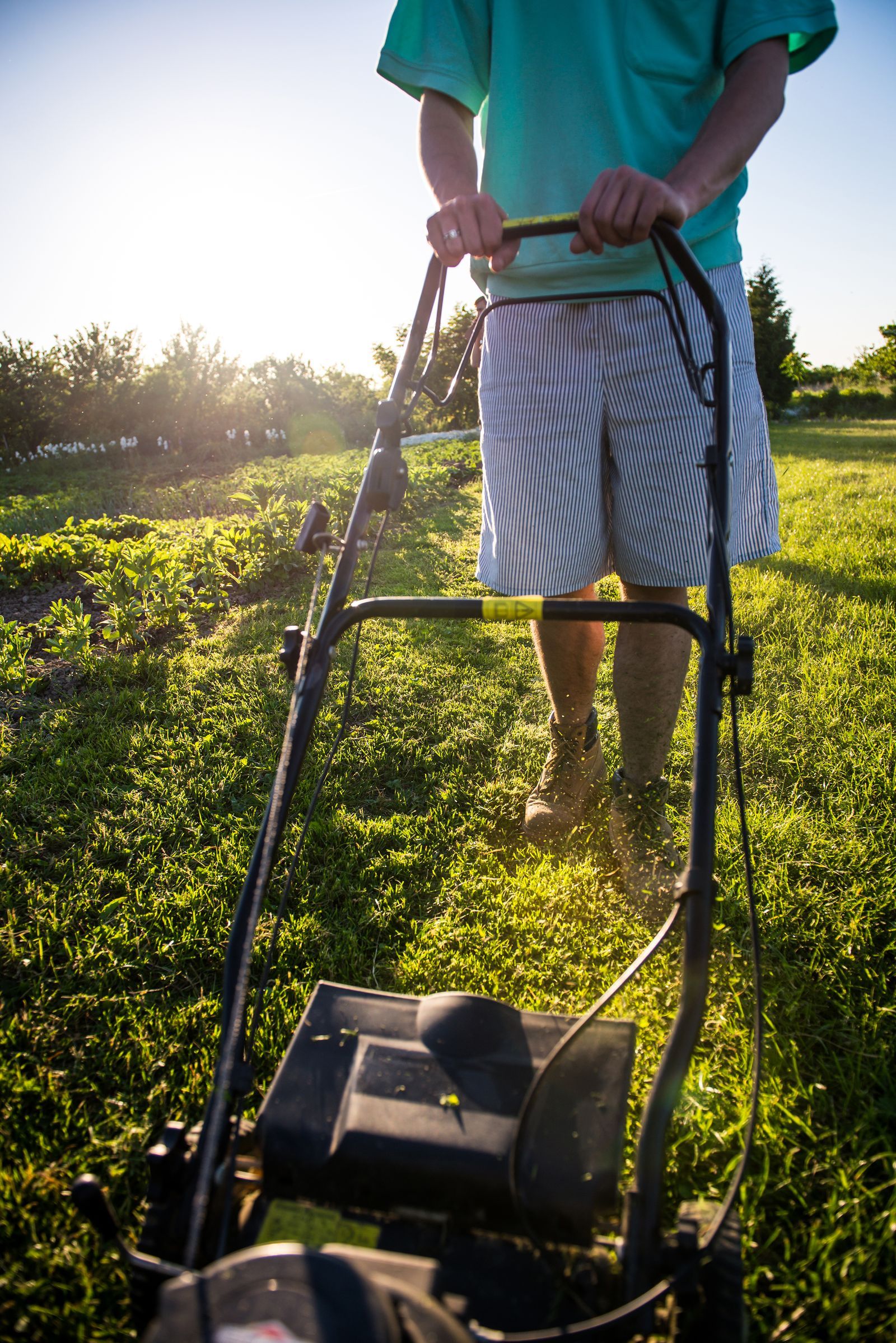
Basic lawn care is five jobs done at the right season: mow high and never take more than a third, water deeply about 1 inch a week, feed only after a soil test, seed in your grass family's prime season, and handle leaves as a resource. Identify your grass first, because every date depends on it.