Home / Flowers and Houseplants
Flowers and Houseplants
Color outside and green life inside: dependable flowers for beds and borders, and houseplant care that starts with light and water instead of folklore.
- Annual Flowers for Shade: Measure Your Shade First, Then Take the List
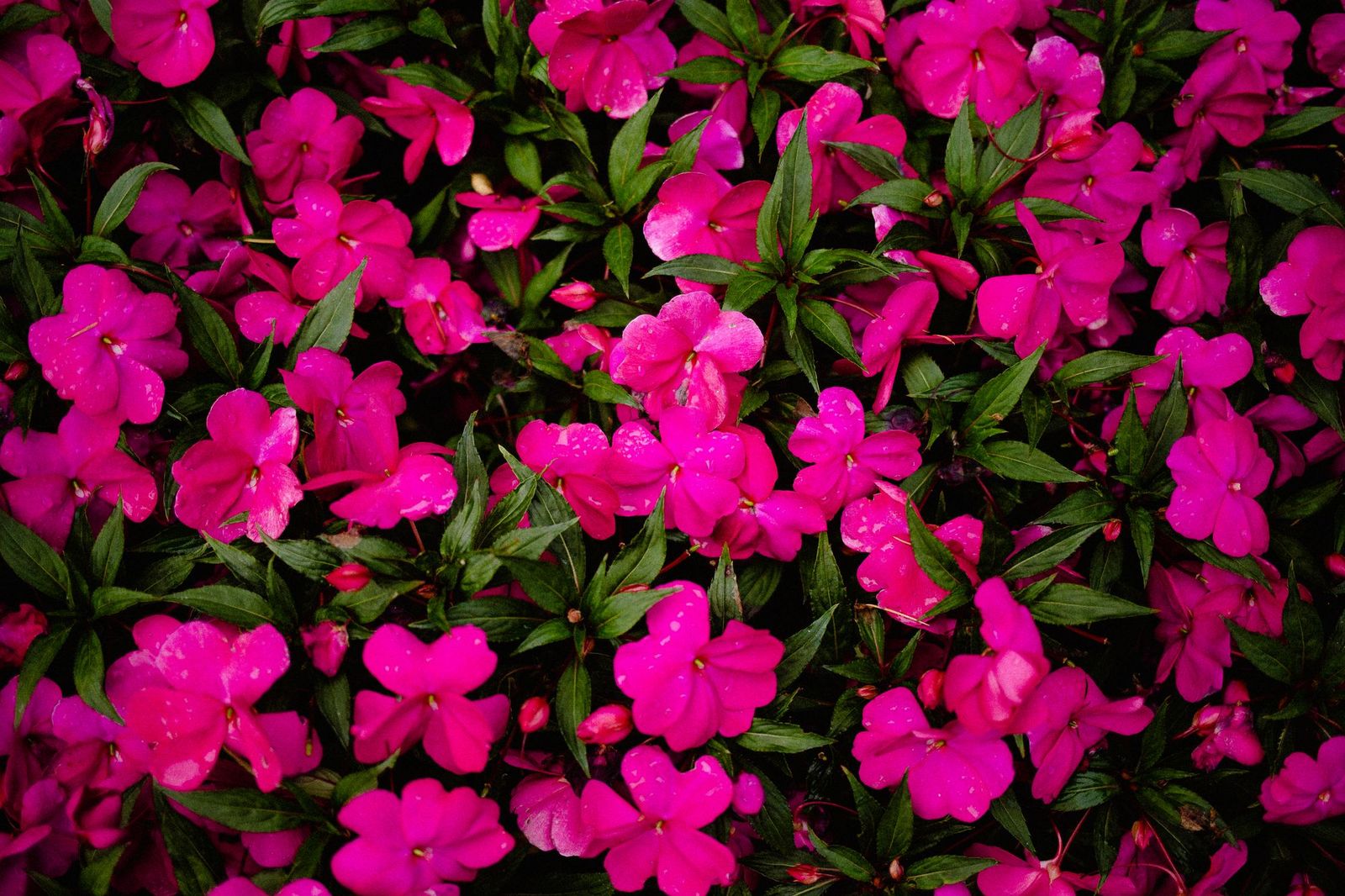
Shade annuals chosen by a measured shade audit instead of a guess: count your hours of direct sun, because part shade and full shade take different halves of the list. The Iowa State Extension anchored plant list, impatiens, New Guinea impatiens, wax begonia, wishbone flower, tuberous begonia, with the downy mildew history that changed the impatiens advice, the foliage lane of coleus and caladium, and the begonia pet warning from the ASPCA.
- Annual Flowers That Bloom All Summer: The True Annuals by Job, the Shade Bench, and the August Refresh
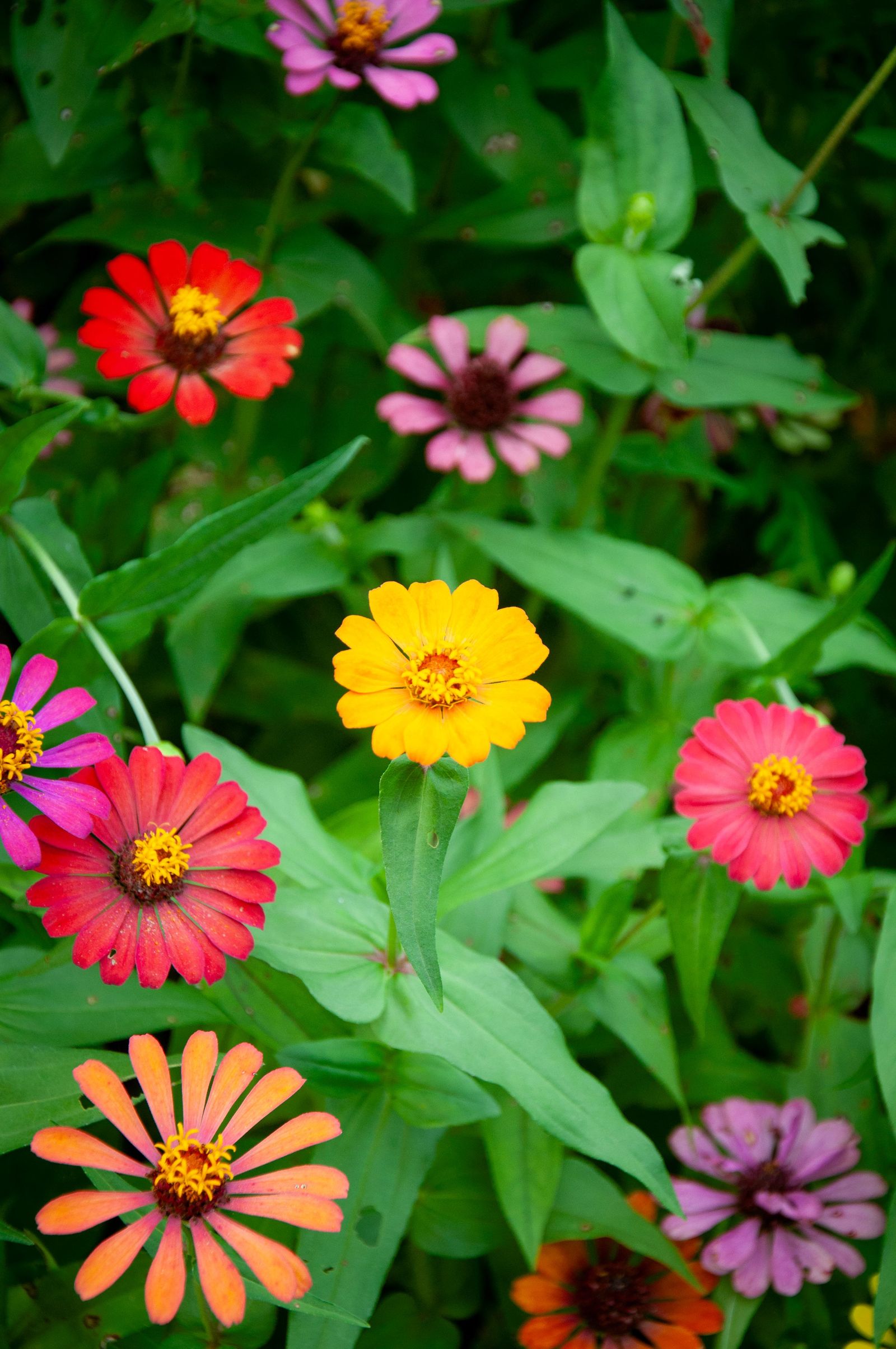
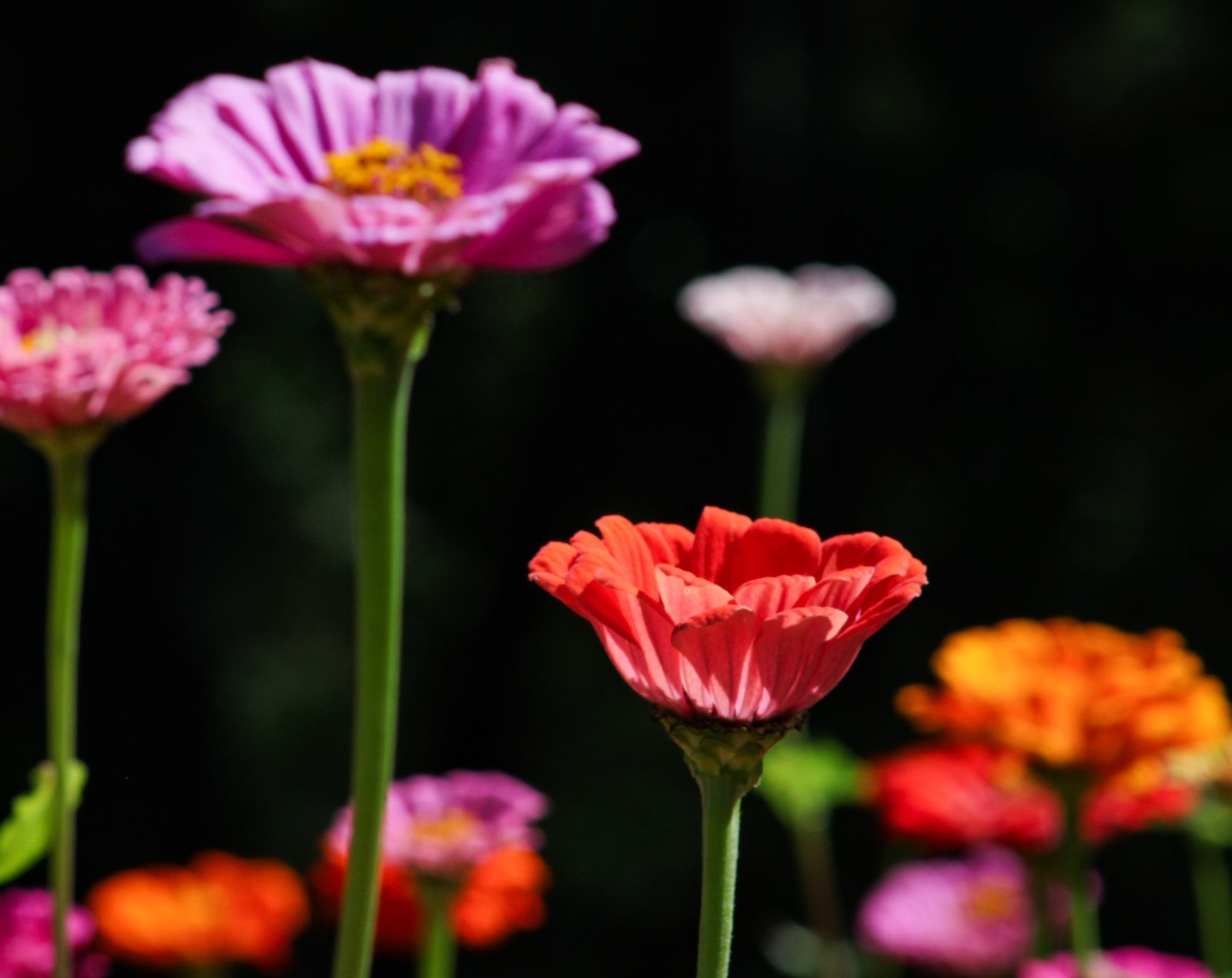
An all summer annual list earns its name by holding bloom from planting to frost without a gap, and by excluding the perennials that pad most lists. The core nine for sun are zinnia, marigold, petunia, cosmos, vinca, lantana, portulaca, angelonia, and salvia, sorted here by the job each does best. Impatiens and begonia hold the shade bench. The deadhead rhythm and the August cutback are what separate a list from a season.
- Best Flowers for Beginners: A Shortlist That Fills One Bed All Season
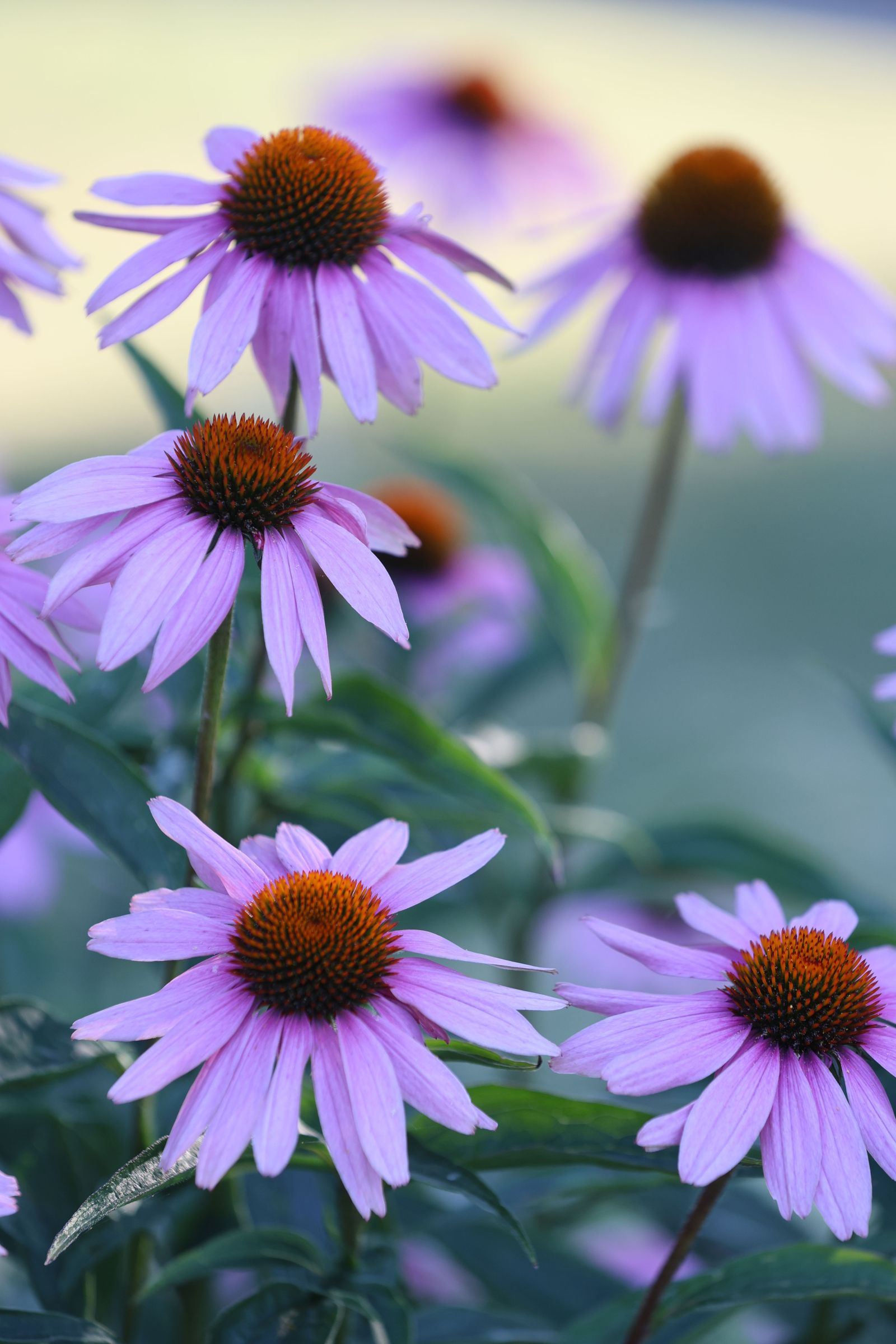
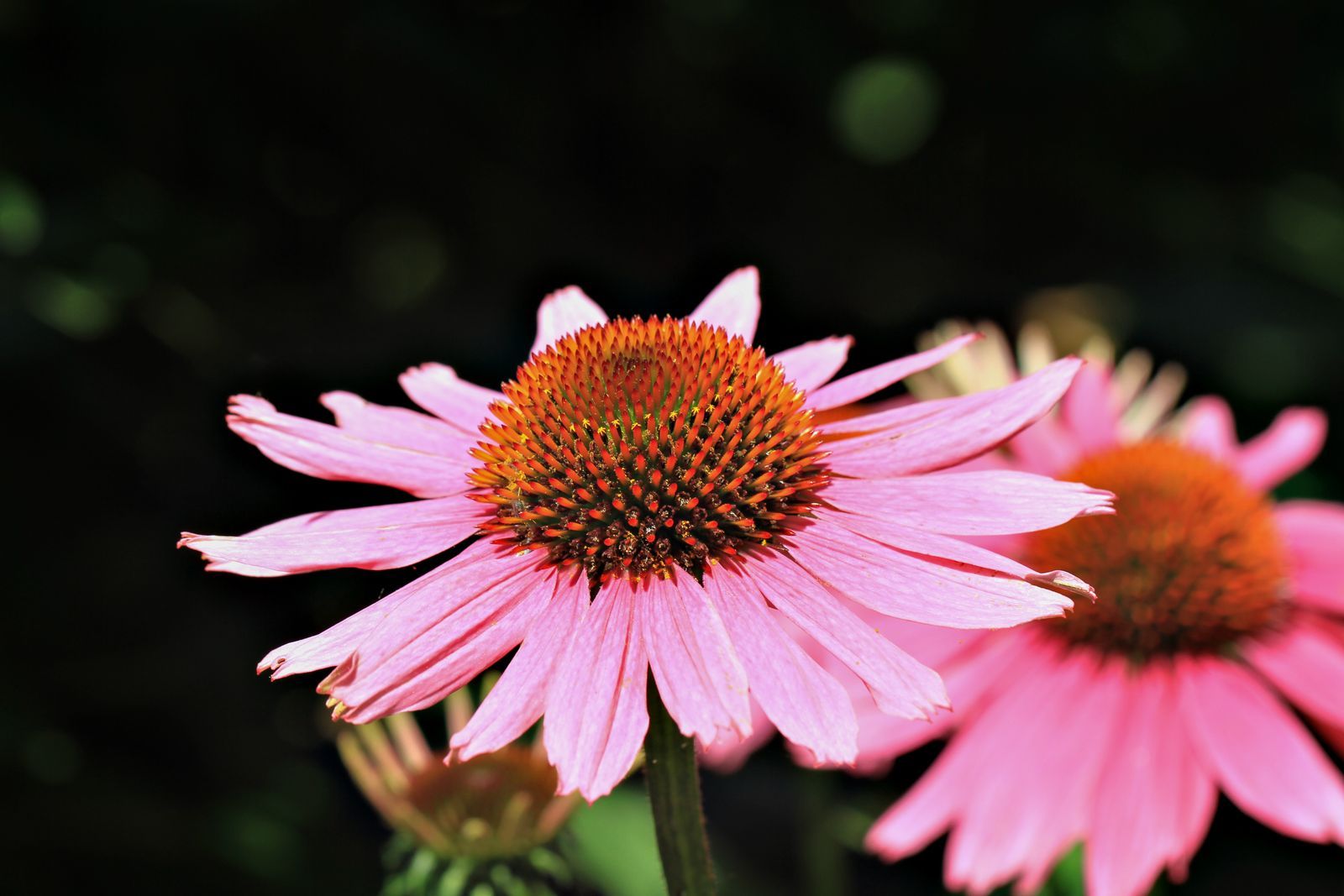
The best flowers for beginners are the forgiving annuals, zinnia, marigold, sunflower, cosmos, and nasturtium, backed by plant once perennials like coneflower and daylily. This page assembles them into one bed plan that blooms from early summer to frost, with the sowing method settled for each.
- Best Houseplants for Beginners
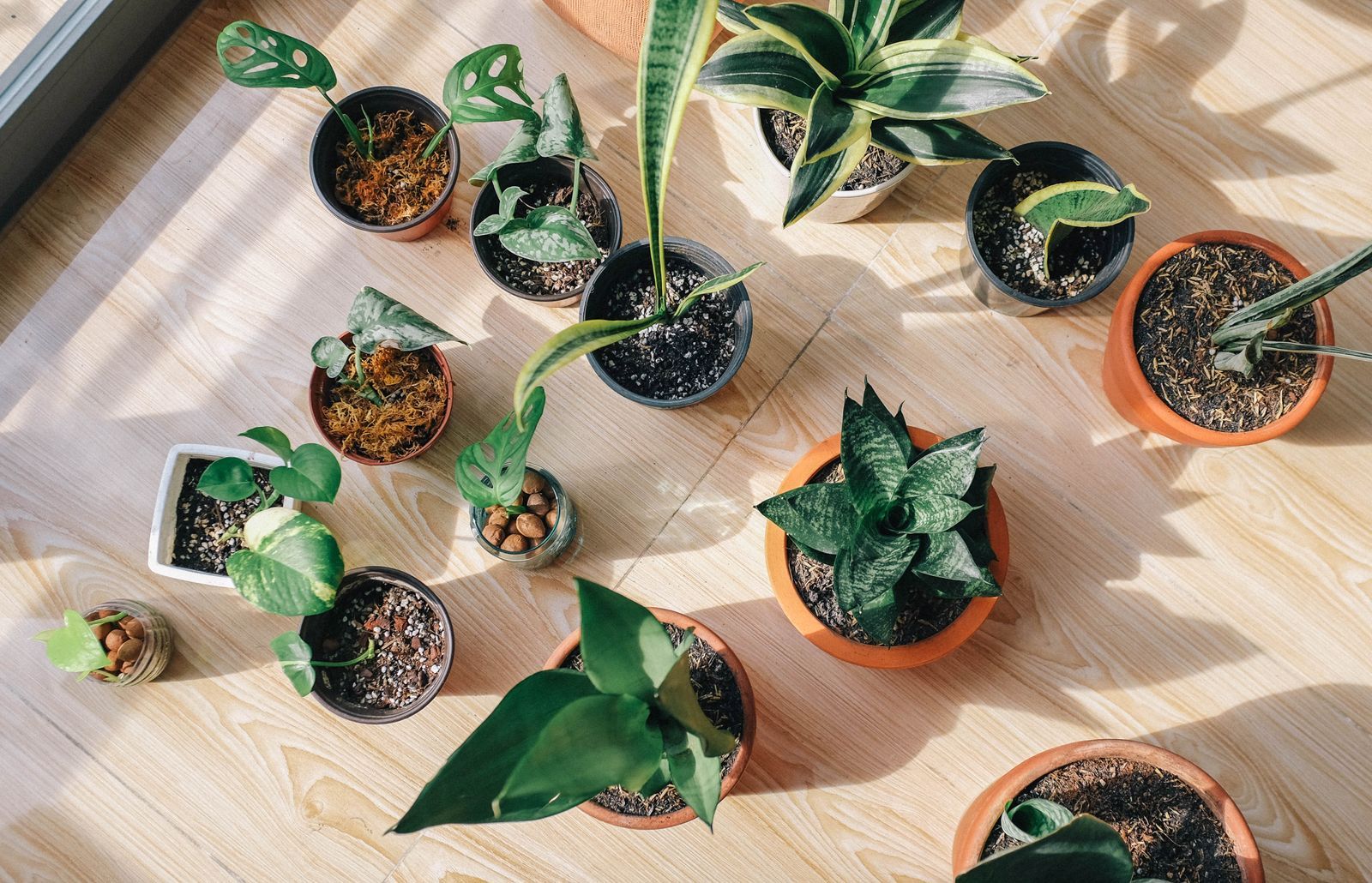
Match the plant to your home before you buy it. Score your brightest spot and your honest watering style, then choose from a shortlist of six forgiving houseplants, each labeled with who it suits, how it usually dies, and its pet safety note from the ASPCA listings.
- Best Indoor Houseplants for Beginners: Matched to Your Windows, Not to a Photograph
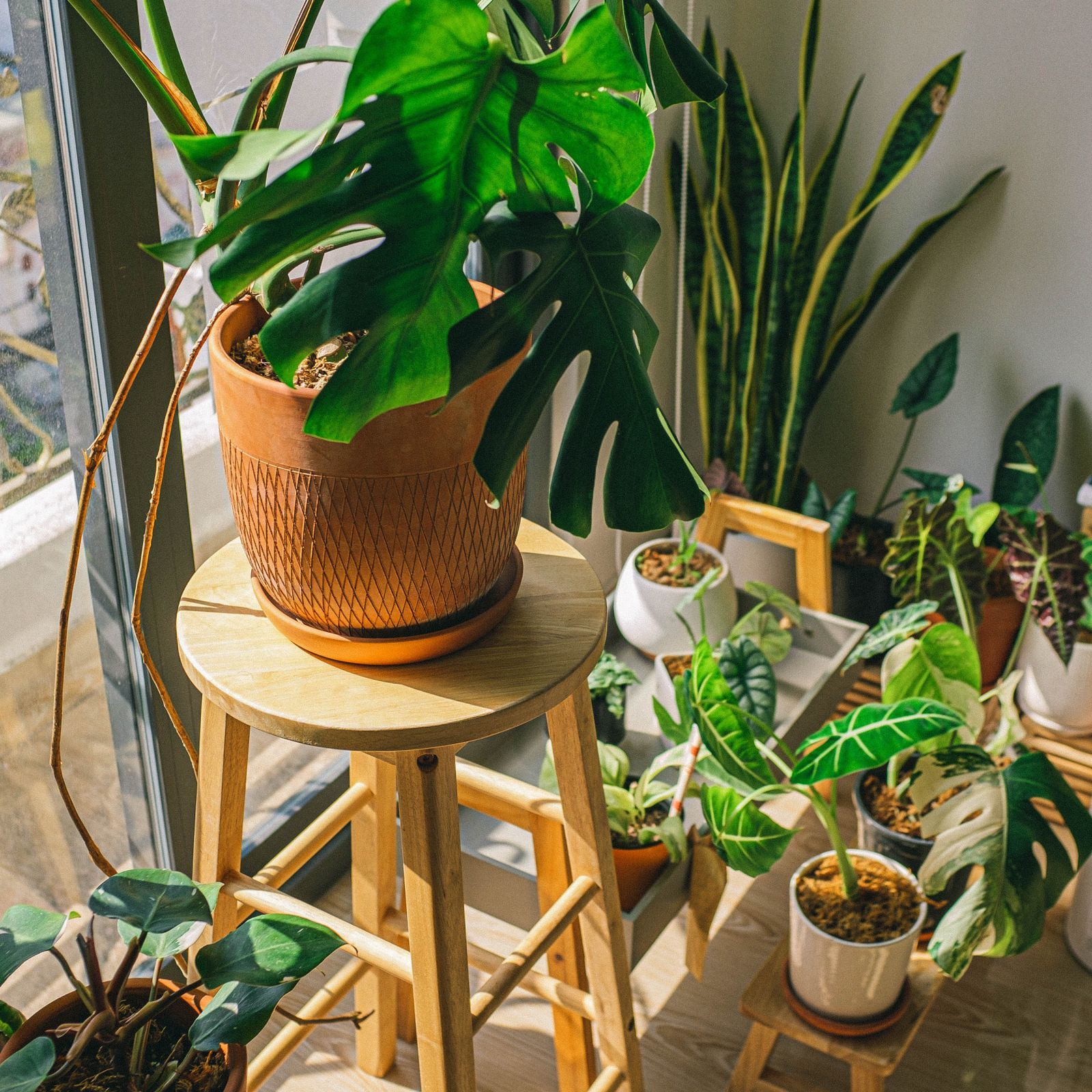
The forgiving eight lead every honest list, snake plant, pothos, ZZ plant, spider plant, peace lily, Chinese evergreen, cast iron plant, and heartleaf philodendron, but the list is not the skill. This page sorts them by your window direction and your watering personality, assembles a three plant starter collection by condition, names each pick's indoor failure mode, and lays down the light and drainage rules that keep a whole collection alive.
- Best Indoor Plants for Beginners With Cats: The ASPCA Checked Shortlist
The beginner plants that are also safe if a cat chews them, verified against the ASPCA toxic and non-toxic plant list by scientific name: spider plant, parlor palm, areca palm, Boston fern, calathea and prayer plant, peperomia, cast iron plant, African violet, haworthia, money tree, and hoya. Plus the remove first list, true lilies out of the house entirely, the calcium oxalate beginners moved up or out, placement rules for a cat that jumps, and a cat grass decoy pot.
- Best Indoor Plants for Beginners With Dogs: Safe at Floor Level, Where Dogs Actually Live
Dog safe beginner houseplants verified against the ASPCA list, organized for the way dogs actually meet plants: nose first, at floor level, with digging paws, eating soil, and a tail that knocks pots over. The safe shortlist by placement, the sago palm warning in its own class, the soil and mulch hazards nobody lists, puppy rules, and pot discipline for a house with a tail.
- Best Large Houseplants for Beginners: Big Plants That Forgive Beginners
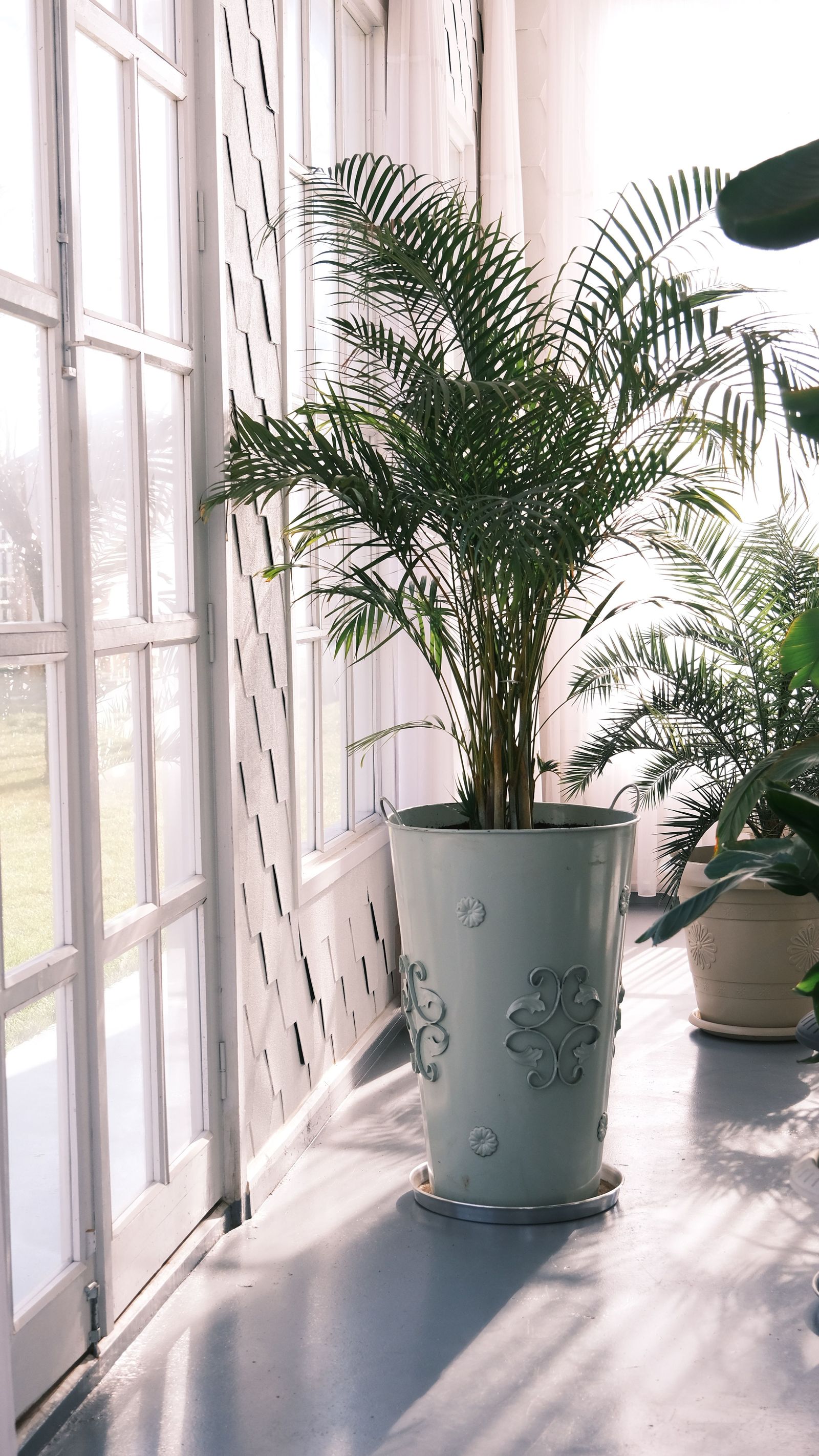
Large houseplants matched honestly for beginners: each pick with its mature footprint, growth speed, floor level light need, and pet status, from the areca and kentia palms (the ASPCA safe big plants) to monstera and rubber plant. Plus the fiddle leaf fig moved to the graduate shelf with its reasons, and the delivery, placement, and repotting logistics of a plant that arrives big.
- Best Perennials for Beginners: A Border Plan, Not a Shopping List
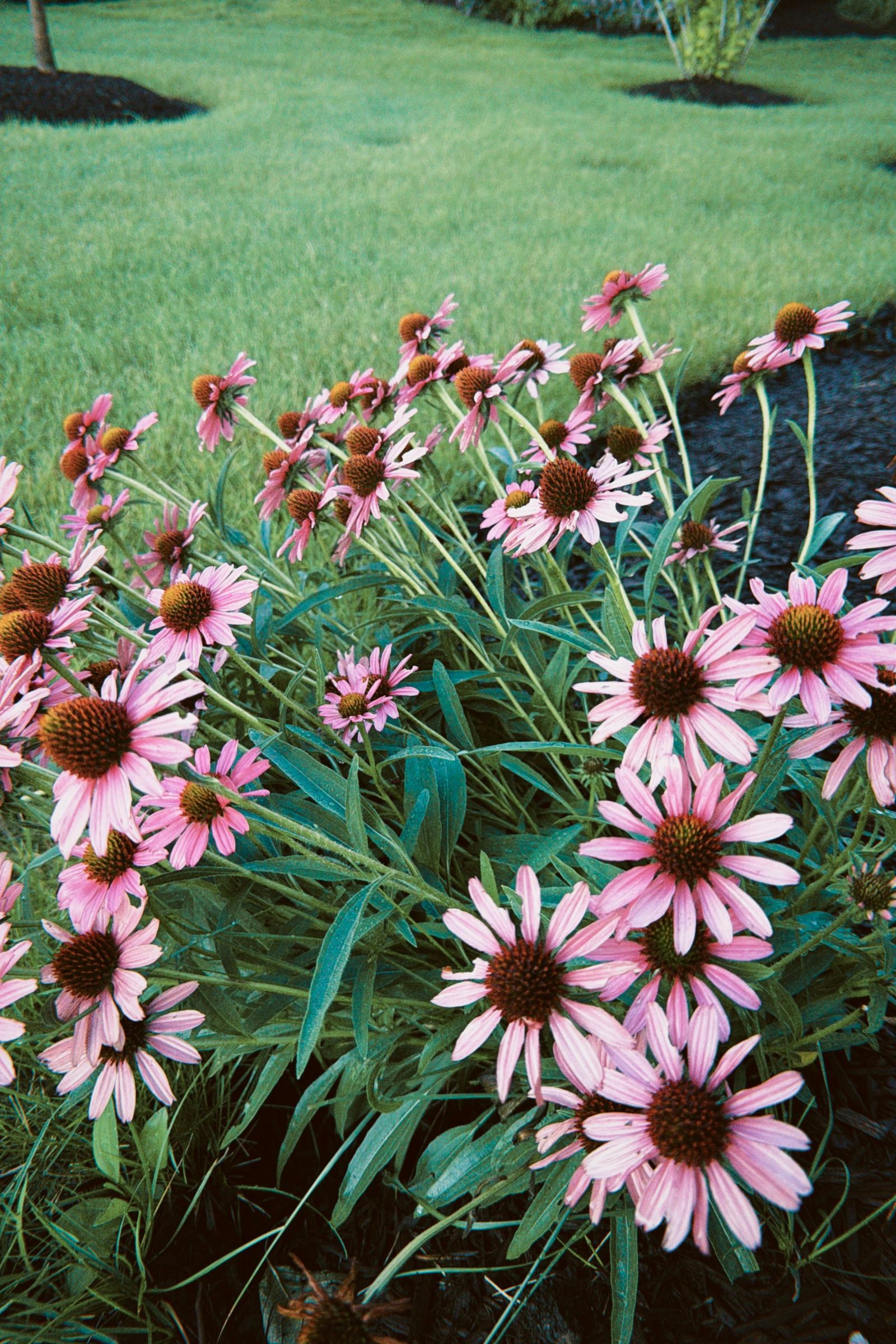
The forgiving beginner perennials, coneflower, black eyed Susan, daylily, hosta, sedum, catmint, coreopsis, and peony, assembled into one border plan by sun and shade, each with a job and spacing at mature size. Expect sleep the first year, creep the second, leap the third.
- Best Plants for Beginners Indoor: A Room by Room Guide
The best indoor plants for beginners, chosen room by room instead of from a generic list: what belongs on the desk, in the bathroom, in the dark corner, and on the bright sill, plus the checks to run in the store before you pay.
- Container Gardening for Beginners: The Full Method, From Pot to Harvest
Container gardening as one complete method for beginners: pot materials judged, the crop by crop container size table from extension guidance, potting mix never garden soil, fill volumes from the calculator, and the watering and feeding rhythm containers impose because they dry faster and leach nutrients. Plus drainage as law, the seasonal reset, and what to grow first.
- Container Gardening Ideas: Gallery Looks, Converted Into Layouts You Can Build
Container gardening ideas with the specifications the galleries leave out: every idea given as a buildable layout with pot sizes, plant counts, placement, and its watering cost. The thriller filler spiller formula with named plants, odd number groupings, vertical and railing arrangements, the one oversized statement planter, and how to turn any photograph you love into a shopping list instead of a disappointment.
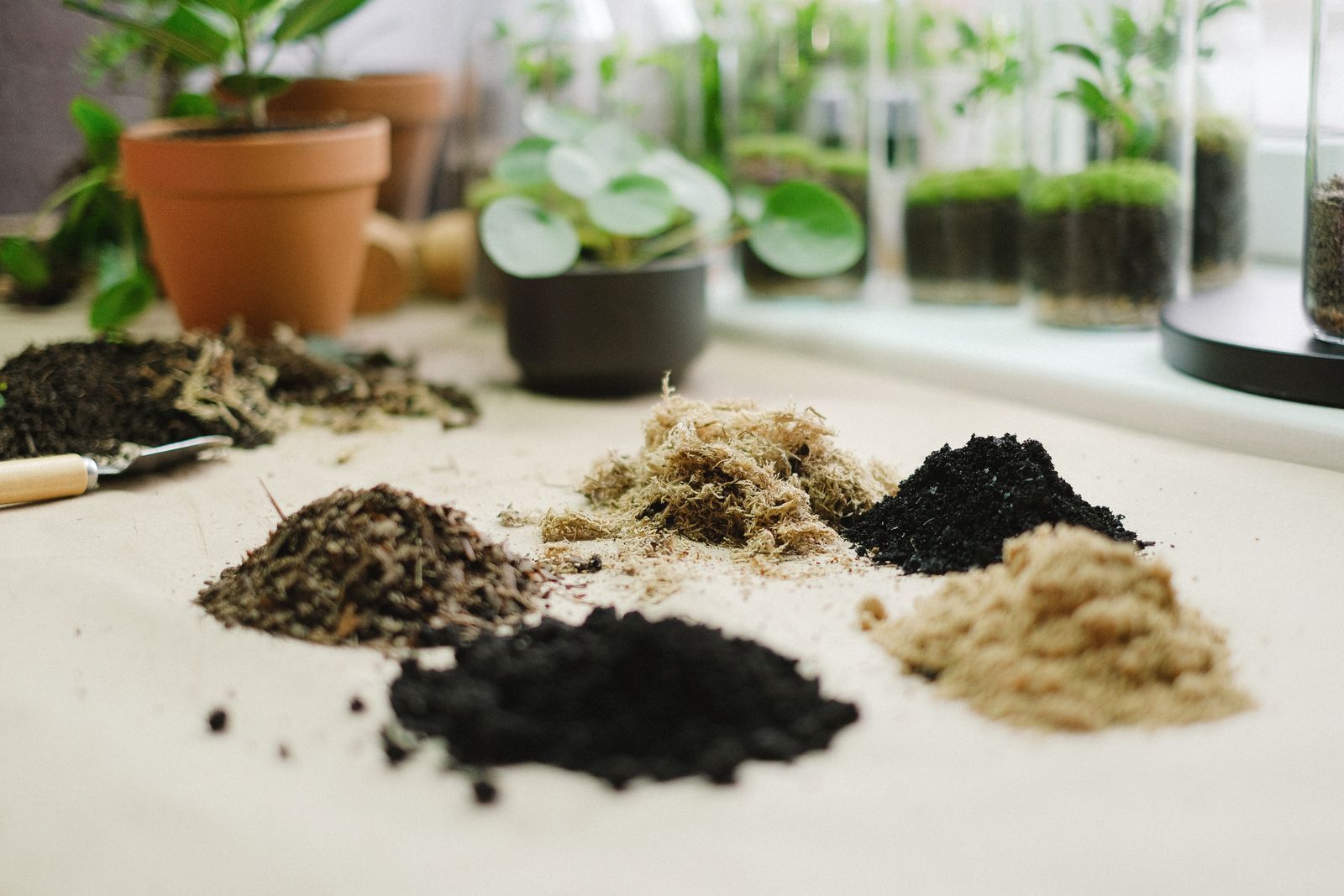
- Container Gardening Soil: One Base Mix, Adjusted Per Plant Family
Container soil taught as one base mix with per family adjustments instead of a different recipe for every pot: the base blend of peat or coir, compost, and perlite, the grit version for succulents, the moisture version for ferns, the feeding version for vegetables, and the year two refresh protocol for last season's mix. The published recipe sprawl, 1:1:1 against 40/40/20 against 2:1:1, explained by the questions each ratio answers, and the calculator framed to batch a whole pot fleet.
- Flowers That Bloom All Summer: Sorted by Pattern, Built Into One Border
No single flower blooms all summer; a border does, by mixing three patterns: continuous bloomers like zinnia and marigold, rebloomers that pay for deadheading like salvia and coreopsis, and long holding perennials like coneflower and black eyed Susan. This page sorts the reliable names by pattern, prices the upkeep each pattern charges, and assembles one border that runs from June to frost.
- How Often to Water a Desert Rose: The Caudex Test, the Full Dry Rule, and the Winter Shutdown
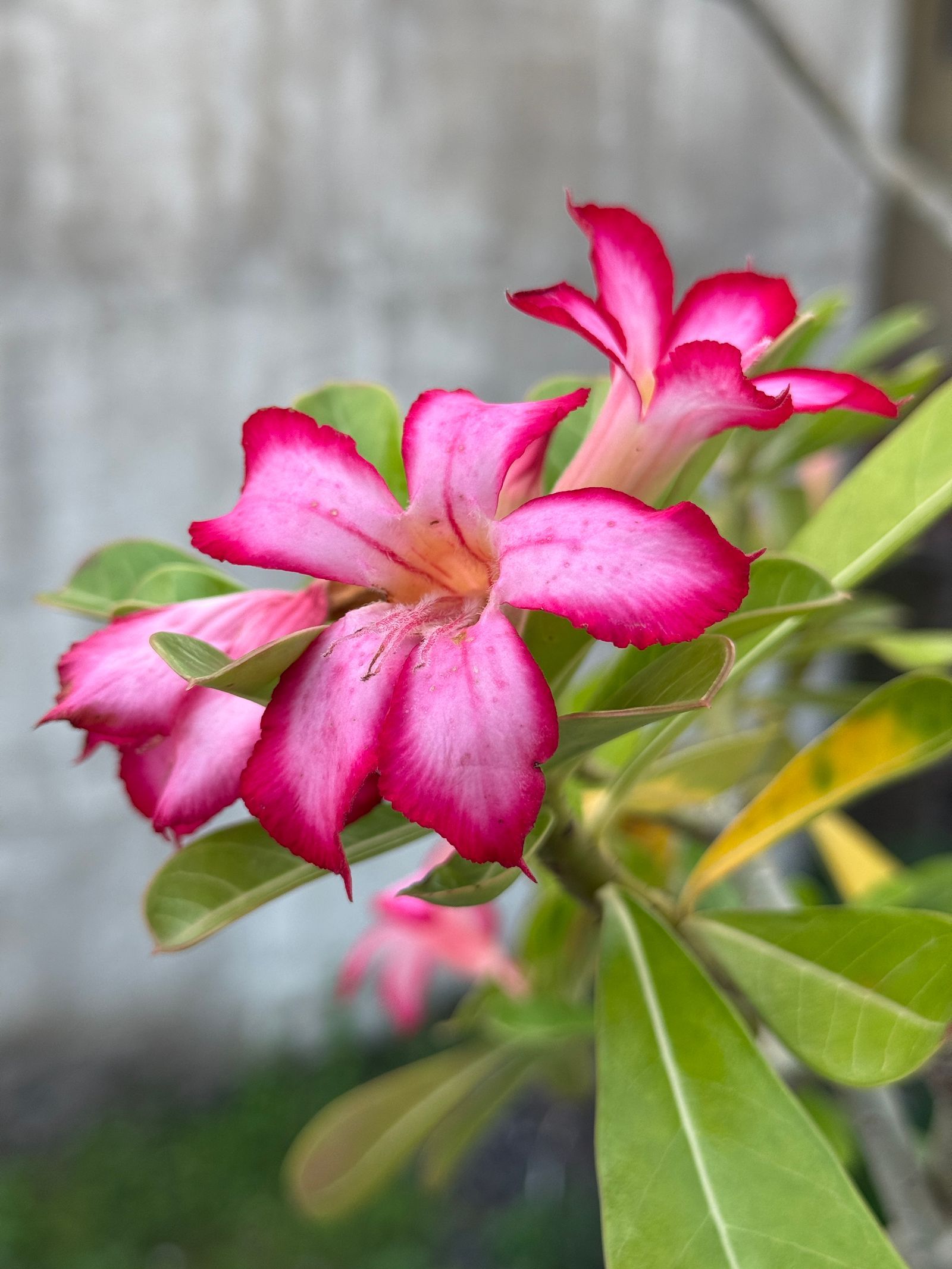
The desert rose, Adenium obesum, stores its water in its swollen caudex and is watered like a reservoir plant: only when the mix is fully dry, then soaked thoroughly and never left standing in water. In active growth that is typically every 7 to 10 days. In winter dormancy it falls to every 3 to 4 weeks or near nothing below about 55 to 60 degrees F. The caudex firmness test reads the plant's own gauge: firm is stored water, slight give means drink soon, soft means rot.
- How Often to Water Dahlias: Three Regimes, One Rot Trap
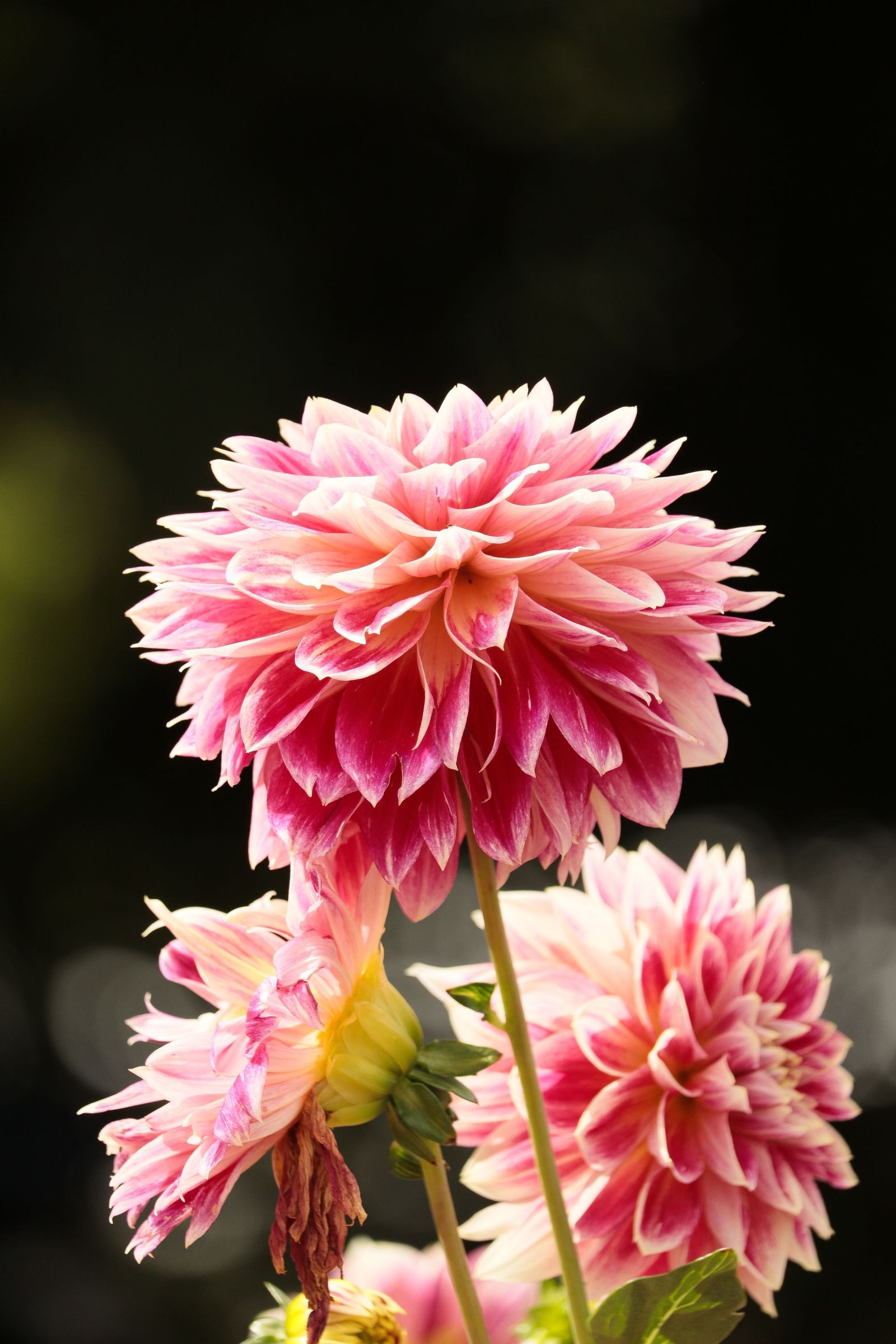
Dahlia watering by stage, consistent with this site's grow guide and care article: no regular watering until green shoots show, because a dormant tuber in wet soil rots. After sprouting, 2 to 3 times a week in spring and fall, every other day in intense heat, about 1 inch a week at the base. The container cadence with the daily against twice daily sprawl flagged and given its pot size context.
- How Often to Water Flowers: The Inch a Week Sorted by Soil, Vessel, and Age
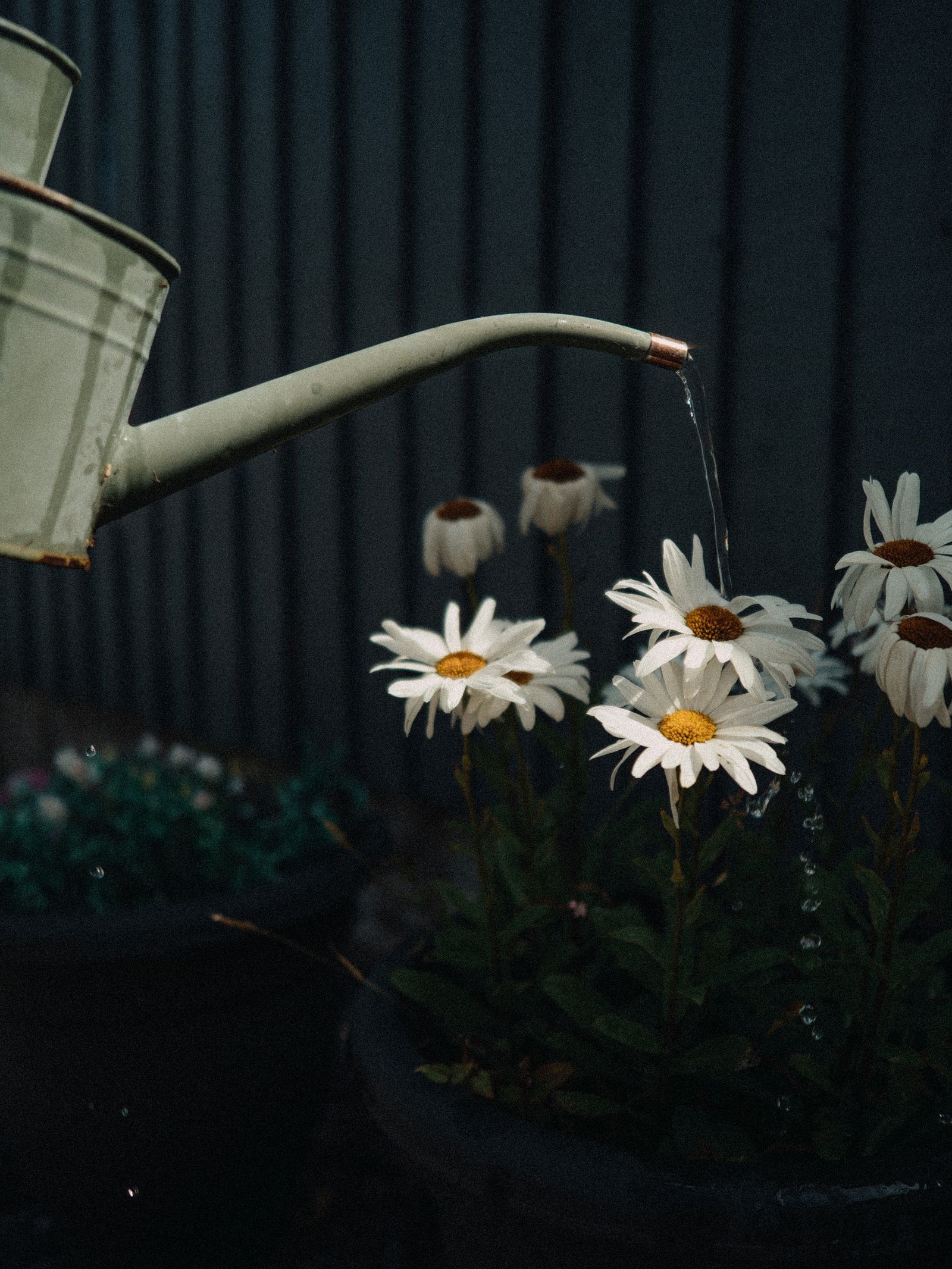
The generic flower question has a working answer, about an inch of water a week for beds, but it only becomes useful when sorted three ways. By soil: sandy soil takes the inch as a half inch twice a week, clay takes it all at once, loam every 7 to 10 days. By vessel: containers leave the budget entirely and drink daily in hot weather, sometimes twice above 90 degrees F. By age: new plantings are watered daily for their first week and then tapered onto the budget. The check under all of it is the top 1 to 2 inches of soil, and the hour is morning.
- How Often to Water Houseplants Chart: Interval and Dryness Check, Plant by Plant
The houseplant watering chart as a working document: every row carries its starting interval in summer, its winter interval, and the dryness check that overrules both, because the chart is a starting point and the soil decides. Snake plant and ZZ at 2 to 4 weeks stretching to 4 to 8 in winter, pothos and monstera at 7 to 10 days, ferns at 3 to 5, plus the pot size and material adjustments that move every row.
- How Often to Water Houseplants in Winter: Room Temperature Sets the Calendar
There is no fixed winter schedule, because winter is not one condition. Iowa State Extension and NC State Extension both refuse a calendar for indoor plants: the right interval is a check, not a date. The organizing fact is room temperature, since a warm heated room keeps plants drinking while a cool room slows them nearly to a stop. The bands: most foliage plants every 10 to 21 days, succulents and cacti every 3 to 6 weeks or not at all from November to March, snake plants about monthly, moisture loving tropicals every 7 to 14 days. Growth rate is the verdict the calendar cannot give.
- How Often to Water Houseplants: The Finger Test, Not the Calendar
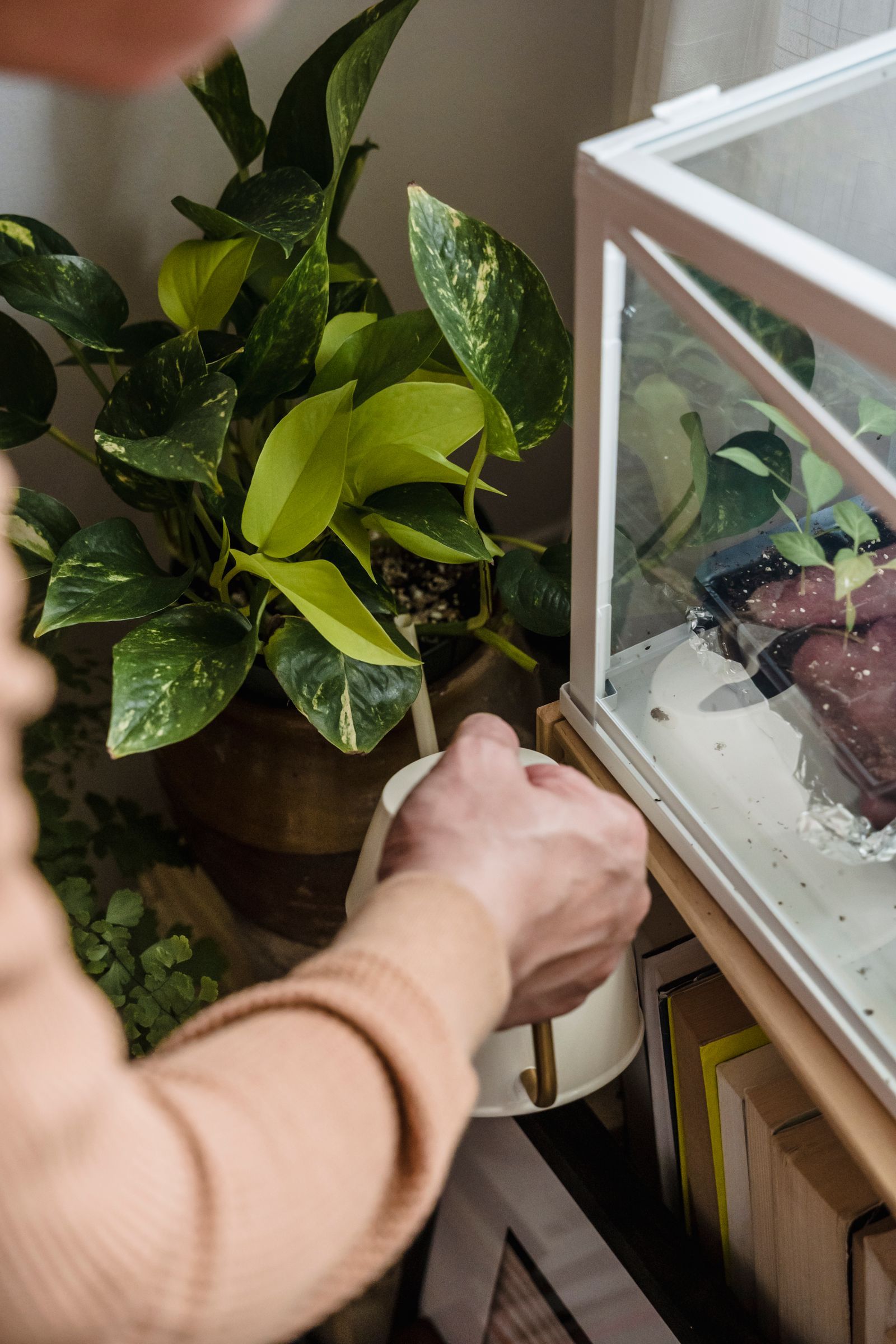
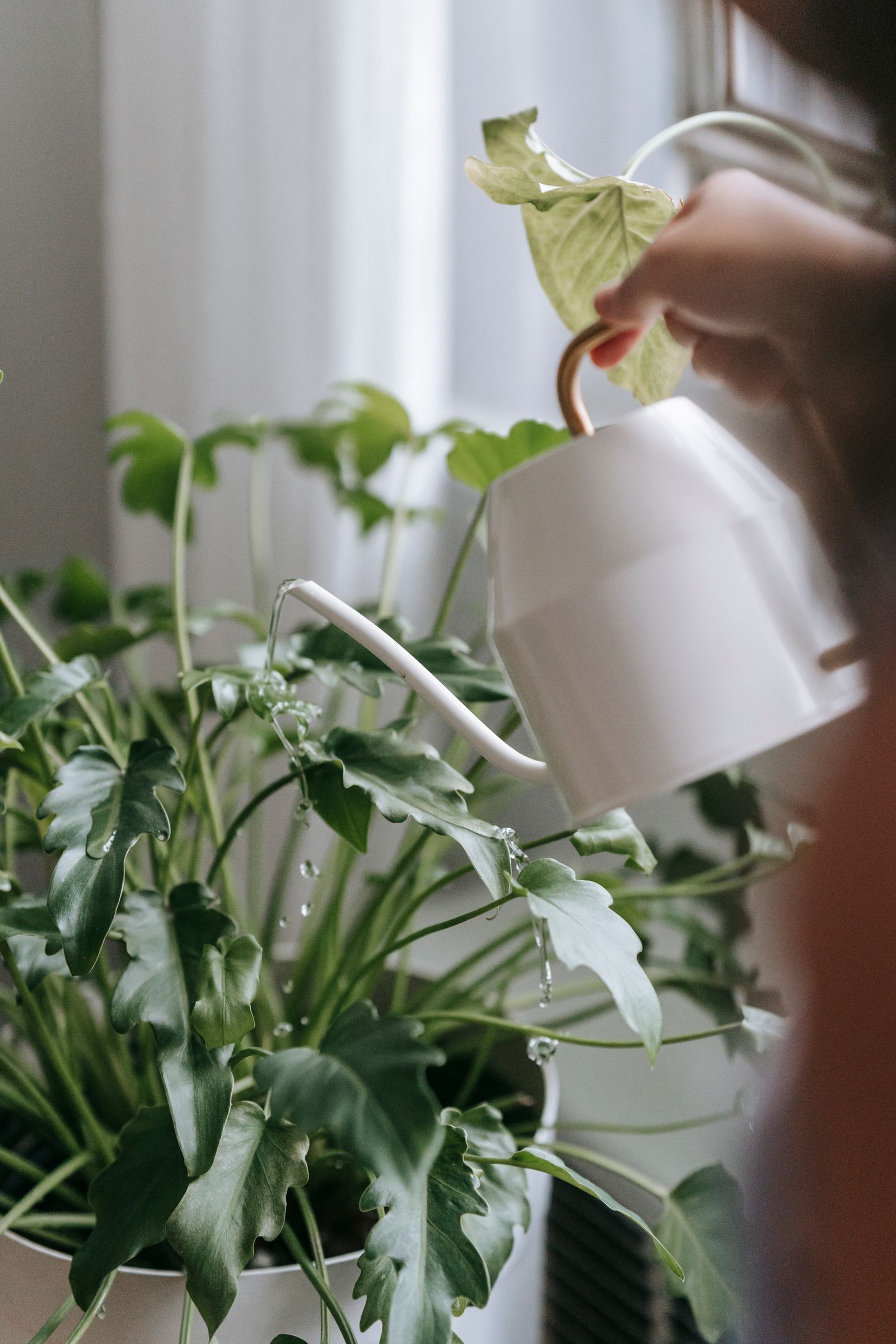
There is no houseplant watering schedule, and the plants killed by one fill every compost bin. Learn the finger test by plant type, how to give a real soak, why saucers drown roots, and the bottom watering rescue for bone dry pots.
- How Often to Water Hydrangeas in Pots: The Daily Summer Rhythm, the Two Pass Soak, and the Wilt That Lies
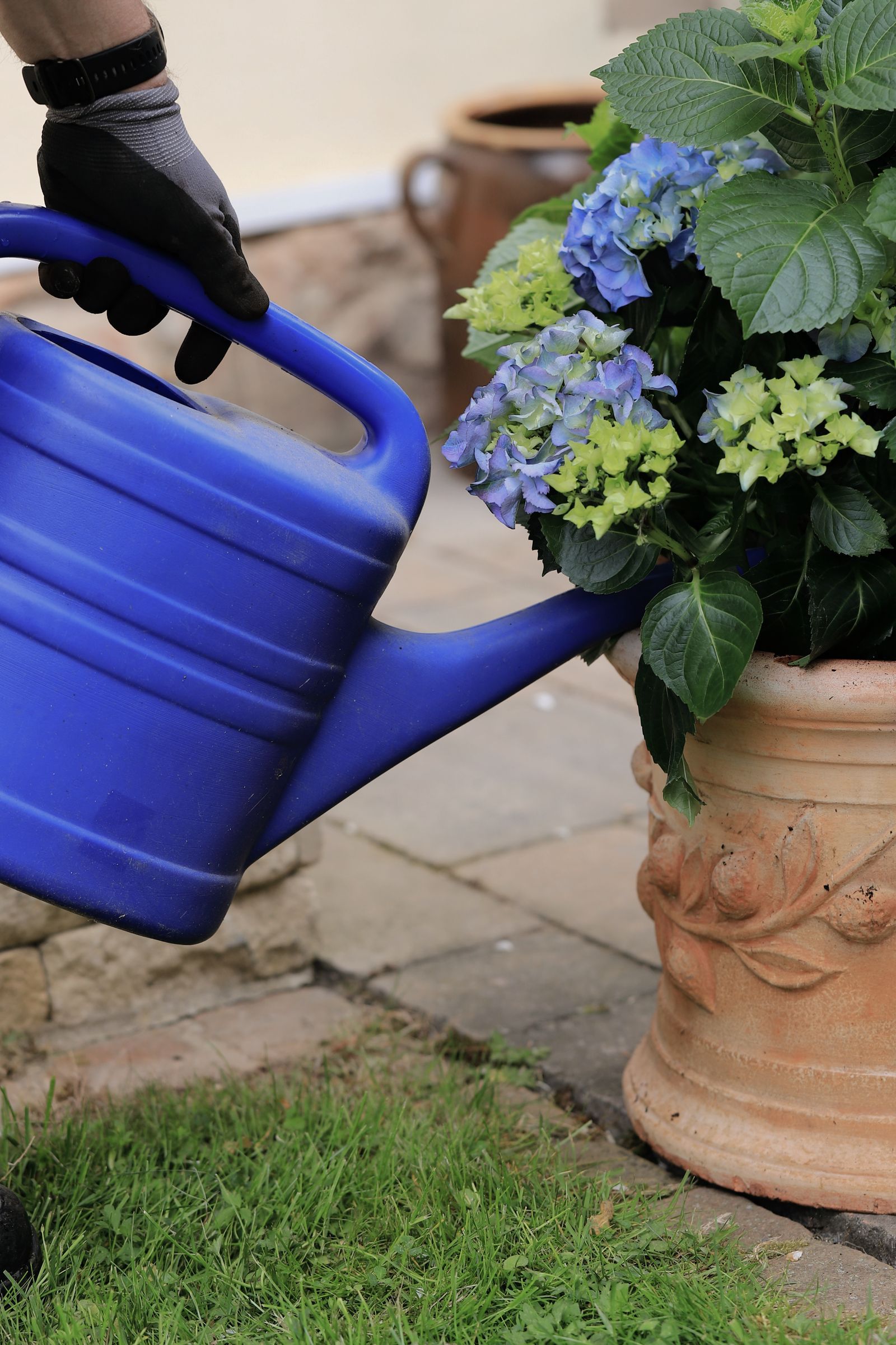
A potted hydrangea lives on a rhythm the in-ground shrub never sees, because a pot holds days of water where soil holds weeks. In summer heat most potted types drink daily to every 2 days, with bigleaf hydrangeas in 14 to 18 inch pots drinking daily at the peak; spring runs every 3 to 4 days, fall every 4 to 5, and dormant plants overwintered under cover get only enough to keep the root ball from drying out, about every 2 to 3 weeks. The check is the top 1 to 2 inches, the soak is two passes, and the famous afternoon wilt is a liar that trains owners into overwatering.
- How Often to Water Hydrangeas: Deep Soaks, and Why Afternoon Wilt Lies
Hydrangea watering as a decision, not a schedule: about 1 to 1.5 inches of water a week in one or two deep soakings for established shrubs, up to 2 inches and daily checks for the newly planted, and daily water for containers in heat. Plus the afternoon wilt test done right (soil first, evening recheck), morning watering to keep foliage disease down, and the first season schedule.
- How Often to Water Knock Out Roses: The Establishment Ladder, the Inch a Week Budget, and the Dry Foliage Method
Knock Out rose watering forks on establishment. New plants need deep watering two to three times a week through their first season, with some grower guidance running every 2 days for the first 2 to 3 weeks, a conflict this page flags rather than splits. Established plants run on about an inch of water a week, once or twice weekly in normal weather, two to three times in heat waves. Pots in summer heat drink every 1 to 2 days. Morning watering at the base keeps the foliage dry.
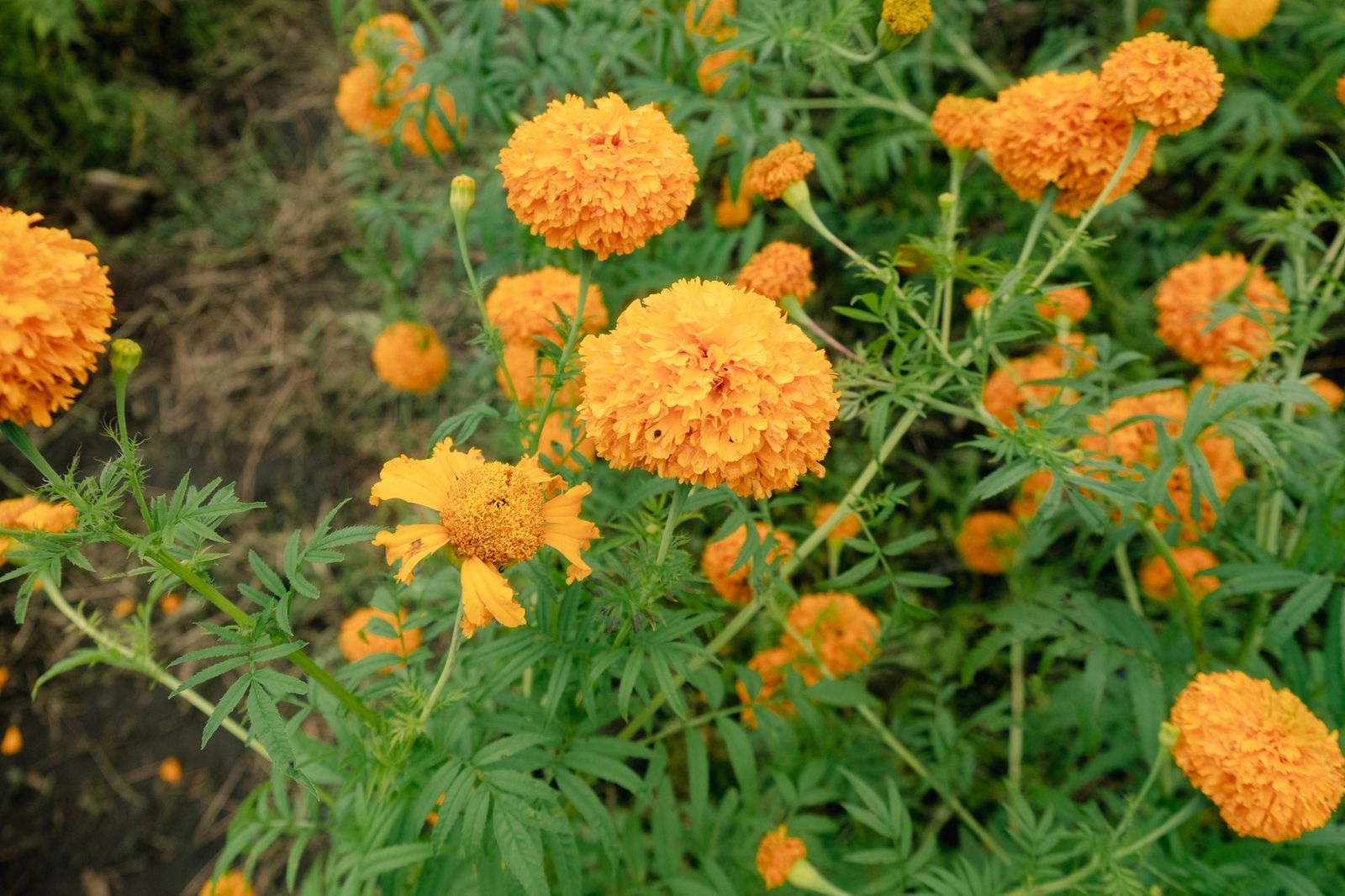
- How Often to Water Marigolds: Seedling, Established, and Container Are Three Different Plants
Marigold watering assembled by stage, the way a first season actually moves: seedlings and new transplants kept lightly moist with waterings every 1 to 2 days, established plants on about an inch a week with the top inch dry between drinks, and containers in heat watered as often as daily. Base watering in the morning as disease control, the overwatering error that kills more marigolds than drought, and fitting marigolds into the tomato bed they are guarding.
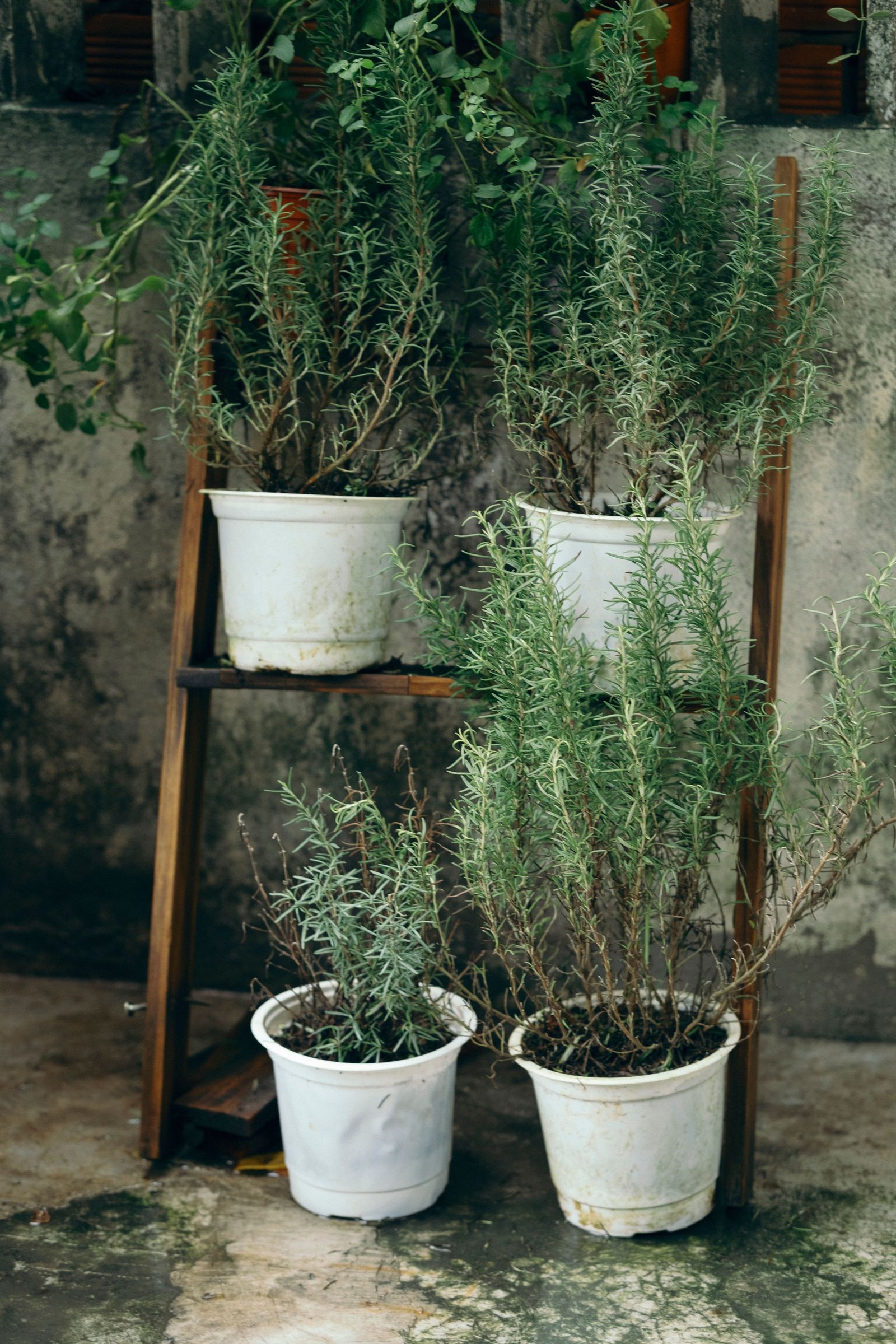
- How Often to Water Rosemary: The Age Fork, the Dry Between Rule, and the Rot Diagnosis
Rosemary watering forks on the plant's age. First season plants, while the roots establish, drink weekly. Established plants run every 1 to 2 weeks, per Texas A&M AgriLife guidance carried in the results, and in pots the top 1 to 2 inches must dry between drinks. Root rot from wet feet kills more rosemary than drought ever has. The rescue protocol for a drowning plant, and the humidity and harvest rules that keep a potted plant alive indoors.
- How Often to Water Roses: Three Schedules for New, Established, and Potted Roses
Rose watering split into the three situations that actually decide it: new roses watered every 1 to 3 days at first, established bushes on a deep soak of about 1 inch a week with the extension conflict flagged (Illinois at 1 inch, Mississippi State at up to 2 in heat), and potted roses watered as often as daily in summer. Water at the base in the morning as black spot control, and mulch as the interval stretcher.
- How Often to Water Sunflowers: The Stage by Stage Water Year
Sunflower watering by growth stage: seedbeds and seedlings kept consistently moist, established plants on about 1 inch of water a week as one deep soak, the bud formation window raised to 1 to 1.5 inches because that is when head size is decided, and a taper as the heads ripen. Why deep weekly soaking beats daily sprinkles for a taprooted plant, and the container case.
- How Often to Water Wildflowers: The Phase Ladder from Moist Seedbed to Self Sufficient Meadow
Wildflower watering is a phase ladder, not a frequency. Before germination the seed zone must stay moist, with light watering 1 to 2 times daily in the expert consensus, while Kew guidance runs twice a week minimum in spring and more in heat, a spread this page flags honestly. Seedlings get light watering every other day until they stand 4 to 6 inches tall, about 4 to 6 weeks. An establishing meadow then runs on about an inch a week in its first year, less in its second, and by the third year a mature meadow lives on rainfall with water only in drought.
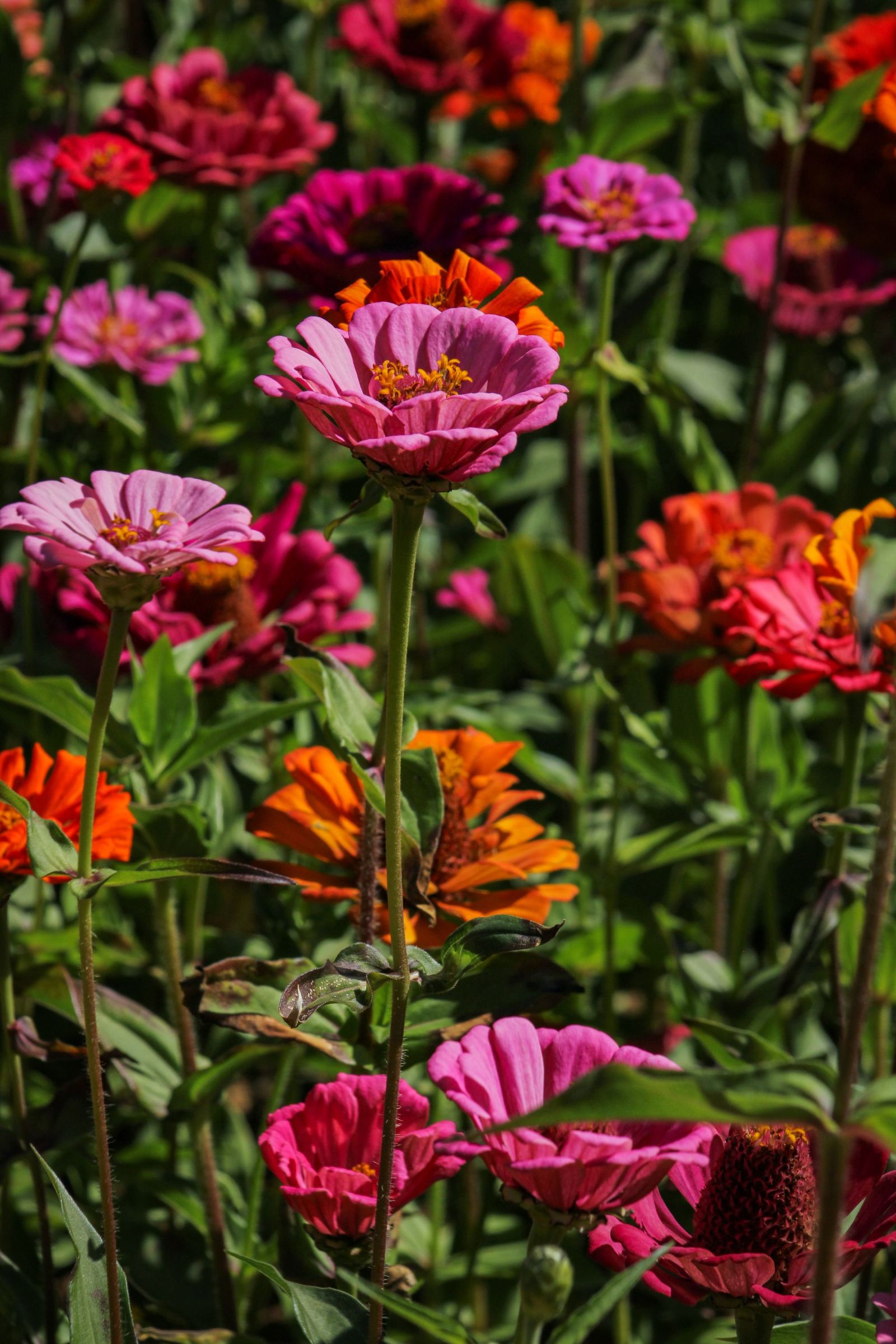
- How Often to Water Zinnias: The Base Watering Rule and the Dry Foliage Discipline
Zinnia watering anchored on Clemson HGIC: water at the base when the top 1 to 2 inches of soil are dry, about 1 inch a week, and never overhead, because wet foliage invites leaf spot and powdery mildew. Utah State cut flower guidance runs 1 to 1.5 inches per watering once established. The establishment phase separated from the established rhythm, the container cadence of every 1 to 2 days, and mulch as the moisture referee. This site's zinnia grow guide owns the season; this page owns water only.
- How to Care for Coneflowers in the Fall: The Health Triage, the Seed Head Calendar, and the Mulch Verdict
Fall coneflower care splits on one triage: healthy plants keep their seed heads standing for goldfinches and overwintering insects, per University of Illinois guidance, while diseased plants are cut to 2 to 3 inches and the debris trashed. Division runs 4 to 6 weeks before hard frost. The mulch figures conflict, 2 to 3 inches against 4 to 6, and the deep pre freeze drink of 1 to 1.5 inches settles dry falls. No fall fertilizer, ever.
- How to Care for Coneflowers: The Year Round Routine for a Prairie Plant
Coneflower care is a doctrine of well timed neglect: full sun at 6 to 8 hours, plants spaced 18 to 24 inches, lean soil with no fertilizer, deep watering through the first season that tapers to almost none, deadheading through midsummer and then leaving the last seed heads standing for goldfinches. The main killer is not drought. It is wet soil in winter.
- How to Care for Dahlias: The In Season Calendar From Sprouts to Storage
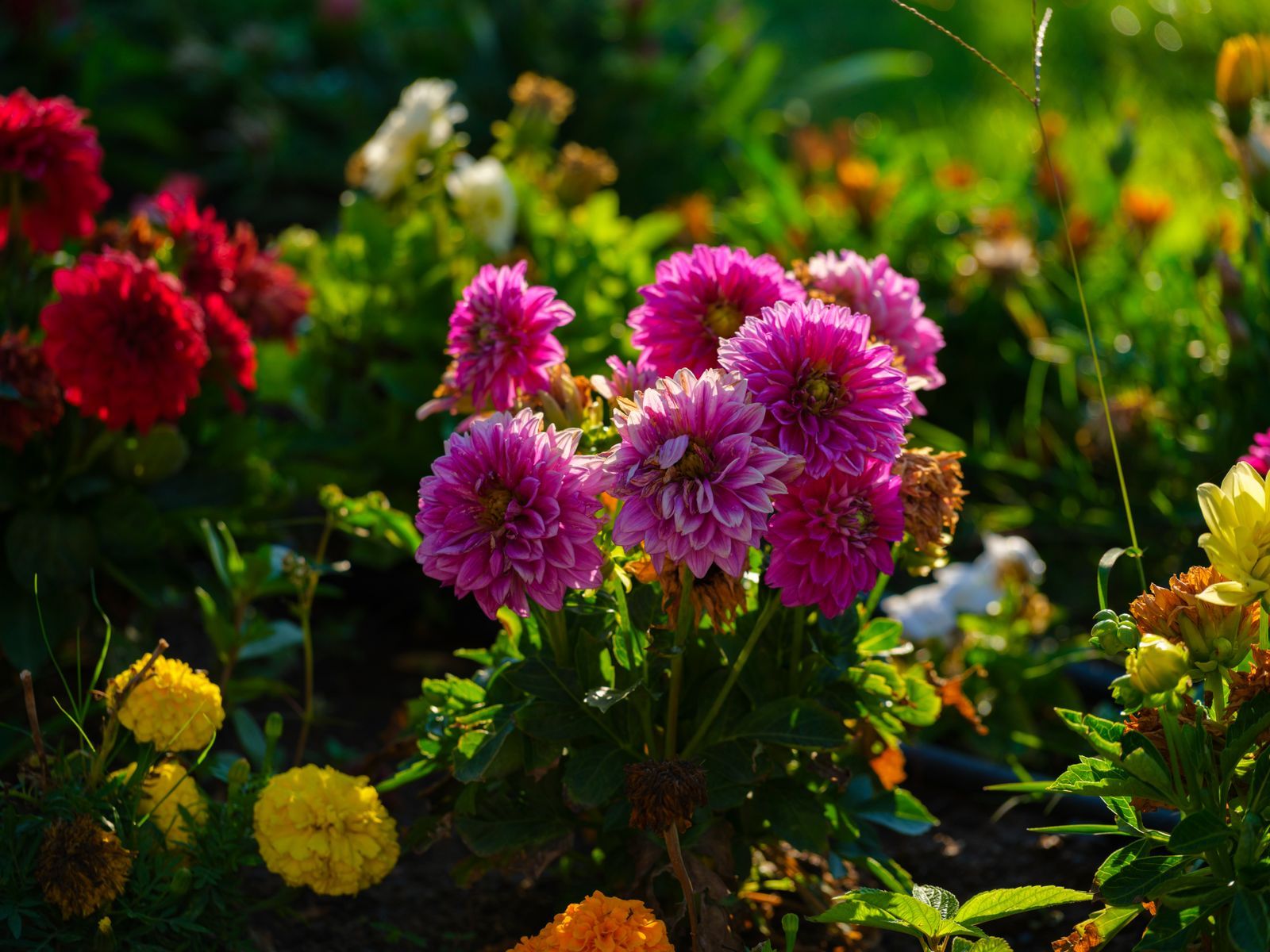
Dahlia care as one in season sequence: no water on dormant tubers until sprouts show, the pinch with its published height conflict flagged, staking before the plant needs it, the disbud versus deadhead decision with the pointed versus round head identification that prevents the classic beginner loss, low nitrogen feeding, and the lift and store routine below zone 8. Dahlias are toxic to dogs and cats, which settles where cut stems and spent heads go.
- How to Care for Fern Houseplants: the Three Dials, and the Species Ladder Nobody Ranks Honestly
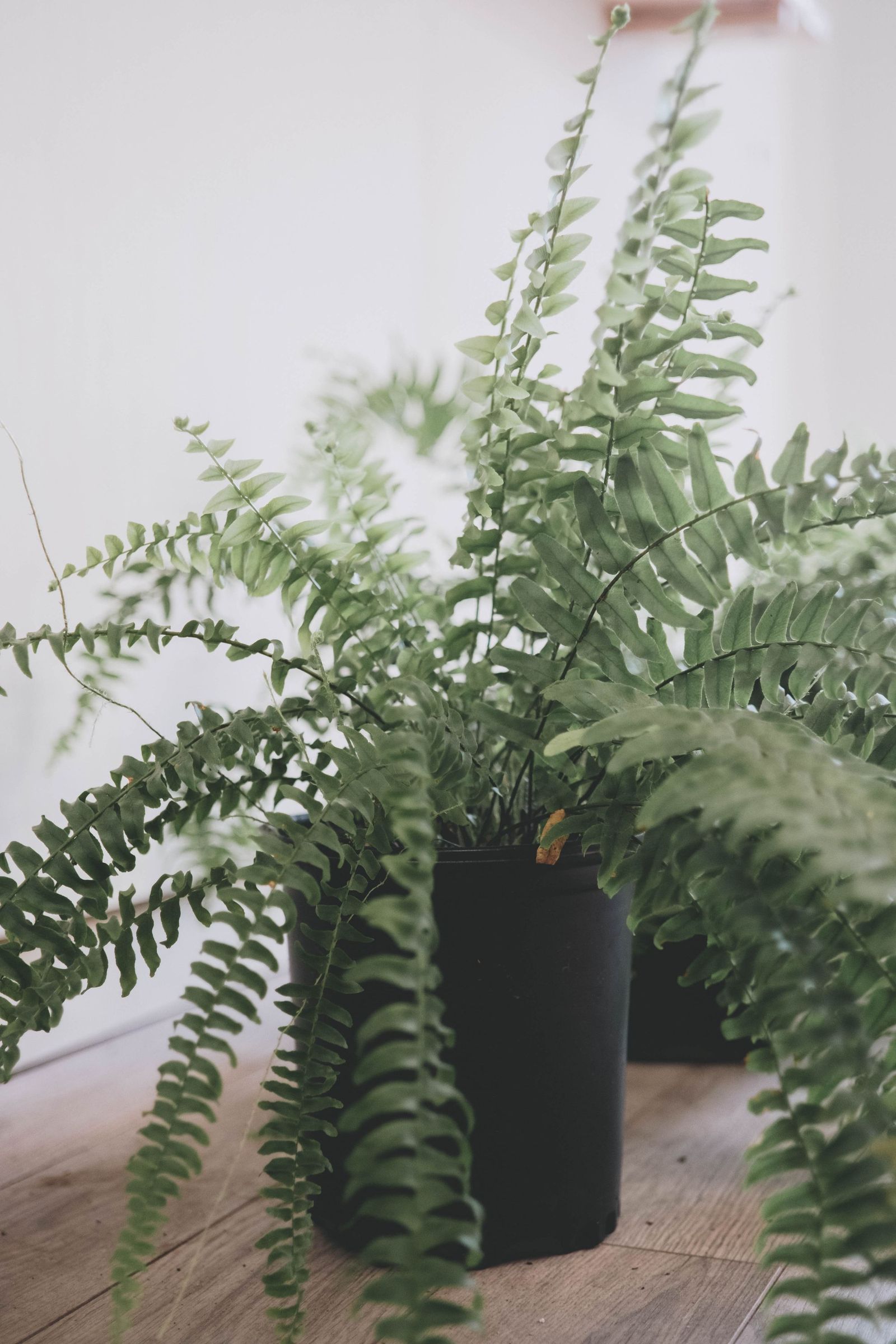
Fern houseplant care as one system with three dials: bright indirect light, mix kept evenly moist and never soggy, and humidity at 50 percent or higher built on humidifiers and grouping rather than misting. The species ladder ranked by forgiveness, bird's nest, Kimberly queen, and blue star at the easy end, Boston in the middle, maidenhair named honestly as the hardest, plus the asparagus fern correction and per species pet safety.
- How to Care for Houseplants
Houseplant care is a routine, not a talent: a weekly ten minute round in a fixed order, light, look, finger test, water thoroughly, drain, rotate, wipe, check. Includes the pot audit that tells you what a real watering measures, and the signs a plant needs a bigger pot.
- How to Care for Houseplants in Winter: Light First, Water Last
Winter houseplant care is triage in a strict order: light first, then water, then humidity, then temperature. Covers the rest state your plants are actually in, why overwatering is the number one winter killer, and which symptoms are normal and which are trouble.
- How to Care for Houseplants When on Vacation: The Triage System
Vacation houseplant care run as triage instead of tips: band the trip by length, sort every plant by risk using the plants you actually own (ferns and peace lily high risk, snake plant, ZZ plant, and pothos low), water 12 to 24 hours before departure rather than the morning of, and match the method to the plant, wicks and the bathtub for moisture lovers and deliberate neglect for the storage plants. The return day recovery check included.
- How to Care for Hydrangeas: Start With the Wood It Blooms On
Hydrangea care keyed to bloom wood: bigleaf, oakleaf, and climbing types flower on old wood and are pruned only right after flowering, while panicle and smooth types flower on new wood and are pruned in late winter. The no bloom diagnosis in order, the Annabelle cutting rule, and flower color worked as soil chemistry through pH and aluminum. The hydrangea plant variant of this question folds into this article.
- How to Care for Irises After Flowering: The Post Bloom Routine
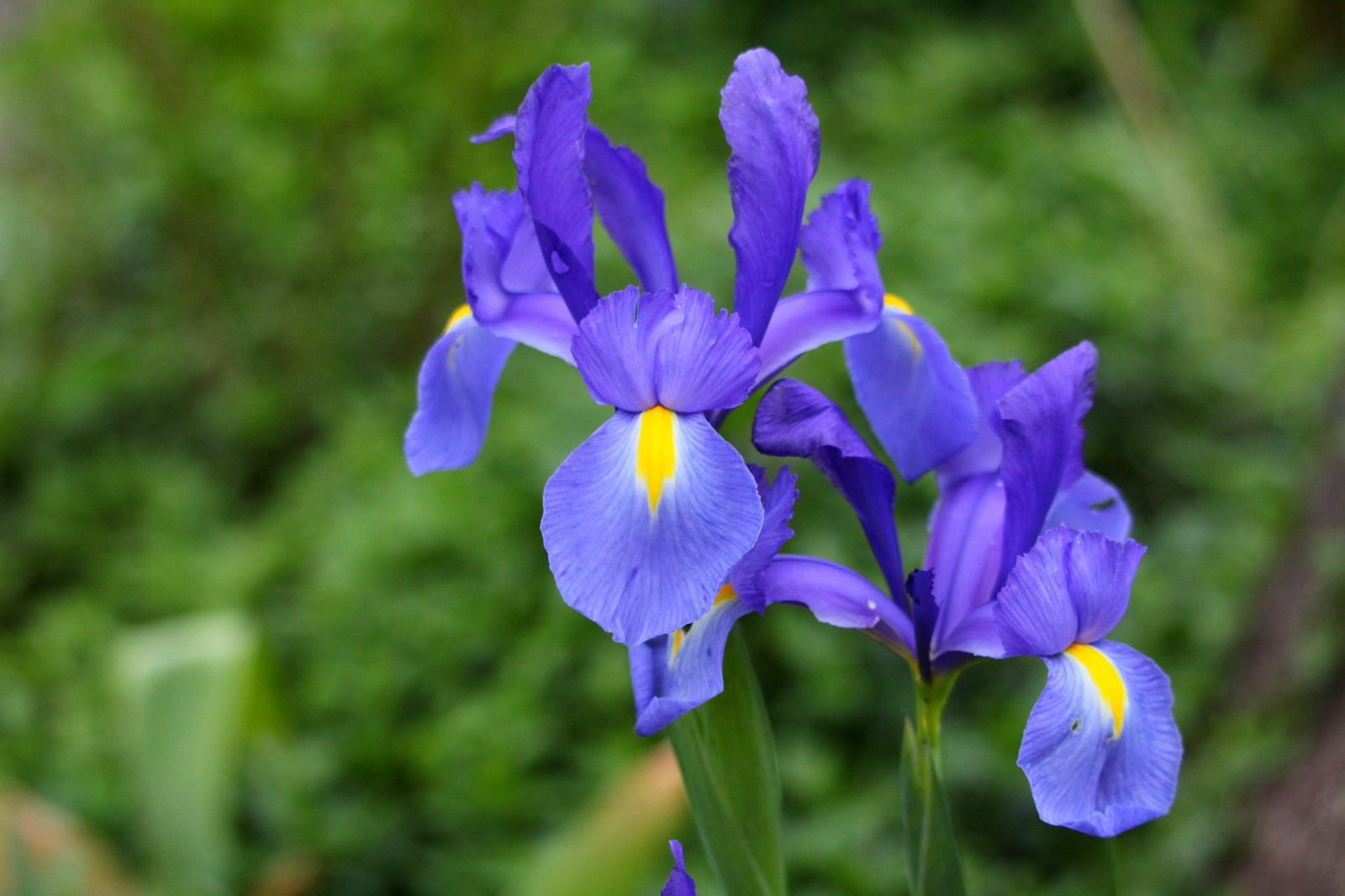
The weeks after iris bloom decide next year's flowers: cut the spent stalks to the base, leave the foliage standing all summer because it feeds the rhizome, feed lightly with a low nitrogen fertilizer, and divide crowded clumps 4 to 8 weeks after blooming, replanting 3 to 4 inch rhizome pieces with the top of the rhizome at or just above soil level, 12 to 18 inches apart.
- How to Care for Marigolds: The Deadheading Cadence and the Restraint Rules
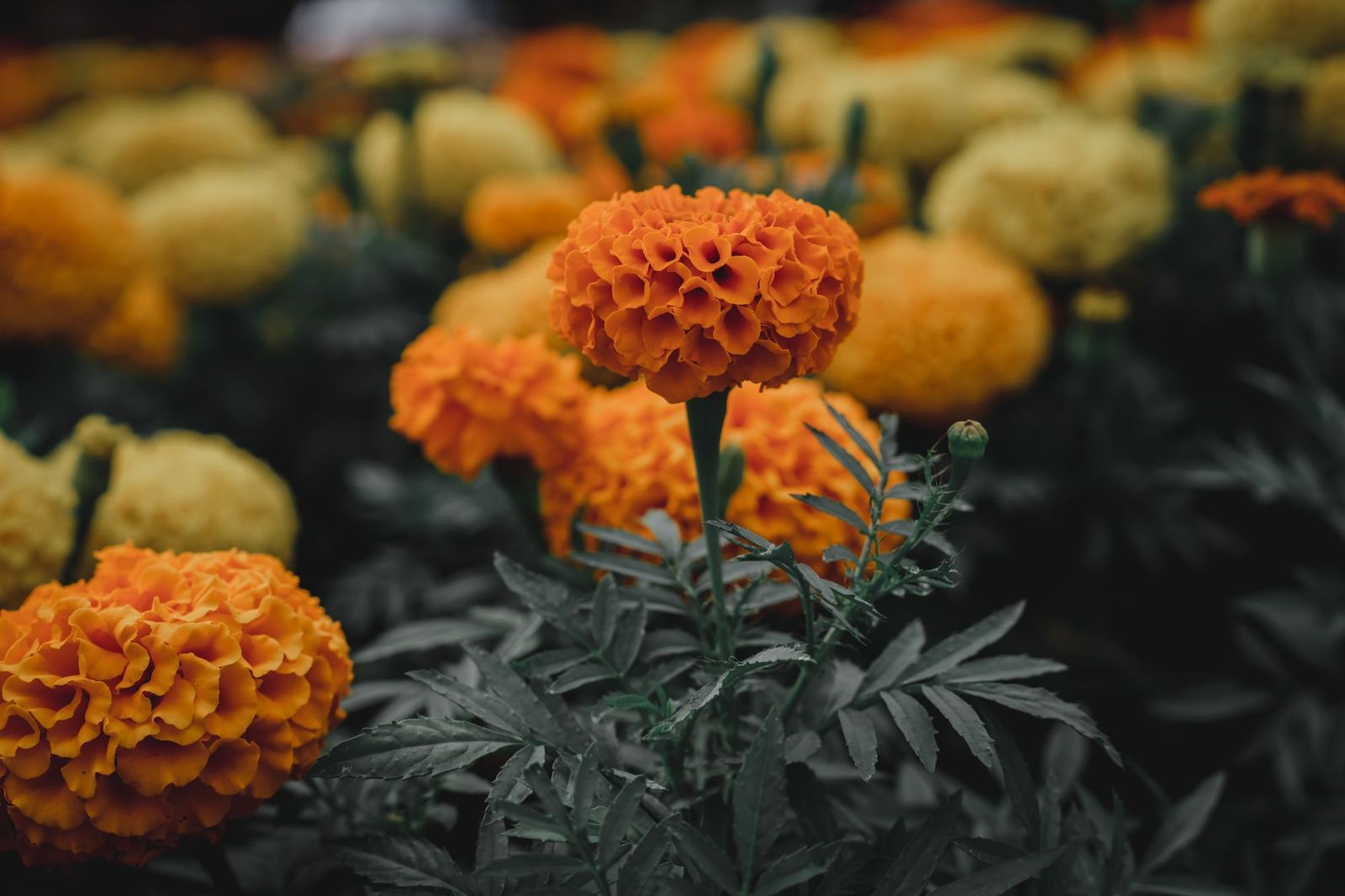
Marigold care as a cadence, the layer between this site's planting guide and its watering single: deadheading every 3 to 4 days at peak bloom, cut just above the nearest leaf joint, the early pinch that decides the plant's shape, feeding kept light on purpose because excess nitrogen grows leaves instead of flowers, and the wet spell cleanup that keeps Botrytis from ending the display.
- How to Care for Roses: The Year Round Calendar
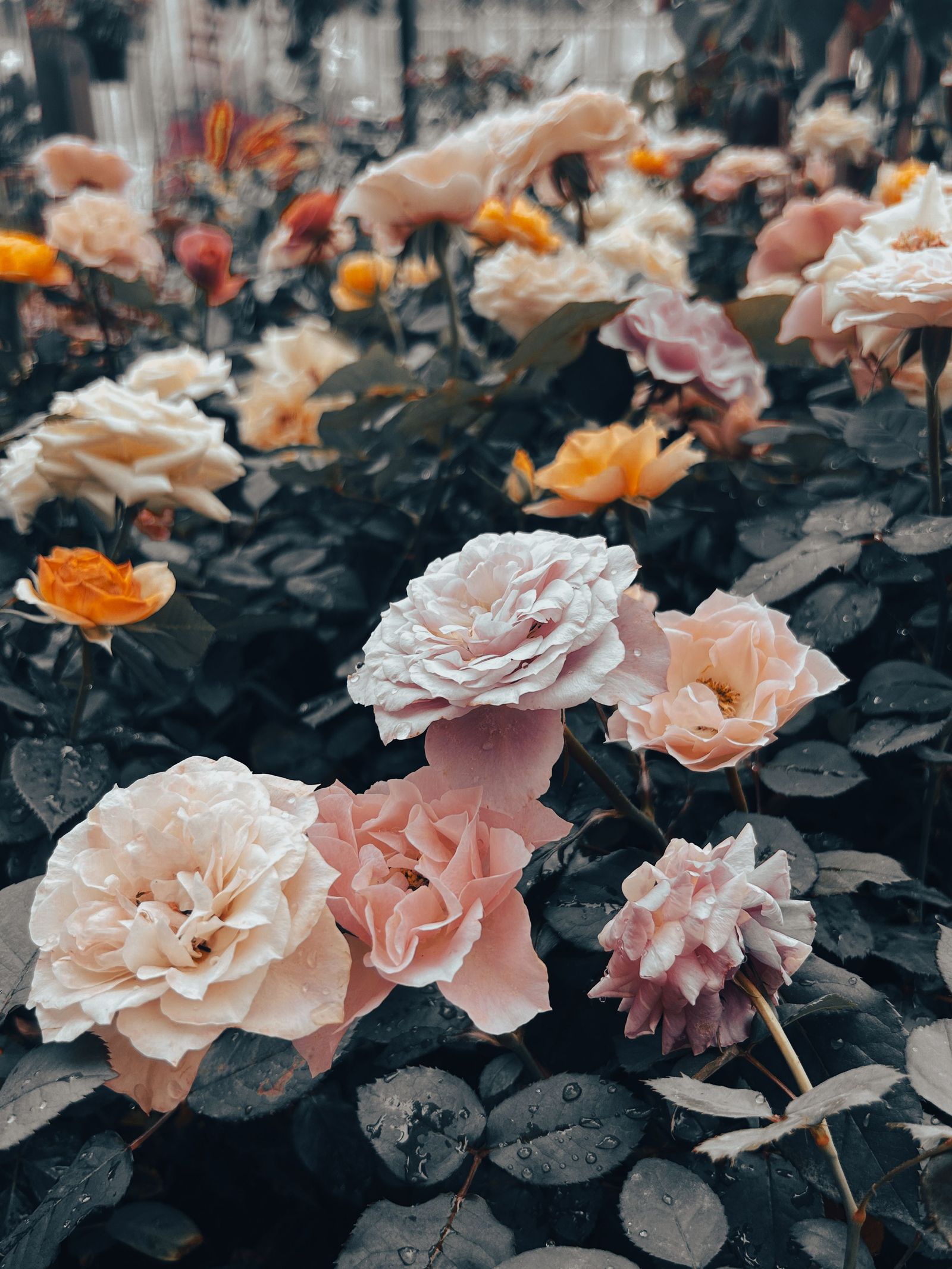
Rose care as a calendar rather than a task list: spring pruning split by rose type with the forsythia bloom cue, two feeds a year at about 70 grams per square meter on the RHS pattern, a 2 to 3 inch mulch, weekly deadheading, and black spot hygiene. Watering defers to the site's rose watering single; planting day to the planting guide. This page owns everything in between.
- How to Care for Zinnias: The Base Watering Rule, the Deadhead Rhythm, and Mildew Defense
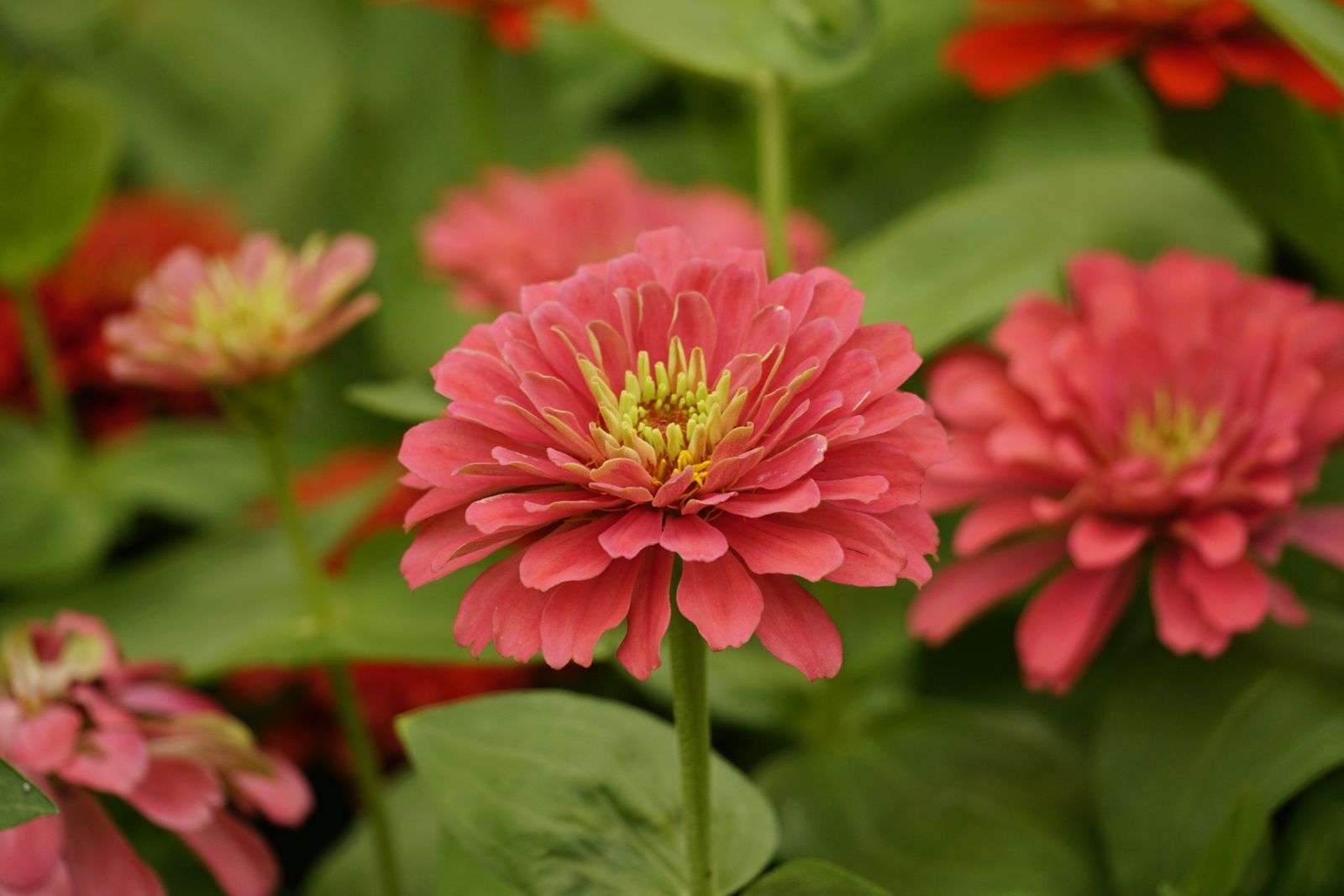
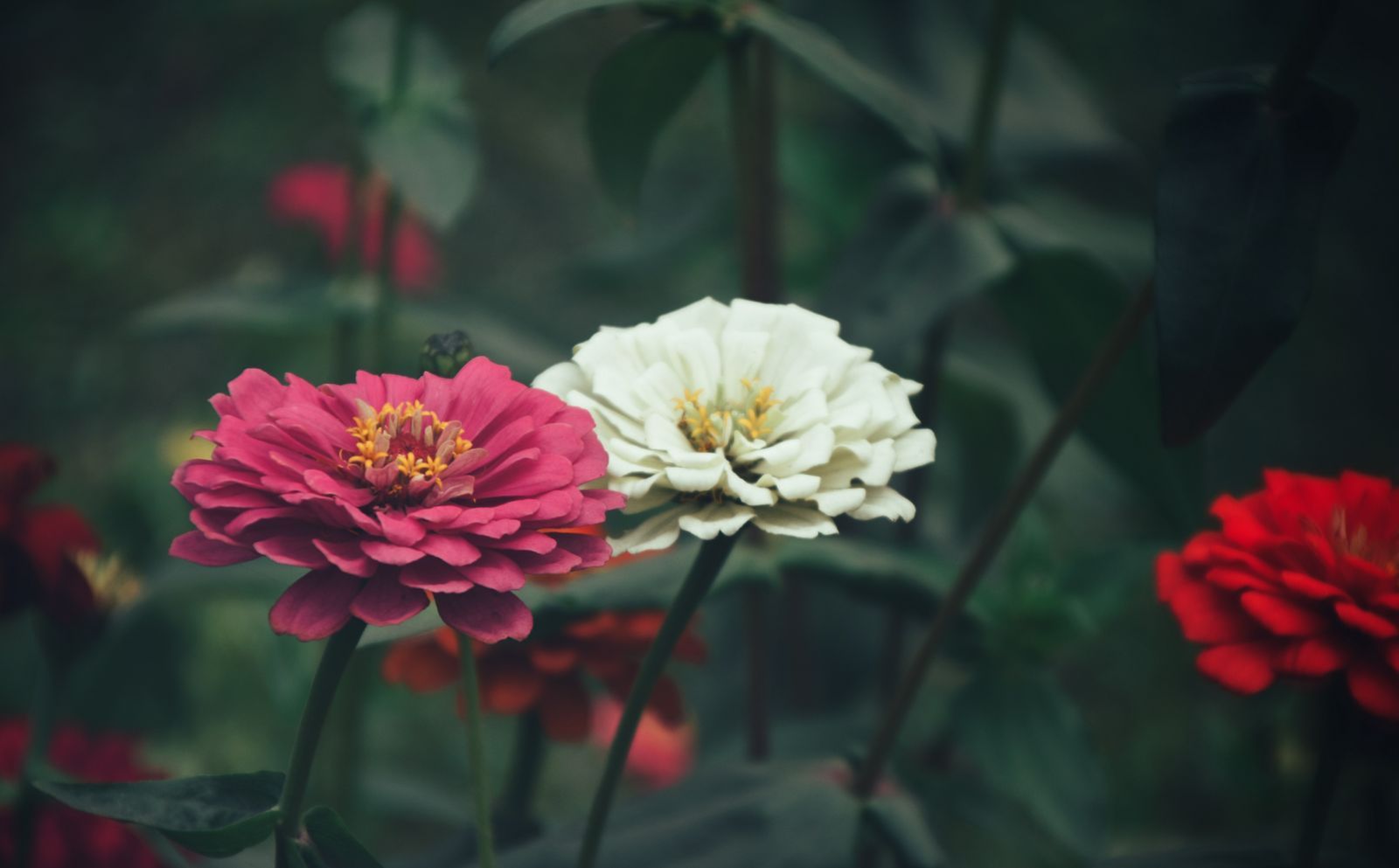
Zinnia care is the in-season system between sowing and frost, and its spine is keeping water off the leaves. Water at the base, about an inch a week per Clemson Extension, soaker or drip where possible. Deadhead every 3 to 4 days to keep the plant branching and blooming. Pinch young plants at 8 to 12 inches for bushiness. Feed lightly, because heavy nitrogen buys leaves at the price of flowers. Spacing and airflow are the powdery mildew defense, with bacterial leaf spot the wetter warning.
- How to Deadhead Flowers: Read the Stem Before You Cut
Deadheading works when the cut matches the flower's structure: pinch soft single stems above a leaf, snip stiff stems, shear cluster flowered plants, and always remove the swelling ovary behind the spent bloom. Some plants reflush strongly, many do not, and coneflower and sedum seedheads should stand for the birds.
- How to Grow Dahlias: The Four Mistakes That Kill Them
Dahlias grow from tender tubers planted after the last frost into soil around 60 degrees, 4 to 6 inches deep with the eye up. The four beginner killers are cold soil, watering dormant tubers, late staking, and lost eyes at storage. Avoid those, and the season runs itself.
- How to Grow Hydrangeas from Cuttings: The Softwood Window, the Humidity Tent, and the Following Spring
Hydrangea cuttings are a timing and humidity system. Take softwood cuttings in late spring to early summer from non flowering shoots, 4 to 6 inches long, cut below a node, lower leaves removed and the big top leaves halved. Rooting hormone at 0.1 to 0.3 percent IBA helps. The medium is sterile and lean, perlite or perlite and coir. The humidity cover does the real work while roots form in 2 to 6 weeks. Semi hardwood cuttings run midsummer to early September. Climbing hydrangea is layered instead.
- How to Grow Hydrangeas: Buy the Forgiving Type First
Hydrangea care follows the type: bigleaf blooms on old wood, panicle and smooth bloom on new wood, so pruning and hardiness differ. Beginners should start with a panicle hydrangea, plant it in a hole 2 to 3 times the root ball width, and water deeply through the first season.
- How to Grow Marigolds in Pots: The Type to Pot Table, the Bedding Plant Start, and Tall African Support
Marigolds in pots are sized by type, and the type to pot table is the page: signet marigolds in 6 to 8 inch pots, French marigolds in 8 to 12 inch pots, African marigolds in 12 to 18 inch pots or larger with support. Start from bedding plants for speed, or sow seed 4 to 6 weeks before the last frost indoors. Water at the top inch rule, deadhead the French and African types, and read the honest indoor section before promising a windowsill winter bloom.
- How to Grow Marigolds: The Beginner's Flower That Forgives
Marigolds germinate in a week, bloom until frost, and ask for sun and deadheading. The Wisconsin Extension figures: seed a quarter inch deep, French types 8 to 10 inches apart, African types about 12, plus the honest truth about marigolds and pests.
- How to Grow Rosemary: Cuttings, Drainage, and the Winter Decision
Rosemary grows best from cuttings, not seed: take sprigs about 5 inches long, root them in water or mix, and plant into full sun and fast drainage at 18 to 36 inches apart. It lives in the ground in zones 7 to 10 and in a pot below that, and overwatering kills more of it than cold ever will.
- How to Grow Roses From Cuttings: Three Seasons, One Method
Rose propagation across all three cutting seasons: softwood in late spring just after petals drop, semi hardwood in late summer, and hardwood in the dormant season. Cuttings 4 to 9 inches with several nodes and at least 1 to 2 buried, an airy half perlite mix, a vented humidity cover, and roots in about 6 to 8 weeks. The own root versus grafted difference and the patent note, stated plainly.
- How to Grow Sunflowers
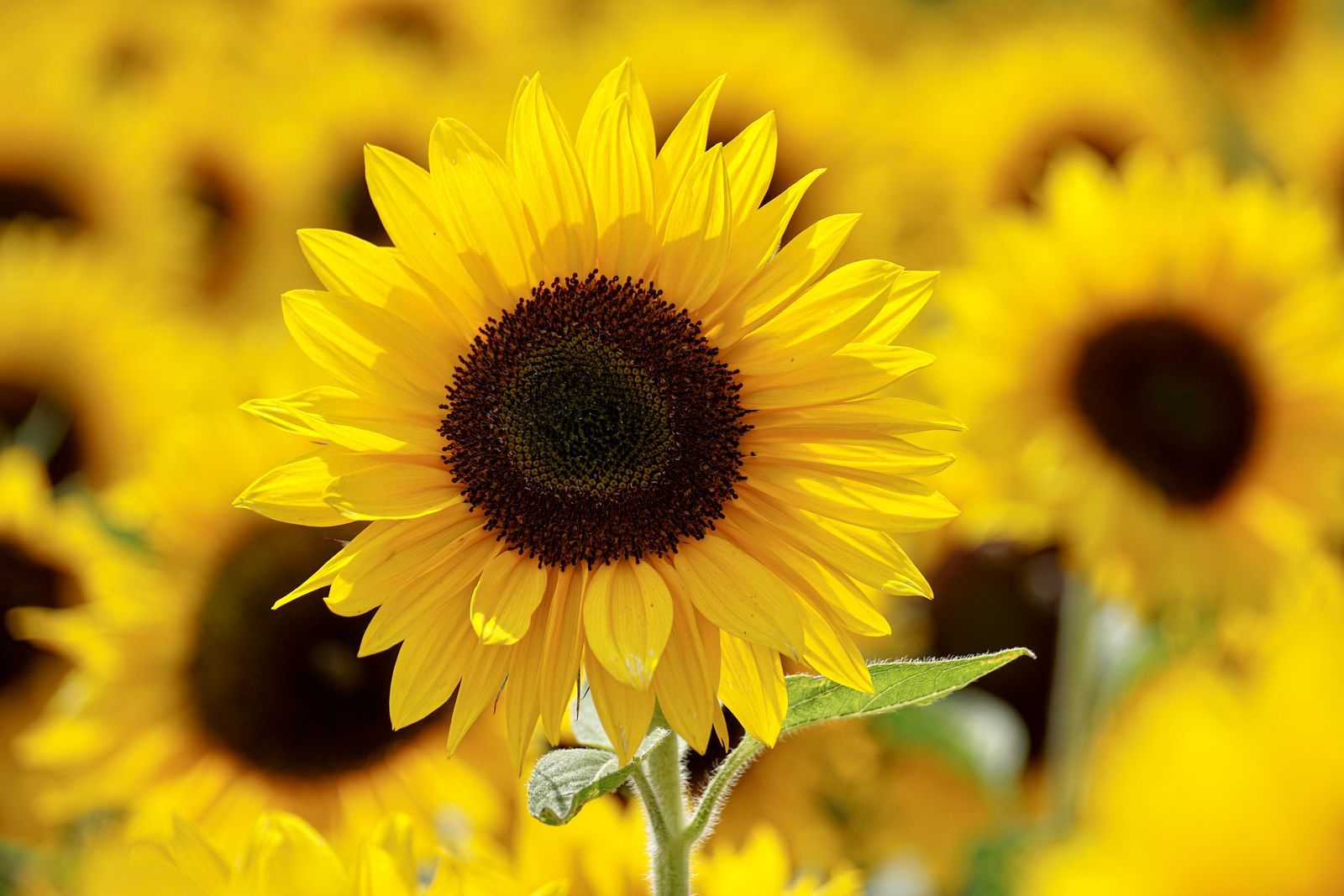
Sunflowers are chosen by height, sown after frost about an inch deep into soil warmed to at least 60 degrees, thinned to the packet spacing, and staked before they need it. Includes guarding seed at both ends of the season and harvesting heads for birds or the kitchen.
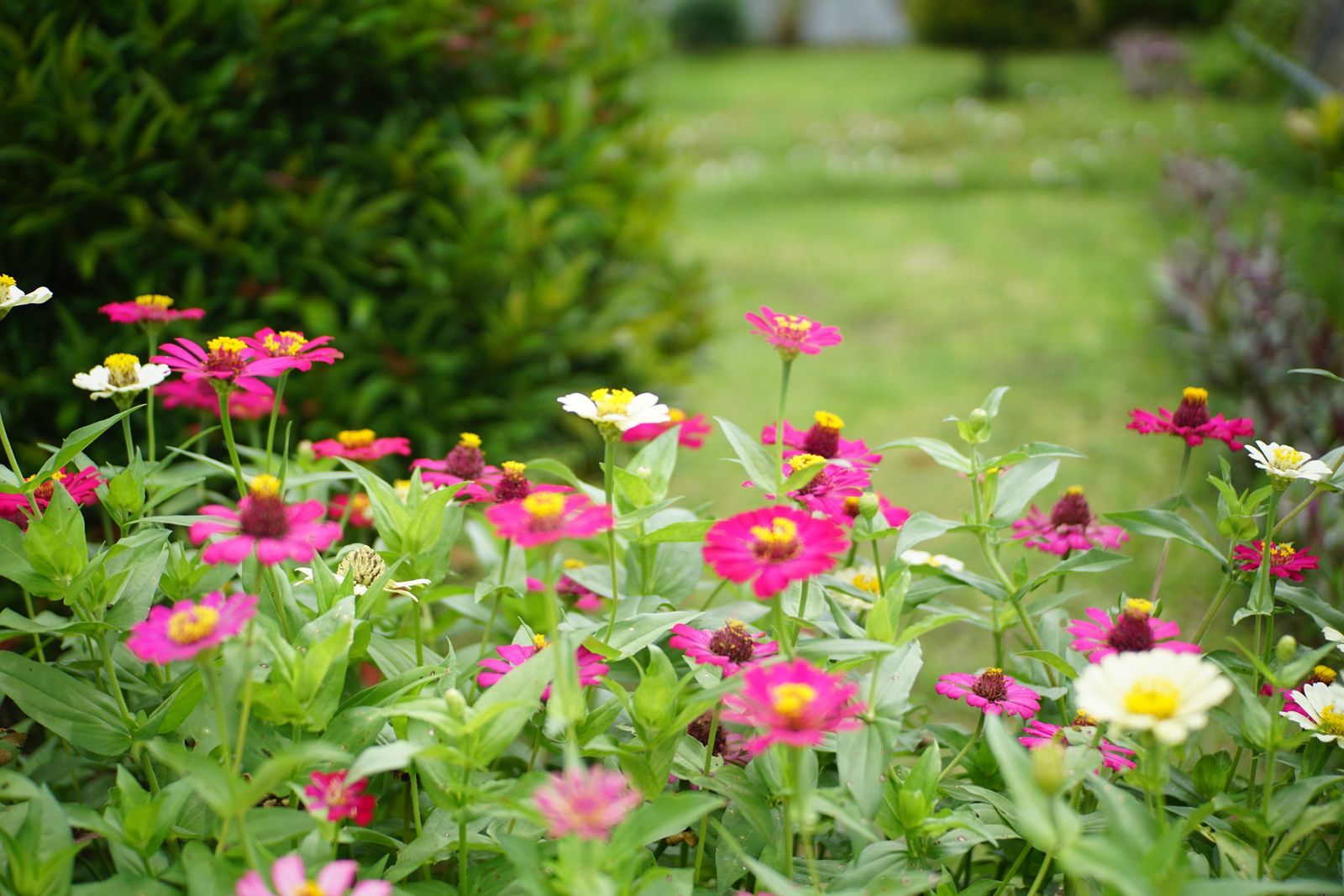
- How to Grow Zinnias From Seed: The Direct Sow Default and the Succession Ladder
Zinnias from seed with the two routes ranked honestly: direct sowing after frost into soil near 70 degrees, seed 1/4 inch deep, germination in 3 to 7 days, is the default this plant prefers. The indoor route, 4 weeks before last frost on this site's planner at the Colorado State figure, pays only in biodegradable pots with a young transplant. The pinch at 8 to 12 inches, succession every 2 to 3 weeks, and the stop date counted back 3 months from fall frost.
- How to Grow Zinnias: Sow, Pinch, and Cut for More
Zinnias are the cut flower that rewards cutting: the more you pick, the more they bloom. Clemson Extension anchors: direct sow after frost at a quarter inch deep, thin to 8 to 12 inches, water at the base, and pinch young plants for branching.
- How to Plant Flower Seeds: Three Sowing Routes and the Depth Rule That Runs Them All
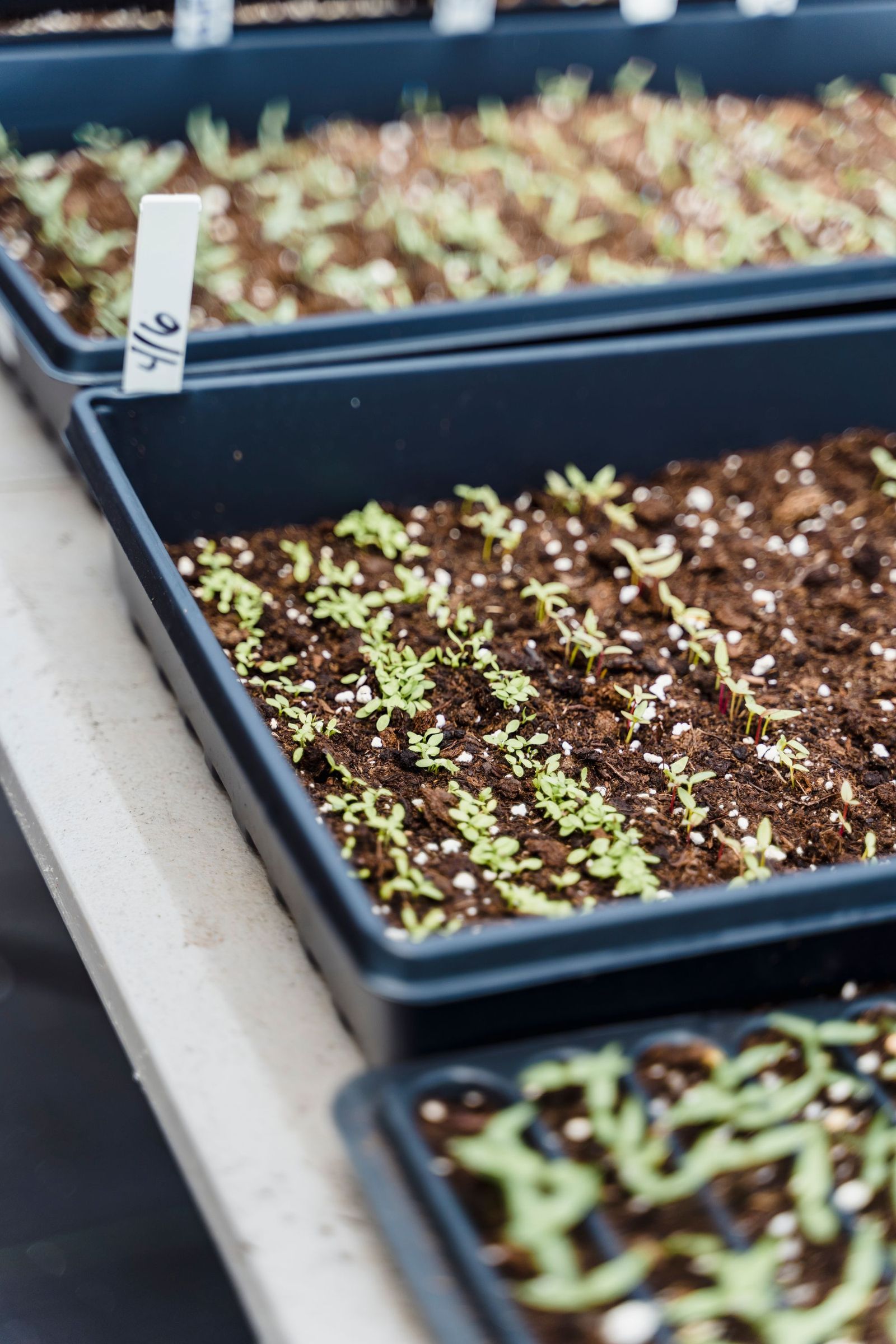
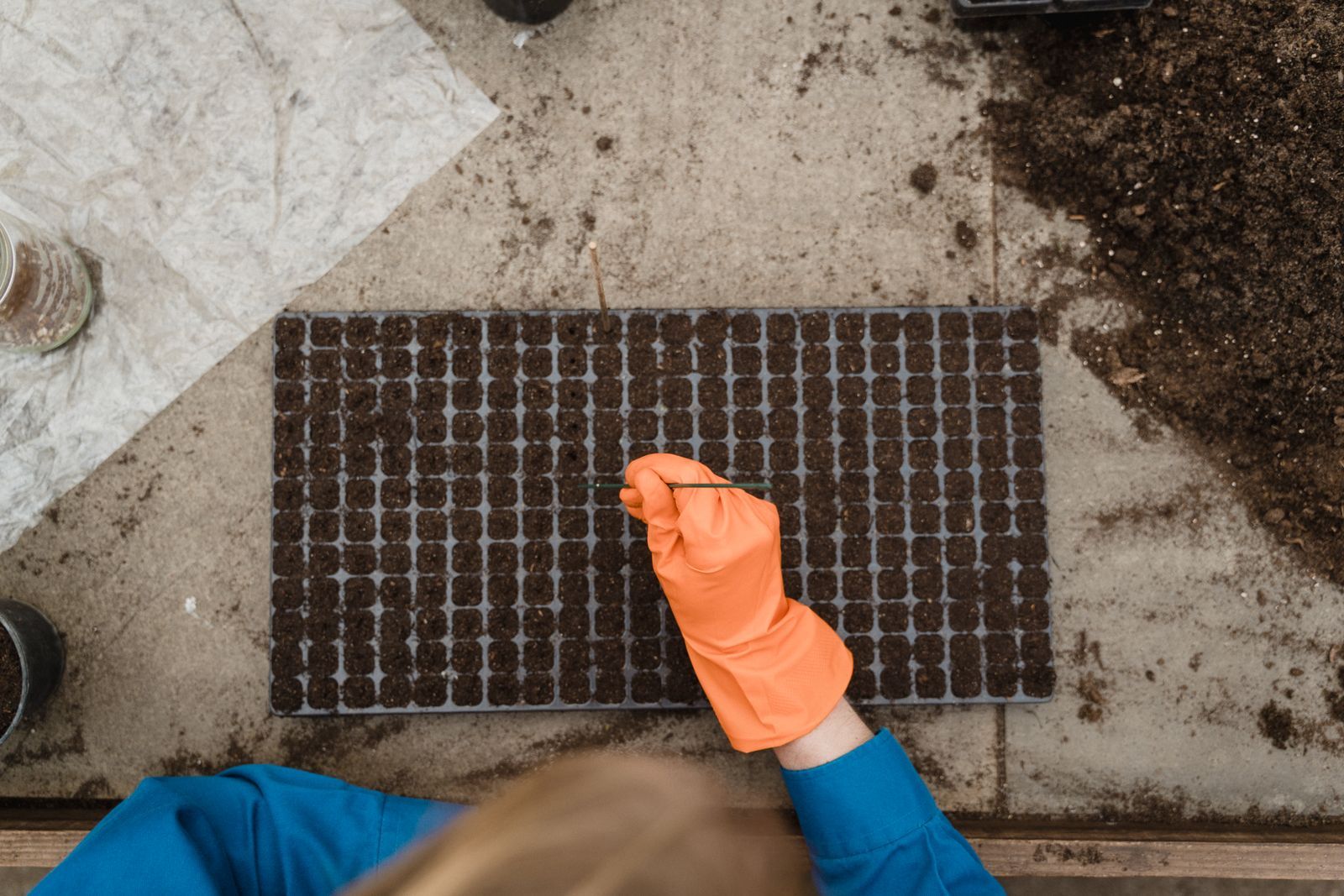
Flower seeds sort into three routes, start indoors, direct sow, or either, and one depth rule governs them all: sow at 2 to 3 times the seed's own diameter, with the dust fine seeds that need light pressed to the surface instead of buried. This page routes the common flowers, builds the species table from this site's own flower guides, and teaches the seedling light discipline and the hardening off week that decide whether indoor starts survive their transplant.
- How to Plant Roses: Planting Day, Done in Order
Rose planting day has one decision that cannot be fixed later: the bud union depth, at soil level in warm regions and 1 to 3 inches below it in cold ones. Soak bare root roses, dig a hole twice as wide as the root ball, set the plant on a soil mound, water deeply to settle, and mulch.
- How to Plant Tulips: Planting Day, Done in the Right Order
Tulips plant in late fall, pointed end up, at a depth of 3 times the bulb's height (about 6 to 8 inches), spaced 4 to 6 inches apart in borders and closer in pots. Warm climates prechill bulbs 12 to 16 weeks at 35 to 48 degrees, and the foliage must stand 6 to 8 weeks after bloom.
- How to Plant Wildflower Seeds: Bare Soil, Sand, and Patience
Wildflower seed fails scattered over lawn or mulch, because these seeds need bare soil contact and light: clear the ground without deep tilling, sow about 1/4 pound per 500 square feet mixed with dry sand at about 4 to 1, press the seed in no deeper than 1/8 inch, and keep it moist for 4 to 6 weeks. Then comes the part the packet undersells: the three year patience plan.
- Why Are My Plant Leaves Turning Yellow
Yellow leaves are a symptom, not a diagnosis. Read the pattern, check the soil first, and match the fix to the cause: overwatering, underwatering, light, nitrogen, or simple aging, with houseplant and garden cases kept separate.