The winter watering question arrives every November because the summer routine visibly stops working: plants that drank weekly sit in damp soil for a fortnight, a fungus gnat cloud appears over the fern, and somewhere a succulent quietly rots in a pot that was watered on schedule. The extension services are blunt about why. Iowa State Extension and NC State Extension both decline to give indoor plants a watering calendar at all, in any season, because the interval is not a property of the plant; it is a property of the room. This page builds the winter system on that refusal: no fixed schedule, one organizing axis, room temperature, bands by plant class for the grower who needs a starting interval, and the growth rate test that overrules every band. The houseplants in summer question, and its seasonal variants, fold into this page for the winter half of the year.
Home / Flowers and Houseplants
How Often to Water Houseplants in Winter: Room Temperature Sets the Calendar
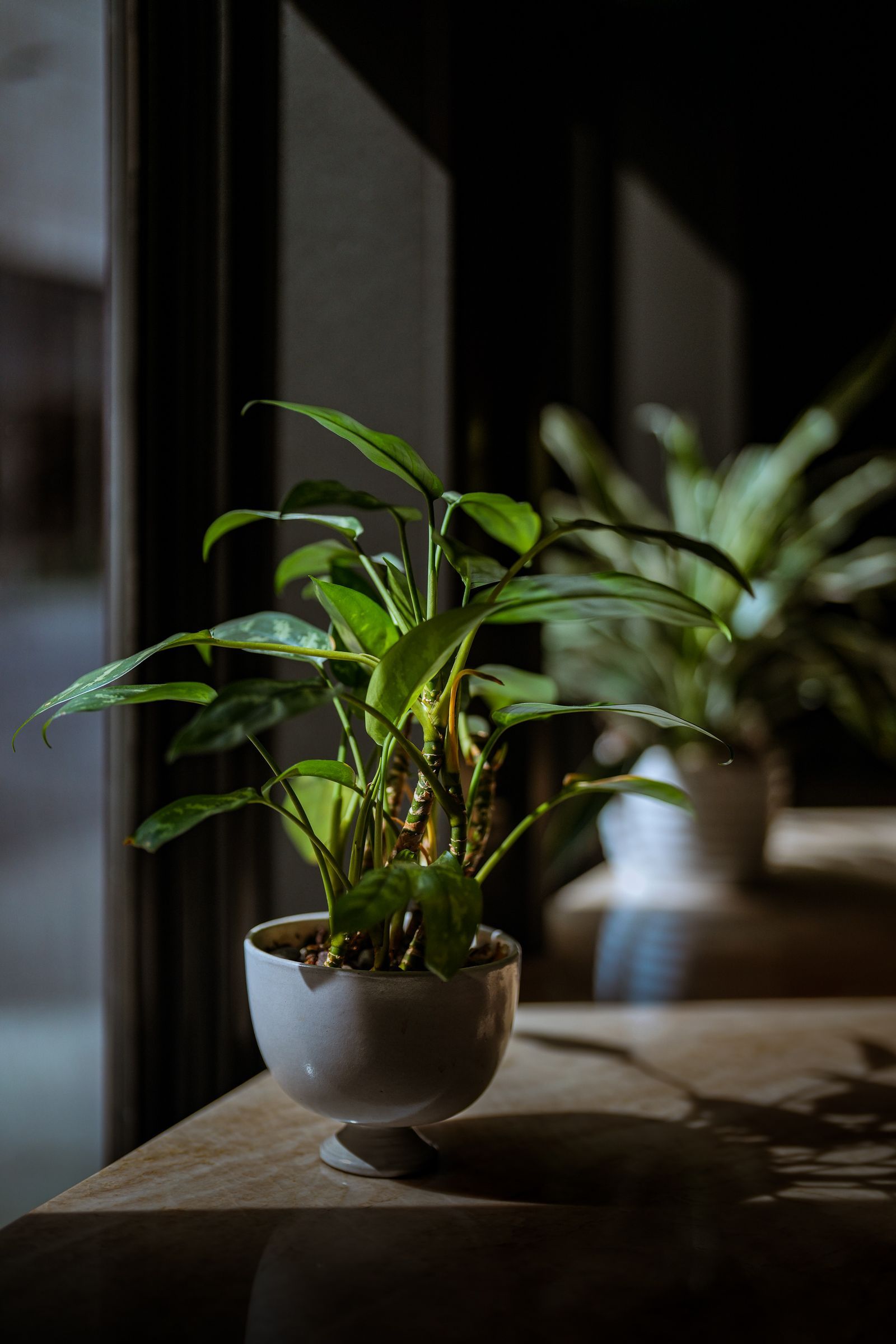
Photo: Maheshwar Reddy / Pexels
Winter Watering Checklist
Check off each step as you finish it. Your progress stays on this page.
0 of 8 complete
0% done
The Axis: Room Temperature, Not the Month
A houseplant's winter thirst is set by the room it stands in. A plant in a warm, heated room, 70 degrees F and dry forced air, keeps growing slowly and keeps drinking; the same plant in a cool room at 58 to 62 degrees F, a spare bedroom, a bright porch, an unheated sunroom, slows nearly to rest and drinks a third as often. Light is the axis's partner: the short days and low sun of winter cut growth everywhere, which is why even the warm room's plants drink less than in summer, but temperature is the variable that differs house to house and room to room, which makes it the organizer. This is why a schedule copied from a friend or a forum fails: their cool apartment and your overheated living room are different climates wearing the same month's name. Place the bands below by your rooms, not by the calendar page.
The Bands by Plant Class
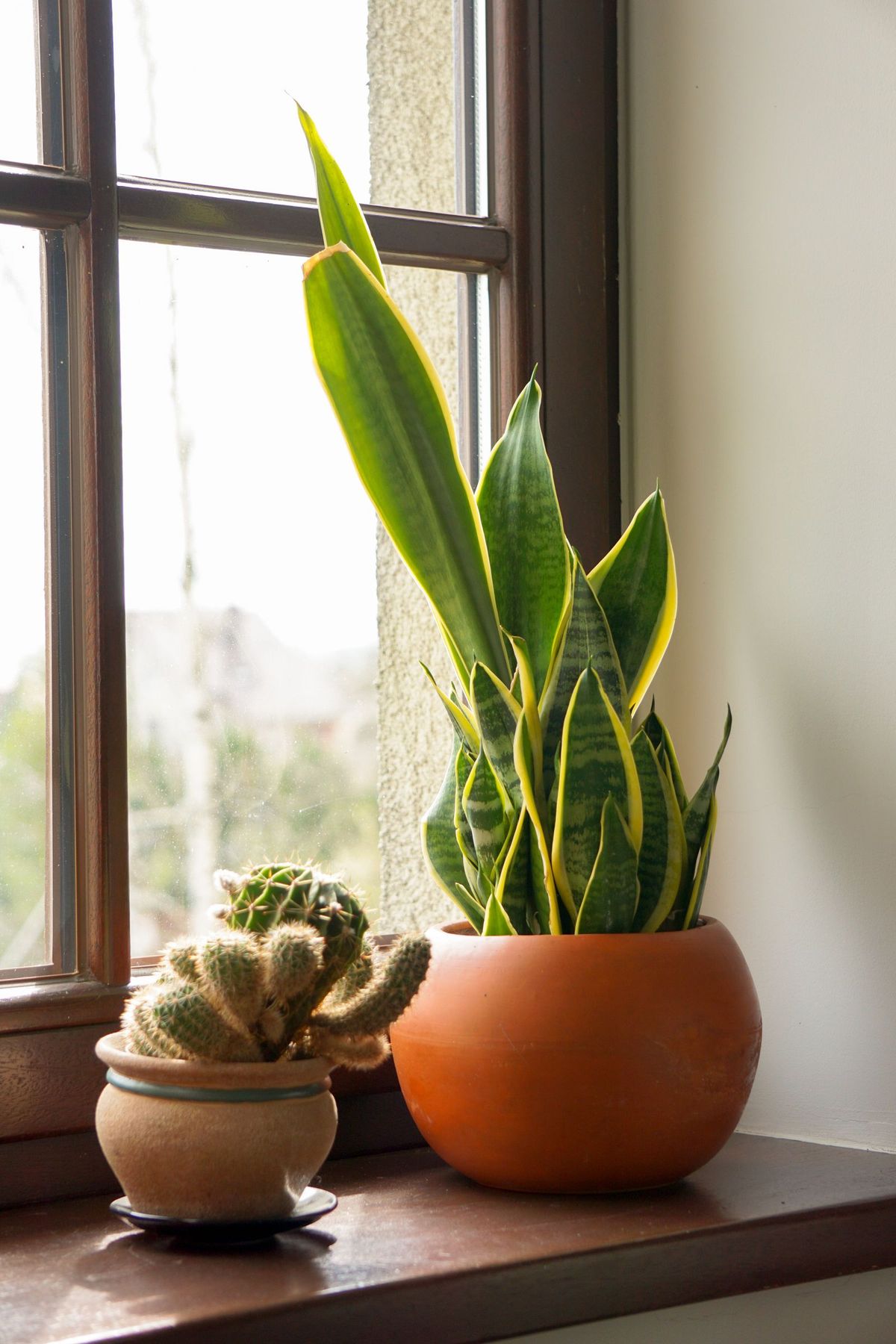
Use these as starting intervals for the check, never as appointments. Most foliage plants, the pothos, philodendrons, and dracaenas of the average room, run every 10 to 21 days in winter, watered thoroughly when the top inch or two is dry. Succulents and cacti sit at the far end: every 3 to 6 weeks, and for many growers in cool rooms, not at all from November to March, a complete rest that their desert dormancy expects. Snake plants want about monthly, erring dry, since their rhizomes rot in winter wet faster than in summer. Moisture loving tropicals, the ferns, calatheas, and peace lilies, stay at the near end, every 7 to 14 days, because they never fully rest and their thin leaves report dry air and dry soil quickly. The calculator above estimates your plant's drink by its pot and class; the bands give the rhythm; the check below decides the day.
The Check and the Growth Verdict
The method the extensions teach is a check with a verdict attached. Finger or wooden skewer into the top 1 to 2 inches: dry means the plant is eligible for water, moist means walk away, whatever the band says. Then read the plant itself. A houseplant putting out new growth in winter, a fresh leaf unfurling, a vine extending, is awake and drinking, and its interval shortens toward the summer pattern. A plant that has made no growth in six weeks is resting, and its interval stretches, in the succulent case to nothing. This growth verdict is what no calendar can encode, and it is why two identical plants in the same room can honestly want different rhythms: one sits in the bright window growing, the other in the corner resting. Water thoroughly when you do water, until it drains, and empty the saucer; the winter sin is not the size of the drink but the frequency, little sips keeping the surface perpetually damp while the roots below stay dry and the gnats move in.
Humidity, Gnats, and the Winter Failure Modes
Winter's failure modes are a matched pair. Overwatering in the cool season rots roots faster than in summer, because a resting plant does not draw the water up and the pot stays wet for weeks; the signs are yellowing lower leaves, a sour smell at the drainage hole, and soil that never dries. Its accomplice is the fungus gnat, whose larvae live in perpetually damp surface soil; the cure is the same dry interval that prevents the rot, letting the top inch dry fully between drinks. Underwatering's winter form is subtler: heated air is desert dry, and thin leaved tropicals crisp at the edges on a correct soil rhythm because the air, not the soil, is the deficit. The fix is placement and grouping, plants together raising each other's humidity, a pebble tray under the true humidity lovers, and distance from the heating vent, whose blast is the single commonest cause of winter leaf scorch. Do not mist as a humidity strategy; it wets leaves for minutes and raises the room's humidity not at all.
Spring: The Wake Up
The winter system ends by observation, not by date. When a plant resumes growth, new leaves, lengthening vines, the lengthening days pulling it awake, shorten its interval a step at a time back toward its summer rhythm and resume feeding at half strength with the first real flush. The succulents and cacti that rested dry get their first thorough drink when their growth resumes, not when the calendar turns. A plant that does not wake by mid spring is a patient, not a sleeper: check for root room, light, and the white roots of health at the drainage hole. The winter bands have done their work by then, which was never to be a schedule. It was to keep the collection alive, unrotted and ungnatted, in the season when kindness with a watering can does the most damage, until growth returns and the plants can once again say for themselves what they need.
Light Moves the Bands
The bands on this page assume the dim light of a northern winter, and light is the variable that moves a plant between them. A foliage plant on a bright south window, or under a grow light on a 12 hour timer, may keep growing all winter and drink at nearly its summer rhythm, while its twin in a north facing room rests and drinks half as often. Moving a plant for winter, closer to the glass for the light, therefore changes its watering at the same moment, and the first month after the move is a checking month, not a schedule month. Grow lights deserve the same respect as a change of season: a plant that wakes under lights wants the spring treatment, shorter intervals and eventually half strength feed, whatever the calendar outside says.
Frequently Asked Questions
How often should houseplants be watered in winter?
There is no fixed schedule, and the extension services decline to give one: the interval belongs to the room, not the plant. Start from the bands, most foliage plants every 10 to 21 days, succulents and cacti every 3 to 6 weeks or not at all from November to March, snake plants about monthly, moisture loving tropicals every 7 to 14 days, then let the check decide: water only when the top 1 to 2 inches are dry, and less often in a cool room than a warm one.
Why do houseplants need less water in winter?
Because most of them rest. Short days and low light cut growth to a fraction of the summer rate, and a plant that is not growing is not drinking; in a cool room the slowdown deepens toward full dormancy. Water given on the summer rhythm therefore sits in the pot for weeks, and winter overwatering rots more houseplants than winter drought does. A plant still actively growing in a warm bright room is the exception and drinks nearer its summer rate.
Should succulents be watered at all in winter?
In a cool room, often not at all from November to March: desert plants expect a dry dormancy and their stored water carries them. In a warm room, a light drink every 3 to 6 weeks when the soil is dry all the way through. The test is the plant: plump leaves mean wait, leaves thinning and wrinkling mean a drink is due. More winter succulents die of kindness than of thirst.
How do I stop fungus gnats in winter?
Dry the surface. Gnats breed in perpetually damp top soil, which winter's slow drying makes worse. Let the top inch dry fully between waterings, water thoroughly but less often rather than in frequent sips, empty saucers, and the population collapses within a few weeks as the larvae lose their habitat. The same dry interval is the rot prevention, so the gnat cure and the plant's health are the same instruction.
What is the biggest winter houseplant mistake?
Watering on the summer schedule, followed closely by watering on any schedule at all. Winter intervals stretch two to three times longer than summer ones, the variation between a warm room and a cool one is larger than the variation between most species, and the only reliable instrument is the check: dry top 1 to 2 inches, a plant showing growth or rest, and a thorough drink only when both say yes.
Photo credits: Maheshwar Reddy (Pexels); Ala J Graczyk (Pexels). Photos are served from this site; follow the credit to the library page for the original.