Most lists of flowers that bloom all summer cheat twice: they pad the roster with perennials, which are a different promise, and they name plants that bloom in flushes with bare weeks between. This page keeps the stricter contract. Every plant here is a true annual, sown or planted in spring, blooming continuously from early summer to the first hard frost, and composted when it freezes. The general summer bloom guide on this site owns the whole garden picture, perennials included; this page owns the annuals alone, sorted by the job each does best, because a list without jobs produces a bed of whatever was on sale. The core nine for sun are zinnia, marigold, petunia, cosmos, vinca, lantana, portulaca, and angelonia and salvia, and the shade bench behind them, impatiens and begonia, covers the ground the nine cannot. The season long part of the promise is kept by two habits, the deadhead rhythm and the August refresh, which get their own sections because they matter more than the roster.
Home / Flowers and Houseplants
Annual Flowers That Bloom All Summer: The True Annuals by Job, the Shade Bench, and the August Refresh
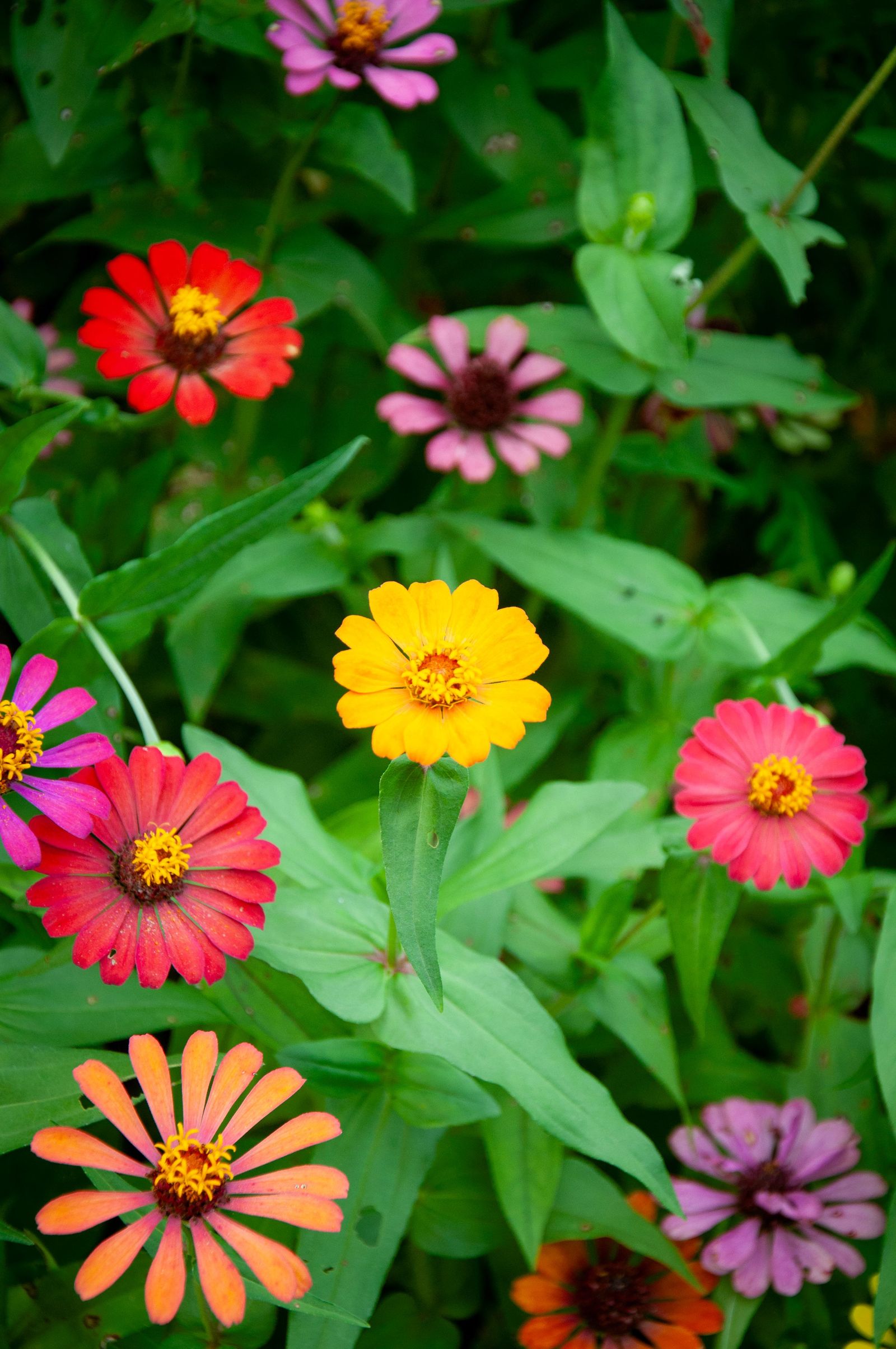
Photo: kien virak / Pexels
Summer Annual Checklist
Check off each step as you finish it. Your progress stays on this page.
0 of 8 complete
0% done
The Core Nine for Sun, Sorted by Job
Zinnia is the cutting flower: tall, fast, and generous, it blooms the more it is cut, and a row of zinnias is a bouquet supply from July to frost. Marigold is the border edge and the workhorse, unfazed by heat, blooming in a solid line that frames everything behind it. Petunia is the spiller and the container plant, trailing over edges and filling pots, at the price of the August haircut below. Cosmos is the tall screen and the pollinator magnet, airy and self sowing, happiest in lean soil where richer plants sulk. Vinca, the Madagascar periwinkle, is the heat proof groundcover for the bed that bakes, glossy and tireless where petunias would fry by August. Lantana is the butterfly shrub of the group, a sprawling plant for the hot corner and the big pot, blooming in clusters until frost; site it with the knowledge that it is toxic to pets and livestock if eaten, per ASPCA listings. Portulaca is the crack and crevice plant, for the strip of hell by the driveway where nothing else survives July. Angelonia is the vertical accent, a spire of small flowers that reads as a perennial salvia's tidier cousin. And salvia itself, the annual salvias, holds the hummingbird contract, spiking red or purple from midsummer on. Nine plants, nine jobs; a bed that assigns each a job blooms without gaps because no two of them peak and fade on the same week.
The Shade Bench: Impatiens and Begonia
The sun list fails completely under trees, and the shade bench is not a consolation prize but a separate roster built for the conditions. Impatiens is the shade bed's core, a mound of continuous bloom in light that would leave a petunia green and flowerless; the New Guinea types take a little more sun and bring larger flowers and foliage interest. Begonia, the wax and tuberous types, is the second bench player, blooming in shade and in the part sun edges where the two rosters overlap, with the tuberous forms carrying the biggest flowers in the deepest shade. Both want what shade beds actually offer: consistent moisture in soil that never fully dries, because the shade that protects them from sun also slows the soil's drying unevenly, and a shade bed under a thirsty tree can be the driest ground in the garden by August. Feed lightly and regularly, since container and bed annuals in shade are often underfed into pale mediocrity. A garden with a sunny front and a shaded back is not one list but two, and planting the sun nine in shade is the commonest way an all summer plan quietly fails in exactly the half of the garden where the owner sits in the evening.
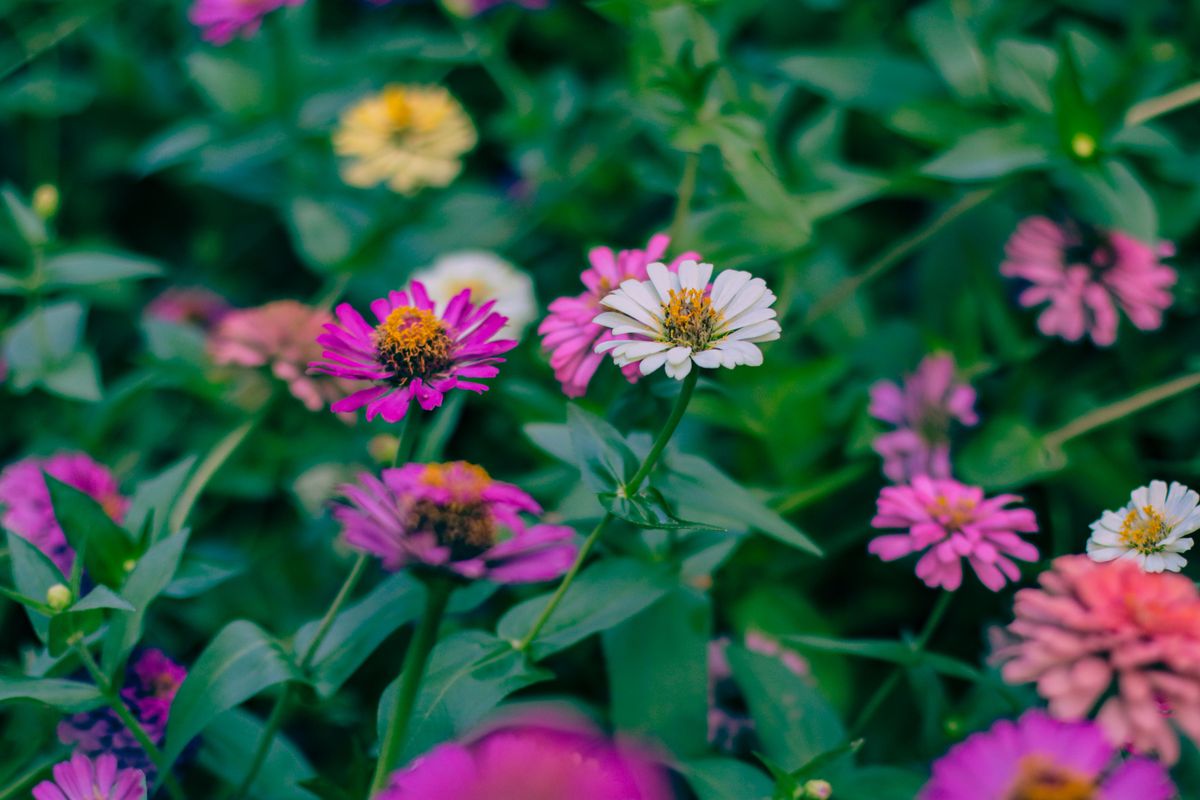
Sowing and Planting: The Calendar Under the List
The annuals split by how they start. Zinnia and cosmos are direct sown after the last frost into warm soil, fast and easy, and both resent transplanting enough that the direct row usually catches up to the potted start. Marigold goes either way. Petunia, vinca, angelonia, salvia, impatiens, and begonia are bought as transplants or started indoors 8 to 12 weeks early, because their seed is small, slow, or both, and a spring windowsill start is a project in itself. Lantana and portulaca wait for real warmth; both stall in cold soil, and lantana in particular goes out only when nights are reliably warm. Spacing follows the adult plant, not the six pack: zinnias a foot apart, marigolds by their type from 8 inches to a foot and a half, petunias a foot or more for the spreading types that will cover three. A bed planted tight in May looks full early and crowds into disease by August; a bed planted at honest spacing looks sparse for three weeks and then closes into the solid bloom the list promised. Succession is minimal with true season long annuals, which is their advantage over vegetables: one planting, tended, carries the season.
The Deadhead Rhythm and the August Refresh
Continuous bloom is a habit, not a trait. The plants that flower all summer do it because their owners remove spent flowers before the plant invests in seed, since a plant that sets seed reads its mission as complete and slows. The rhythm is weekly: walk the bed with scissors, take the faded heads off zinnia, marigold, cosmos, and salvia, and cut the cut flowers for the house, which is deadheading with a vase. Some of the roster self cleans, vinca, angelonia, and portulaca drop their spent blooms and need nothing, which is worth knowing before you buy. Then comes August, when even the best kept annual bed looks tired: petunias have gone leggy with flowers only at the tips, and everything carries the dust of a long summer. The refresh is a cutback, petunias and any other leggy plant sheared by about a third, followed by a feed and a deep watering. Within two weeks the bed pushes fresh growth and a new flush that carries to frost, often the best bloom of the year because the nights have cooled. Skipping the refresh is how an all summer bed becomes a June and July bed with a long, ragged epilogue.
The Frost Accounting: What Annual Means
The contract ends at frost, completely, and planning for the ending is part of growing annuals well. The first hard frost takes the whole roster in a night, tender tropicals like vinca, lantana, and portulaca often at the first light frost before it. Nothing on this list is wintered over by a beginner's hope; a few, lantana and begonia among them, can be potted and carried indoors by owners who enjoy the project, and the rest are compost, cleanly and without regret. The seed savers have their exception: zinnia, cosmos, and marigold seed is easy to save from the last flowers of the year, dried on the plant, and a saved seed habit turns the annual bill into a one time purchase. Pull the frozen bed, compost the plants, and feed the empty soil with compost or a cover crop, and the bed is ready for next year's roster. The annual bargain, one season of unmatched continuous bloom for one season of life, is the oldest deal in the flower garden, and the plants on this list are the ones that honor their side of it to the last week.
Frequently Asked Questions
What annual flowers bloom the longest?
The true season long annuals bloom from early summer to the first hard frost without a gap when they are deadheaded: zinnia, marigold, petunia, cosmos, vinca, lantana, portulaca, angelonia, and the annual salvias in sun, with impatiens and begonia carrying the same contract in shade. Expect roughly four to five months of continuous bloom in a temperate garden from a late spring planting. Plants that bloom in flushes with rests between, however pretty, are not on this list, and neither are perennials, which keep a different promise.
Do I have to deadhead annuals to keep them blooming?
For most of them, yes. Zinnia, marigold, cosmos, and salvia slow down once they set seed, and a weekly pass with scissors, or cutting the flowers for the house, keeps them producing. Vinca, angelonia, and portulaca are self cleaning and need nothing. Petunias benefit from pinching and from a hard cutback by a third in August, followed by a feed, which brings a fresh flush that lasts to frost. The deadhead rhythm is the difference between a list of long blooming plants and a bed that actually blooms all summer.
What annuals bloom all summer in shade?
Impatiens is the shade standard, blooming continuously in light where sun annuals stay green and flowerless, with New Guinea impatiens taking a bit more sun and offering larger flowers. Wax and tuberous begonias are the second choice, the tuberous types carrying the largest flowers in the deepest shade. Both want consistently moist soil; a shade bed under a large tree can be the driest spot in the garden by August, and watering the shade bed is the habit its owners most often skip.
Why did my annuals stop blooming in August?
Usually one of three causes: seed set, because deadheading lapsed and the plants read their mission as complete; legginess, especially petunias flowering only at the stem tips; or simple hunger after months in the same soil or pot. The August refresh answers all three: cut the leggy plants back by a third, remove every spent flower and seed head, feed once, and water deeply. Most annual beds answer with a fresh flush inside two weeks that carries to frost, and the refresh is planned maintenance, not a rescue.
Can I save seeds from these annuals for next year?
From several of them, easily. Zinnia, cosmos, and marigold are the beginner's seed saving trio: let the last flowers dry on the plant, collect the seed heads on a dry day, and store the seed cool and dry in paper. Open pollinated varieties come back true; hybrids may vary, which many gardeners count as a feature. Petunia and impatiens seed is fiddly and slow to start, and most growers buy those as transplants each spring instead.
Photo credits: kien virak (Pexels); Khoa Le (Pexels). Photos are served from this site; follow the credit to the library page for the original.