Home / Vegetables and Herbs
Vegetables and Herbs
Grow food you will actually eat: tomatoes, peppers, beans, greens, and the kitchen herbs, with spacing, timing, and care figures drawn from university extension publications.
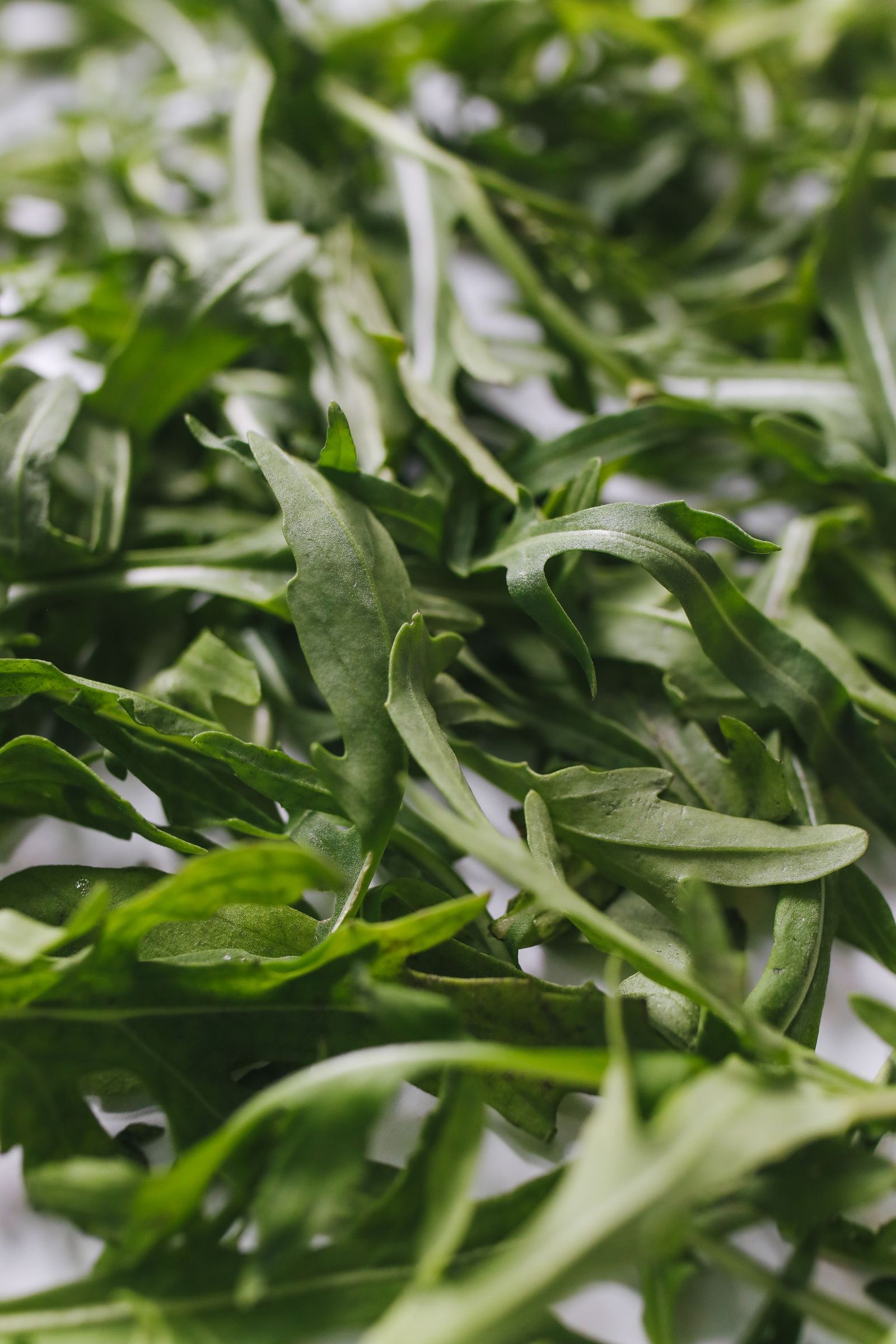
- Arugula Plant Spacing: The Harvest Size Ladder on the Delaware Standard
Arugula spacing from the University of Delaware Cooperative Extension Grow Your Own factsheet, read in full for this article: a minimum plant distance of 6 inches in both directions, seed sown 1/4 to 1/2 inch deep and direct sown, thinned as plants begin to touch. Why that number is a harvest size decision, with baby leaf at broadcast density, the production rows at 7 to 9 inches and the seed saving thinning to 10 inches flagged as the alternatives, plus the succession rhythm and the bolt clock.
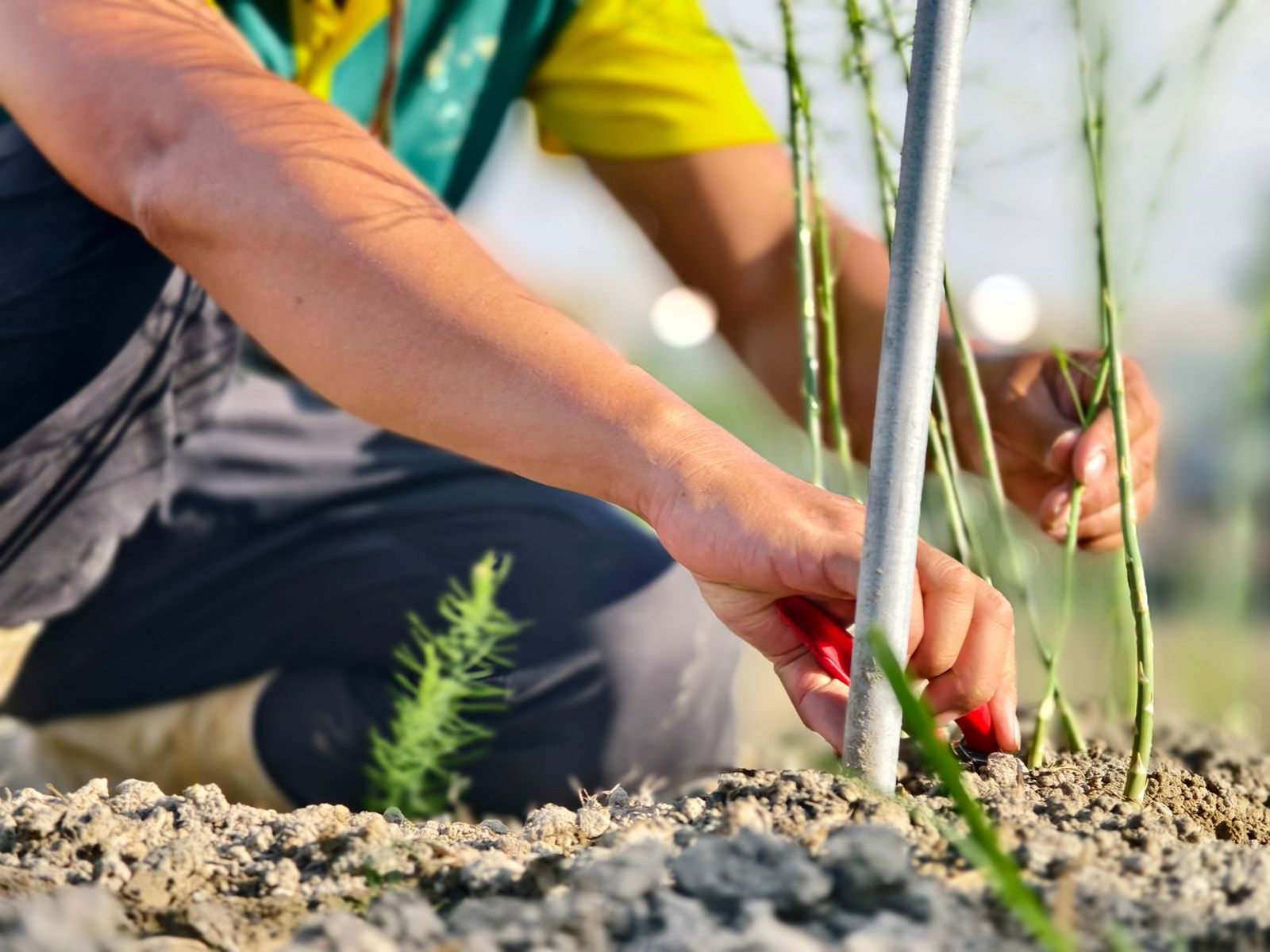
- Asparagus Plant Spacing: the 15 Year Bed, Laid Out at the Minnesota Standard
Asparagus spacing for a bed that should produce for 15 years or more, at the University of Minnesota Extension standard read in full for this page: crowns with buds 12 inches apart in furrows at least 3 feet apart, trench 6 to 12 inches deep by soil type. The sprawl in other sources flagged, 12 to 18 inch crowns and rows to 60 inches, plus site choice, the no harvest first spring rule, and the fern funding system the layout serves.
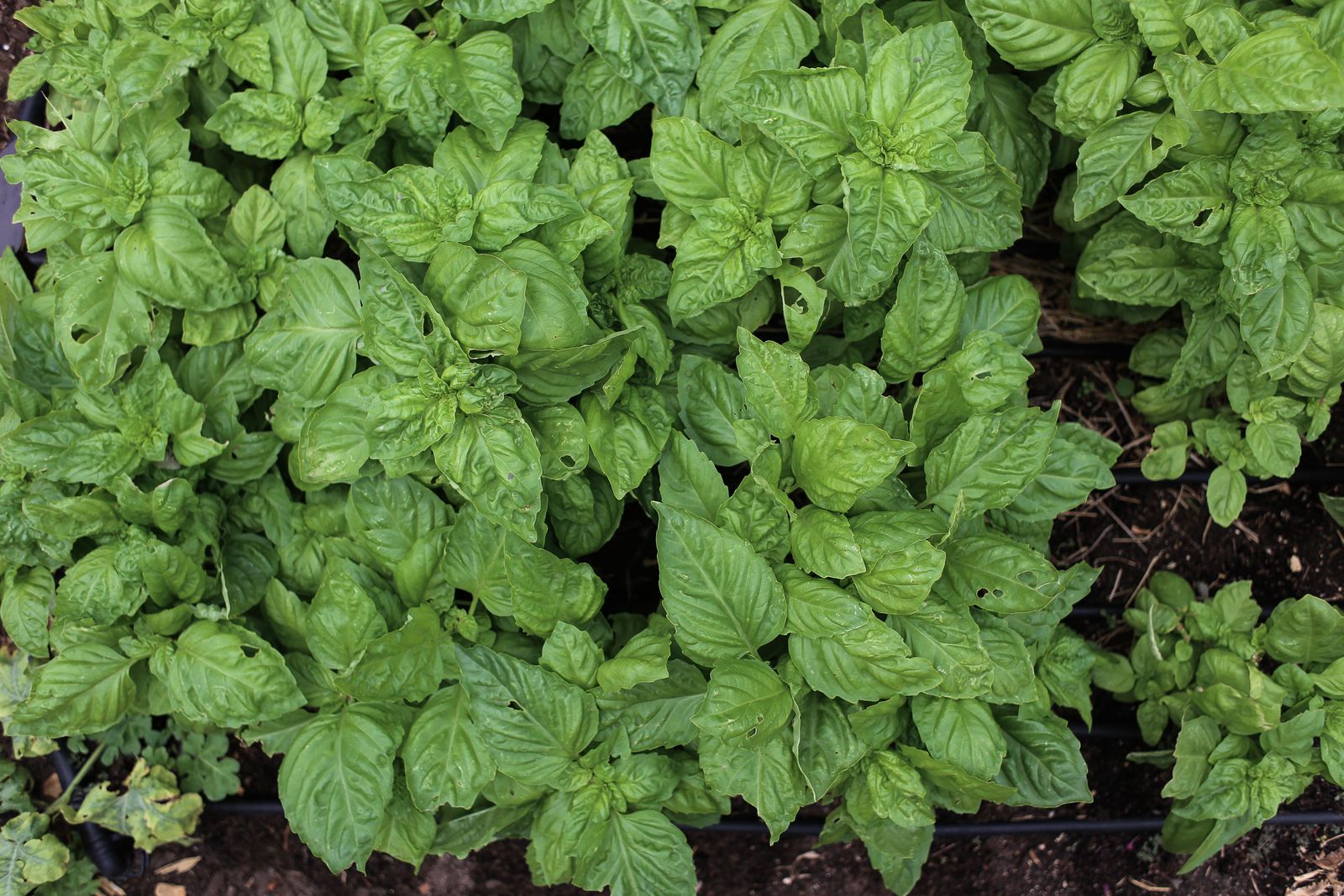
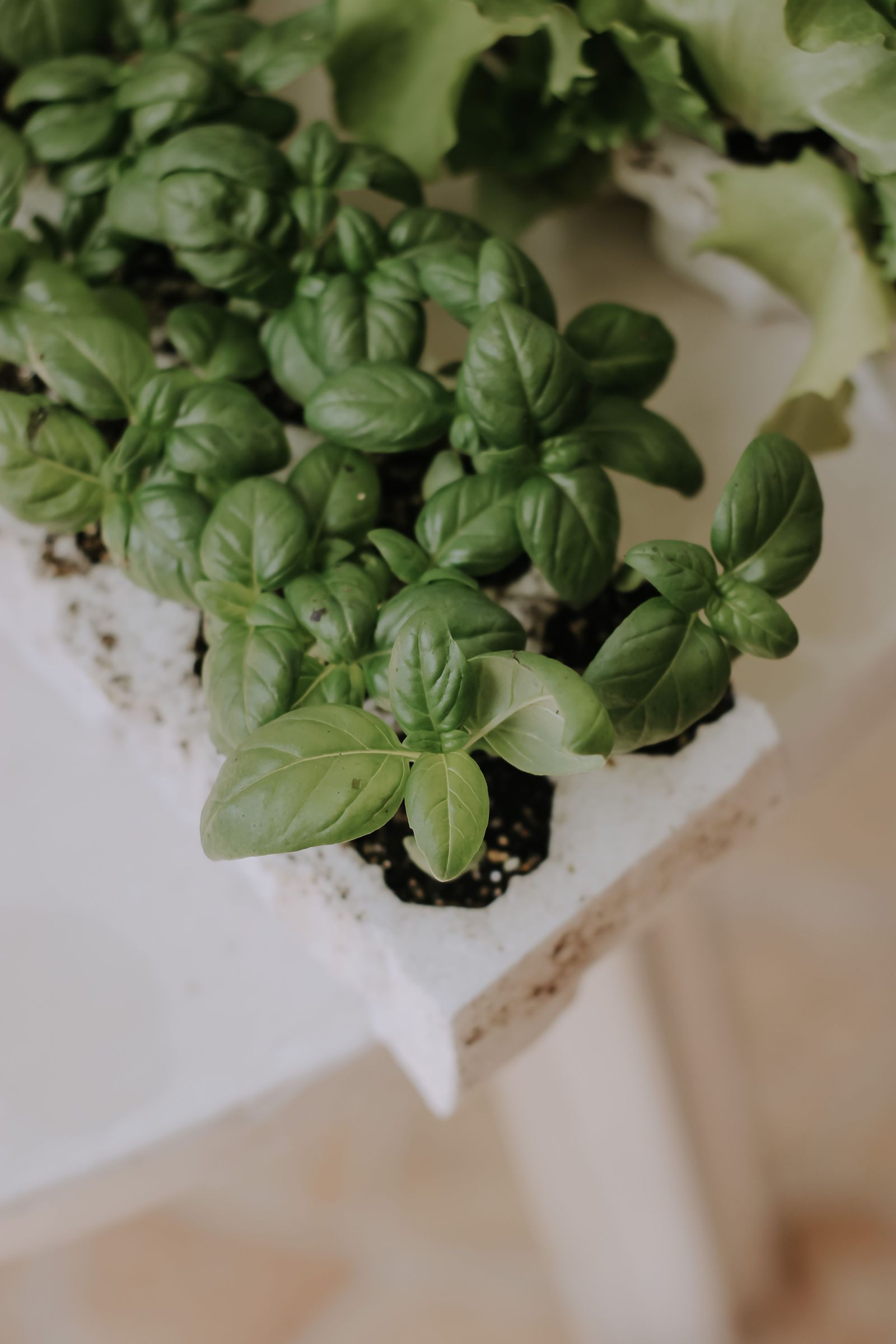
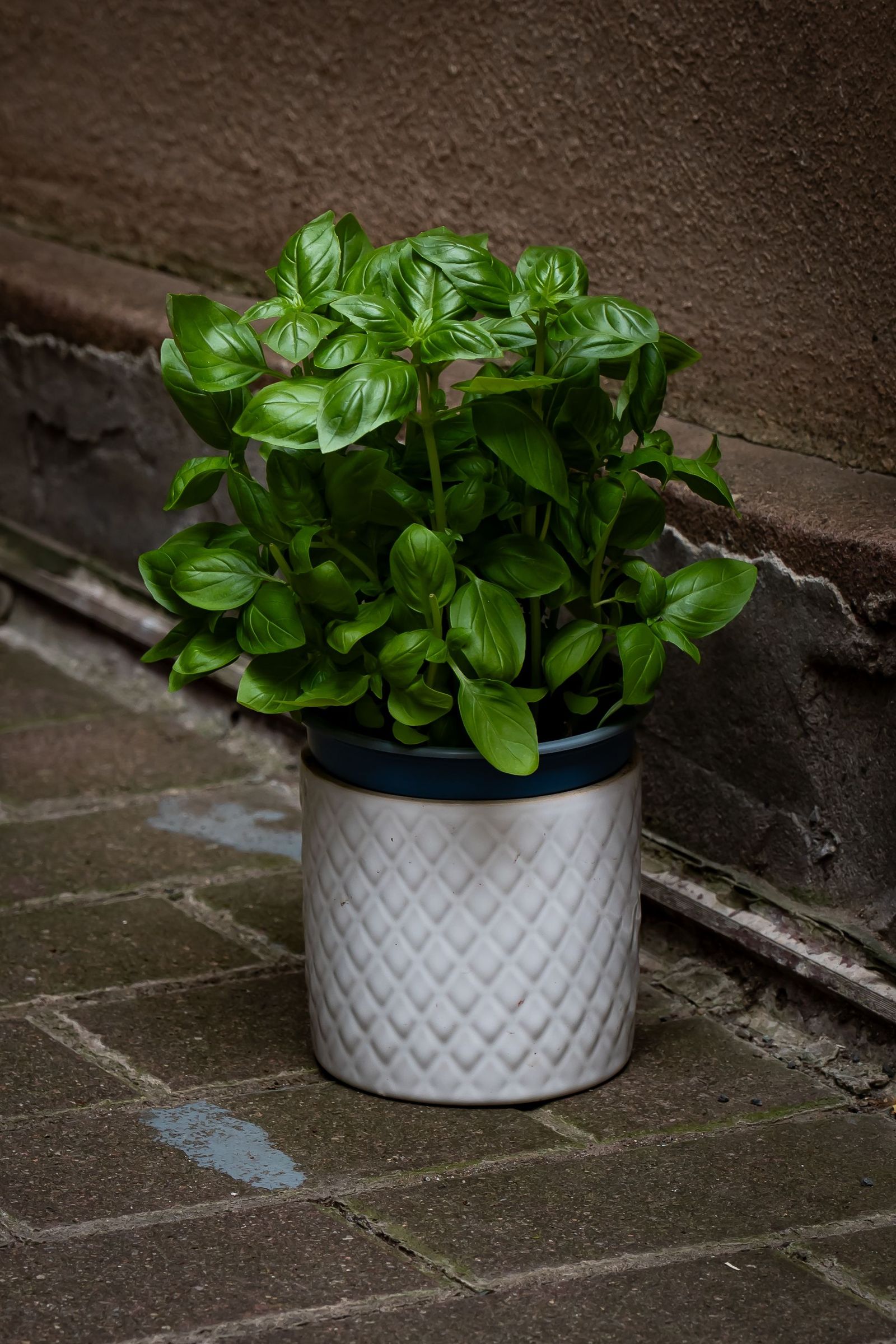
- Basil Plant Spacing: The 12 Inch Maryland Standard, the Disease Ladder, and the Pinch Grown Bush
Basil spacing from the University of Maryland Extension fact sheet on growing basil in a home garden, read in full for this page: thin to 12 inches between plants and 18 inches between rows, in full sun at 6 or more hours. Clemson runs far wider at 2 by 3 feet and Illinois advises at least 2 feet, both buying airflow against downy mildew. The ladder is a disease decision, and the planner runs the Maryland standard.
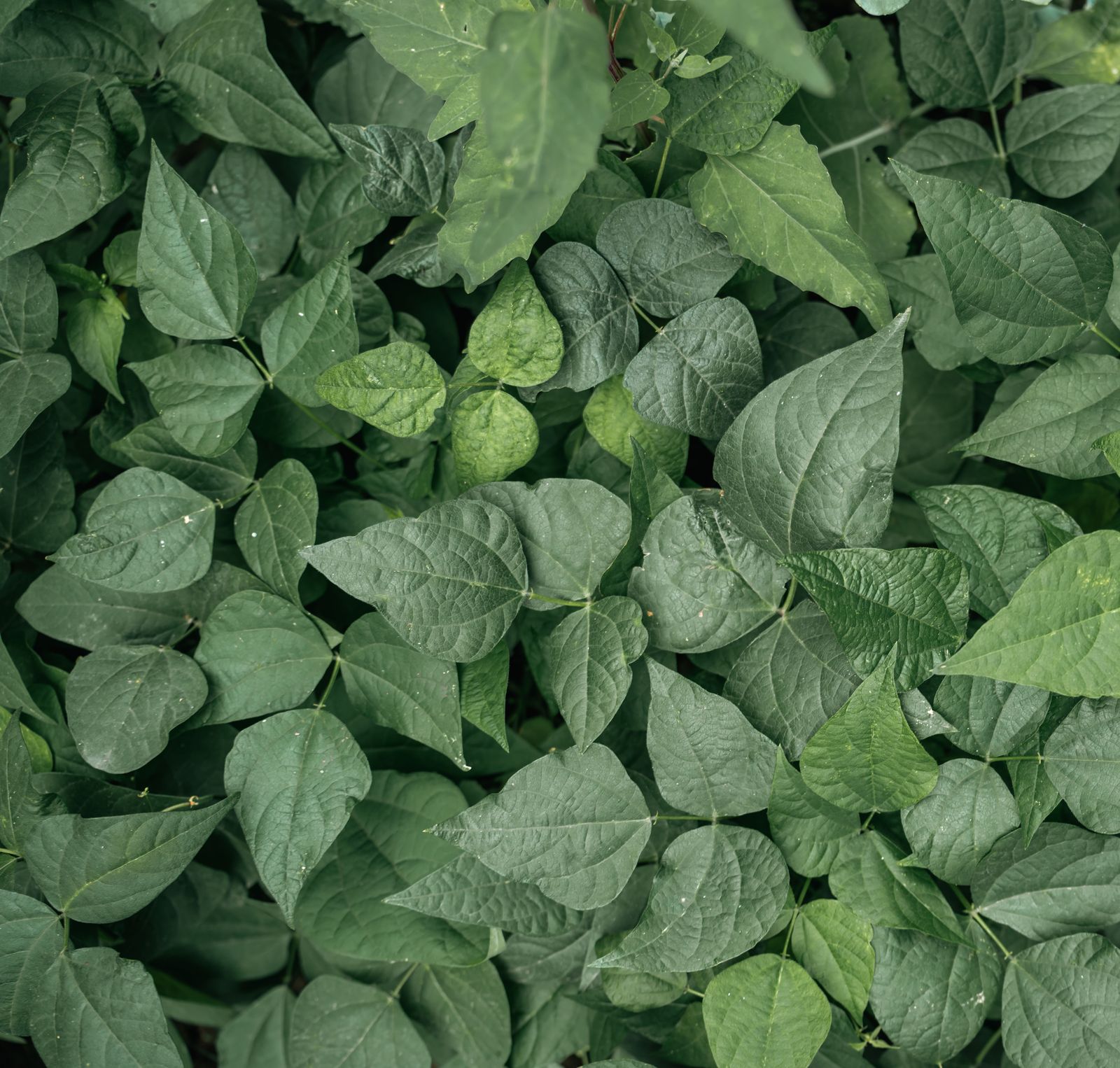
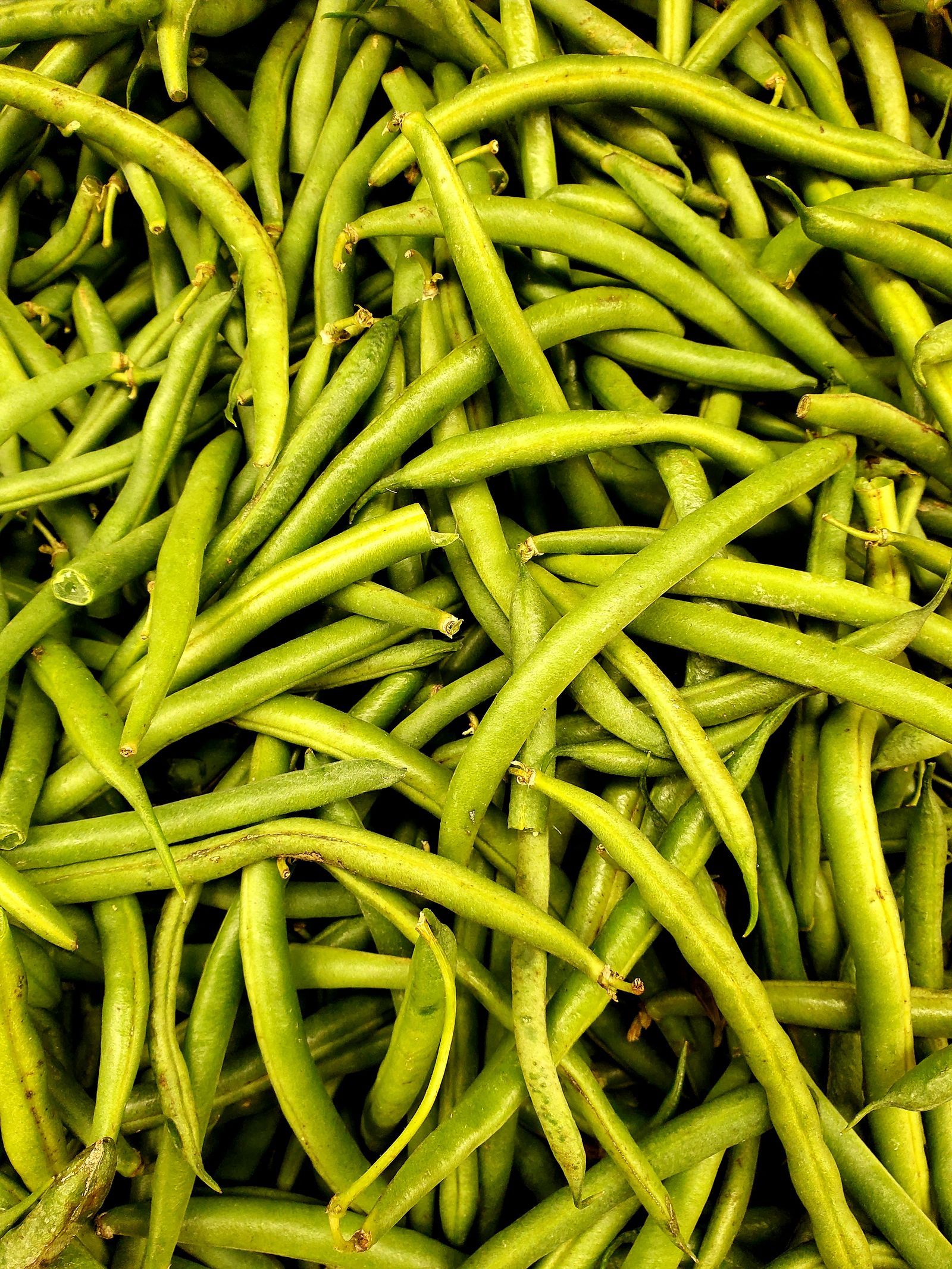
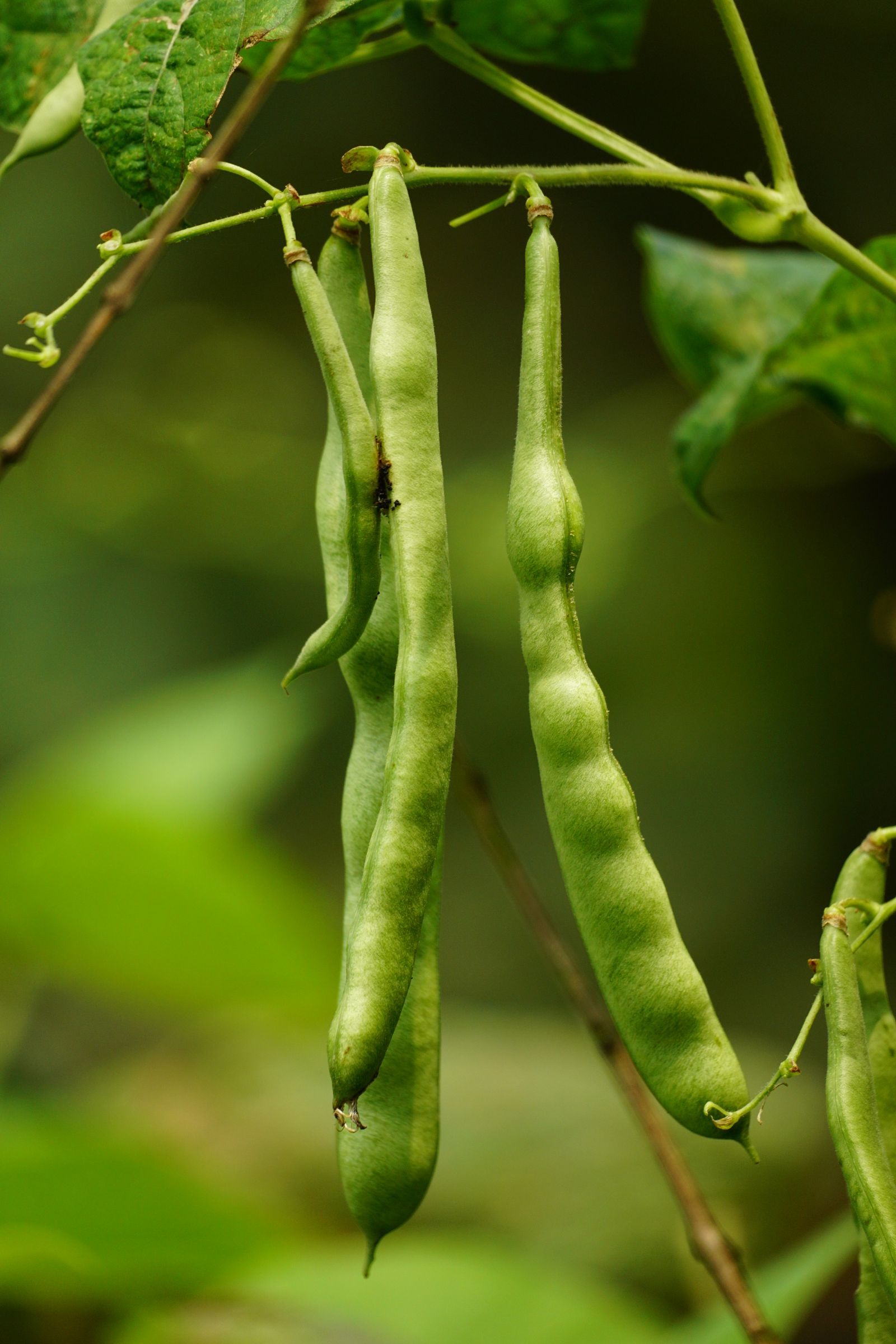
- Bean Plant Spacing: The Bush and Pole Fork, the Georgia Standards, and the Depth Conflict
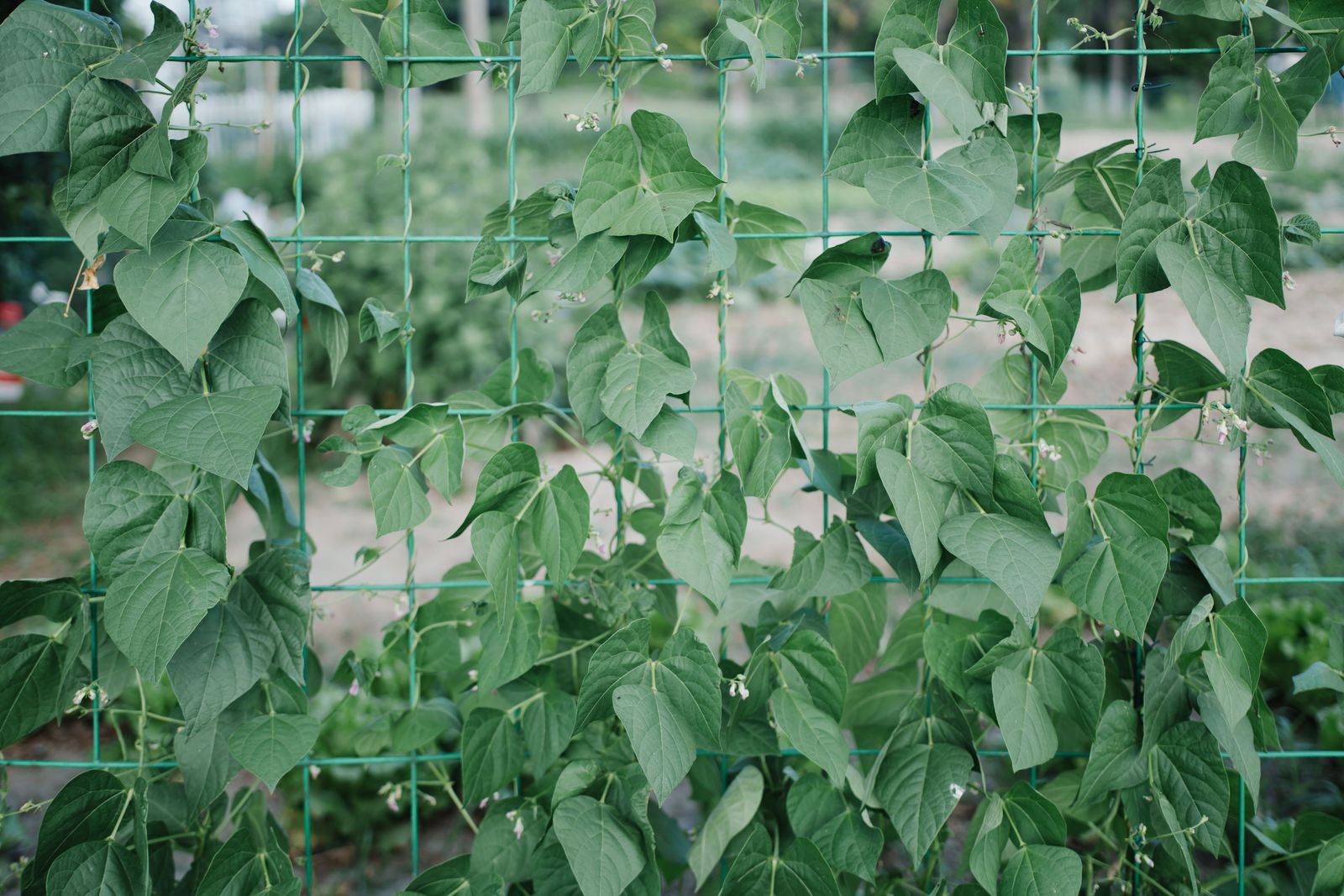
Bean spacing forks on the type before any number applies. The University of Georgia Cooperative Extension chart in Circular 963 spaces bush beans 2 to 4 inches apart in 36 inch rows, and pole beans 4 to 12 inches in the same rows, both sown 1 to 1.5 inches deep. The Minnesota and Clemson charts agree on the bush figure. The depth figures conflict, with Maryland at 1/4 to 1/2 inch, and the planner carries both bean types at the Georgia standards.
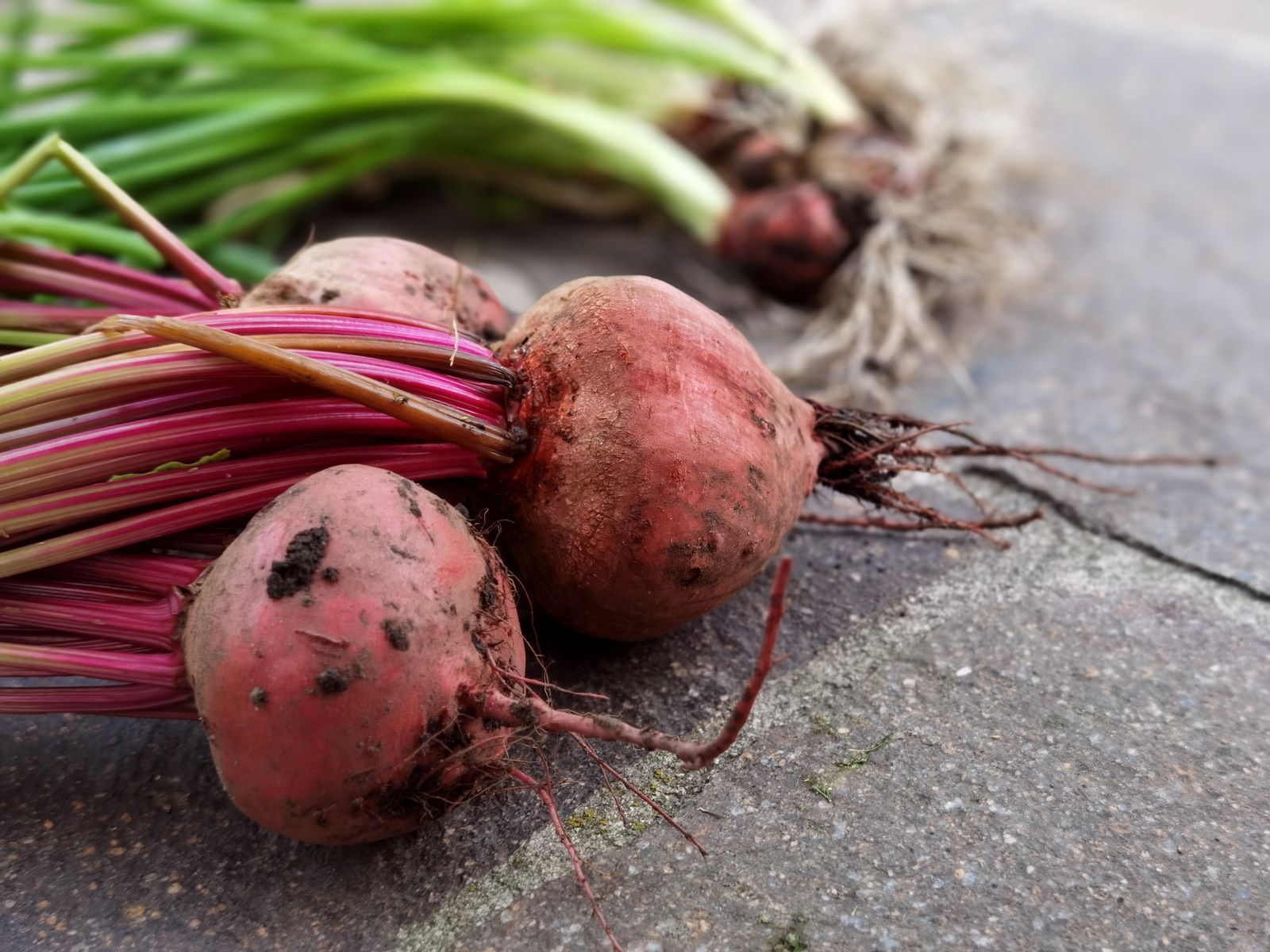
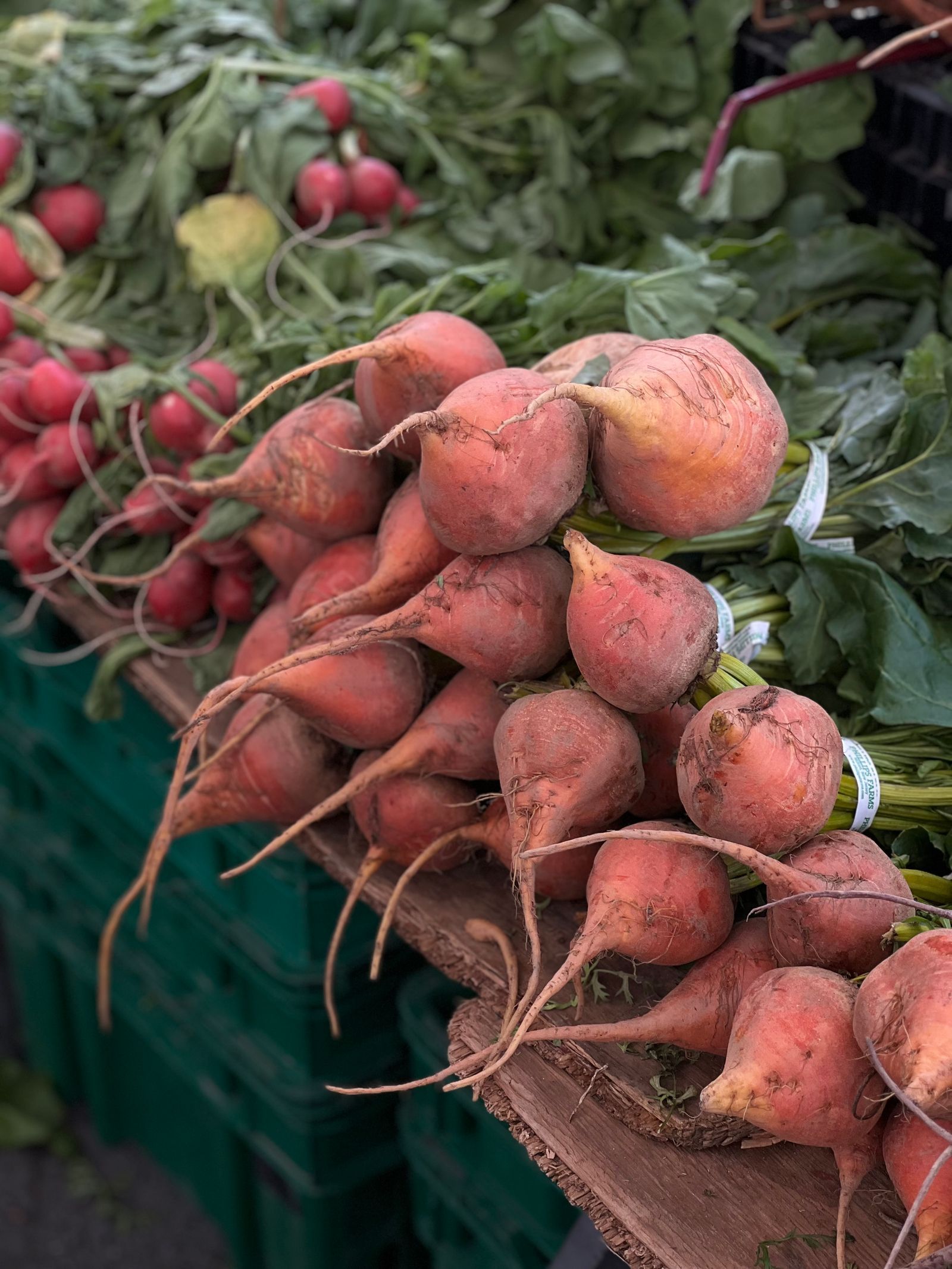
- Beet Plant Spacing: Sow Thick, Thin Twice, and Finish at 2 Inches
Beet spacing is a thinning system, not a sowing number, because a beet seed is a cluster that sends up several seedlings from one spot. At this site's standard, University of Georgia Cooperative Extension Circular 963: sow 1/2 inch deep, thin in two passes to a final 2 inches between plants, in rows 18 to 36 inches apart, with 55 to 65 days to harvest. The wider 3 to 4 inch thinning figures quoted elsewhere are flagged, and the thinnings are a harvest, not a waste.
- Beetroot Plant Spacing: The Cluster System, the 10 Centimeter Thinning, and the Harvest Size Ladder
Beetroot spacing is a thinning system, not a sowing distance, because every beet seed is a cluster of seeds. Sow clusters about an inch apart, then thin in passes to a final 4 inches, 10 cm in the UK guidance, for full size roots. The harvest ladder runs from baby beets at close spacing to bunching size at 2 to 3 inches. The Georgia chart's 2 inch sowing in 18 to 36 inch rows is the system before the thinning, and the planner carries it.
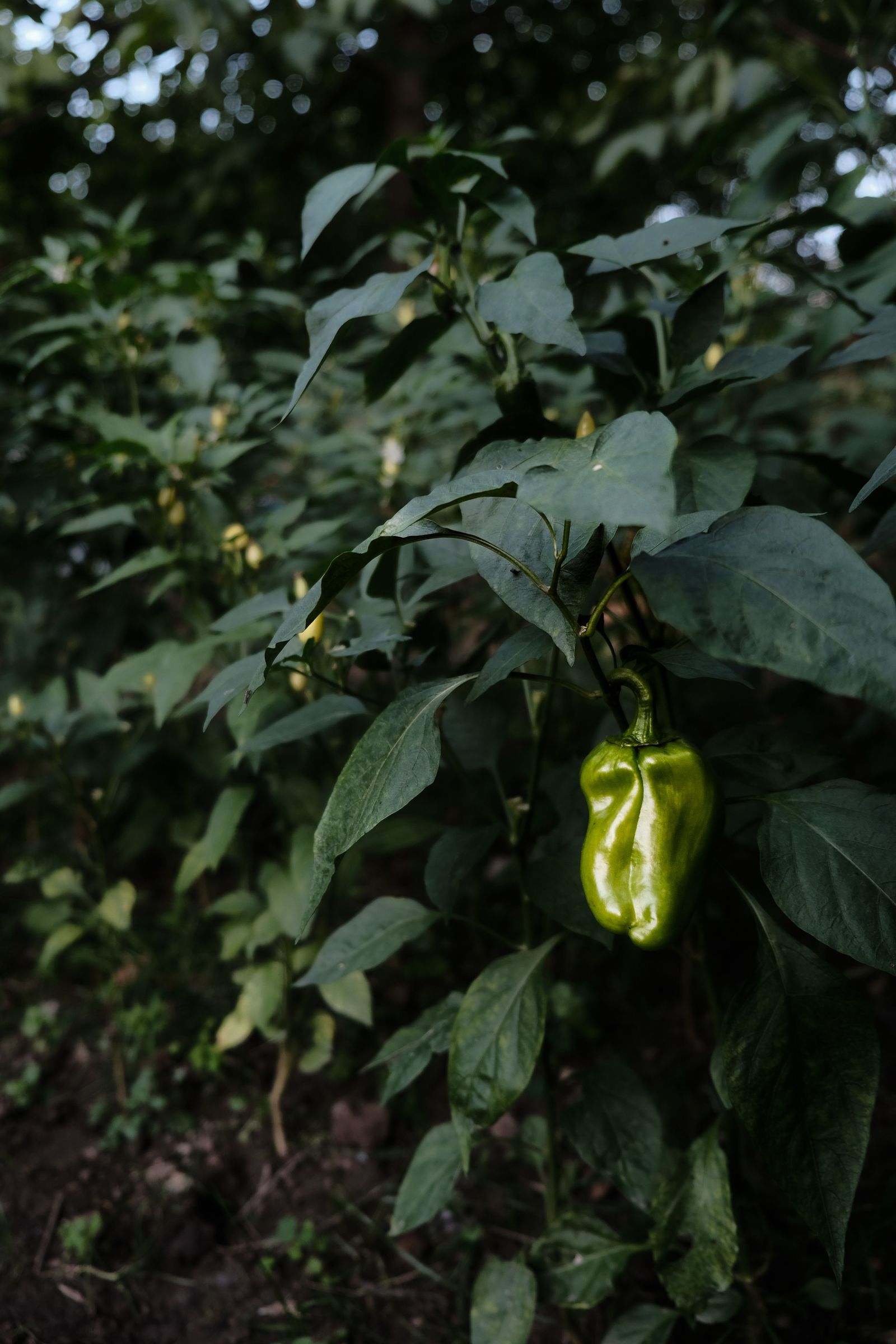
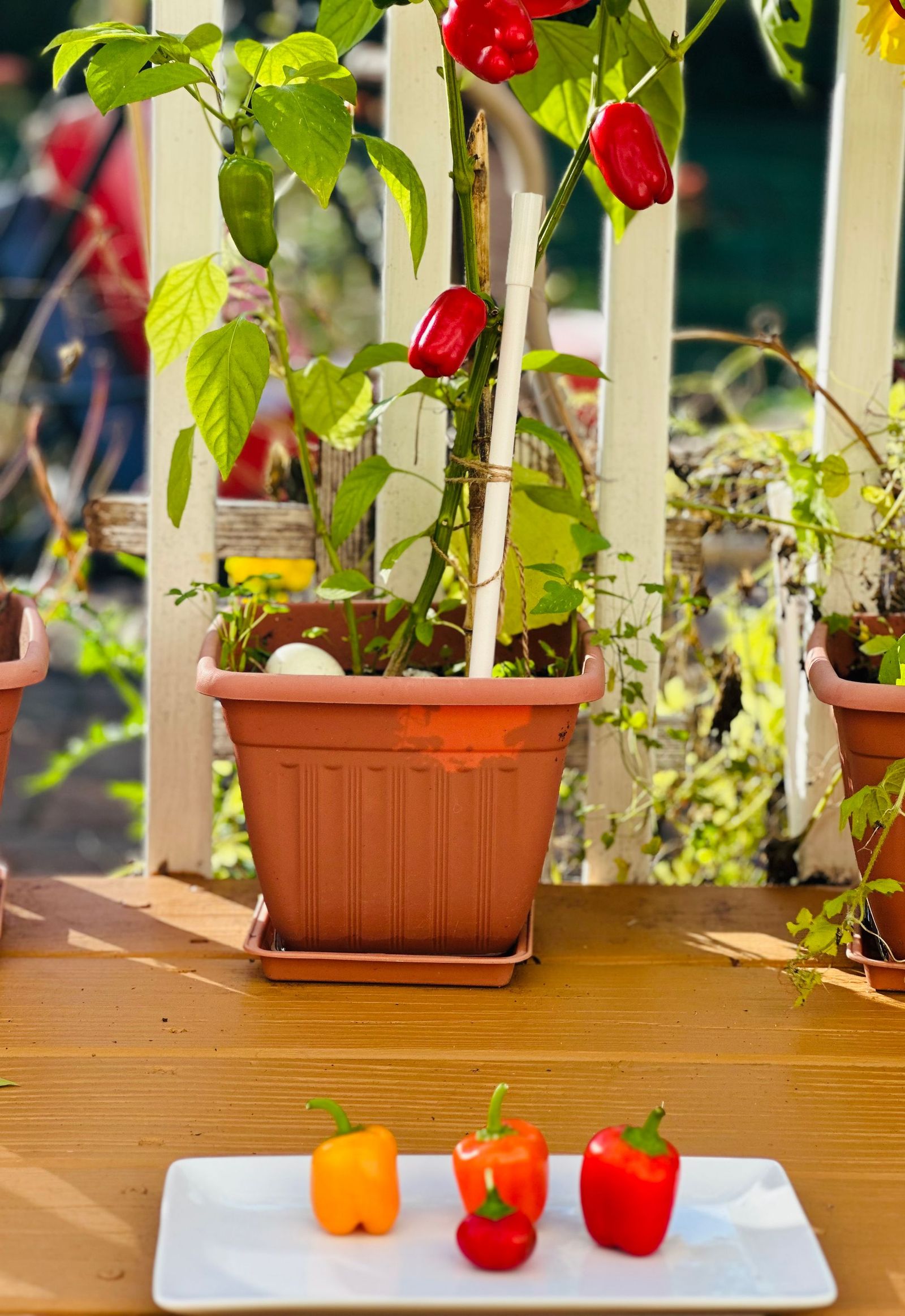
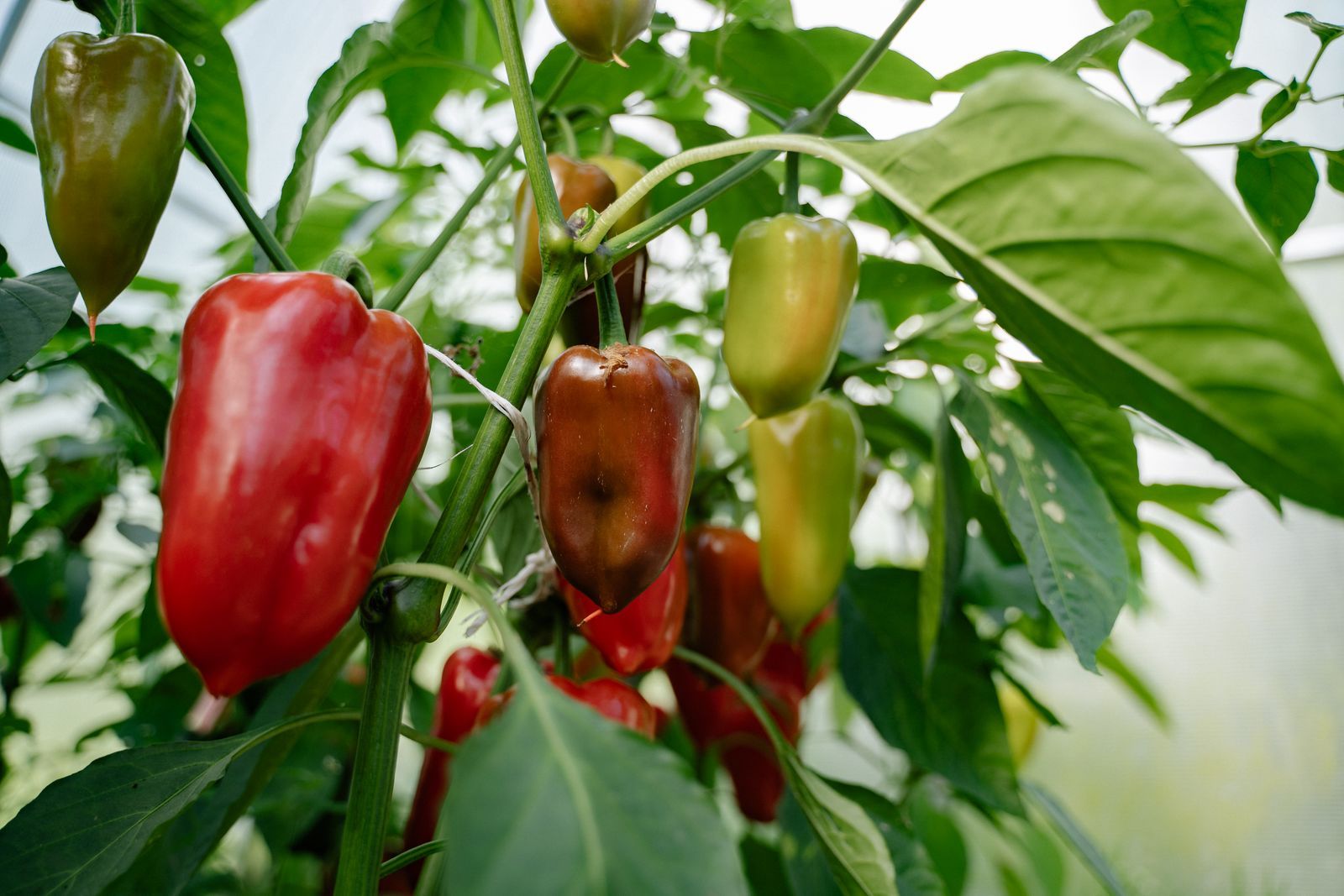
- Bell Pepper Plant Spacing: The 24 Inch Georgia Standard, the Tight End Trade, and the Support Pairing
Bell pepper spacing from the University of Georgia Cooperative Extension chart in Circular 963: 24 inches between plants in rows 36 inches apart, transplanted, 65 to 80 days to harvest. The results sprawl from 12 to 24 inches in the row. The tight end buys plant count at the price of smaller fruit and slower drying foliage, and the support and sunscald systems ride on the spacing decision. The planner runs the Georgia standard.
- Best Vegetable Seeds for Beginners: Read the Packet First, Then Buy the Shortlist
Beginner seed buying taught as packet literacy instead of a product ranking: what packed for year, germination percentage, days to germination versus days to maturity, and hybrid versus open pollinated actually commit you to. Then the shortlist ranked by speed and forgiveness, radish at about a month, bush beans near 50 days, loose leaf lettuce between them, and the case against vault kits, with storage that keeps leftovers alive for next year.
- Best Vegetables for Beginners
The best vegetables for beginners are the ones that sprout reliably, forgive mistakes, and give you food fast: radishes, lettuce, bush beans, zucchini, cherry tomatoes, and a few more. Compare them in one decision table with extension spacing, then lay out your own first bed.
- Best Vegetables for Container Gardening: Matched to the Pot, Not Just Listed
The best vegetables for containers chosen by matching logic instead of a list: root depth, water reservoir, and harvest per square foot, with the minimum versus working pot size table the listicles skip. Tomatoes and peppers at a working 5 gallons, potatoes in 10 to 15 gallon grow bags, greens and radishes in shallow troughs, and the crops that are possible in pots but rarely worth the space.
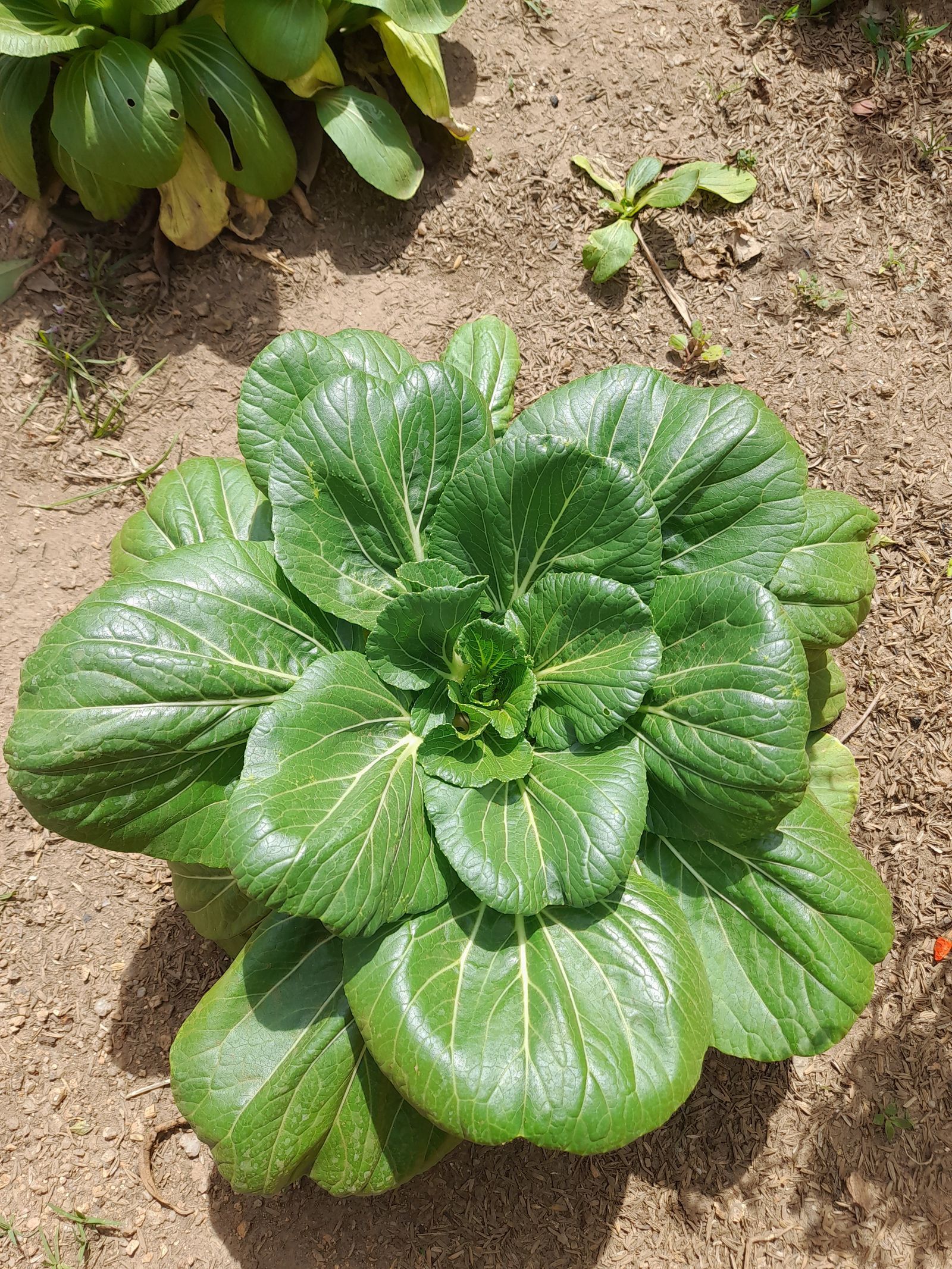
- Bok Choy Plant Spacing: The 8 Inch Standard, the Baby Ladder, and the 40 Day Clock
Bok choy spacing from the UF/IFAS Extension fact sheet HS1337, read in full for this page: plants 8 inches apart in rows 12 inches apart for the standard full size crop, harvested at the 10 to 15 leaf stage, 40 to 50 days from sowing. The baby ladder at 4 to 6 inches for a 30 to 35 day cut is flagged as a different system, not a compromise. Bolting is a temperature verdict, best growth at 64 to 68 degrees F, and spacing is the airflow half of the pest and disease defense.
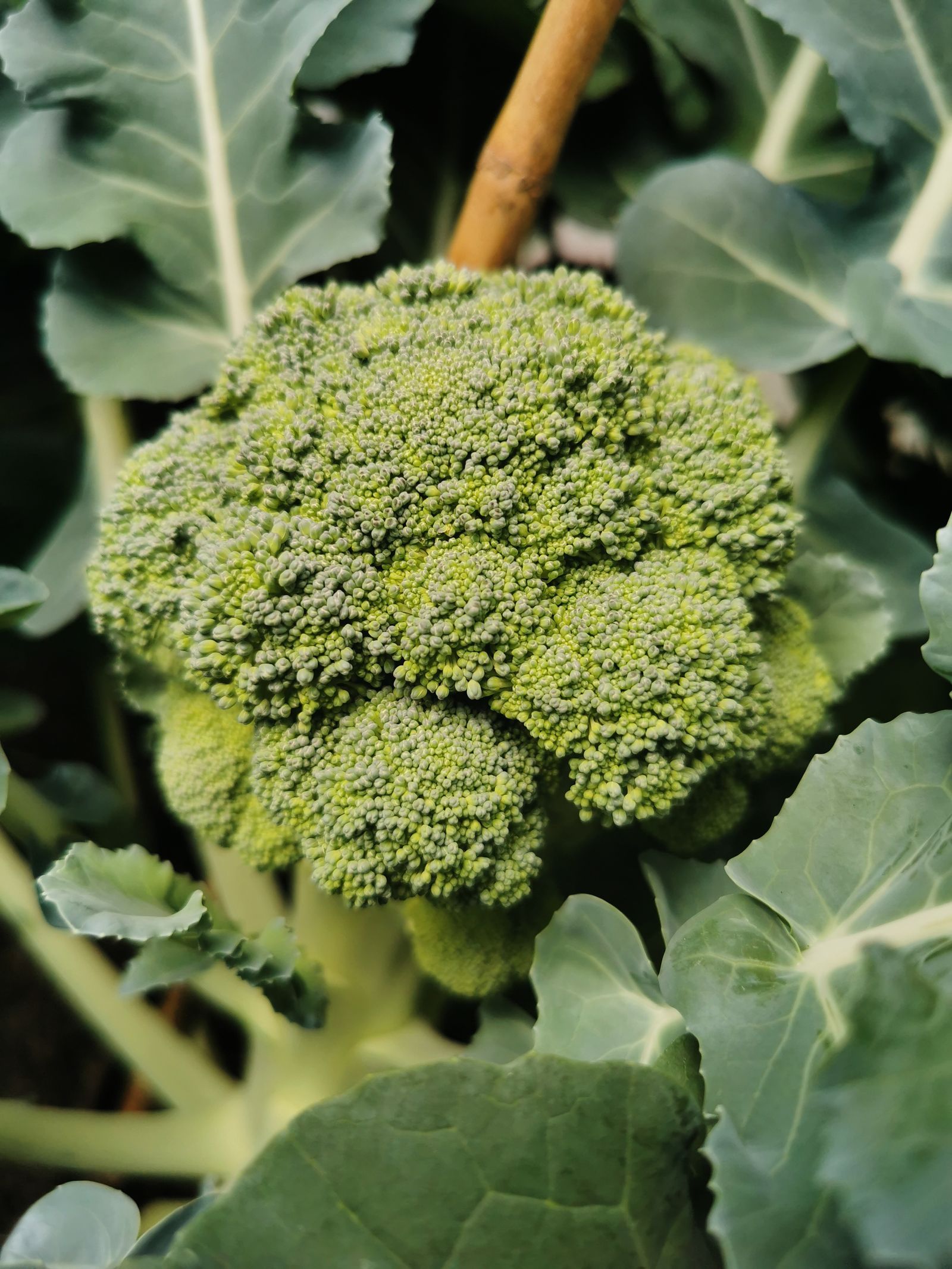
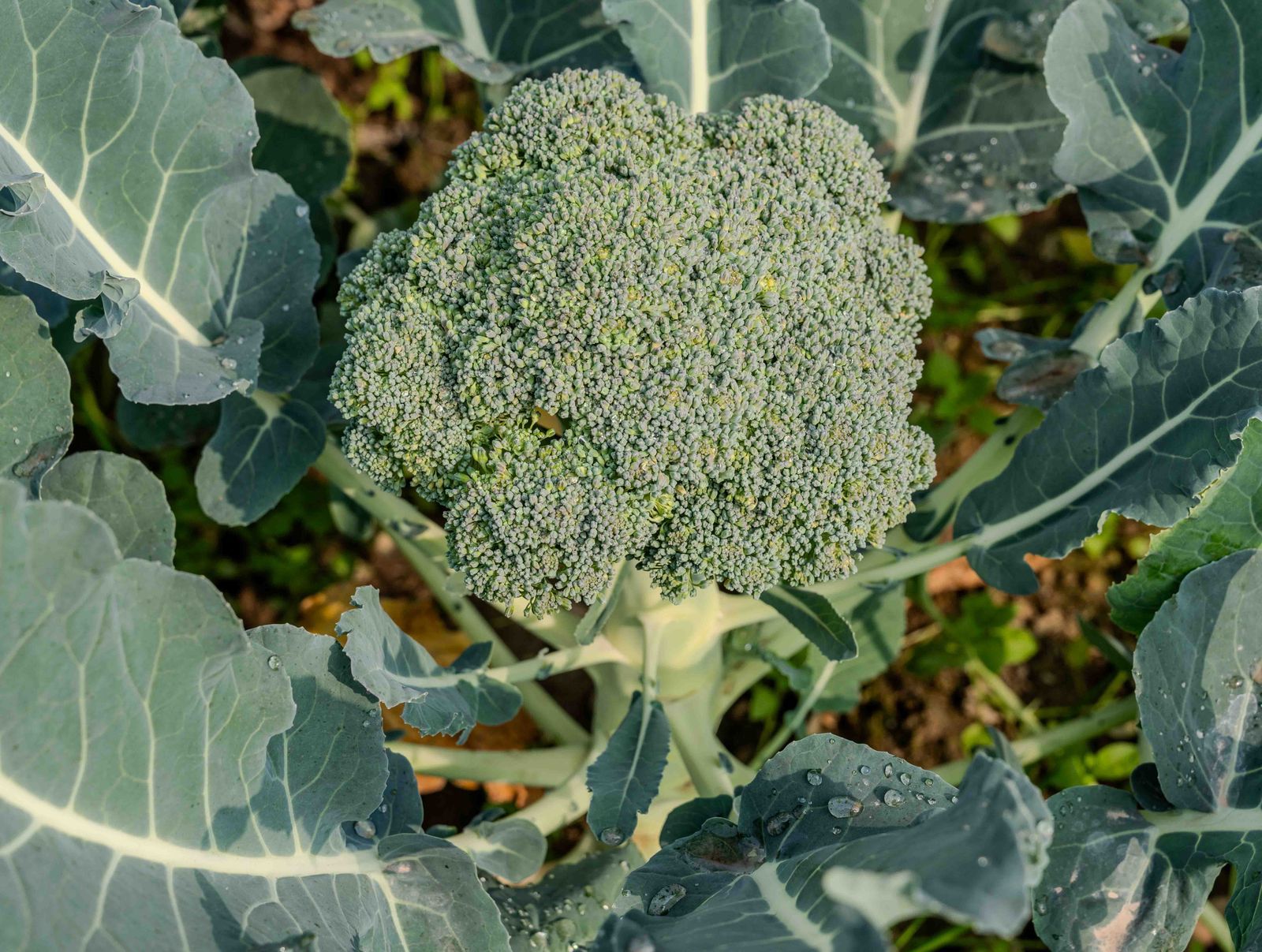
- Broccoli Plant Spacing: The 12 Inch Georgia Standard, the Head Size Ladder, and the Side Shoot Harvest
Broccoli spacing is a head size decision wearing a geometry costume. The University of Georgia Cooperative Extension Circular 963 standard in this site's planner is 12 inches between plants in 36 inch rows. The extension field around it runs wider, Maryland at 16 to 24 inches and Illinois at 18 to 24, because wide spacing grows the largest heads, while the Georgia figure grows more, slightly smaller heads plus a long side shoot harvest. Minnesota's 8 to 10 inches is the tight outlier. The ladder is priced honestly on this page, and the planner runs Georgia.
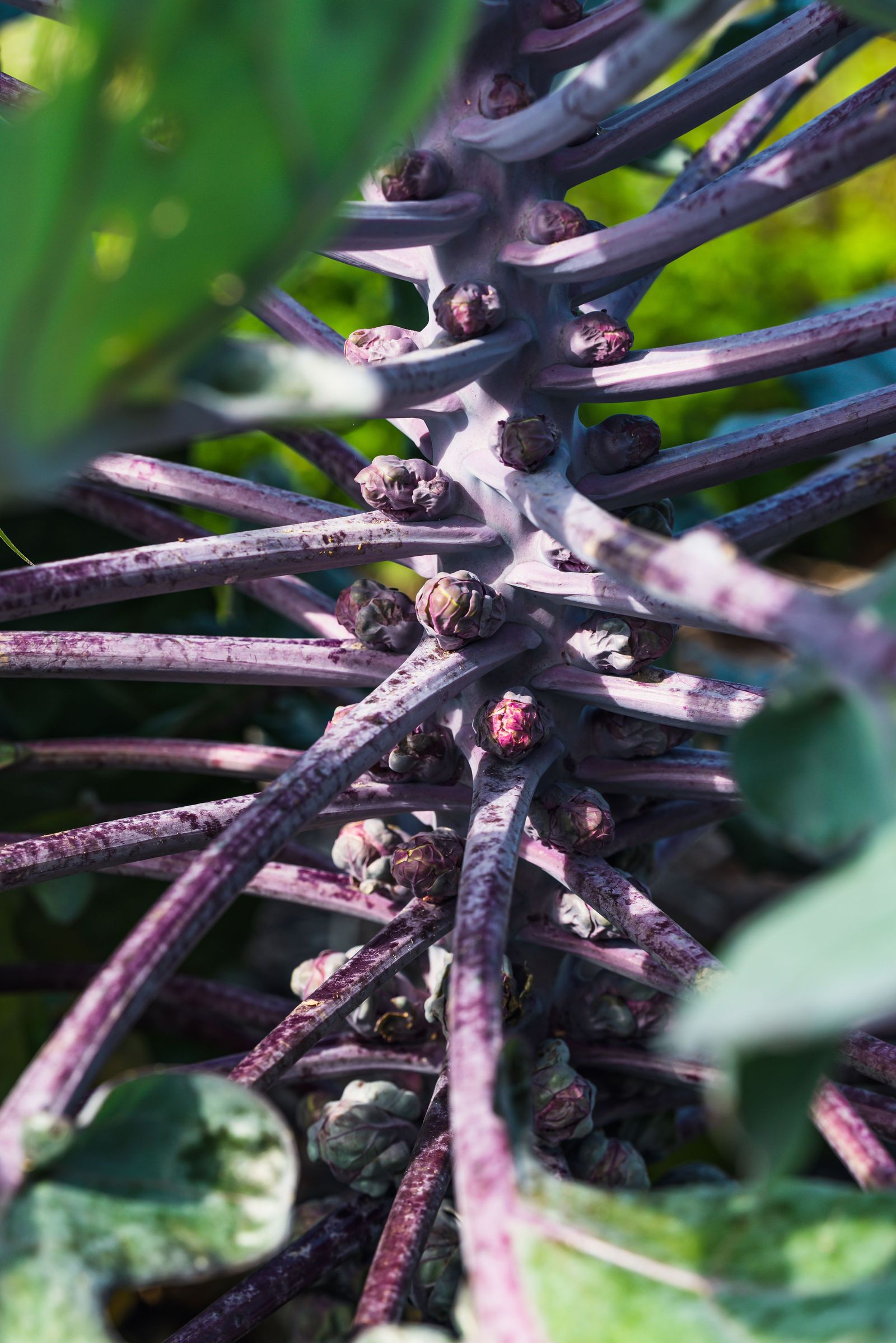
- Brussels Sprouts Plant Spacing: Room for a Two Foot Plant With a Fall Job
Brussels sprouts spacing at the Utah State University Extension standard: plants 12 to 18 inches apart in rows 2 to 3 feet apart, seed 1/4 to 1/2 inch deep, transplants set out in early summer for a fall harvest, with the wider 18 to 24 inch figures in most guides flagged rather than averaged. Plus the nitrogen schedule and its stop rule, topping the plant, the bottom up frost sweetened harvest, and storage.
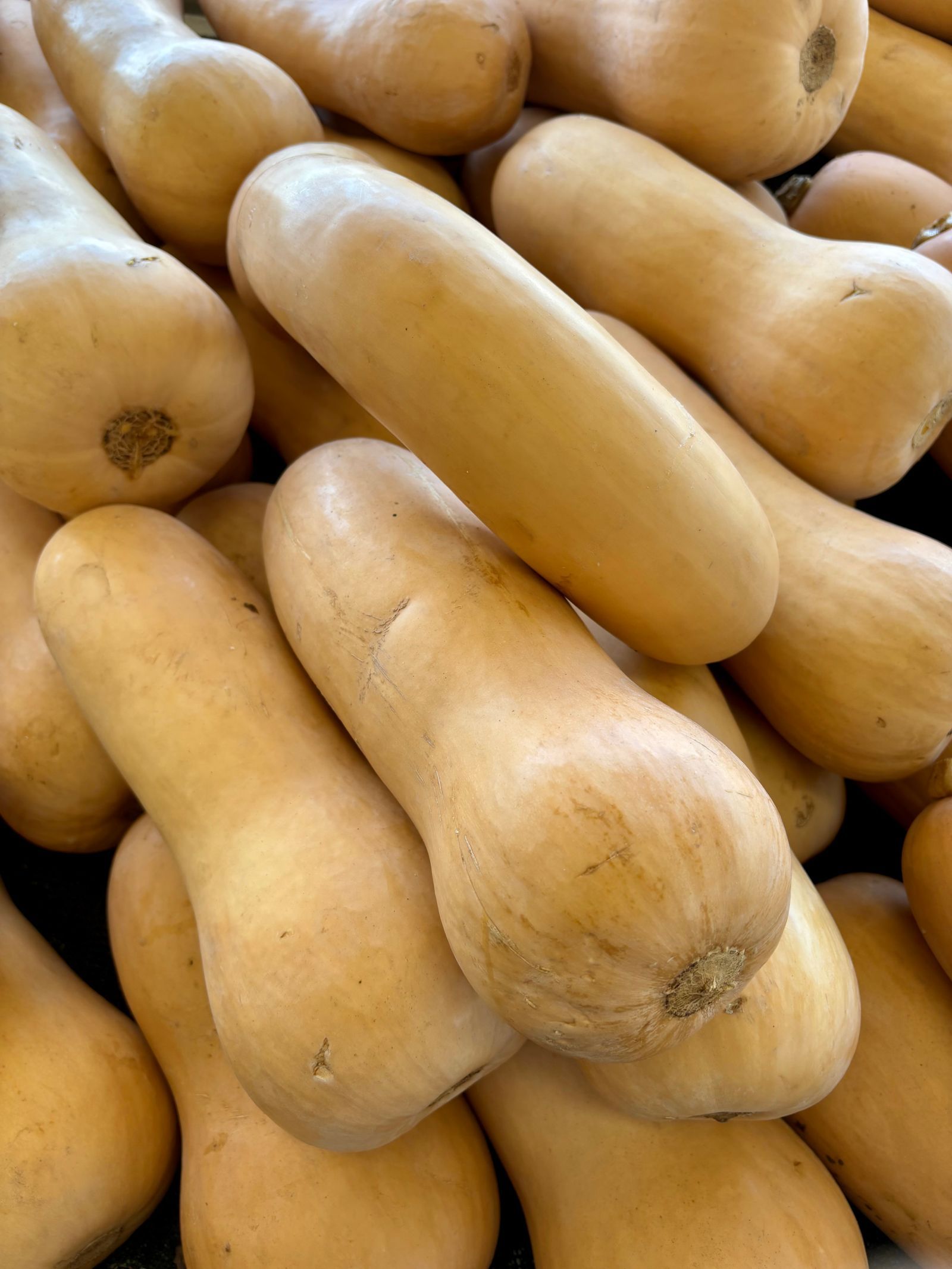
- Butternut Squash Plant Spacing: One Vine, 36 by 60 Inches, Honestly Counted
Butternut squash spacing at this site's standard, the University of Georgia Cooperative Extension Circular 963 winter squash row, which names butternut directly: 36 inches between plants in rows 60 inches apart, seed sown 1 to 2 inches deep, 85 to 120 days to harvest. The SERP sprawl from 18 inch trellis rows to Cornell hills 8 to 12 feet apart is mapped and explained, the honest footprint of one vine is counted, and the trellis and bush alternatives carry their own labeled spacings.
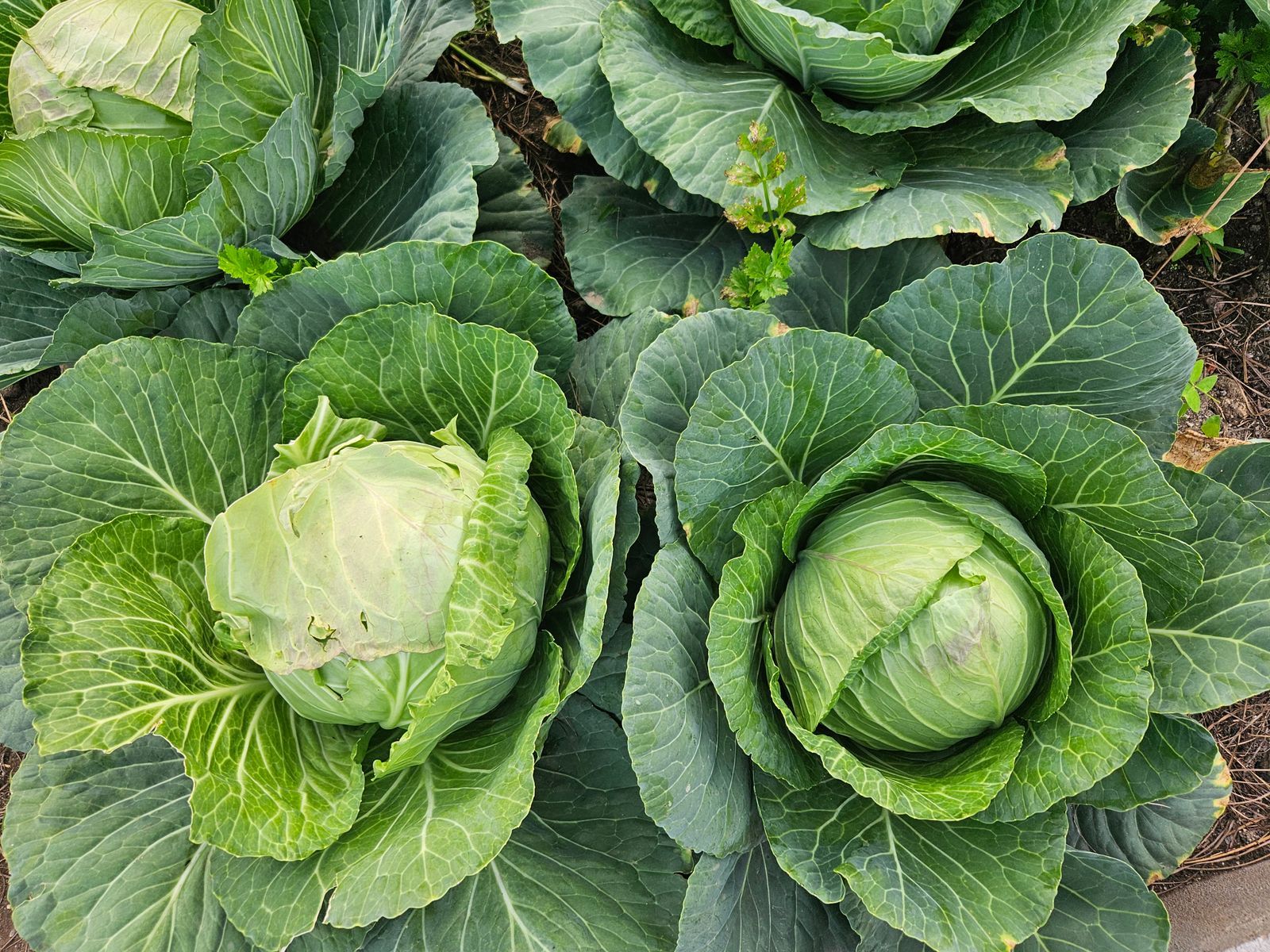
- Cabbage Plant Spacing: The Head Size Rule Behind the Conflicting Numbers
Cabbage spacing looks contradictory, 12 inches here, 18 there, until you learn the rule the sources are all quietly using: spacing chooses head size. This site's standard, University of Georgia Cooperative Extension Circular 963, is 12 inches between plants in 36 inch rows. Maryland and Virginia Tech publish 15 to 18 inches in rows 30 to 36, and Minnesota 15 to 18 in rows 24 to 30. All three are named here, none is averaged, and the season around them runs from the 10 week indoor start to the set out 3 weeks before last frost.
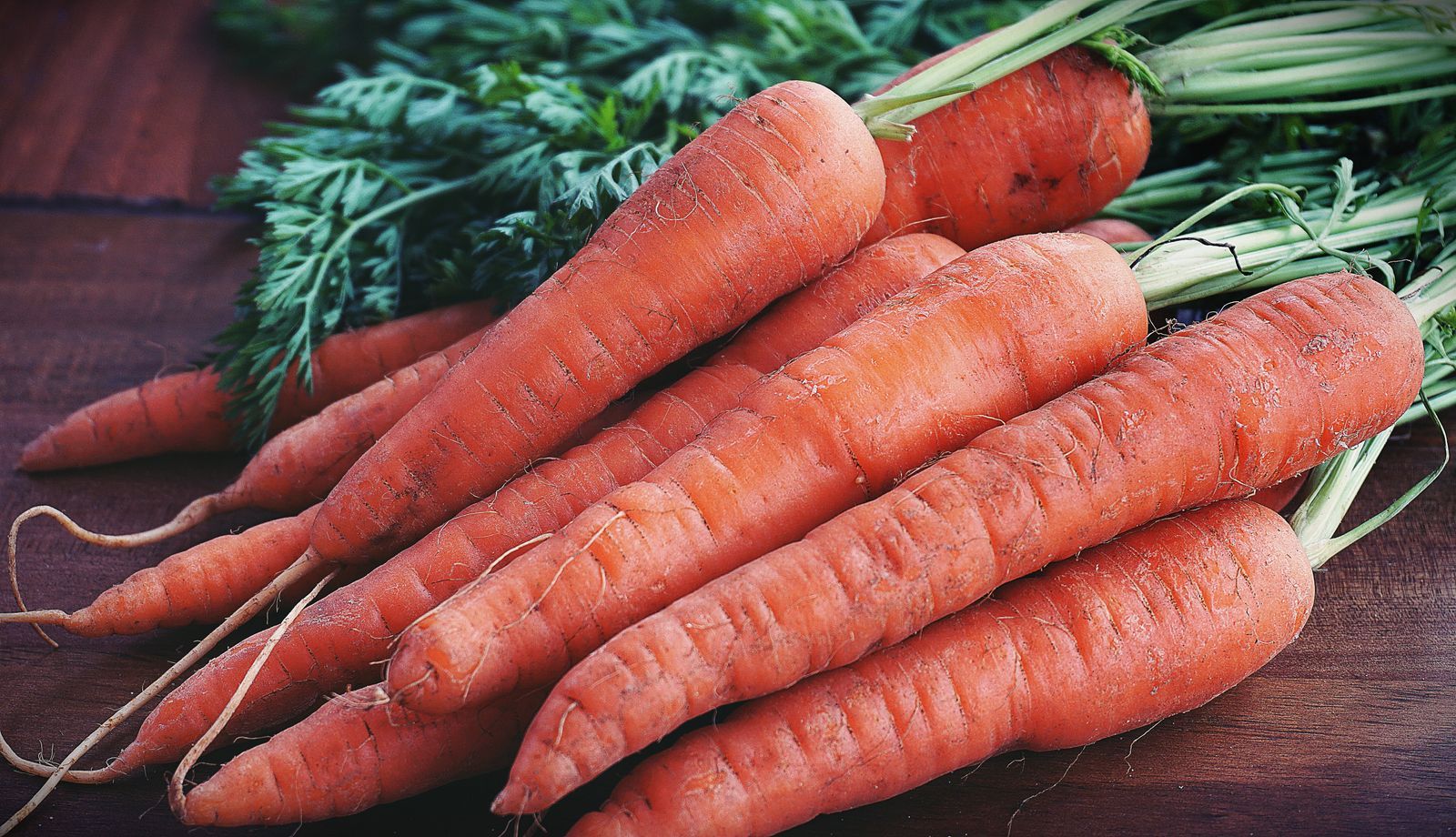
- Carrot Plant Spacing: The Two Thinnings, the Shoulder Split by Variety, and the Georgia Row
Carrot spacing is not a sowing number, it is a thinning ladder. Seed is sown thick, about a half inch apart, and the stand is thinned twice: first to 1 inch, then to the final spacing, 2 to 3 inches per the University of Georgia Cooperative Extension chart in this site's planner, which runs 2.5 inches. The final figure splits by variety, about 2 inches for slim Nantes types and 2.75 to 3 inches for the broad shouldered Danvers and Chantenay types. Georgia rows run 18 to 36 inches against the 12 inch rows of many guides, a conflict this page flags rather than averages.
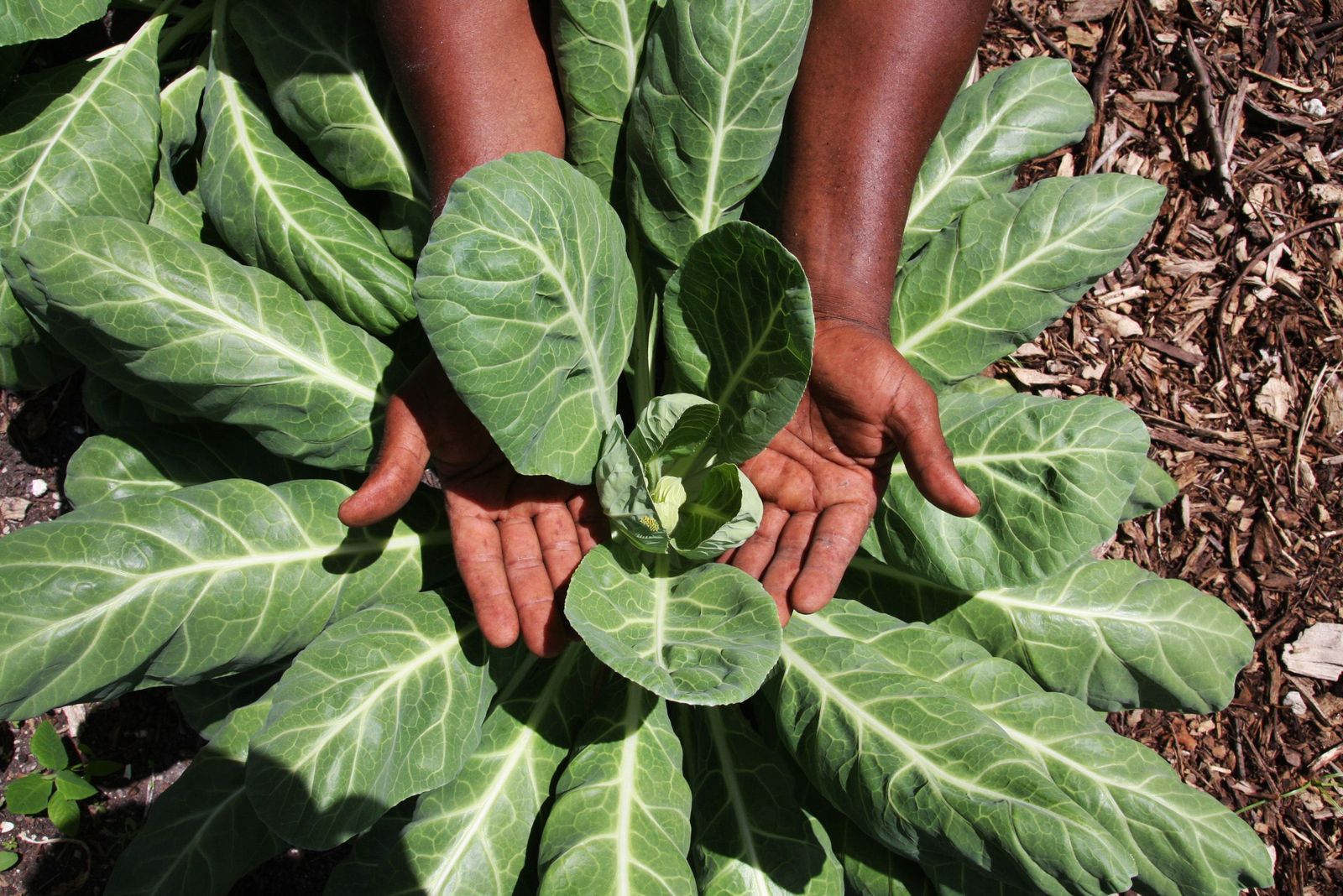
- Collard Greens Plant Spacing: Room for the Leaf by Leaf Harvest
Collard greens spacing from the University of Georgia Cooperative Extension Circular 963 chart: plants 8 to 16 inches apart in rows 36 inches apart, seed half an ounce per 100 feet at half an inch deep, ready in 55 to 85 days. The harvest size ladder from NC State Extension, the row width conflict flagged, and why the fall crop argues for the wide end.
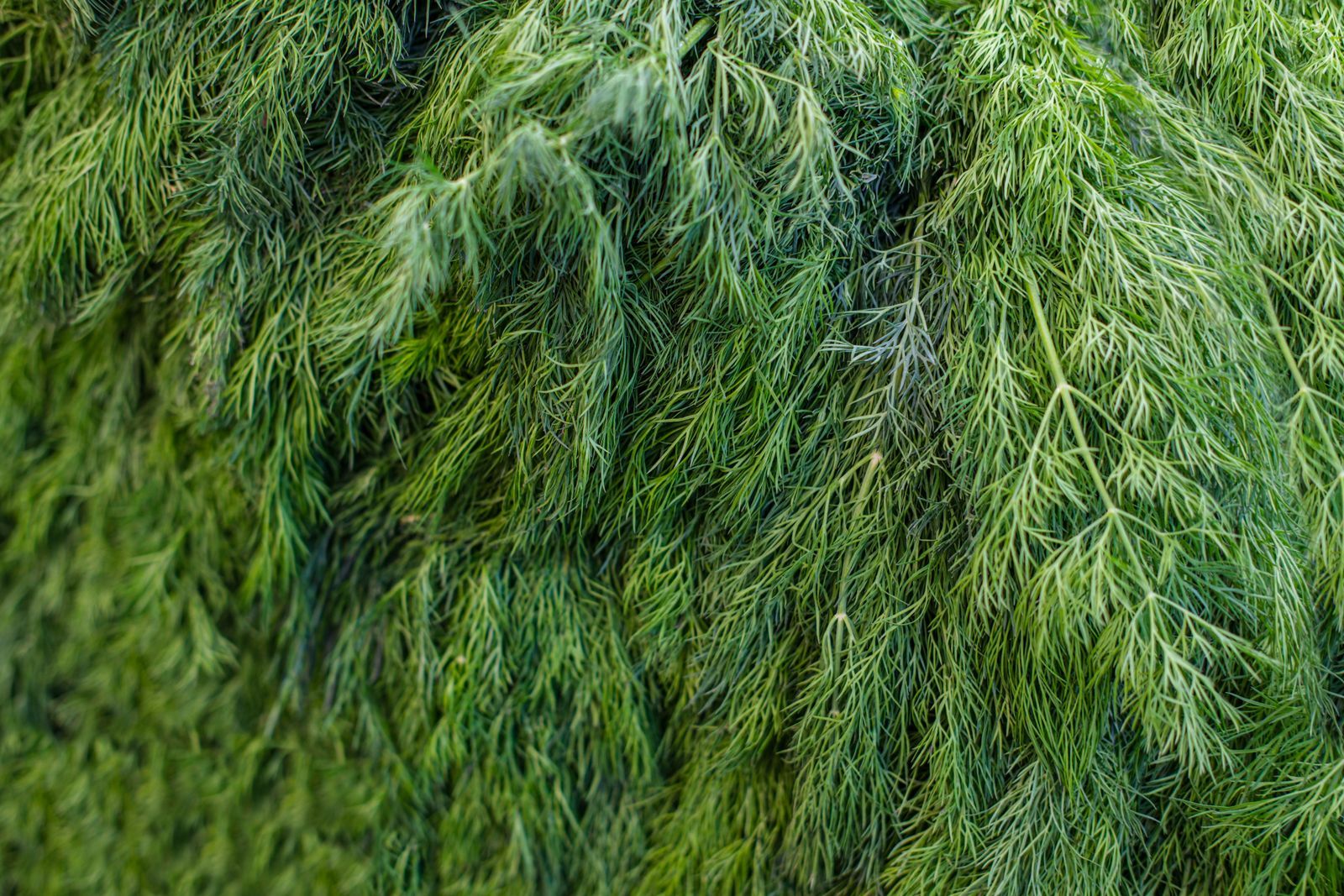
- Dill Plant Spacing: The 9 Inch Row, the Thinning Moment, and the Succession Calendar
Dill spacing with the extension conflict taught instead of hidden. Utah State University Extension, read in full for this page, thins dill to 9 inches apart in rows 12 inches apart, and that is the planner standard here. Minnesota runs wider at 10 to 12 inches in rows 2 feet apart, the seed production figure. Why spacing is a harvest goal decision, the thinning at 2 inches tall that a taprooted herb cannot postpone, and the sow every 4 to 6 weeks calendar that makes dill a rhythm, not a row.
- Easy Vegetables to Grow for Beginners: Ranked by Effort, Not Hype
The easiest vegetables are ranked here by effort and forgiveness, not popularity: radish in 25 to 30 days, leaf lettuce, bush beans, green onions, peas, spinach, kale, and zucchini, each with its days, spacing from this site's crop guides, and the one way it forgives you. Start with three.
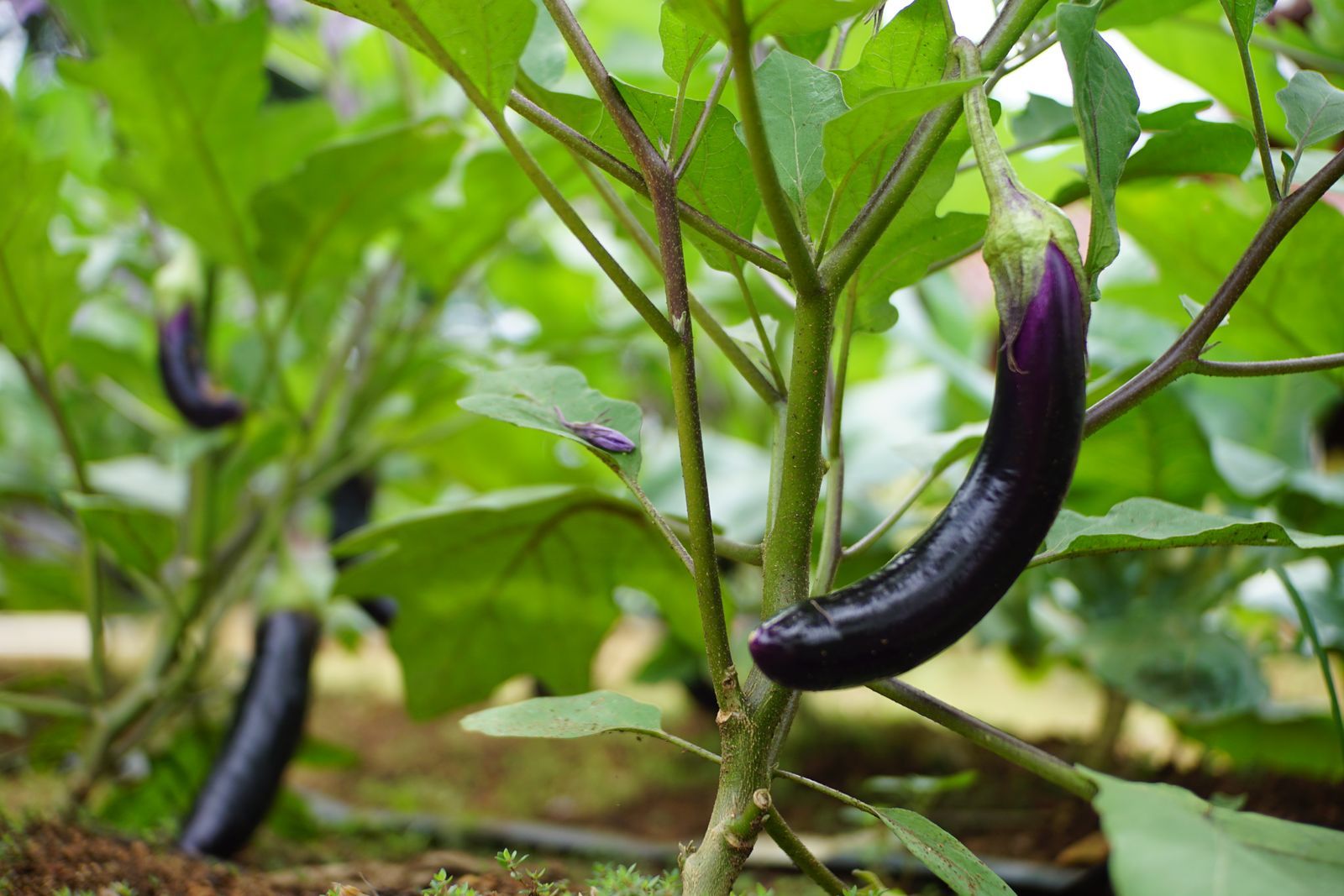
- Eggplant Plant Spacing: 24 Inches in 36 Inch Rows, and the Whole Warm Season Around It
Eggplant spacing at this site's standard, University of Georgia Cooperative Extension Circular 963: 24 inches between plants in rows 36 inches apart, set out as transplants, 75 to 90 days to harvest. The Minnesota figure of 18 inches is named and flagged, not averaged in. Around the number, the full season: seed 1/4 inch deep 8 weeks before last frost, germination warmth 75 to 85 degrees F, setting out only when nights hold above about 50 degrees F, and the clip harvest that keeps the plant producing.
- Garlic Plant Spacing: The 6 Inch Minnesota Bed, the Tight End's Bulb Tax, and Depth as Part of the Grid
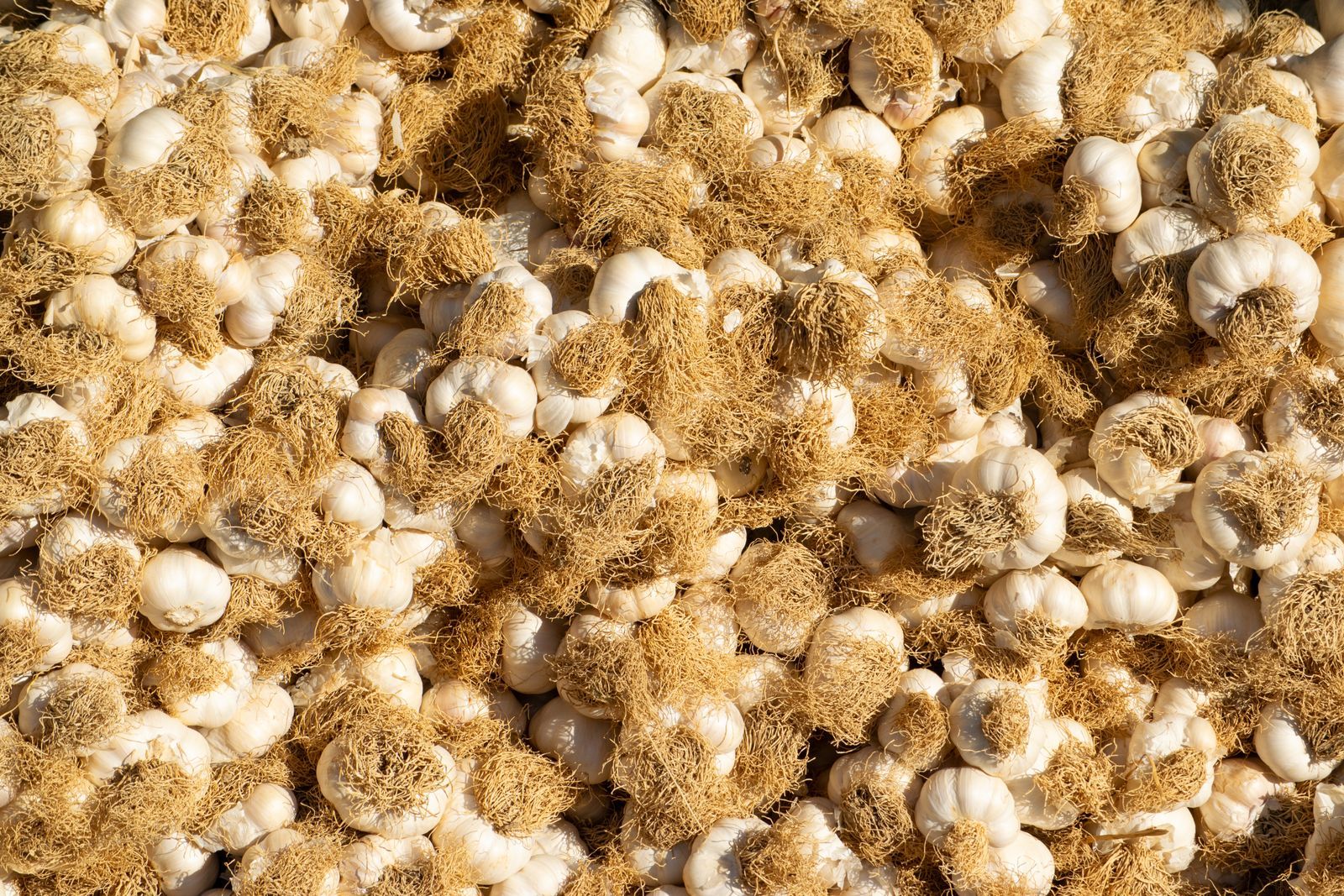
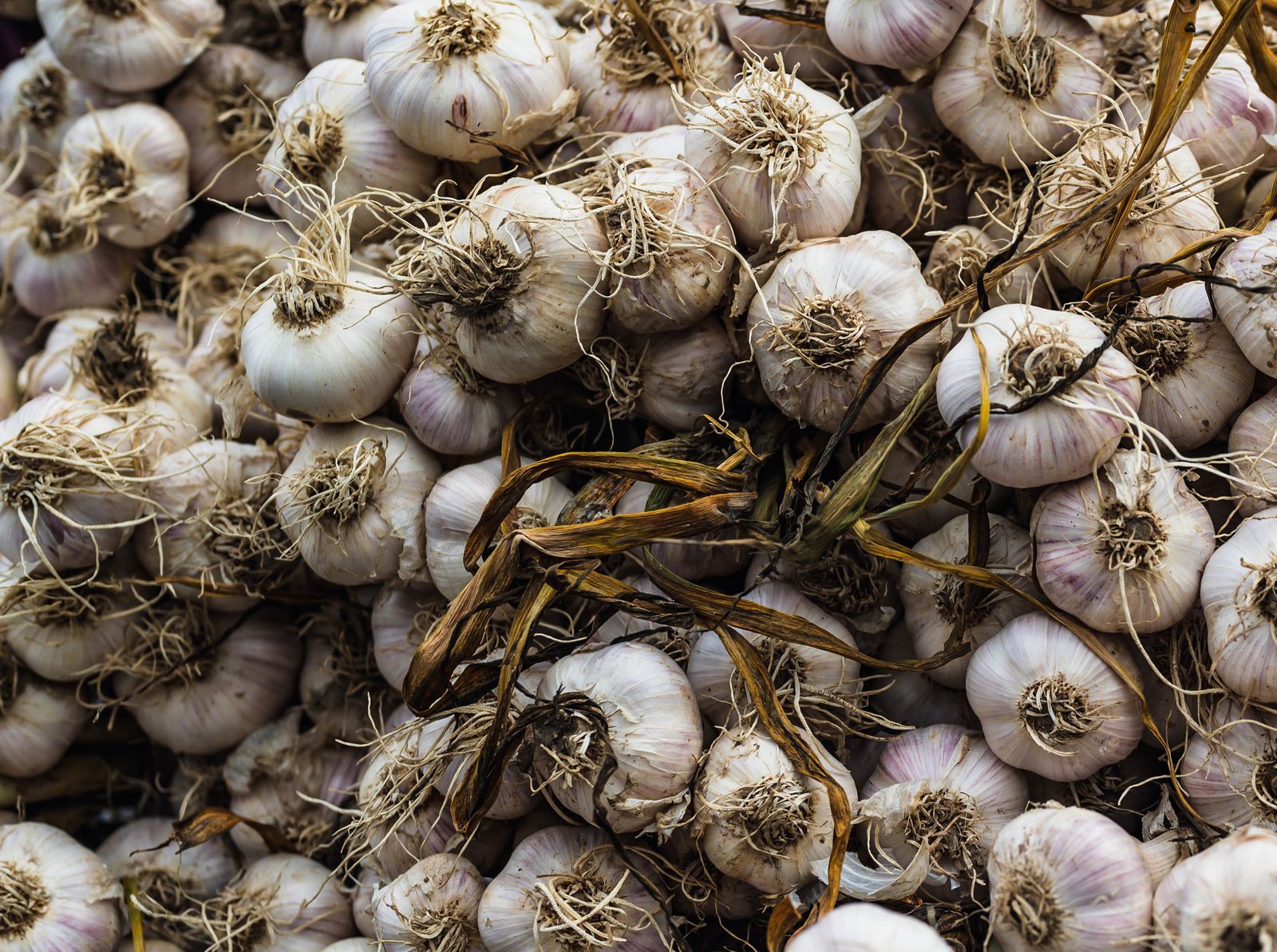
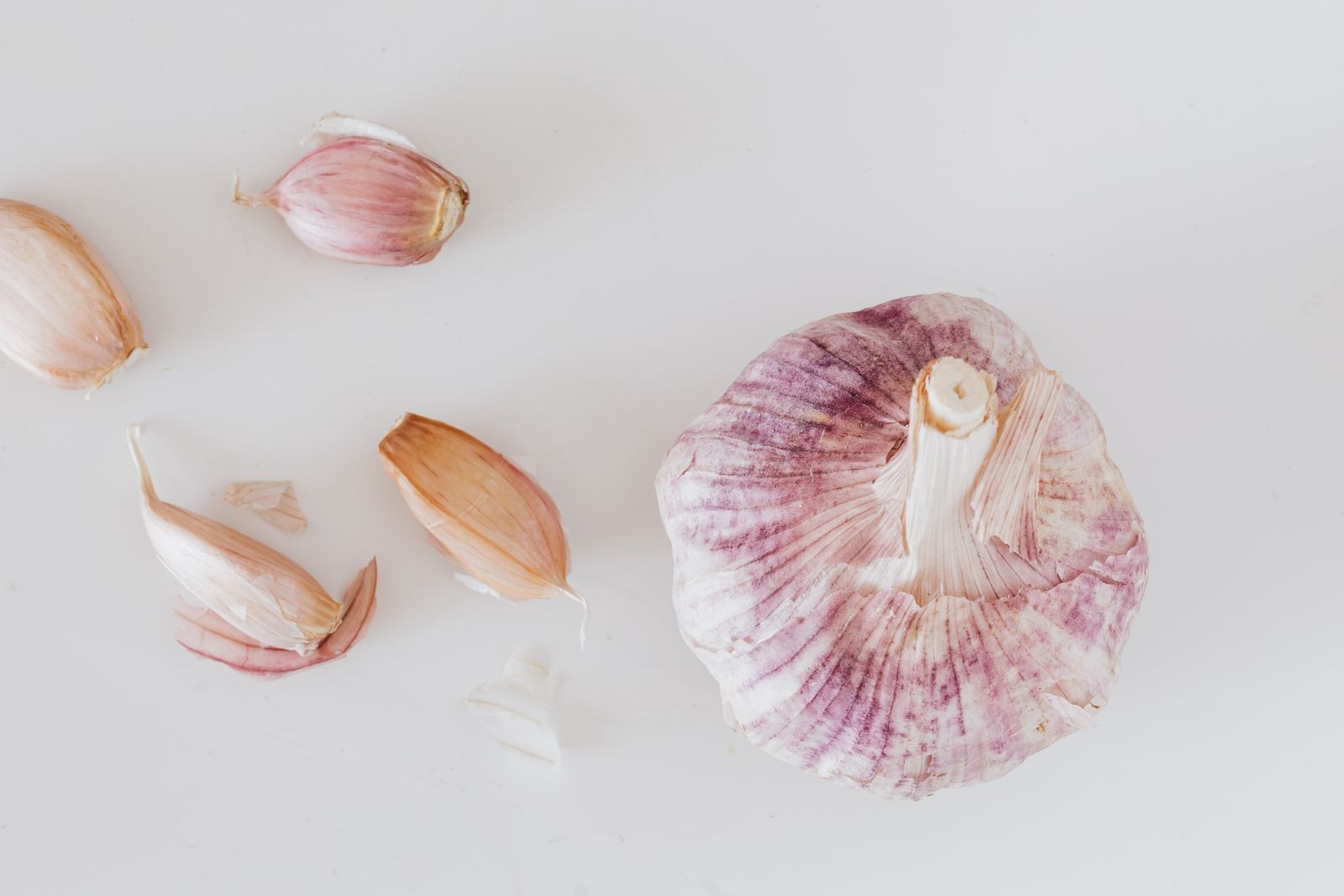
Garlic spacing is a bed geometry decision made once in fall that the bulbs grade the following summer. The University of Minnesota Extension standard in this site's planner plants cloves 6 inches apart in double rows with beds 30 inches apart, the base of the clove set 2 to 3 inches below the surface, under 3 to 4 inches of mulch. The field around it runs from Utah State's tight 3 to 4 inches to Penn State's 6 to 7, with elephant garlic wider at 6 to 10. Tight spacing is not free: it is paid for in bulb size, and this page prices it.
- How Far Apart to Plant Tomatoes
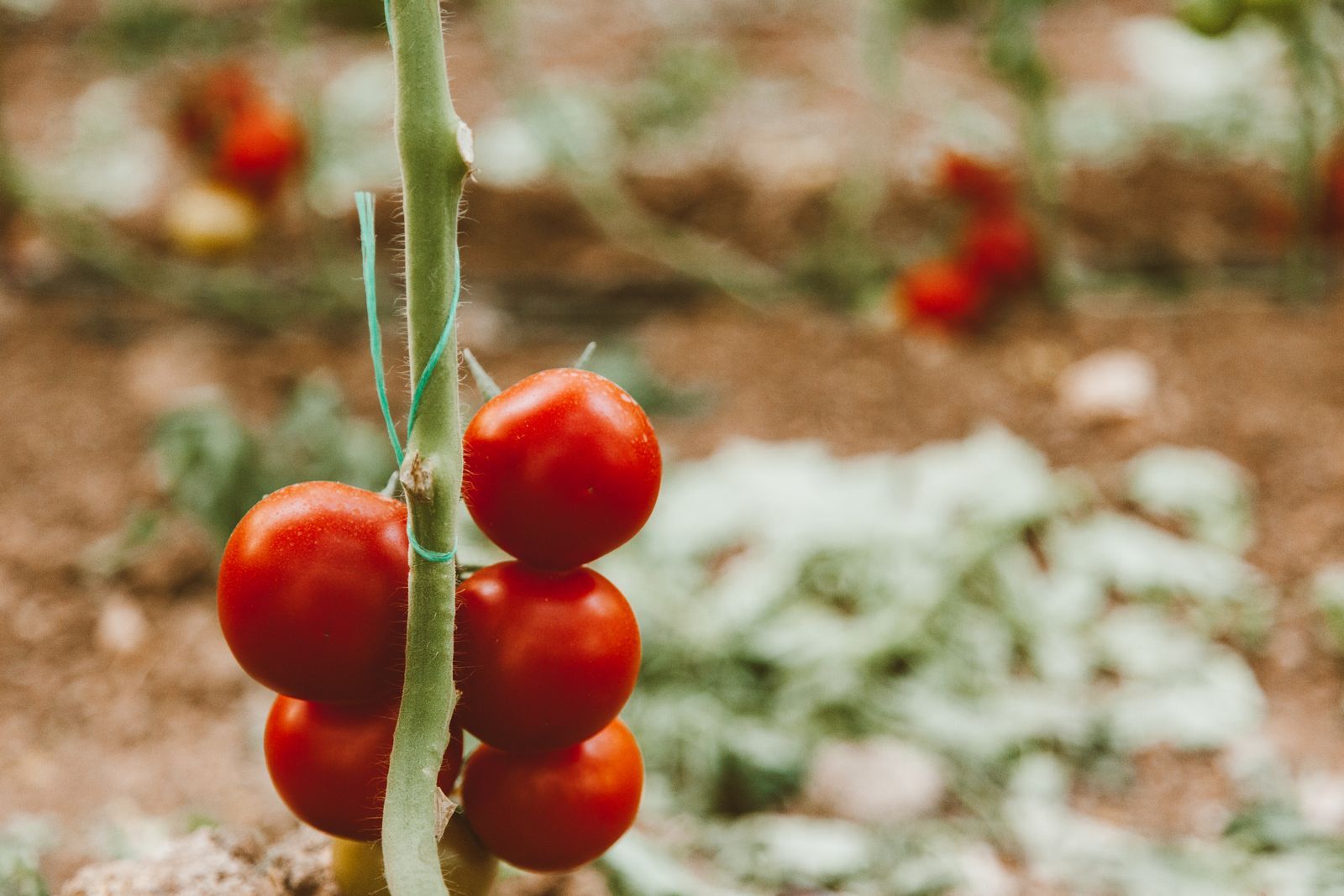
Plant tomatoes 24 inches apart with 48 inches between rows, from University of Georgia Cooperative Extension Circular 963. Includes bed counts, support and type adjustments, and how to mark the spacing out.
- How Often to Water Jalapeno Plants: The Weekly Inch Budget and the Fruit Set Window
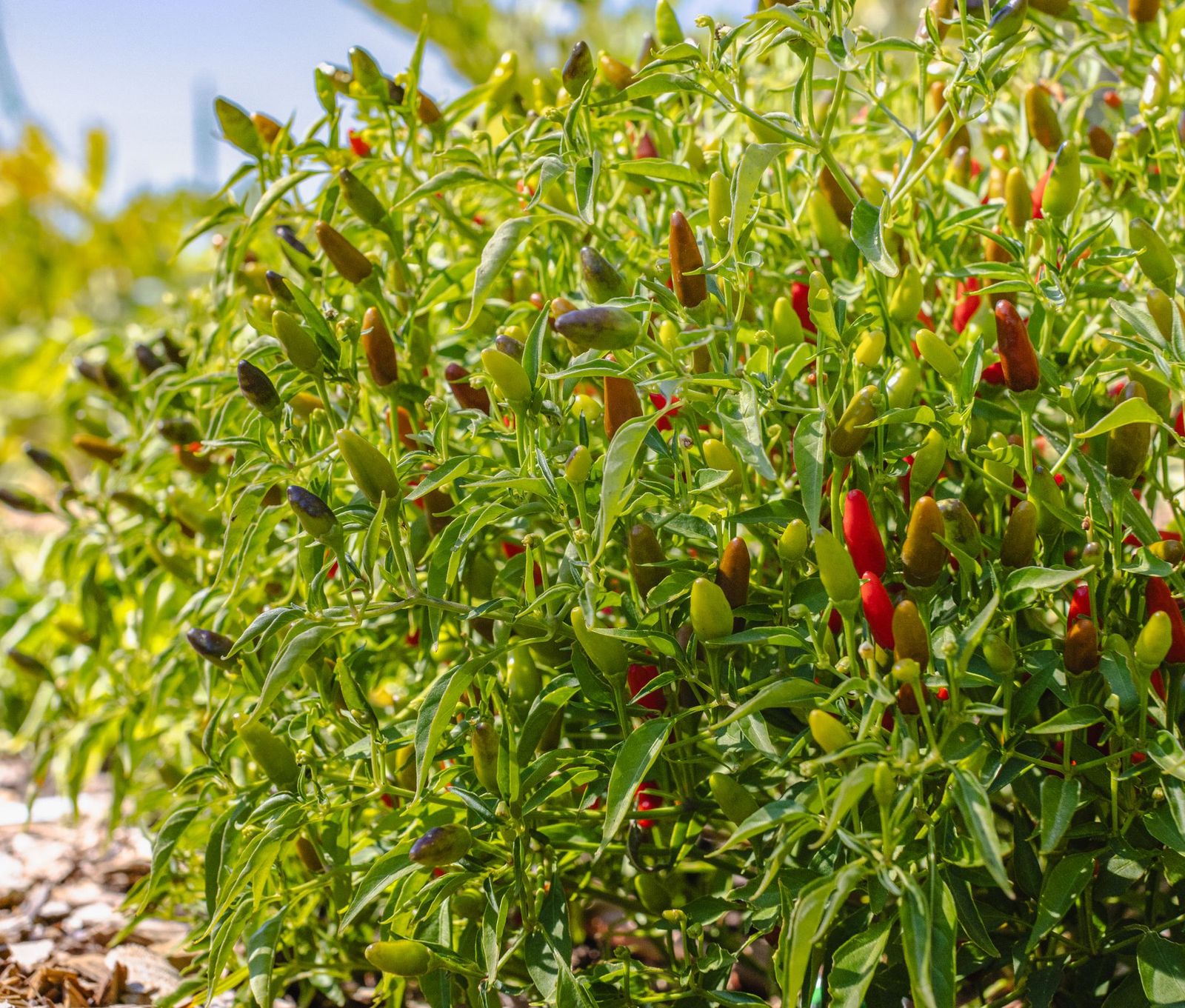
Jalapeno watering split by bed and pot: 1 to 2 inches of water a week in beds, delivered deep once or twice a week with the top inch dry between drinks, and containers every 2 to 3 days in heat with daily checks above 90 degrees. The flowering and fruit set window where even moisture prevents blossom end rot and blossom drop, the noon wilt test that separates heat from thirst, and the late season ease off that costs nothing.
- How Often to Water Tomatoes in Pots: The Daily Check, the Twice Daily Heat Rule, and the Consistency Cure
A potted tomato is watered by check, not calendar: feel 2 inches down every day, and water thoroughly whenever it is dry at that depth. In summer that means daily watering for most pots, and twice daily in heat waves for small pots and fabric grow bags, per Iowa State and University of Wisconsin guidance. The real subject is consistency: the dry then flood swing is what splits fruit and drives blossom end rot, and the durable fix for a pot that wilts daily is a bigger pot, not a second hose.
- How Often to Water Tomatoes: Deep, Steady, by Stage
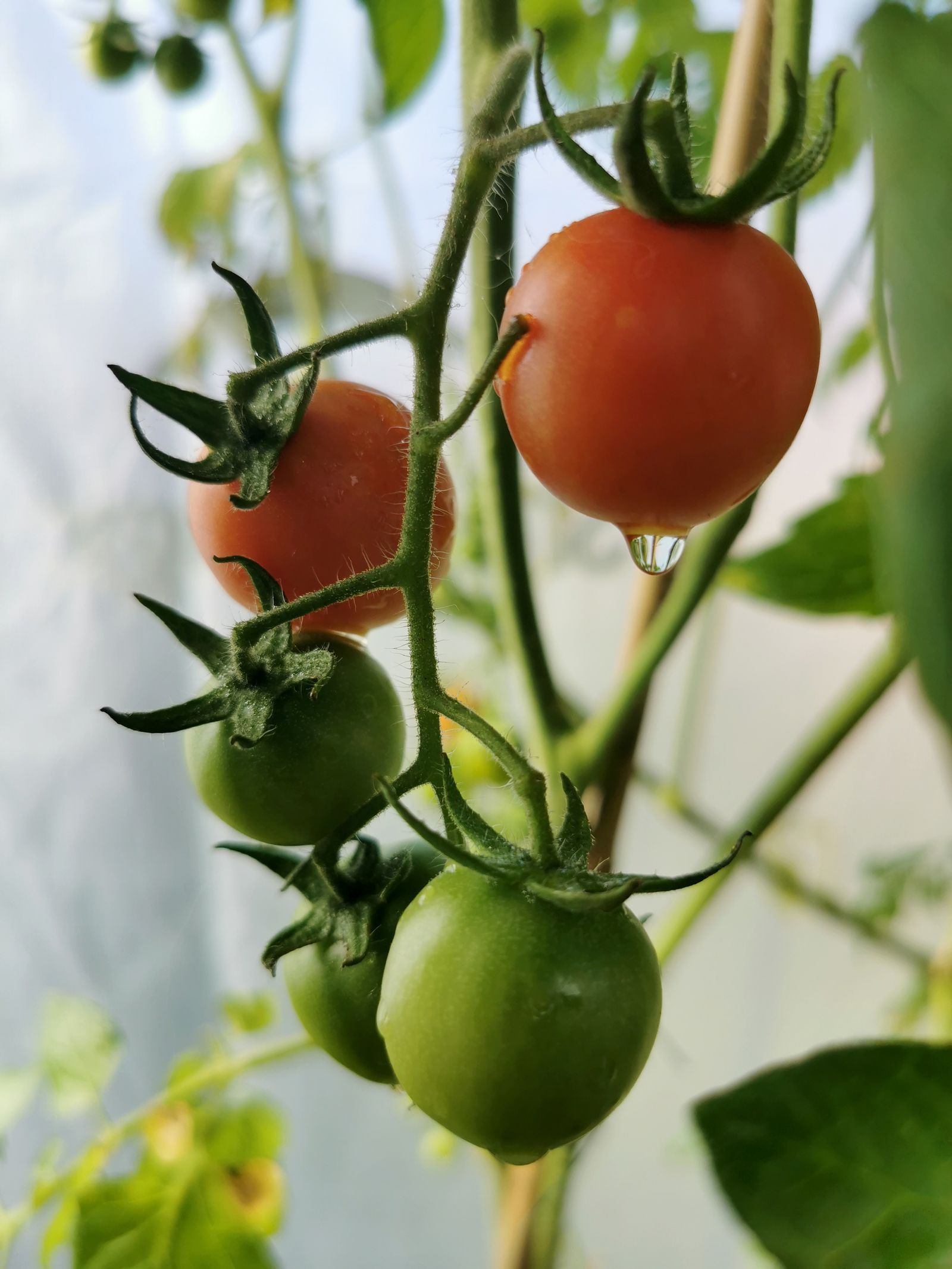
Tomatoes do not want a watering schedule, they want a watering rhythm that changes by stage. The extension range of 1 to 2 inches a week, the finger test at 2 to 3 inches, gallons per plant, and why even moisture is the whole secret behind blossom end rot and cracked fruit.
- How Often to Water Vegetable Garden
Most vegetable gardens need about 1 inch of water a week, given in one or two deep soakings. Learn how to measure that inch in gallons for your own bed, how to check the soil before you water, and how mulch and growth stage change the schedule.
- How to Grow Basil
Basil is a warm weather herb with one skill at its center: pinching above a leaf pair so the plant branches instead of bolting. Covers the 12 inch University of Maryland spacing, nights above 50 degrees, and the never take more than a third harvest rule.
- How to Grow Basil From Cuttings: Clone the Plant You Love
Basil cloning from a 4 to 6 inch non flowering stem cut just below a node, rooted in water changed every 1 to 3 days or directly in mix under a humidity cover, and transplanted at 1 to 2 inches of root. The overwintering and pre frost use cases that make cuttings worth it, success rates of 50 to 80 percent, and why published rooting times sprawl from 3 to 14 days.
- How to Grow Basil From Seed: Germination and the Seedling Stage, Done Right
Basil from seed, owning the stage the general guide skips: sowing counted back from last frost with this site's NDSU timing conflict flagged openly, seed 1/4 inch deep, germination in 5 to 10 days at 70 to 85 degrees F, 14 to 16 hours of close light for stocky seedlings, potting up, hardening off a plant that hates cold, and the first pinch as the handoff to the pinch method.
- How to Grow Basil in a Pot: One Plant Per Pot, the Supermarket Split, and the Pinch Calendar
Basil in a pot succeeds on three verdicts the grocery store plant violates on arrival: one plant per pot, in a pot of 10 to 12 inches for a Genovese type, in full sun. The supermarket pot is dozens of seedlings sown thick for shelf appeal and must be split into clumps. The pinch calendar, cutting above the second leaf node every week or two, is what turns the plant into a bush, and the cold floor at 50 degrees F ends the season on one night.
- How to Grow Broccoli From Seed: The Indoor Calendar
Broccoli from seed on the planner's North Dakota State University Extension anchor: sow indoors 10 weeks before last frost and transplant 3 weeks before it, seed half an inch deep, germination in 5 to 10 days at 60 to 75 degrees, grown on cool and bright to prevent legginess, hardened off 7 to 10 days, and set out at 4 to 5 true leaves. Why other guides say 5 to 7 weeks, explained rather than blended.
- How to Grow Broccoli in Pots: One Plant, One Big Pot, and the Cool Window
Broccoli in pots resolves to one verdict the guides bury under pot size sprawl: one plant per pot, and the pot should be a true 5 gallon, 12 to 16 inches across, with the 3 gallon and 8 to 10 inch figures flagged as a slower, smaller-headed low end. Grow it in the cool window, heads forming best at 60 to 70 degrees F and buttoning or bolting in heat, feed every 2 to 3 weeks, and harvest the tight head at 50 to 70 days from transplant, then keep cutting side shoots.
- How to Grow Broccoli Microgreens: The Tray Method, Day by Day
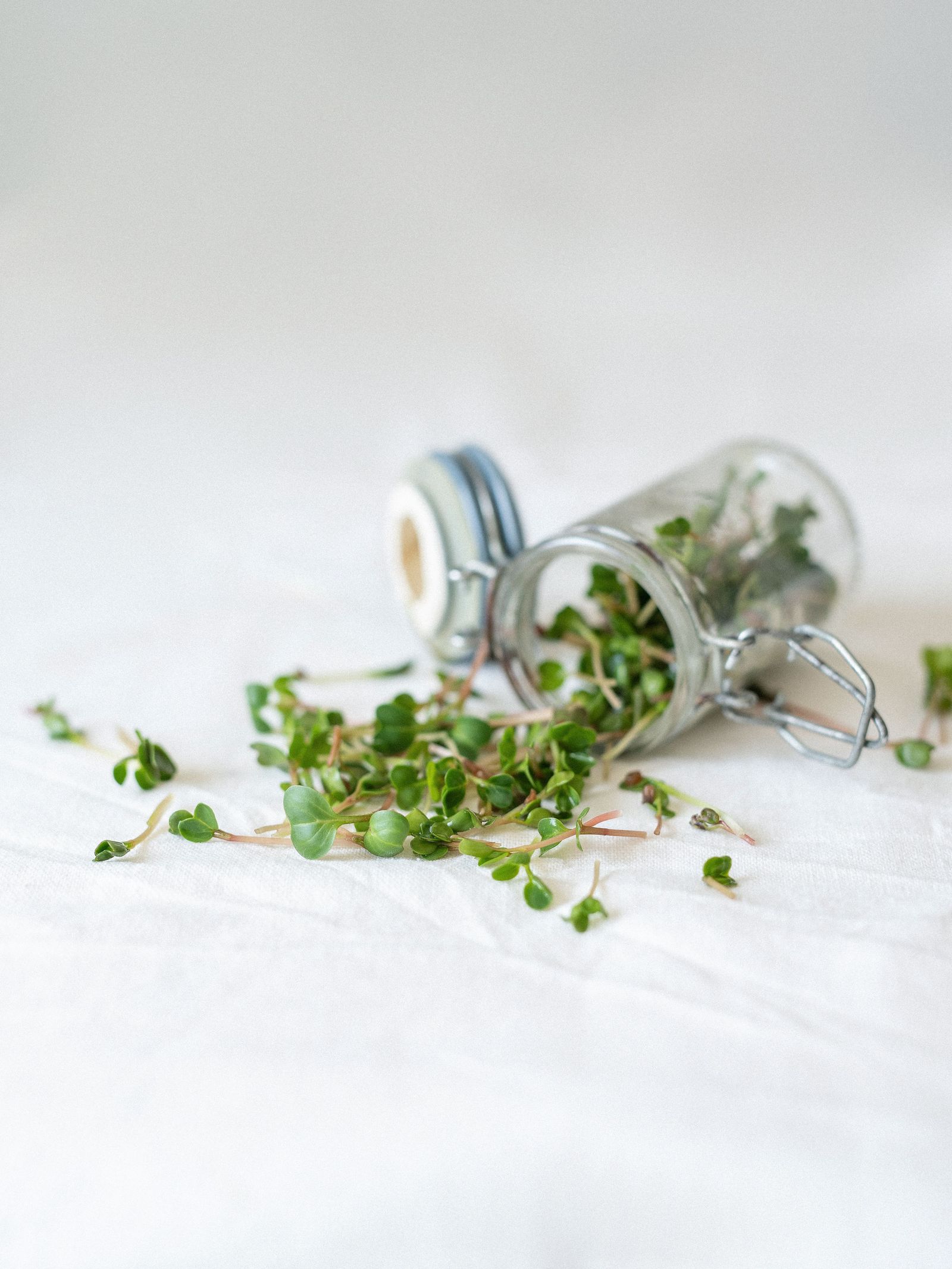
Broccoli microgreens in a standard 10 by 20 inch tray: about 28 grams of seed by Utah State University figures, sown on the surface of shallow medium, no pre-soak, covered for 2 to 4 days, then light, bottom watering, and harvest at 8 to 12 days by cutting above the medium. Plus the honest sprouts versus microgreens comparison and the second tray rotation.
- How to Grow Broccoli Sprouts: The Jar Method, With the Food Safety Steps
Broccoli sprouts in a jar in under a week: about 2 tablespoons of sprouting seed per quart jar, soaked 8 to 12 hours, the jar resting at 45 degrees to drain, rinsed 2 to 3 times daily, harvested at day 3 to 5. Built around the safety system the casual guides skip: seed sold for sprouting, the extension jar sanitize step, rinse discipline, and telling white root hairs from mold.
- How to Grow Broccoli: Plant the Fall Crop First
Broccoli heads must mature in cool weather, with the best formation around 65 to 70 degrees, so the fall planting is the beginner's reliable crop and spring is the gamble. Start on the North Dakota State dates, space 12 inches apart per University of Georgia data, keep moisture steady, and harvest the head tight.
- How to Grow Carrots
Carrots are sown where they will grow and never transplanted. Loose, stone free soil, a shallow sowing kept moist through slow germination, and thinning in two passes to a final 2 to 3 inches: that is the whole craft. Includes the board trick and variety choice by soil type.
- How to Grow Carrots in Containers: Depth Is the Whole Decision
Container carrots decided by one number, depth: 8 to 10 inches of mix for short and round varieties, 12 inches for most, and up to about 20 inches for long types, matched to variety class in one matrix. Seed 1/4 inch deep, the 14 to 21 day germination kept moist with the board cover trick, grid sowing instead of rows, thinning to 2 to 3 inches, and the loose stone free mix that keeps roots straight.
- How to Grow Carrots in Pots: The Depth Equation, the Board Trick, and the Two Thinnings
Carrots in individual pots succeed or fail on one equation: the pot must be deeper than the carrot is long, one and a half times the mature length by the Maryland rule, 12 inches or more for standard types. Direct sow only, a quarter inch deep, because transplanted carrots fork. The board trick holds moisture through the 10 to 21 day germination, and the two thinnings set the final 2 to 3 inch spacing the roots size into.
- How to Grow Corn: Plant a Block, Not a Row
Corn is wind pollinated, so it grows in blocks of at least four rows, never a single row. Sow 1 to 1.5 inches deep once soil reaches 60 degrees, plants thinned to 12 to 18 inches in rows 36 inches apart per University of Georgia Extension Circular 963, and harvest 17 to 24 days after silks appear.
- How to Grow Cucumbers
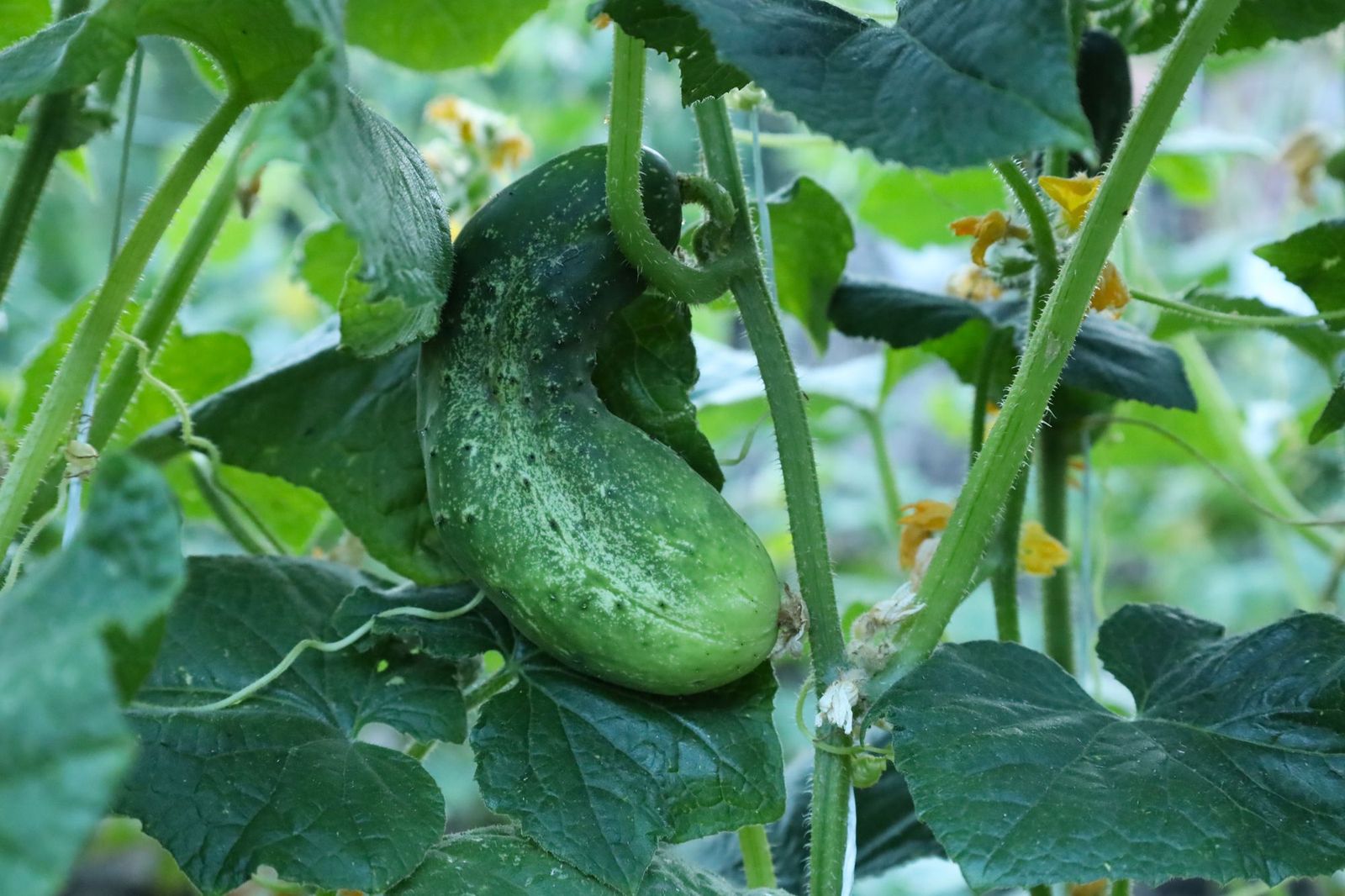
Cucumbers grow fast and produce hard when three things are settled first: a trellis in place before sowing, soil warmed to at least 65 to 70 degrees, and spacing of 12 inches between plants. Includes steady watering, the pick small and pick often rule, and bitter fruit explained.
- How to Grow Cucumbers in Pots: The Type Decision, the Trellis, and the Water Rhythm
Cucumbers in pots starting from the decision that sizes everything: bush types in 5 gallons, vining types in 10 gallons or more, in a pot at least 12 inches wide and 12 inches deep, one plant per pot. Trellis installed at planting, seed sown 1/2 to 1 inch deep into warm soil after frost, daily water in heat, and the even moisture that keeps fruit from turning bitter. This site's vertical cucumber article owns the in ground trellis; this page owns the pot constraint set.
- How to Grow Cucumbers Vertically: The Trellis Method, Start to Harvest
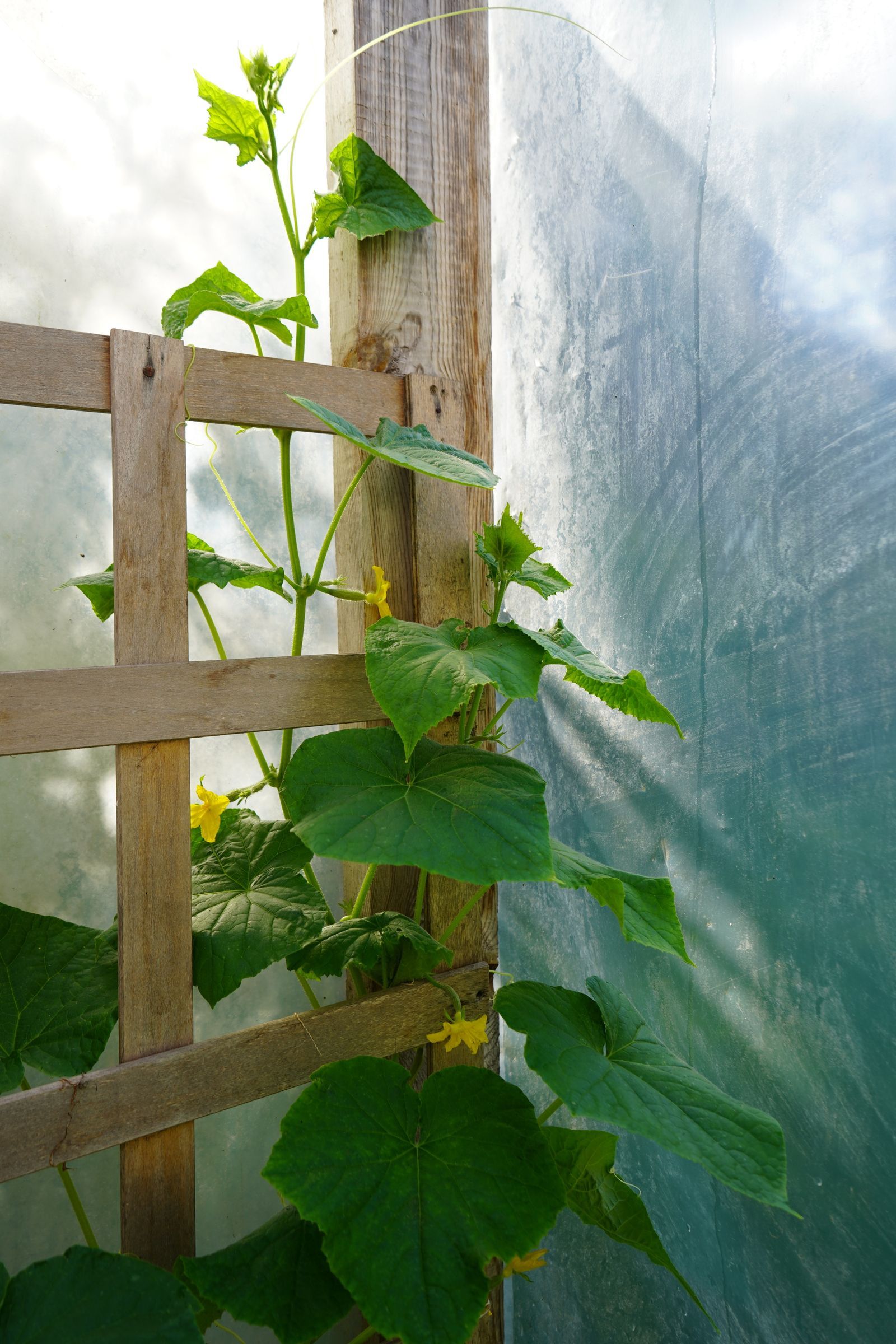
Vertical cucumbers are a method, not just a support: vining types only, a trellis 5 to 6 feet tall installed before planting, plants 12 inches apart at the University of Georgia standard, training that starts when vines reach 8 to 12 inches, and a daily pick so fruit never hides, overgrows, and tells the plant to stop.
- How to Grow Garlic: The Full Season, From Fall Planting to Storage
Garlic is a year long crop planted in fall: cloves go in pointed end up, 2 to 3 inches deep and 4 to 6 inches apart, after the first killing frost, because the bulbs need 1 to 2 months of cold at 32 to 50 degrees to form properly. Harvest when a third to a half of the leaves have browned, cure 2 to 4 weeks, and store hardneck 4 to 6 months or softneck up to a year.
- How to Grow Green Beans in a Container: Bush and Pole Are Two Crops
Container green beans split by type: bush beans as a succession sowing exercise with a fresh pot every 2 to 3 weeks, pole beans as a trellis and season long harvest in the same pot. About a dozen seeds per 5 gallon grow bag at 5 to 6 inches apart, sown 1 inch deep into soil at 55 to 60 degrees or warmer, and the light feeding rule for a crop that makes its own nitrogen.
- How to Grow Green Beans in Pots: One Plant per Pot, the Teepee at Sowing, and the Picking Cadence
Green beans in individual pots run a per pot system, not a scaled down bed. One bush plant fills a 10 to 12 inch deep pot; a 10 gallon grow bag holds 1 to 2 bush plants or 3 to 4 pole plants, with minimums of 9 to 15 inches wide and 9 to 10 inches deep. Pole beans get their teepee installed in the pot at sowing, never threaded through roots later. A single pot dries from its sides as fast as its top, so the watering rhythm is daily in heat, and the harvest is a cadence: pods picked every 2 to 3 days at pencil width keep the plant setting new ones.
- How to Grow Green Beans: Bush First, Warm Soil, Pick Every Two Days
Green beans are the easiest warm season crop when you start with bush beans: direct sow about 1 inch deep after frost once soil reaches 55 degrees, per University of Georgia Circular 1006, succession sow every few weeks, and pick young and often for a 45 to 60 day harvest.
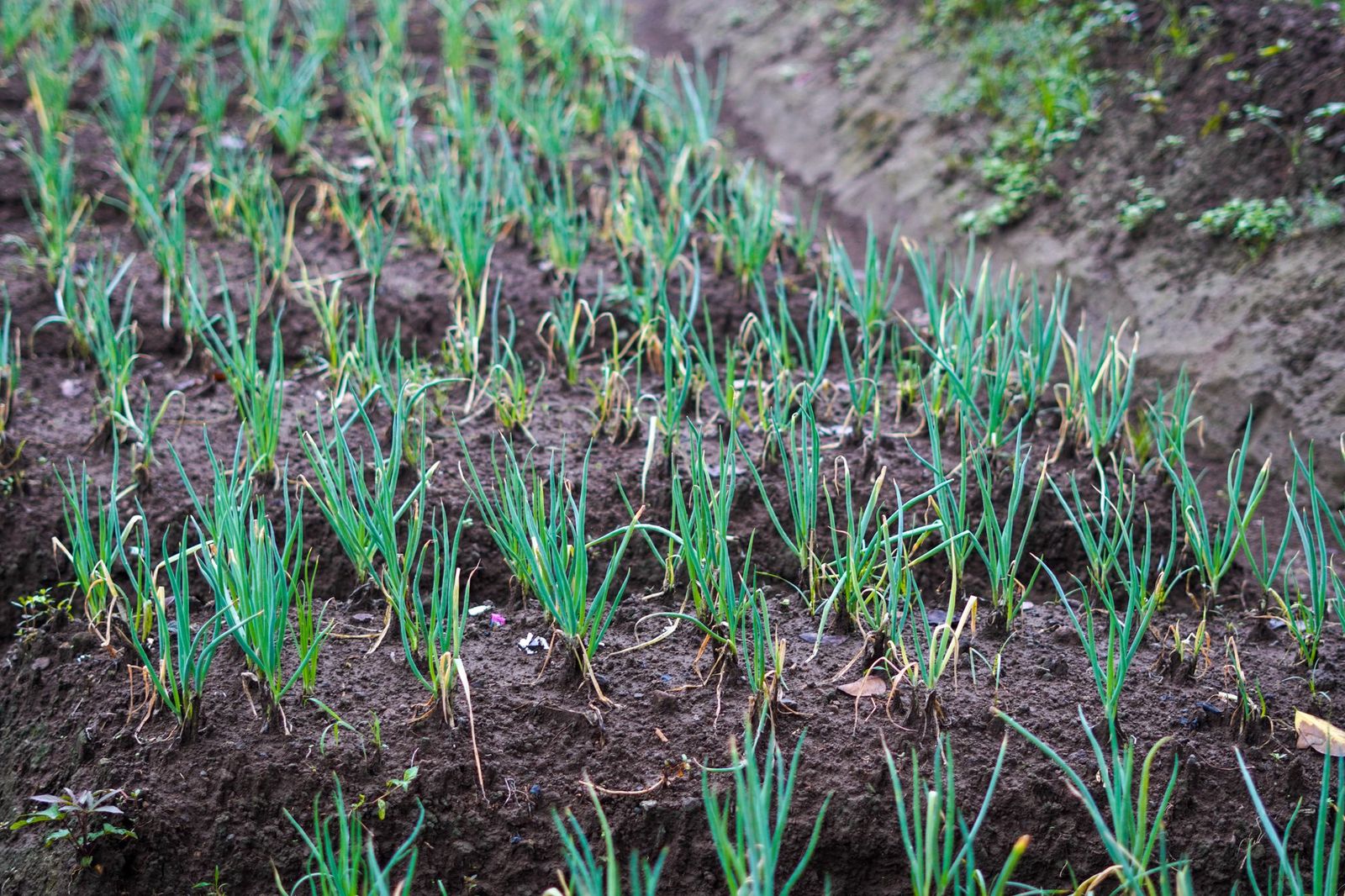
- How to Grow Green Onions: Three Starts, One Forgiving Crop
Green onions grow three ways: seed sown a quarter inch deep (60 to 80 days), sets planted shallow for the fastest harvest, and kitchen scraps regrown in soil. Space plants 3 inches apart in rows 18 to 36 inches apart per University of Georgia Extension Circular 963, and harvest by pulling or by cutting.
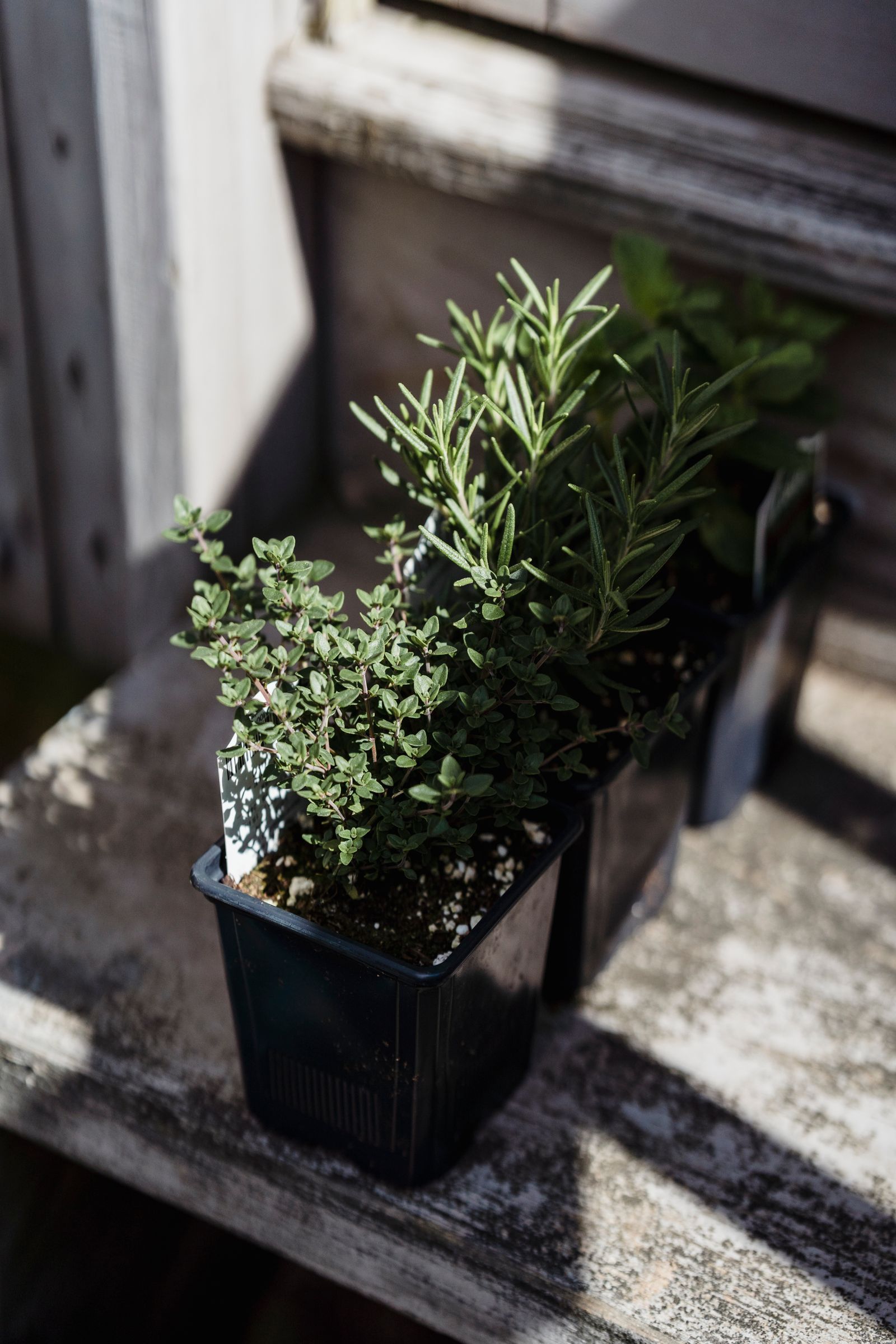
- How to Grow Herbs in Pots: Two Water Tribes, One Herb Per Pot, and the Fleet System
A herb pot collection succeeds when it is run as a fleet sorted by water, not a row of identical pots. Mediterranean herbs, rosemary, thyme, sage, oregano, lavender, want gritty mix and a dry swing; leaf herbs, basil, parsley, cilantro, mint, want rich mix and even moisture. One herb per pot, because every herb grows at its own rate and the bully takes the pot. Mint gets its own pot for containment. The overwintering fork decides which pots come inside and which are replanted in spring.
- How to Grow Herbs Indoors
Growing herbs indoors succeeds or fails on light first. Give culinary herbs 6 or more hours of bright light, pots that drain, and the easiest herbs in the right order, and a kitchen windowsill will produce fresh leaves all year.
- How to Grow Herbs: The Mixed Herb Garden, Sorted by Water
Herb guides list plants one by one and skip the decision that makes a mixed planting work: water appetite. This page groups the common culinary herbs into a thirsty bed and a dry bed, plants each group at this site's spacing standards (basil at 12 inches per University of Maryland Extension), and states the law nobody negotiates: mint always gets its own pot.
- How to Grow Horseradish: Containment First, Crop Second
Horseradish is a hardy perennial that regrows from any root fragment left in the ground, so this guide builds the containment first: Utah State University Extension puts root pieces 2 to 3 inches deep and 1 foot apart at a 45 degree angle, crown 1 to 2 inches below the surface, with 1 to 2 inches of water a week, a yield of 3 to 7 pounds per square yard, and harvest after several frosts improve the flavor.
- How to Grow Kabocha Squash: The Winter Squash on a Calendar
Kabocha is a vining Cucurbita maxima winter squash with a 90 to 120 day season, so it is grown on a calendar: count back from your first fall frost before you sow. This site uses the University of Illinois Extension winter squash standard: hills 5 to 6 feet apart, rows 7 to 12 feet apart, seed 1 inch deep, cured at about 70 degrees for 10 to 20 days and stored at 50 to 55 degrees.
- How to Grow Kale in Containers: One Big Plant, One Big Pot
Container kale at the working standard of one plant per 5 gallon pot, with the published pot size conflict flagged and settled. The thinning number, the cut and come again harvest rotation that keeps a pot producing for months, succession sowing for a year round supply, and the feeding rhythm a heavy feeder in a small pantry demands.
- How to Grow Kale in Pots: One Plant per Pot, the Size Table, and the Outside In Harvest
Kale in individual pots runs a one plant system: a single kale plant in a 3 to 4 gallon pot, at least 12 inches deep and wide, outproduces a crowd in a bigger vessel. The size table scales honestly, 2 plants needing 16 to 18 inches and 3 to 4 plants needing 20 to 24. Sow a half inch deep and thin to one plant. Feed every 2 to 3 weeks, because the pot holds no reserve. Harvest outside in, a few outer leaves at a time with the crown never cut, and one plant crops for months, sweetening after frost.
- How to Grow Kale: A Harvest Habit, Not a Harvest Day
Kale pays you back for months when you harvest it right: pick the outer leaves, never more than a third of the plant, and leave the center growing. Plant on the North Dakota State dates, space 12 inches apart per University of Georgia data, and let frost sweeten the leaves.
- How to Grow Lettuce
Lettuce is the fastest teacher in the garden. Grow loose leaf types first, sow a short row every two weeks at 8 to 12 inch spacing, harvest the outer leaves and let the plant keep producing, and run the bolting plan when heat arrives: harvest hard, then replant for fall.
- How to Grow Lettuce in Containers: the Shallow Trough, the Succession Rhythm, the Bolt Defense
Lettuce in containers grown as a rhythm instead of a planting: a wide shallow trough 6 to 8 inches deep, spacing 4 to 10 inches by type, seed a quarter inch deep, morning sun and afternoon shade, and a succession sowing every couple of weeks sized to what a household actually eats. Bolting treated as a managed variable with variety, shade, and timing, and the cut and come again harvest that keeps one trough producing for months.
- How to Grow Onions in Pots: Day Length First, Width Over Depth, and Spacing as a Size Dial
Onions in pots fail for a reason no other container crop shares: the wrong day length class never bulbs at all. Choose short day, intermediate, or long day onions by your latitude first. Then give them width over depth, a wide container 10 to 12 inches deep, and use spacing as the size dial: 4 inches for full bulbs, tighter for scallions and pearl onions. Sets go 1 inch deep, seed starts 8 to 10 weeks early, and harvest comes at top fall, 90 to 120 days out.
- How to Grow Onions: Day Length Decides Everything
Onions bulb in response to day length, so the type must match your latitude: short day types at 10 to 12 hours, long day at 14 to 16. Choose right, then plant seed, sets, or transplants 3 to 4 inches apart, keep the shallow roots weeded and watered, and harvest when the tops fall.
- How to Grow Peppers for Beginners: The Mistakes Version
A beginner's pepper guide organized by the mistakes that actually kill the crop: planting too early, starting too late, drowning the roots, skipping hardening off, and choosing a superhot first. Fix the five mistakes and peppers are easy.
- How to Grow Peppers in Containers: the 5 Gallon Verdict in a 2 to 10 Gallon Argument
Peppers in containers with the pot size conflict flagged instead of hidden: an NC State table allows 2 gallons, a Maryland guide says 8 to 10, and the working standard that survives a hot weekend is 5 gallons for one plant. Full sun, the 2 to 3 inch moisture check, heat wave blossom drop diagnosed, staking in pots, and the overwintering move that turns a favorite pepper into a houseplant and back.
- How to Grow Peppers: Heat, Patience, and a Long Season
Peppers are a heat crop with a long memory for cold. Covers the 80 to 85 degree germination trick, the 24 inch University of Georgia spacing, transplanting 2 weeks after last frost, and why green bells are simply unripe ones.
- How to Grow Potatoes in a Bag: The Unroll Hilling System and the Seed Piece Verdict
Potatoes in a fabric bag, differentiated from this site's rigid container article: a 10 to 15 gallon bag, sides rolled down, seed pieces eyes up on 4 inches of mix, then hilling by adding mix and unrolling as stems reach 6 to 8 inches. The seed piece spacing conflict flagged, UNH at about 12 inches against a UC figure of about 6, Cornell's acid soil note for scab, and the tarp dump harvest that is the method's real payoff.
- How to Grow Potatoes in a Container: The Fill System, Sized Honestly
Container potatoes run as a fill system with the size argument settled: 10 gallons per seed potato as the floor, 15 to 20 gallons as the working standard this page adopts, and the RHS 30 cm pot noted as the small end. The fill schedule split by variety type, determinate varieties setting one layer and indeterminate types setting tubers along the buried stem, watering volumes by fill stage, and the tip out harvest onto a tarp.
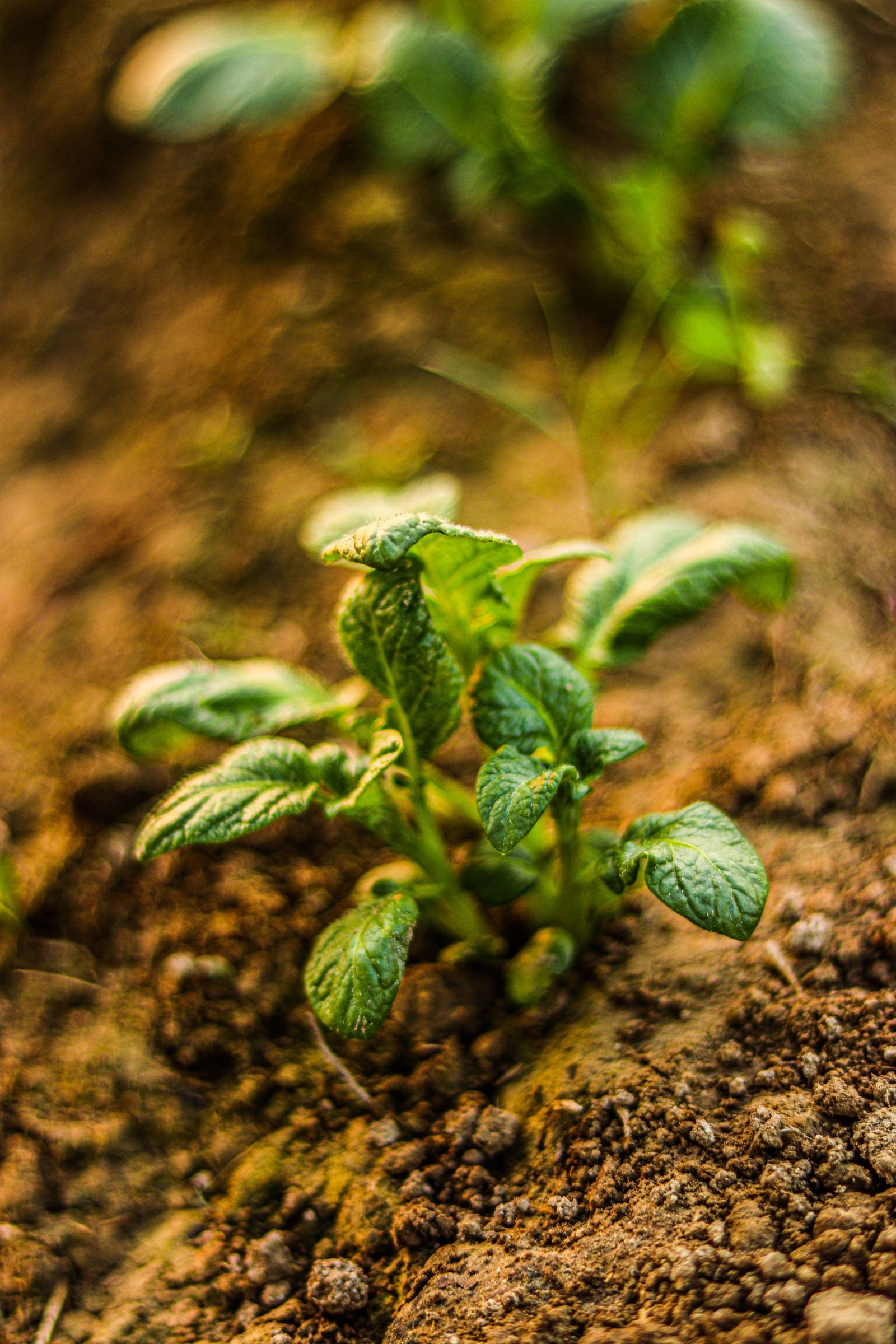
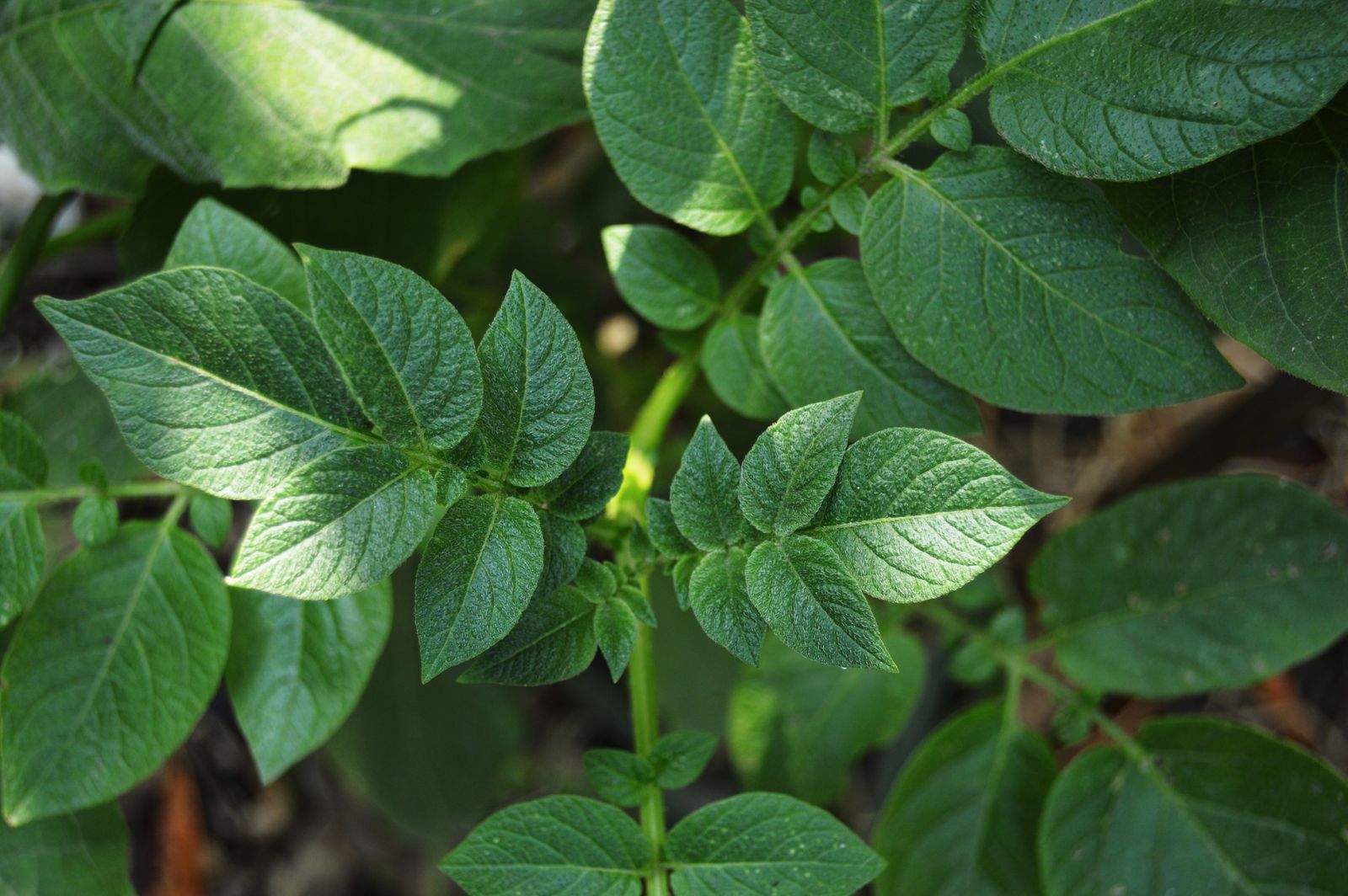
- How to Grow Potatoes: The Season Is Built on Hilling
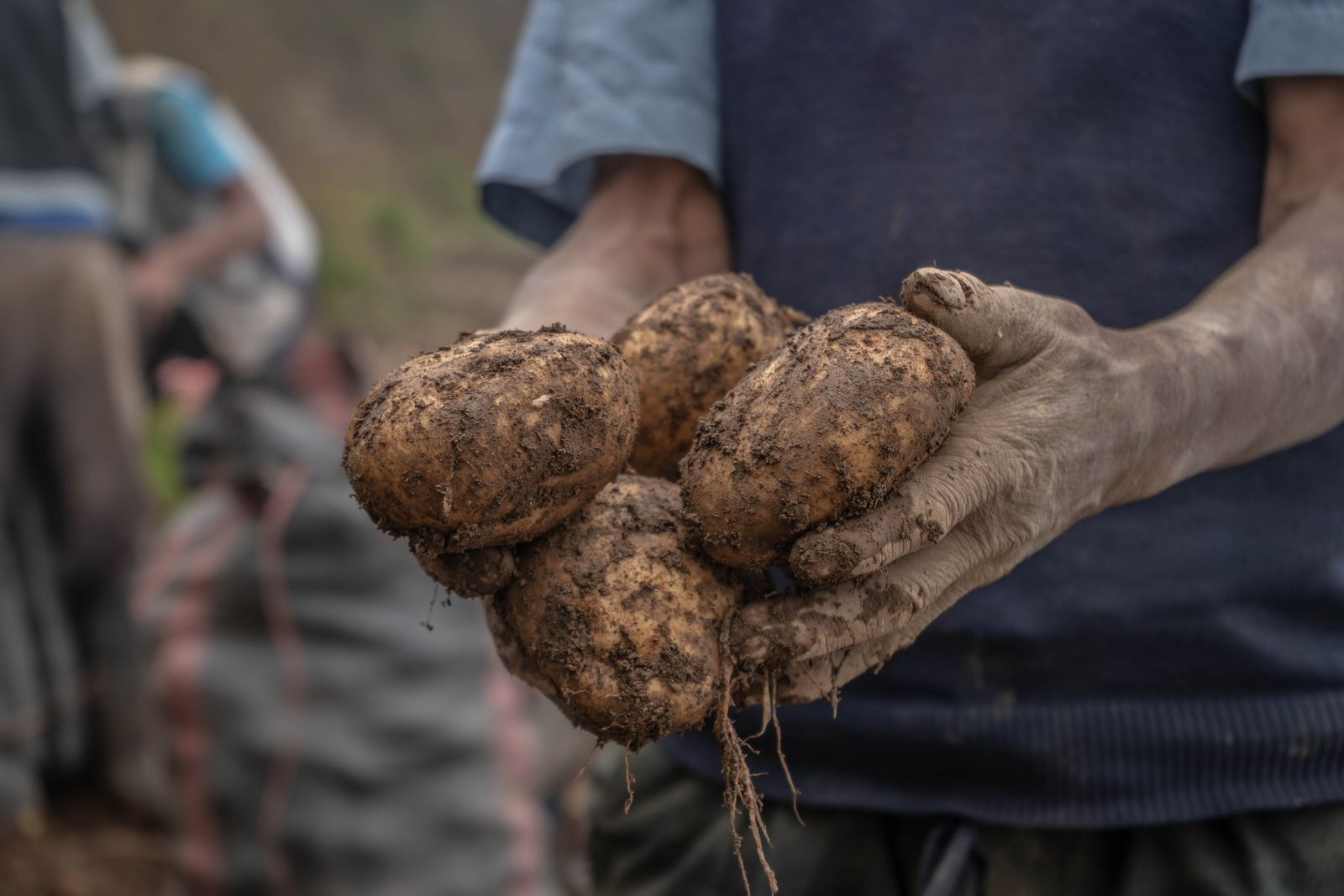
Potatoes grow from certified seed potatoes planted 4 to 5 inches deep and 12 inches apart in rows 36 inches apart, per University of Georgia Extension Circular 963. Hill soil over the stems as they grow, and you get two harvests: new potatoes after flowering and mature ones after the tops die.
- How to Grow Spinach: A Calendar Crop for Cool Weather
Spinach needs about six weeks of cool weather and bolts when days lengthen and heat arrives. Sow 4 to 6 weeks before the last frost in spring and 6 to 8 weeks before the first frost in fall, a half to three quarters inch deep, per University of Georgia Circular 963, and sow small amounts often.
- How to Grow Sweet Potatoes: Start with Slips, Finish with the Cure
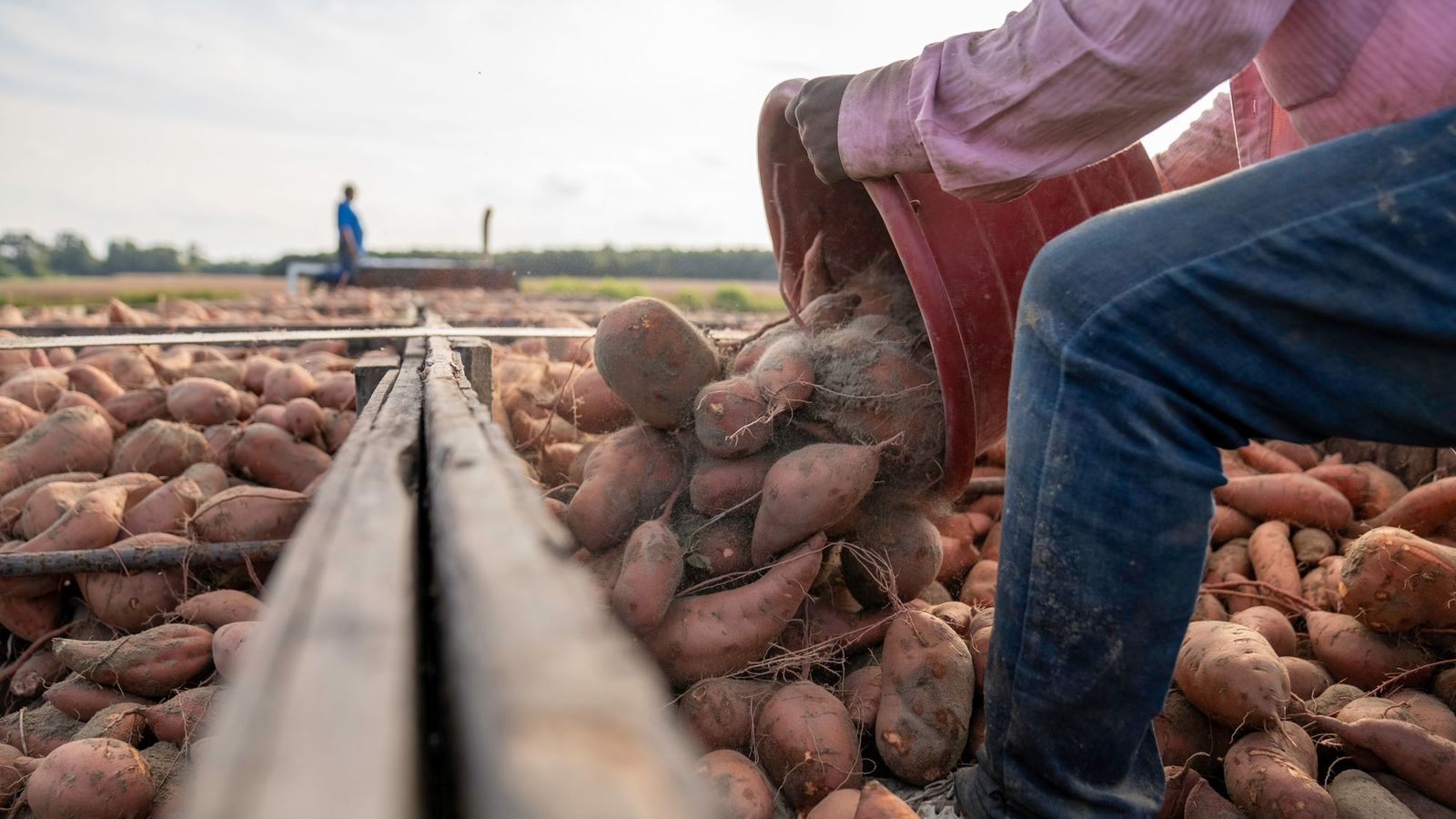
Sweet potatoes grow from slips planted after the soil reaches 65 degrees, spaced 12 inches apart in rows 36 inches apart per University of Georgia Extension Circular 963, with 85 to 120 days to harvest. Cure the roots at 85 degrees for 5 to 10 days to turn starch into sugar.
- How to Grow Tomatoes
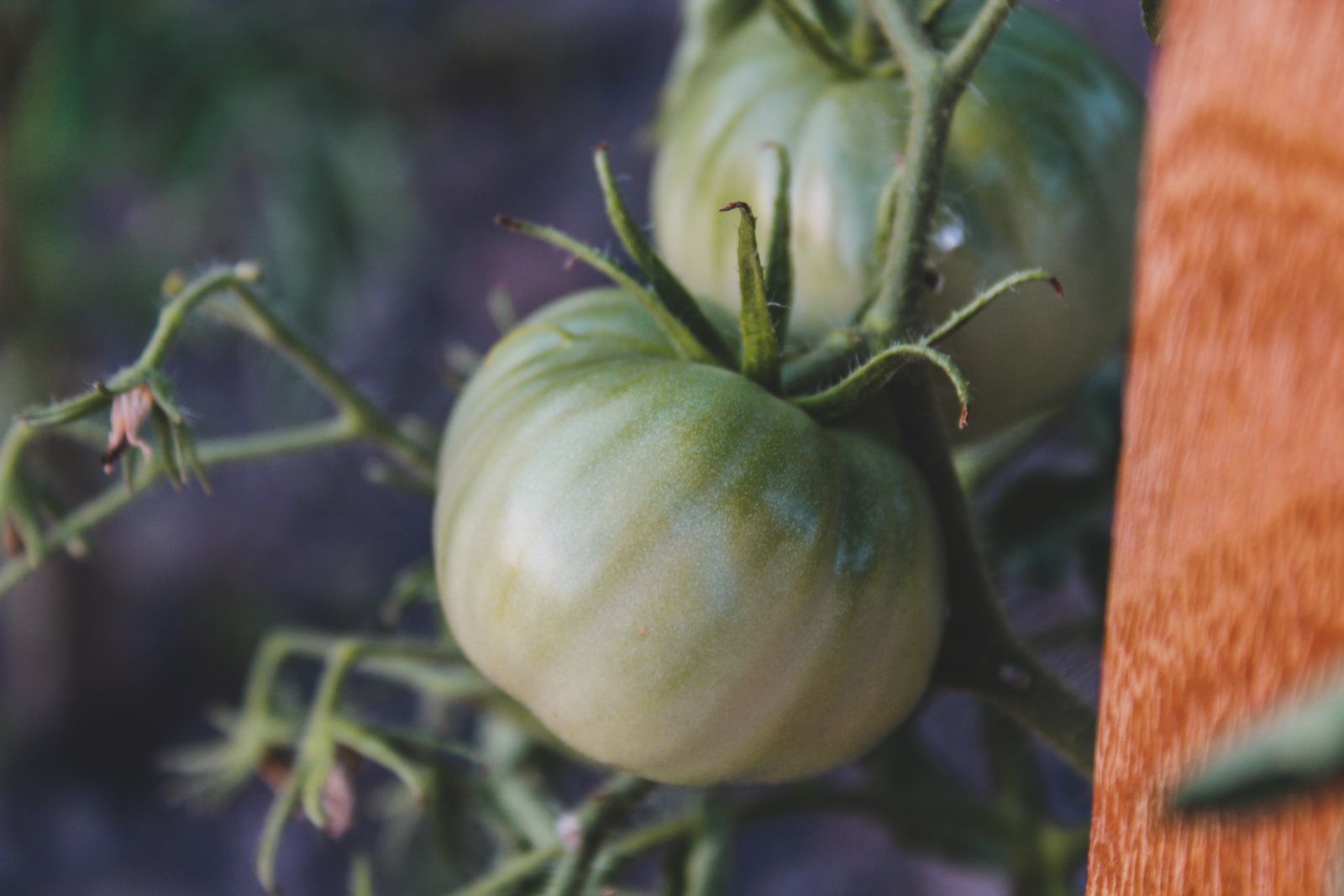
Grow tomatoes in planting order: choose your type, buy transplants in year one, set them deep at 24 inch spacing in your sunniest spot, support them the same day, and water the roots about an inch a week. Includes the three problems almost every beginner meets and what each one is really saying.
- How to Grow Tomatoes for Beginners: One Plant, Done Right
The beginner tomato guide that deliberately leaves things out: buy a transplant instead of starting seed, choose a forgiving cherry or determinate bush type, plant it deep so the stem roots, cage it the same day, and water evenly at the University of Georgia spacing of 24 inches between plants. One plant done right beats six plants done anxiously.
- How to Grow Tomatoes in Pots: The Pot Size Verdict and the Full Season System
Tomatoes in pots with the pot size sprawl settled: Clemson puts a plant in a 14 to 20 inch container or a 5 gallon bucket, Iowa State allows 2 gallons for cherry types, Maryland runs full size plants at 8 to 10 gallons, and some guides push indeterminates to 15 to 20. The verdict by plant type, deep planting, support installed at planting, the daily water rhythm, and the 1 to 2 week feeding cadence a small soil volume forces.
- How to Grow Zucchini in Containers: One Plant, One Big Pot, No Exceptions
Container zucchini run on one discipline, one plant per pot: 5 gallons as the absolute minimum and 7 to 10 gallons preferred, a bush variety chosen for the pot, fruiting stage watering volumes, the hand pollination routine with male and female flower identification for when the bees do not come, feeding every 10 to 14 days, and blossom end rot read as a watering report rather than a calcium emergency.
- How to Grow Zucchini: One Plant, Endless Harvest
Zucchini is the most generous plant in the garden and the easiest to drown in. Covers direct sowing into warm soil at the 24 inch Georgia spacing, the male flower mystery, harvesting at 6 to 8 inches, and why one or two plants is the correct number.
- How to Plant Garlic: A Fall Crop Planted Point Up
Garlic is planted in fall, harvested the next summer, and asks almost nothing in between. The University of Minnesota Extension method: cloves 2 to 3 inches deep, 6 inches apart, planted 1 to 2 weeks after the first killing frost, under 3 to 4 inches of mulch.
- How to Plant Radishes: The 30 Day Crop, Run as a Weekly System
Radishes are the fastest crop in the garden, sown 1/2 inch deep at this site's University of Georgia Extension standard of 1 inch between seeds in 24 inch rows, sprouting in 3 to 7 days and ready in 25 to 30. The planting is five minutes of work; the craft is the system around it: a short row sown every 7 to 14 days, the summer pause, the fall restart, and the failure table for all tops, woody roots, splits, and bolting.
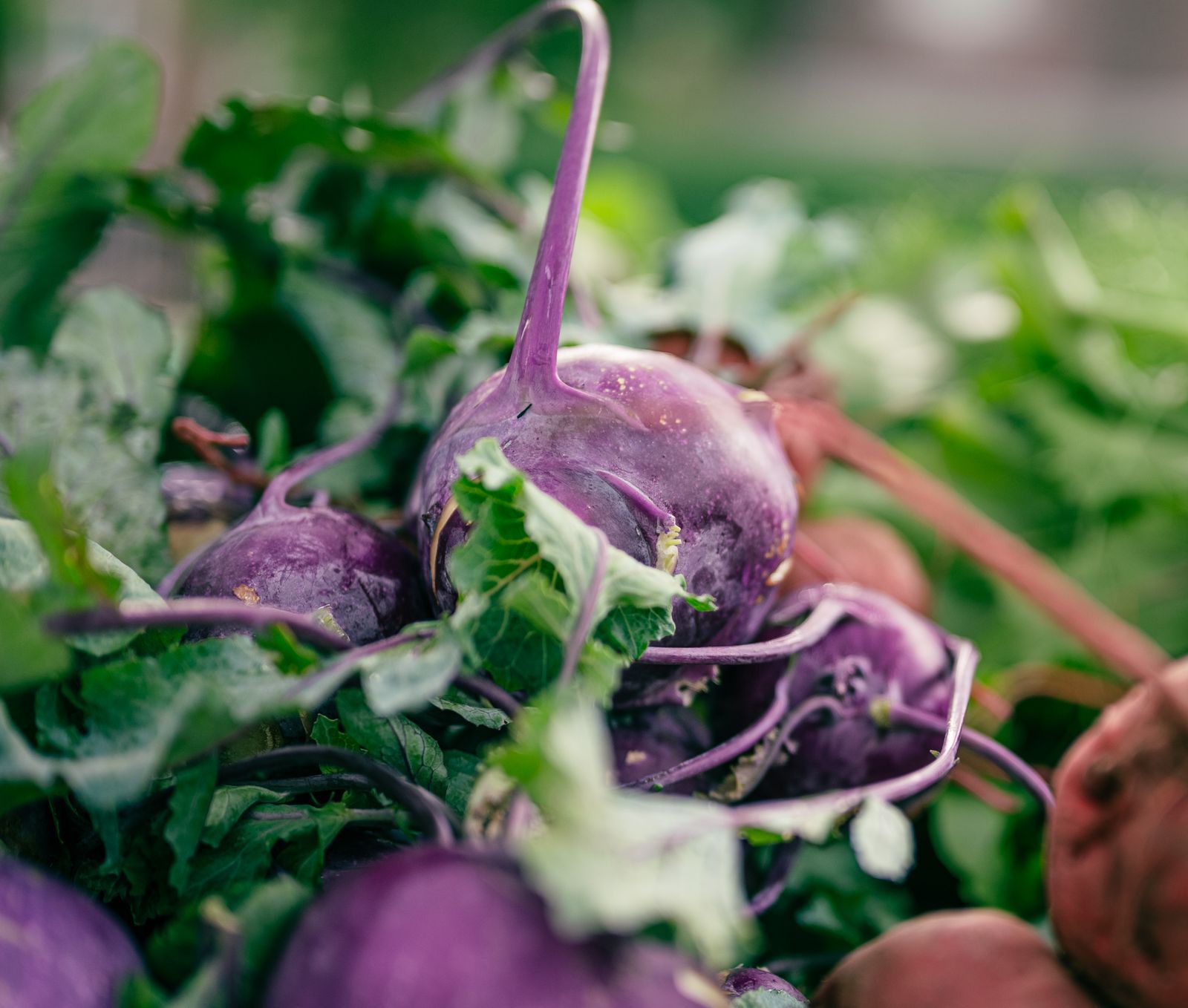
- Kohlrabi Plant Spacing: Four Inches, a Three Inch Harvest Window, and the Giant Exception
Kohlrabi spacing at the University of Minnesota Extension standard: sow at 1 inch, thin to 4 inches between plants, transplants set 4 inches apart, in rows 18 inches apart per the Virginia Cooperative Extension cole crops table, with giant types thinned to 12 inches. The 2 to 3 inch harvest window that makes spacing a speed and uniformity decision, the published sprawl from 4 to 12 inches flagged, and the spring and July sowings of a 35 to 45 day crop.
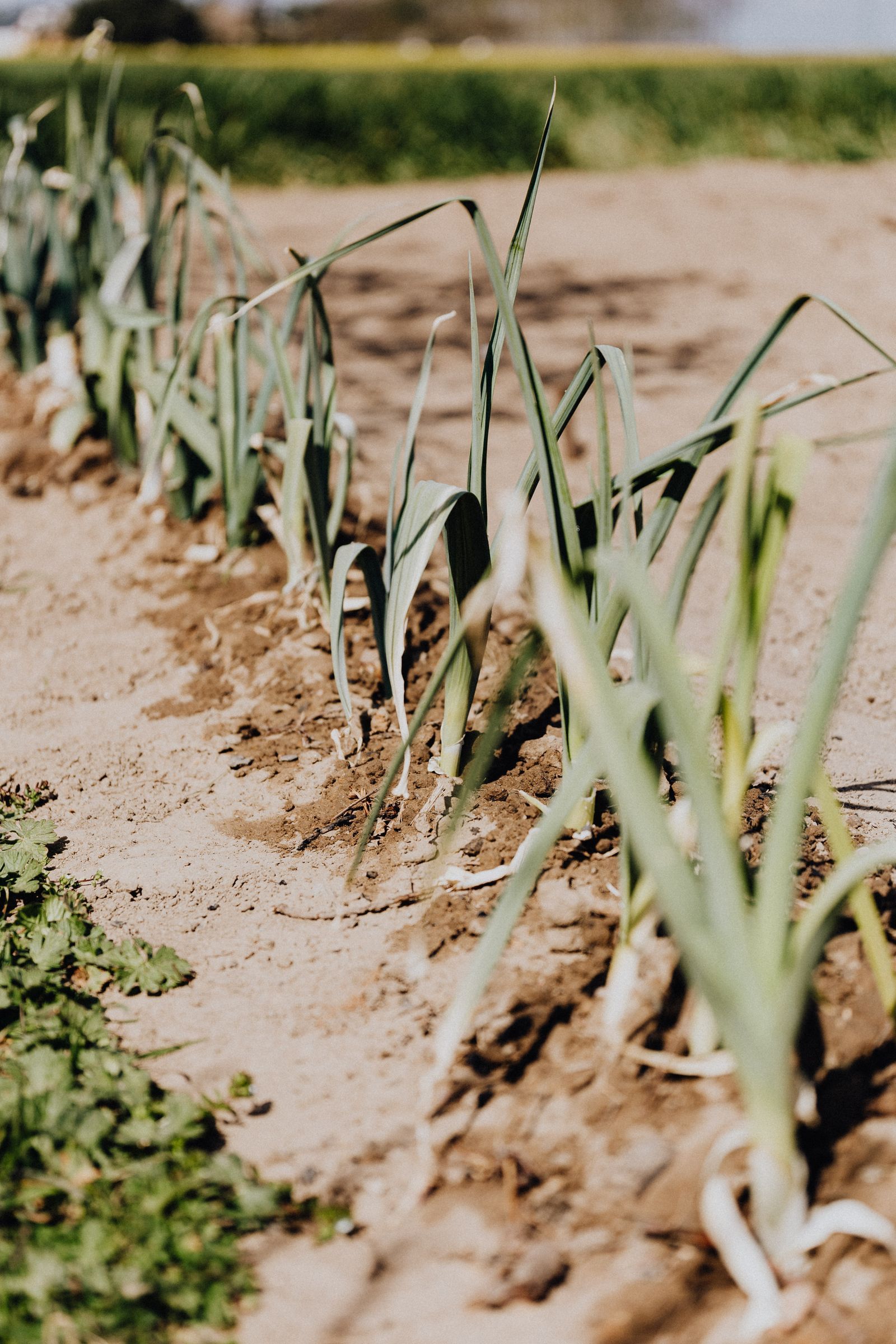
- Leek Plant Spacing: Spacing and Blanching Are One System
Leek spacing run as a blanching system at the University of Minnesota Extension standard: plants 2 to 6 inches apart in rows 12 to 36 inches apart, with the planner at 4 by 24, transplants no older than 10 to 15 weeks set at the bottom of a 6 inch furrow and filled in gradually for a long white shaft. The leaf orientation trick for close spacing, the retail 6 inch consensus flagged against the extension range, the mid summer side dress, and the quality standard the layout is buying, a firm white shaft over 3 inches long.
- Lettuce Plant Spacing: The Leaf Row Ladder, the Head Lettuce Footprint, and the Succession Rhythm
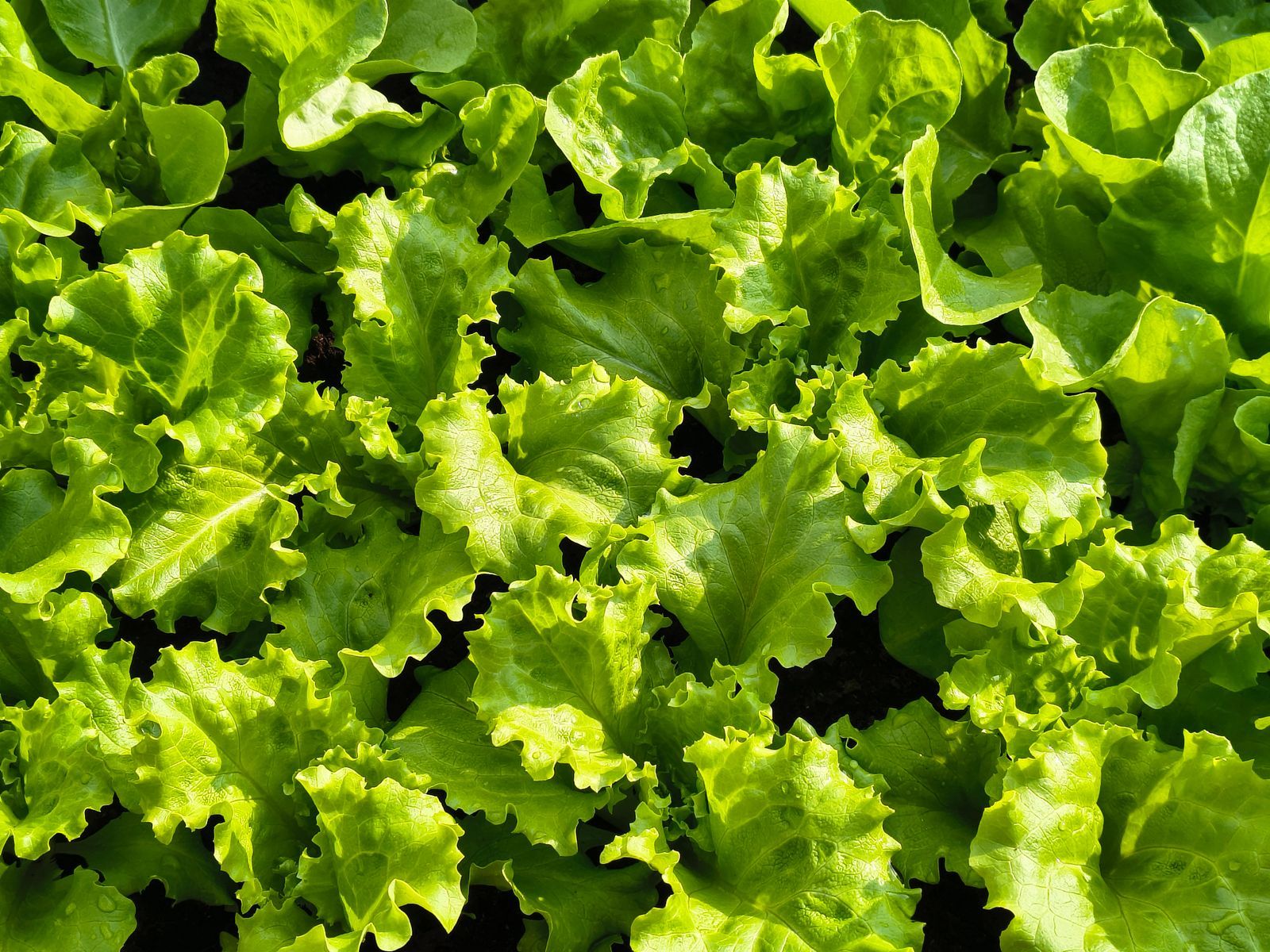
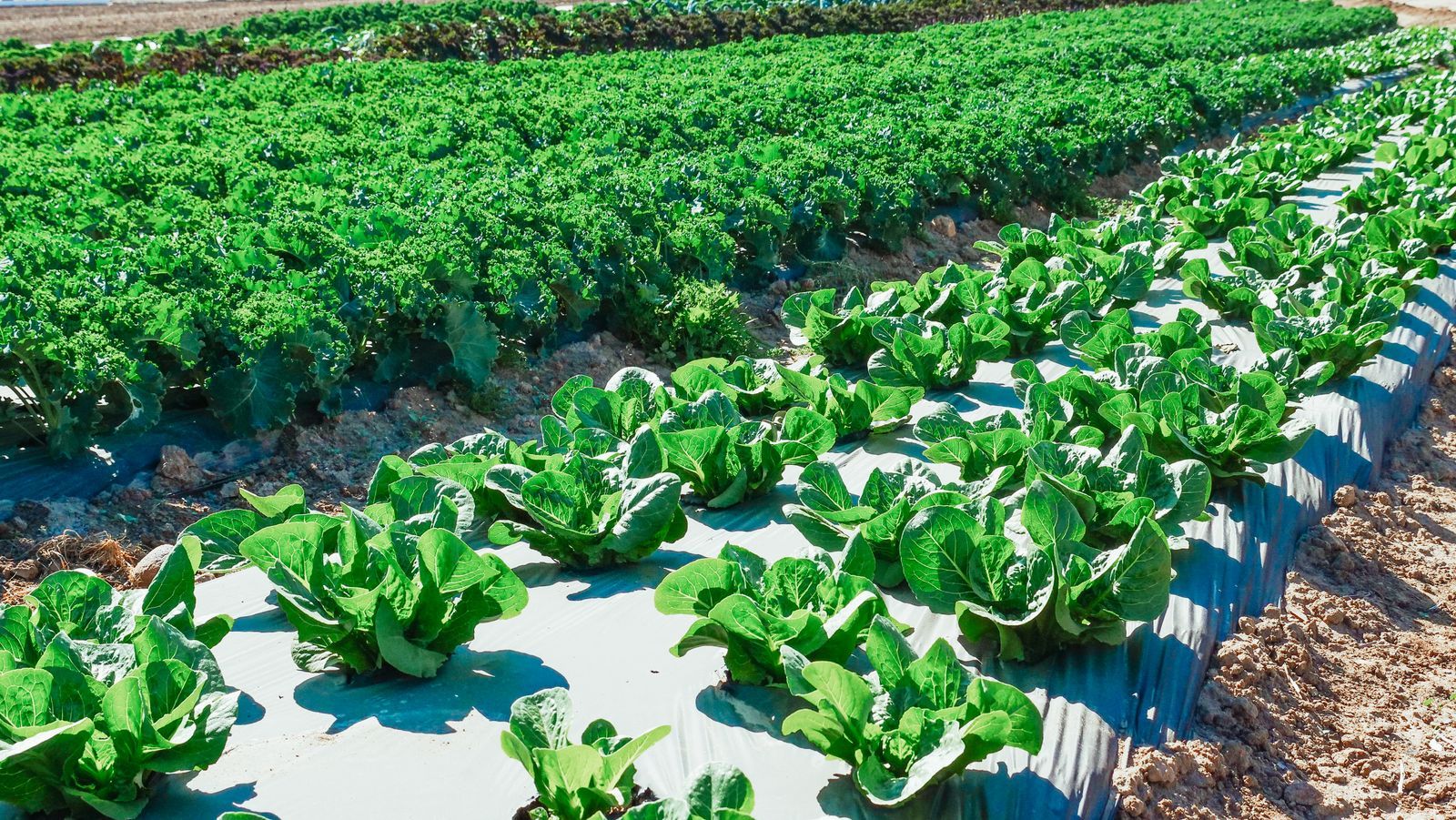
Lettuce spacing is two systems under one name. The University of Georgia Cooperative Extension chart in this site's planner runs 8 to 12 inches between plants, the tool at 10, in rows 18 to 36 inches apart, which is the head lettuce footprint. Leaf lettuce is a different system: thinned to 6 to 8 inches and harvested by the cut, it yields more per foot than heads do. Square foot grids run 4 leaf plants per square. The succession rhythm, a short sowing every 2 weeks, matters as much as the grid, because lettuce bolts and the calendar, not the spacing, ends each sowing.
- Mustard Greens Plant Spacing: A Harvest Size Decision
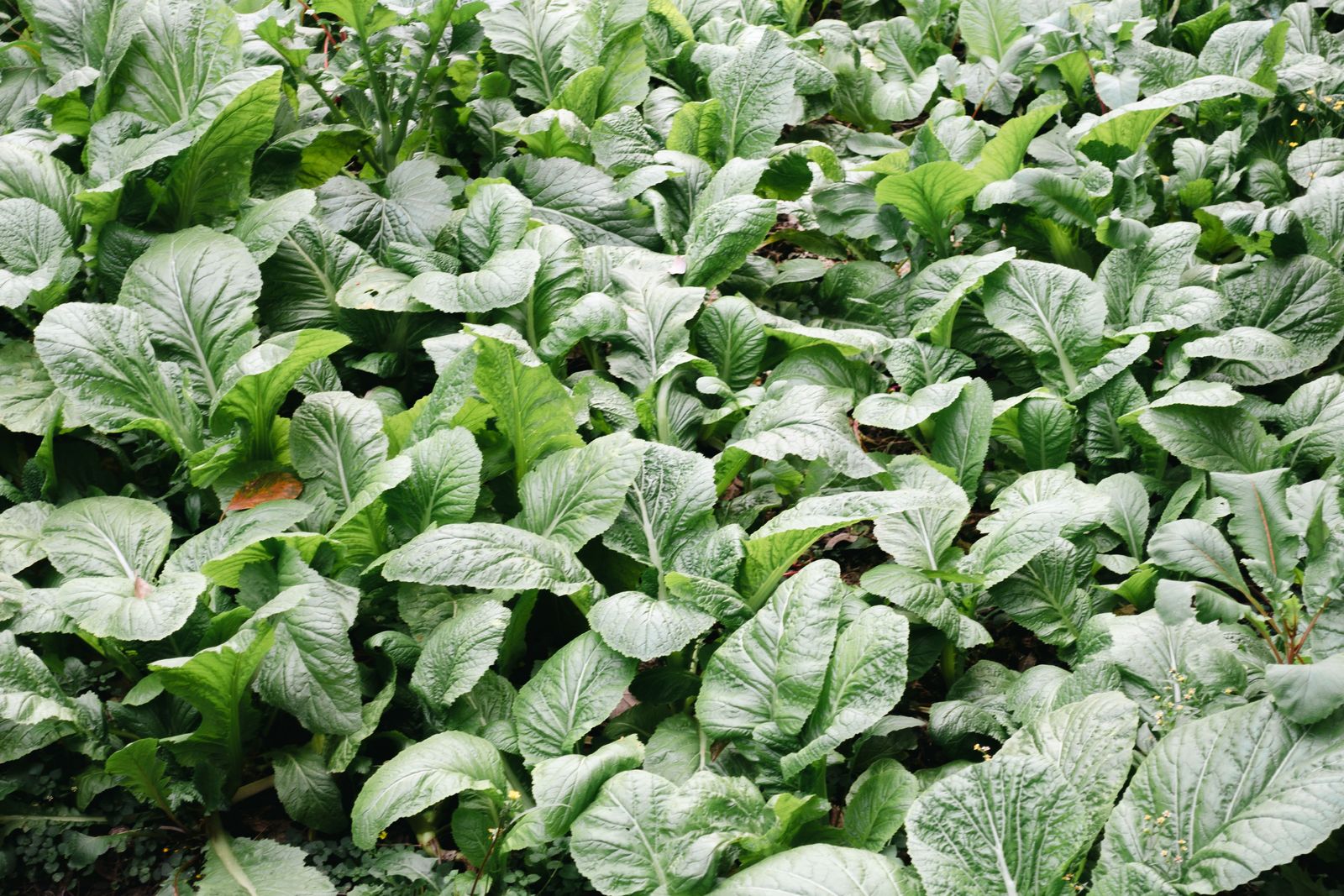
Mustard greens spacing from the University of Georgia Cooperative Extension Circular 963 chart: sow 2 inches apart in rows 18 to 36 inches apart, seed half an ounce per 100 feet at half an inch deep, then thin progressively to 6 to 12 inches for full size leaves. Why the 2 inch figure is a sowing spacing and not a final one, and how the harvest you want sets the number.
- Okra Plant Spacing: 12 Inches in the Row, and the Season That Follows
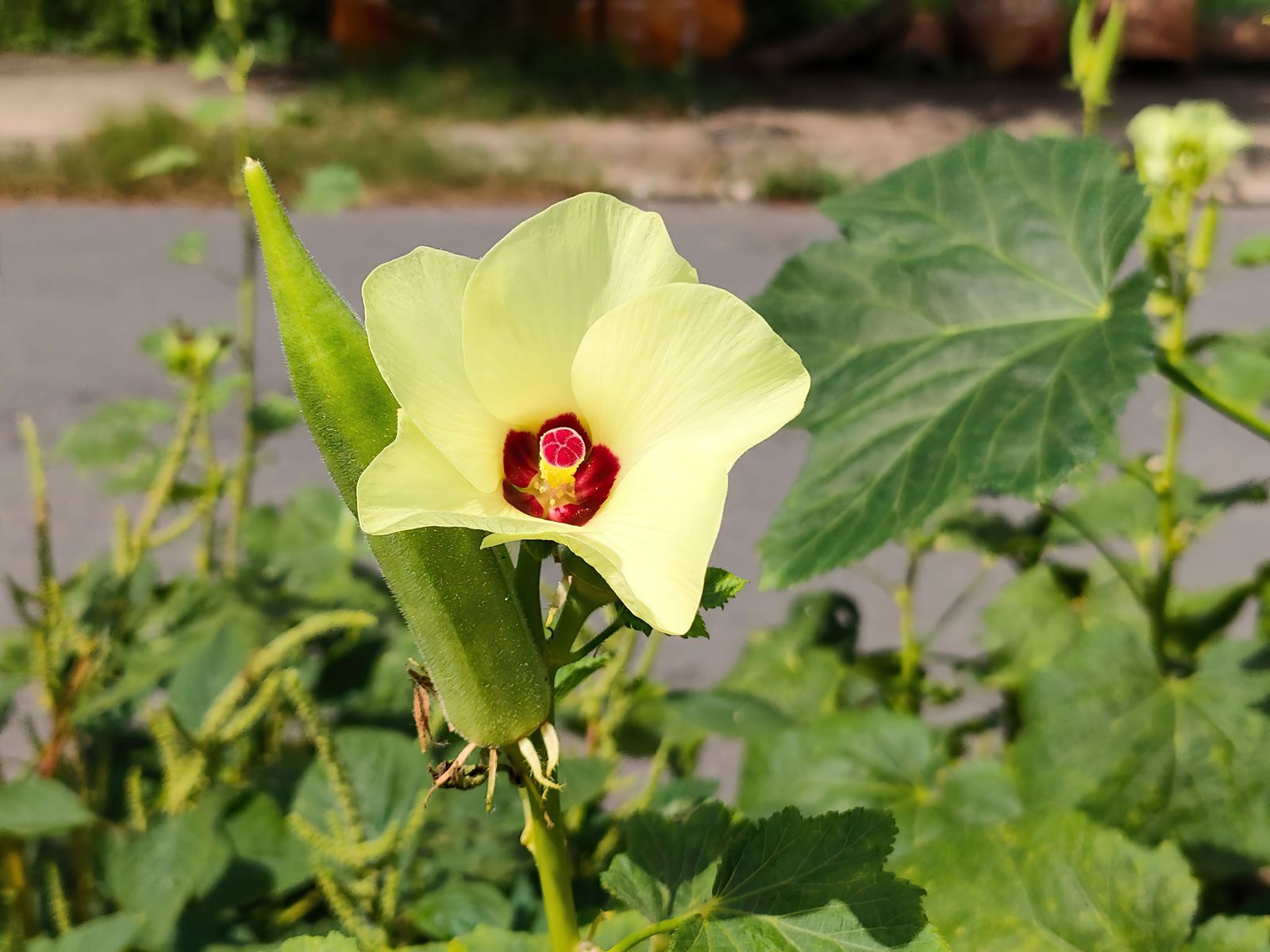
Okra spacing at the University of Georgia standard: 12 inches between plants in rows 36 inches apart, seed 1 inch deep, 55 to 65 days to harvest, with the Oregon State and Oklahoma State row variants flagged rather than averaged. Plus warm soil sowing, thinning to the standard, and the daily picking discipline at 2 to 3 inches that is the real okra skill.
- Parsley Plant Spacing: The 6 Inch Standard, the Wide Alternative, and the Slow Seed
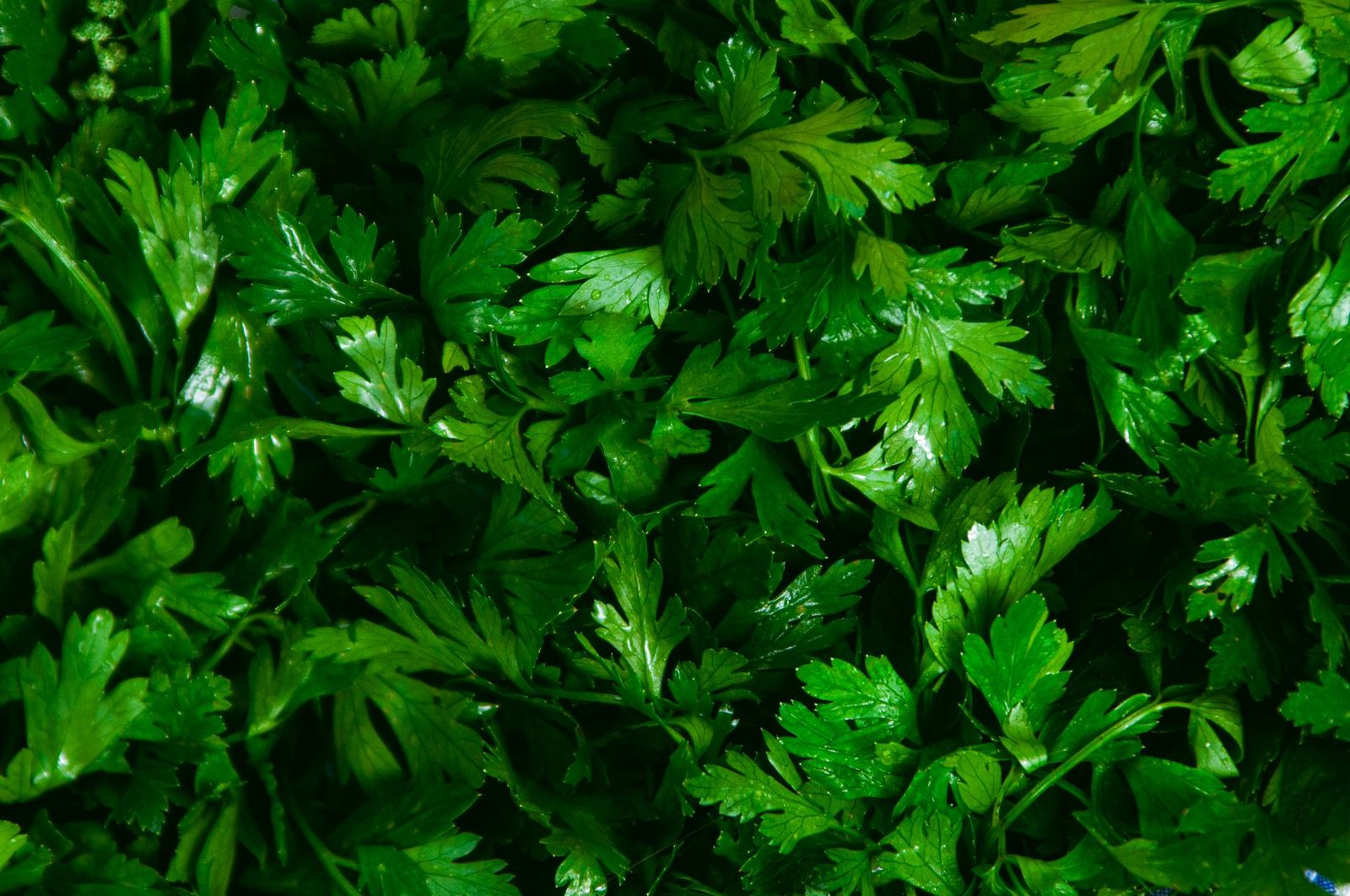
Parsley spacing with the source conflict taught instead of hidden: UF/IFAS Baker County Extension lists parsley plant spacing at 6 inches, the planner standard on this page, with University of Maryland rows at 12 to 18 inches. NC State sets transplants wider at 8 to 12 inches, and Arkansas thins seedlings to 4 to 6 inches. Why the finish spacing is a harvest choice, the 14 to 28 day germination protocol that keeps the row alive until emergence, and the biennial habit that plans year two.
- Pea Plant Spacing Chart: Spacing by Pea Type, at One Cited Standard
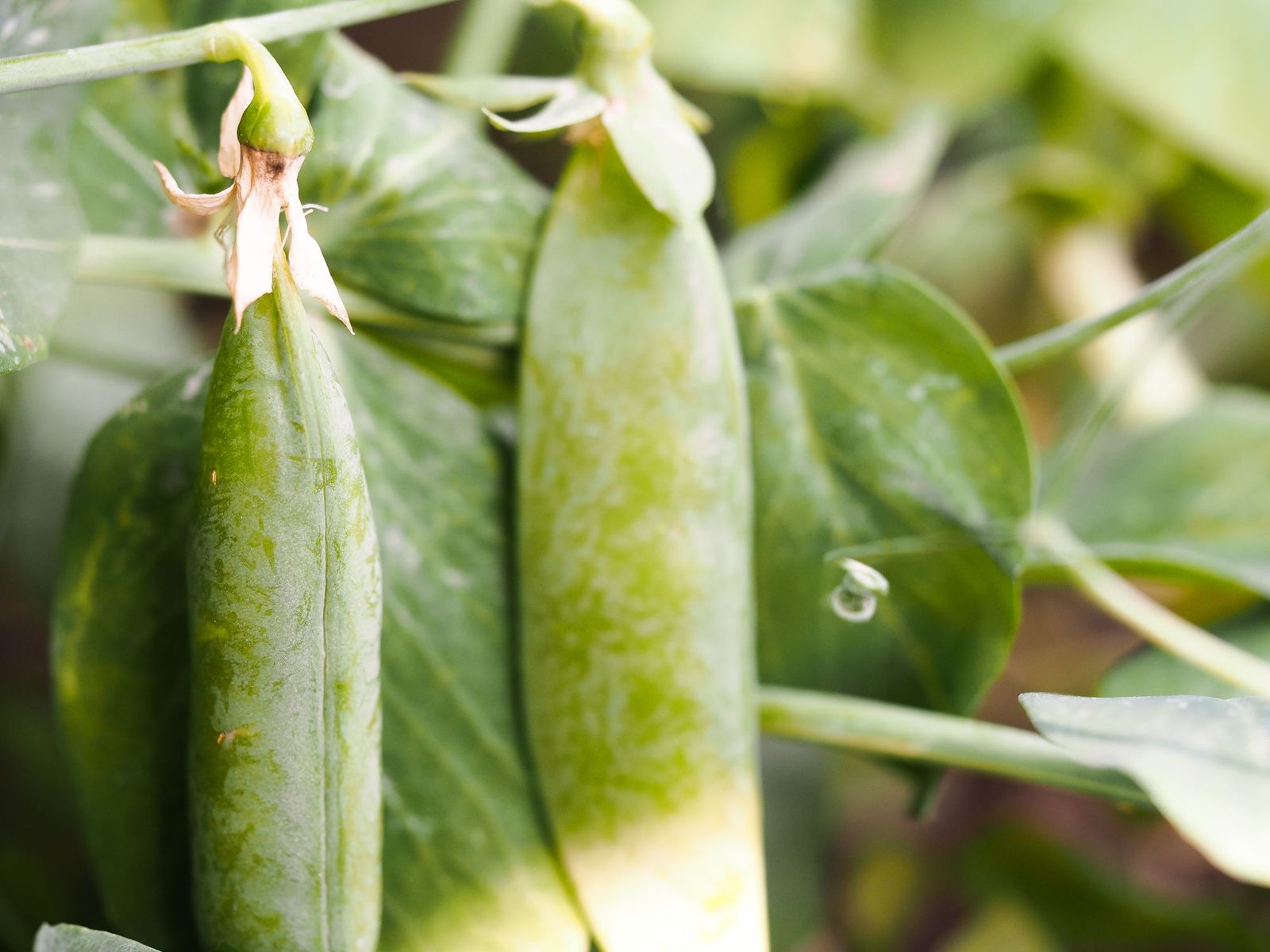
Garden and edible pod peas space at 2 inches between plants in rows 36 inches apart, sown 1 to 2 inches deep, per University of Georgia Extension Circular 963, with 60 to 70 days to harvest. Bush types need little support; tall vines need a trellis standing before they reach for it.
- Plant Spacing Chart
The full vegetable spacing chart from University of Georgia Cooperative Extension Circular 963, with in-row and between-row distances for 12 crops, how to measure both, and a planner for your own bed.
- Pumpkin Plant Spacing: The UGA Standard and the Full Season Around It
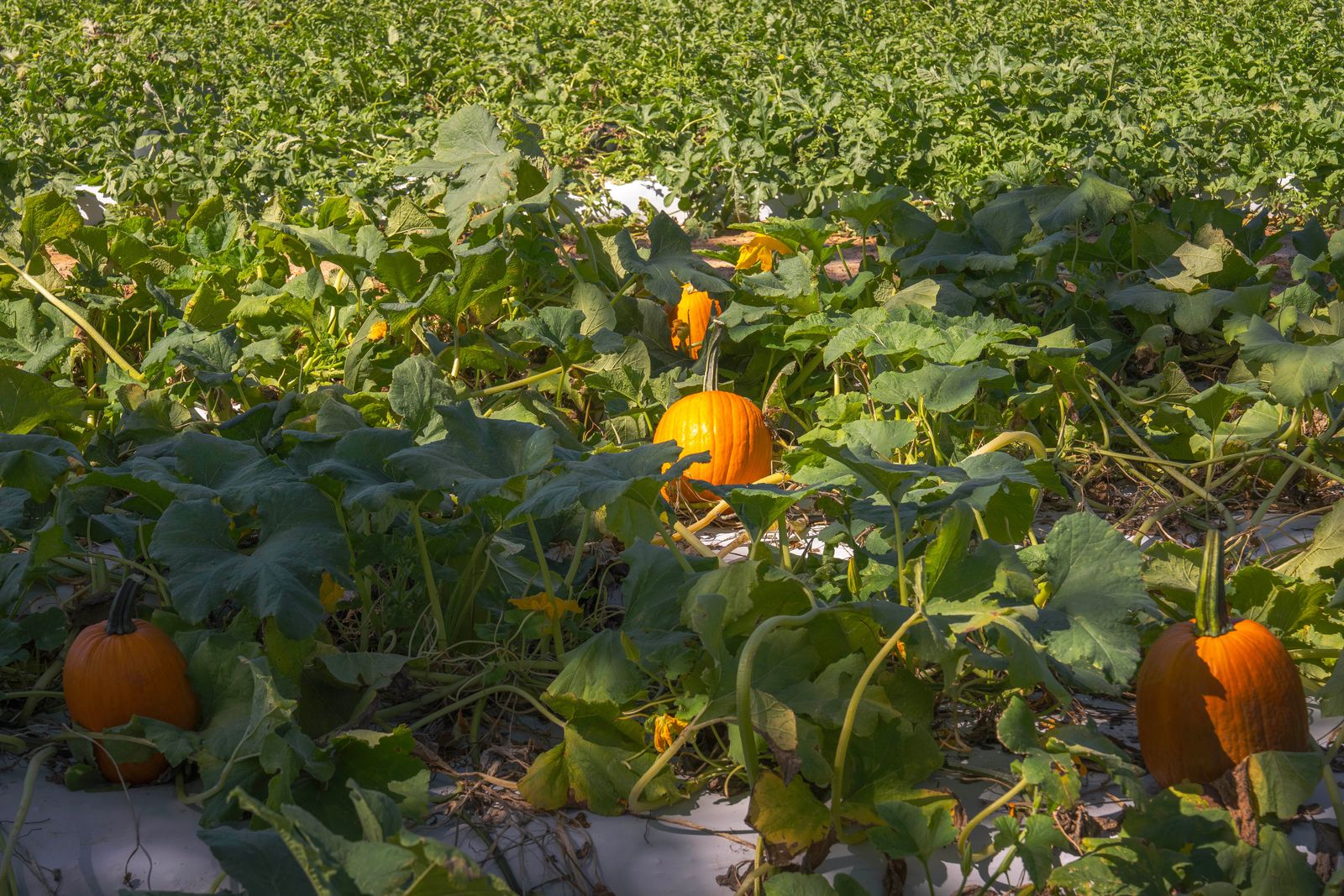
Pumpkin spacing at one cited standard instead of the sprawl: the University of Georgia Cooperative Extension chart puts every pumpkin type, tiny to giant, at 48 inches between plants in rows 72 inches apart, seed 1 inch deep, 85 to 120 days to harvest. Plus the hill system the other numbers come from, vine training that makes the footprint survivable, fruit care, and harvest by type.
- Strawberry Plant Spacing: Choose the System Before the Spacing
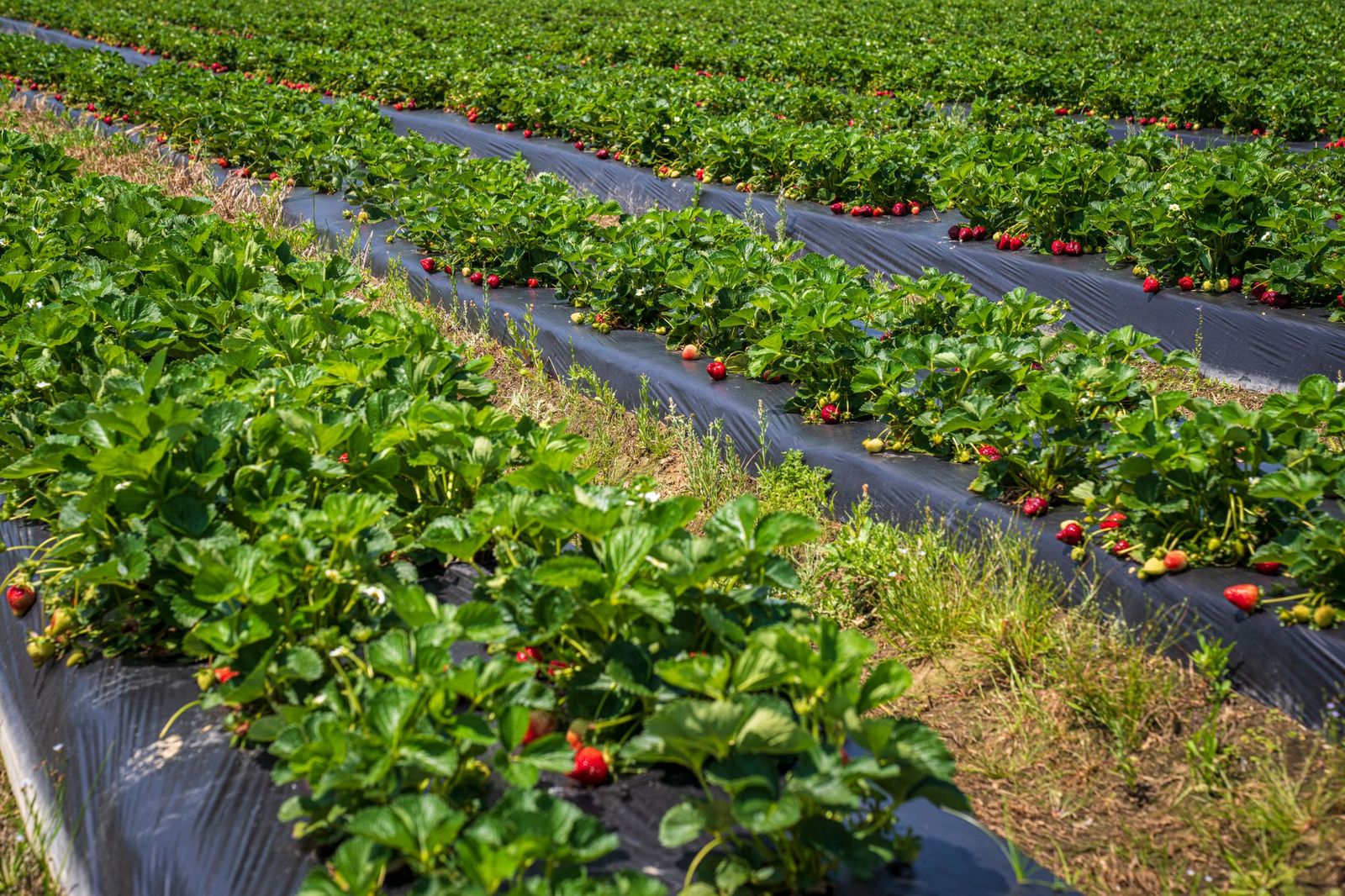
Strawberry spacing follows the system: matted row for June bearing types sets plants 18 to 24 inches apart in rows 3 to 4 feet apart, while the hill system for day neutral types sets plants about 12 inches apart with runners removed, per University of Minnesota Extension. The crown sits at soil level, always.
- Sweet Potato Plant Spacing: 12 by 36 at the UGA Standard, Ridges, and the Vine Plan
Sweet potato spacing at one cited standard, University of Georgia Circular 963: slips 12 inches apart in rows 36 inches apart, with the row conflict flagged openly, Maryland lists 40 inch rows and guides run to 48. The ridge build that warms and drains the bed, the vine coverage plan that turns the crop's sprawl into weed control, small bed layouts, and the harvest access the spacing has to protect in October.
- Swiss Chard Plant Spacing: Spacing Is a Harvest Decision
Swiss chard spacing decided by what you plan to pick: thin to 4 to 6 inches for full size plants in rows 18 to 30 inches apart on the University of Illinois Extension standard, or run the Illinois staged method, thinning to 2 to 3 inches, harvesting whole plants at 6 to 8 inches tall, and leaving a final 9 to 12 inches. The published spacing sprawl from 4 to 12 inches flagged with the harvest logic that explains it, seed depth and rate from the same source, and the outer leaf harvest that keeps the final spacing producing.
- When to Plant Tomatoes
Plant tomatoes when three checks all pass: your last frost date plus two weeks, nights staying above 50 degrees, and soil warmed to around 60 degrees. Includes the indoor sowing count, hardening off, and the holding plan for transplants that outgrow their pots while they wait.
- When to Plant Vegetables: Your Frost Date Does the Math
When to plant vegetables is not a calendar question, it is a frost date question. Find your last spring frost, sort crops into cool season and warm season, and count weeks with the extension table: the planner on this page turns your date into a sowing calendar.
- When to Start Seeds Indoors
Find your last frost date, count back the weeks for each crop from one credited extension chart, and get real sow and transplant dates for your own garden, with a worked example and a hardening off routine.
- When to Start Seeds Indoors Chart: Every Crop, Counted Back from Your Frost Date
The complete seed starting chart at named extension sources: sow indoors and transplant weeks counted from your average last spring frost, from North Dakota State University Extension H1139, with the derived University of New Hampshire figures for the cucurbits whose indoor start is optional and short. Peppers 8 weeks before, tomatoes 6, brassicas and onions 10, basil just 3, plus the never start indoors list and a worked example with real dates.