Every beginner list on the internet ranks vegetables by enthusiasm, which is how new gardeners end up with cauliflower, the garden's most beautiful disappointment, in their first bed. This page ranks by a sterner measure: effort per harvest, and forgiveness, what the crop does when you forget to water it, sow it late, or pick it a week after you should have. A crop can be famous and still be a poor first teacher. The eight below are the good teachers, tiered honestly, with their numbers drawn from this site's own crop guides so the ranking and the growing instructions never contradict each other. Our best vegetables for beginners guide offers the starter shortlist in another form; this page owns the effort ranking, the reasoning a beginner can argue with, crop by crop.
Easy Vegetables to Grow for Beginners: Ranked by Effort, Not Hype
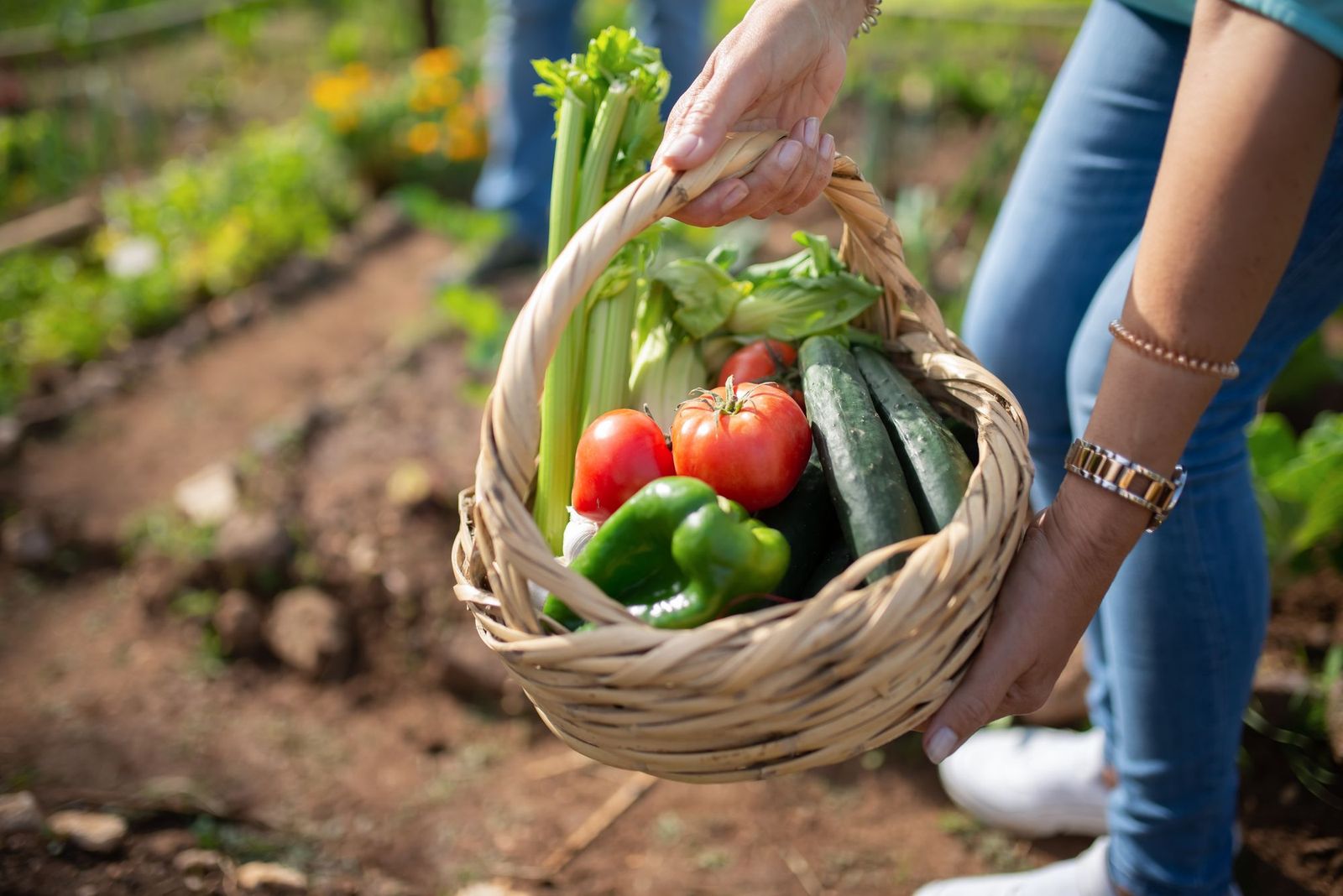
Photo: Kampus Production / Pexels
First Easy Vegetables Checklist
Check off each step as you finish it. Your progress stays on this page.
0 of 6 complete
0% done
Tier One: The Crops That Forgive Almost Everything
Radish is the fastest vegetable in the garden, 25 to 30 days from sowing to harvest, and the traditional first crop for children because it cannot keep a secret: sow it, and within the month you are eating evidence that gardening works. Forgiveness: it tolerates thin soil, light shade, and erratic watering better than any root crop. Failure mode: left too long or grown in heat, it turns woody and fiery; the discipline is to pull it young, which the calendar makes easy.
Leaf lettuce grows at the speed of appetite: sow a short row, cut outer leaves or whole heads young, and the same plants keep offering. Forgiveness: it grows in part shade that would starve a tomato, in containers, in the gaps between slower crops, in spring and again in fall. Failure mode: heat makes it bitter and eager to bolt, so it is a cool season friend, spring and fall, not a July one.
Green onions are covered in full in their own guide on this site, and they earn their tier one place here on versatility alone: seed, sets, or kitchen scraps, cut or pulled, in beds or pots, they produce garnish within weeks and keep producing in small successions. Failure mode: honestly, mostly neglect so total that even they give up.
Bush beans are the warm season's gift to beginners: direct sow after frost into warm soil, 2 to 4 inches apart in the Georgia spacing our bean guide uses (3 inches in the planner), and pick every two days from about 50 days on. Forgiveness: they fix their own nitrogen, tolerate ordinary soil, and need no trellis, no transplanting, and no indoor start. Failure mode: sowing into cold soil, where the seed rots; the fix is patience at sowing, not skill.
Tier Two: Easy, with One Rule Each
Peas are effortless if the calendar obeys: sow early in cool soil at 2 inches apart per our pea spacing chart, support by height, and pick often. The one rule is timing; a pea sown late into warming soil is a tier three crop wearing a tier two costume. Spinach is its cousin in this: 40 to 45 days at the Georgia figures in our spinach guide, sown in the cool windows, and the one rule is the same, respect the cool season or watch it bolt. Both crops forgive thin soil, light frosts, and beginner watering; neither forgives June.
Kale forgives nearly everything except being ignored at harvest. Plant it at the Georgia spacing in our kale guide (8 to 16 inches, 12 in the planner), pick outer leaves and never more than a third of the plant at once, and one planting produces for months, sweetening after frosts that kill tender crops outright. The one rule is the harvest habit itself; a kale picked correctly is a perennial experience in an annual plant.
Zucchini is the easiest crop to grow and the easiest to grow too much of. One or two plants at 24 inches spacing, per our zucchini guide, produce a household supply picked small and often. The one rule is harvest discipline: a zucchini checked daily is dinner; a zucchini checked weekly is a bludgeon. Its forgiveness is vigor itself, outgrowing beginner errors at visible speed, which is its own kind of encouragement.
The Comparison Table
| Vegetable | Days to harvest | Spacing (this site's guides) | Season | Forgives | Fails when |
|---|---|---|---|---|---|
| Radish | 25 to 30 | 1 in in rows | Cool | Thin soil, shade, neglect | Left too long, heat |
| Leaf lettuce | 30 to 45 | 8 to 12 in | Cool | Shade, containers, gaps | Summer heat (bolts) |
| Green onions | 60 to 80 from seed, faster from sets | 3 in | Cool to warm | Almost everything | Total neglect |
| Bush beans | About 50 | 2 to 4 in (planner 3) | Warm | Ordinary soil, no trellis | Sown in cold soil |
| Peas | 60 to 70 | 2 in | Cool | Frost, thin soil | Sown late into heat |
| Spinach | 40 to 45 | 2 in | Cool | Frost, quick turnaround | Warm weather (bolts) |
| Kale | 50 to 75 for mature leaves | 8 to 16 in (planner 12) | Cool, frost hardy | Frost, months of picking | Harvested wrong (center taken) |
| Zucchini | About 45 to 55 | 24 in | Warm | Beginner errors, speed | Picked late (size, glut) |
Days and spacing are the figures used in this site's crop guides, sourced there to University of Georgia Extension Circular 963 and the other extension publications each guide cites. The cherry tomato, the one tier two crop without a row above, deserves its sentence: it is the beginner's best fruit by effort (one plant, a cage, steady water, fruit for months), and our tomato guides own it in full; it sits outside the table only because it asks for a transplant and a support, two small skills the eight above do not.
The Three Crop First Planting
If the tiers leave you undecided, plant exactly this: radishes for the first month's proof, bush beans for the summer's abundance (or peas if your season is still cool), and kale for the long harvest that carries into frost. The three cover the calendar (fast, summer, long), the skills (sow, sow again differently, harvest by a rule), and the table (a crunch, a staple, a green). Total seed cost is a few dollars, total space is one modest bed, and the probability that all three fail a beginner who waters them is as close to zero as gardening offers. Add the cherry tomato in a large pot beside the bed if you have a sunny corner, and the first garden is complete: proof, abundance, endurance, and a fruit, which is every garden ever planted, in miniature.
The Crops to Skip in Year One, with Respect
Corn asks for a block, heavy feeding, and pollination management (our corn guide teaches it, in year two). Cauliflower and broccoli demand precise cool timing for their heads; our broccoli guide makes the honest case for the fall crop, which is a second season skill. Watermelon asks for space measured in yards and a ripeness judgment at the end. None of these are hard in the way rocket surgery is hard; they are simply poor first teachers, because their feedback loops are long and their failure points are invisible until harvest. The tier system exists so that year one teaches fast lessons and year two, armed with a season of notes, can afford slow ones.
How the Ranking Was Built, and How to Argue with It
A ranking is only useful if its method is visible enough to disagree with. This one scores each crop on four measures, weighted in this order: days to first harvest (fast feedback teaches), tolerance of the three beginner accidents (a missed week of watering, a sowing two weeks late, a harvest a week late), the number of distinct skills the crop demands before it produces anything, and the size of the harvest relative to the space. Radish wins the first measure outright. Bush beans win the accident tolerance among warm crops. Kale wins the harvest per plant so decisively that it drags its slower start up two tiers. Zucchini's score is the interesting one: perfect marks everywhere except harvest discipline, where a single missed week converts dinner into a doorstop, and that one flaw is the only thing standing between zucchini and the top of tier one.
Your own garden will re-rank the list, and it should. A gardener with a hot, dry plot and no irrigation will find spinach and lettuce theoretical and beans heroic; a gardener in a cool coastal summer will grow peas like a professional and watch zucchini sulk. The tiers describe the average beginner's garden, which no one actually owns. Use the table's last two columns (forgives, fails when) as the real instrument: match the forgiveness column to your known weaknesses as a gardener, honestly assessed, and the ranking re-sorts itself for your hands. The gardener who travels for work should weight drought forgiveness; the gardener who gardens daily with coffee in hand can afford the thirstier, faster crops.
What does not change with the garden is the principle underneath: year one is for crops whose feedback loops are shorter than a beginner's discouragement. Every crop on this page returns evidence within a season, most within a month, that the gardener's actions matter. That evidence, compounded, is what a garden is actually growing in its first year. The vegetables are the visible crop. The gardener is the perennial.
The Second Season Effect
Something unlisted happens with these crops that no table captures: they change what a gardener attempts next. A radish pulled at day 28 makes the gardener brave enough to try the spinach window; a bean row that produced through August makes the fall kale planting feel like a certainty rather than a hope. This is why the order of the tiers matters more than the tiers themselves, and why this page keeps insisting on starting with three: the easy crops are not merely easy, they are sequential teachers whose tuition is confidence, and confidence, unlike any input you can buy, applies to every crop that follows, including the year two corn block and the watermelon patch waiting further down this site. Plant the forgiving three, keep the notes, and let the ranking do its quiet work: by the time the hard crops arrive, they will be met by a gardener they cannot discourage.
Frequently Asked Questions
What is the easiest vegetable of all for a beginner?
Radish, by the clock: 25 to 30 days from sowing to eating, tolerant of thin soil and light shade. Its only discipline is pulling it young. For a first harvest with real substance, bush beans follow closely, needing warm soil and regular picking and nothing else.
Which easy vegetables grow in shade?
Leaf lettuce leads: it grows well in part shade and in containers, especially in warm weather when shade extends its season. Radish and spinach also tolerate light shade. Most fruiting vegetables, beans and zucchini included, want full sun and merely survive shade.
What should I plant if I can only choose three?
Radishes for fast proof, bush beans for summer abundance (peas if the season is still cool), and kale for a harvest that runs to frost. The three cover fast, summer long, and frost hardy, and together they teach sowing, spacing, and the harvest habits a garden runs on.
Are tomatoes easy for beginners?
A cherry tomato is the easiest fruiting plant a beginner can grow: one plant, a cage or stake, steady water, and fruit for months. It asks for two small skills the direct sown crops do not (starting or buying a transplant, and supporting the plant), which is why it sits just outside the main table.
Which vegetables should beginners avoid in year one?
Corn (block planting, heavy feeding, pollination), cauliflower (precise timing), and watermelon (space and ripeness judgment) are the usual traps. They are year two crops: learn the fast feedback crops first, keep notes, then take on the slow teachers.
How much space do the easy crops need?
Very little. Radish, lettuce, spinach, peas, and green onions are row crops measured in inches; beans want a short row; kale and zucchini are the space takers at 12 and 24 inches per plant respectively, and one plant of each is a household supply. One modest bed grows the three crop planting with room to spare.
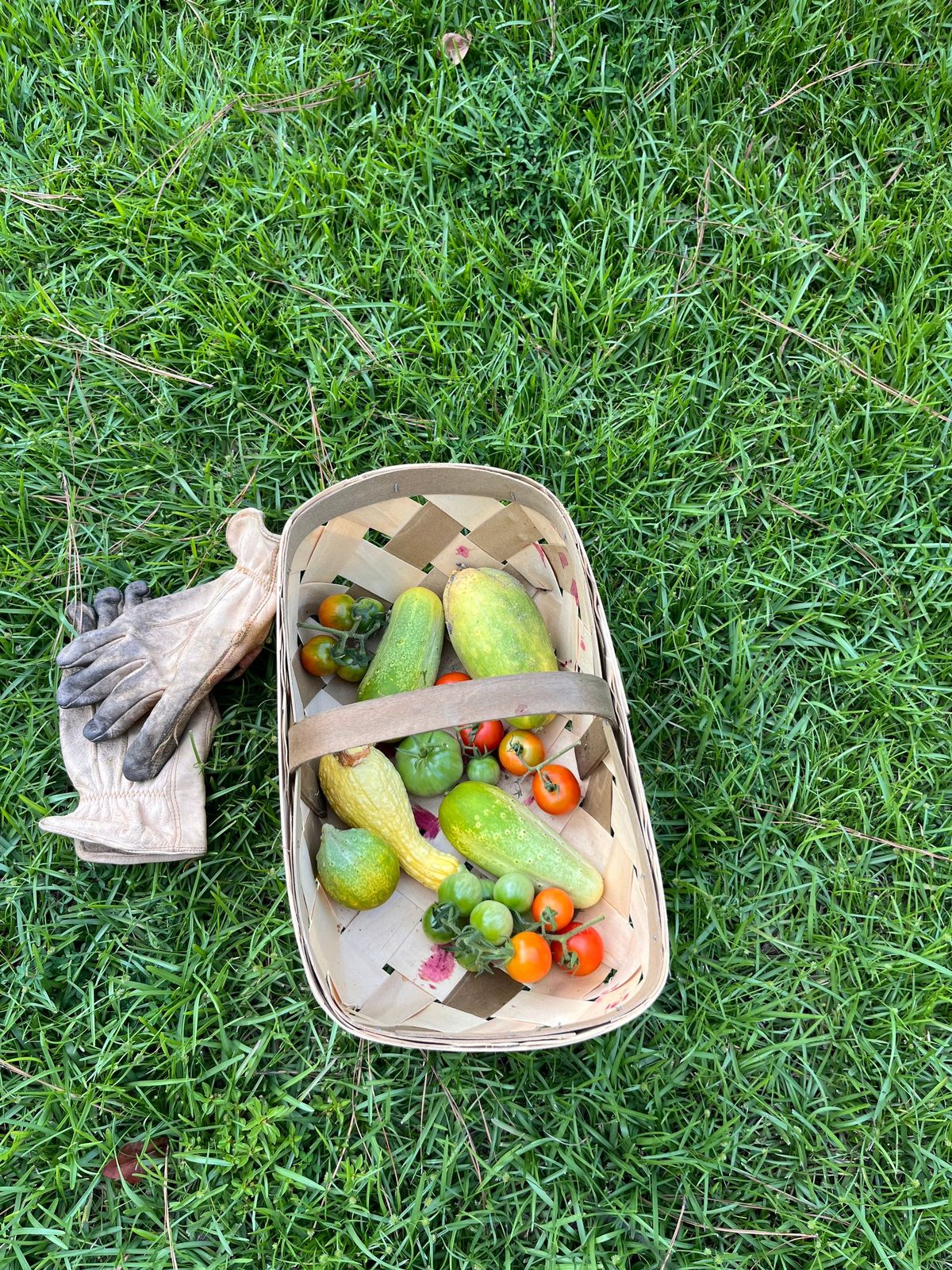
Photo credits: Kampus Production (Pexels); Kayla Williams (Pexels). Photos are served from this site; follow the credit to the library page for the original.