Home / Lawn and Landscape Basics
Lawn and Landscape Basics
The ground everything else sits on: starting and repairing a lawn, mowing and watering basics, simple beds and borders, and shrubs and small trees chosen and planted the straightforward way.
- Basic Lawn Care for Beginners: The Whole Lawn Year in Five Jobs
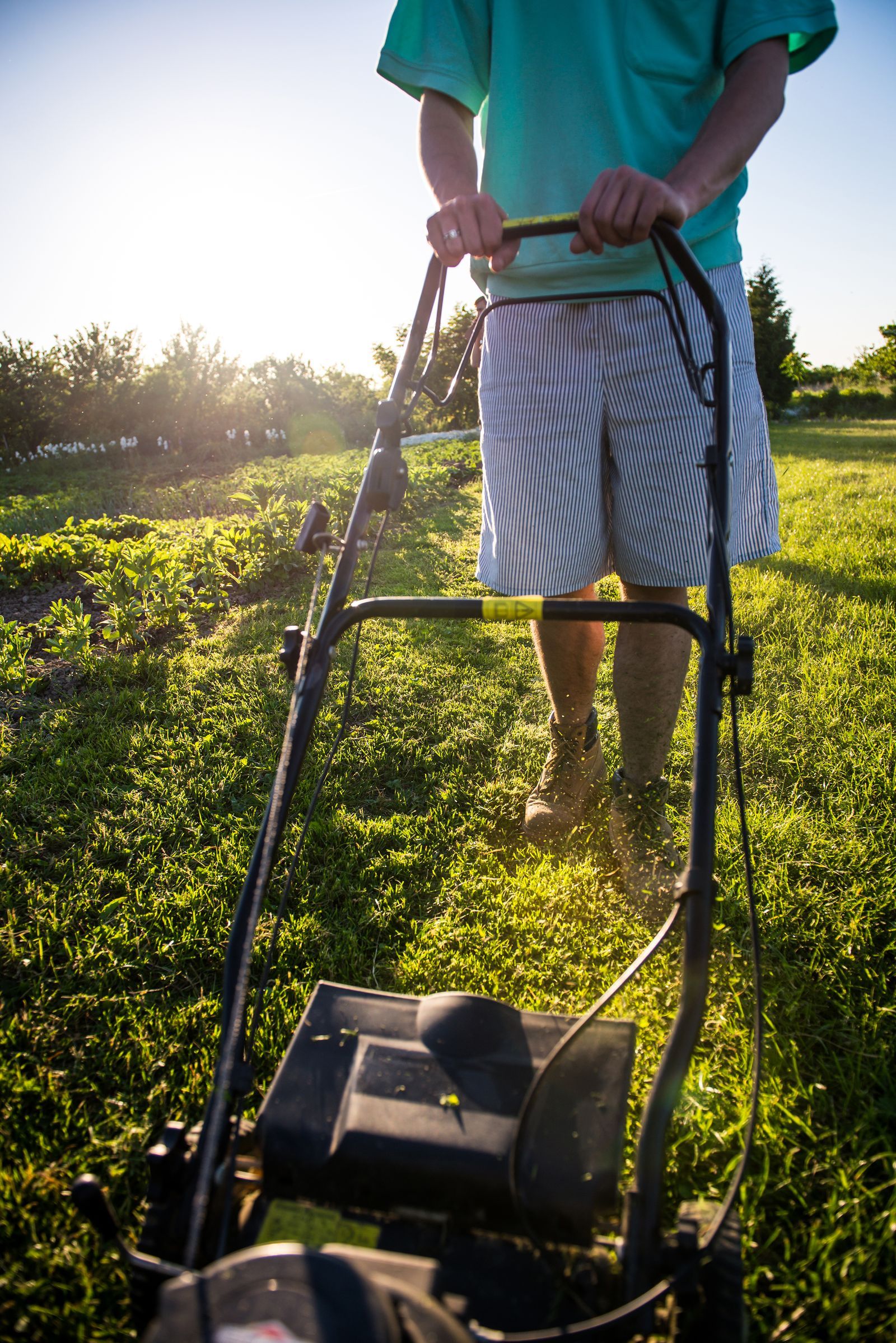
Basic lawn care is five jobs done at the right season: mow high and never take more than a third, water deeply about 1 inch a week, feed only after a soil test, seed in your grass family's prime season, and handle leaves as a resource. Identify your grass first, because every date depends on it.
- Best Grass Seed Brands: The Company Layer, Judged on the Bag, Not the Ranking
Brand rankings of grass seed rest on reviews and consensus, not trials, and they rot with every season's pricing. This page owns the layer underneath: what actually differs between seed companies, the breeding and named cultivars, the cleanliness of the seed analysis panel, the weight of coating in the bag, and the design of the product line, how to verify any brand's claims on the bag in five minutes in the aisle, and when the store brand or contractor mix is the honest buy.
- Best Grass Seed for Sandy Soil: Species That Root Deep and a System That Feeds Them
Grass on sand is a system problem wearing a species question: tall fescue and the fine fescues for cool season sand, bermuda, zoysia, bahia, and centipedegrass for warm season sand, with the centipedegrass conflict flagged openly. Plus the organic matter program that is the real fix, watering and feeding in smaller and more frequent doses, and the soil test first rule.
- Best Grass Seed for Shade: Fine Fescues, Honest Light Minimums, and When to Stop
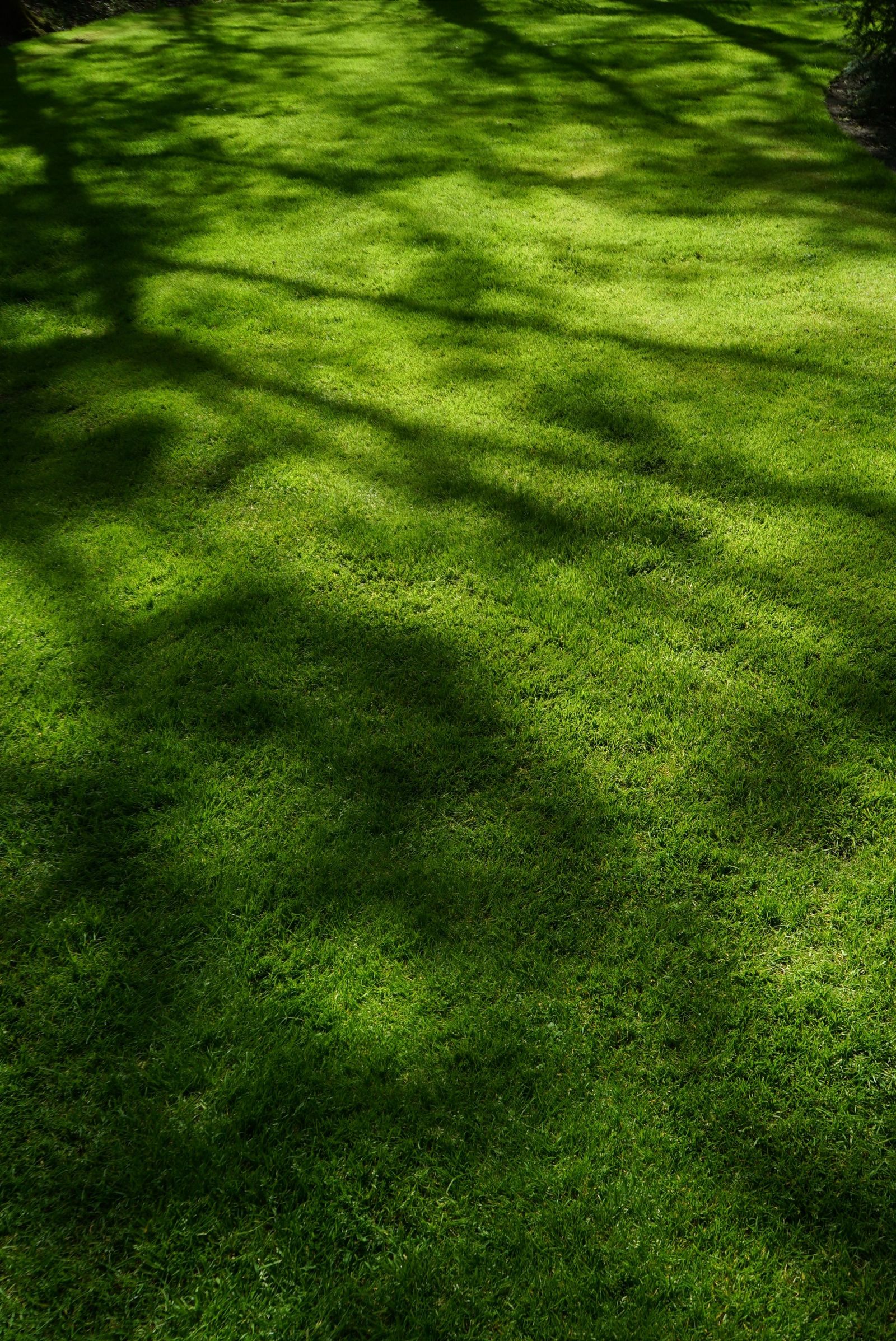
Grass seed for shade as a decision with a floor under it: the fine fescues (creeping red, chewings, hard) are the shade grasses, the University of Minnesota blend runs about 40 percent chewings, 40 percent strong creeping red, 20 percent hard fescue, at Penn State's 4 to 5 pounds per 1,000 square feet, and below roughly 3 to 4 hours of direct sun no turf holds at all. Plus the mow high, fertilize less system and the tree competition nobody mentions.
- Best Grass Seed: The Aisle Decision, Family First and Then the Label
The best grass seed is not a brand; it is a decision made in order: grass family by climate (cool season Kentucky bluegrass, tall fescue, perennial ryegrass, fine fescues; warm season Bermuda, zoysia, bahia, centipede, St. Augustine), species by your sun, wear, and water, and then the bag's label, cultivars, germination percentage, and weed seed content, read like a contract.
- Front Yard Landscaping Ideas: Buildable Layouts With Real Dimensions
Front yard ideas converted from photo galleries into buildable layouts: the entrance walk at least 4.5 feet wide per Clemson HGIC, foundation bed depths, the layered structure of tree, shrub, perennial, and groundcover, evergreen bones for winter, an entry sequence that leads the eye to the door, lighting, and three staged plans at three budgets with a build order.
- Garden Bed Edging: Choose the Material by What You Value
Garden bed edging is a material decision: the cut trench edge costs nothing and needs re-cutting 2 to 3 times a year, steel holds the crispest line with the least upkeep, brick set flush doubles as a mowing strip, and plastic is fast but heaves. The base preparation under any of them decides how long the edge lasts.
- Garden Border Ideas: Plants and Edging as One Plan, With Depths and Named Layers
Garden borders designed as buildable plans instead of two half answers: the three tier height system with named plants per tier, tall at 4 to 8 feet, medium at 2 to 4, low under 18 inches, the depth minimums that make layering physically possible, repetition in drifts that separates a border from a collection, and the edging decision, stone, brick, metal, wood, or living, tied to the plan and the mower.
- How Often to Mow Your Lawn
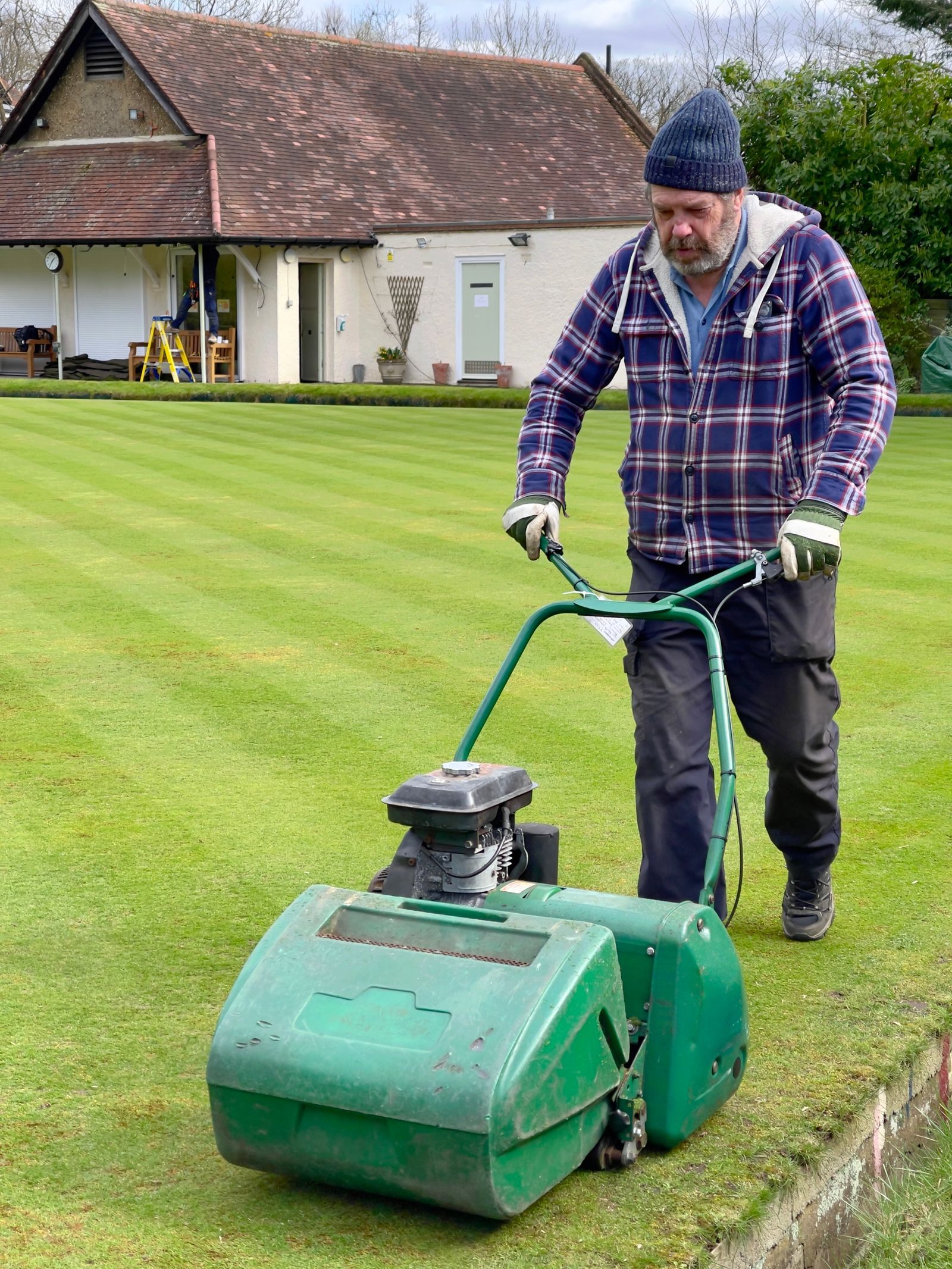
Mow by growth, not by weekday. The one third rule sets your timing: never remove more than a third of the blade at once, which means mowing when the grass is about half again your target height. Includes season rhythms for cool and warm season lawns and the rescue plan for a lawn that got away.
- How Often to Water a Japanese Maple: The First Year Schedule and the Established Rhythm
Japanese maple watering by tree age, for a shallow rooted tree: the first year runs a gallon schedule, daily in week 1 at 5 to 10 gallons in the detailed guide in the results, then every 2 to 3 days, then weekly at 10 to 15 gallons a week. Established trees run about 1 inch a week, checked 2 to 3 inches deep. Pots need water 3 to 4 times a week in summer, mulch stretches every interval, and leaf scorch gets a diagnosis that separates water from weather.
- How Often to Water a Lawn After Overseeding: The Canopy Phase Ladder
Overseeding sows new seed into a living lawn, and the canopy changes the watering problem completely. NC State Extension's guidance for the overseeded lawn: keep the top inch and a half of soil moist with light watering 2 to 3 times a day, about a quarter inch per application, for the 7 to 21 days germination takes. Then taper by seedling stage, not by the calendar, and after about the third mowing return to deep weekly soaking that wets the soil 6 to 8 inches. Mowing resumes when the new grass stands 3 to 4 inches.
- How Often to Water Fresh Sod: The Install Day Protocol, the Three Week Taper, and the Corner Lift Check
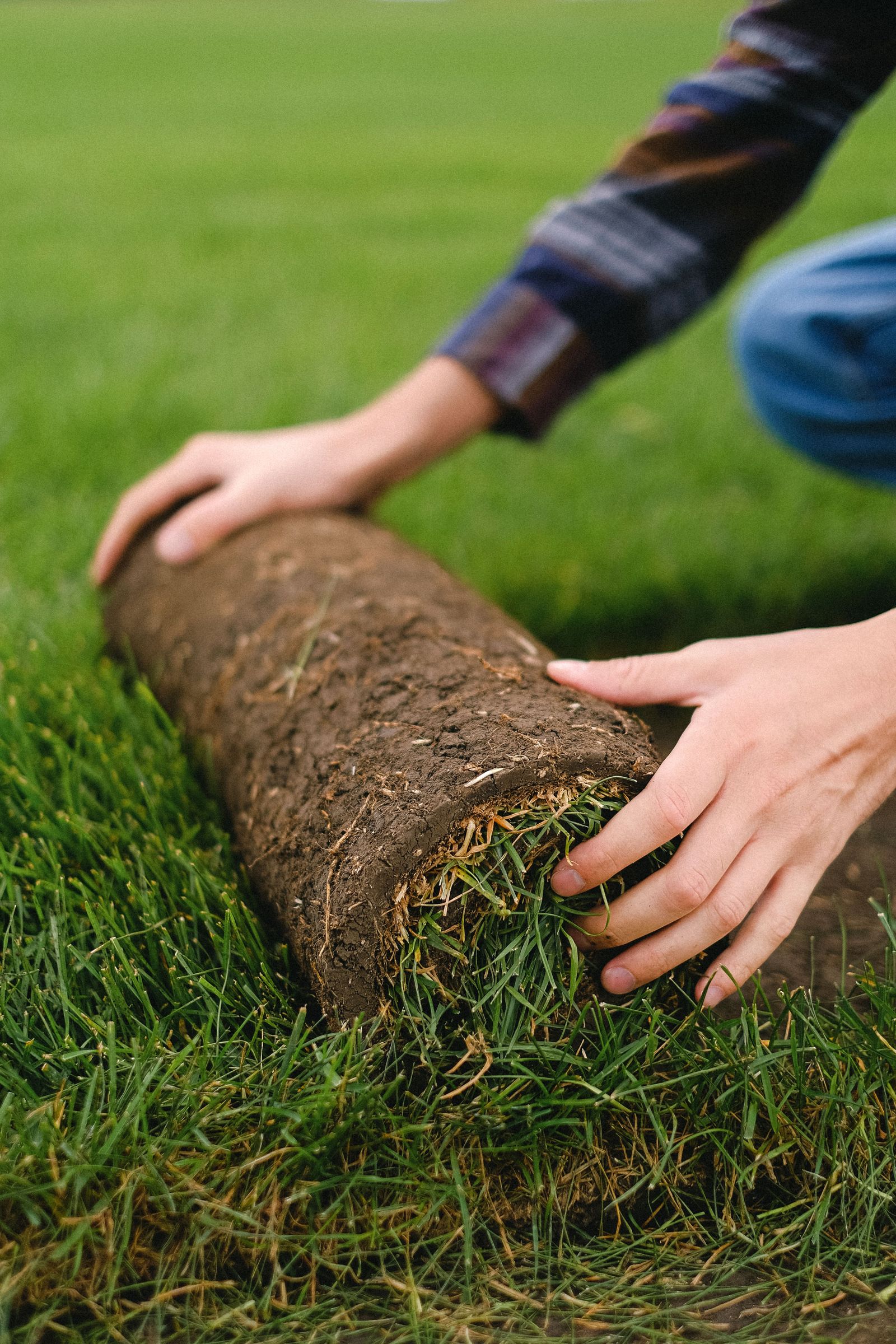
Fresh sod watering is a taper, not a schedule. Install day: water as the rolls go down and soak the finished lawn within the first half hour. Week one: keep the sod and the soil beneath continuously moist with short daily sessions, two or three in heat. Week two: every other day, deeper. Week three: stretch toward the normal lawn rhythm as roots take hold, which Louisiana State University guidance puts at about three weeks. The corner lift check tells you when the taper can move.
- How Often to Water Grass in Summer: The Inch Budget, the Morning Sessions, and the Planned Dormancy Option
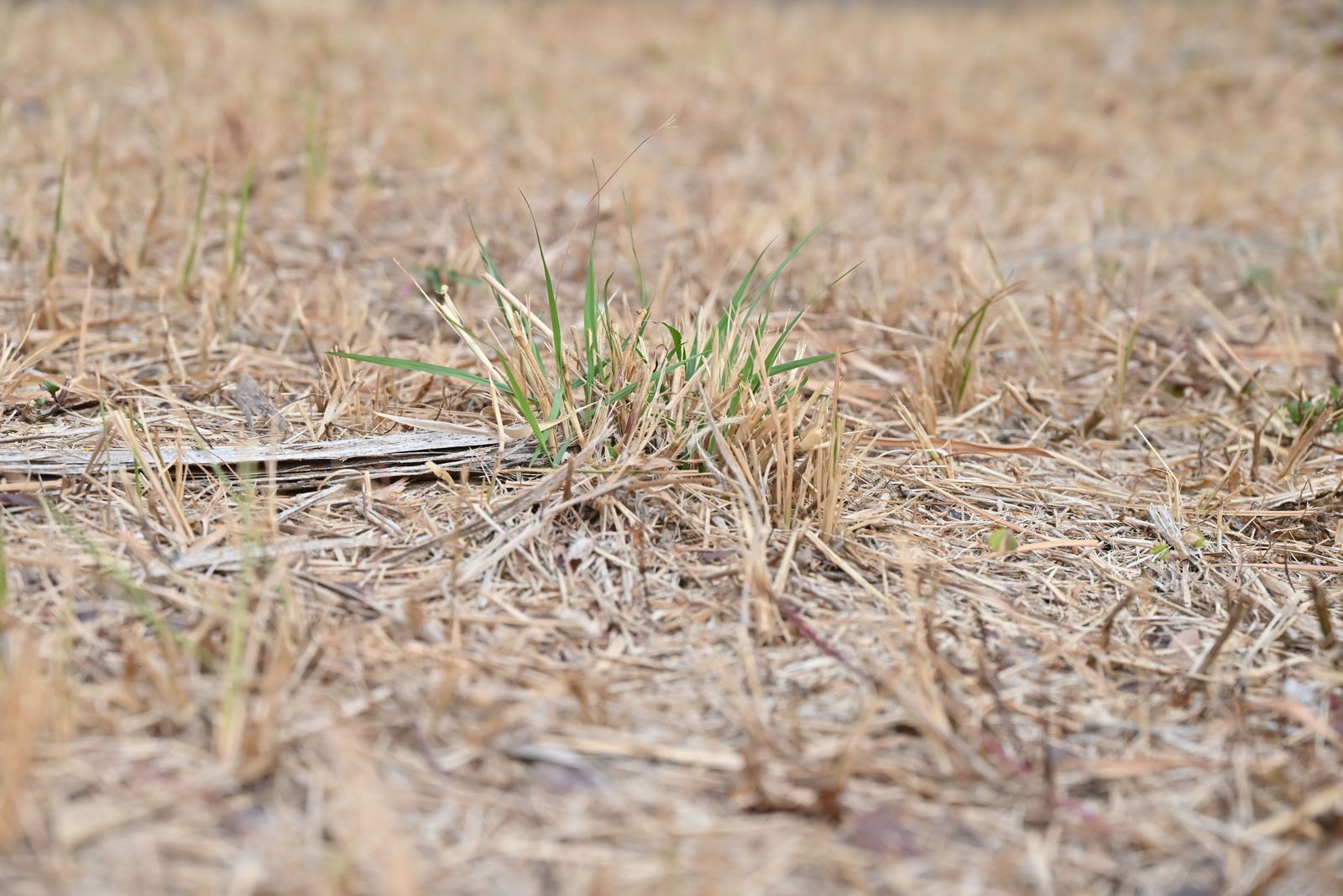
Summer grass watering is a budget: 1 to 1.5 inches of water a week for an actively growing lawn, delivered in two or three deep morning sessions rather than daily sprinkles. Rain counts against the budget, measured in a can or gauge, not guessed. The alternative is planned dormancy, a survival ration of half an inch every 2 to 3 weeks that keeps crowns alive while the lawn browns on purpose. Daily light watering builds the shallow rooted lawn that fails in every heat wave.
- How Often to Water Grass Seed: The Week by Week Taper
Water new grass seed 2 to 4 times a day for 5 to 10 minutes, keeping the top 1 to 1.5 inches of soil moist, about an eighth to a quarter inch of water a day. After sprouting, taper week by week to the normal lawn schedule of 1 to 1.5 inches a week by about week 5 or 6.
- How Often to Water Kentucky Bluegrass: The Inch and a Half Budget, the Dormancy Fork, and Morning Sessions
Kentucky bluegrass is watered by the weekly inch, not the daily sprinkle: 1 to 1.5 inches of water a week in active growth, delivered in 2 to 3 deep early morning sessions. Its roots run shallower than tall fescue, so it asks a little more often. The dormancy fork is the decision partial watering gets wrong: either water fully and keep it green, or commit to dormancy and give about half an inch every 2 to 4 weeks to keep the crowns alive. Half measures are the worst strategy on the page.
- How Often to Water Lawn: Deep Soakings, Calibrated by Cans
A lawn wants 1 to 1.5 inches of water a week in two or three deep soakings, not a daily sprinkle. The tuna can test that calibrates your sprinkler in minutes, why morning wins, and the one exception: a newly seeded lawn plays by opposite rules.
- How Often to Water New Grass Seed: The Germination Weeks and the Phase Ladder Down
New grass seed on bare ground lives or dies in its first weeks, and NC State Extension's TurfFiles program gives the regime: during germination, water 2 to 4 times a day in small applications of 0.1 to 0.15 inch, just enough to wet the top half inch of soil where the seed lies. Then the ladder descends: daily deeper drinks as the seedlings root, then every other day, then the established lawn's inch to inch and a half a week. The seed that dries once during germination does not resume; it dies, which is why this phase runs on frequency rather than depth.
- How to Care for a Lawn After Aeration and Seeding: The Six Weeks After
After aeration and seeding, leave the soil plugs to break down, keep the seedbed evenly moist with light daily watering through the 14 to 21 day germination window, stay off the lawn for at least 2 weeks, and take the first mow at 3.5 to 4 inches with a sharp blade. Weed control waits until the new grass has been mowed a couple of times.
- How to Care for Zebra Grass: the Full Routine, and the Invasiveness Question Answered Honestly
Zebra grass care with both halves told: the routine, full sun for the golden bands, spacing 3 to 5 feet, water through the first season then only in long dry spells, the late winter cutback, and division every few years, and the responsibility, the open conflict over Miscanthus sinensis invasiveness, with The Spruce and state lists warning it spreads and 'Zebrinus' not reliably sterile, against sources calling it safe, and the containment system that resolves it in practice.
- How to Care for Zoysia Grass: Its Own Calendar, Not the Generic One
Zoysia fails under generic lawn advice in two specific places: feeding on a cool season calendar, and thatch building silently under the dense mat. Its own calendar runs lean: mow at 1 to 2.5 inches, about 1 inch of water a week, nitrogen at the lean end around 1 to 2 pounds per 1,000 square feet a year per NC State TurfFiles guidance, fed only in active growth, and dethatching in late spring when the thatch passes about 1/2 inch.
- How to Fix Bare Spots in Lawn
Fix bare spots in your lawn for good: diagnose the cause first, from dog urine to shade to grubs, time the repair for early fall or spring, patch step by step, and keep the seed moist until it blends in.
- How to Get Rid of Weeds in Lawn Naturally: The Density System
Natural lawn weed control as a turf density system rather than a spray substitute: mowing at 3 to 4 inches, the one third rule, feeding, deep infrequent watering, overseeding gaps, and compost topdressing, with hand removal after rain for what establishes. Corn gluten meal with its overseeding conflict and slow build stated, iron and vinegar as spot only tools, and boiling water confined to paving.
- How to Get Rid of Weeds in Lawn: Match the Method to the Root
Lawn weeds are not one problem, they are three root systems wearing green. Identify the weed by how it grows, taproot, creeping, or grassy, then use the matched method: fork, rake and mow, or pre-emergent timing, and overseed every gap so the lawn itself finishes the job.
- How to Grow Grass: From Bare Ground to a Lawn That Holds
Growing a lawn is an arc, not a sowing: time it by grass family, test the soil (most grasses want pH 6.0 to 7.0), sow in two passes and cover no more than about 1/4 inch, keep the seedbed moist until germination at 5 to 21 days by species, and then run the establishment season most guides skip, the watering taper, the traffic ban, and the second season overseed that finishes the job.
- How to Grow Zoysia Grass: Establishment by Seed, Plugs, or Sod
Zoysia establishment as a route decision with the extension disagreement flagged: Clemson Cooperative Extension documents seeded Zoysia japonica, Zenith and Compadre, sown late spring to early summer at 1 to 2 pounds per 1,000 square feet, while the University of Maryland Extension does not recommend seed at all. Plug spacing and counts from the Missouri table, 4,000 plugs per 1,000 square feet at 6 inch centers down to 1,000 at 12, soil temperature above 65 degrees, and the two season patience plan with its weed discipline.
- How to Level a Lawn With Sand: The Soil Verdict Gate, the Quarter Inch Pass, and the Blade Tip Rule
Sand leveling works on a gate the viral videos skip: it belongs on sandy soil. Clemson HGIC guidance cautions against topdressing clay or loam lawns with straight sand, which layers into a concrete like interface; loam takes a sand and topsoil mix, clay takes topsoil or compost instead. On the right soil, the pass is 1/4 to 1/2 inch of washed medium coarse sand, brushed in until the blade tips show, repeated no sooner than 2 to 3 weeks apart. Deep hollows are a multi pass season, not one heavy pour.
- How to Level a Lawn With Topsoil: The Quarter Inch Rule, the Smother Line, and the Flap Method
Leveling a lawn with topsoil is governed by one thickness rule: a quarter to a half inch per pass, spread over the grass and worked down so the blade tips show through. Go past about an inch and the grass underneath smothers, with fescue showing damage in roughly two weeks under a deep layer. A cubic yard of topsoil covers about 100 square feet at a half inch. For dips deeper than an inch, topsoil alone is the wrong tool: lift the turf flap, fill beneath it, and relay. The material is the message, screened loam, or a 50/50 topsoil and compost mix where the dip is deep.
- How to Level a Lawn: Topdress the Shallow, Lift the Deep
Lawn leveling has two methods and choosing wrong wastes a weekend. Dips under an inch get topdressed in thin layers, a quarter to a half inch at a time; deeper hollows get the turf lifted, filled, and relaid. Includes the mix, the timing, and why the roller is not the tool.
- How to Overseed a Lawn
Overseeding is seed plus contact plus moisture, in that order: check the thatch, mow and rake, spread seed in two half rate passes, rake it into the top quarter inch, roll, and keep it moist until germination. Includes the pre-emergent warning that silently ruins spring seeding.
- How to Overseed a Lawn in Fall: The Window, Counted Back from First Frost
Fall overseeding runs on a countdown: seed in the ground at least 45 days, about 6 weeks, before first frost, into soil at 50 to 65 degrees F, at about half the new lawn rate, in two passes, pressed into contact with the soil. This page runs the whole fall calendar, the seeding weekend in order, the germination watch by species (ryegrass 5 to 10 days, fescues 7 to 14, bluegrass 14 to 21), leaf management over seedlings, the last mowings, and the honest rescue for a missed window: dormant seeding, with its crabgrass trade off stated.
- How to Overseed a Lawn in Spring: Winning the Season Everyone Warns You About
Spring overseeding with its two traps handled first: crabgrass pre emergent blocks grass seed, so the preventer and the seed cannot share a lawn, and fast germinating perennial ryegrass is the blend lever that beats the summer deadline. Soil at 50 to 65 degrees, rates of 2 to 4 pounds per 1,000 square feet for thickening and 4 to 8 for bare patches, topdressing a quarter to half inch, and light watering twice a day for 2 to 4 weeks.
- How to Overseed a Lawn with Clover: The Rate, the Short Mow, and the Two Week Moisture Window
Overseeding clover into an existing lawn is a rate and contact system. Dutch white clover is the standard seed, microclover the premium smaller leaved option. The overseed rate runs about 1 to 2 ounces per 1,000 square feet, with the results sprawling to 2 to 4 ounces and pure stands at 4 to 8. Mow the lawn down to 1.5 to 2 inches and bag, rake or dethatch for seed to soil contact, core aerate if you can, broadcast with sand as a carrier, press, and keep the top inch moist for 2 to 3 weeks. Germination in 7 to 14 days.
- How to Plant a Shrub: Wide and Shallow, Native Backfill, and the Advice That Changed
Shrub planting by the modern extension method, with the change of advice named openly: the hole 2 to 3 times wider than the root ball and only as deep as the ball, the root flare set at grade, circling roots shaved, and backfill of plain native soil, against the older dig deep and amend guidance still circulating. The watering in sequence, the mulch donut, fall and spring timing, and the first season schedule that decides whether the shrub lives.
- How to Plant Grass Seed in Fall: The Frost Countdown and the Two Tracks
Fall grass seeding split into its two real jobs: bare ground sowing, with soil prep, cover, and rolling, and thin ground repair, kept distinct from overseeding an existing lawn. The frost countdown method, find the first hard frost date and sow 45 to 60 days before it, soil temperature in the 50 to 65 degree band, seeding rates by species, crosswise passes raked in no deeper than 1/4 inch, and the watering taper into winter.
- How to Plant Grass Seed: Bare Ground, Done in Order
Planting grass seed on bare ground is mostly preparation: clear, loosen the top 2 to 3 inches, level, sow in two passes at right angles, firm the seed into the soil, and keep the top inch moist. Time it for early fall with cool season grasses and late spring with warm season ones.
- How to Plant Kentucky Bluegrass Seed: The Patience Plan
Kentucky bluegrass seeding on the species' own terms: soil at 50 to 65 degrees, best from late August to mid September, seed at 2 to 3 pounds of pure bluegrass per 1,000 square feet with the published rate sprawl explained by blends, covered no deeper than a quarter inch, and a 14 to 30 day germination plan with the weed discipline that carries a slow lawn through its ugly month. Soil pH 6.0 to 7.0 per Kansas State.
- How to Plant Milkweed: The 30 Day Chill, the Fall Sowing Shortcut, and Species Matched to Site
Milkweed seed carries a dormancy that must be broken before it will grow: 30 days of cold moist stratification in the refrigerator, six weeks for common milkweed per Illinois guidance, or a fall sowing from September to freeze that lets winter do the work. Sow a quarter inch deep. Stratified seed germinates in 7 to 20 days at 64 to 75 degrees F. Space 12 to 24 inches by species, match the species to the site's moisture, and plan on leaves the first year and flowers and monarchs the second.
- How to Plant Zoysia Grass Seed: The Clemson Rate and the Moisture Discipline
Zoysia seed with its costs stated: only Zoysia japonica comes as seed, in Zenith and Compadre. Clemson HGIC's rate of 1 to 2 pounds per 1,000 square feet is the working standard, with the rate and germination sprawl flagged, Stover at about 3.3 pounds and 21 to 28 days against retail's 14 to 21. Soil temperature 65 to 70 degrees, cover at most 1/4 inch for light, no pre emergent within about 90 days, and the Clemson against Maryland conflict on the seed route itself carried from batch 10.
- How to Start a Lawn From Scratch: The Seed or Sod System, End to End
Starting a lawn on bare ground as one system: the seed versus sod decision made with real cost bands and the slope test, the soil test toward pH 6.0 to 7.0, grading to a 1 to 2 percent drainage slope, the 4 to 6 inch topsoil standard, the settle week most guides skip, starter fertilizer and crosswise sowing, and the establishment watering taper to the first mow at 3 inches.
- Landscaping for Beginners
Landscaping for beginners means one bed, done properly: read your yard for sun, water, and zone, prepare the soil first, plant in three layers, and finish with mulch. Includes the call before you dig rule and why one finished bed beats five started ones.
- Low Maintenance Landscaping Ideas: The Hours Audit and the Conversion Order
Low maintenance landscaping run as an audit instead of a photo list: price your yard in hours by task first, then convert in the order the hours dictate, lawn strip removal, mass planting, hydrozoning, evergreen structure, and mulch at 2 to 4 inches. The front yard worked as the first zone, and one guide's claim of 2 to 3 hours a week down to 15 to 30 minutes reported as a claim, not adopted as a promise.
- When to Fertilize a Lawn: Two Calendars, by Grass Family
Cool season lawns take their main feeding in early fall at about 1 pound of nitrogen per 1,000 square feet, plus a late fall winterizer, and nothing in midsummer. Warm season lawns are fed from full green up through late summer, stopping 6 to 8 weeks before first frost. A soil test comes before any program.
- When to Plant Grass Seed: The Soil Thermometer Decides, for Both Families
The calendar answers to when to plant grass seed are regional rumors; the soil thermometer is the fact. Cool season seed germinates best in soil at 50 to 65 degrees F, which makes late summer to early fall its first window and spring its second. Warm season seed wants soil at 65 to 75 degrees and rising, in late spring. Dormant seeding below about 40 degrees is the winter option. This page teaches the measurement, the four windows, and what each one costs and buys.