Overseeding is the gentle version of seeding a lawn, and its watering is a study in trade offs. The new seed lies not on bare, blazing soil but down in a living canopy that shades it, shelters it from wind, and holds the morning's humidity around it. In exchange, the water you apply must serve two lawns at once: the seedlings in their first weeks, wanting the surface moist, and the established grass underneath, which shallow daily watering slowly ruins if the regime runs too long. NC State Extension's guidance threads that needle, and this page follows it: a canopy phase measured in days, a taper keyed to the seedlings' stage rather than the calendar, and a deliberate return to deep watering once the new grass can take it. The fall overseeding guide on this site owns the season's whole operation; this page owns the water from the day the seed goes down.
Home / Lawn and Landscape Basics
How Often to Water a Lawn After Overseeding: The Canopy Phase Ladder
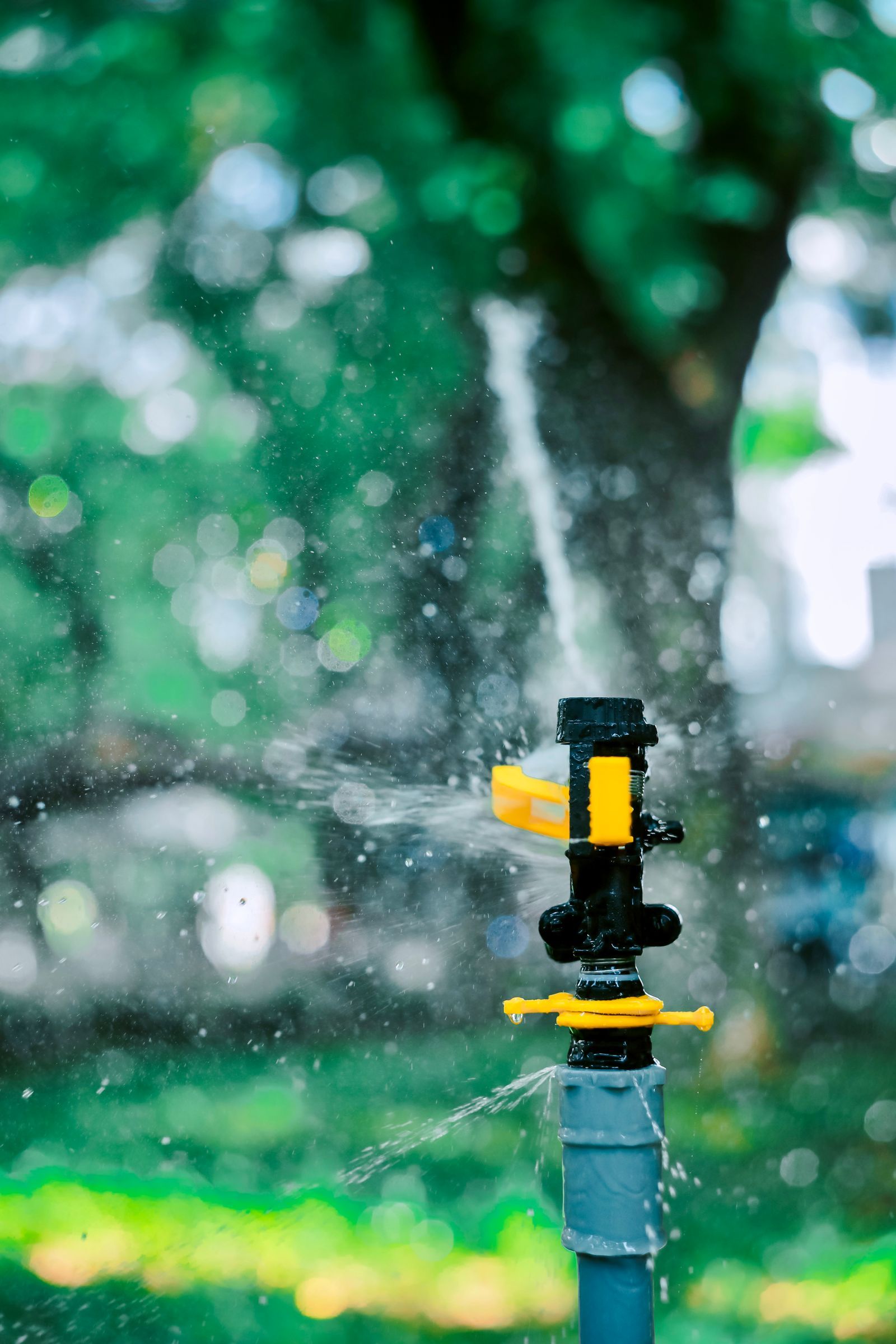
Photo: Nguyễn Tiến Thịnh / Pexels
Watering Volume Calculator: The Overseeded Lawn Audit
An overseeded lawn is watered light and often, about a quarter inch at a time, until the new stand can take the deep weekly drink. Enter your lawn length and width below and a depth of 1 inch to size that end state, then run the light sessions at a quarter of it.
19.9 gallons
For 32 square feet at 1 inch deep. That is about 76 liters, or 10 trips with a standard 2 gallon watering can.
A rain gauge or a straight sided can set in the bed tells you when a sprinkler or soaker hose has actually delivered this depth. Time alone is a guess, because hose pressure varies from house to house.
The conversion is arithmetic, not opinion: one inch over one square foot is 144 cubic inches of water, and a US gallon holds 231 cubic inches, so each square foot at one inch takes 0.62 gallons.
The Canopy Phase: Moist to an Inch and a Half
From sowing until the new grass is established in the stand, keep the top 1.5 inches of soil moist. The instrument is light watering 2 to 3 times a day, about 0.25 inch per application, enough to recharge the surface and the seed's layer without soaking the profile. The depth figure is the canopy phase's signature: deeper than the bare ground regime's half inch, because the seed sits down in thatch and canopy shade and the moisture must reach it through the existing grass, and shallower than a normal lawn watering, because the seedlings' roots are still in that zone. Germination runs 7 to 21 days depending on species, ryegrass at the fast end and bluegrass at the slow, and the phase lasts through it and a little beyond, until the new blades are visibly part of the lawn. The calculator above turns the quarter inch applications over your lawn's area into gallons and sprinkler minutes. The check is a finger pushed through the canopy to the soil: moist at an inch down means hold, dry means the next session moves up.
The Taper: By Stage, Not by Calendar
The taper out of the canopy phase is where overseeding watering is won or lost, and the guidance is to read the seedlings rather than the date. When the new grass stands an inch or two and its roots have anchored, drop to once daily with a slightly deeper drink. When it has been mowed once and is tillering, thickening sideways, move to every other day and deeper still. The destination, after about the third mowing, is the established regime returned in full: deep weekly soaking that wets the soil 6 to 8 inches deep, the 1 to 1.5 inches a week of the site's lawn pages. The failure the taper prevents is the permanent shallow regime: an overseeded lawn kept on light daily water for months grows a thatch of shallow roots in both the old grass and the new, and the first drought takes the whole stand's color in a week. The opposite failure, dropping to weekly soaking while the seedlings are still in their first inch, loses the new grass the overseeding bought. Stage is the instrument: height, anchoring, and mowing count, in that order.
Mowing Through the Phase
Mowing does not pause for overseeding; it adapts. Keep mowing the existing lawn at its normal height through the canopy phase so the canopy does not shade the seedlings out, with a sharp blade and, where the mower allows, a bag or a light touch on the newest areas, since a heavy mower on soft, frequently watered soil compacts the very seedbed the seed is rooting in. The new grass's own first cut comes when it stands 3 to 4 inches tall, cut back to about 3, and from that first cut the new stand is on the lawn's regular mowing rhythm. The third mowing is the taper's landmark, the point where deep weekly soaking resumes, because by then the new roots have reached the depth the deep water serves. Keep traffic light through the whole phase for the same compaction reason, and keep fallen leaves off the young stand in fall, since a leaf mat over seedlings in the damp canopy phase smothers what the watering grew.
The Existing Lawn's Side of the Bargain
The established grass is the overseeding's silent partner, and the canopy phase taxes it in two ways worth managing. Frequent light watering is precisely the regime that encourages shallow rooting and disease in mature turf, which is why the phase is kept as short as the seedlings allow and why the taper is a duty, not a preference. Fungal pressure rises in a canopy kept damp for weeks, especially in warm falls; watering in the morning so the canopy dries through the day is the mitigation, and the evening session of the canopy phase is the one to drop first as the taper begins. The old lawn also competes: it drinks the applications meant for the seed, which is already priced into the quarter inch figure, and it grows, which is why the mowing continues. None of this argues against overseeding, which remains the highest value operation in lawn care. It argues for running its watering as a phase with an exit, which is this page's whole thesis.
Dry Corners: Trees, Edges, and Missed Strips
The canopy phase fails in predictable places, and each has a name. Under trees, the canopy that shades the seed also robs it: tree roots drink the applications meant for the seedlings, and the overseeded strip under a mature maple or oak needs the phase run a step wetter, an extra session in dry weather, to establish at all. Along edges and in sprinkler shadows, the geometry of the watering system itself leaves dry corners, and the seedlings there germinate late or not at all; a hose end pass over the known dry strips during the canopy phase is worth more than a third daily session over the whole lawn. Missed strips, where the spreader skipped or the seed ran thin, show as pale lanes by the third week and can be patch seeded while the taper is still young, the patch kept on the canopy rhythm after the rest of the lawn has stepped down. Read the young stand at week three as a map of the watering, because that is what it is, and correct the map's dry places while there is still season to grow into them.
Frequently Asked Questions
How often should I water after overseeding a lawn?
During germination and early establishment, 2 to 3 times a day with light applications of about 0.25 inch, keeping the top 1.5 inches of soil moist, per NC State Extension's guidance. Germination takes 7 to 21 days by species. Then taper by the seedlings' stage: once daily as they anchor, every other day after the first mowing, and back to deep weekly soaking, wetting 6 to 8 inches, after about the third mowing.
How long does the frequent watering phase last after overseeding?
Through germination plus early establishment, roughly 3 to 5 weeks for typical fall overseeding, but the exit is keyed to the stand, not the date: new grass an inch or two tall and anchored starts the taper, and the third mowing of the new grass ends it. Bluegrass blends run long, ryegrass runs short. Keeping the light daily regime running for months is the classic error; it shallow roots the whole lawn, old grass and new.
When can I mow after overseeding?
Keep mowing the existing lawn at its normal height throughout, so the canopy does not shade out the seedlings, using a sharp blade and a light touch on soft ground. The new grass gets its first cut when it stands 3 to 4 inches, taken down to about 3 inches, and joins the regular mowing rhythm from there. The new stand's third mowing is the landmark for returning to deep weekly watering.
How is overseeding watering different from watering new seed on bare ground?
The canopy. Bare ground seed lies exposed, and its regime, the subject of the site's new grass seed page, keeps the top half inch moist with 2 to 4 small applications a day. Overseeded seed lies sheltered in living grass, so the target depth is deeper, the top 1.5 inches, the applications larger at about a quarter inch, and the frequency a touch lower. The overseeding case adds a second duty bare ground never has: exiting the shallow regime before it damages the established lawn.
Can I water an overseeded lawn too much?
Yes, in the specific form of never stopping. Puddling and runoff waste seed and invite disease at any stage, but the characteristic overseeding failure is duration: a canopy kept damp by light daily watering for months grows shallow roots throughout the stand and raises fungal pressure in the old grass. Water in the morning, run the canopy phase at full discipline, and then taper on the seedlings' stage without nostalgia for the routine.
Photo credits: Nguyễn Tiến Thịnh (Pexels); Nguyễn Tiến Thịnh (Pexels). Photos are served from this site; follow the credit to the library page for the original.