Home / Garden Projects and Outdoor Living
Garden Projects and Outdoor Living
Small builds and finishing touches that make a garden a place to sit in: raised beds, paths, seating corners, trellises, and garden decor, including where to hang wind chimes so they sing without driving anyone indoors.
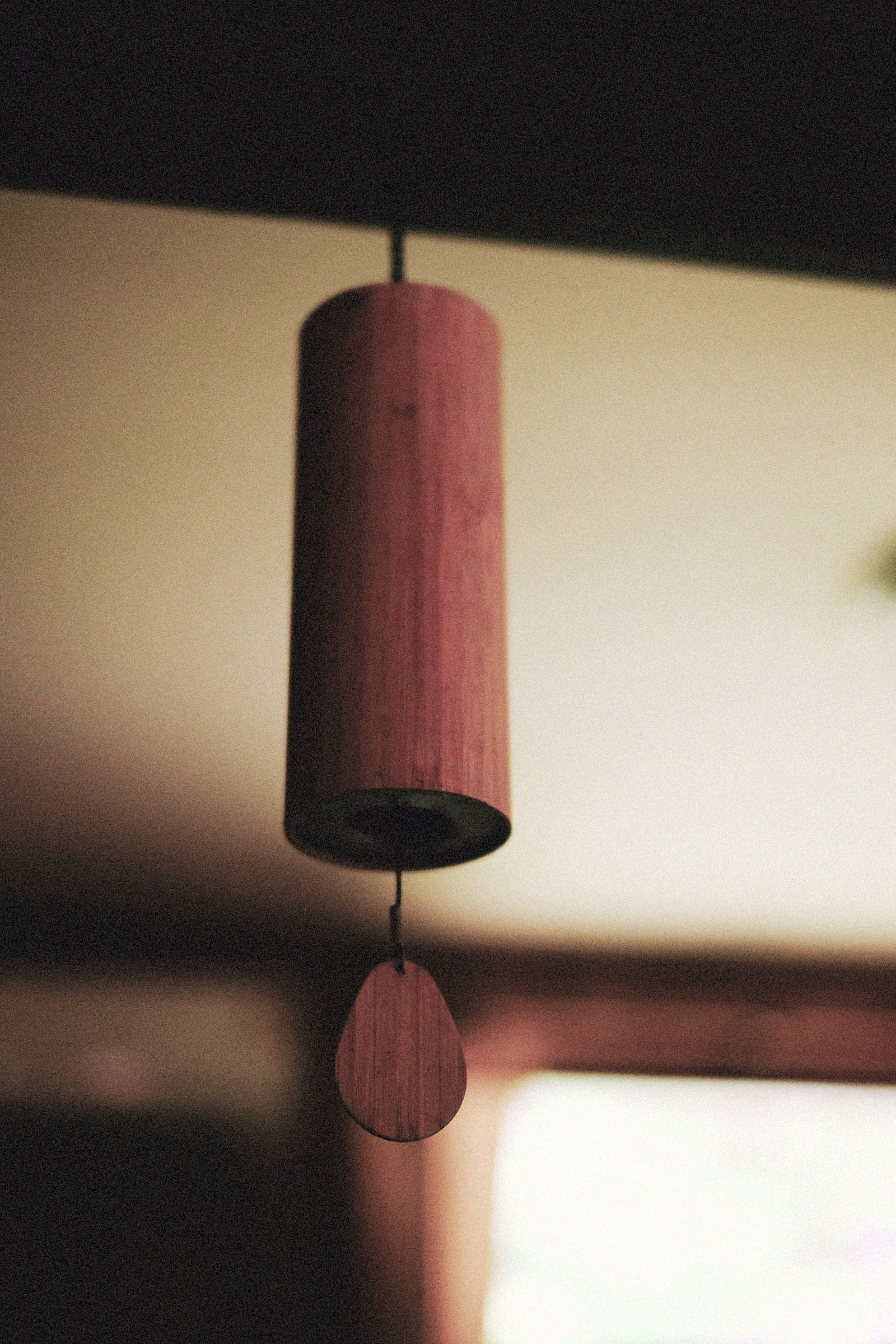
- Best Wind Chimes: Choose by Sound First, and the Choice Cannot Go Stale
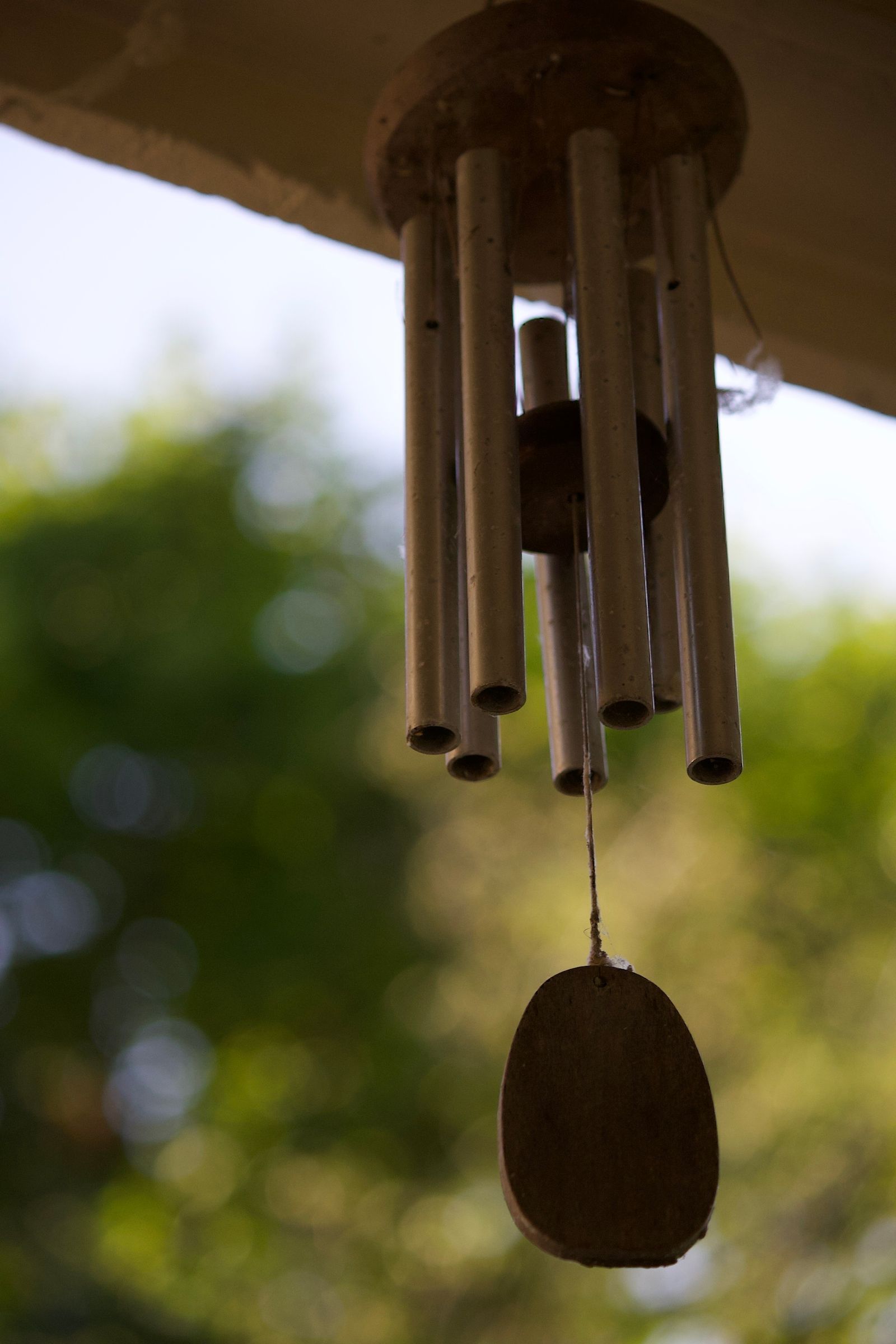
This page ranks no products, because prices rot and listings churn; it teaches the durable decision underneath every good chime purchase. Tube length and wall thickness set the pitch family, a pentatonic tuning is why random wind sounds musical instead of accidental, size must be matched to your space and your neighbors, and the cord, striker, and finish decide how many years the chime lives outdoors. Choose in that order and any well made chime you find is the best one.
- Compost Bin DIY: Three Builds, One Rule of Size
Three compost bins you can build yourself, a wire hoop in fifteen minutes, a pallet bin in an hour, a wooden slat bin in an afternoon, compared by yard, budget, and turning style. Plus the 3 foot rule, the first fill recipe, and the wrung out sponge test.
- DIY Raised Bed Ideas: The Material Families Priced in Soil and Years, the Reach Law, and the Depth Ladder
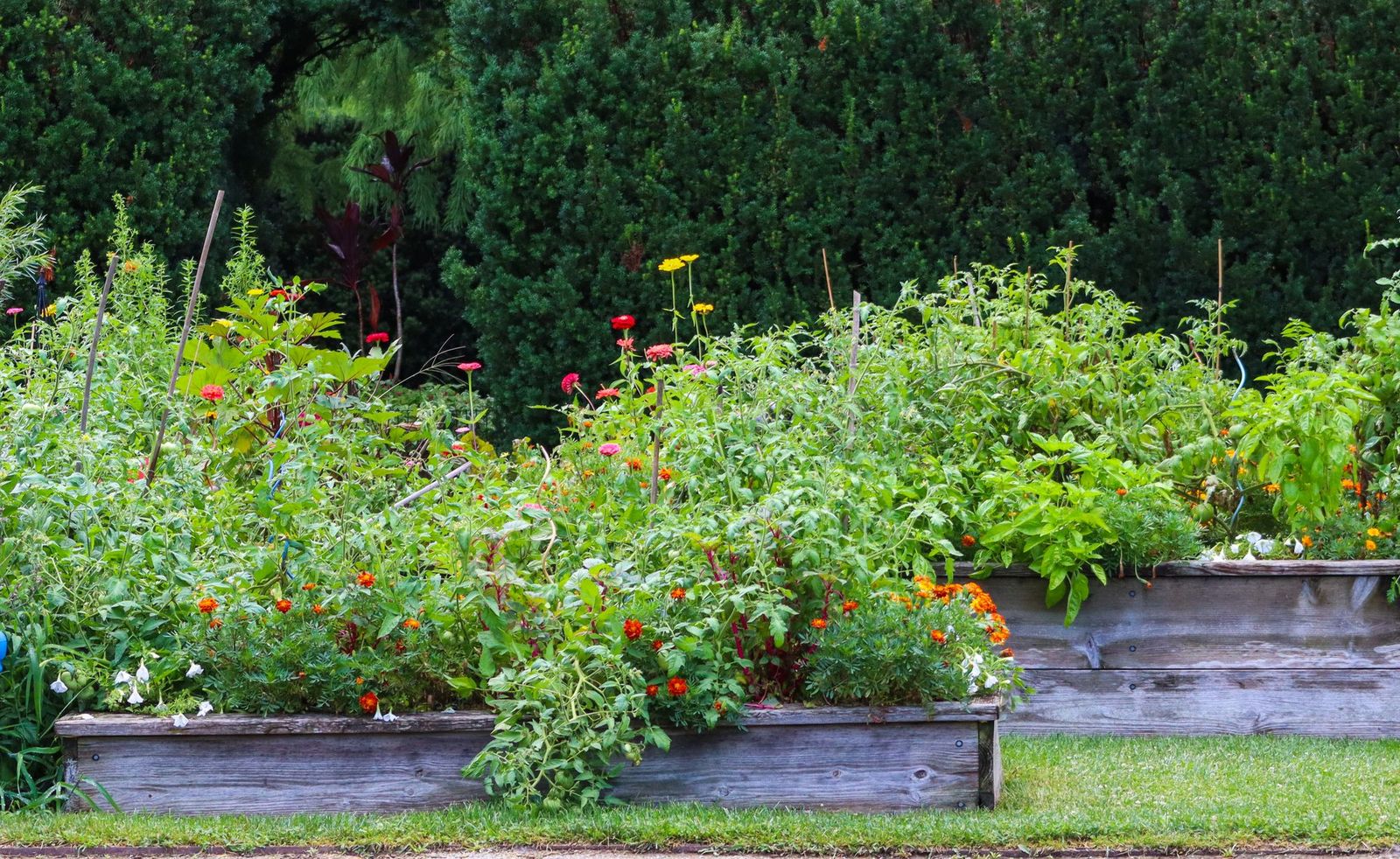
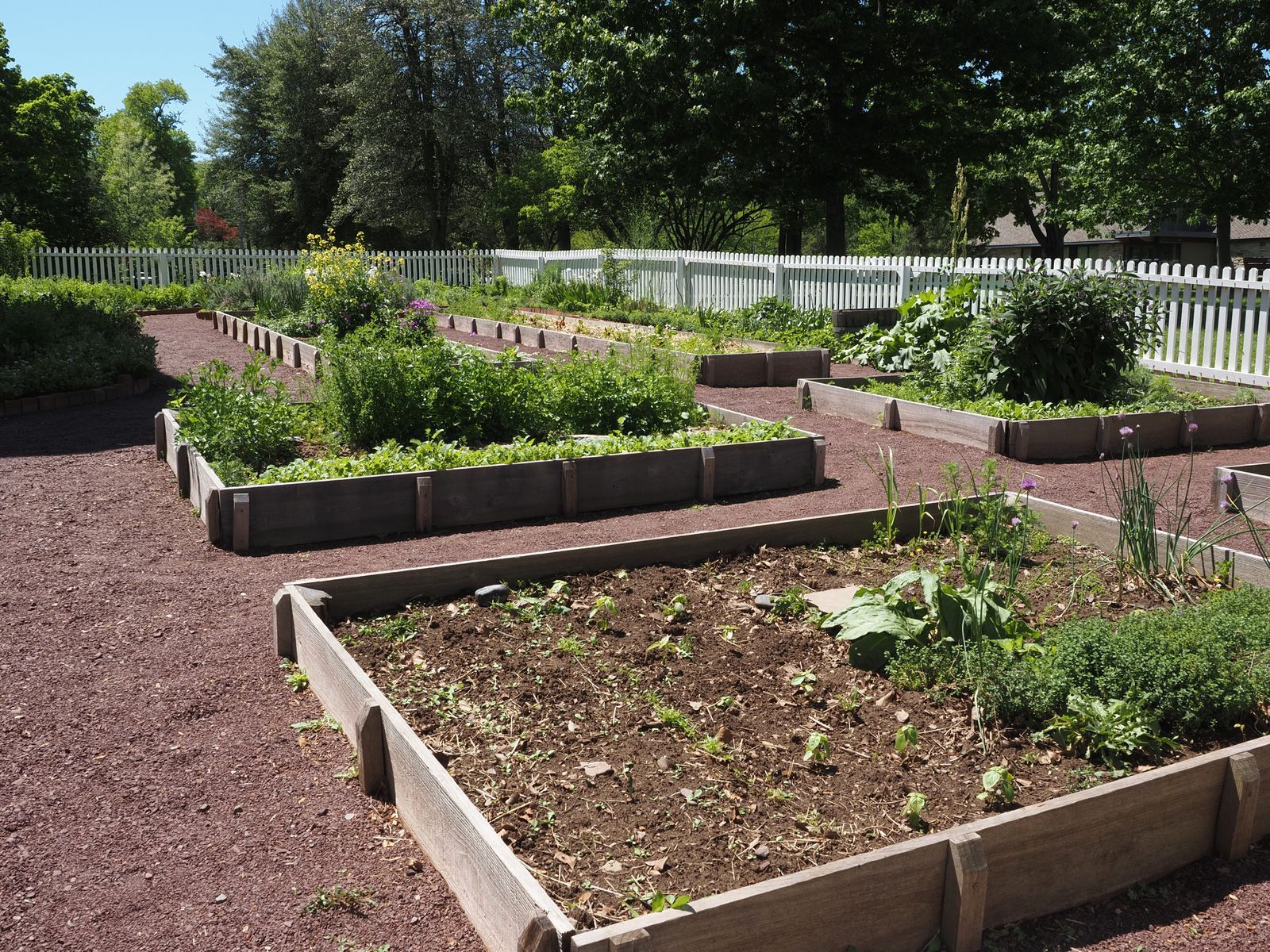
Raised bed ideas sort by two prices most lists hide: the soil volume the frame demands, and the years the material lasts. The reach law caps a bed at 4 feet wide with two sided access, 2 feet against a wall. Depth runs 6 to 12 inches for standard crops and 18 to 24 inches where the gardener's back is the constraint. Pallet wood lasts a few seasons, corrugated metal and stone decades. Old tires and mystery treated lumber are excluded from food beds.
- DIY Raised Bed Irrigation System: One Bed, One Afternoon, Drip Done Right
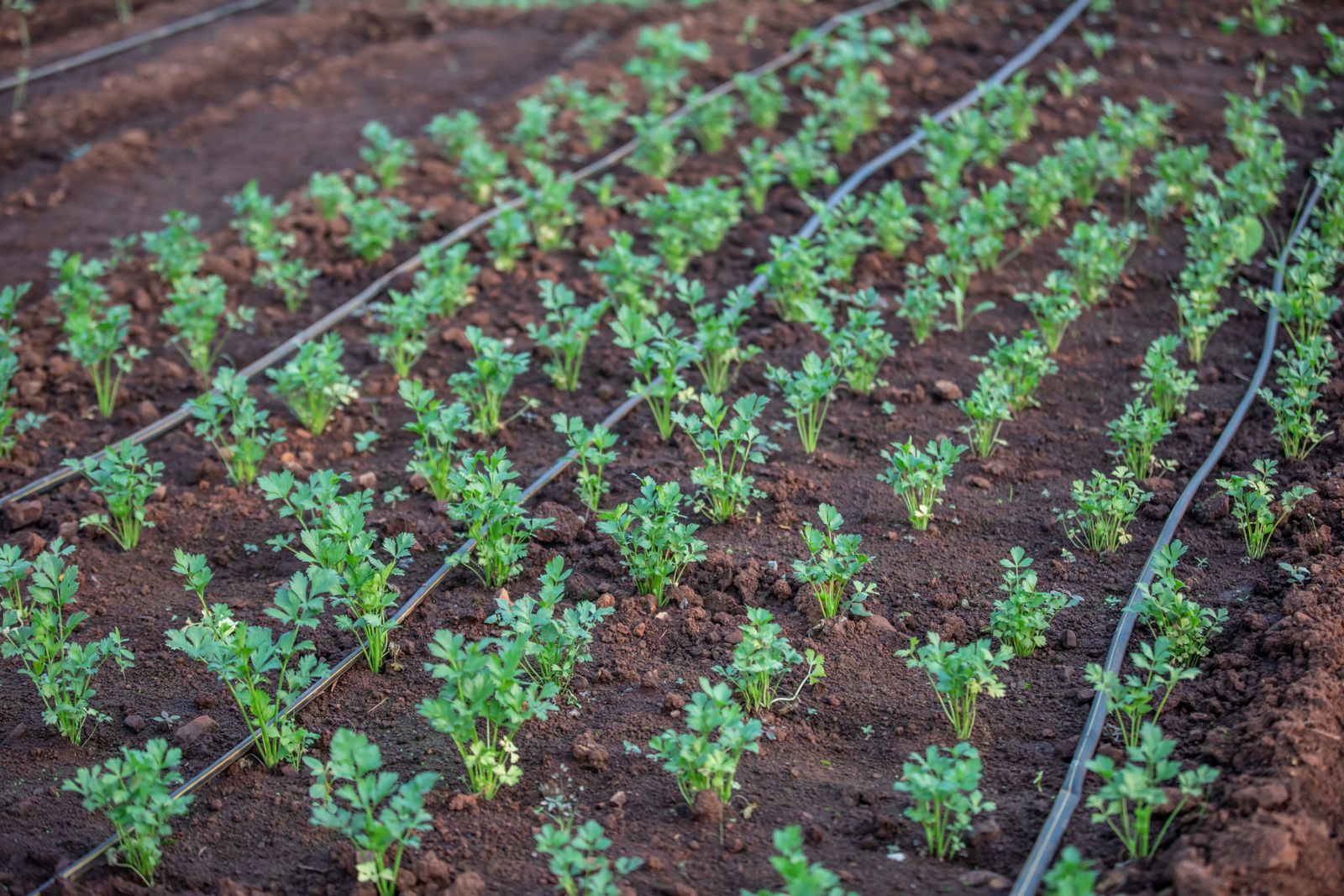
A drip system for one raised bed is an afternoon build with a strict parts order: hose bib, timer, backflow preventer, filter, a 25 PSI pressure regulator, then 1/2 inch mainline and emitters at 0.5 to 2 gallons per hour. The filter is the part everyone skips and the part that decides whether the system still works in August, per Clemson Extension.
- DIY Raised Bed Watering System: Whole Garden Plumbing, Pressure Rules, and the Per Bed Ledger
Watering several raised beds is a plumbing system, not a longer hose. Three delivery systems divide the work: soaker hose at 15 to 30 dollars per bed with lines 12 to 18 inches apart, drip at 40 to 80 dollars per bed, and a PVC manifold at 60 to 120 dollars for the permanent build. Two numbers govern all of them: household bibs deliver 40 to 80 PSI and drip emitters need a 25 PSI regulator, and a battery timer at 20 to 40 dollars is what turns the plumbing into a system that waters while you are away.
- Garden Bench Ideas: Eight Benches, With the Specs Galleries Skip
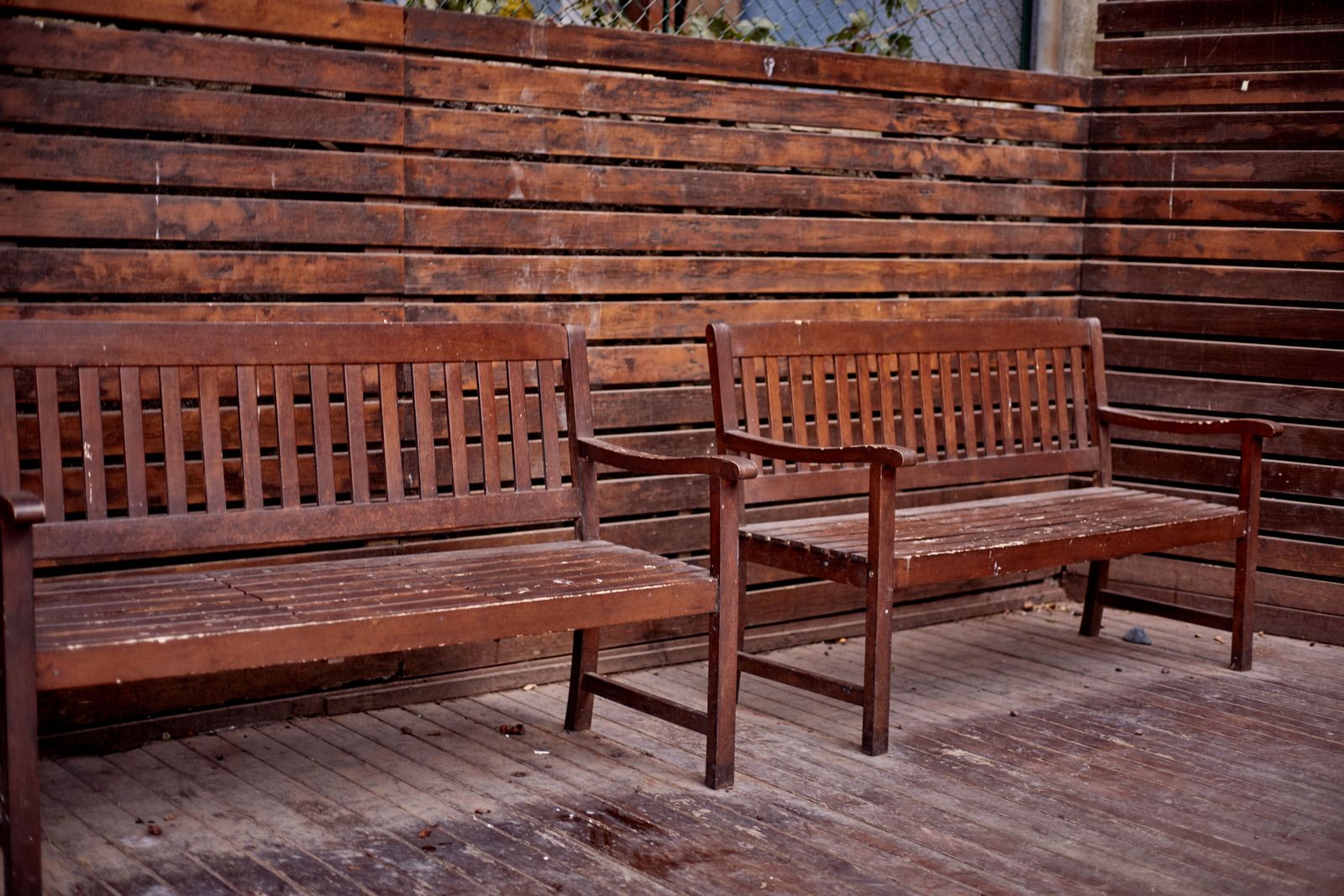
Eight garden bench types converted from photographs into specifications: seat height 17 to 18 inches and depth 16 to 20 inches, base and footing choices, placement by destination, view, and shade timing, and upkeep by material for teak, cedar, metal, and stone. A shortlist method for choosing the bench your garden actually needs, and the checklist to carry into a build or a purchase.
- Garden Decor Ideas for Small Spaces: the Floor Plane Rule and the One Focal Piece
Small space garden decor taught as a system instead of a shopping gallery: the floor plane kept clear, walls and vertical surfaces doing the decorating, one focal piece chosen and everything else supporting it, mirrors and light colors used with their weather caveats, solar lighting as the cheapest transformation, and renter safe mounting throughout. Ideas priced by effort and footprint, for patios, balconies, and courtyards measured in single digits.
- Garden Fence Ideas: Choose by the Job, Not by the Photo
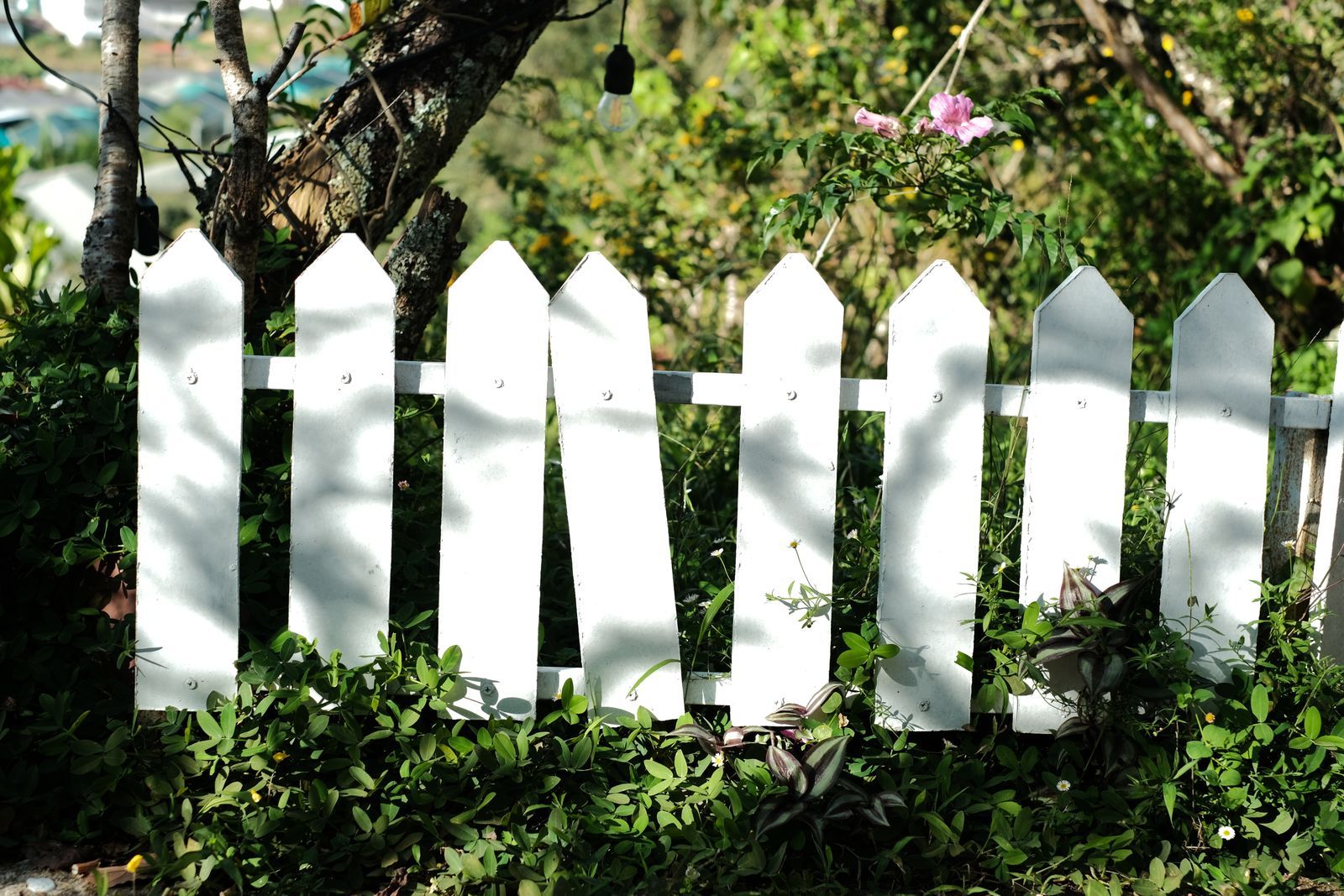
Garden fences have jobs, and the photo galleries never ask what yours is: about 2 feet of tight mesh stops rabbits, deer need about 7 to 8 feet or an angled barrier, and a fence around a vegetable bed can double as a free trellis. This page matches fence type and height to the pest or purpose first, then compares materials, wood lasting roughly 10 to 20 years, vinyl and composite trading cost for low upkeep.
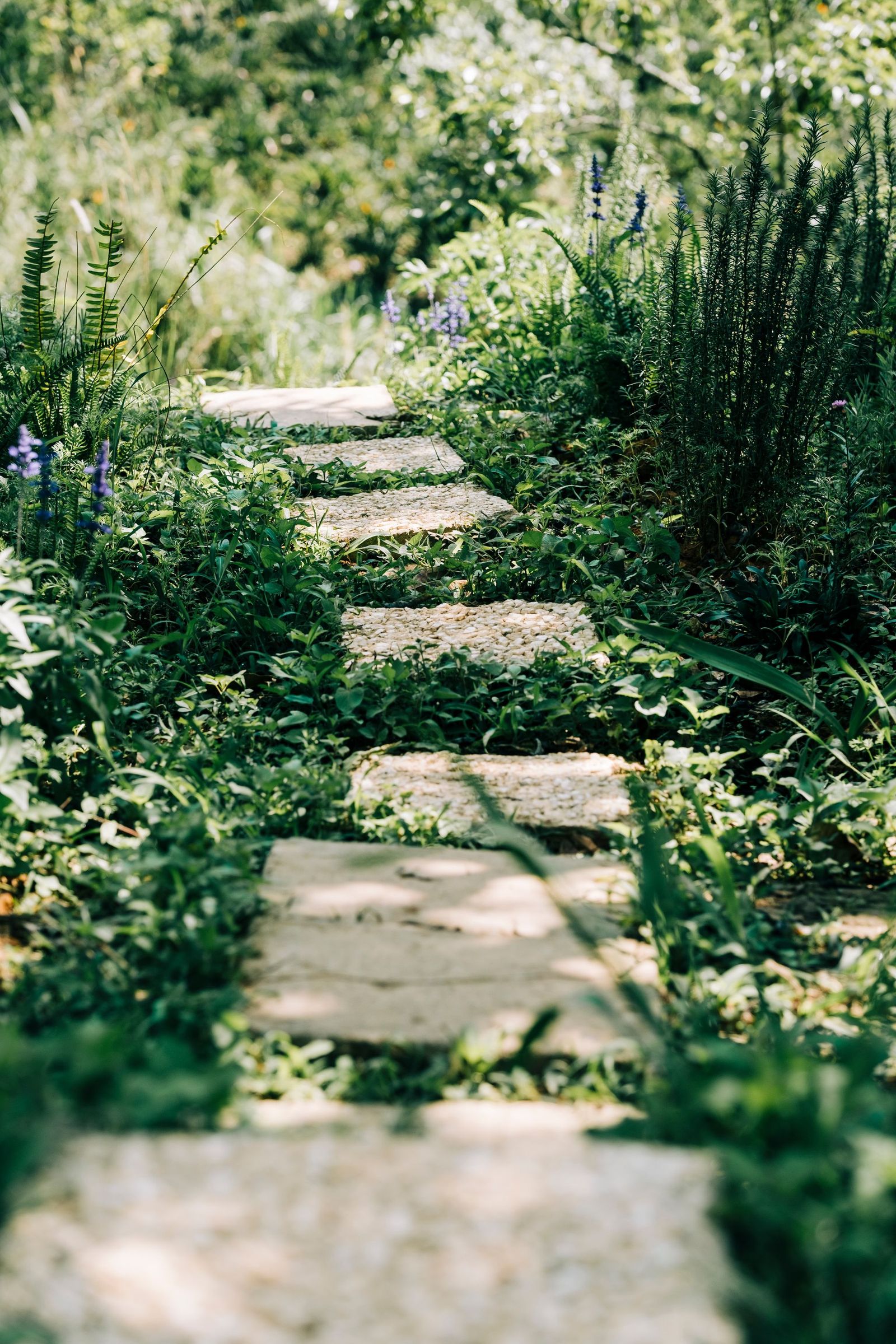
- Garden Path Ideas: Route First, Material Second
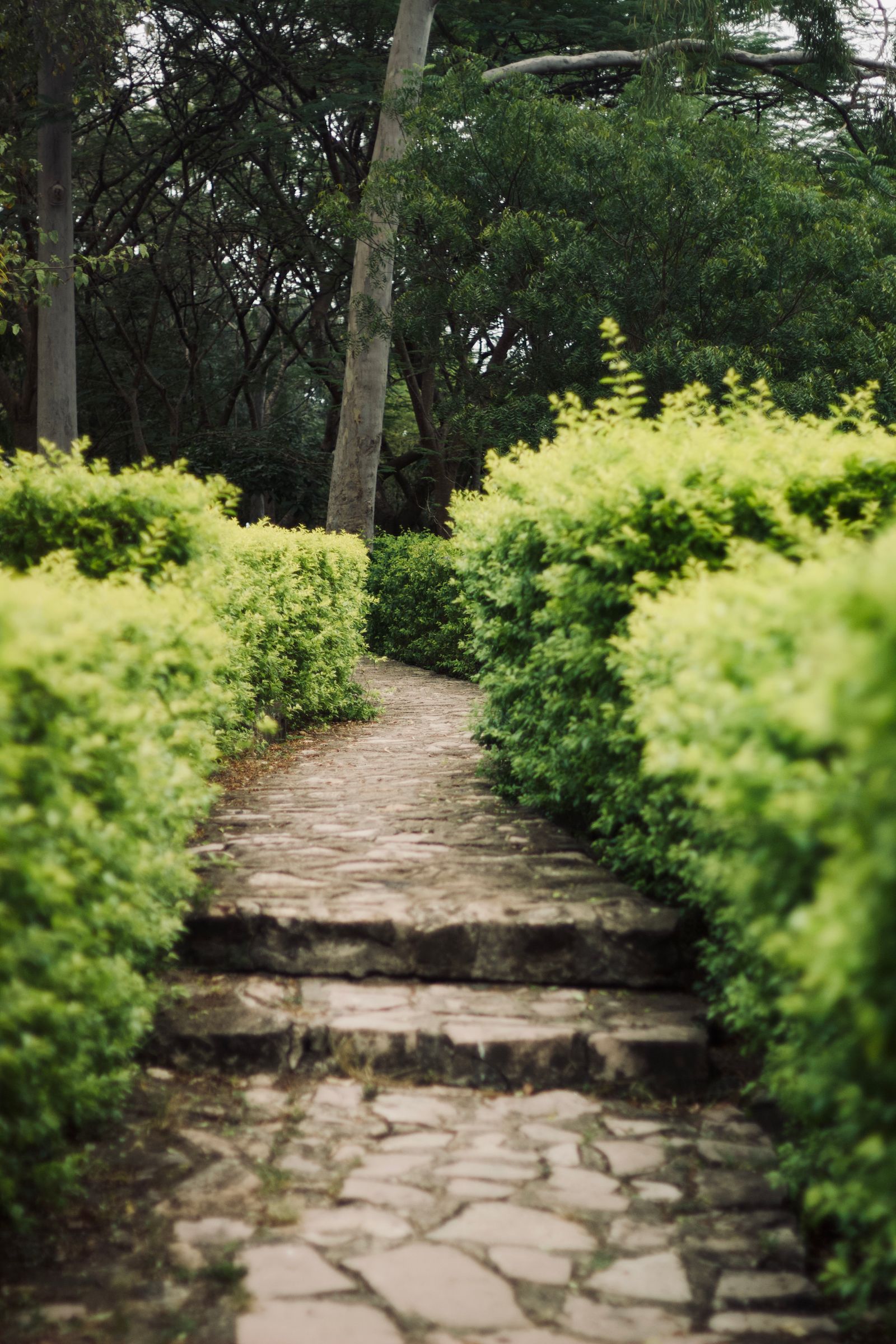
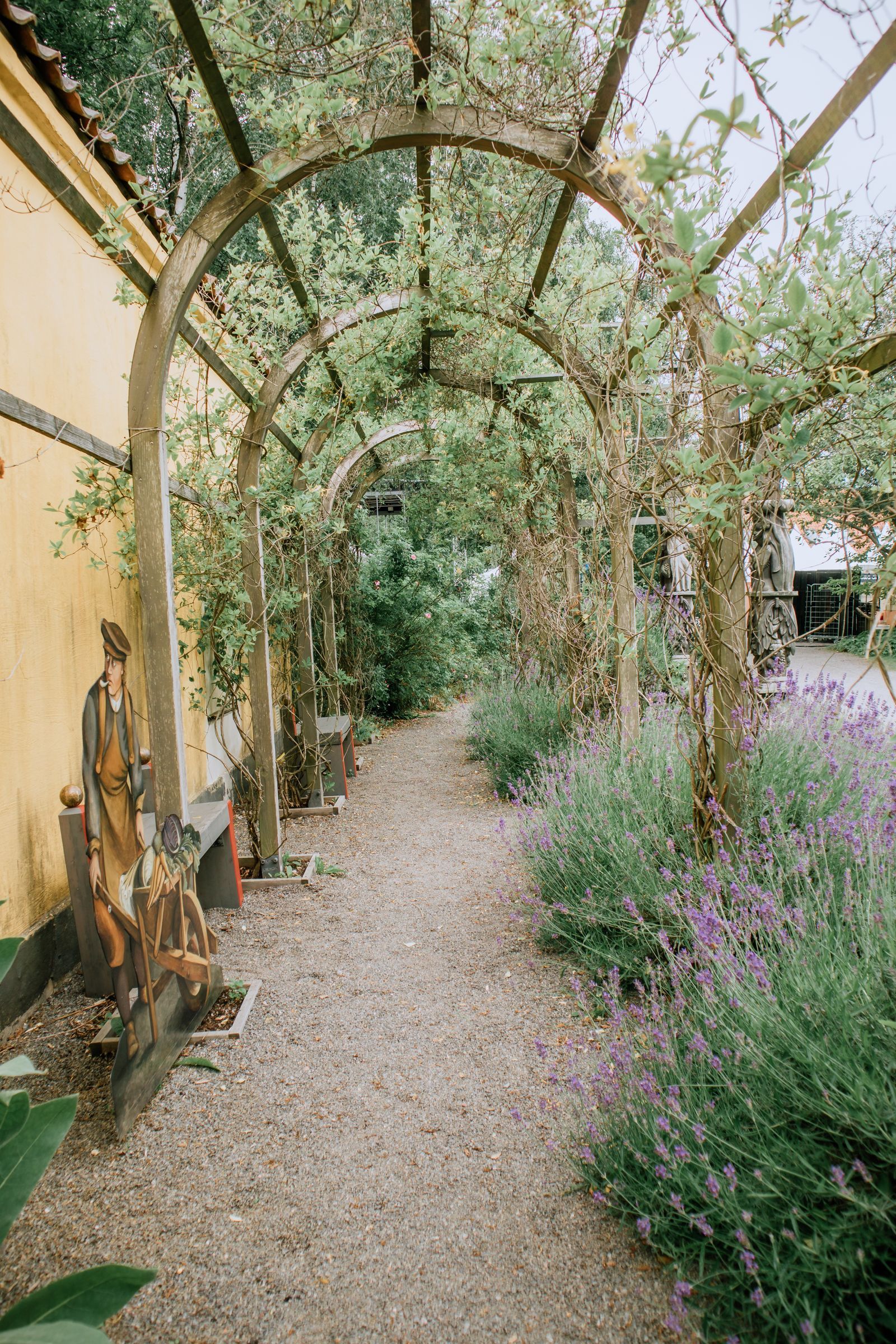
A garden path succeeds by following the route feet already take, at the width its job needs: about 3 feet for a wheelbarrow route, 4 feet for two people side by side, 2 feet for a side path. Compare the materials on cost, effort, and aging, then build one simple stepping stone path in full.
- Garden Seating Ideas: Every Idea Specified, With Dimensions, Base, and Shade
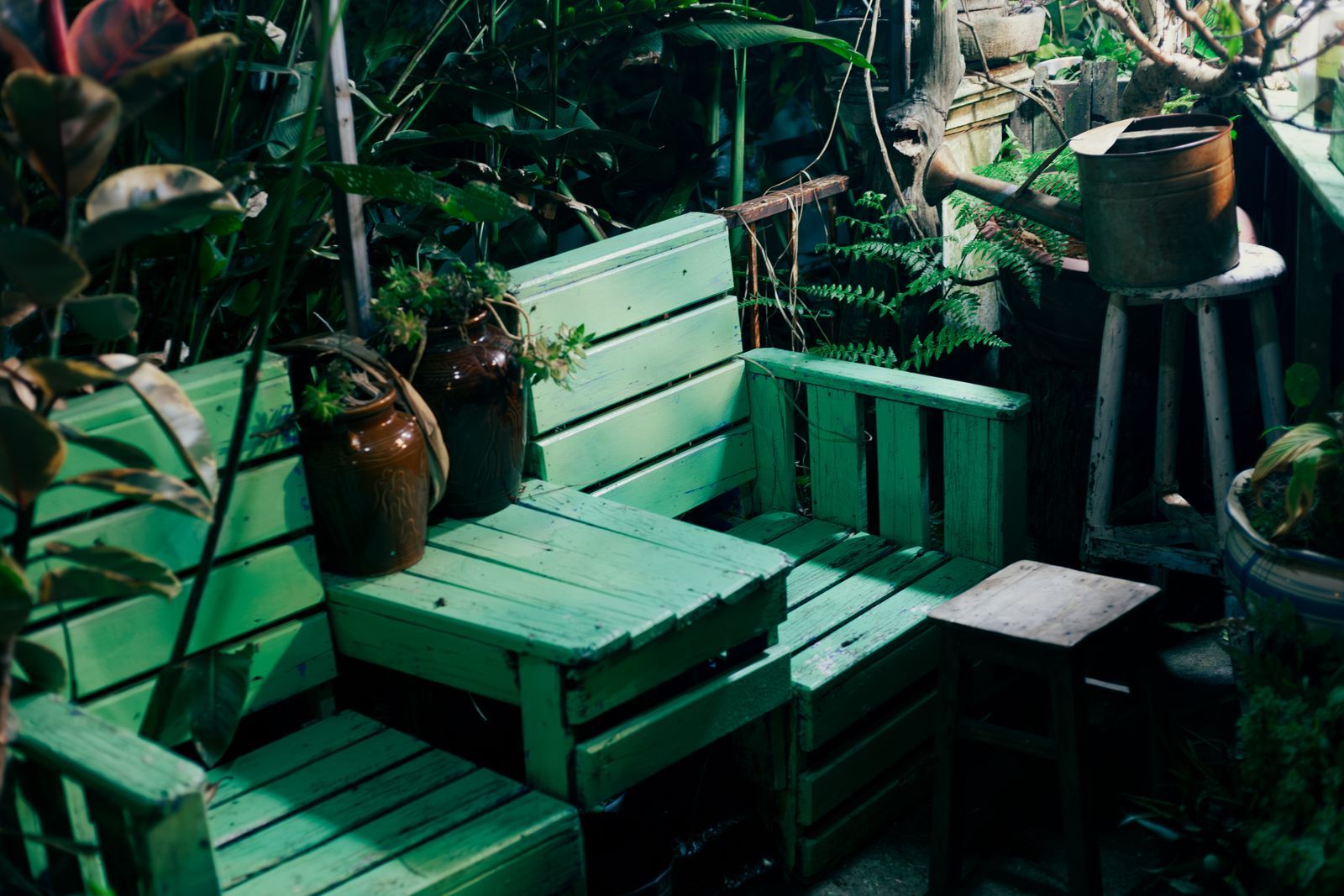
Garden seating ideas converted from gallery pictures into buildable specs: the comfort dimensions that govern every seat, height 17 to 18 inches and depth 16 to 20, then the bench, the seating wall, the tree seat, the swing, the cafe set, and the destination seat, each with its base, shade requirement, capacity, and effort cost. The placement audit, sun path, view, and distance from the door, that decides whether a seat gets used or becomes a garden ornament.
- Garden Trellis for Climbing Plants: The Mechanism Match, the Grip Size Spec, and the Weight Classes
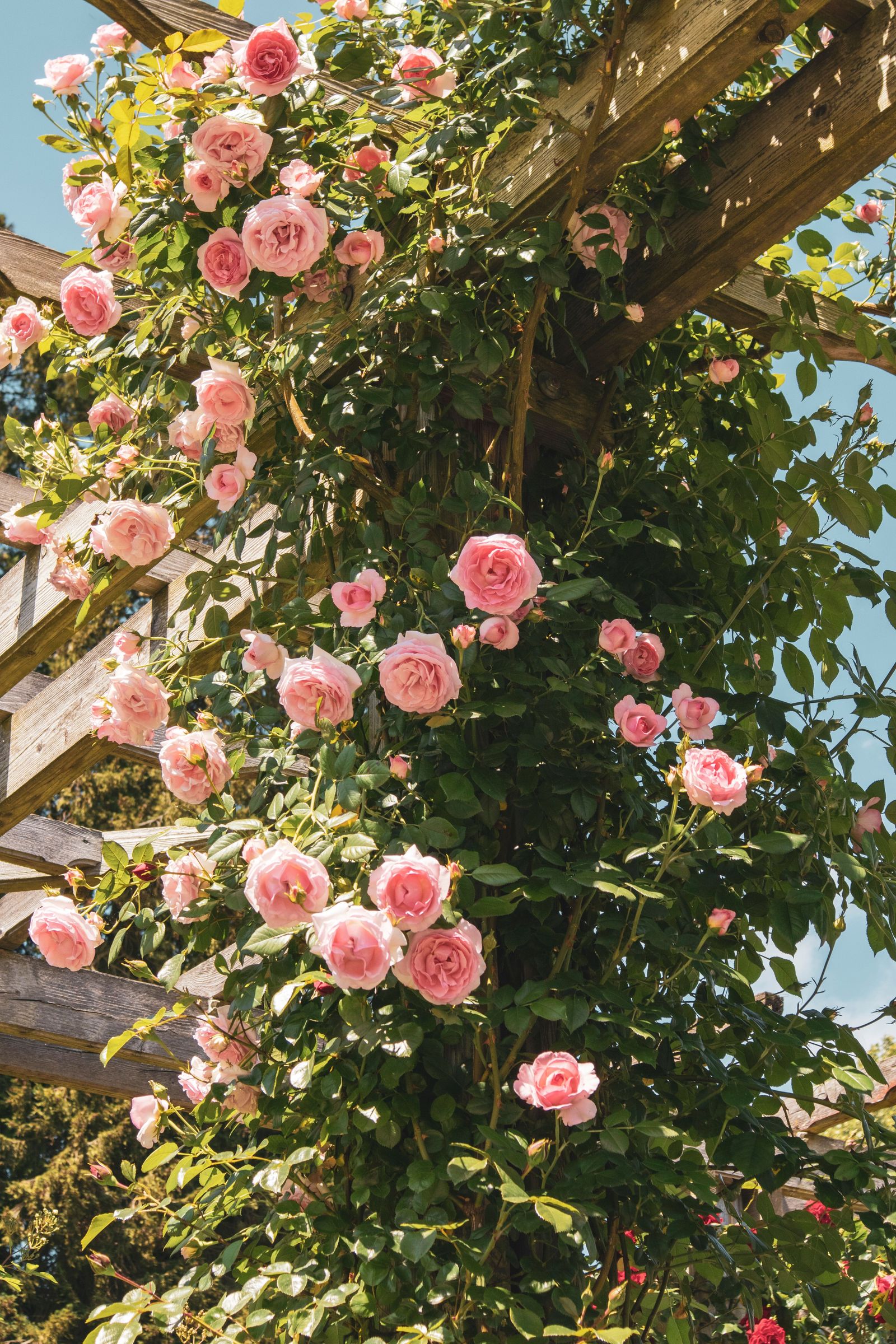
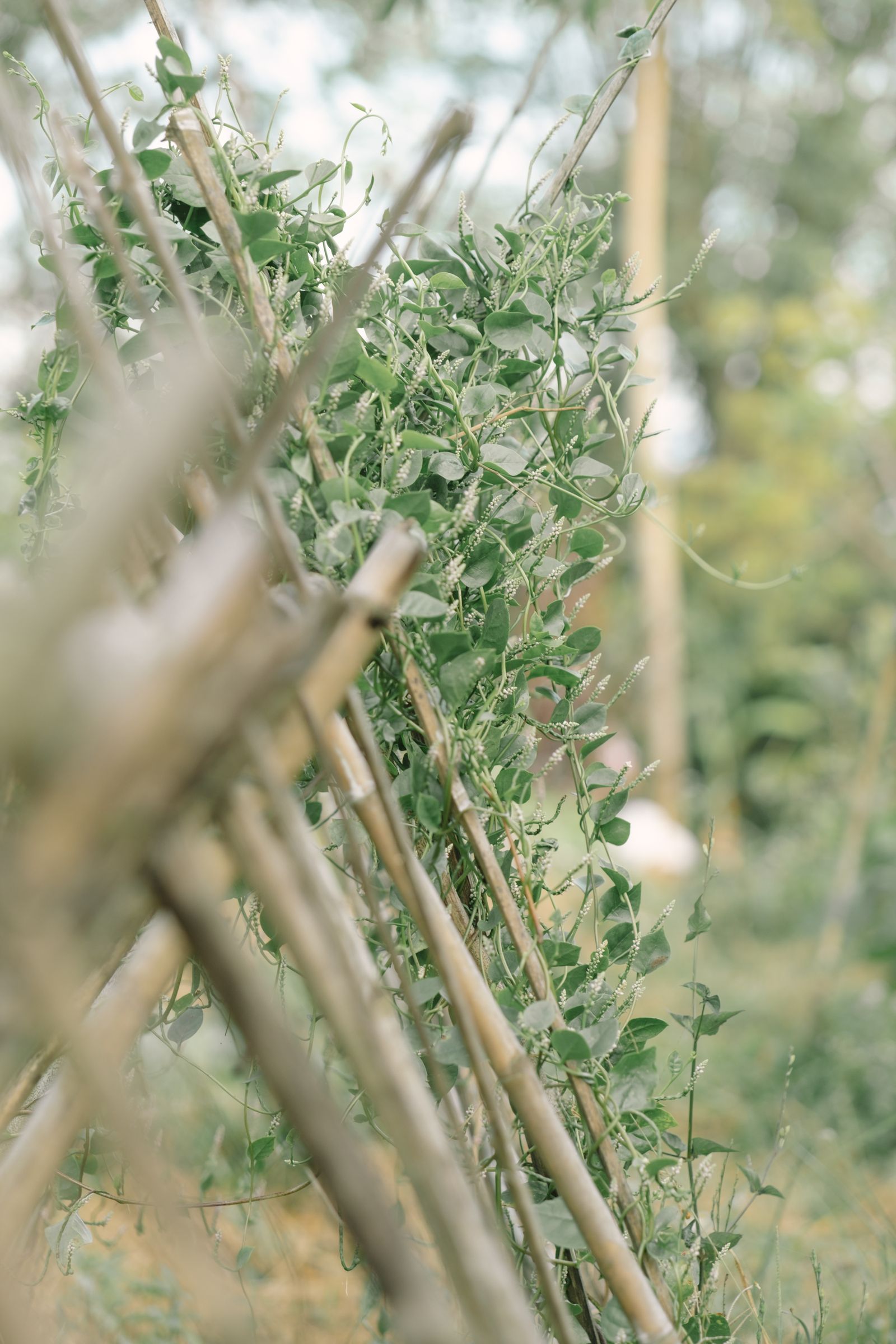
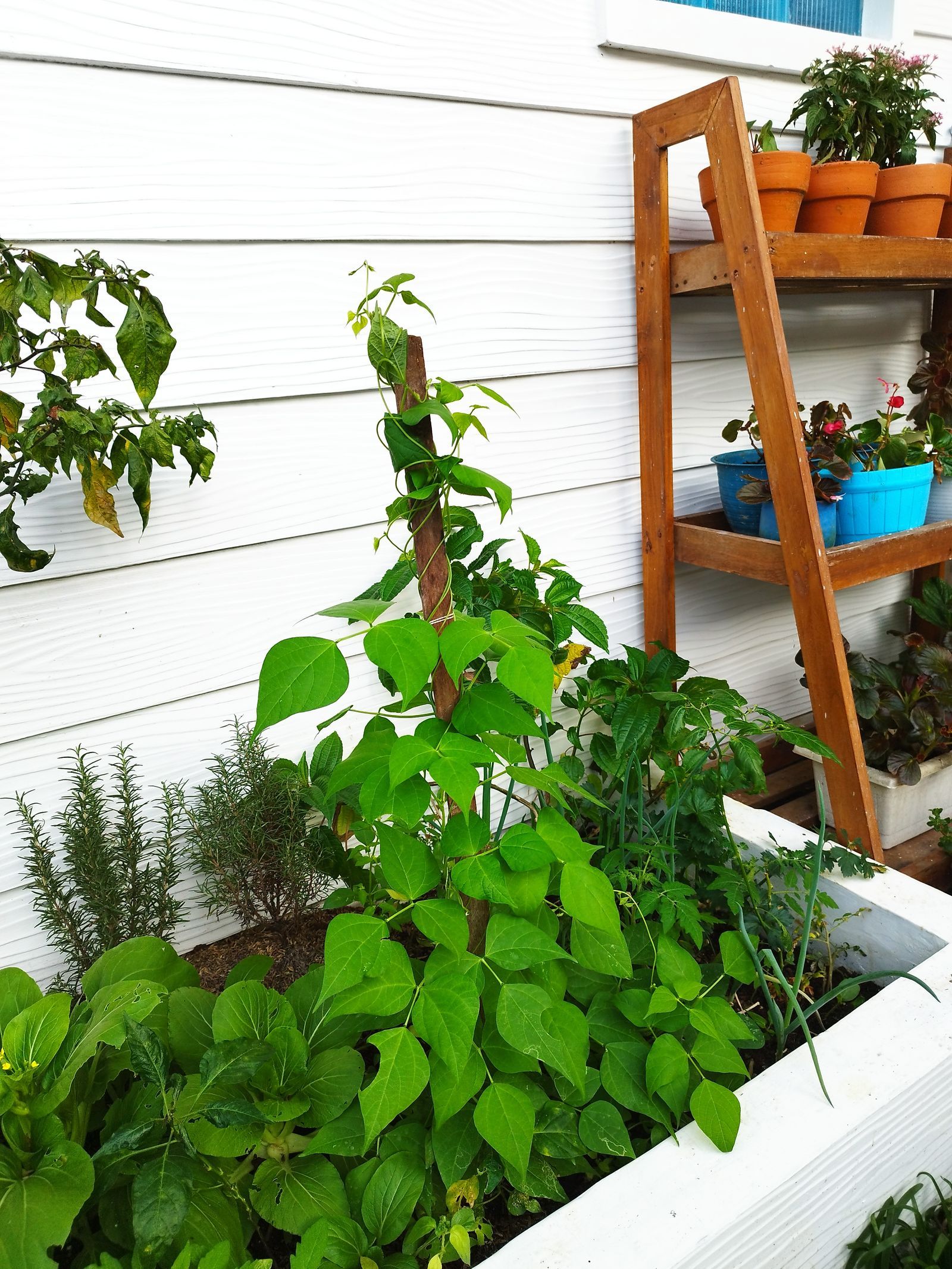
A garden trellis works when it matches the way the plant climbs. Tendril climbers such as peas and clematis need thin grips, mesh openings of 1 to 2 inches. Twining stems need slim uprights. Scramblers such as roses need ties and a frame. Heavy woody vines such as wisteria and grape need posts and slats, not a decorative panel. Heights run from 2 feet for dwarf peas to 6 to 8 feet for pole beans and clematis. This page matches the mechanism to the structure.
- Garden Trellis Ideas: Matched to the Climbing Mechanism, Sized to the Mature Load
A trellis idea is only good if it matches how the plant climbs and what the plant will weigh in August. Tendril and twining climbers, peas, beans, cucumbers, take netting, string, and teepees. Heavy vines, grapes, wisteria, hardy kiwi, need cattle panel arches and pergola grade timber. Roses and clematis want lattice, obelisks, and arches they can be tied to. Privacy screens are a separate class with their own anchoring. Every idea here carries its load warning and its dimensions.
- How Much Soil for a Raised Bed
Work out exactly how much soil your raised bed needs in cubic feet, cubic yards, and bags, with the formula, worked examples, a common sizes table, and the 60/40 topsoil and compost mix.
- How to Build a Cold Frame for a Raised Bed: Sized to the Bed You Own
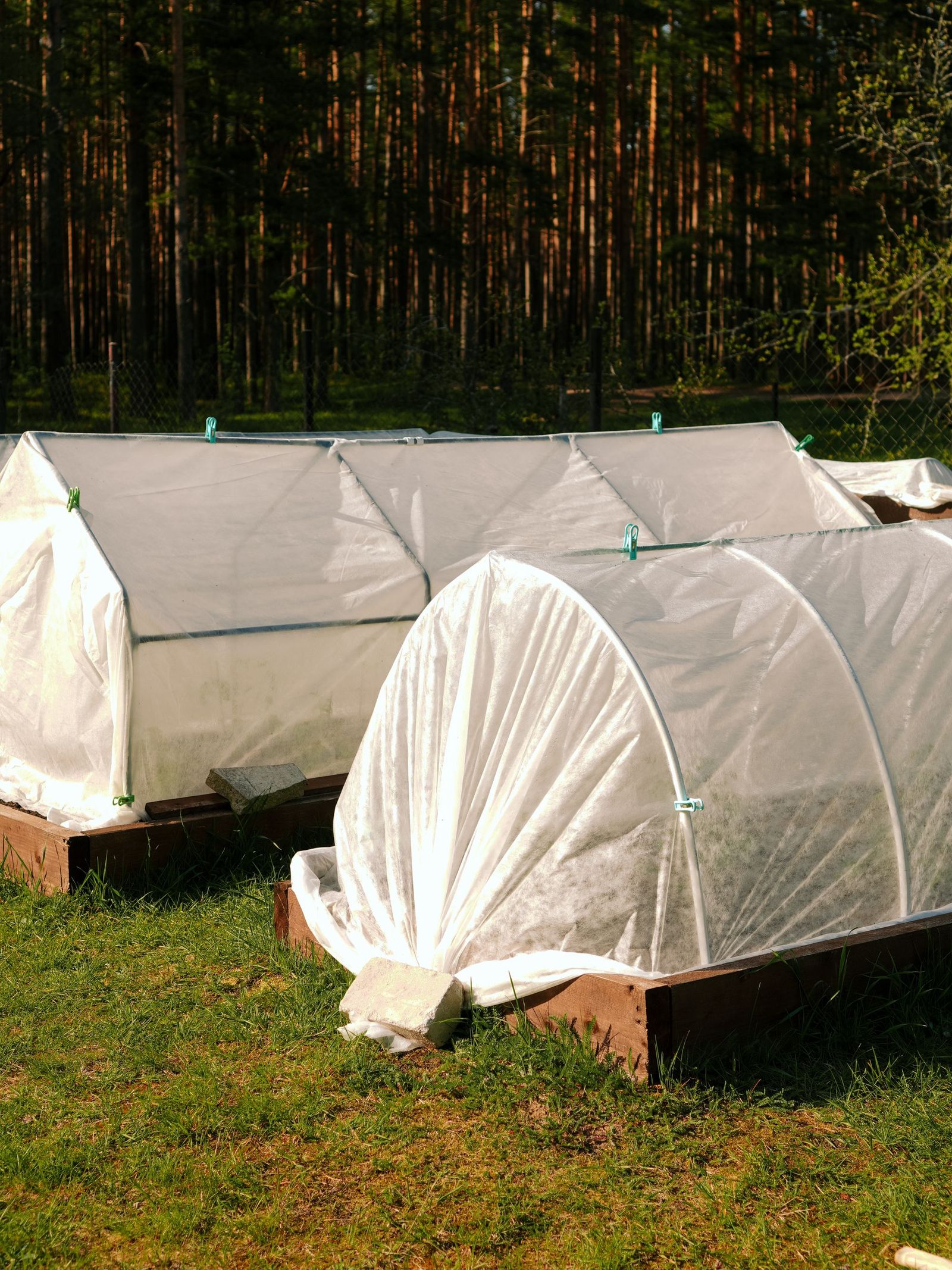
A cold frame for a raised bed is a bottomless box with a back wall about 12 inches high and a front wall about 8, its glazed lid sloping south, sized to the bed's inside dimensions. Vent the lid whenever outside temperatures pass 40 to 50 degrees, and the frame buys 4 to 8 weeks at each end of the season.
- How to Build a Garden Bench
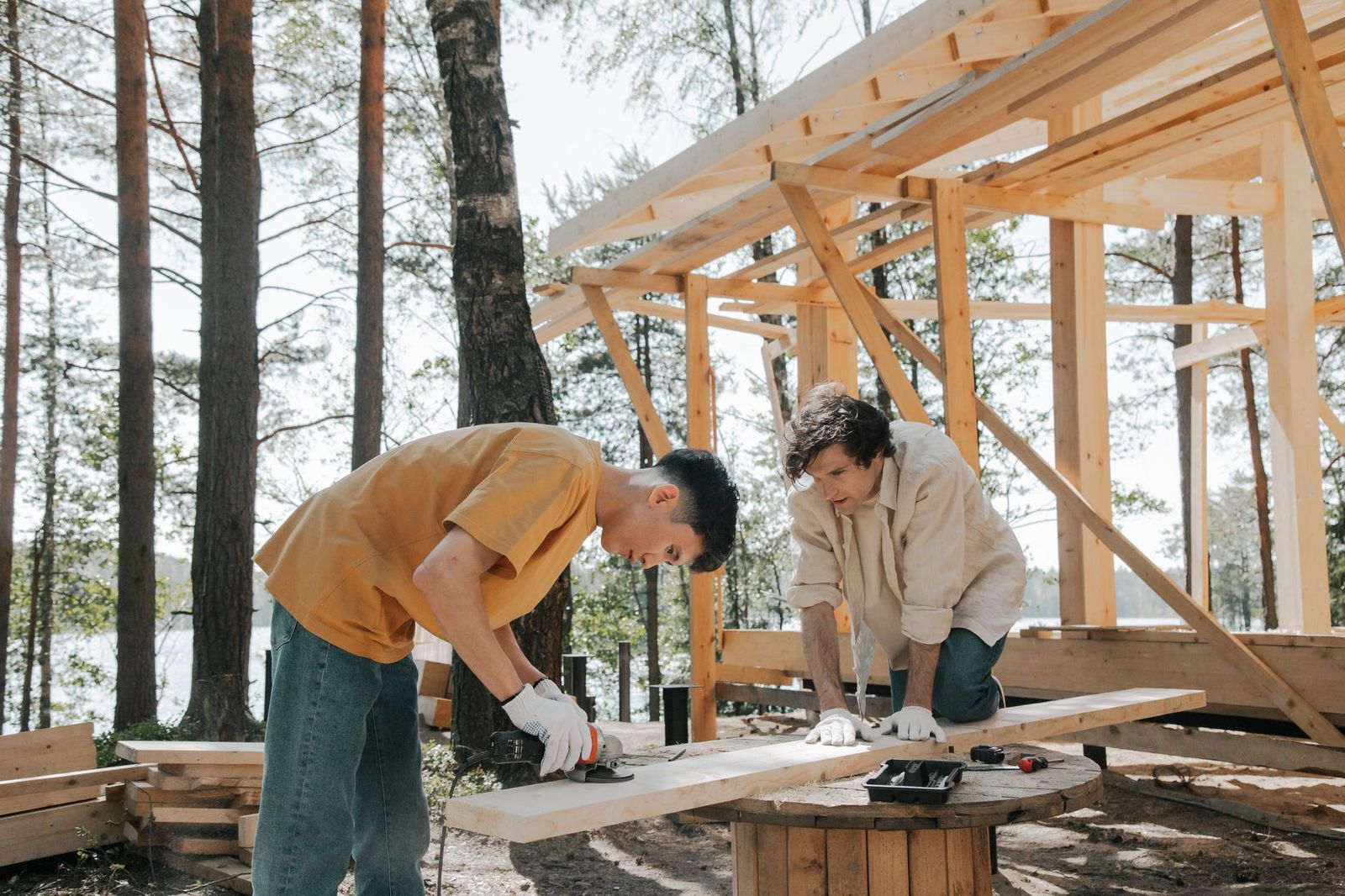
Build a simple backless garden bench in an afternoon: three seat boards on a sturdy leg frame, seat just under 18 inches high, with a full cut list, the equal diagonals check that keeps it square, a wobble diagnosis table, and siting that keeps its feet out of the wet.
- How to Build a Garden Trellis
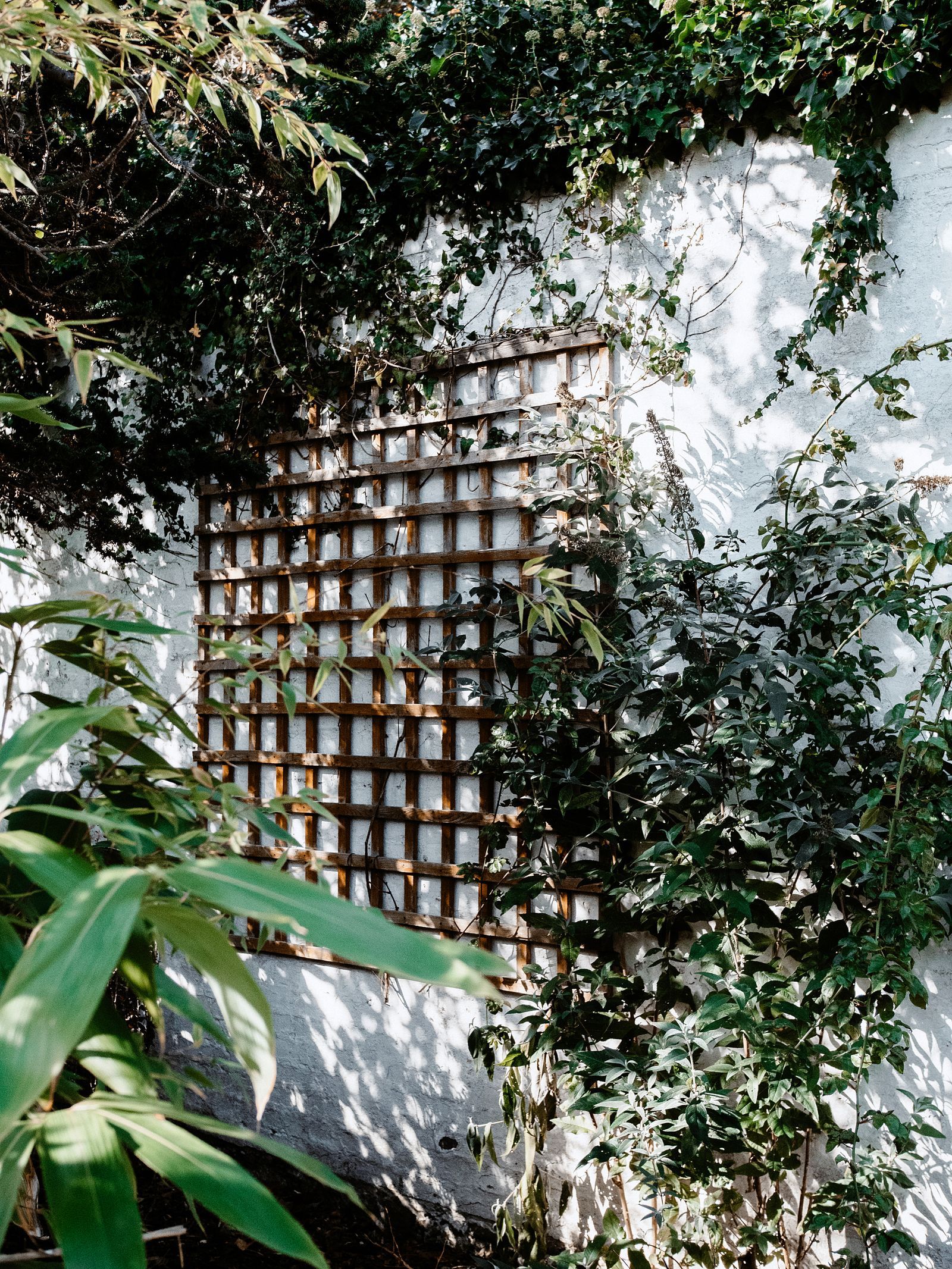
Build one simple, sturdy trellis panel: two posts set and tamped like you mean it, a mesh or lattice panel matched to how your plants climb, and training from the first tendril. Includes the climb type table that picks your lattice spacing and the anchoring step most builds skip.
- How to Build a Garden Trellis Arch: Cattle Panel, Rebar, and Wooden Ladder Systems
A garden arch is a structure problem before it is a style choice, and three systems solve it at three budgets. A cattle panel, a single 16 foot galvanized panel bent between T posts, makes an arch about 6.5 feet tall and 5 feet wide for roughly 50 dollars in 1 to 2 hours, and carries the heaviest loads of the three. A rebar arch bends two 20 foot half inch bars over a chalk marked jig for a lighter, cheaper span. A wooden ladder arch, two 2x2 sides 72 inches long joined by rungs, builds about 7 feet tall with its posts sunk a foot. All three fail at the same place: the anchoring.
- How to Build a Hugelkultur Raised Bed: the Wood List, the Layers, and the Year One Truth
Hugelkultur built with the judgment calls the layer diagrams leave out: which wood is welcome and which is banned, black walnut, black locust, cedar, and treated wood, the layer stack with its thickness disagreement flagged, the soak that starts the rot, a starter bed of 4 by 8 feet at 2.5 to 3 feet tall, and the honest year one, nitrogen tie up and lower yields, with the planting plan that works with it until the year three payoff.
- How to Build a Raised Bed
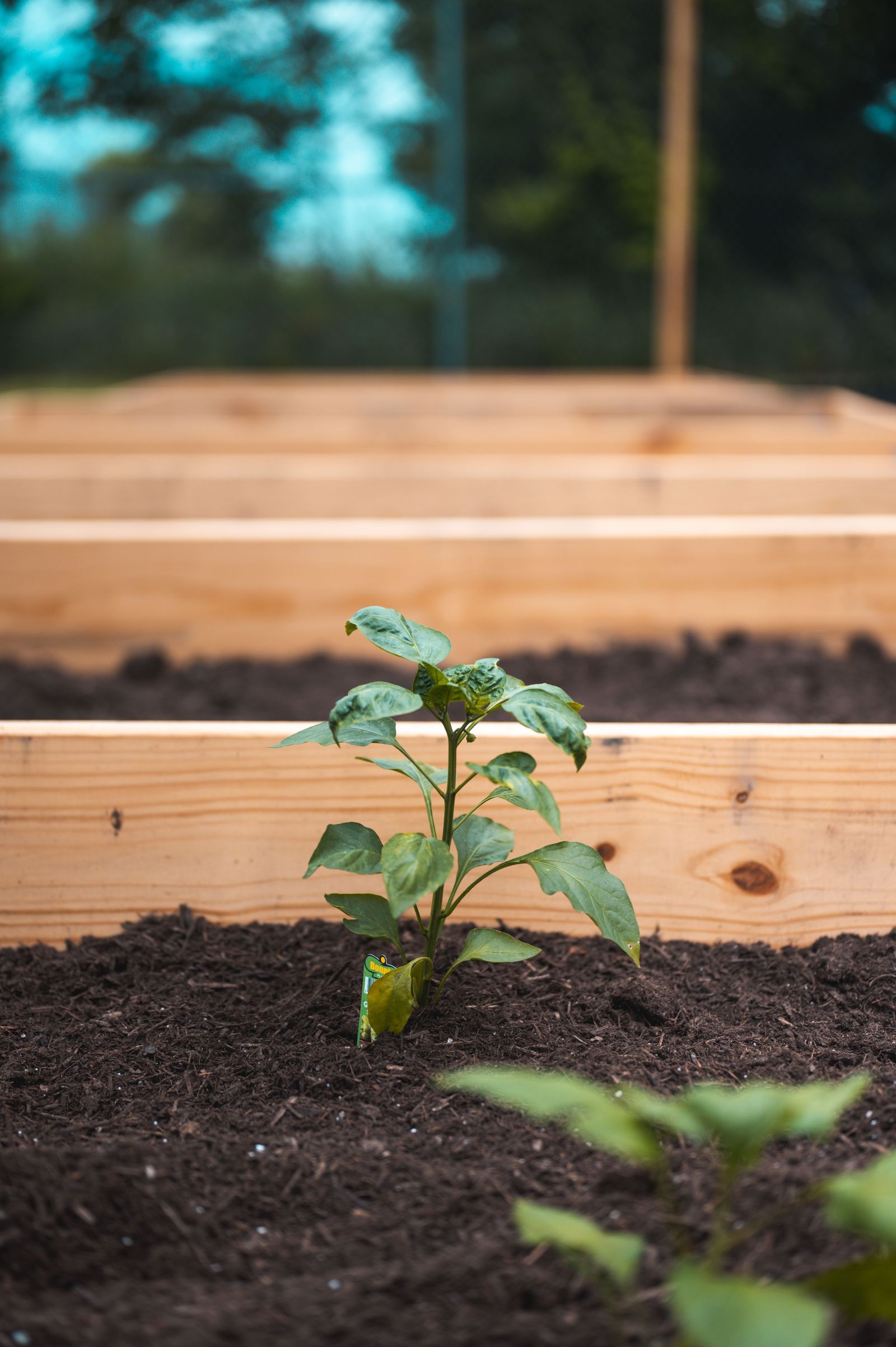
Build a simple raised bed from start to filled: choose the site, size the frame, assemble boards or a kit, level it, line the base, and fill it with the right amount of soil.
- How to Build a Raised Bed From Pallets: The HT Stamp Build
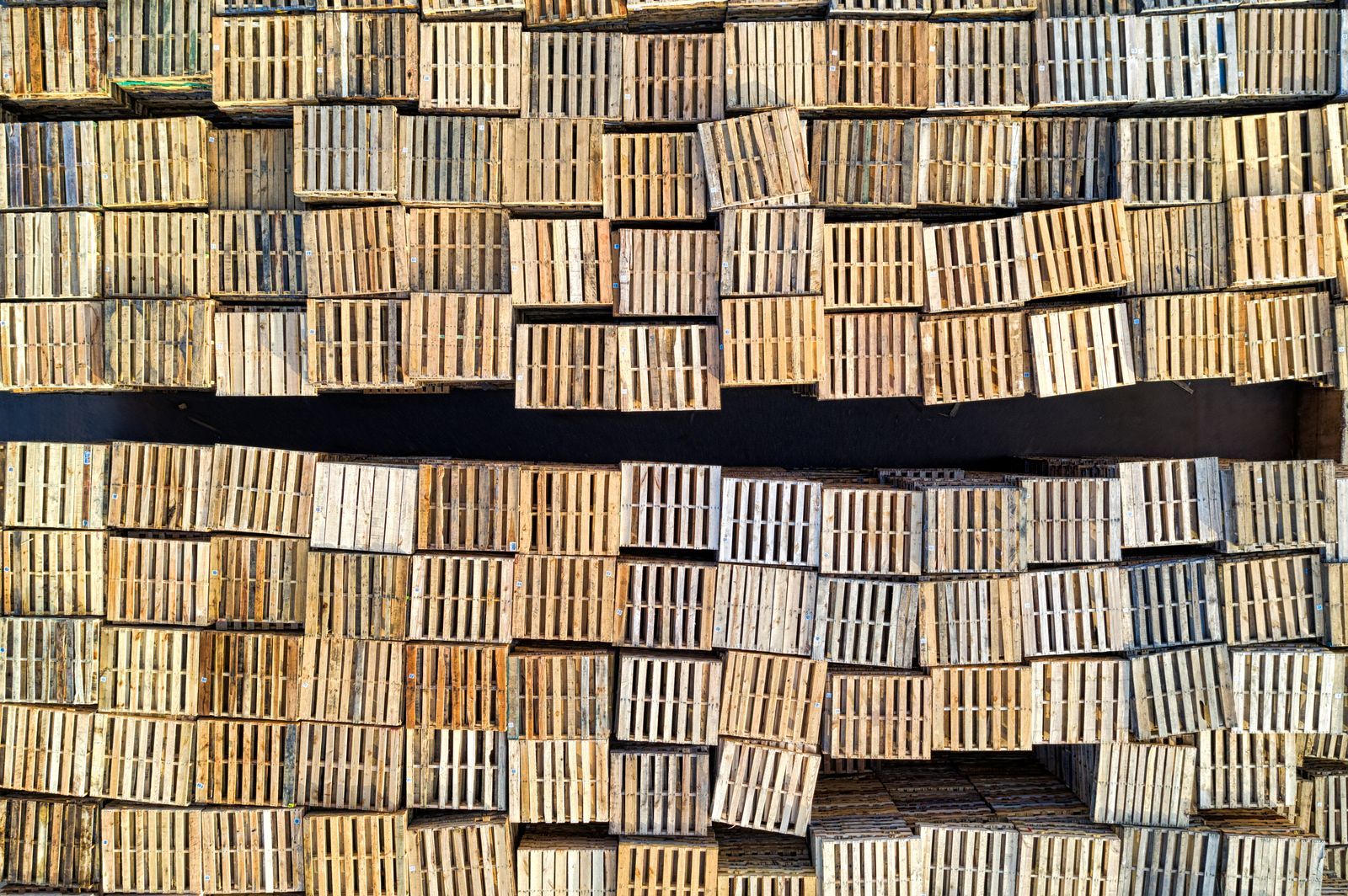
A raised bed for the price of hauling the wood home. First the safety rule that decides everything: HT stamped pallets only, never MB. Then the dismantle and frame build, a 4 by 8 foot bed from pallet boards, lined, filled, and planted.
- How to Build a Raised Bed on a Slope: Measure the Drop First
Sloped raised beds built by the drop measurement: run the bed along the contour, dig in and level for small drops, step terraced beds or a tall anchored downhill wall for large ones, with drainage behind the wall and a level top edge as the non negotiable. Why inches of fall across the footprint, not slope degrees, is the number that chooses the build.
- How to Build a Raised Bed on Concrete: The Slab Bed System
A raised bed built on a concrete slab rather than on soil: depth set for an impermeable floor at 12 inches minimum for vegetables and 18 to 24 for deep rooted crops, landscape fabric or geotextile at the base to protect the slab, drainage that sheds at the base instead of ponding, the wet weight of a soaked 4 by 8 bed estimated before you fill it, and heat management for soil sitting on sun baked concrete. The concrete block wall project is a different build and is named as such.
- How to Build a Raised Bed With Cinder Blocks: The Dry Stack System
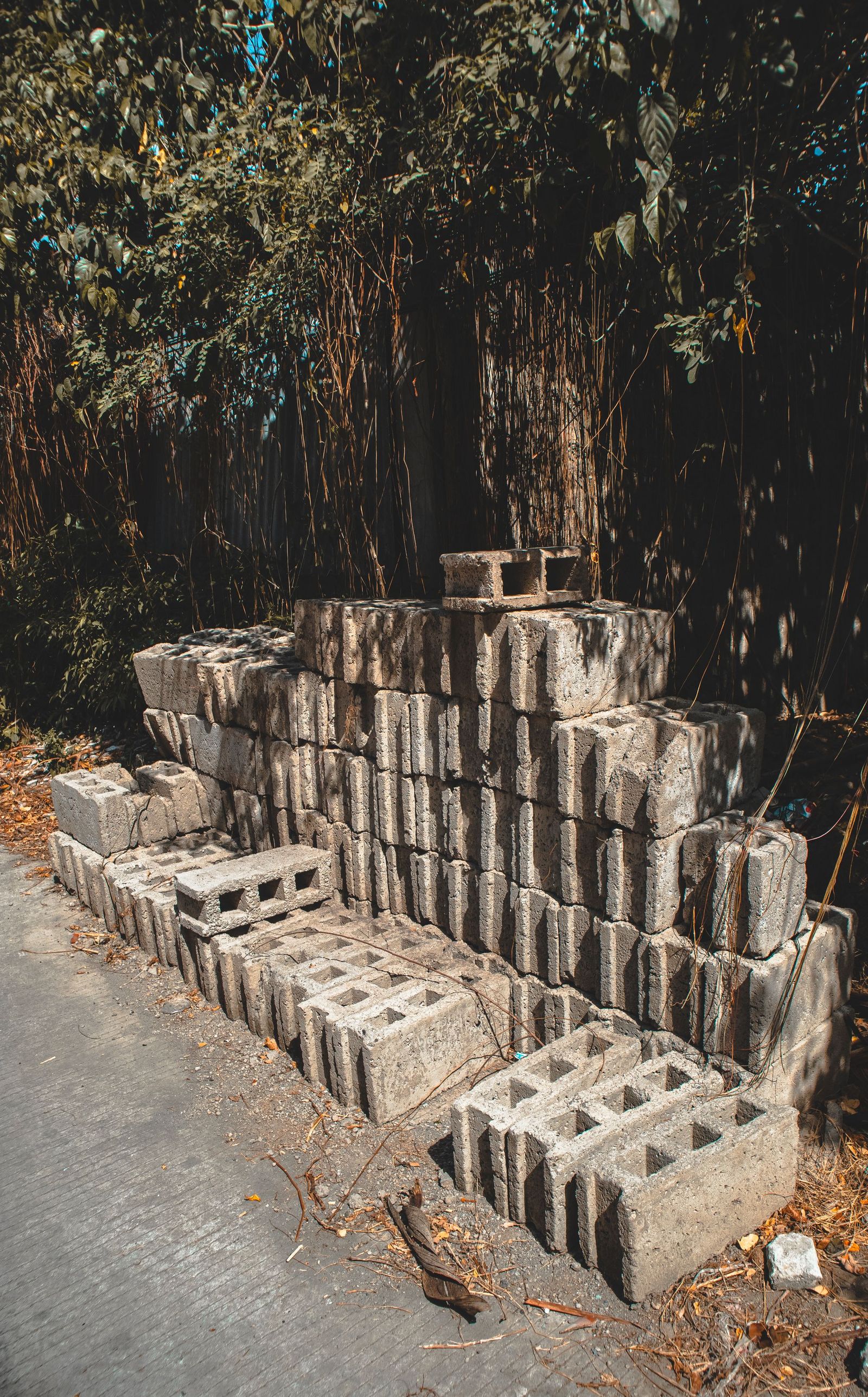
A dry stacked block bed built as a system: the standard 8 by 8 by 16 inch concrete masonry unit at about 35 pounds, the block count worked by bed size before ordering, the excavated gravel base, the level first course that decides whether the wall stands straight, the staggered second course, and the safety question answered from University of Maryland Extension material on modern block composition.
- How to Build a Raised Bed with Legs: Height, Bracing, the Soil Load, and the Bottom That Holds It
An elevated raised bed is a table that holds several hundred pounds of wet soil, and it is built like one. Four by four legs, a working height of 30 to 36 inches, about 28 inches for wheelchair gardening, and 11 to 12 inches of soil depth. Cross bracing against racking is structural, not optional. The bottom is slats or hardware cloth lined with landscape fabric. The load math comes first: a 4 by 4 foot bed at 12 inches deep holds about 16 cubic feet of mix, several hundred pounds wet.
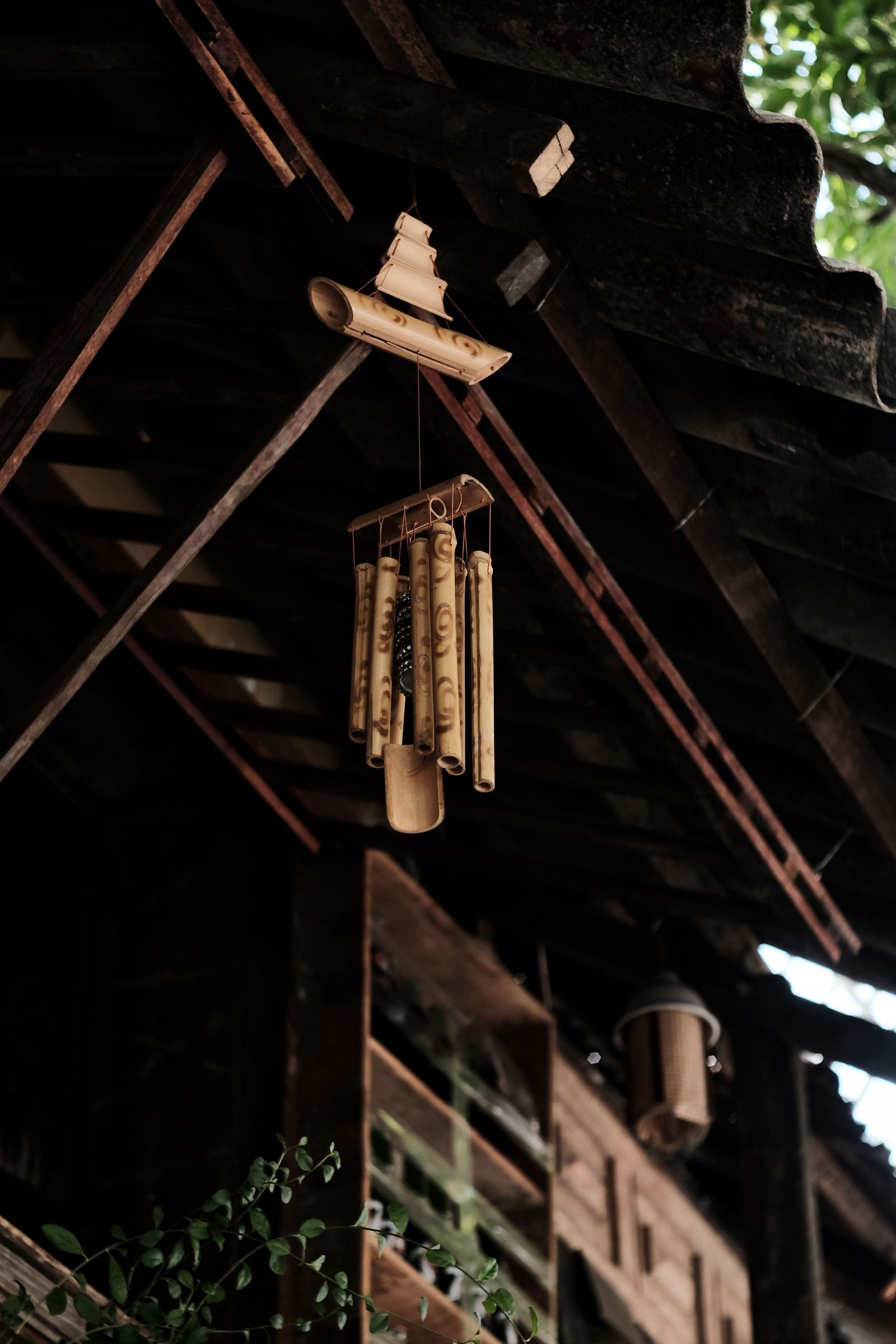
- How to Hang Wind Chimes Outside
Hang wind chimes outside so they actually sing: choose a spot with real wind, set the height and clearance for the longest tube, pick the hanging method that fits your surface, and stay on good terms with your neighbors.
- How to Make a Bird Bath
Make a bird bath birds will actually use: a terracotta pot and saucer build in under an hour, water kept 1 to 2 inches deep with stones for footing, placed near escape cover, and a scrub and refill rhythm that keeps it safe. Includes what to do in freezing weather.
- How to Make a Garden Path: The Build Method, From Hose Line to Edge Restraint
The garden path build method end to end, differentiated from this site's path ideas article, which owns layouts and looks: mark the line with a hose, width by traffic at 2, 3, or 4 feet, excavation depth by surface at 3 to 4 inches for gravel or chips, a compacted crushed stone base in layers, the fabric decision stated by material, stepping stones at about 24 inches center to center, and the edge that keeps path and lawn apart.
- How to Start Composting: Your First Pile, From Corner to Finished Compost
Start composting with a pile at least 3 feet in each direction, layered at about 3 parts browns to 1 part greens by volume, kept as moist as a wrung out sponge, and turned every few weeks. Hot piles finish in 2 to 3 months; a neglected cold pile still finishes in 6 to 12.
- Rain Barrel: Your First Barrel, Sited, Built, and Winterized
A first rain barrel is a 55 gallon food grade barrel on a stand 12 to 24 inches high, fed by a downspout diverter, screened on every opening against mosquitoes, with overflow routed at least 6 feet from the foundation. One inch of rain on a square foot of roof yields about 0.62 gallons.
- Where to Hang Wind Chimes: The Spots That Sound Good and Stay Welcome
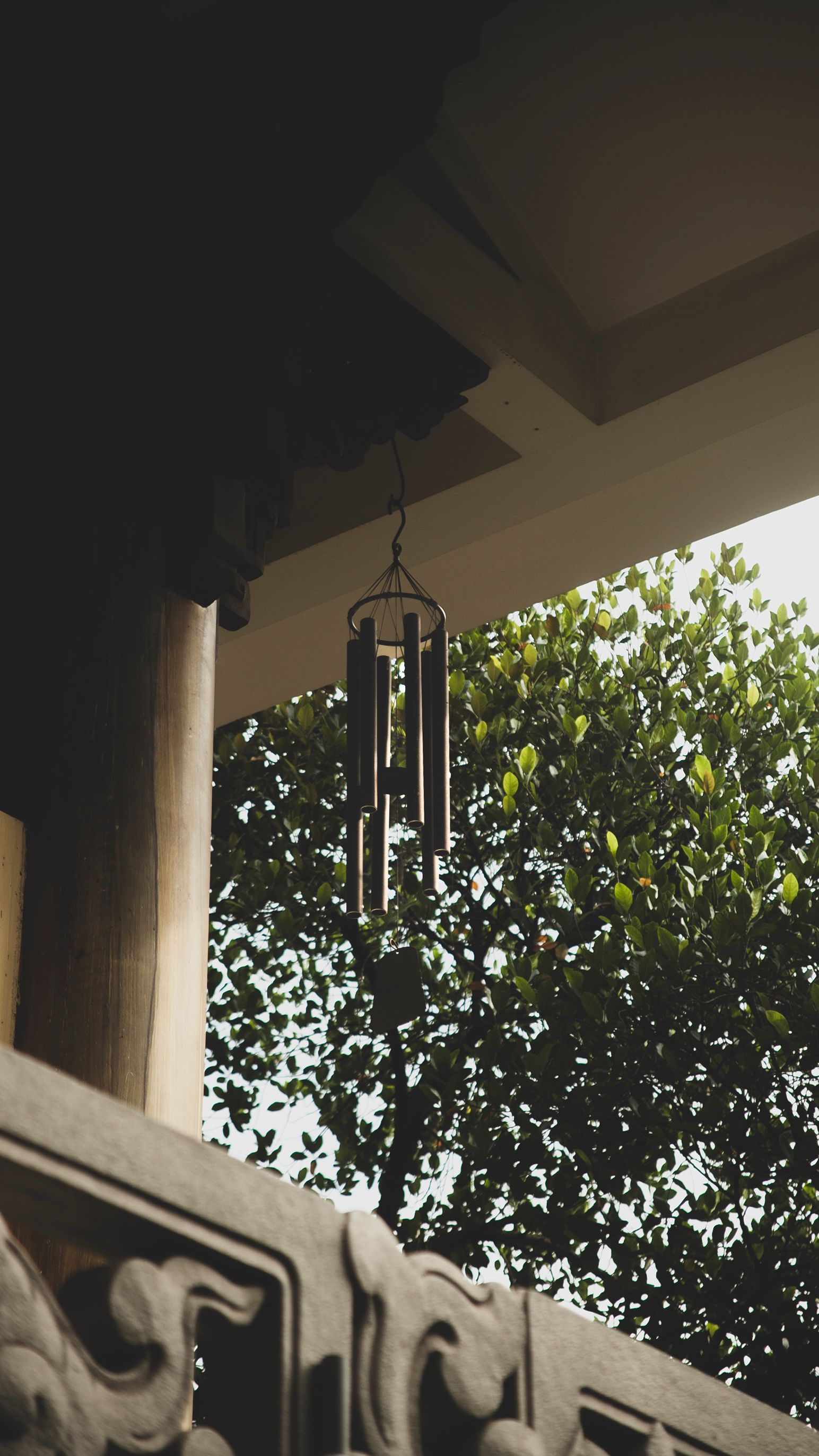
Choosing the spot for a wind chime as one decision: the wind and clearance rules first (moving air, at least the chime's length plus 6 inches of swing), ranked spots by home situation from the covered porch eave to the apartment balcony and the garden tree, the neighbor and bedroom window discipline, and the feng shui and vastu placement traditions in their own honest section.
- Wind Chime Repair: Restringing, Parts, and Bringing a Silent Chime Back
Wind chime repair as a system: diagnose first with a failure table, the parts anatomy with buying guidance (the replacement parts question answered here), restringing step by step under the photograph rule and the one tube rule, clapper height tuning for sound, and the cleaning and weatherproofing that finish the job. For the chime with sentimental weight that you fix rather than replace.
- Wind Chimes DIY: Two Complete Builds, One Anatomy, and the Sound Tests
Two builds on one page that share one anatomy: a tuned aluminum tube chime, with pentatonic tube lengths computed from a 24 inch longest tube, holes drilled at the node about 22 percent of the length from one end, and a trim to pitch method, and a no cut found object chime from keys and silverware. The craft rules that decide whether a homemade chime sings or sits silent are all here, starting with the beginner failure: pieces hung too far apart to ever touch.