Home / Gardening Basics for Beginners
Gardening Basics for Beginners
First beds, first seeds, first season: choosing a spot, understanding soil and sunlight, watering without guesswork, and the short list of tools and habits that carry a new gardener through year one.
- 10 Gardening Tools for Beginners: The Exact Kit, in the Order to Buy It
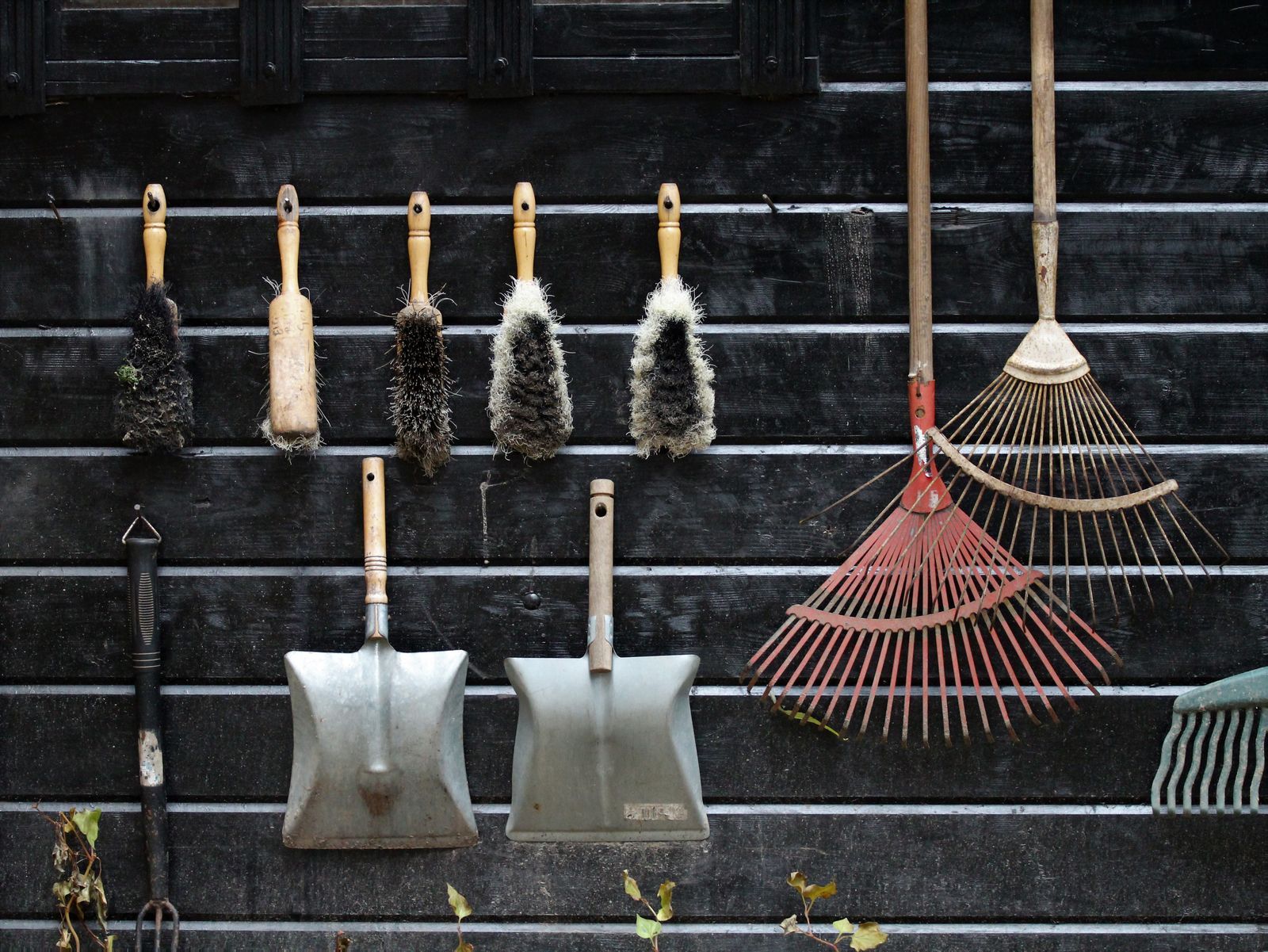
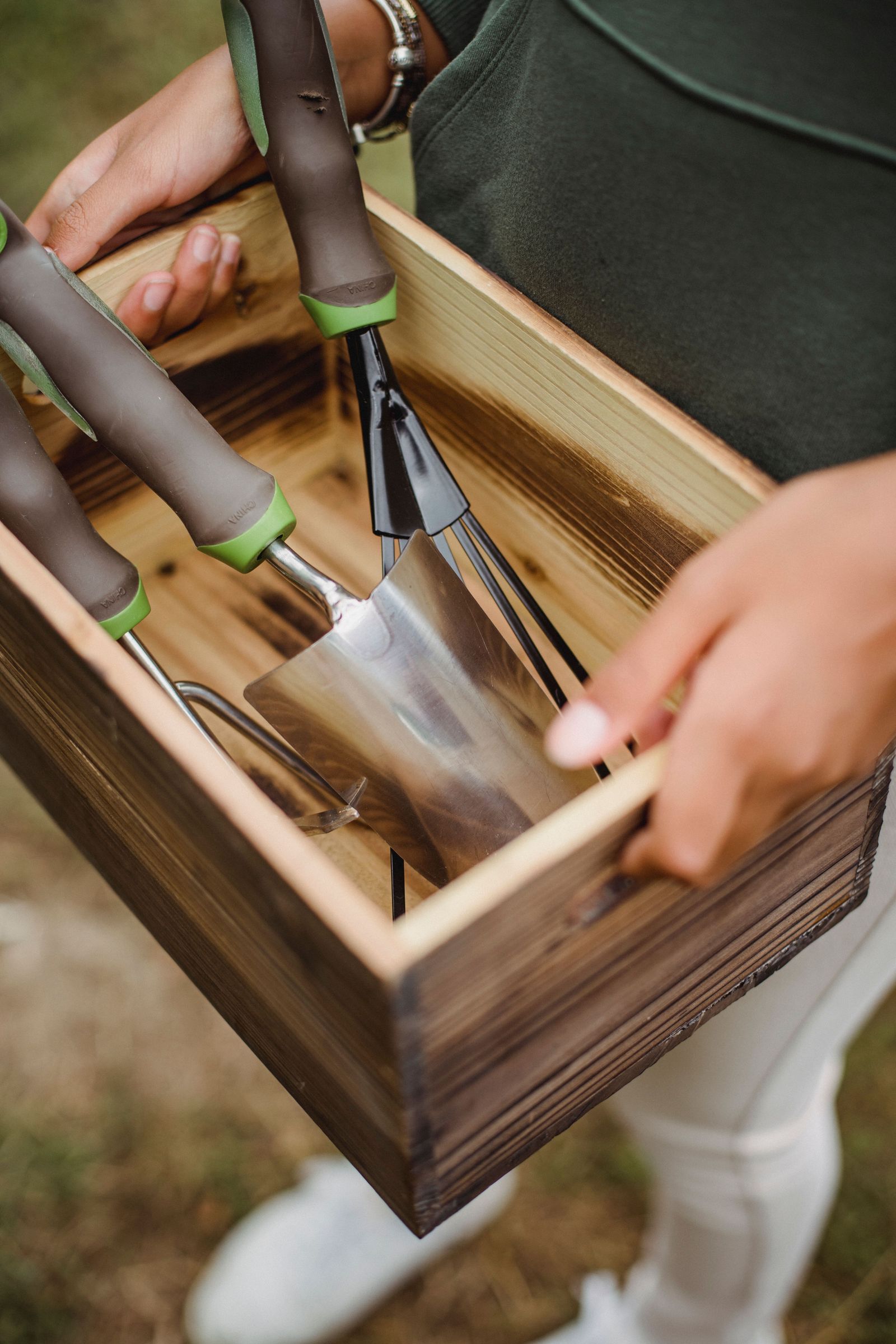
Ten tools run a beginner's whole first season: hand trowel, bypass pruners, gloves, spade, digging fork, bow rake, leaf rake, watering can, hose with a wand, and a wheelbarrow or garden cart. Each one below carries its job, the quality test that separates it from the junk in the beginner aisle, and the moment in the season when you actually reach for it, plus the honest split of five to buy now and five to buy when their job arrives.
- Beginner Gardening Guide: The One Reference Page for Your First Season
One reference page for a first garden: full sun means 6 or more hours of direct sun, most beds want about 1 inch of water a week, tomatoes stand 24 inches apart and cucumbers 12 at this site's extension standards, and seed starting counts back 6 weeks from your last frost. Keep this page open all season and look things up instead of guessing.
- Beginner Gardening Kit: What a Real Kit Contains, and When to Skip the Box
The boxed beginner gardening kit, judged as a buying decision rather than a product ranking: what a real first kit must contain by job, how piece count math inflates a box, the tools every kit leaves out (spade, hose, soil, seeds), the kit versus pieced-together comparison on cost and steel quality, and the two situations where the box is genuinely the right buy.
- Best Garden Tools for Beginners
The short list of garden tools a beginner actually needs, bought in two stages: the few tools to buy before planting day, the tools to earn later when a real job asks for them, and the simple store tests that separate a tool that lasts from one that bends.
- Best House Plants for Beginners in Low Light: Matched to How Dim Your Spot Really Is
Low light has levels: most guides call 50 to 150 foot candles low light, and the plants that survive a dim corner are a short, specific list. This page sorts eight beginner plants by how dim the spot really is, runs the shadow test to measure your light without a meter, and flags pet safety on every pick, because overwatering in dim corners, not darkness, is what kills them.
- Best Plants for Beginners Outdoor: Forgiving Picks Sorted by Your Light
The best outdoor plants for beginners, sorted by the light your yard actually has: full sun forgiving flowers and vegetables, shade tolerant perennials, and dry corner survivors, each with its one real way to kill it.
- Best Plants for Beginners: Decide Where It Lives First
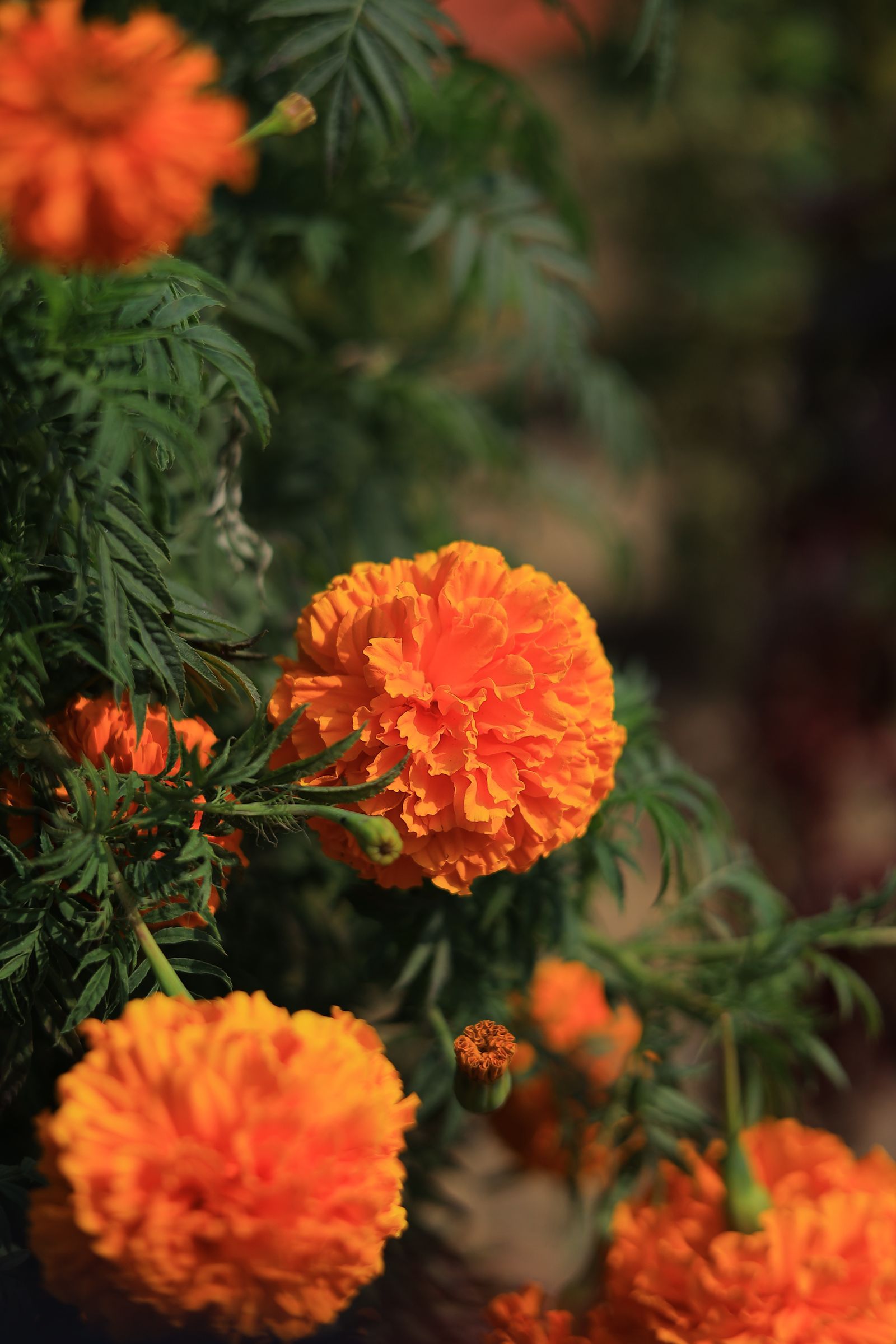
The best first plant is chosen by where it will live, not by the prettiest photo: pothos, snake plant, and spider plant indoors, marigold, zinnia, and daylily outdoors, with pet safety checked before buying. One plant, in the right light, with a watering style that matches your habits.
- Garden Bed Cover: Which Cover for Which Job, by Weight, Grade, and Season
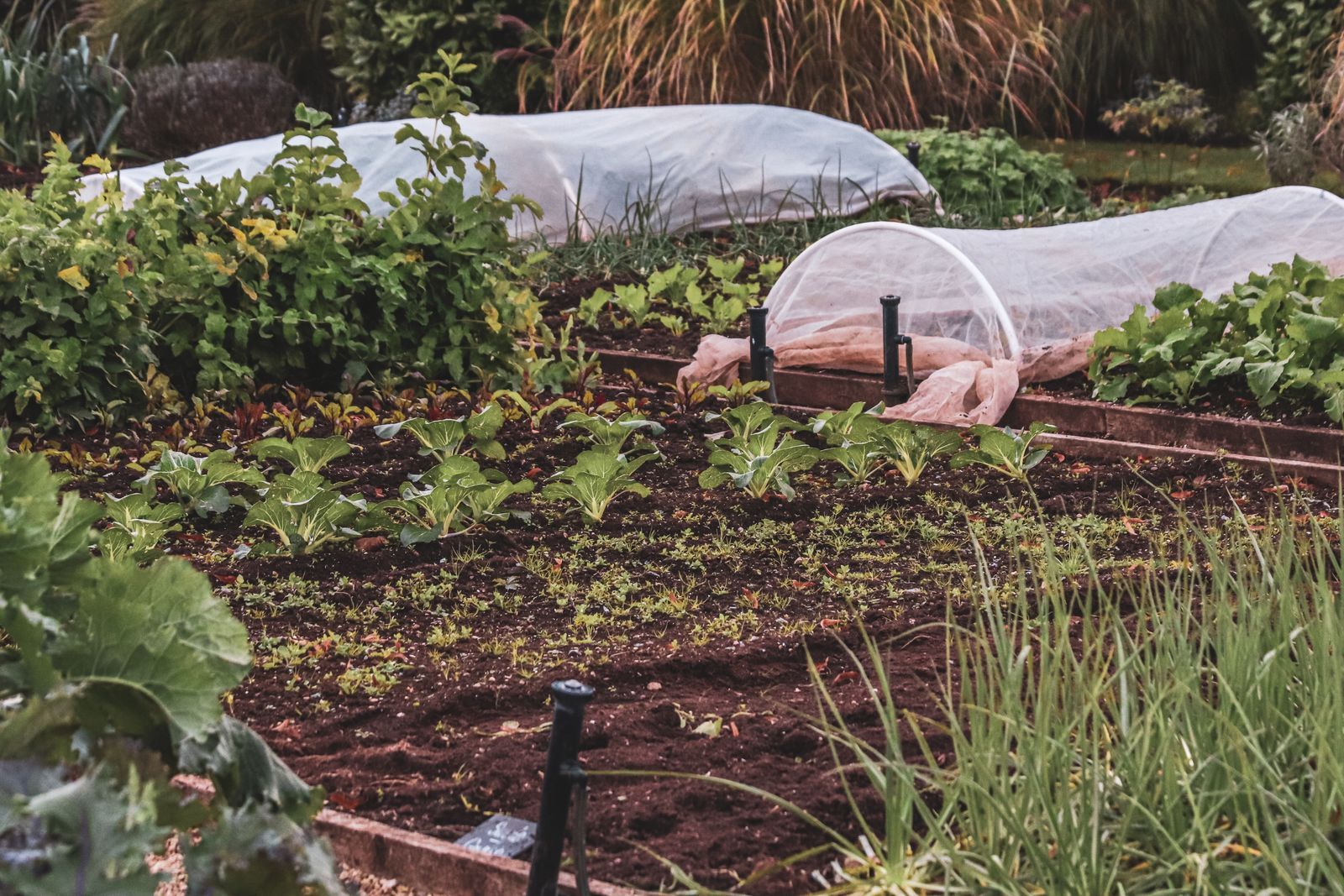
A garden bed cover is spunbonded fabric sold by weight, and the weight is the whole decision: light grades near half an ounce per square yard pass 85 to 90 percent of light and stop insects, medium grades near one ounce hold 4 to 6 degrees of frost protection, and heavy grades up to 2.2 ounces hold about 8 degrees while giving up half the light. This page matches cover to job, frost, insects, shade, and wind, and settles floating versus hoops.
- Garden Bed Ideas: Choose by Your Yard, Not by the Photo
Forty pretty bed photos will not help you choose one. This guide sorts garden bed ideas by your actual constraint, no build, low budget, bad soil, small space, or sore knees, with who each bed suits, what it costs in effort, and its watch out.
- Garden Bed Soil: What Actually Goes in a New Bed, and How Much
The bed fill decision on one page: the 60/30/10 topsoil, compost, and aeration blend, the 50/50 blend, and Mel's Mix in equal thirds, checked against extension anchors (Iowa State at about 70/30 topsoil to compost, Maryland at 20 to 50 percent organic matter by volume), plus the buying math: a 4 by 8 foot bed filled 12 inches deep takes 32 cubic feet, about 1.19 cubic yards.
- Garden for Beginners: Choose Your First Garden Before You Plant It
A garden for beginners starts with a choice, not a shovel. Compare the four beginner garden types, containers, raised beds, in ground beds, and an herb and flower border, on cost, effort, and what grows well in each, then plant the first list for the type you pick.
- Garden Planning Guide
A garden planning guide that ends with a finished plan, not inspiration: measure your yard, map the sun, draw one bed to scale, place crops at real extension spacing, and write your frost dates on the page. One sitting, one bed, done.
- Garden Soil vs Potting Soil
Garden soil and potting soil are built for different worlds. Garden soil belongs in the ground, potting mix belongs in containers, and swapping them causes the two most common beginner soil failures. Includes the decision table and the rescue for a pot filled with the wrong one.
- Garden Soil vs Top Soil: Which One Your Job Actually Needs
Topsoil is the natural upper layer of earth, variable and cheap, made for filling and grading. Garden soil is topsoil amended with compost for beds. Match the material to the job, and learn the questions to ask before a bulk load arrives.
- Gardening Basics: The Five Ideas Every Garden Stands On
Gardening basics come down to five load bearing ideas: sun, soil, water, timing, and space. Learn each one with a simple test you can run today, and every other gardening question gets easier to answer.
- Gardening for Beginners in Pots: A First Garden With No Bed at All
A pot garden is its own system: drainage holes are non negotiable, potting mix never garden soil, small herbs and greens fit 1 to 3 gallon pots while one tomato or pepper wants 8 to 10 gallons per University of Maryland Extension, and a 20 inch pot of damp mix can weigh about 100 pounds, which matters on a balcony.
- Gardening for Beginners: Your First Season, Stage by Stage
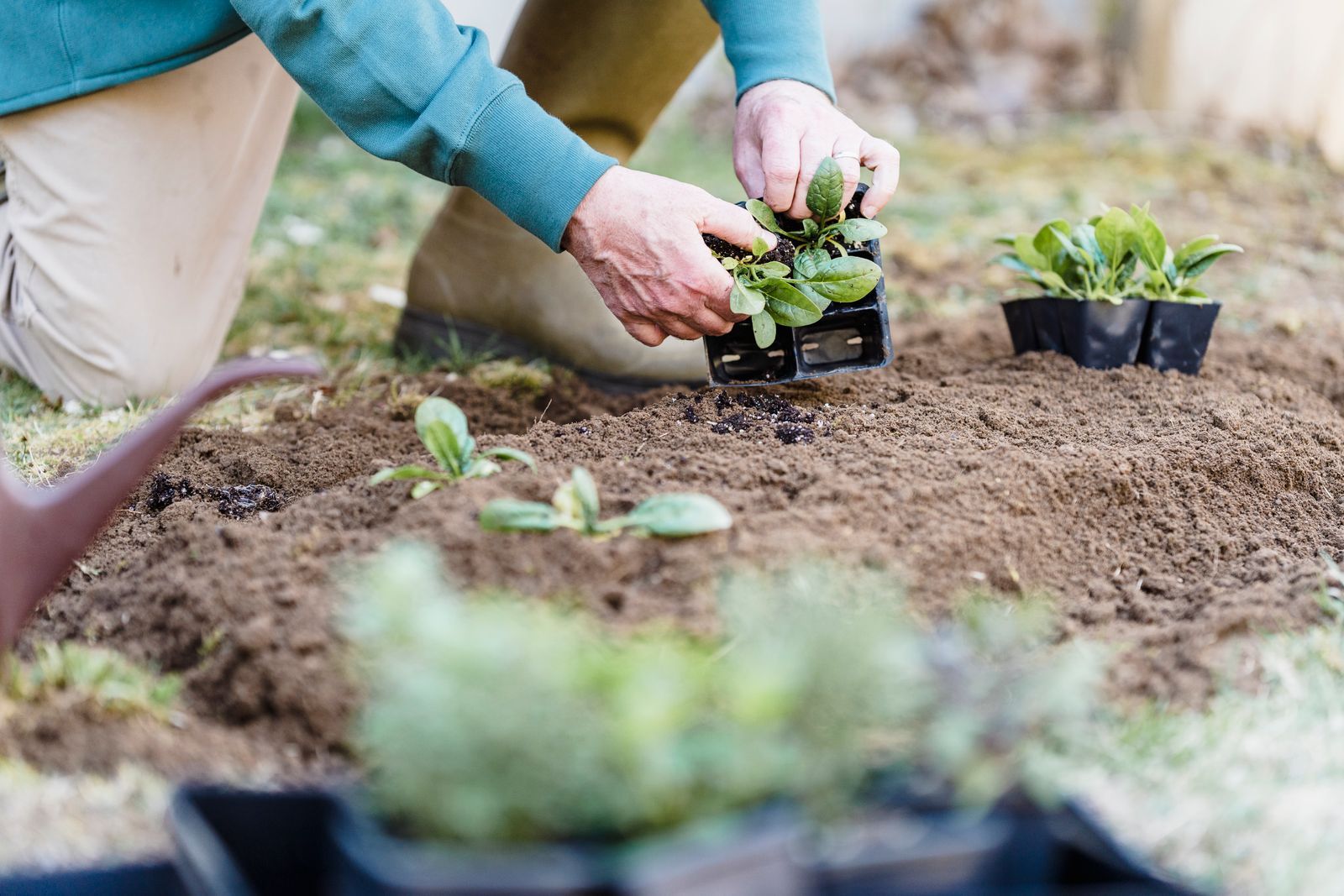
A first season of gardening runs in six stages: decide what the garden is for, prepare a sunny spot, plant a short list, tend with water and mulch, harvest little and often, and review with notes. Each stage has a finish line, and skipping ahead is how beginners drown.
- Gardening Ideas for Beginners: A First Garden for the Space You Actually Have
A bank of first garden ideas sorted by the space you actually have, yard, patio, balcony, windowsill, and shade, each with its plant list, its weekend build, its weekly upkeep counted in minutes, and its first payoff date. The rule underneath every idea is the light rule: six or more hours of direct sun for edibles and most flowers, and honest shade ideas for the ground the sun skips.
- Gardening Tips for Beginners
Beginner gardening tips ranked by what it costs you when you get them wrong: the habits that prevent dead plants, wasted water, and crowded beds, plus a five minute weekly routine that keeps a first garden on track.
- How Deep to Make a Raised Garden Bed: Three Depths, One Decision
Most vegetables thrive in 10 to 12 inches of soil over open ground, salads and herbs in 6 to 8, and root crops in 12 to 18 or more. On concrete, 18 inches is the floor. Separate frame height, soil depth, and root depth, then price the depth before you build.
- How Much Does It Cost to Build a Raised Garden Bed? One Bed, Priced End to End
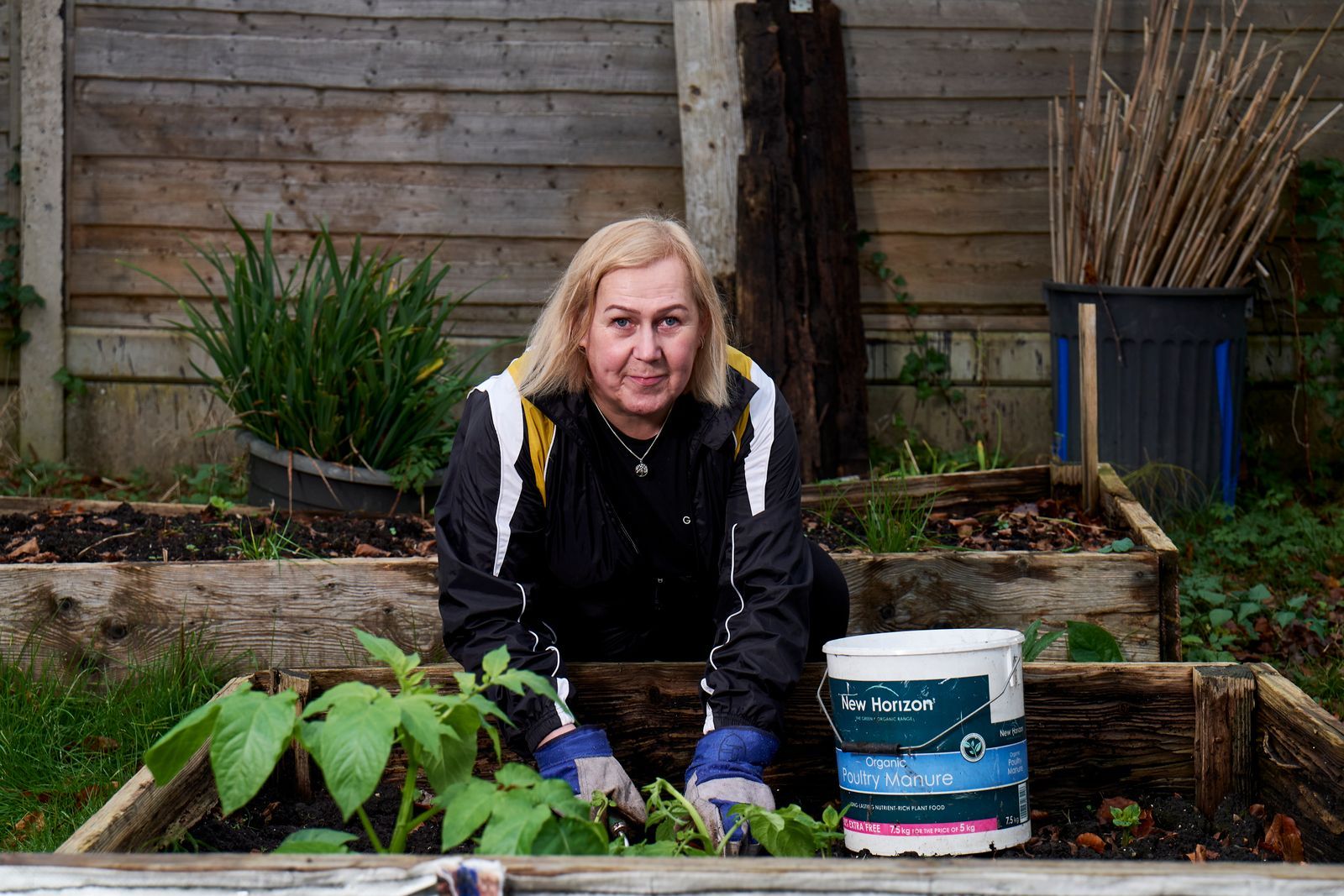
One standard 4 by 8 foot raised bed at 12 inches deep, priced honestly at three budget levels: the lumber by material family, the soil that surprises every beginner (32 cubic feet, about 1.19 cubic yards, roughly 22 bags bagged or one bulk delivery), the hardware and hidden costs that add 30 to 80 dollars, and the cost per year once you divide by how long each material actually lasts.
- How Often to Water a Bamboo Plant: The Container Rhythm, the Establishment Year, and the Leaf Curl Signal
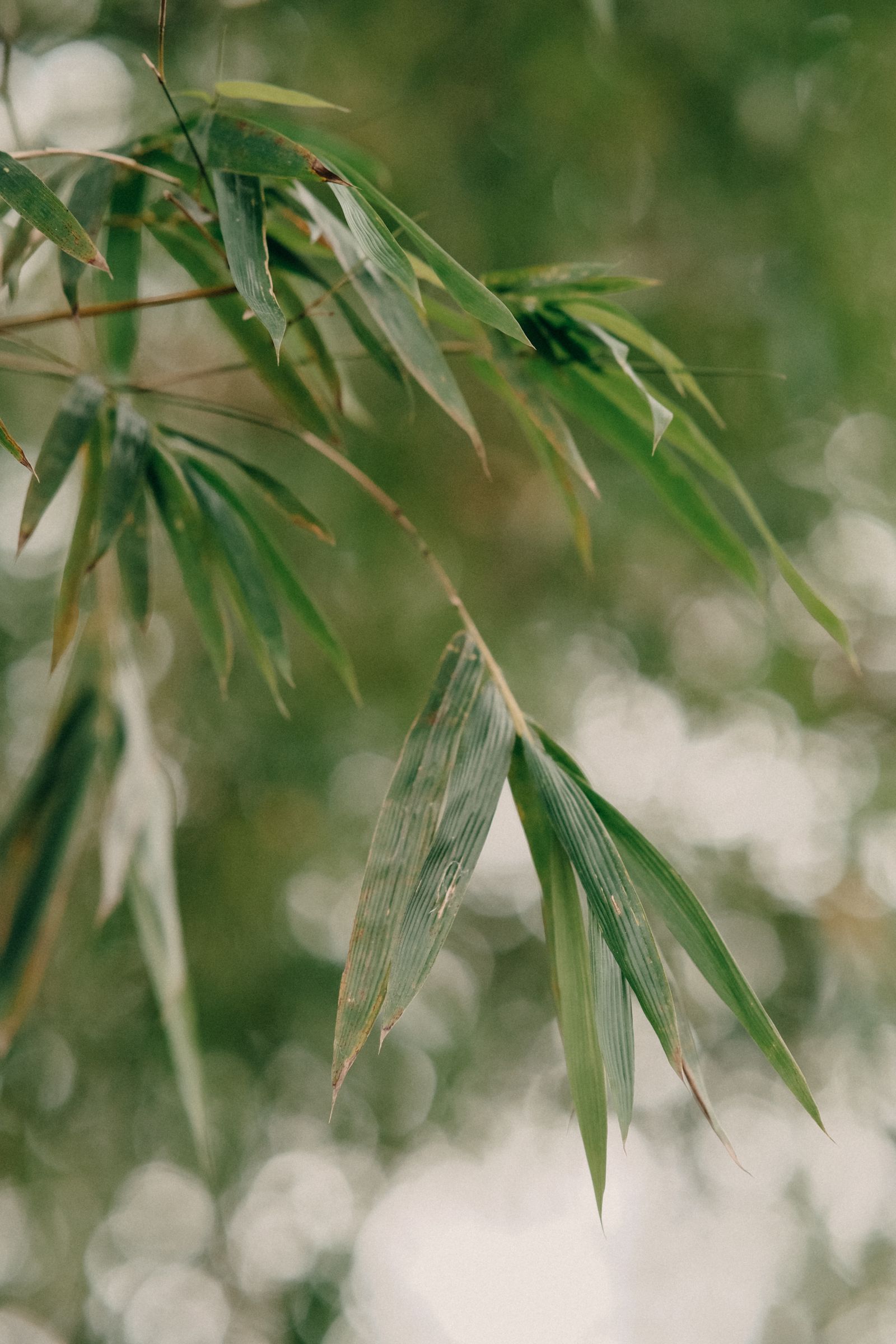
Bamboo watering splits first by identity and then by situation. True bamboo in a container is watered in sessions, when the top of the mix appears dry, until it drains: 2 to 3 times a week in normal summer weather, daily in extreme heat, at 1 to 2 gallons a session for a large pot. In the ground, a new planting drinks deeply 2 to 3 times a week for its first 6 to 12 months, and an established clump runs on 1 to 2 inches a week including rain. Lucky bamboo is a different plant entirely, a dracaena, and this page routes it to its own rule.
- How Often to Water a Bonsai Tree: The Dryness Check, the Two Pass Soak, and the Mix That Sets the Interval
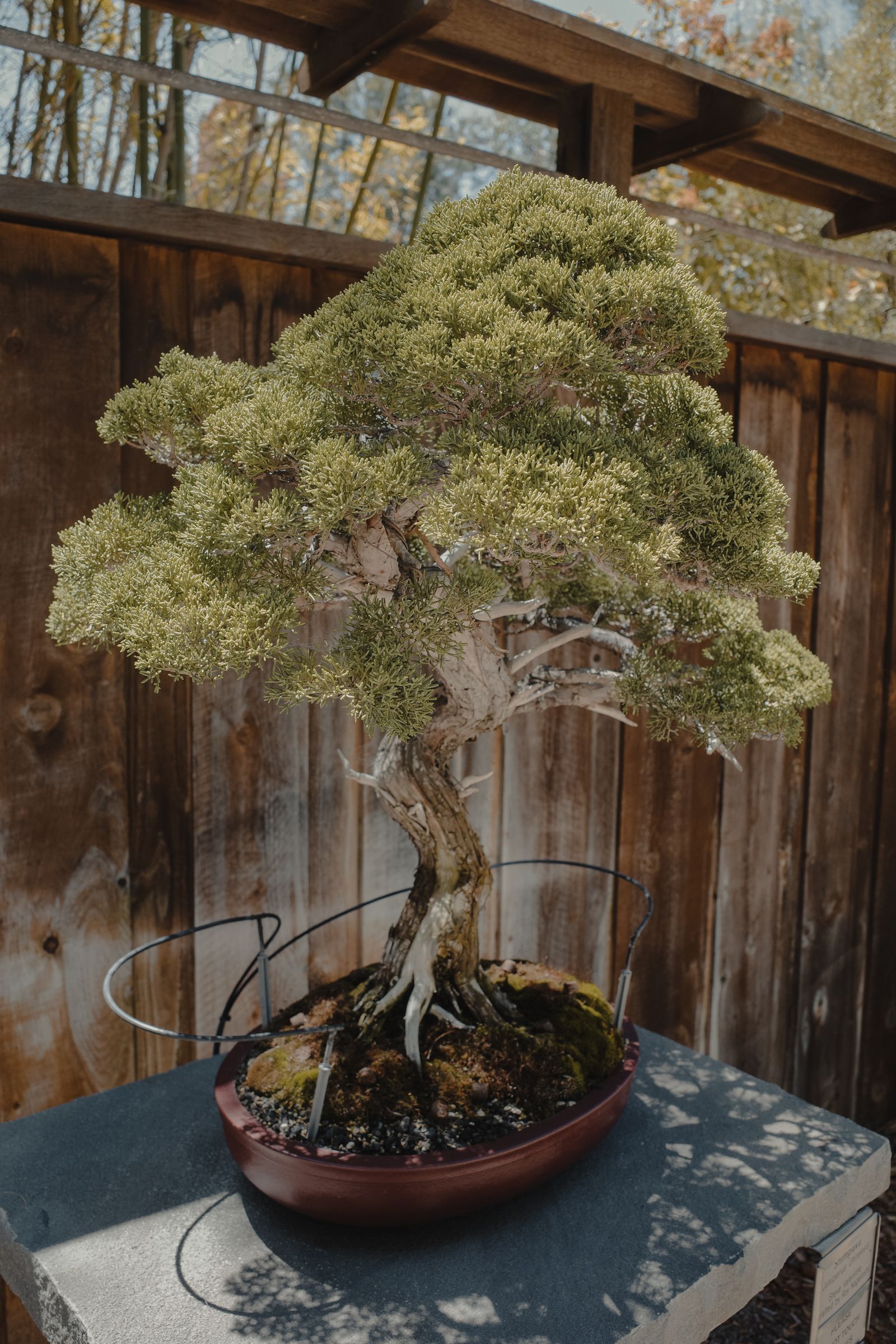
A bonsai is never watered on a fixed schedule, because a teacup of soil in a shallow pot dries at the speed of the weather, the mix, and the tree. The rule is a check: water when the top centimeter or so of mix is slightly dry, then soak until it drains, usually in two passes. Outdoor trees in granular mix run daily in summer and twice daily above 90 degrees F; indoor tropicals run every 2 to 4 days; dormant outdoor trees are checked about weekly. The mix moves the interval by days: dense peat can hold a wet core for 5 to 7 days while akadama and pumice dry in 1 to 2.
- How Often to Water a Boston Fern: the Never Dry Rule and the Frequency Sprawl, Explained
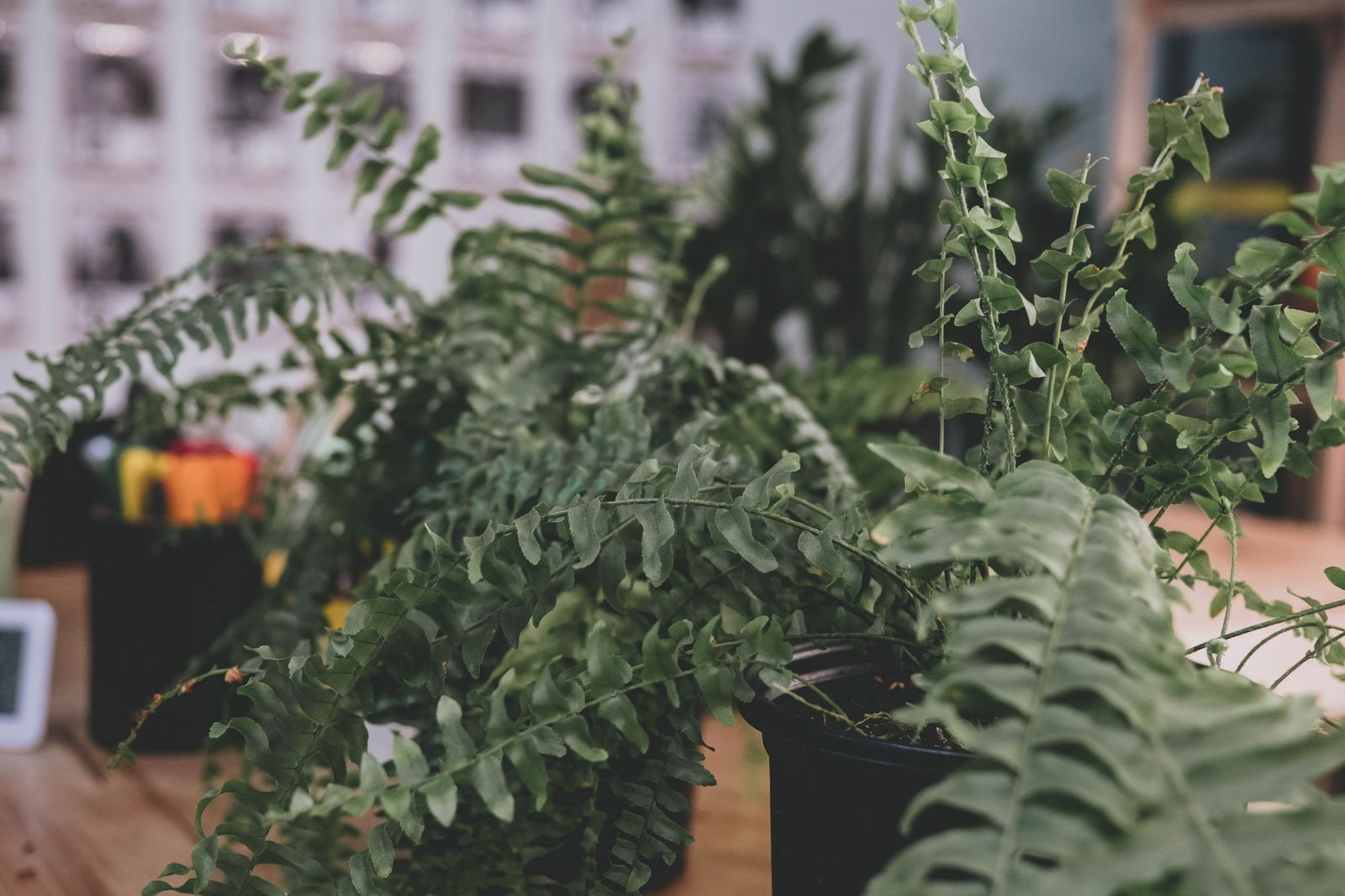
Boston fern watering with the frequency sprawl out in the open: guides say every 2 to 3 days, weekly, and every 1 to 2 weeks, and pot, basket, and humidity decide which one is yours. The rule underneath is constant, keep the mix evenly moist and never let it dry out or sit soggy, plus the hanging basket case, the humidity half of the system, and the shedding diagnosis that separates thirst from dry air.
- How Often to Water a Cactus: The Soak and Dry Cycle, the Forest Exception, and the Winter Rest
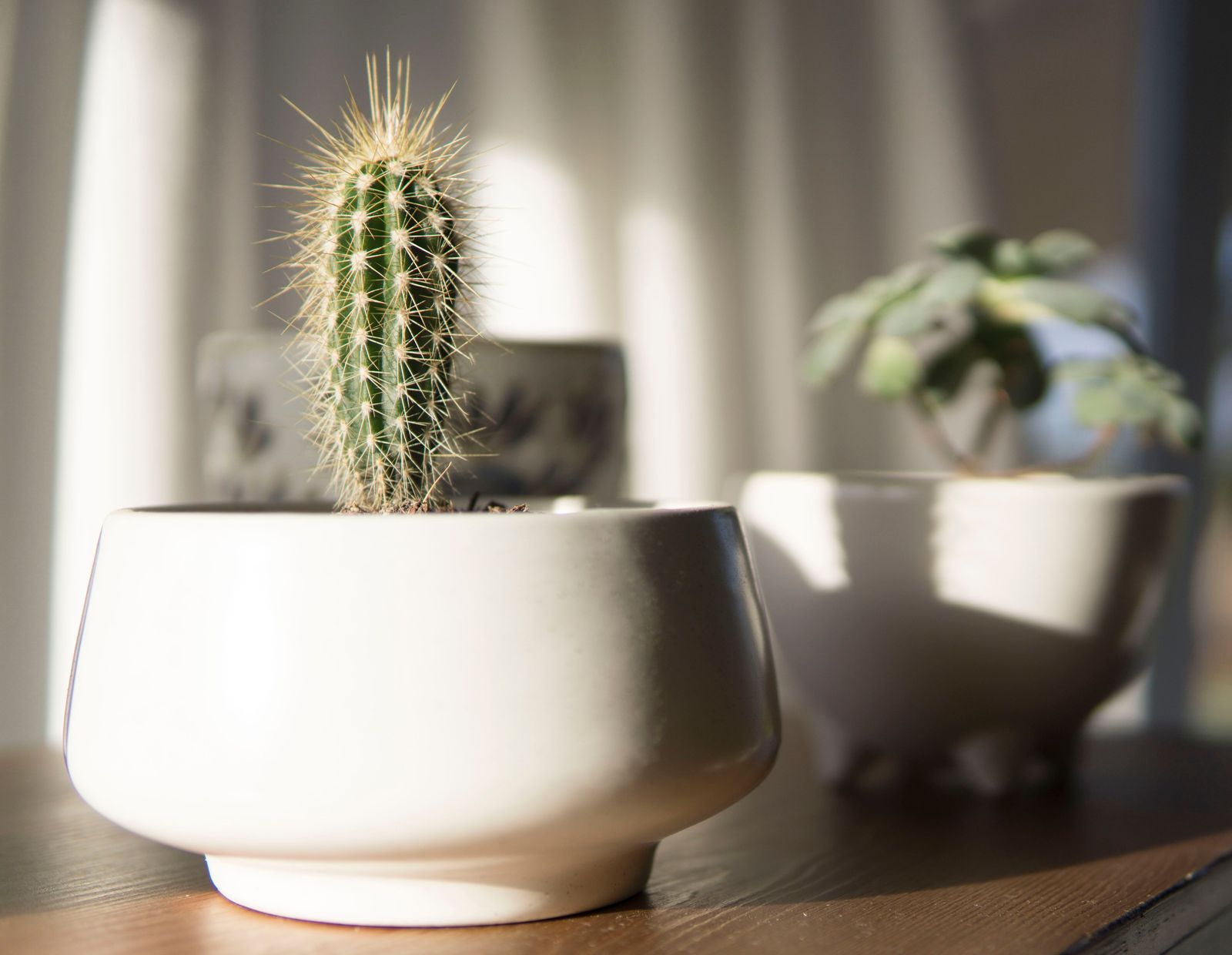
Cactus watering is a soak and dry cycle, not a schedule. Desert cacti indoors drink deeply every 1 to 3 weeks in spring and summer growth, then rest at every 4 to 8 weeks or not at all in winter. Forest cacti such as Christmas cactus break the rule and want lighter, more frequent water. The full dry check that replaces the calendar, the pot size physics, and the rot triage for a plant softening at the base.
- How Often to Water a Chinese Money Plant: The Two Inch Check, the Winter Spread, and the Leaf Signals
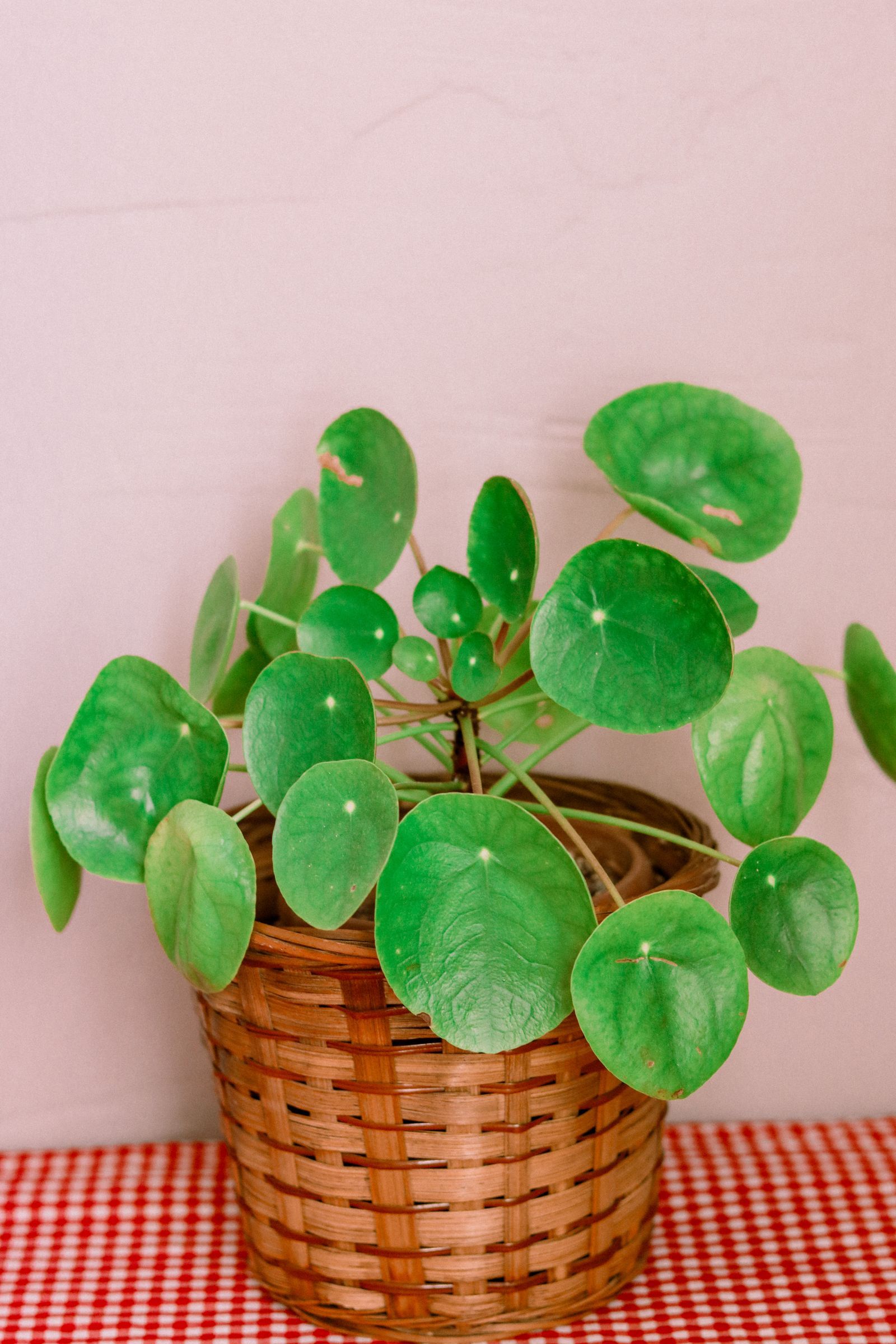
A Chinese money plant, Pilea peperomioides, is watered on a depth check, not a calendar: soak it when the top 1 to 2 inches of mix are dry, until water runs from the drainage holes, then empty the saucer. In bright summer conditions that lands about every 5 to 7 days in a small pot and about weekly in a larger one. Winter sources spread honestly, from every 10 to 14 days to every 2 to 3 weeks, and the check is the arbiter between them. The thick stems store some water, and overwatering with root rot is the plant's top killer.
- How Often to Water a Christmas Cactus: the Bloom Calendar, Not the Desert Rule
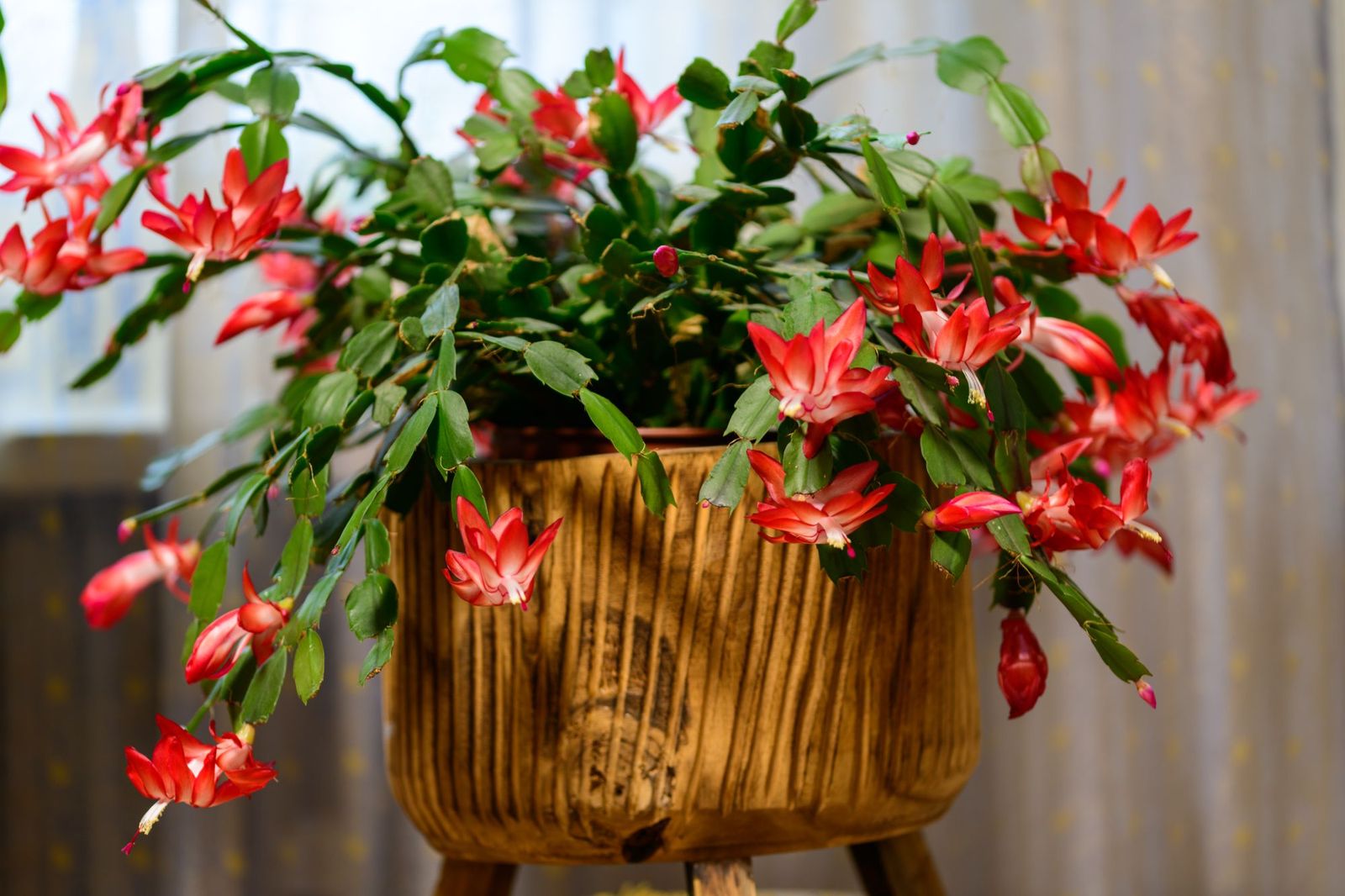
Christmas cactus watering organized around the only calendar this plant cares about: growth, the mid September dry rest that sets buds, the bud stage rule that keeps them on the plant, and the post bloom rest. Roughly every 1 to 3 weeks by the top inch check in growth, because this is a rainforest cactus from Brazil, not a desert one, plus the bud drop diagnosis and the rot check that catches the real killer.
- How Often to Water a Fiddle Leaf Fig: The Tree Form Watering System
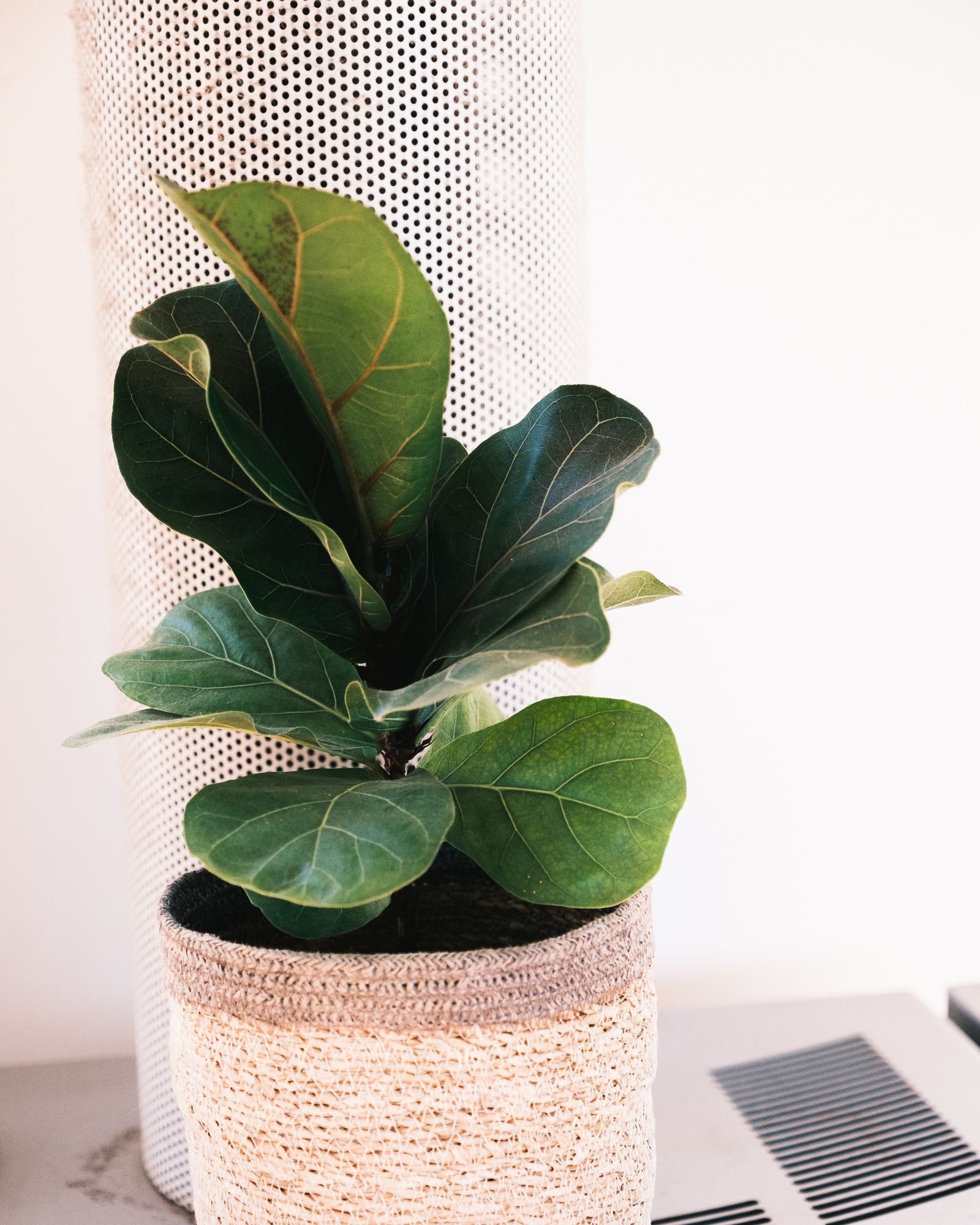
Fiddle leaf fig watering built for the plant people actually own, a tree in a 10 to 14 inch pot: water when the top 2 to 3 inches of mix are dry, about every 7 to 10 days in the growing season and every 2 to 3 weeks in winter, soaking until water exits the drainage holes. The pot weight check for plants too heavy to lift, soak volumes by pot size, and a leaf drop diagnosis that tests water before light and move shock.
- How Often to Water a Jade Plant: Read the Leaves, Not the Calendar
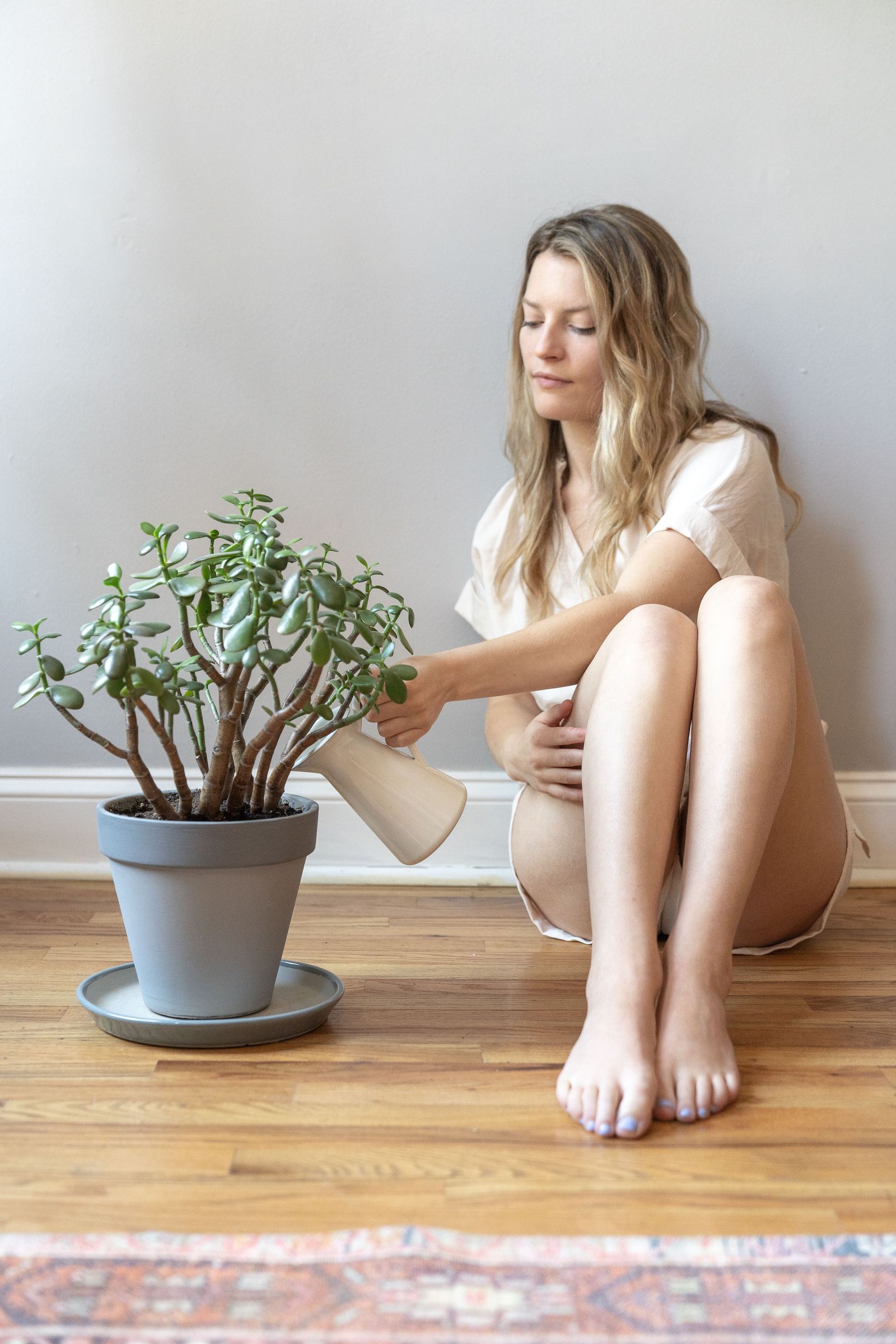
Jade plant watering built on leaf water storage: water only when the mix is fully dry through the pot, about every 2 to 3 weeks in the growing season and every 4 to 6 weeks in winter, using leaf plumpness as the plant's own gauge. The deep soak method, the tree form system for old heavy plants, and a leaf drop diagnosis that tests water before light and age.
- How Often to Water a Kentia Palm: The Big Pot, Slow Plant System
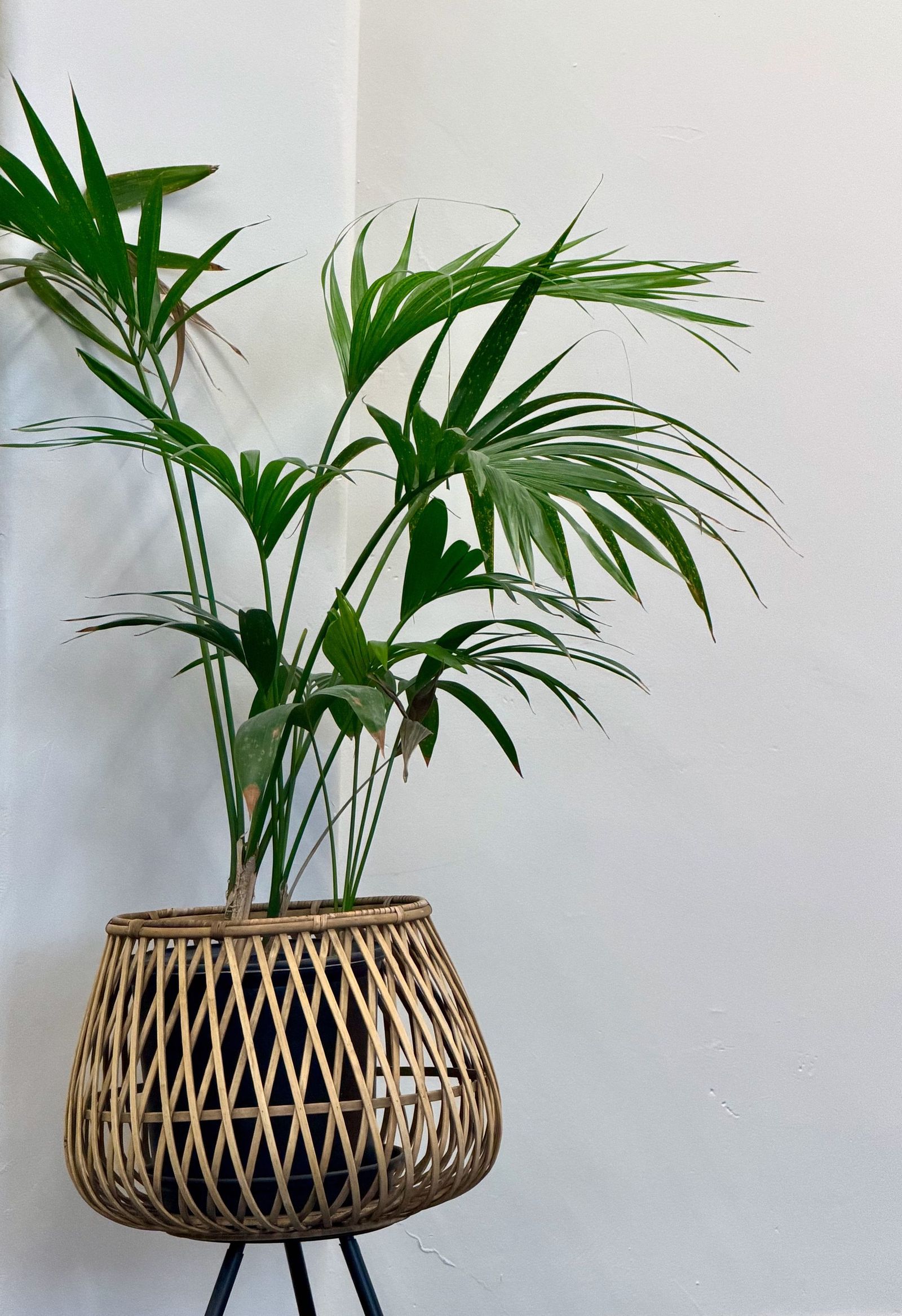
Kentia palm watering for a slow growing plant in a large pot: water when the top 1 to 2 inches of mix are dry, which runs every 7 to 10 days in spring and summer and every 14 to 21 days in winter. Why the interval stretches in a big pot, how the periodic flush clears the tap water salts behind brown tips, and how to tell a salt burned tip from a thirsty one. Pet safe per the ASPCA listing the guides cite.
- How Often to Water a Kumquat Tree: The Small Pot Citrus System
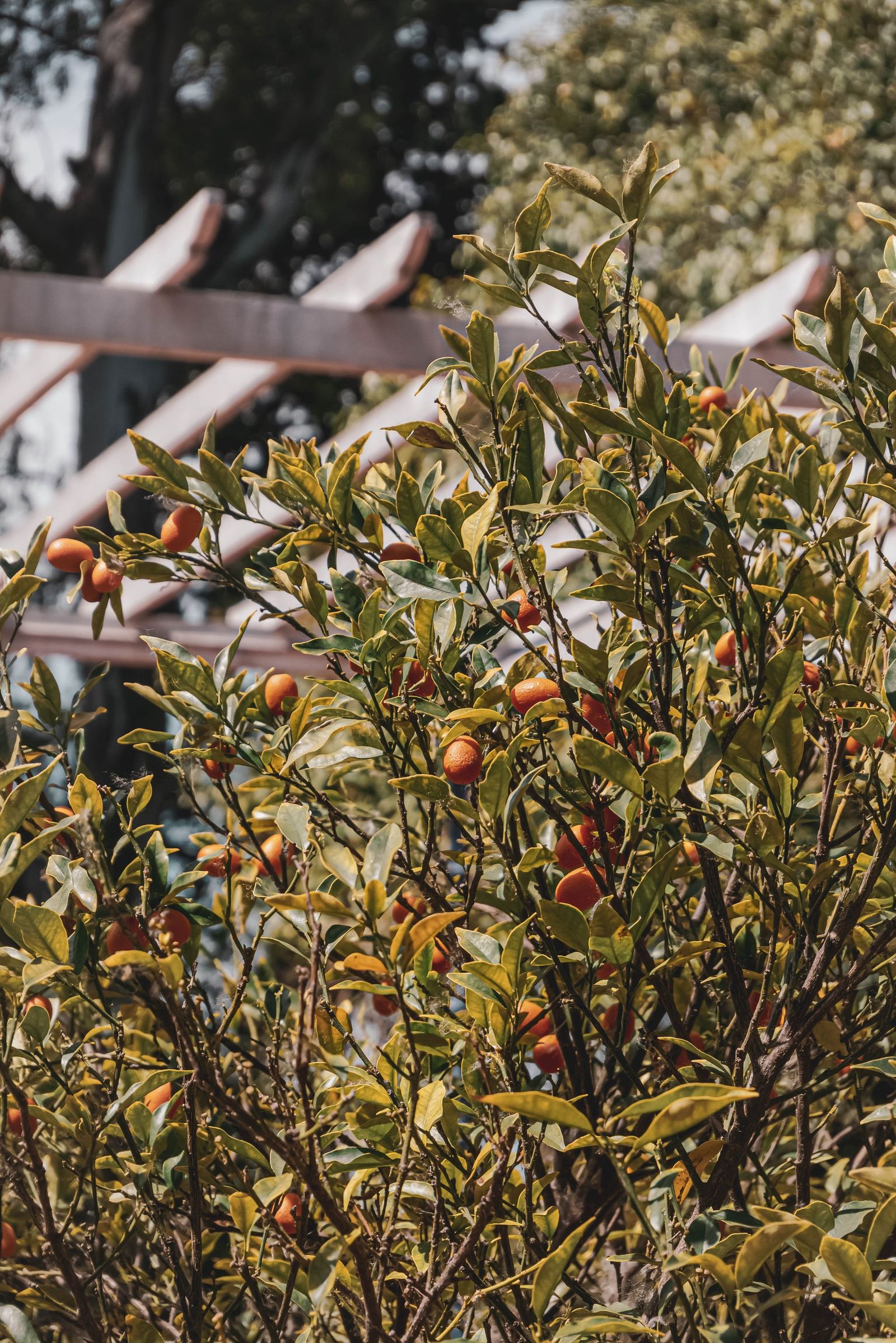
Potted kumquat watering differentiated from generic citrus advice: check the top 1 to 2 inches of mix, then soak, which runs every 3 to 5 days in warm weather, every 2 to 3 days for outdoor full sun pots, and weekly or less in cool weather. Why the smaller pot and the fruit eaten whole change the rules, the flowering window where even moisture holds the crop, and leaf curl read as a water report. This site's lemon tree article owns the lemon case; this page owns the kumquat.
- How Often to Water a Lemon Tree: The Potted Tree System
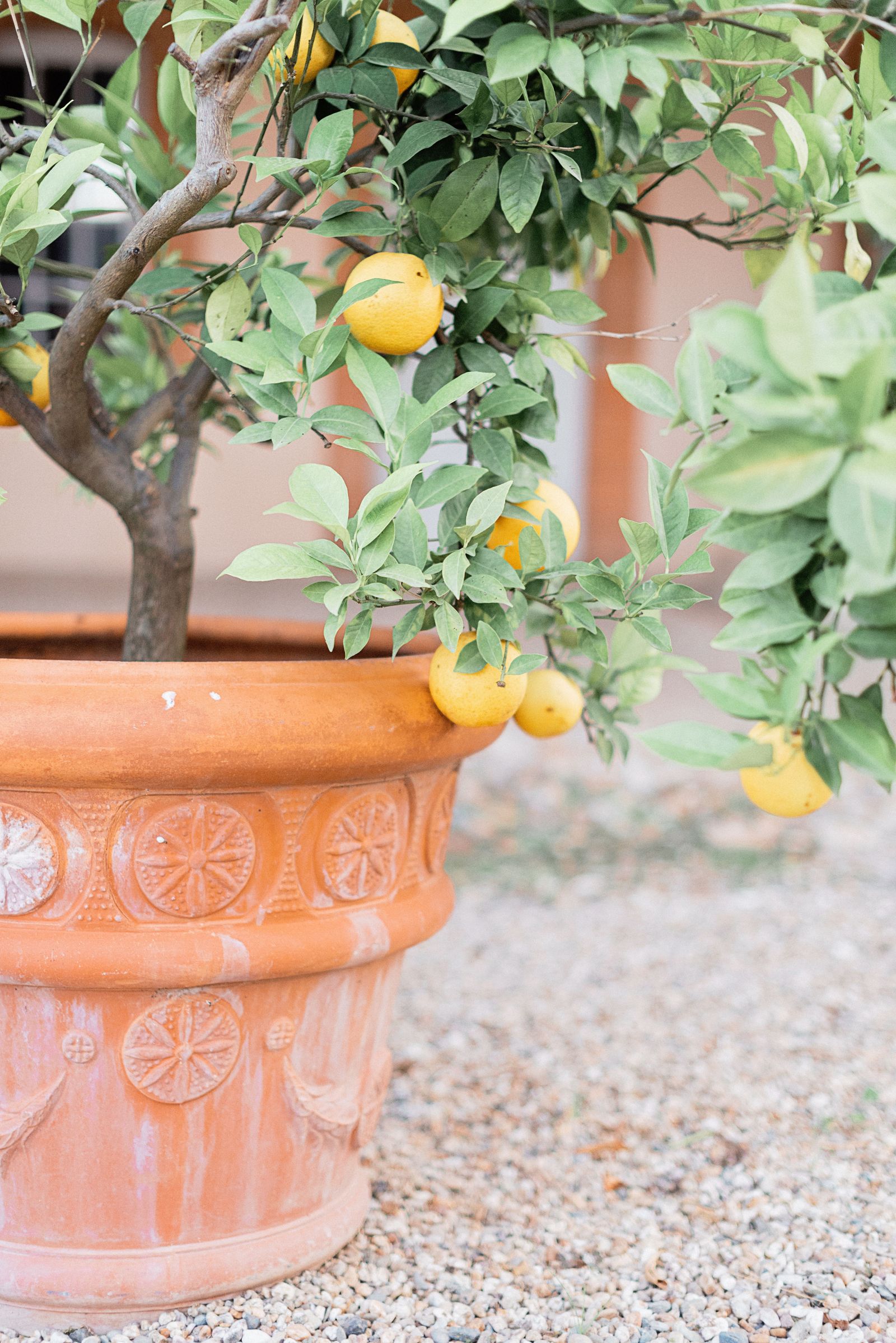
Potted lemon tree watering by pot size and season: check when the upper 2 to 3 inches of mix are dry, deep soak until drainage runs, and hold the rhythm steady through flowering and fruit set, when water stress drops fruit. Small pots on hot balconies can run every 2 to 3 days; large pots indoors stretch to every 1 to 2 weeks. The UC IPM outdoor benchmark and the winter indoor stretch included.
- How Often to Water a Majesty Palm: Even Moisture for a Riverbank Plant
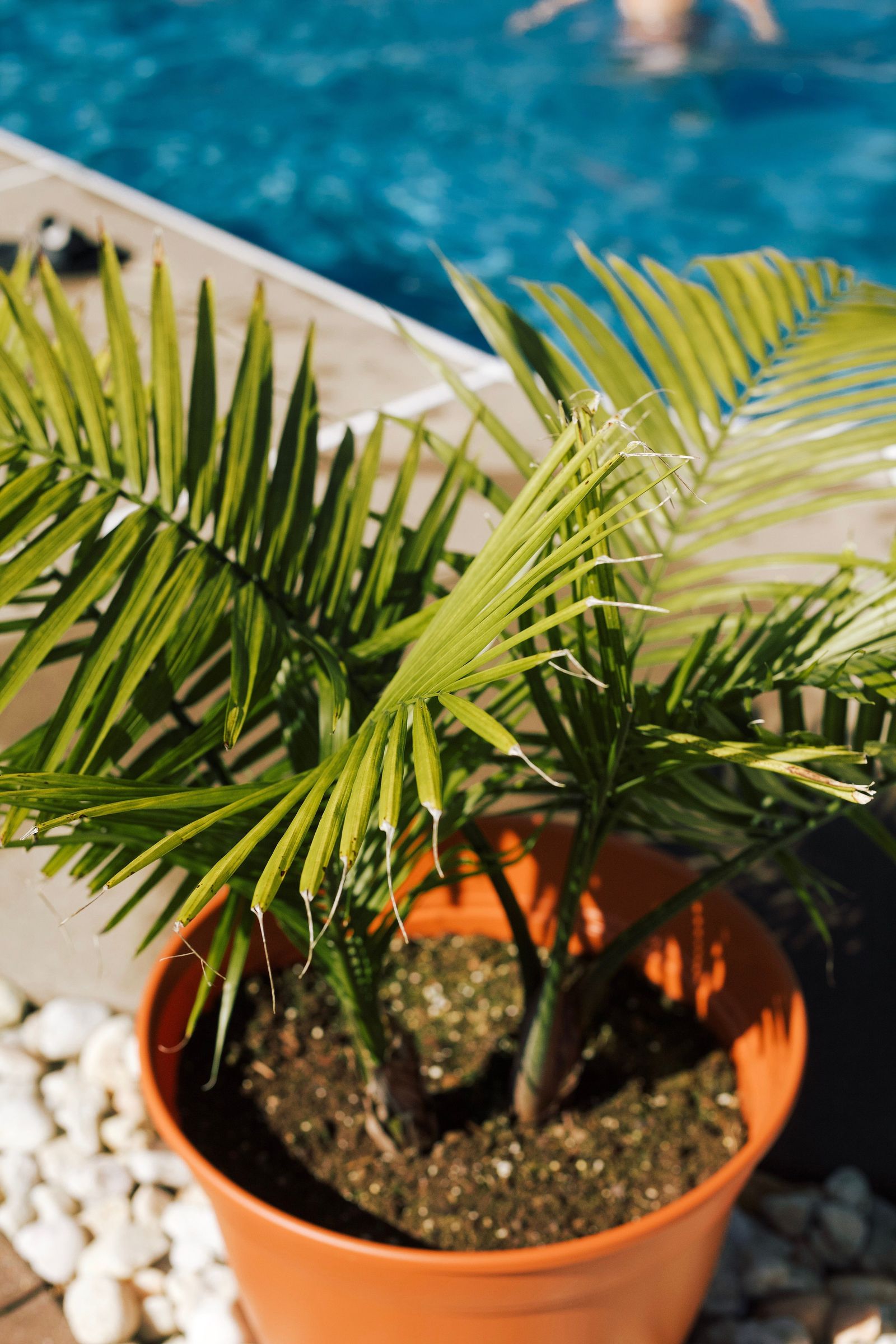
Majesty palm watering for a riverbank plant indoors: keep the mix evenly moist, watering when the top 1 to 2 inches dry, about every 5 to 10 days in warm bright rooms and stretching in winter. The brown tip diagnosis that separates water salts, dry air, and thirst, and the water quality fix this fluoride sensitive plant actually needs.
- How Often to Water a Money Tree: Deep Soak, Then a Real Dry Spell
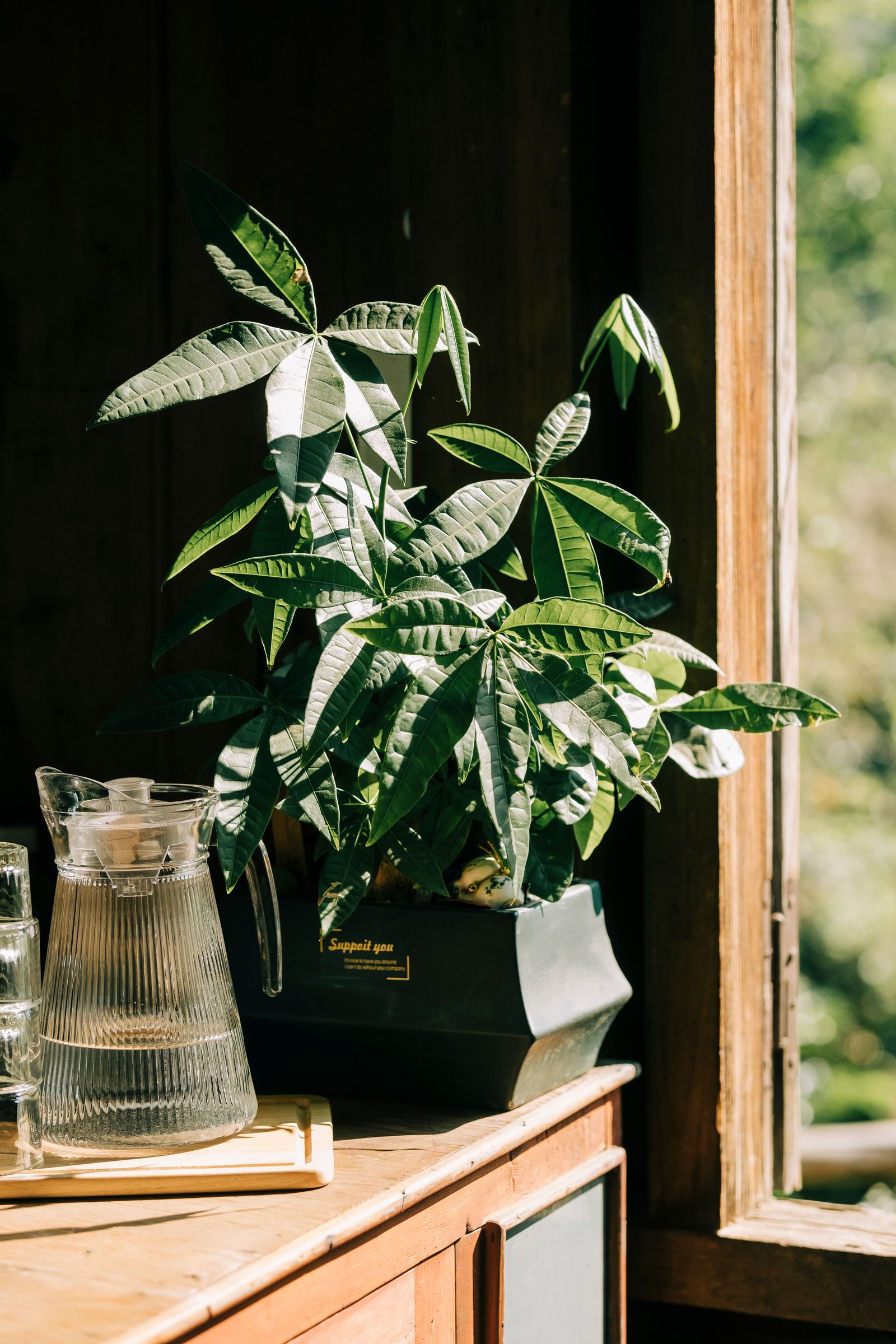
Money tree watering with its source conflict out in the open: some guides say water when the top inch is dry, others say the top 2 to 3 inches, and pot size is the decider between them. Roughly every 1 to 2 weeks in summer with a deep soak and full drainage, longer in winter, plus the gift plant cachepot trap that hides standing water, leaf drop diagnosis, and clearing up the money tree name confusion with the jade plant.
- How Often to Water a Monstera: Watering a Climbing Plant, Pole and All
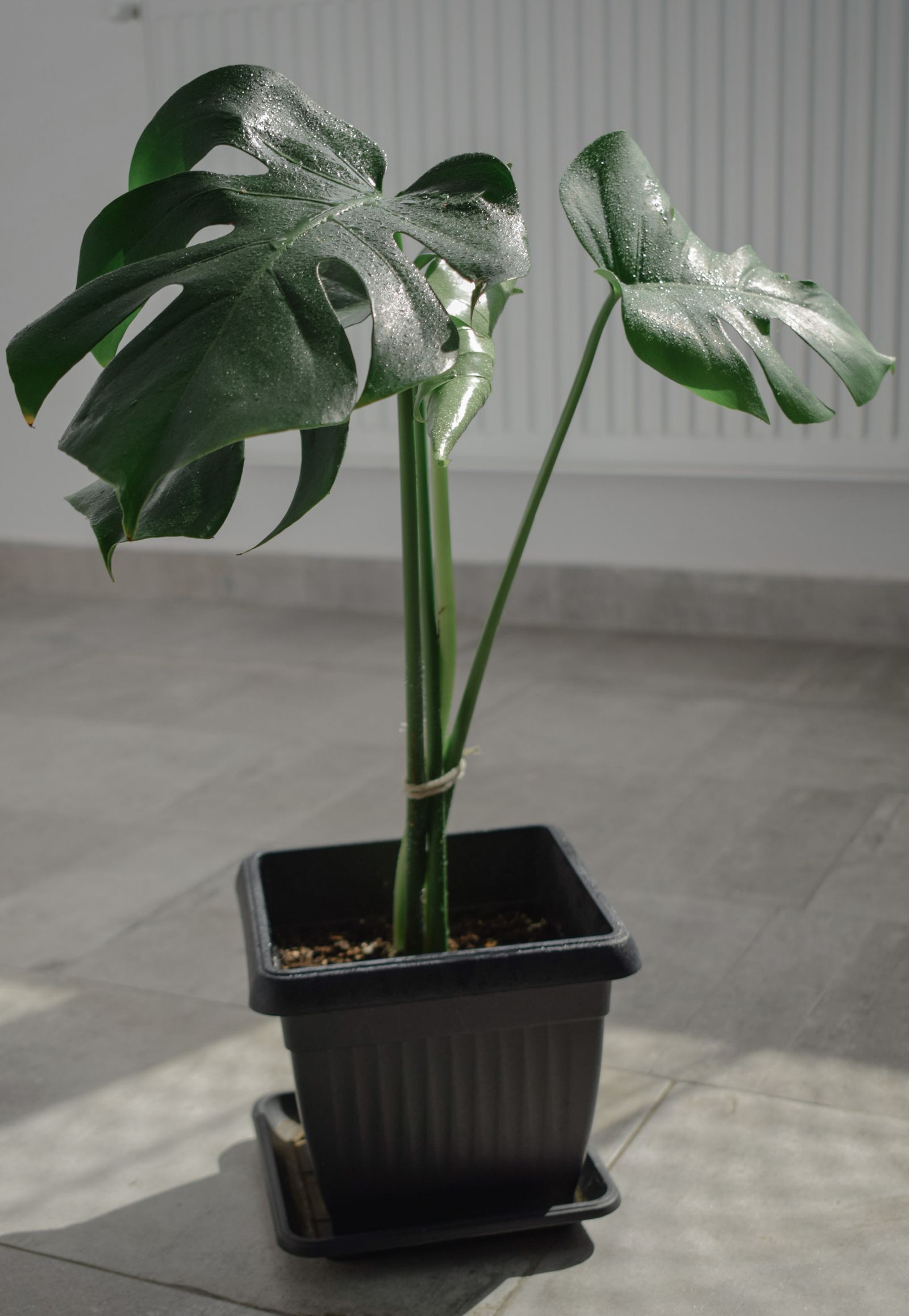
Monstera watering built on the plant's climbing physiology: water when the top 2 inches of mix are dry, about every 7 to 14 days in spring and summer and every 14 to 21 days or more in winter. The moss pole watering routine, aerial root expectations, the chunky aroid mix that dries faster than calendar rules assume, and fenestration read as a light and water report card.
- How Often to Water a Peace Lily: The Droop Is a Warning, Not a Schedule
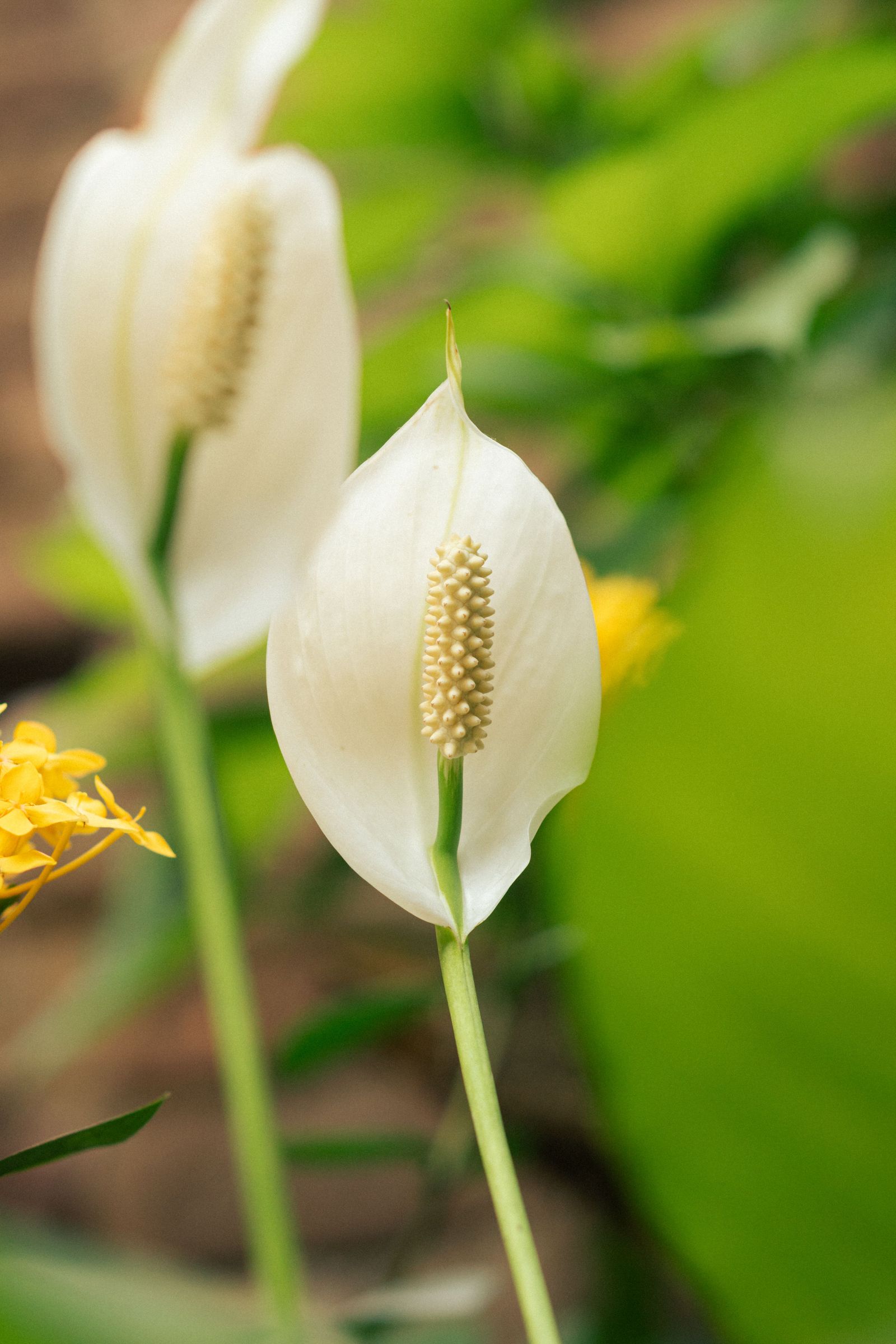
Peace lily watering built on the moisture check rather than the calendar: water when the top inch of mix is dry, roughly weekly in an average room and every 10 to 14 days in winter, soak until it drains, and never let the pot sit in water. Plus the droop read correctly as a late warning, the brown tip problem that is really a water quality problem, the collapsed plant rescue, and the pet warning this plant requires.
- How Often to Water a Queen Fern: The Kimberley Queen System, and How It Differs From a Boston Fern
Queen fern watering for the Kimberley queen, Nephrolepis obliterata: keep the mix consistently moist but never soggy, with intervals sprawling from every 2 to 4 days to every 7 to 14 days by pot, basket, and placement. The head to head with the Boston fern it is confused with: upright fronds, a 40 to 50 percent humidity floor instead of 50 to 60, and a brief 2 to 4 day dry down this plant tolerates and a Boston fern does not.
- How Often to Water a Snake Plant: The Interval Your Pot Actually Sets
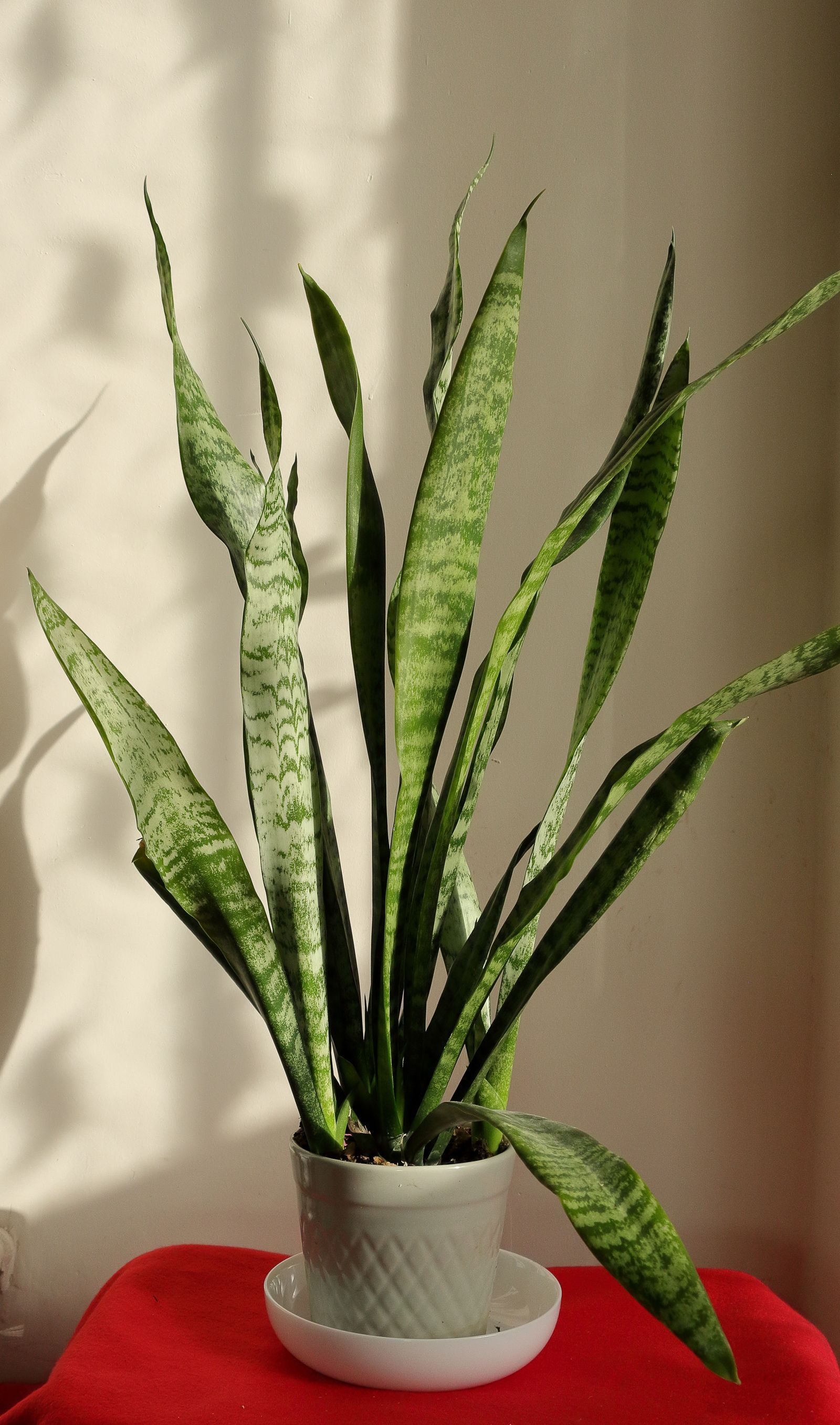
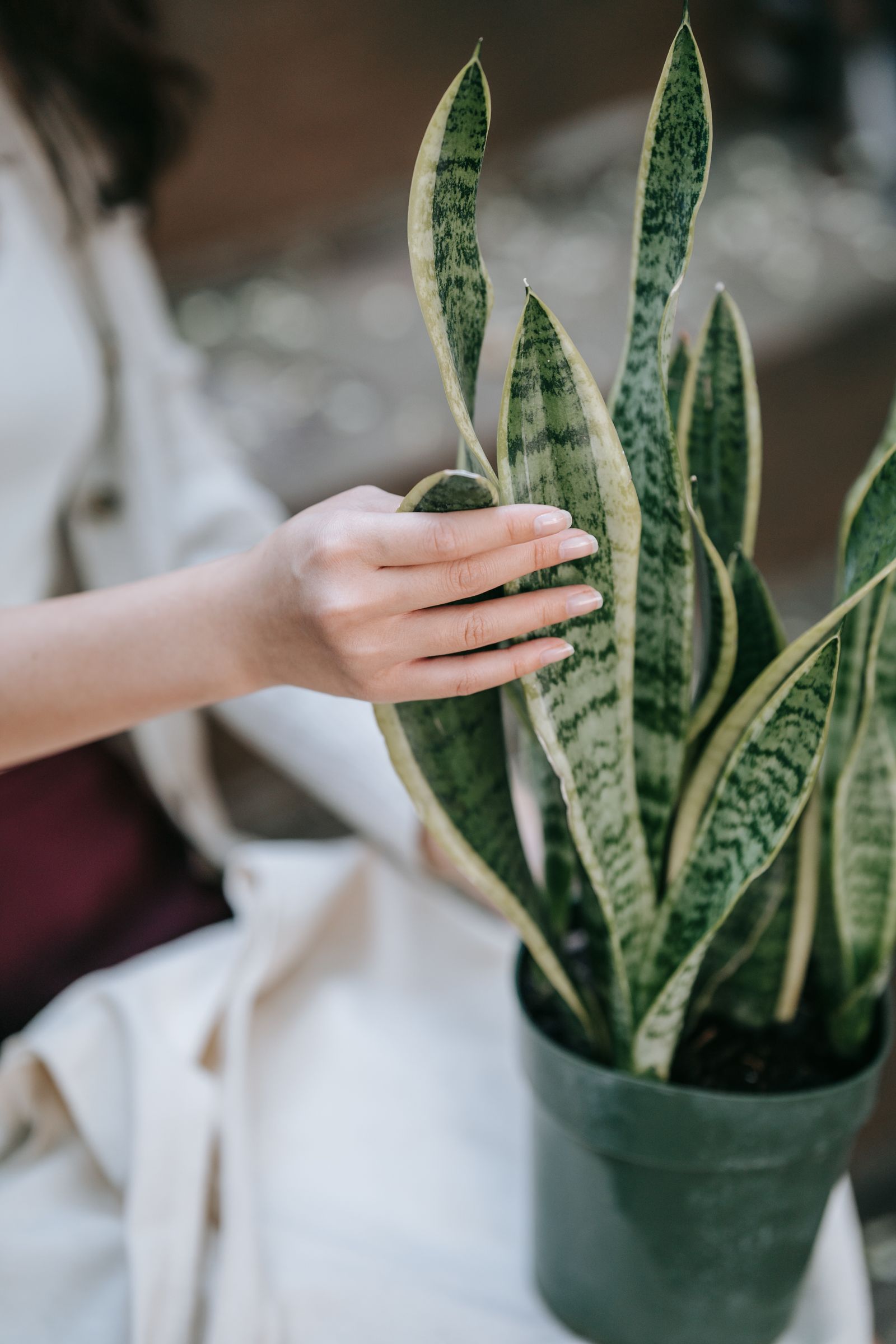
There is no single calendar answer: Clemson Extension puts snake plant watering at every 2 to 4 weeks in the growing season and every 4 to 6 weeks in fall and winter, while NC State Extension quotes up to every 1 to 2 months in winter. The honest answer is built from your pot, its material, and your light, using the check first method on this page.
- How Often to Water a Spider Plant: the Storage Root Rule and the Brown Tip Verdict
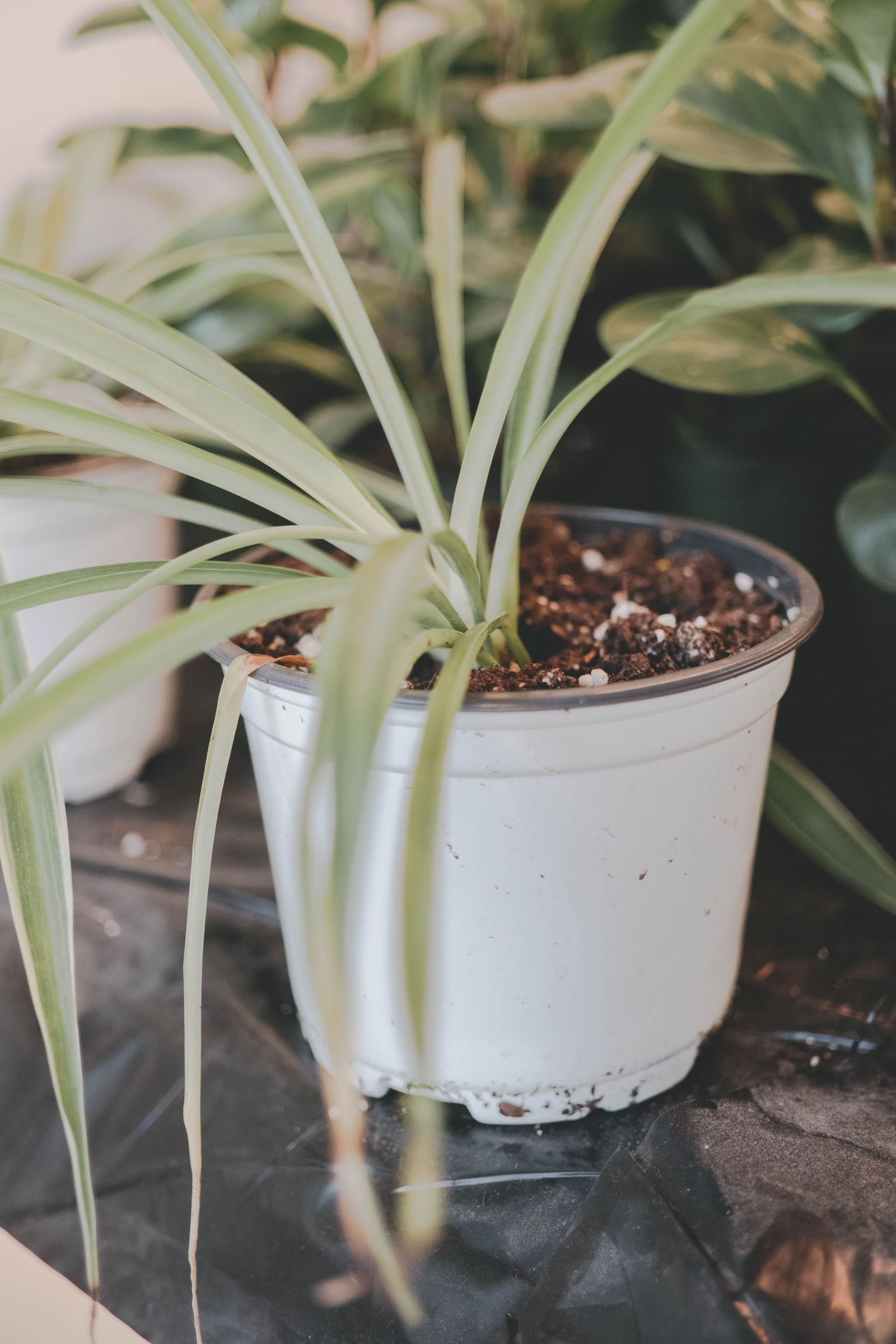
Spider plant watering built on the organ most guides mention and few explain: the thick tuberous roots that store water and set the rhythm. Water when the top 1 to 2 inches of mix are dry, about every 7 to 10 days in growth and every 12 to 21 days in winter, plus the brown tip diagnosis that separates a water quality problem from a watering problem, plantlet watering, and why this is one of the safest plants around pets.
- How Often to Water a ZZ Plant: Watering the Plant That Stores Its Own
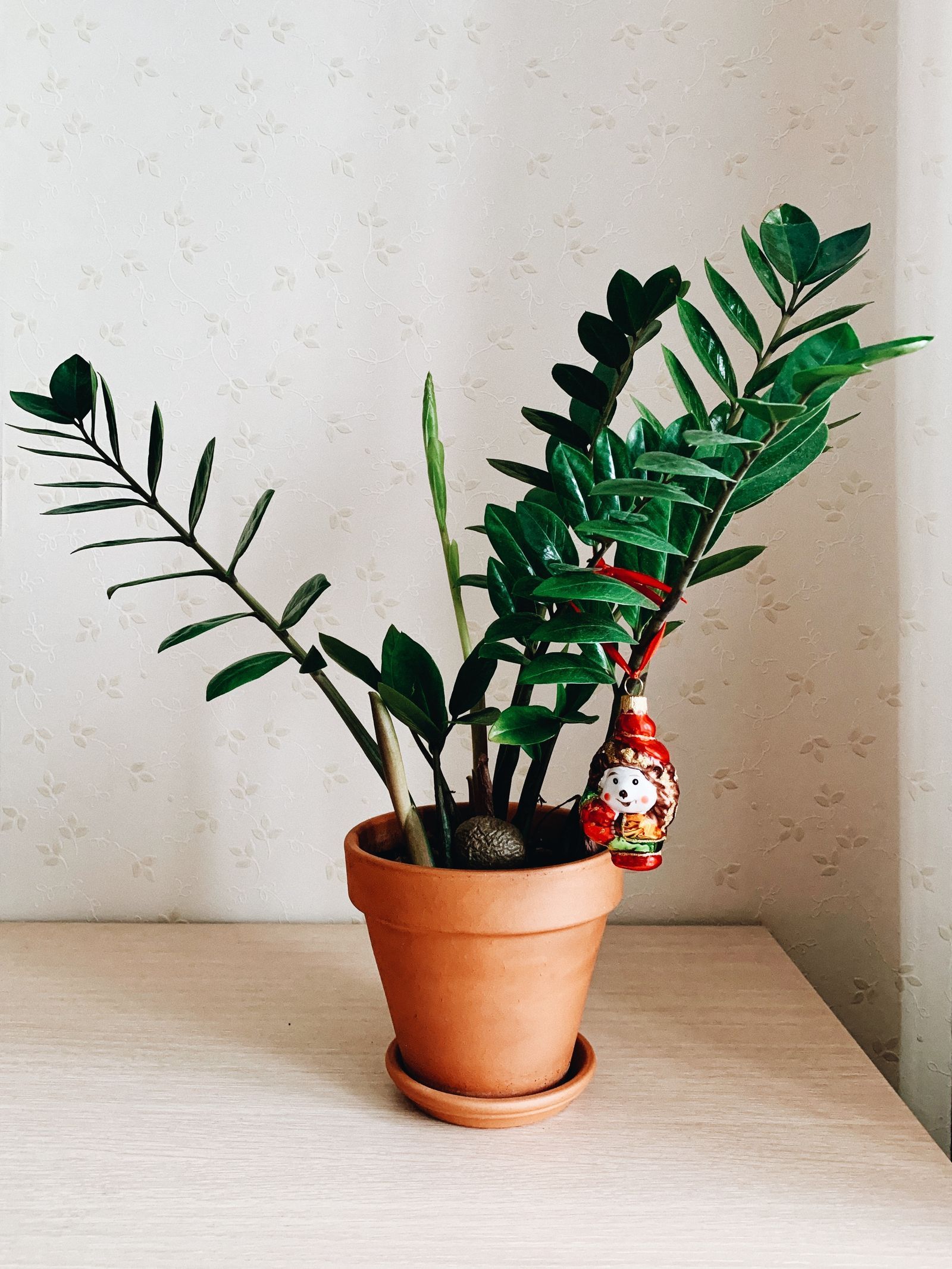
ZZ plant watering built on its rhizome water storage: water only when the mix is fully dry through the whole pot, about every 2 to 4 weeks for most rooms, roughly twice a month in summer and monthly in winter on the NC State Extension pattern. The full depth check that replaces the lying finger test, the Iowa State interval conflict flagged openly, and the mushy stem rescue. Toxic to people and pets, so placement is part of the care.
- How Often to Water African Violets: Room Temperature, From the Bottom
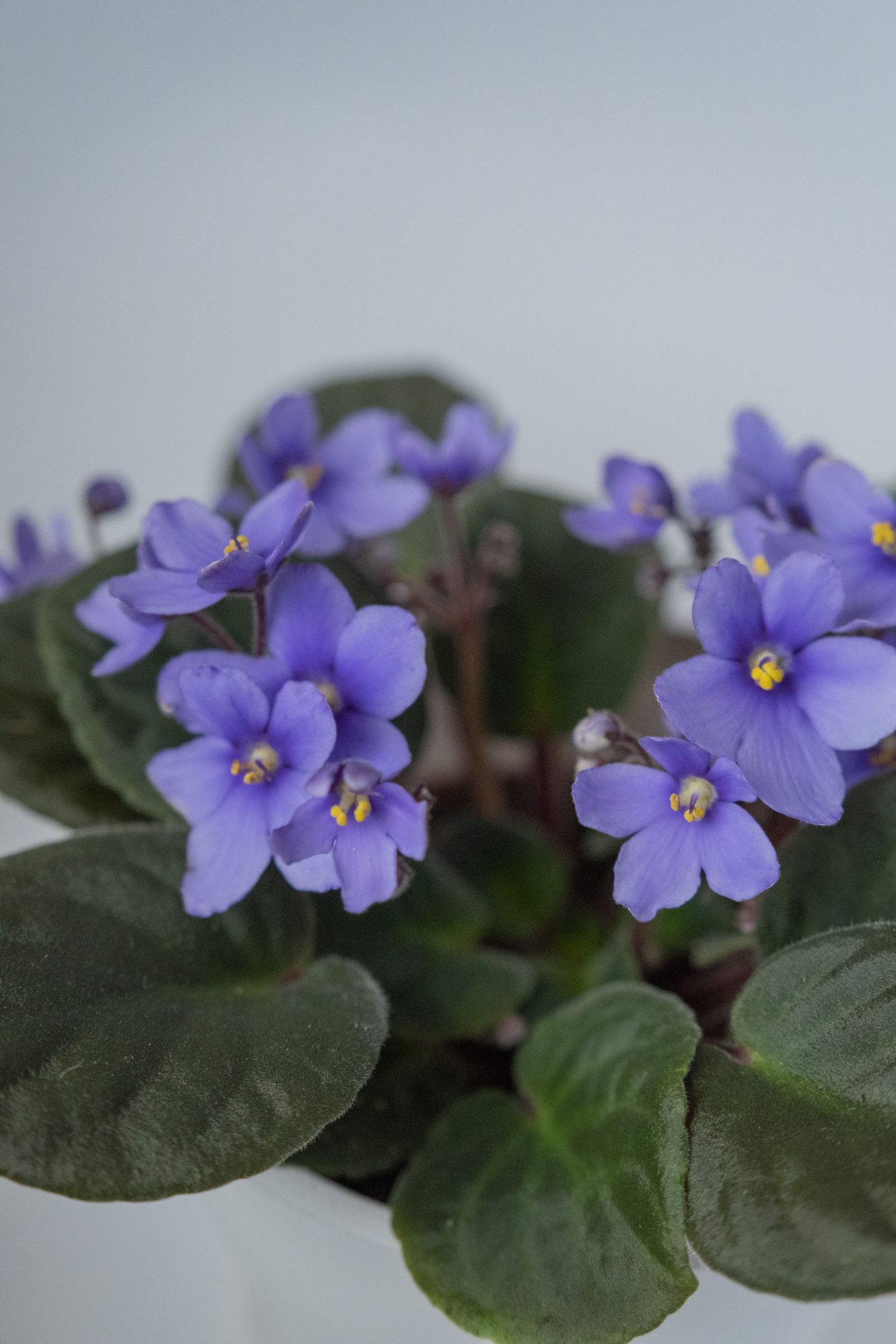
African violet watering is a method before it is an interval: check the top inch, typically every 7 to 10 days, and water from the bottom with room temperature water for 20 to 30 minutes so the fuzzy leaves and the crown stay dry. Plus the cold water spotting rule from Iowa State Extension, the monthly salt flush that bottom watering makes necessary, wick watering and self watering pots judged, and the crown rot rescue.
- How Often to Water an Aloe Vera Plant: Dry All the Way Down
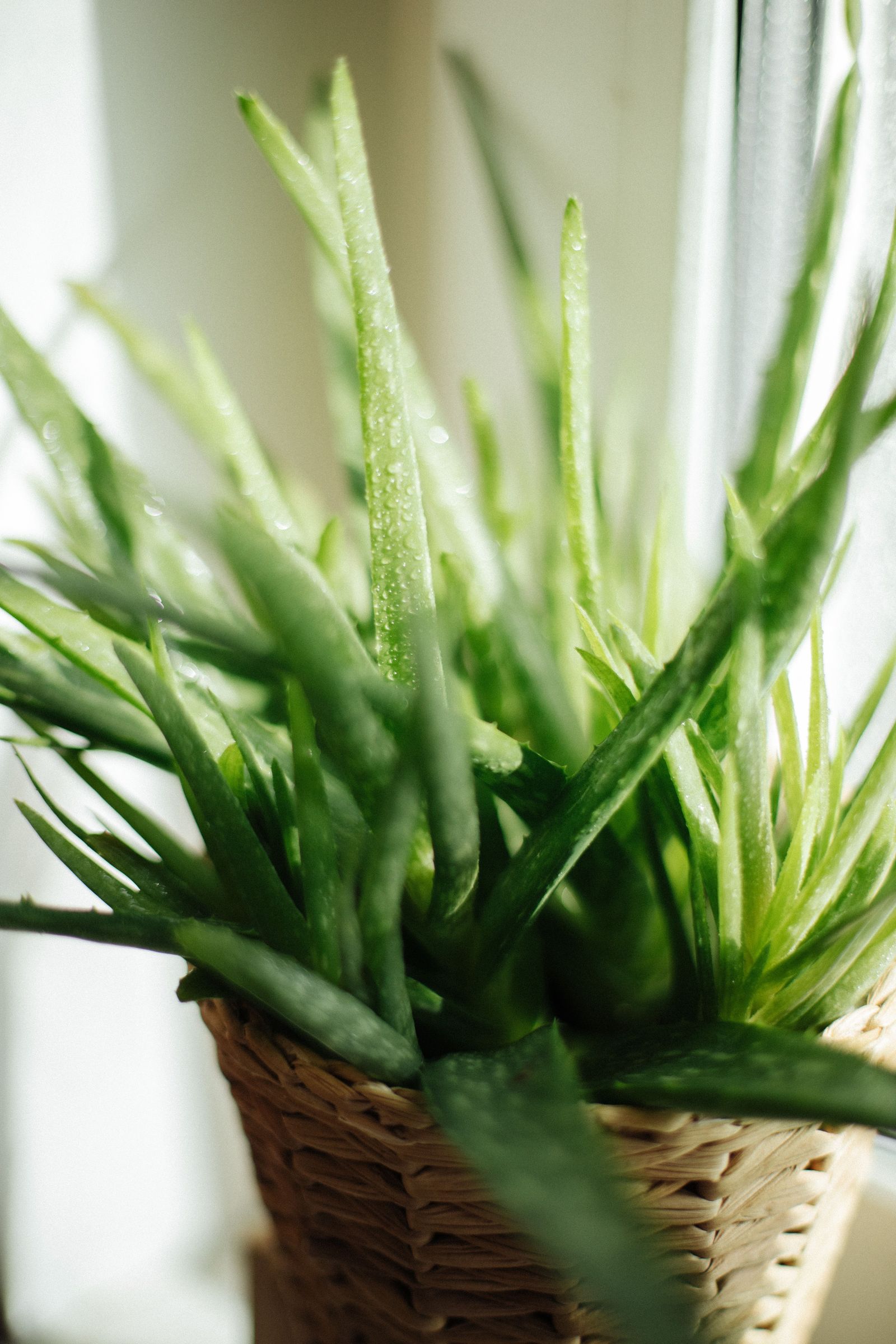
Aloe vera watering is a drought with an appointment: let the mix dry a couple of inches down, then soak it completely, roughly every 2 to 3 weeks in the growing season and every 4 to 6 weeks in winter. Plus the leaf sign diagnosis ladder from thirsty to rotting, the unpot and inspect rescue, the pot and mix that make the interval possible, and why overwatering, not neglect, is what kills this plant.
- How Often to Water an Olive Tree: The Deep Check, the Summer Sprawl, and the Barely Moist Winter
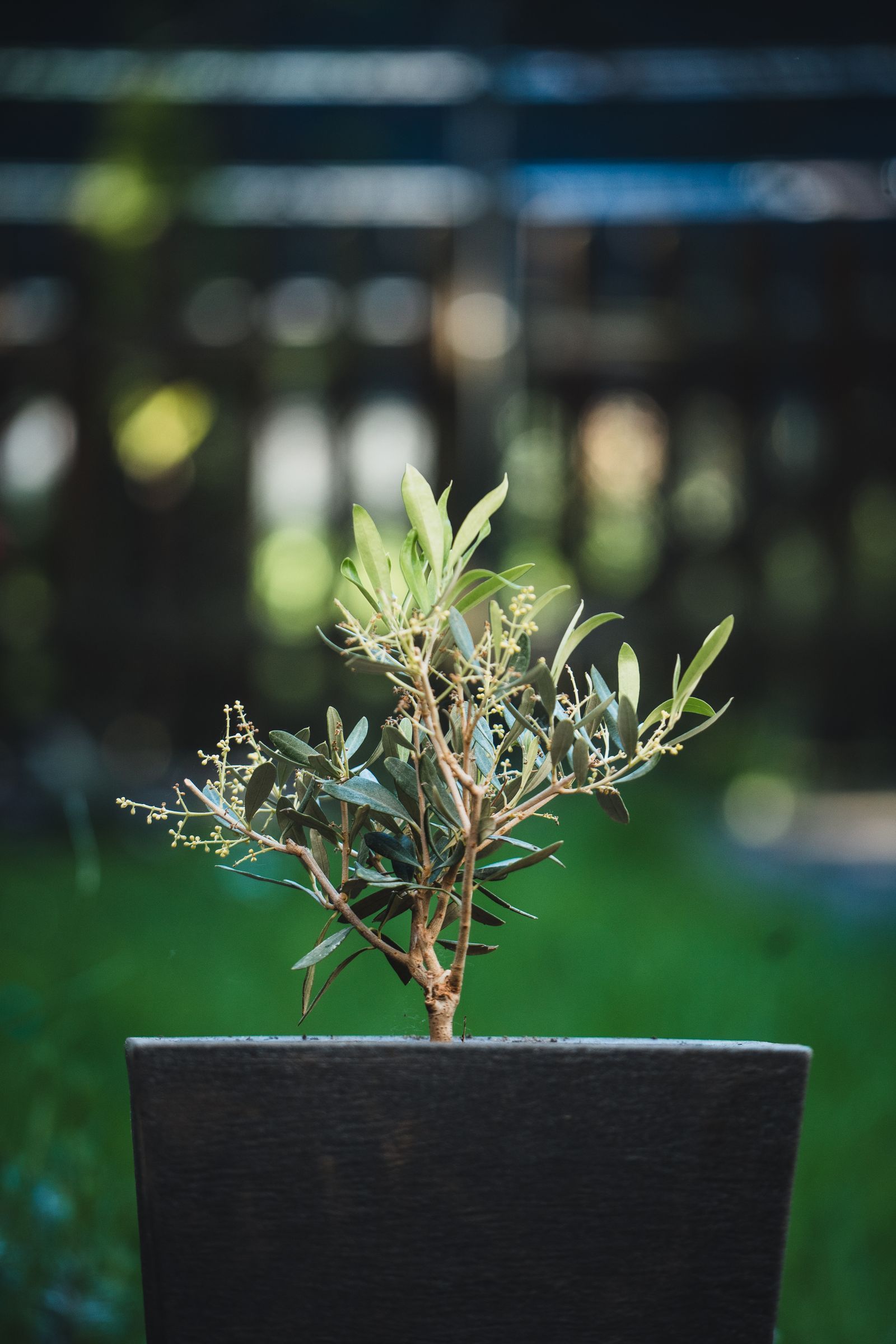
A potted olive is a Mediterranean drought tree living on a patio allowance, and its rule is depth, not frequency. Let the top 2 to 3 inches of mix dry, then water thoroughly until it drains. Summer translations sprawl from every 2 to 3 days in heat to every 7 to 10 days, set by pot size and mix. Winter is a barely moist rest. Leaf drop reports both drought and drowning, and the check at depth is the only way to tell them apart.
- How Often to Water an Orchid: The Root Color Read, the Soak and Drain, and the Ice Cube Verdict
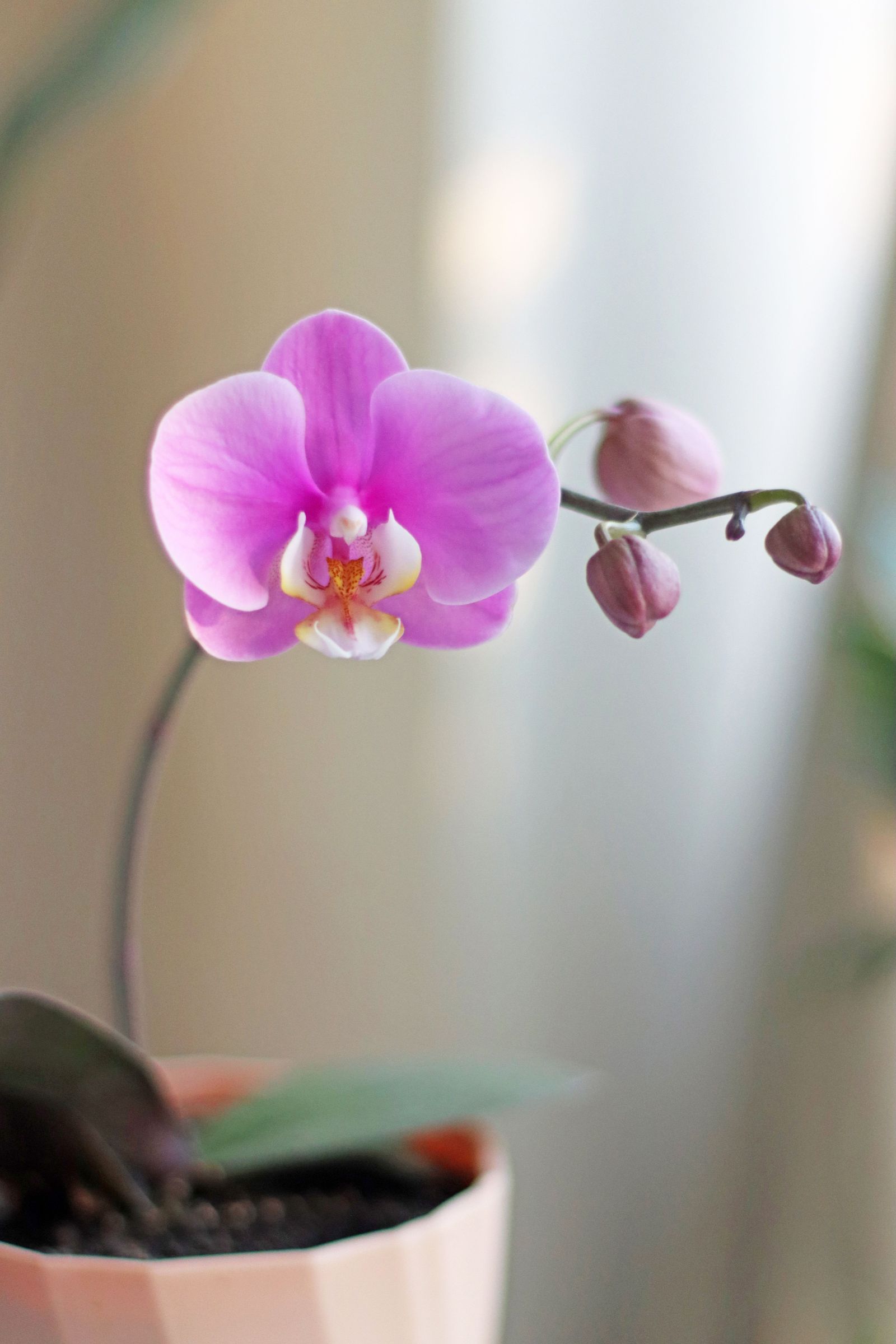
Phalaenopsis orchids are watered on a root read, not a calendar: silvery grey roots and nearly dry bark mean water today, about every 7 to 10 days in most homes. The method is a 10 to 15 minute soak and a complete drain. Kew guidance carried in the results runs weekly when the pot feels light, less in winter. The bark versus moss adjustment and the ice cube verdict.
- How Often to Water Begonias: The Storage Organ Rule, the Basket Case, and the Crisp Edge Diagnosis
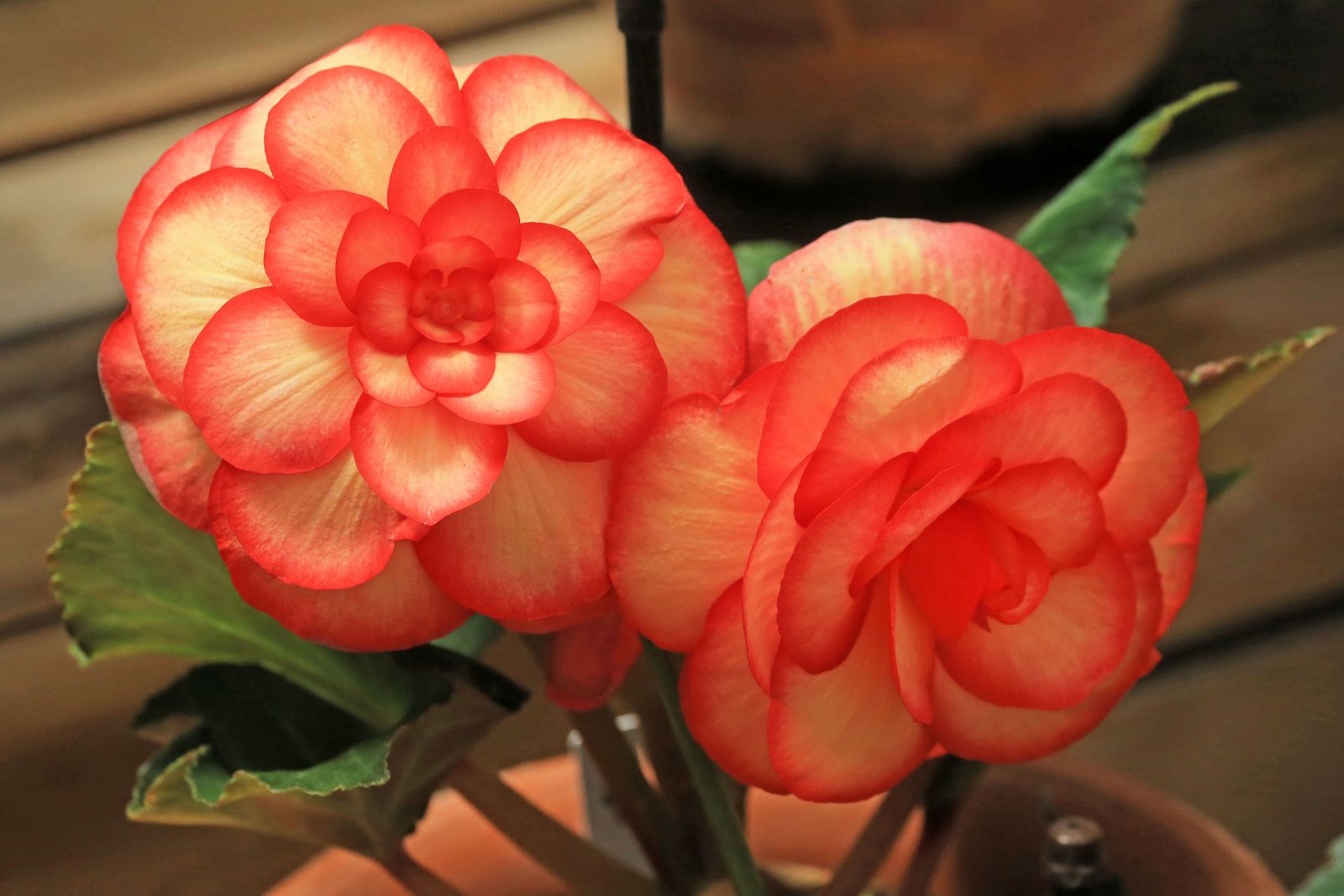
Begonia watering splits on the storage organ. Tuberous and wax begonias carry a reserve and want the drier end, watered when the top inch is dry. Rex and angel wing types carry none and want consistent moisture on the same check, every 3 to 5 days indoors in moderate light, containers every few days in warm weather, beds about weekly. The base watering method that keeps leaves dry, and the crisp edge diagnosis that separates dry air from dry soil.
- How Often to Water Bird of Paradise: The Depth Check, the Rhizome Rule, and the Leaf Signal Table
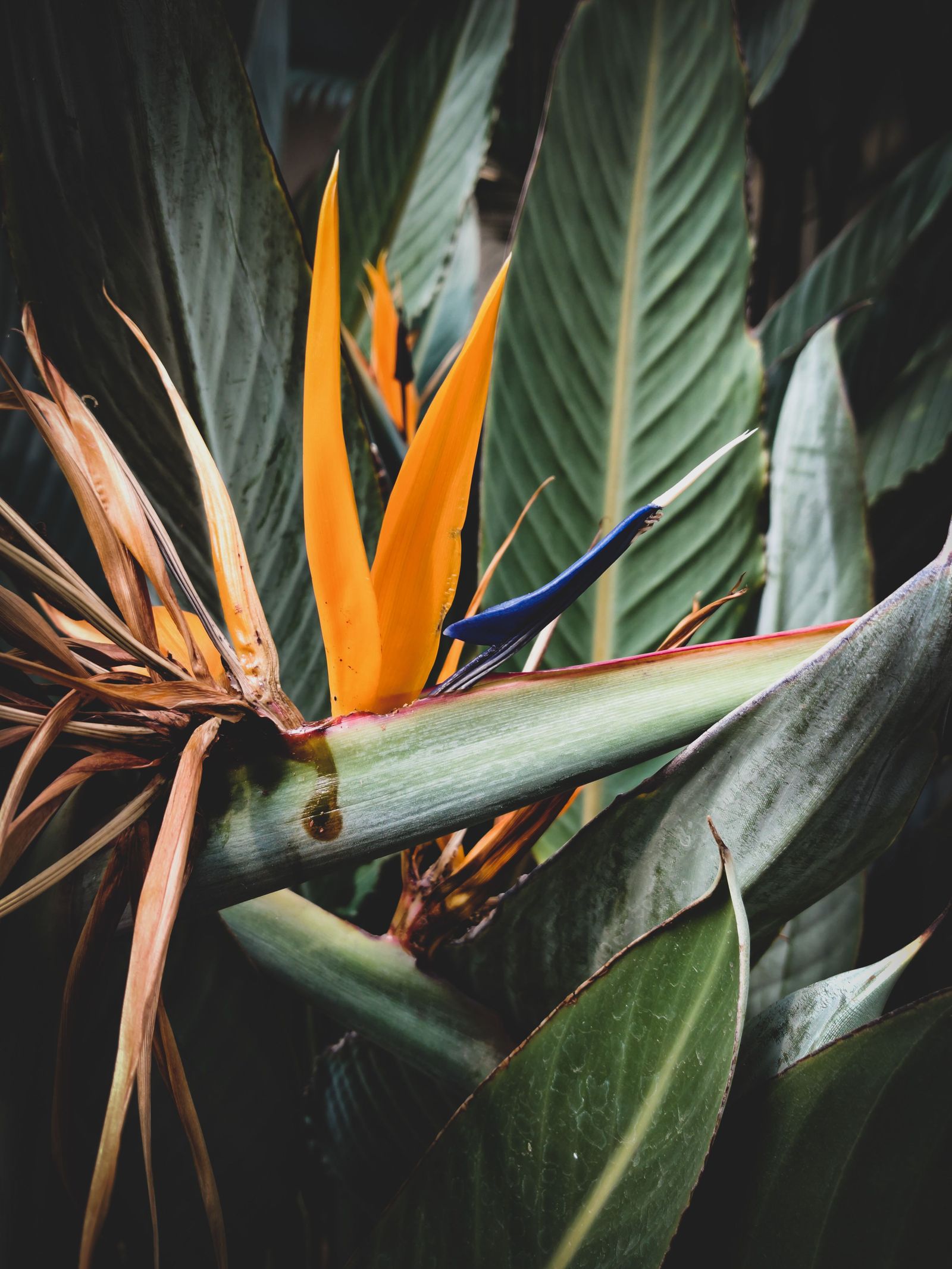
Bird of paradise is watered when the top 1 to 2 inches of mix are dry: weekly in bright summer growth, every 2 to 3 weeks in winter. An indoor plant in a 12 inch pot runs 10 to 14 day intervals; an outdoor plant in full sun runs 5 to 7 days. The rhizome under the plant stores water and rots in wet mix, so the dry end of every range is the safe end. The leaf signals, curling and splitting, read correctly.
- How Often to Water Bromeliads: The Cup Rule, the Weekly Flush, and the Soil as the Second Drink
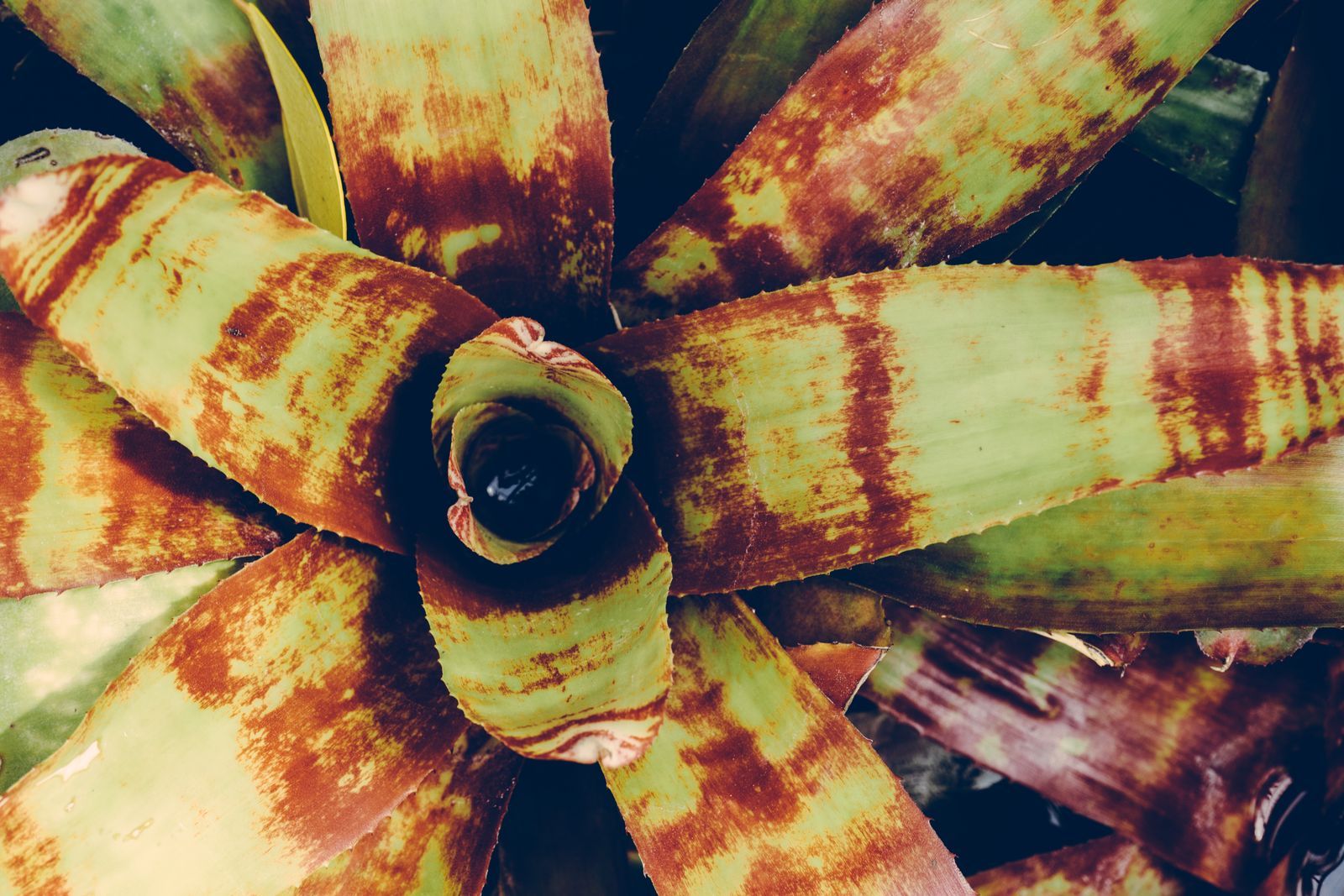
A tank bromeliad does not primarily drink through its roots. It drinks through the cup its leaves form, and the watering rule is a cup rule: keep the center a quarter to half full, and empty and refill it every week so the water never stagnates. The soil is the second drink, given only when the top 1 to 1.5 inches are dry, about every 7 to 14 days in summer and every 2 to 3 weeks in winter. Rainwater or distilled water is preferred throughout, because the family is sensitive to the salts and fluoride in tap water.
- How Often to Water Calathea: The Wrung Sponge Rule, the Water Quality Verdict, and the Humidity Floor
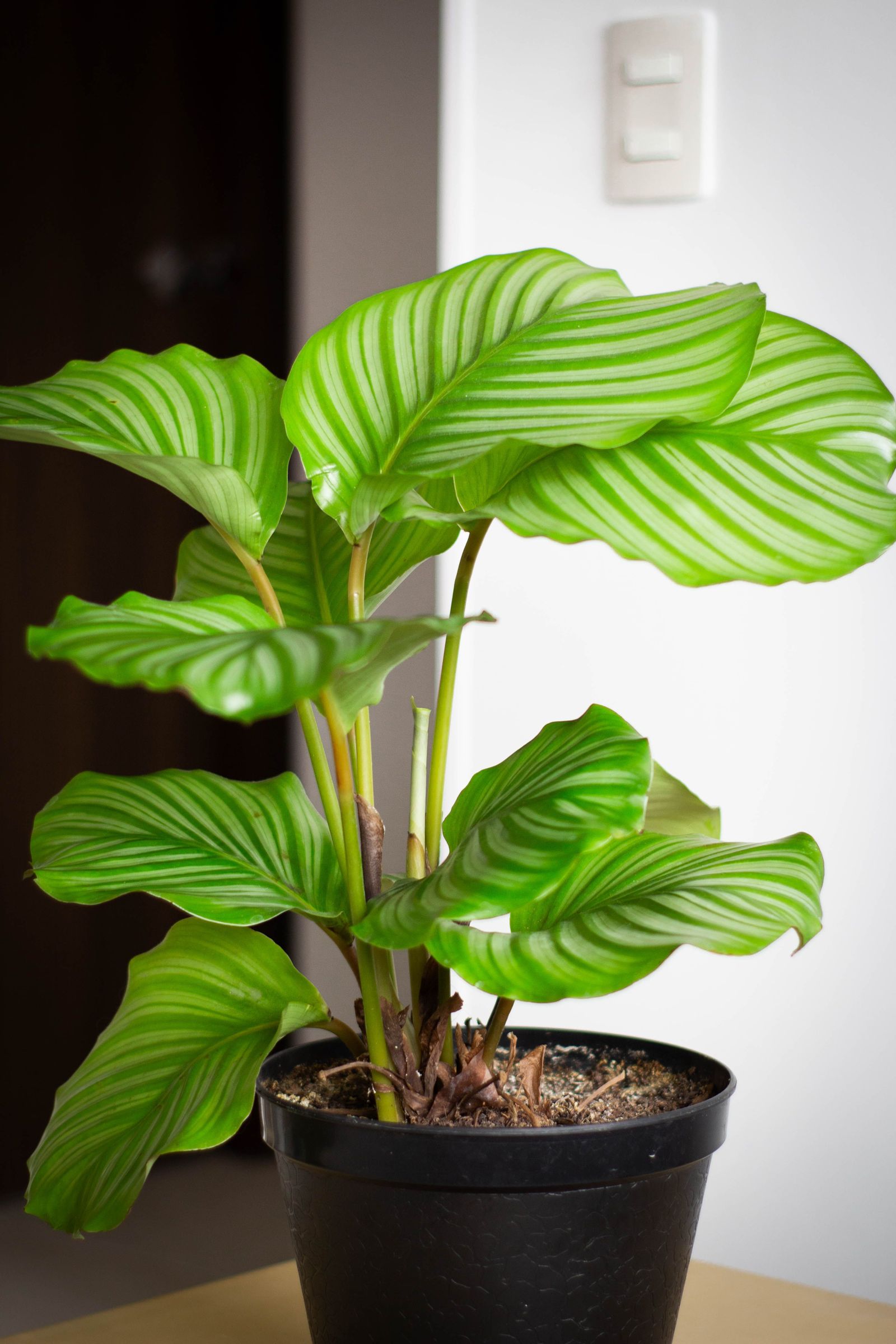
Calathea watering is a moisture rule plus a chemistry rule. Keep the mix evenly moist like a wrung out sponge, watering when the top inch is dry: every 5 to 7 days in summer, every 10 to 14 days in winter. The water itself decides whether the leaves stay clean: the North Carolina State Extension profile for peacock plant recommends rainwater or distilled water, because fluoride and salts burn the leaf tips. Humidity at 50 to 60 percent is the other half of the answer.
- How Often to Water Dracaena: The Dry Slightly Rule, the Fluoride Problem, and the Brown Tip Diagnosis
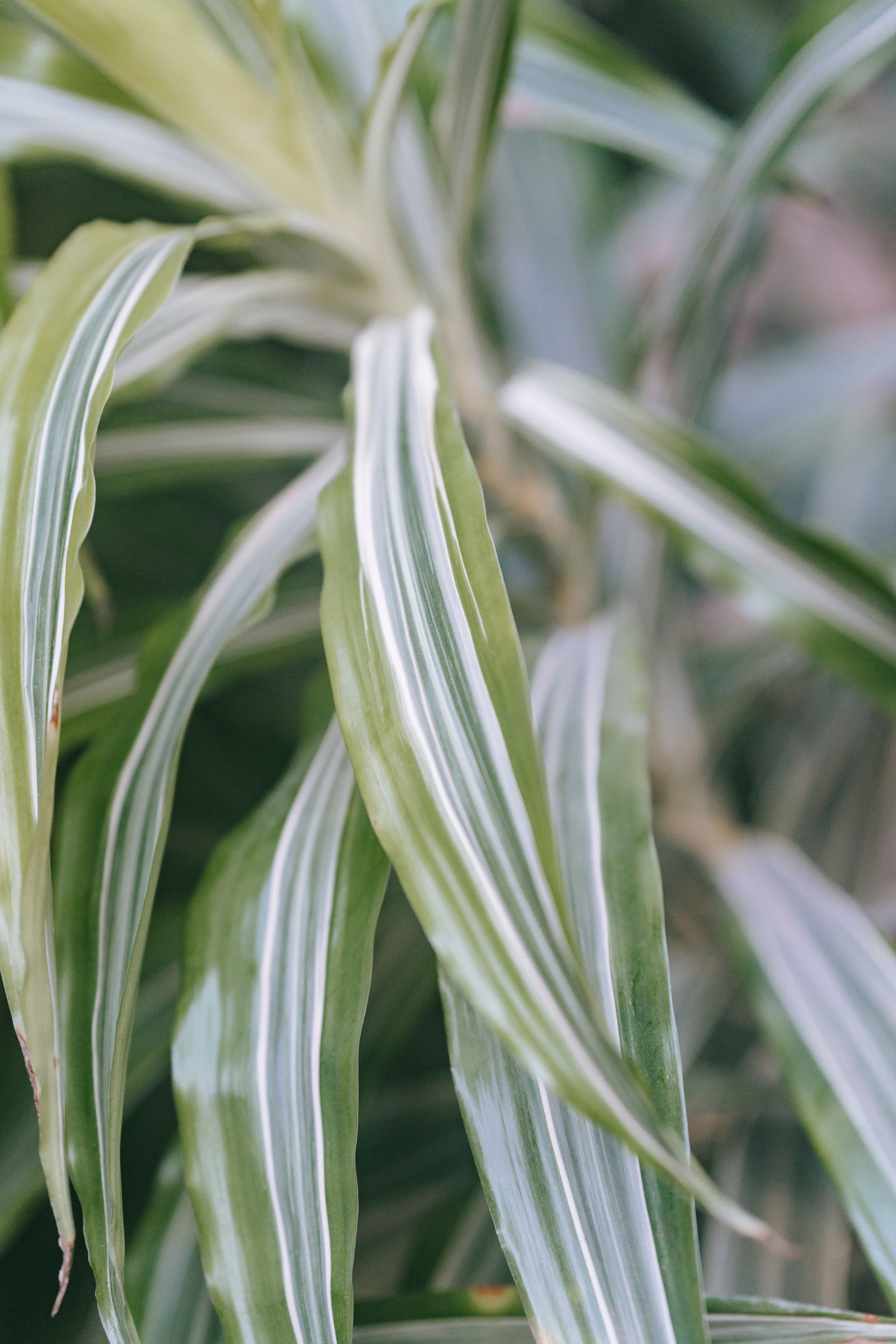
Dracaena watering is two systems in one plant: an interval and a chemistry. The interval, from Clemson Extension guidance, is to let the plant dry slightly between waterings and water thoroughly when the surface is dry, about every 1 to 2 weeks in spring and summer and every 2 to 3 weeks in winter. The chemistry is the family's signature problem: dracaenas are very sensitive to fluoride, which browns the leaf tips even on a perfect schedule, and North Carolina State guidance adds room temperature water and a monthly flush to carry salts out. The ASPCA lists dracaena as toxic to cats and dogs.
- How Often to Water Jasmine: The Depth Check, by Species and Season
Jasmine watering from the extension pattern shared by NC State, RHS, and Missouri Botanical Garden: check the top 1 to 2 inches of mix, then soak thoroughly. Pots run every 2 to 3 days in hot bright rooms, every 3 to 5 days in the growing season, and every 7 to 12 days in cool low light, with a drier winter rest. Why the species split matters, and how to tell thirst bud drop from drowning bud drop before you change anything.
- How Often to Water Juniper Bonsai: Shallow Pot Physics and the Never Bone Dry Line
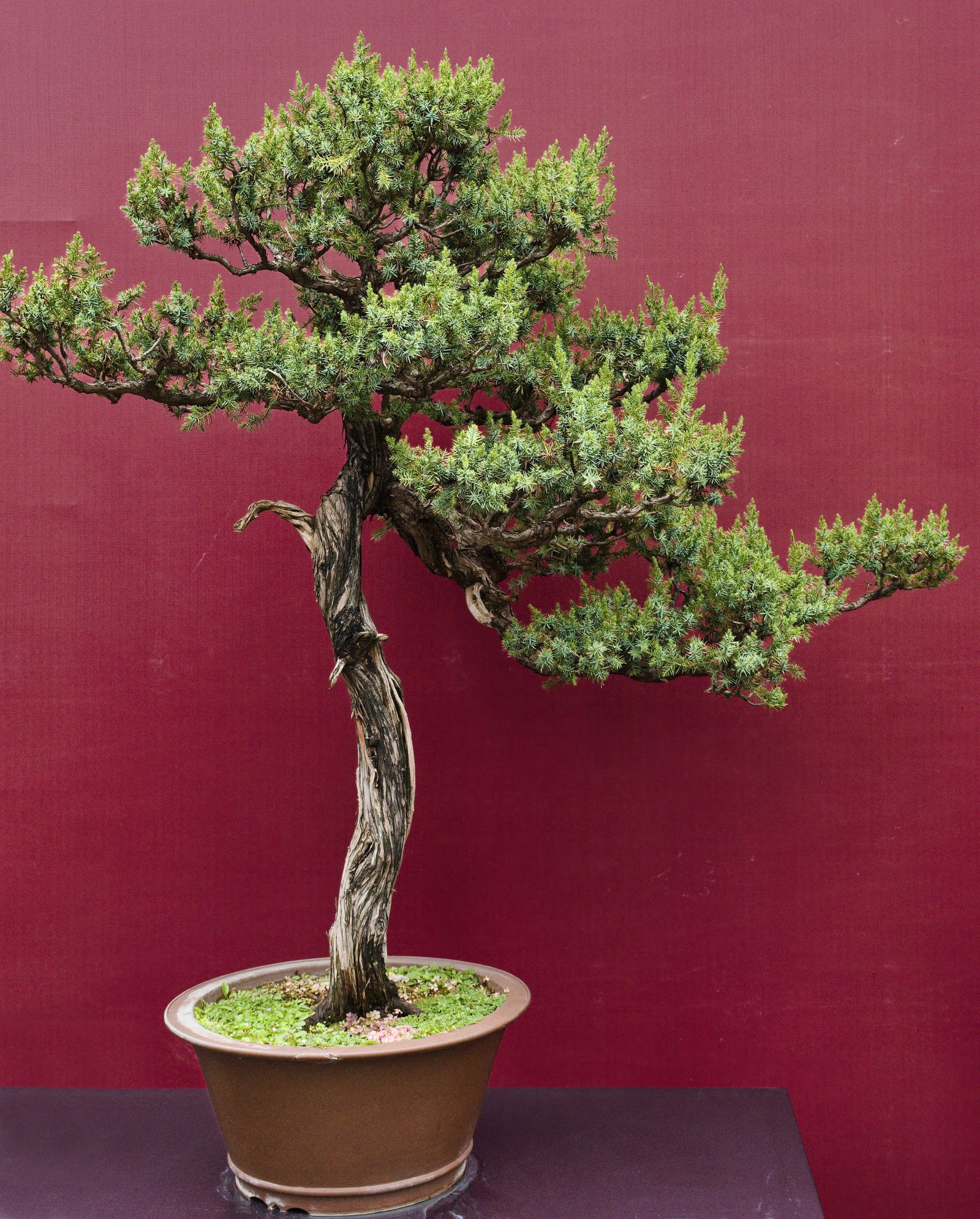
Juniper bonsai watering built on the rule every serious guide repeats: soak until drainage flows, then wait until the soil is nearly dry but never completely dry, checking daily. Summer runs daily to twice daily in small pots, spring and autumn every 2 to 3 days, winter every 7 to 14 days on above freezing days. Why the shallow pot swings so fast, why the drought tolerant reputation misleads, and why this tree lives outdoors or not at all.
- How Often to Water Kalanchoe: Watering for Blooms, Not Just Leaves
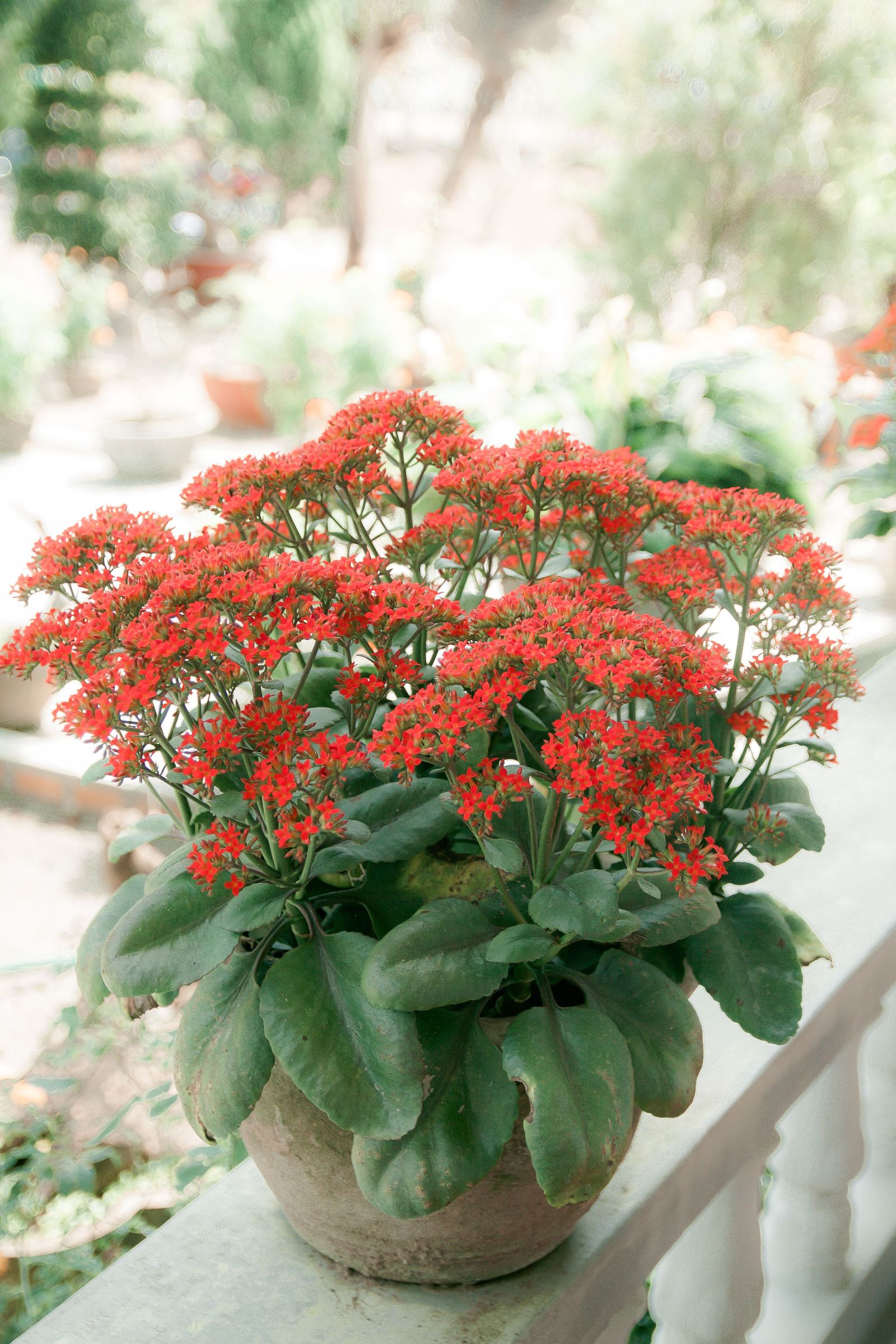
Kalanchoe watering organized around the bloom cycle: water when the top 1 to 2 inches of mix are dry, about every 1 to 2 weeks while growing and monthly or less in winter rest, always at the soil line and never over the flowers. The leaf storage check, the bud set regime, and the short day routine that brings a florist kalanchoe back into bloom. Toxic to dogs and cats.
- How Often to Water Kokedama: The Soak, the Weight Test, and No Pot at All
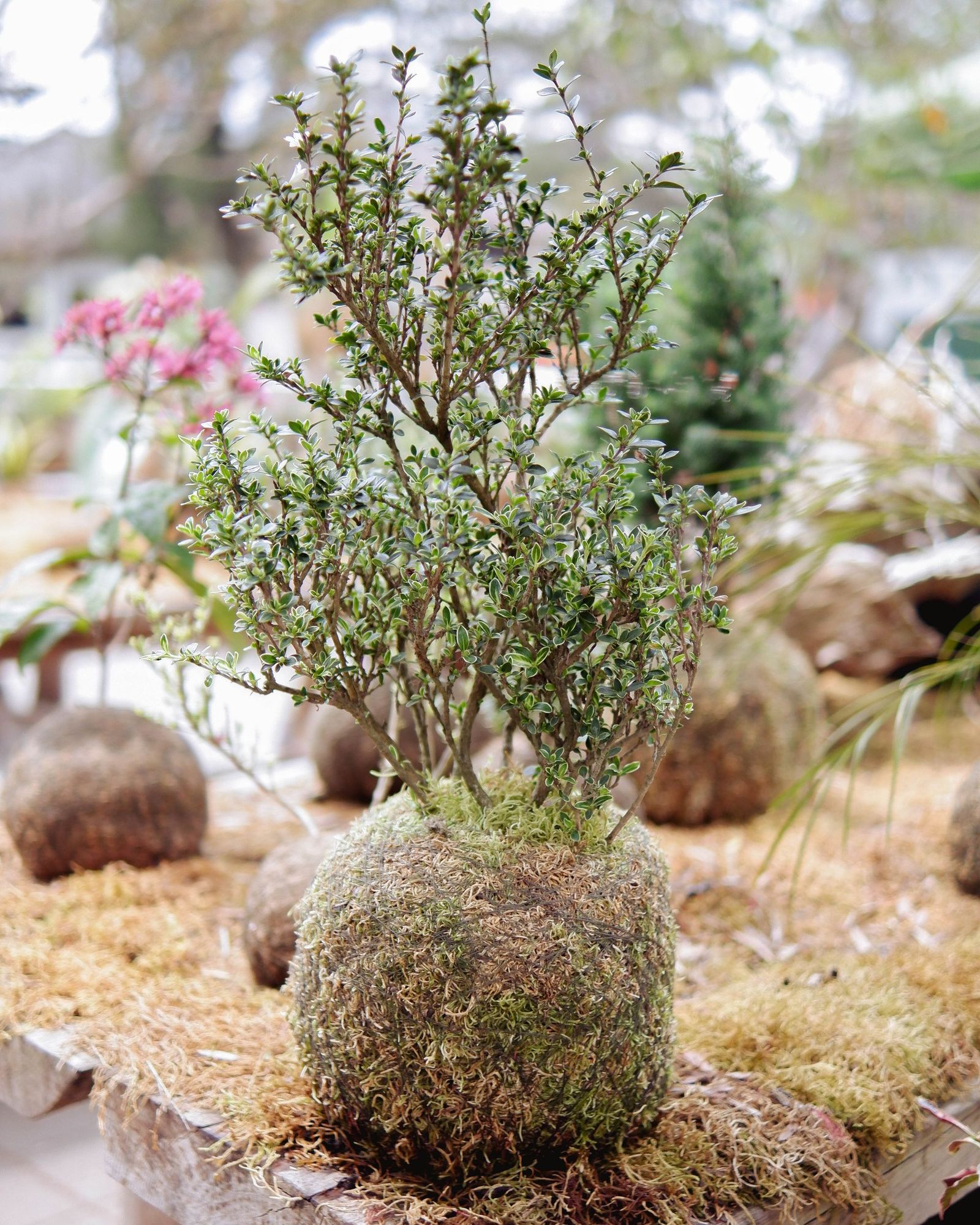
Kokedama watering is a method, not a day count: soak the moss ball in room temperature water for 10 to 20 minutes by size, until bubbles stop and the ball feels heavy, then drain. The weight test is the gauge, soak again when the ball has lost about half its saturated weight. Intervals by the plant inside run 5 to 7 days for ferns, 10 to 14 for pothos, and 2 to 3 weeks for succulents, and the published sprawl from every couple of days to weekly is explained, not hidden.
- How Often to Water Lantana: The Establishment Ladder, the Bed Budget, and the Pot Rhythm
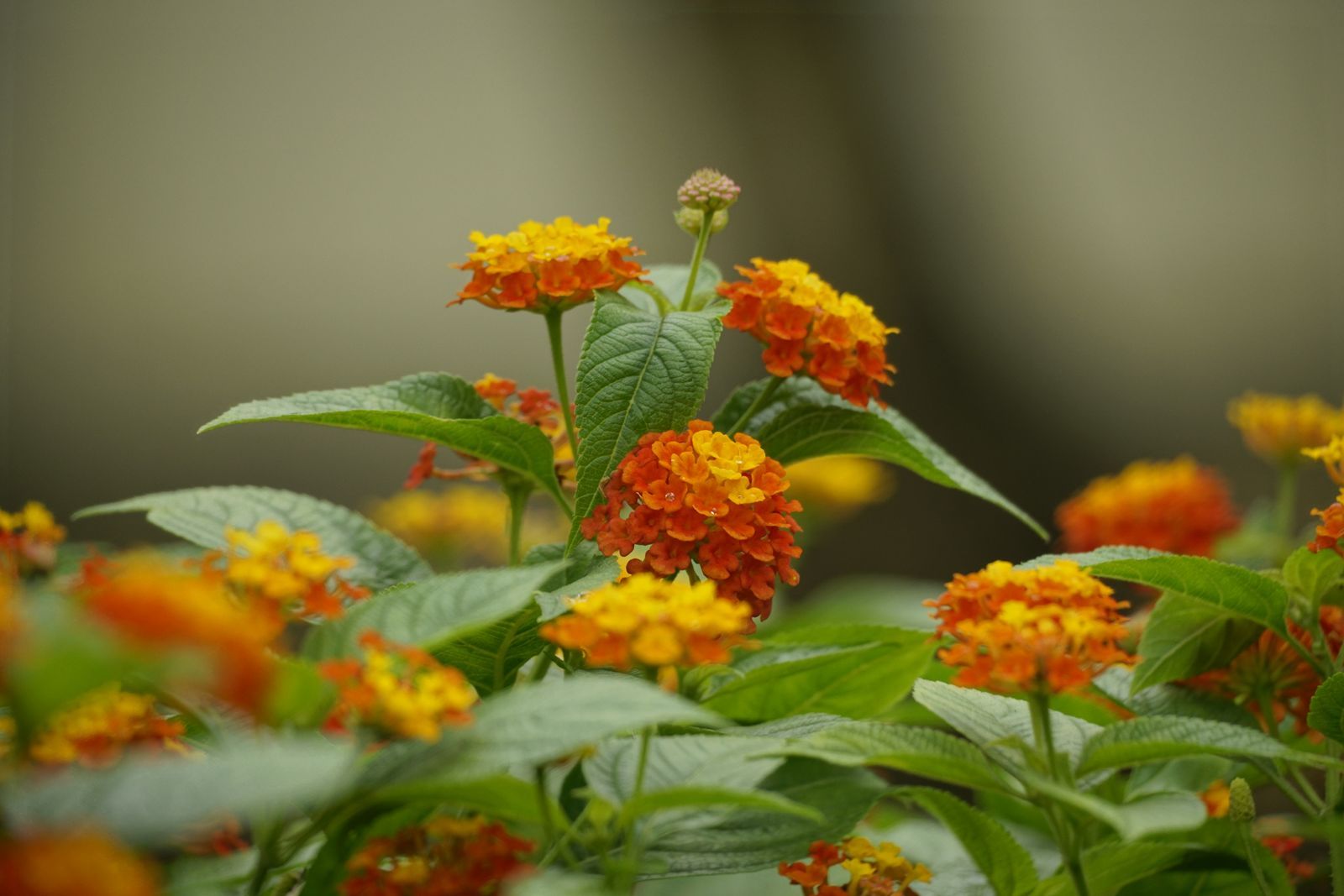
Lantana watering splits into three cases that the one inch a week slogan hides. New plantings drink 2 to 3 times a week for their first weeks. Established beds run on about an inch a week, watered when the top inch of soil is dry. Pots in full sun run every 2 to 3 days. The noon wilt test that separates heat wilt from true thirst, the winter taper to almost nothing, and the overwatering that kills more of this drought plant than drought does.
- How Often to Water Lavender: Three Plants in One Question
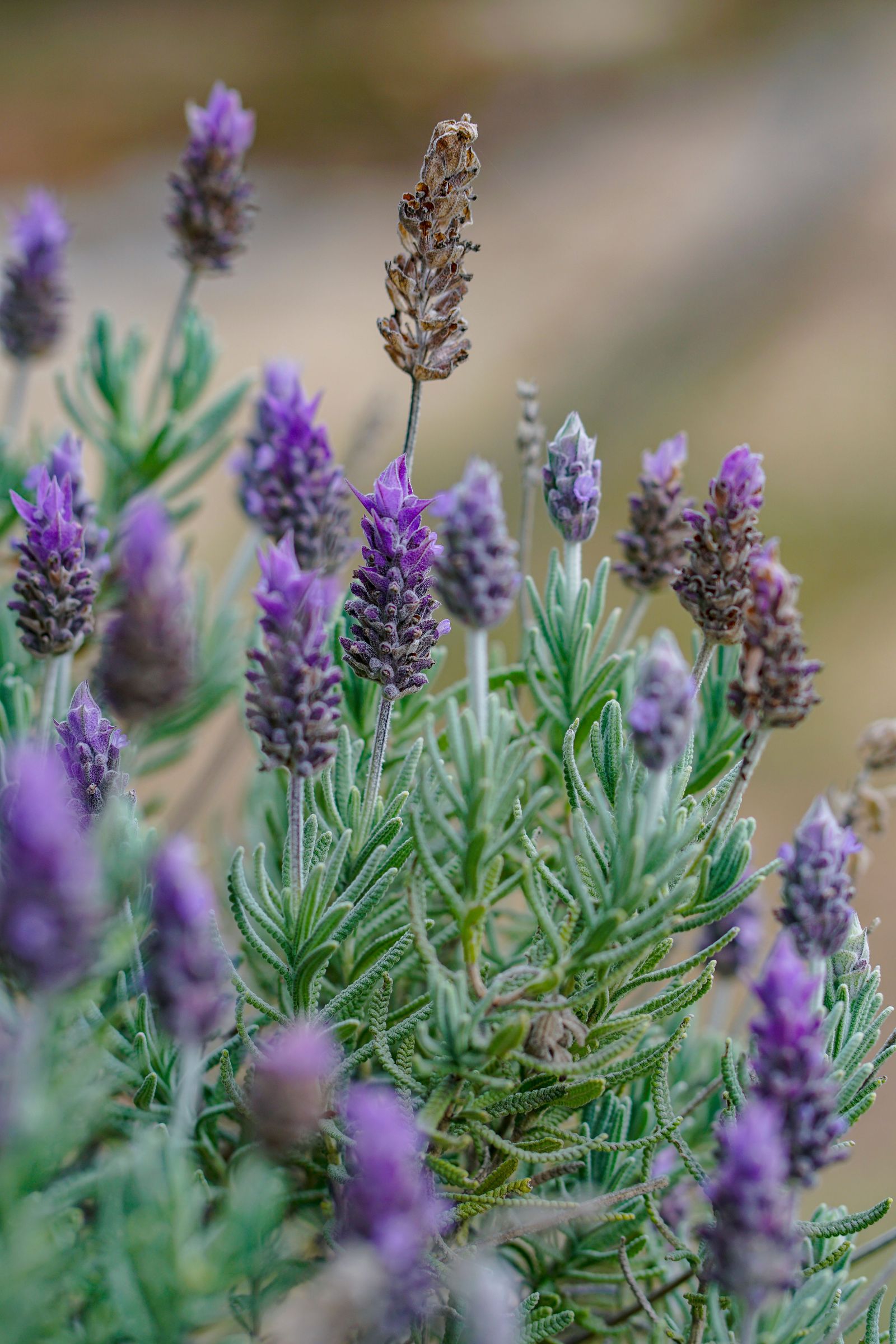
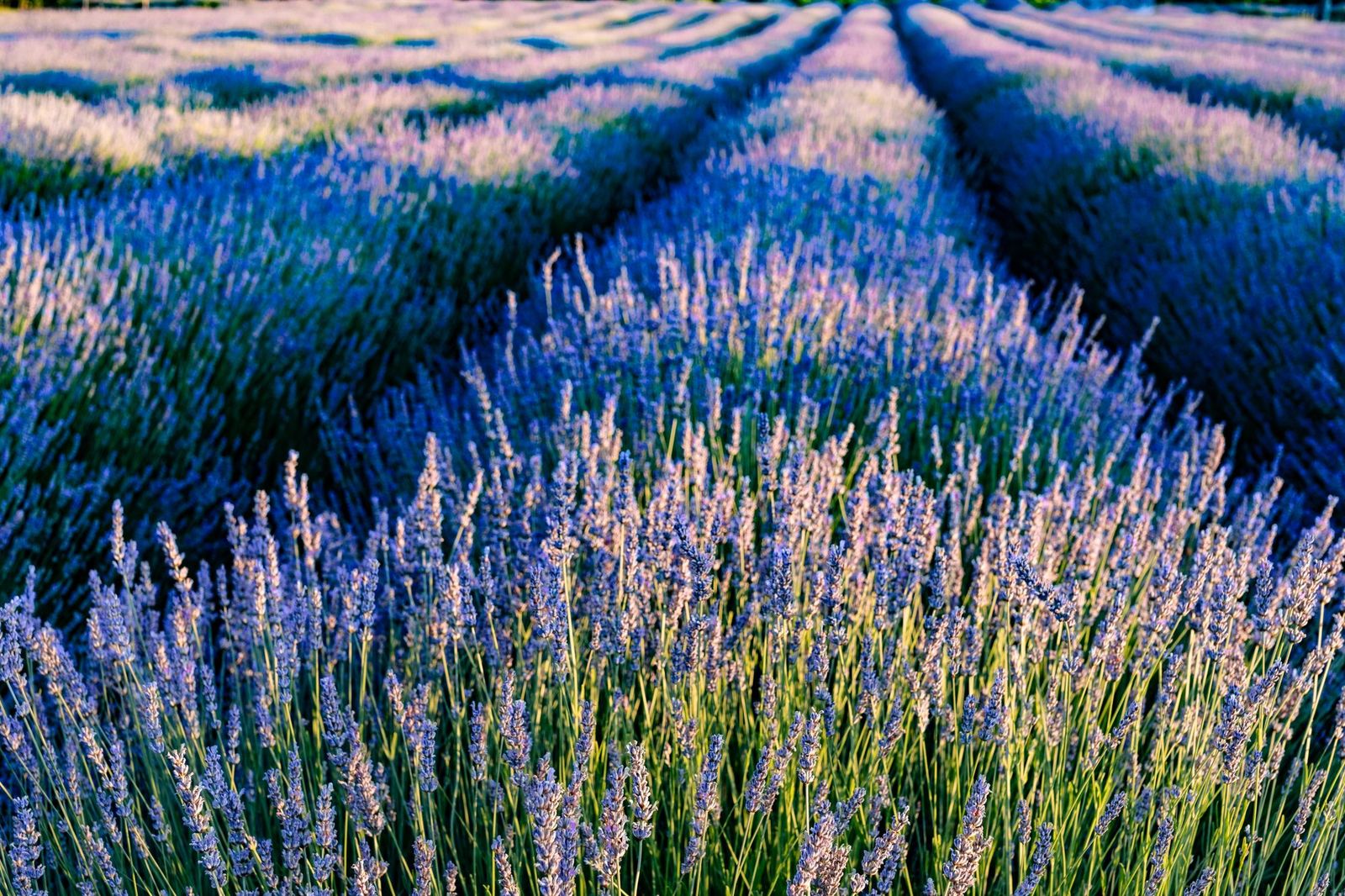
Lavender watering split by plant age and placement: new transplants get about a gallon per plant per week until established on the Utah State pattern, established bed plants need supplemental water only in extended drought at about half a gallon every 2 weeks, and pots in summer heat run every 5 to 10 days. The 3 inch depth check where the feeder roots live, and overwatering named as the main killer.
- How Often to Water Lucky Bamboo: The Water Change, the Soil Case, and the Water Itself
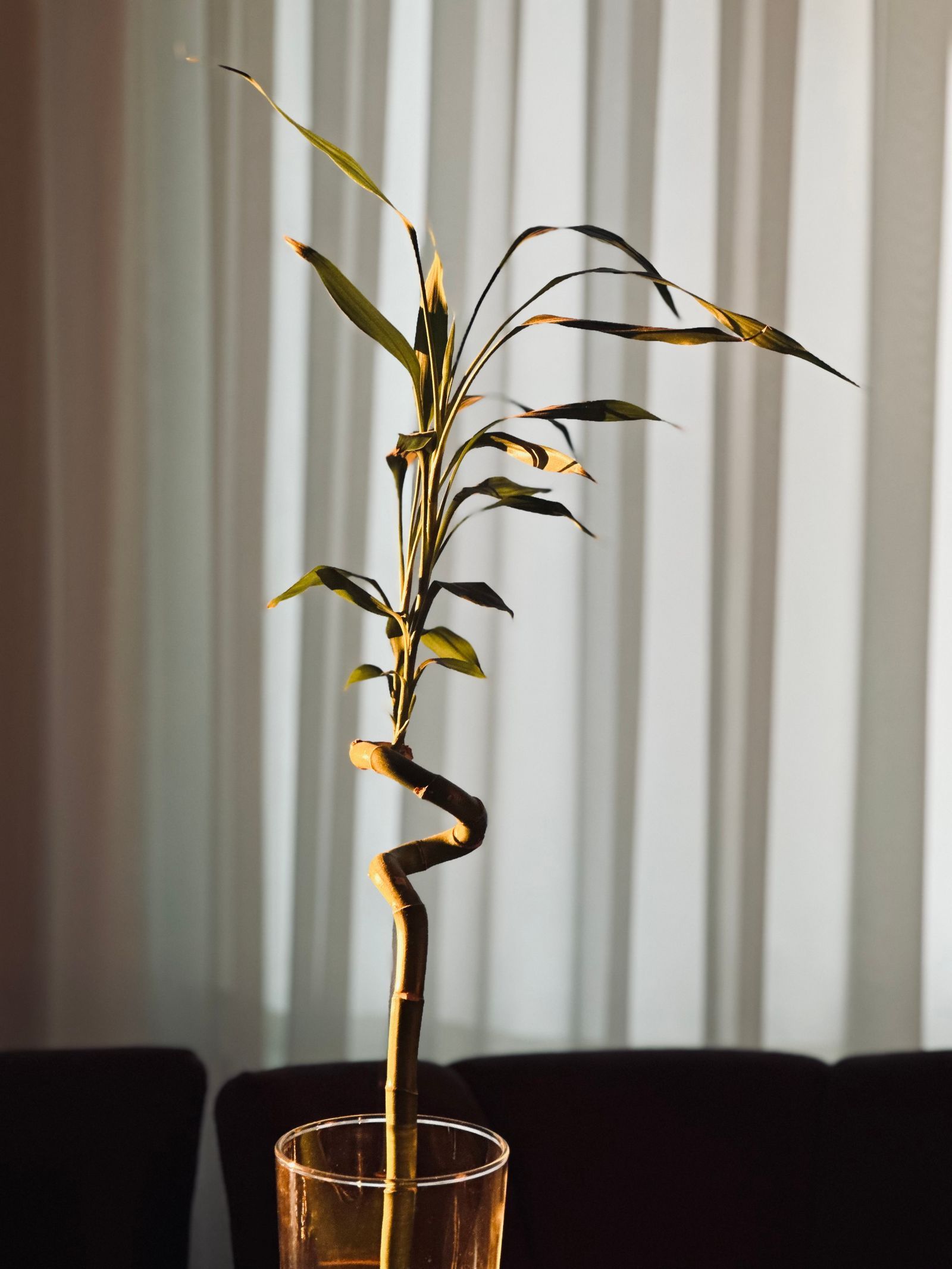
Lucky bamboo is not a bamboo at all, it is Dracaena sanderiana, and it is grown two ways that obey different rules. In water, keep the roots covered with 1 to 3 inches of water and change the water completely every 1 to 2 weeks, rinsing the vase and pebbles. In soil, water when the top inch is dry, typically every 5 to 10 days. The brown tips and yellow leaves most owners ask about are usually water quality, chlorine and fluoride, not water quantity.
- How Often to Water Mint: The Pot Size Ladder, the Morning Drink, and the Harvest Rhythm
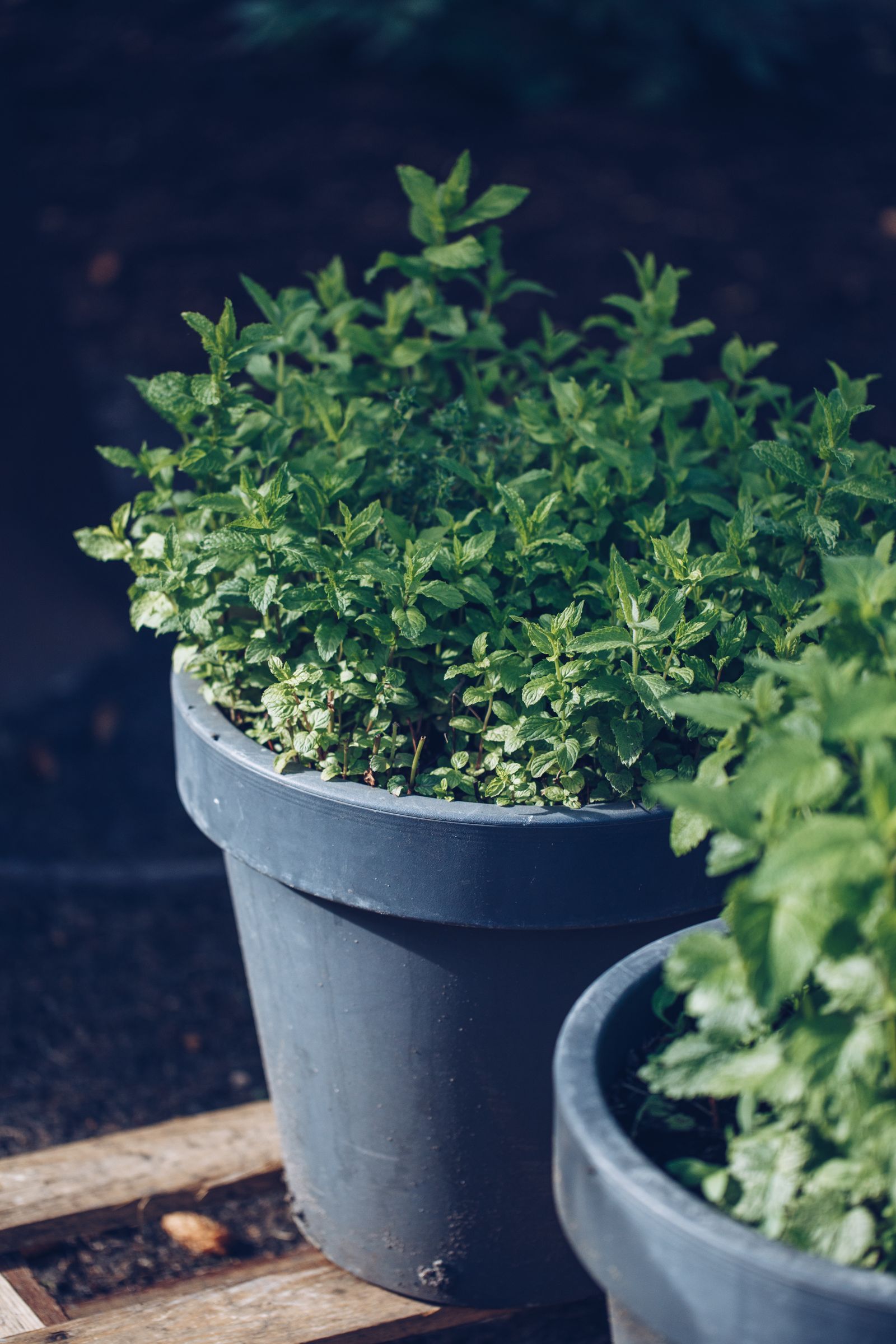
Mint is the thirstiest common herb, and its watering interval is set by pot size more than by any calendar. Water when the top inch of soil is dry: small pots in summer sun can need it daily, mid size pots every 2 to 3 days, beds every 2 to 3 days in warm weather and less in cool spells. Morning watering, mulch as the interval stretcher, the wilt recovery test, and why the pot itself is doing containment duty for a plant that spreads by runners.
- How Often to Water Mums: The Root Bound Pot, the Bottom Soak Rescue, and the Garden Mum
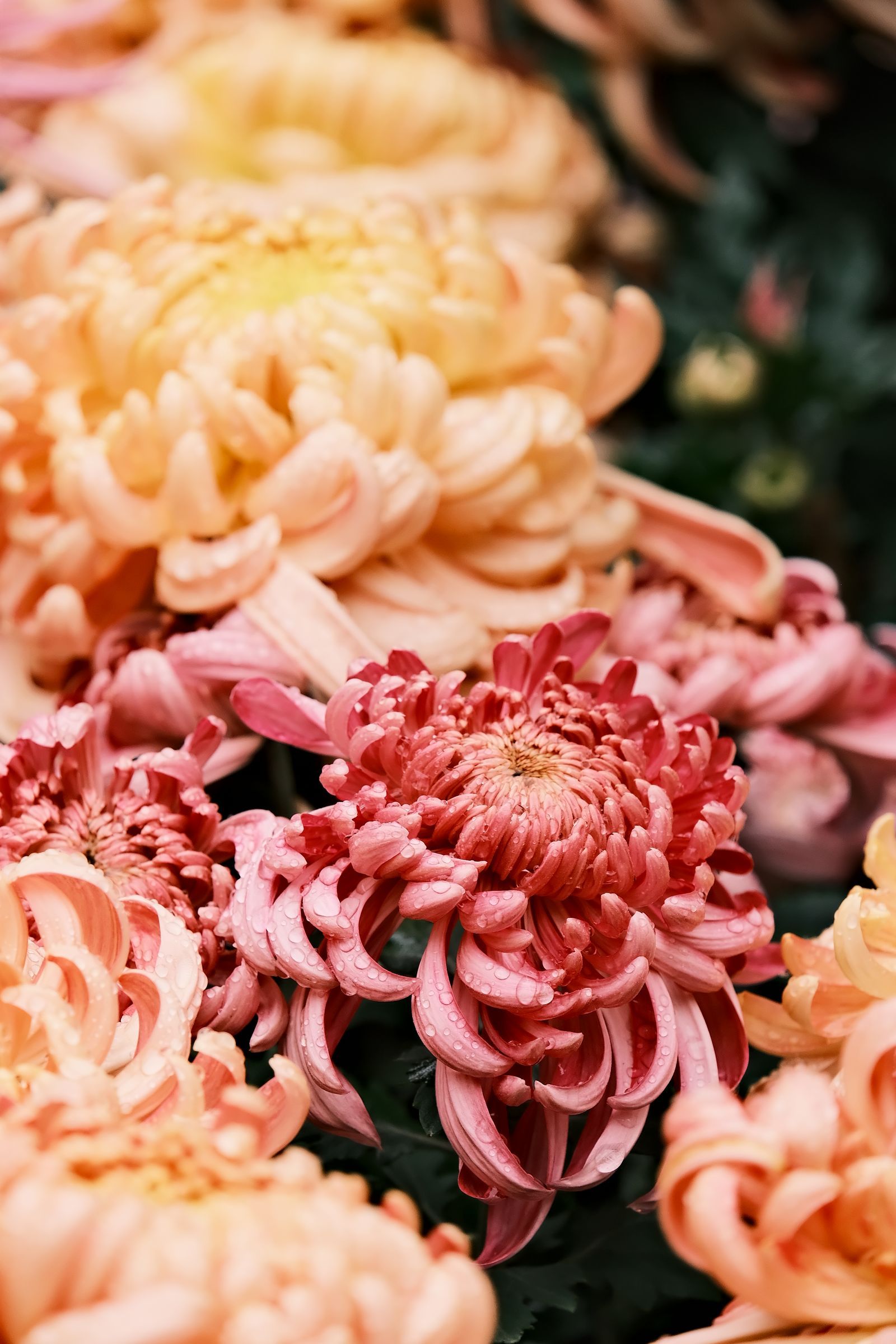
A fall mum from the store is a root bound plant in a small pot with almost no water reserve, and it is watered like one. Check the top inch daily and water whenever it is dry: daily in warm September weather, sometimes twice a day in hot early autumn per NC State guidance, and every 2 to 3 days once nights cool. A fully dried root ball needs a 20 minute bottom soak. Garden mums planted out run a slower rhythm, and the end of bloom fork decides between compost and a perennial planting.
- How Often to Water Pothos: The Trailing Plant Watering System
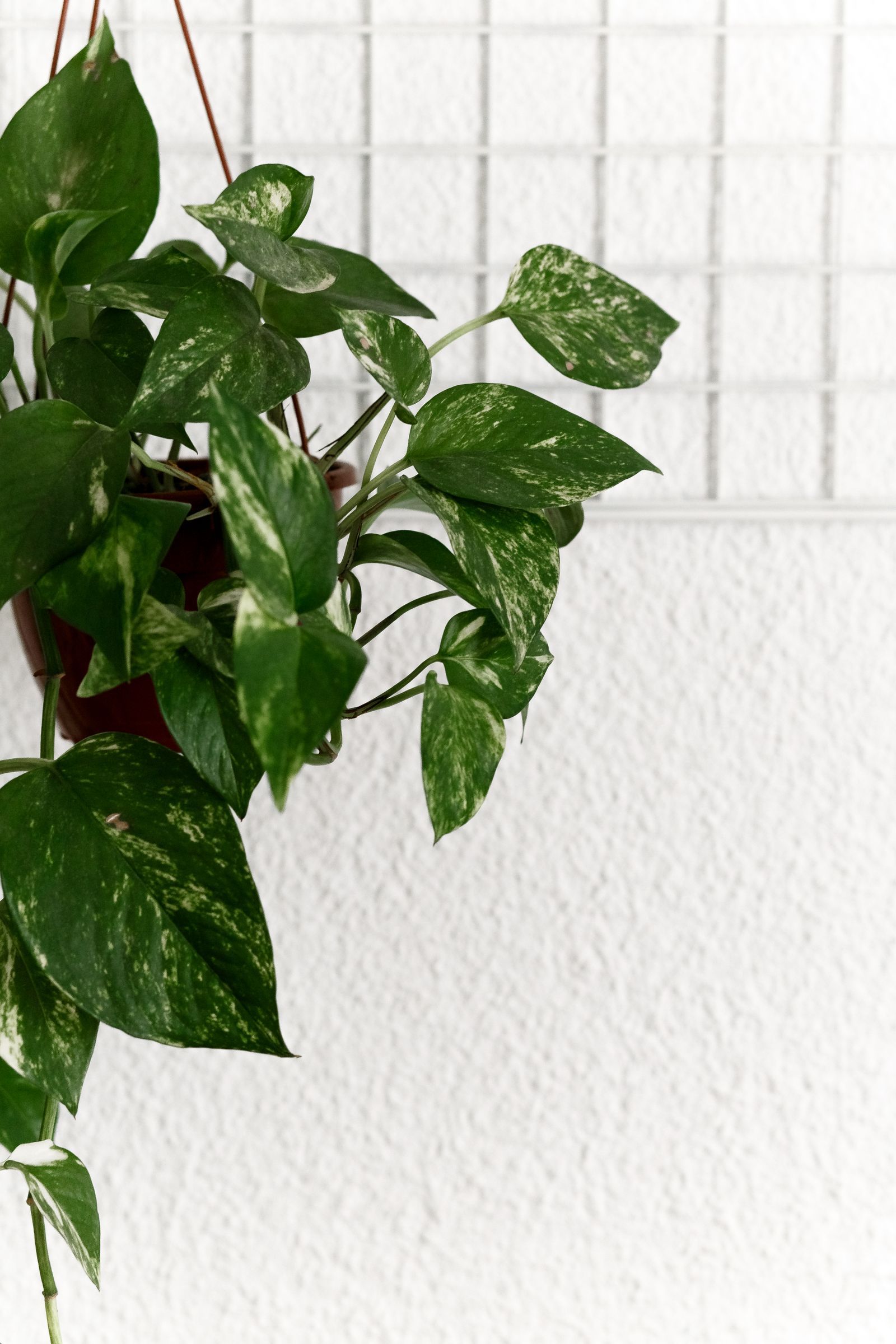
Pothos watering for the plant as it is actually grown, trailing from baskets and shelves: water when the top 2 inches of mix are dry, about every 7 to 10 days in bright warm rooms and every 14 to 21 days in winter or dim light, with hanging baskets drying fastest at every 5 to 8 days. The crown check, vine length effects, cuttings in water versus soil, and variegation read as a light and water report. Golden, marble queen, and plain green pothos are all this plant and all follow this page.
- How Often to Water Pumpkin Plants: The Inch Rule, Split by Growth Stage
Pumpkin watering with the flat weekly rule replaced by the season it actually describes: 1 to 1.5 inches of water a week in one or two deep soakings, less for seedlings, more at flowering and fruit fill, and a taper as fruit ripens. Base watering and mulch as powdery mildew control, the wilting-at-noon false alarm, and patch math that turns inches into gallons for the patch you really planted.
- How Often to Water Succulents: The Soak and Dry Rule, Tuned to Your Own Pot
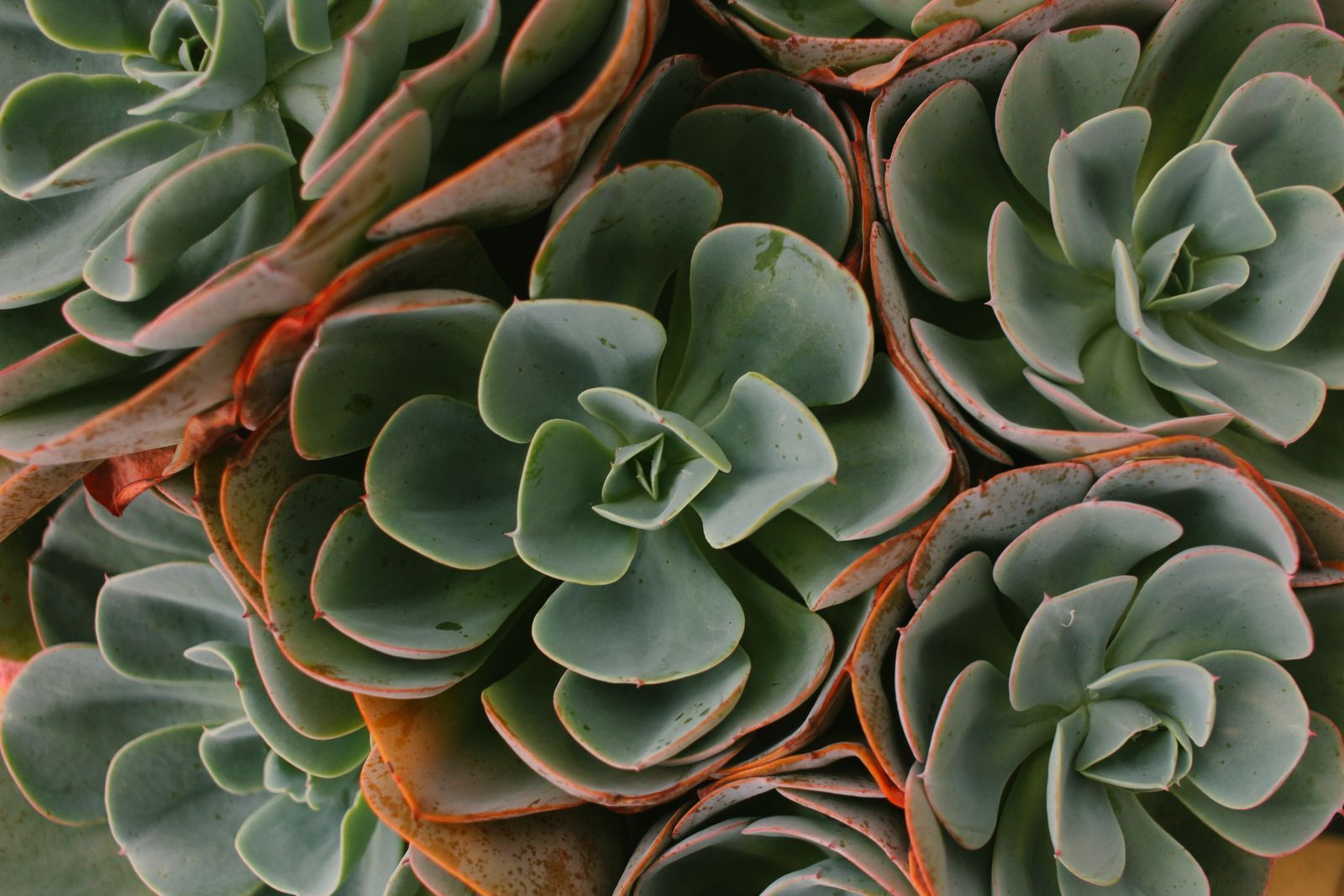
There is no calendar number for watering succulents, and every honest source, the University of Minnesota and University of Illinois extension guidance included, says the same thing: water thoroughly until it drains, then wait until the soil is dry all the way through the pot. What this page adds is your number: starting intervals by pot size, material, and season, the dry check taught three ways, the soak done properly, and the rescue sequence for a plant already rotting from kindness.
- How to Edge a Garden Bed: The Hand Cut Edge, Done in One Afternoon
A crisp garden edge is cut, not bought: mark the line with a hose, cut vertically with a half moon edger, angle a second cut in from the bed side, and clear a trench 4 to 6 inches deep. Re-cut 2 to 3 times a season and the line between bed and lawn stays sharp all year.
- How to Garden for Beginners: Your First Season, Week by Week
Most beginner guides stop at planting day. This one starts there: what you will see, what you do, and what is perfectly normal in each of the first twelve weeks after your plants go in, so the season stops surprising you.
- How to Grow Watermelon: Room to Run and Three Signs of Ripe
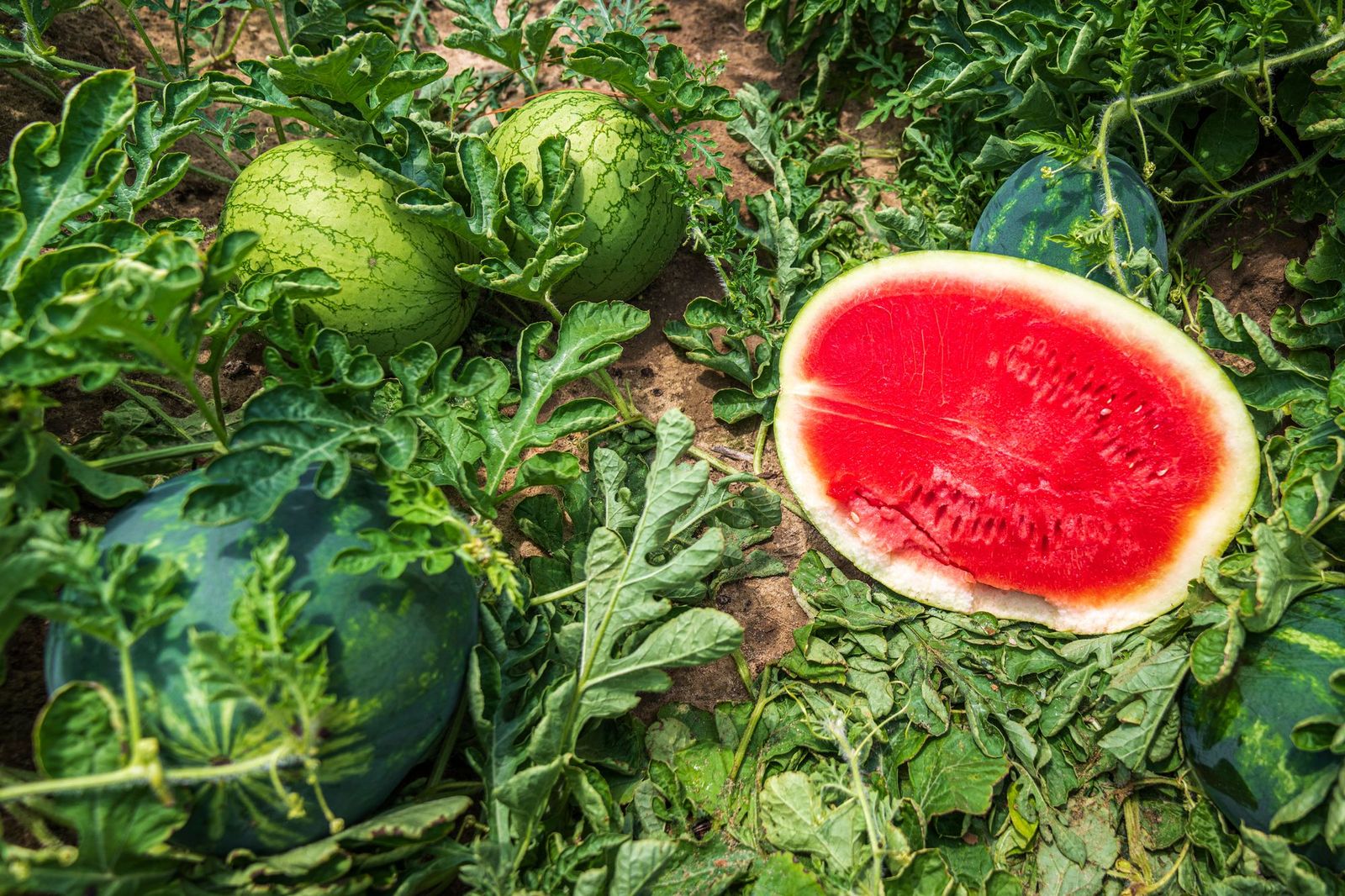
Watermelon grows from seed sown 1 to 2 inches deep in warm soil, spaced 36 to 48 inches apart in rows 72 inches apart per University of Georgia Extension Circular 963, with 80 to 90 days to harvest. Give the vines room, water on a schedule, and judge ripeness by three signs together.
- How to Make a Garden Arch: A Beginner's Flat Top Build
A garden arch a beginner can actually build in a weekend: a flat top design with a full cut list, posts set on spikes instead of concrete, trellis sides for climbers, and the measurements that make it feel generous instead of tight.
- How to Prepare Garden Soil for Planting
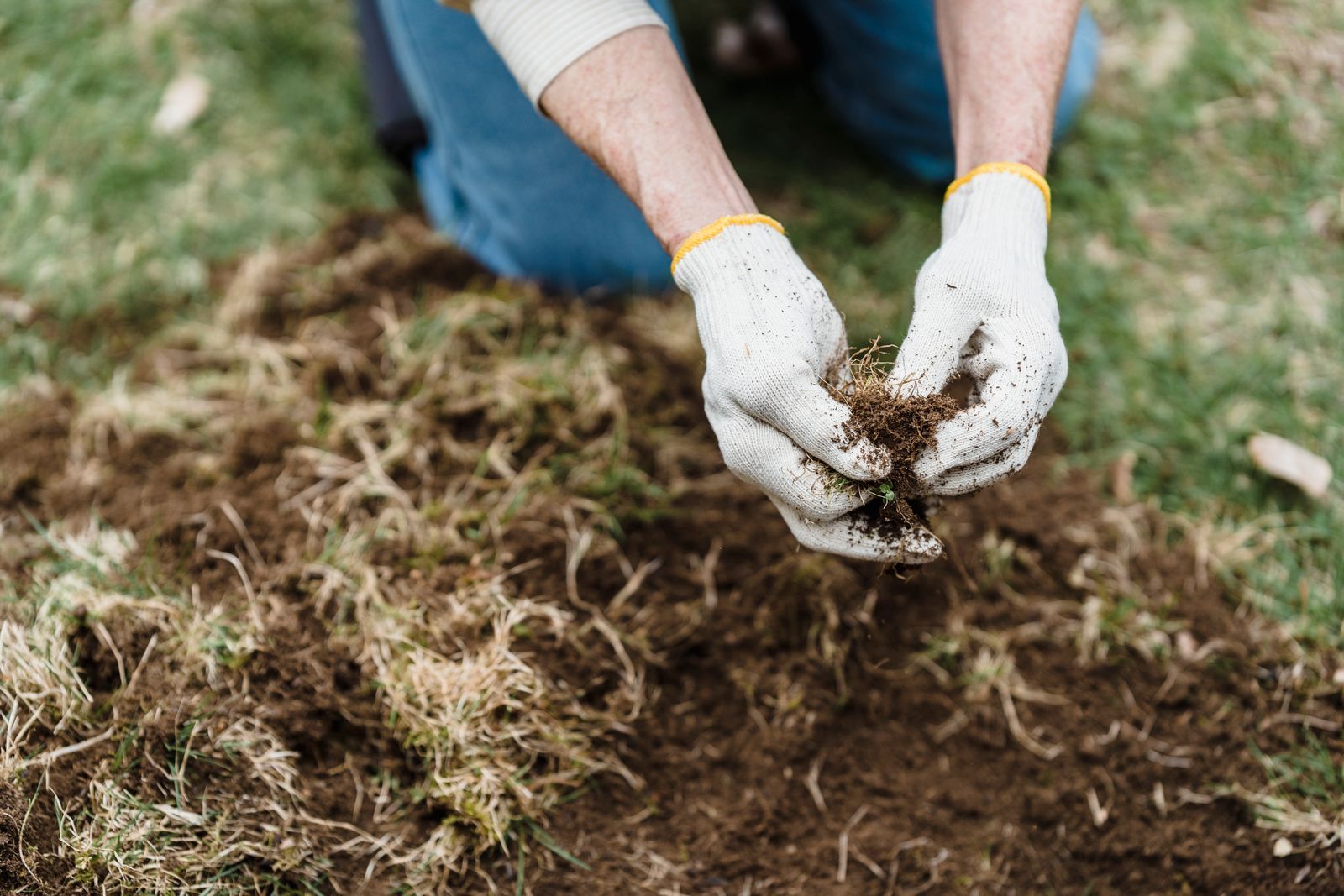
One afternoon of soil preparation, in order: clear the bed, run the squeeze test, loosen to a spade depth, work 2 to 4 inches of compost into the top 6 to 8 inches, rake level, and let the bed rest. Includes when to stop and wait for drier soil.
- How to Start a Garden
Start your first garden in the right order: pick food you will eat, find your sun, build one small bed, fix the soil, plant at the right time, and water the roots. Includes a readiness checklist for your own yard.
- How to Start a Garden on a Balcony: Rules, Weight, Wind, and Water, in That Order
Starting a balcony garden as a constraint system instead of a shopping trip: the building and lease rules check first, a one day sun and wind map, a weight budget worked in pounds per pot, drainage that keeps the neighbors below dry, and a first fleet of 3 to 5 pots sized to the water you can carry. The balcony punishes the mistakes a yard forgives, and rewards the gardener who plans for them once.
- How to Start a Lavender Garden: Fix the Drainage Before the Plants
A lavender garden starts with the site, not the plants: 6 to 8 hours of sun, drainage that empties a test hole within the hour, and soil around pH 6.5 to 7.5. Plant English lavender starts 2 to 3 feet apart, water rarely, and prune about a third after flowering.
- When to Plant a Garden
Garden planting dates are local, not national. Find your last spring frost and first fall frost dates, sort your crops into three groups around them, and turn the whole season into a calendar you can follow. Includes a worked example and the second planting most beginners miss.