Begonia is not one plant for watering purposes; it is several, and they store water in different places. A tuberous begonia carries its reserve in the tuber and forgives a dry spell, then rots if it is kept wet. A wax begonia carries some in its thick leaves and stems. A rex or angel wing begonia carries almost none and wants the mix consistently moist, crashing at either extreme. The check that serves all of them is the top inch: water when the top inch of mix is dry, which for indoor plants in moderate light lands every 3 to 5 days, stretching to 5 to 7 in cool or dim conditions, tightening to every few days for containers in warm weather, with beds running about weekly. This page runs the system by storage organ, then the basket case, the base watering method that keeps the foliage dry, and the crisp edge diagnosis, because half the begonia watering questions are really about air, not soil.
Home / Gardening Basics for Beginners
How Often to Water Begonias: The Storage Organ Rule, the Basket Case, and the Crisp Edge Diagnosis
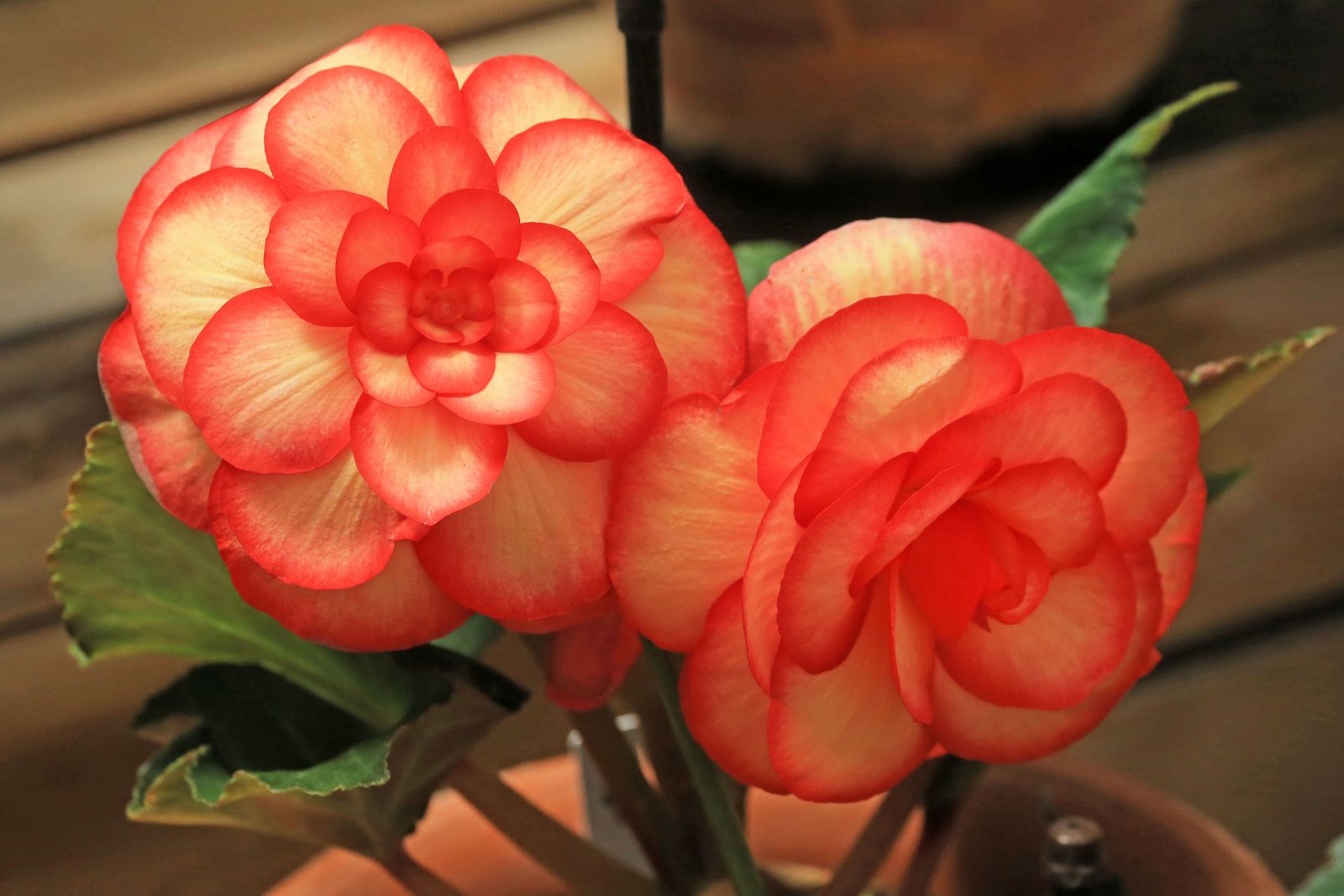
Photo: Jeffry Surianto / Pexels
Watering Volume Calculator: The Begonia Pot Audit
A begonia wants the top inch dry and the rest never soggy and never baked. Enter your pot diameter as both length and width with a depth of 1 inch to size one careful drink.
19.9 gallons
For 32 square feet at 1 inch deep. That is about 76 liters, or 10 trips with a standard 2 gallon watering can.
A rain gauge or a straight sided can set in the bed tells you when a sprinkler or soaker hose has actually delivered this depth. Time alone is a guess, because hose pressure varies from house to house.
The conversion is arithmetic, not opinion: one inch over one square foot is 144 cubic inches of water, and a US gallon holds 231 cubic inches, so each square foot at one inch takes 0.62 gallons.
The Storage Organ Rule: Read the Plant's Tank Before the Calendar
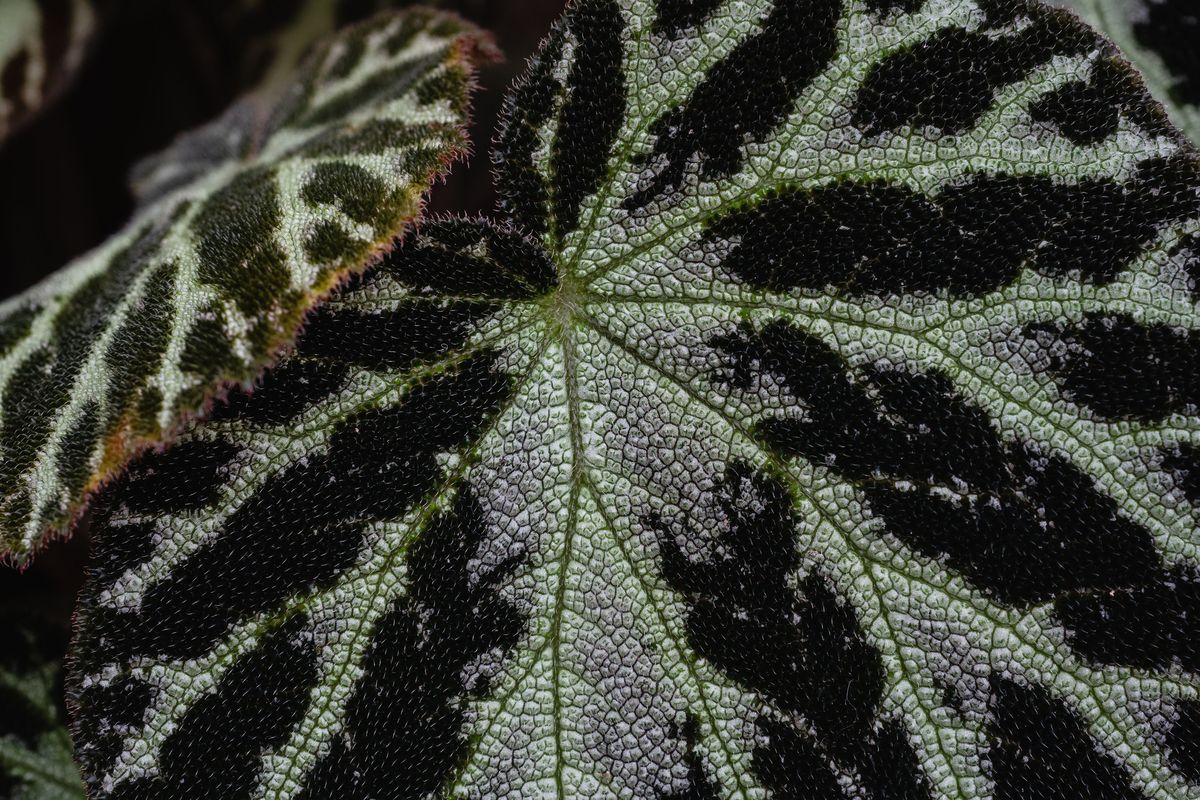
Every watering interval is a statement about how much water the plant holds in its own body. Tuberous begonias hold the most: the tuber is a tank, and the plant can sit on the dry side between drinks, top inch dry and a day past it in winter rest, when many tuberous types are lifted and stored dry entirely. Wax begonias, the bedding and basket staple, hold a moderate reserve in fleshy stems and leaves; they take the standard top inch rule and forgive a missed day, but sulk and drop leaves if the pattern becomes drought and flood. Rex and rhizomatous begonias, grown for patterned leaves, hold the least and are the drama of the genus: they want the mix moist throughout, drying only at the surface between drinks, and they answer a hard dry out with crisped leaf edges that never uncrisp. Angel wing and cane types sit between, closer to the rex rule in pots. Name your type before applying any number on this page; the genus label on the tag is not enough, and the interval that flatters a wax begonia murders a rex by inches over a month.
The Pot Rhythm Indoors: The Top Inch, Every 3 to 5 Days
For the typical indoor begonia in a 6 inch pot, in moderate light and a heated or cooled room, the top inch dries every 3 to 5 days, and that is the drink signal. Water at the base, thoroughly, until a little runs from the drainage hole, then empty the saucer; begonias rot at the crown and stem base when they stand in runoff, and the crown is where the rex types are most tender. Pot size moves the rhythm as it does for every plant on this site: a 4 inch pot can need the check every 2 days in bright light, a 10 inch pot may run a week. Light moves it too, and in the other direction from most owners' instinct: a plant in low light drinks slowly and stays wet, so the interval stretches and the rot risk rises, which is why dim corner begonias die wet more often than sunny ones die dry. In winter the growth slows and the rhythm stretches with it; hold the check, drop the calendar. Use the calculator above to size one thorough drink for your pot, and the top inch rule stops being a guess about volume as well as timing.
The Basket and Bed Cases: Outdoor Begonias Drink Faster
A hanging basket of wax begonias in summer sun is a small soil volume with wind on every side, and it can need water every 2 to 3 days in warm weather, daily in a heat wave, always by the same top inch check read early in the morning before the day's evaporation confuses it. Baskets lie about their state by noon: a basket wilted at 2 in the afternoon on a hot day may be heat wilted on adequate moisture, and the morning check is the honest one. Bedding begonias in the ground run slower, about weekly in dry weather once established, because the bed's soil volume dwarfs a pot's and mulch holds the surface. New transplants, basket or bed, drink on the establishment rhythm for their first two weeks, checked every day or two, because their roots still live in the plug they arrived in. The tuberous types outdoors, in baskets and patio pots, keep their rule through the season: top inch dry, water at the base, and an absolute ban on wetting the foliage in the evening, because tuberous begonias mildew where they sit wet overnight.
Water at the Base: Keeping Leaves and Crowns Dry
Begonia foliage is built to spot, mildew, and rot when it stays wet, and overhead watering is the delivery system for all three. The method that avoids it: water the soil, not the plant. A narrow spout run under the leaf canopy, a saucer filled from below for small pots and emptied after twenty minutes, or a drip line in beds all do the same job. Bottom watering suits rex types especially, since their leaves lie close to the mix and catch every splash, though it should be alternated with an occasional top watering to flush salts that bottom watering concentrates at the surface. Morning is the safe hour for any water that does touch leaves, because it dries before nightfall; evening wet foliage in a still room is the mildew appointment. Humidity is the other half of the leaf story and belongs to the room, not the watering can: rex begonias want humid air, 50 percent or better, delivered by grouping plants or a humidifier, because misting the leaves themselves trades an air problem for a leaf disease problem.
The Crisp Edge Diagnosis: Air, Salts, or Soil
Crisp brown leaf edges are the begonia symptom that sends owners to the watering can, and the can is only sometimes the answer. Work the three causes in order. First, soil: if the top inch is dry and the pot is light, it is thirst, and a thorough drink plus a shorter interval is the fix; edges already crisped stay crisped, and the verdict is read on new growth. Second, air: a plant on a correct rhythm in a heated room with dry air crisps at the edges anyway, especially rex types, and the fix is humidity, not water; more water into already moist mix rots the crown while the edges keep burning. Third, salts: fertilizer and mineral buildup shows as a white crust on the mix surface and edges that burn on a plant whose moisture reads right; flush the pot with a slow, deep watering that runs a pot's volume through and out, and ease the feed strength. Soft, translucent, collapsing stems point the opposite way, to rot from wet, and the answer there is surgery and a drier pattern, not a drink. Diagnose before you pour, and the begonia stops being a mystery plant.
Frequently Asked Questions
How often do begonias need water indoors?
When the top inch of mix is dry, which for a typical indoor plant in moderate light is every 3 to 5 days, stretching to 5 to 7 days in cool or dim conditions. Rex and angel wing types sit at the frequent, consistent end of that range; tuberous types at the drier end. Water thoroughly at the base until a little drains, and empty the saucer. The check rules, not the count: a small pot in bright light can need the check every 2 days, a large pot in a cool room once a week.
Why are my begonia's leaf edges turning brown and crispy?
One of three causes: dry soil, dry air, or salt buildup. Check the soil first; a light pot with a dry top inch is thirst. If the moisture reads right, suspect the air, especially for rex begonias in heated rooms, and raise humidity around the plant rather than watering more. A white crust on the mix surface points to salts, answered by flushing the pot through with plain water. Edges already crisped do not heal; judge your fix by the next leaves.
Can begonias be overwatered?
Yes, and it is their commonest indoor death. Begonias rot at the crown and stem base in mix that never dries at the surface, showing soft, translucent, collapsing stems. The defenses are the top inch dry check before every drink, drainage that actually drains, an emptied saucer, and water delivered at the base in the morning. Tuberous begonias are the most rot prone of the group and want the driest pattern of all, with a fully dry winter rest for stored tubers.
Should I mist my begonias for humidity?
No. Misting wets the foliage, and wet begonia foliage is an invitation to powdery mildew and leaf spot, while the humidity it adds lasts minutes. Rex types genuinely want humid air, around 50 percent or better, but it should come from the room: group the plants together, set pots on a pebble tray with water below the pot base, or run a small humidifier. The leaves stay dry, the air stays kind, and the watering rhythm stays about the soil alone.
How often do hanging baskets of begonias need water?
Every 2 to 3 days in warm weather by the top inch check, and daily in a heat wave. A basket is a small soil volume with wind on all sides and dries days ahead of a bed. Read it in the morning; a basket wilted at noon may only be heat wilted on adequate moisture. Water at the base until it drains, and treat a basket that needs water twice a day as a basket that needs a bigger home or a shadier hook, not a second daily drink forever.
Photo credits: Jeffry Surianto (Pexels); Marina Leonova (Pexels). Photos are served from this site; follow the credit to the library page for the original.