Best House Plants for Beginners in Low Light: Matched to How Dim Your Spot Really Is
By the Windchime Walker editorial team
Photo: Mustafa Akın / Pexels
Most low light plant lists fail before they start, because low light is not one condition. The corner four feet from a north window, the bathroom with a small frosted pane, and the spot beside an east window are all called low light, and they differ from each other more than a sunny sill differs from a patio. A plant that cruises in one starves slowly in another, and the beginner concludes they cannot keep plants alive when the real problem was a mismatch nobody helped them measure.
So this page starts with the measurement, then sorts the shortlist by dimness. The definitions vary between sources, honestly: many guides describe low light as roughly 50 to 150 foot candles, while University of Georgia figures quoted for survival minimums run lower, about 25 to 75 foot candles for the toughest foliage plants. You do not need a light meter to place your spot in that range; the shadow test below does it with your hand. One more truth up front, because every honest guide repeats it: low light is not no light. A windowless room grows nothing green without a grow light, and the plants below are tolerant, not magical.
Interactive tool
Low Light Plant Match Checklist
Check off each step as you finish it. Your progress stays on this page.
0 of 7 complete
0% done
The Shadow Test: Measure Your Spot in Ten Seconds
At midday on a bright day, hold your hand about a foot above the surface where the plant will sit, between the window and the spot. A sharp, clear shadow means bright indirect light, and almost any houseplant will grow there. A fuzzy shadow with soft edges means medium light, where most of the list below grows steadily. A faint shadow you can barely see means low light proper, where only the toughest tier belongs and growth will be slow. No shadow at all means the spot is a cupboard with furniture; put a lamp there, or a grow light, or a nice vase, but not a plant.
Distance is the silent variable: light falls off fast, and a spot eight feet from the window can receive a small fraction of what the sill gets. The shadow test captures your actual spot, which is why it beats rules of thumb about window direction alone. North windows give the steadiest low light, east windows give gentle morning sun that upgrades a spot a full tier, and a south or west spot set well back from the glass is often medium, not low.
Tier One: The Plants That Take the Dimmest Corners
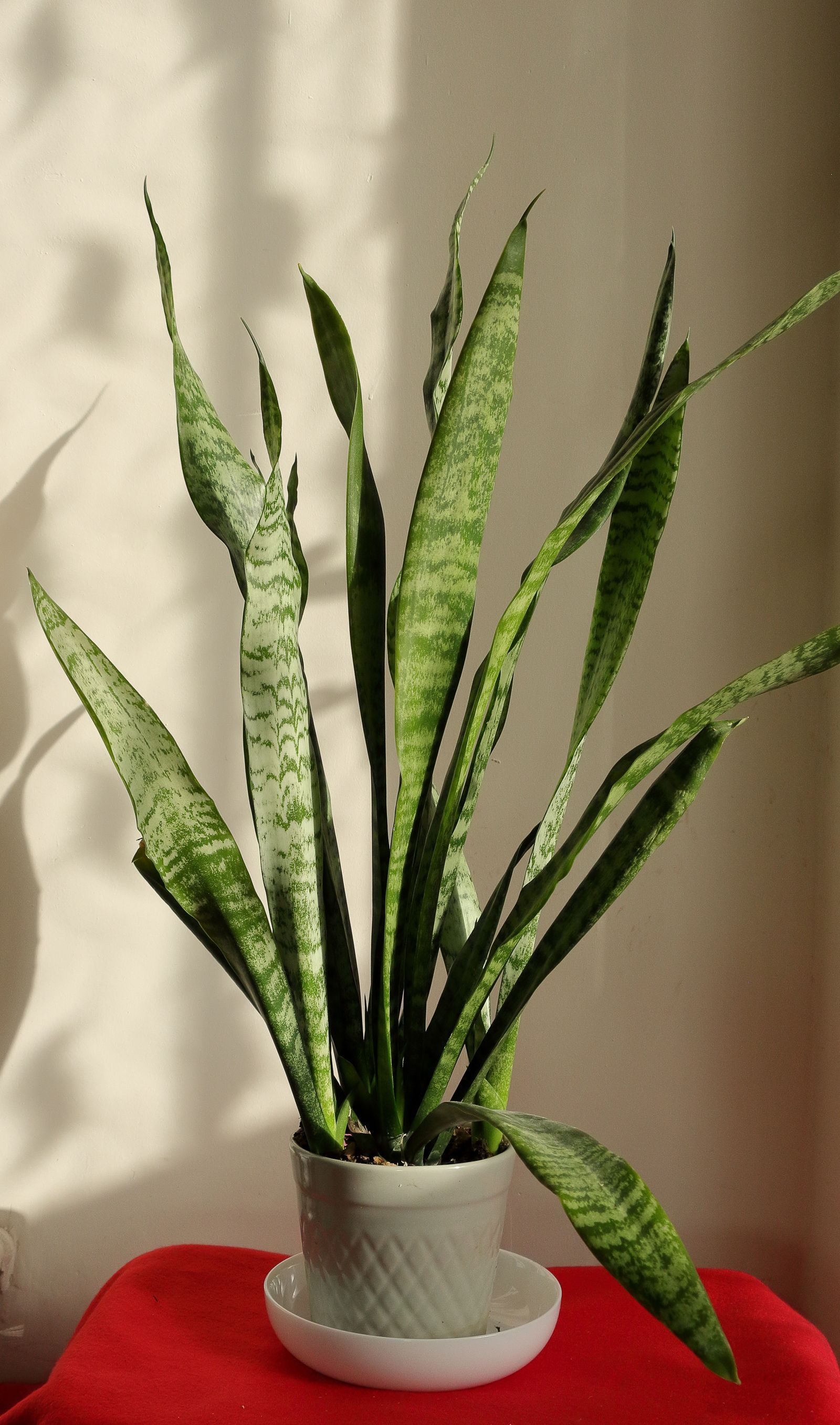
Snake plant (Sansevieria). The benchmark for dim corners: upright swords, months of patience between waterings, and a tolerance for neglect that borders on indifference. In low light it grows slowly and wants water only when the soil is dry all the way through, every few weeks at most. Toxic to pets if chewed. Its one true killer is kindness with a watering can.
ZZ plant. Glossy leaflets on arching stems, grown from a rhizome that stores water like a canteen, which is why it shrugs off both dim light and forgotten waterings. Slow in low light, and content to be slow. Toxic to pets. If your spot passes the shadow test at the faintest level and your watering style is forgetful, this is your plant.
Cast iron plant. The Victorian parlor plant, named for surviving gas lit rooms and neglect. Broad dark leaves, very slow, very patient, and one of the few picks on this page considered safer around pets. It will not thrill you with growth; it will simply still be alive and handsome in five years, which in a dim corner is the whole game.
Tier Two: Low to Medium Light, a Step Brighter
Pothos. The trailing classic. In medium light it vines steadily; in true low light it survives with smaller leaves and longer gaps between them, which is the plant telling you its light budget honestly. Solid green forms hold up better in dim spots than heavily variegated ones, because variegation is leaf area that does not photosynthesize. Toxic to pets. A cutting in a jar of water on a dim shelf is the beginner's propagation lesson, free of charge.
Heartleaf philodendron. Pothos's close companion in behavior: trailing, forgiving, happiest in medium light, tolerant of low. Keep the two straight by the leaf, philodendron leaves are thinner and more heart shaped, with papery sheaths on new growth. Toxic to pets. It appreciates being trimmed, and the trimmings root in water as readily as pothos.
Chinese evergreen (Aglaonema). The office plant that earns it: patterned silver green leaves bred for interior light, upright habit, and a tolerance for the fluorescent end of the spectrum. The greener forms take dimmer spots; the pink and red forms want the brighter end of low to hold their color. Toxic to pets. Slow, neat, and undemanding about humidity.
Tier Three: The Brighter End of Low, With Conditions
Peace lily. The one flowering plant on the list, and the most dramatic: it wilts theatrically when thirsty and recovers within hours of watering, which makes it a good teacher. It wants the brighter end of low light to bloom; in deep dimness it stays a green plant and stops flowering, which is information, not failure. Toxic to pets, and the name lily makes it a firm no in homes with cats that chew.
Parlor palm. A small, soft palm that has tolerated dim parlors since before electricity, and a pick considered safer around pets. Slow growing, graceful, and more tolerant of low light than any other palm you will meet. It dislikes soggy soil and dry furnace air in equal measure, and otherwise asks very little.
Spider plant. The safer around pets pick that wants the bright end of this list: arching striped leaves and baby plantlets on long stems. In true low light it survives but pales and stops making plantlets. Give it the best spot of the eight and it becomes the generous one, producing free plants for every shelf you own.
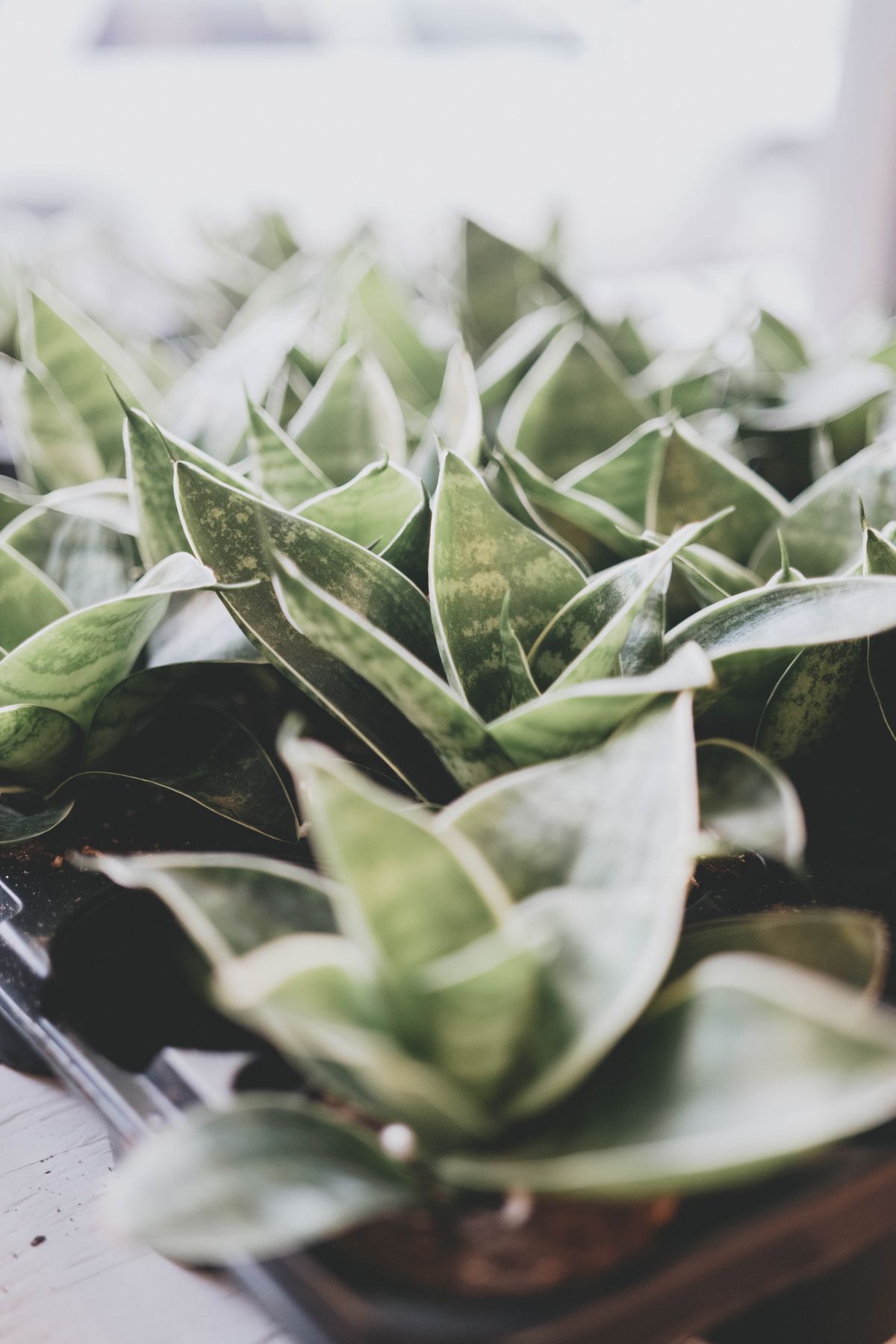
Green leaves of indoor plants in soft, dim natural light
The Two Disciplines That Decide Survival in Low Light
Water far less than feels right. A plant in low light grows slowly, drinks slowly, and sits in wet soil for weeks if you water on a summer schedule. Soggy soil in a dim corner is how most of these plants die, of root rot, in homes that describe themselves as bad with plants. The rule for every plant on this page: check the soil first, water only when the top couple of inches are dry (for snake plant and ZZ, dry most of the way down), and empty the saucer so the pot never stands in water. When in doubt in a dim room, wait two more days. These plants forgive thirst in a week; they do not forgive rot at all.
Expect slow, and read it correctly. Low light plants grow slowly by design. A snake plant that makes two leaves a year in a dim corner is succeeding. Variegation may fade toward green, trailers may stretch between leaves, flowering may pause; all of these are the plant balancing its budget, not dying. Rotate the pot a quarter turn every week or two so the plant grows evenly toward the light instead of leaning into a comma. Dust the leaves when you think of it: in dim light, a dusty leaf is a plant trying to eat through a blanket.
The Honest No Light Verdict
If the shadow test shows no shadow, believe it. Interior bathrooms, hallways, and windowless offices are plant free zones unless you add light, and adding light is easier than it has ever been: a small full spectrum LED bulb in an existing lamp, run 12 or so hours a day on a timer, turns a no light shelf into a medium light garden for herbs and most of this list. That is the honest fix, and it costs less than replacing dead plants twice a year. Alternatively, keep beautiful dried arrangements and cut flowers in the dark corners and put the living plants where the light is. Matching the plant to the place, instead of arguing with physics, is the entire skill this page is teaching.
Matching the Plant to the Room
The spot
Shadow test result
Best picks from this page
Beside an east window
Fuzzy to sharp shadow
Peace lily, spider plant, Chinese evergreen, pothos
North window sill
Soft, clear shadow
Parlor palm, Chinese evergreen, heartleaf philodendron
Four to six feet back from a window
Faint shadow
Snake plant, ZZ plant, cast iron plant, pothos (green form)
Dim corner, no direct window line
Barely any shadow
Snake plant, ZZ plant, cast iron plant only
Windowless room
No shadow
None without a grow light; add the light or choose dried arrangements
Feeding and Repotting Plants That Live in Low Light
Slow growth means slow appetites. A low light plant needs fertilizer at a fraction of the dose and frequency of a sunroom plant: a half strength balanced feed a few times across the growing season is plenty for the foliage plants on this page, and none at all in winter when growth has paused. More food than the light can support does not speed the plant up; it salts the soil and burns root tips, producing the brown leaf edges beginners then blame on water. Repotting follows the same patience: these plants are slow to fill a pot, and a pot too large holds wet mix around a small root system, which in a dim room is the rot setup again. Move up one pot size only when roots circle the drainage hole or the plant dries out suspiciously fast for its light level, and expect that to be a once in a few years event for the tier one plants. Fresh mix at repotting, a pot with a hole, and a return to the same spot it was thriving in: that is the whole ceremony.
Five Real Spots, Walked Through
Theory settles faster with addresses. The bathroom with one small frosted window: the shadow test gives a faint shadow at best, so this is tier one country, a snake plant on the counter, watered when you remember at the lean end of its range, thriving on the humidity it does not strictly need but never minds. The office desk away from the windows, under ceiling lights all day: a Chinese evergreen or a green pothos, because office lighting runs long hours and foliage plants read duration as well as brightness. The north facing bedroom corner: cast iron plant, chosen precisely because nothing about the next five years of that corner will change, and neither will it. The living room spot four feet from an east window, the best real estate on this page: the peace lily goes here, close enough to bloom, far enough to spare its leaves the direct morning blast, and it will pay rent in white flowers. The hallway with no window at all: no plant, and no guilt; a mirror, a picture ledge, or a lamp with a small grow bulb and one determined ZZ plant if the hallway truly needs green. Notice what the walk teaches: most homes have two or three genuinely plantable dim spots and a list of dark ones, and the successful indoor gardener is the one who plants the two and decorates the rest, instead of conducting a slow experiment in the hallway at the plants' expense.
Frequently Asked Questions
What counts as low light for houseplants?
Definitions vary by source: many guides put low light at roughly 50 to 150 foot candles, and University of Georgia survival figures quoted for the toughest foliage plants run about 25 to 75 foot candles. Use the shadow test instead of a meter: a faint, fuzzy shadow at midday is low light, a sharp shadow is bright indirect.
What is the easiest plant for a dim corner?
A snake plant or a ZZ plant. Both store water, tolerate weeks between waterings, and grow slowly but steadily in low light. Both are toxic to pets if chewed; in a pet home, the cast iron plant is the dim corner pick considered safer.
Why do my low light plants keep dying?
Almost always overwatering. In dim light a plant drinks slowly, so soil stays wet and roots rot. Water only after checking the soil, let snake plants and ZZ plants dry most of the way down, and never leave a pot standing in a full saucer.
Can any plant live with no light at all?
No. Low light is not no light, and a windowless room grows nothing without help. A small full spectrum LED bulb on a timer, 12 or so hours a day, turns a dark shelf into workable medium light. Without it, choose dried arrangements for that corner.
Which low light plants are safer around pets?
From this list, the cast iron plant, parlor palm, and spider plant are the picks generally considered safer around pets. Snake plant, ZZ plant, pothos, philodendron, Chinese evergreen, and peace lily are all toxic if chewed, and peace lily is a firm no where cats graze plants.
Will a low light plant ever flower indoors?
The peace lily will, at the brighter end of low light; in deeper dimness it stays green and stops blooming. The rest of this list is grown for foliage. Slow growth, fading variegation, and a pause in flowering are a plant balancing a small light budget, not signs of dying.
Photo credits: Mustafa Akın (Pexels); Joshua Mcknight (Pexels). Photos are served from this site; follow the credit to the library page for the original.