Best Plants for Beginners Outdoor: Forgiving Picks Sorted by Your Light
By the Windchime Walker editorial team
Photo: zhangliubin / Pexels
Search for beginner plants and you will be handed a pile of houseplants, pothos, snake plants, and peace lilies, for a question about the outdoors. Outdoor beginners need a different list: plants that live in real weather, forgive irregular watering, and keep going when a new gardener forgets them for a week. This page is that list, and it is sorted the way a yard actually sorts plants, by light first and water second. Find the section that matches your spot, and every plant in it is a reasonable bet.
A note on what forgiving means here. A forgiving plant tolerates the classic beginner mistakes: a missed watering, a late planting, a spot that is almost sunny enough. It does not mean unkillable, so each pick below names its one real way to die, the single weakness to respect. Respect that one thing, and the plant does the rest.
The First Outdoor Plants Checklist on this page turns the list into a buying trip: match your light, pick one plant from each job, check the pot before you pay, and plant the same day. If you are also furnishing the indoors, our indoor beginner plants article owns the rooms of the house. This page owns the yard.
Interactive tool
First Outdoor Plants Checklist
Check off each step as you finish it. Your progress stays on this page.
0 of 6 complete
0% done
Full Sun: Six or More Hours of Direct Light
Full sun is the easiest light to garden in, because the choice is widest and the plants are built for the weather beginners actually have: hot afternoons and occasional neglect.
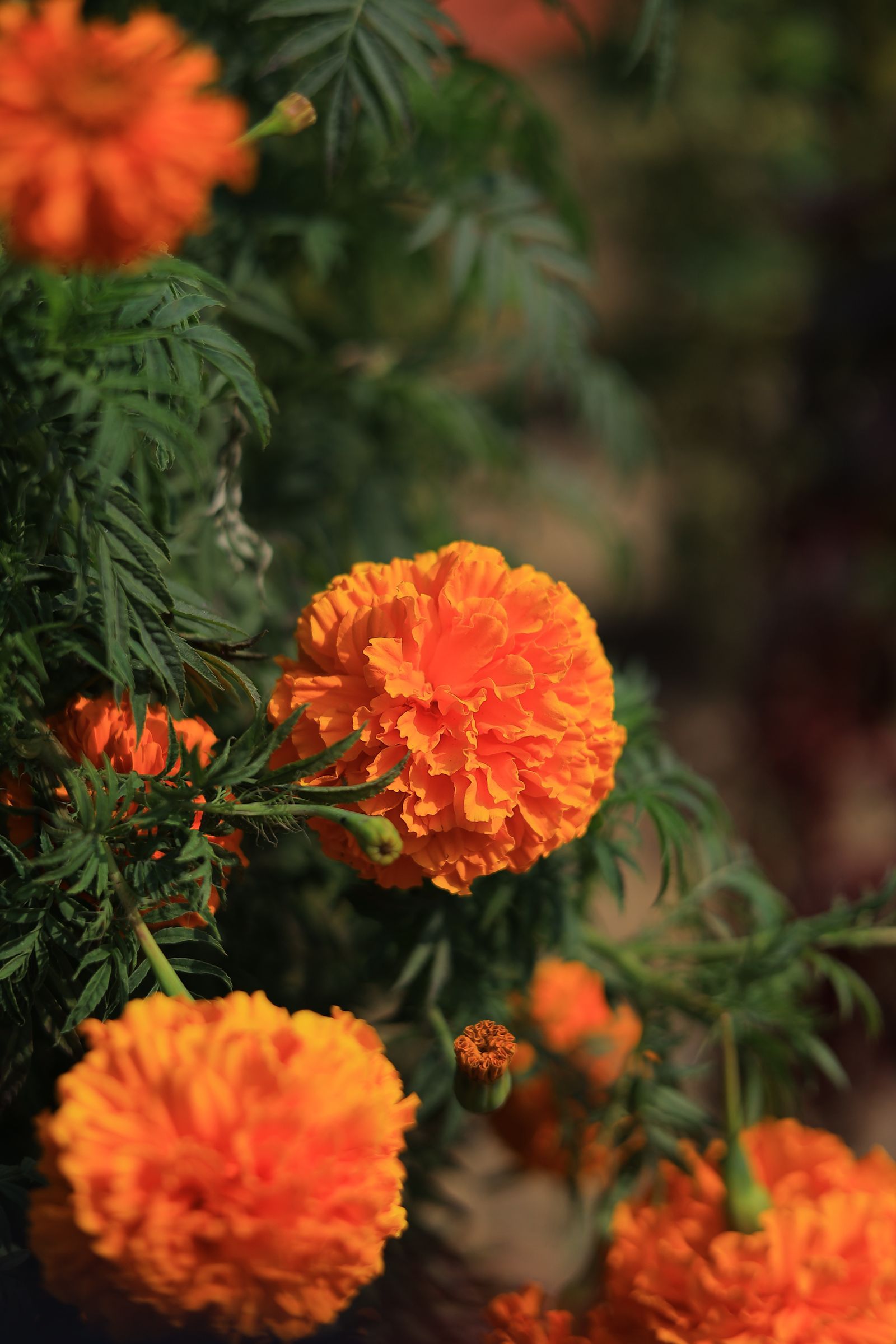
Marigolds are the beginner flower standard: cheap, cheerful, blooming from planting to frost, and unbothered by mediocre soil. Deadhead the spent flowers and they keep coming. Their one real weakness is wet, crowded shade, where they mildew. In sun with air around them, they are close to foolproof.
Zinnias grow fast from seed sown right in the bed, bloom in armloads for cutting, and attract butterflies all summer. Sow after the last frost into warm soil. Their one real weakness is overhead watering on still evenings, which invites powdery mildew on the leaves; water at the base and space them so air moves.
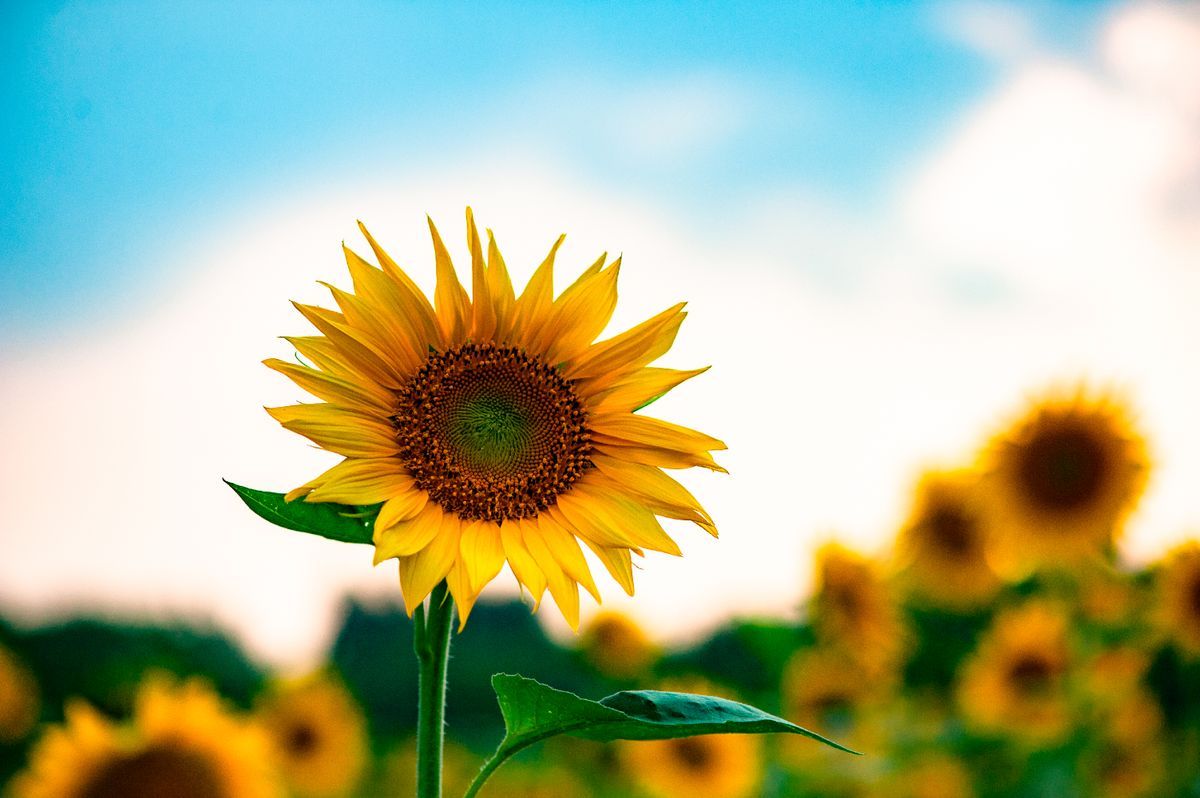
Sunflowers are the most encouraging plant a beginner can grow, because the progress is visible by the week and the payoff is enormous. Sow the seed where it will grow, since sunflowers dislike transplanting, and give tall types something behind them. Their one real weakness is birds and squirrels at the seedling stage; a cover of mesh until the plants are a foot tall solves it.
Cosmos thrive on the neglect other flowers resent: poor soil, light watering, no feeding. Rich soil and fertilizer produce tall leafy plants with few flowers, which makes cosmos the rare plant that punishes kindness. Their one real weakness is being started too early indoors, where they grow leggy; sow them outside where they will bloom.
Bush beans are the beginner vegetable, direct sown after frost, ready in about two months, and generous. Their one real weakness is cold soil; planted before the soil warms, the seed rots instead of sprouting. Wait for warm ground and they are nearly automatic.
Cherry tomatoes outproduce and outforgive their full sized relatives, ripening early and continuing through weather that splits bigger fruit. Give them the sunniest spot, a sturdy cage at planting, and consistent water. Their one real weakness is exactly that consistency: wild swings between dry and soaked split the fruit and stress the plant.
Part Shade: Three to Six Hours of Sun
Part shade is where beginners are most often misled, planting sun lovers in kind light and watching them stretch and sulk. Choose plants that evolved for edges and dappled light, and a part shade bed becomes the lushest corner of the yard.
Hostas are the shade garden's backbone, grown for leaves in greens, blues, and variegations that light up dark corners. They ask for almost nothing once established. Their one real weakness is slugs and snails, which chew the leaves in wet springs; a tidy bed and an evening patrol handle most of it.
Impatiens flower nonstop in shade where almost nothing else blooms, in whites, pinks, and reds, from spring planting to frost. Their one real weakness is thirst: they wilt dramatically when dry, though they recover with water, which makes them an honest plant that tells you what it needs.
Leaf lettuce and spinach are the part shade vegetables, and in warm climates part shade is actually their preference, delaying the bolting that heat and long days trigger. Sow little and often. Their one real weakness is timing, not light: both want cool weather, so treat them as spring and fall crops.
Bleeding heart is the part shade perennial of spring, arching stems of heart shaped pink flowers over ferny foliage, then quietly going dormant in summer heat, which alarms beginners who think it died. Its one real weakness is that summer disappearance; mark its spot and let it rest.
Mint and lemon balm grow in part shade with an enthusiasm that is itself the warning: plant mint only in a pot, even in the ground, or it will own the bed within two seasons. Their one real weakness, from the gardener's side, is success.
The Dry Corner: The Spot the Hose Barely Reaches
Every yard has one: the strip under the eaves, the slope, the far corner where watering is a project. The mistake is planting thirsty plants there and resenting them. Plant the dry corner with plants that evolved for it, water them through their first season while roots establish, and then mostly leave them alone.
Sedum, the stonecrops, store water in their fleshy leaves and bloom late in summer when the garden needs it. Their one real weakness is rich, wet soil, which rots them; poor and dry is their comfort.
Lavender wants exactly what the dry corner offers: sun, sharp drainage, and no fussing. Its one real weakness is wet winter soil, so plant it where water never sits, and resist feeding it.
Black eyed Susan is a tough native perennial with gold daisy flowers from midsummer on, seeding itself gently around. Its one real weakness is being crowded in rich, moist beds, where mildew finds it; lean and airy suits it.
Daylilies tolerate drought, poor soil, road salt, and decades of neglect, blooming reliably each summer. Their one real weakness is barely a weakness at all: they multiply, and every few years you will divide them and have plants to give away.
A yellow sunflower in bloom
How to Buy a Plant That Is Already Healthy
Half of beginner failure is purchased. At the garden center, choose the compact, bushy plant over the tall, flowering one: blooms in the pot are the plant spending its savings, while a stocky green plant has growth ahead of it. Turn the pot over; roots should be white and just reaching the drainage holes, not circling in a dense mat or black and mushy. Check under the leaves for insects and spots, because a bargain plant with aphids costs more than it saves. Buy the plant whose label matches your light, not the one that looks prettiest today, and plant it the day you bring it home, watering it into its new soil thoroughly.
One more habit separates the survivors: plant in the evening or on a cloudy day when you can, water deeply at planting, and mulch around (not against) the stems. The first week decides most transplants, and it is a week of water, not a week of fertilizer. Feed later, once the plant is growing, and for most of the forgiving plants on this list, a spring layer of compost is feeding enough.
A Planting Order for the Whole List
The plants above go into the ground in a sequence, not all on one Saturday, and the order follows temperature rather than enthusiasm. First out, in early spring while the weather is still cool, are the plants that prefer it: lettuce and spinach seed, which germinate in cool soil and crop before summer, and the perennial divisions and potted plants such as hostas, daylilies, and black eyed Susan, which establish roots happily in cool, moist ground. Bare root and potted perennials planted in spring get a full season of root growth before their first winter, which is the strongest start a perennial can be given.
Next, after the last frost date passes, come the warm season flowers and vegetables: marigolds, zinnias, cosmos, and sunflowers, sown or set out into soil that has lost its chill, and the cherry tomato and bean sowings that anchor the edible side of the yard. Beans in particular reward waiting, since their seed rots in cold soil, and a planting made a week late into warm ground will outgrow one made early into cold ground within a fortnight. The shade bed's impatiens also wait for this window, because they are tropical plants wearing a summer disguise, and a single cold night after planting can check them for weeks.
Last come the second sowings, the gardener's quiet advantage: another short row of beans a few weeks after the first, another pinch of lettuce and spinach as the weather cools toward fall, and cosmos and zinnia seed scattered into any gap the summer has opened. The beginner who plants in this order discovers that the yard always has something at its peak, and that the plants themselves, each in its preferred season, do most of the work the anxious gardener was planning to do with fertilizer and worry.
Perennials Versus Annuals: Spending Once or Spending Yearly
One distinction quietly shapes a beginner's budget, and the lists above mix both sides of it on purpose. Annuals, the marigolds, zinnias, cosmos, sunflowers, impatiens, and beans, live one season and die with the frost. They are cheap, fast, and generous, and they must be bought or sown again every year. Perennials, the hostas, daylilies, black eyed Susan, sedum, lavender, and bleeding heart, cost more per plant and return for years, growing larger each season, until many can be divided into free new plants.
The sensible beginner portfolio holds both. Annuals give this year's color and this year's lessons at pocket money prices, and they fill the gaps while perennials are small. Perennials are the investment layer: two or three added each year build, within a few seasons, a yard that largely plants itself, needing only the annuals you choose for fun rather than necessity. When a perennial and an annual compete for the same ten dollars, ask which spot you are solving: a gap you need filled in bloom this summer argues for the annual; a corner you are tired of replanting argues for the perennial, planted once and done. Gardeners who think this way stop experiencing plant buying as an annual tax and start experiencing it as furnishing a house, one good piece at a time.
Frequently Asked Questions
What is the easiest outdoor plant for a beginner?
Marigolds are the easiest outdoor flower for most beginners: inexpensive, fast, blooming until frost, and tolerant of average soil and imperfect watering in full sun. For a vegetable, bush beans are the equivalent, direct sown after frost and ready in about two months. Both forgive the normal beginner mistakes as long as they get sun.
What outdoor plants grow well in shade?
Hostas, impatiens, and bleeding heart are reliable shade performers, and leafy greens such as lettuce and spinach grow well in part shade, especially in warm climates where shade delays bolting. True deep shade grows foliage plants well and flowers reluctantly, so set expectations by your actual sun hours.
Which beginner plants need the least watering?
Once established, sedum, lavender, black eyed Susan, and daylilies are the dry corner standbys, tolerating lean soil and infrequent watering. Every plant needs regular water in its first season while its roots establish, including the drought tolerant ones. Drought tolerance is a trait of established plants, not seedlings.
Should beginners start plants from seed or buy transplants?
Both, by plant. Sunflowers, cosmos, zinnias, and beans grow easily and cheaply from seed sown directly outdoors. Tomatoes and peppers are simpler as purchased transplants for a first year, because they need a long, warm head start indoors. Perennials such as hostas and daylilies are usually bought as plants, since seed takes years to reach size.
Why did my beginner plants die in the first week?
The first week is transplant shock season: roots disturbed, a new soil, and often too little water at exactly the wrong moment. Plant in the evening or on a cloudy day, water deeply at planting and through the first week, and mulch around the plant. Also check the match: a sun lover planted in shade, or a shade plant in blazing sun, declines no matter how it is watered.
What is the one mistake that kills the most beginner plants?
Mismatch, in two forms: the plant's light needs against the spot's actual sun, and watering by calendar instead of by the soil. Match the plant to your light honestly, and water when the soil at root depth is dry rather than on a fixed schedule, and most beginner losses disappear.
Photo credits: zhangliubin (Pexels); Zszen John (Pexels). Photos are served from this site; follow the credit to the library page for the original.