A bird of paradise is a big plant with a storage tank underground, and its watering rule follows from that anatomy. The thick rhizome under the soil holds water the way a cactus stem does, which makes the plant forgiving of drought and unforgiving of kindness. The check is depth: water when the top 1 to 2 inches (3 to 5 cm) of mix are dry. In bright summer growth that lands about weekly. In winter it stretches to every 2 to 3 weeks. The pot rewrites the numbers, because an indoor plant in a 12 inch pot holds days of reserve and typically runs 10 to 14 day intervals, while an outdoor plant in full sun and moving air runs 5 to 7 days. This page runs the system: the depth check scaled by pot size, the indoor and outdoor interval split, the rhizome rot guardrails, and the leaf signal table, because this plant's leaves report light and humidity problems in the same handwriting as thirst, and watering for the wrong one makes both worse.
Home / Gardening Basics for Beginners
How Often to Water Bird of Paradise: The Depth Check, the Rhizome Rule, and the Leaf Signal Table
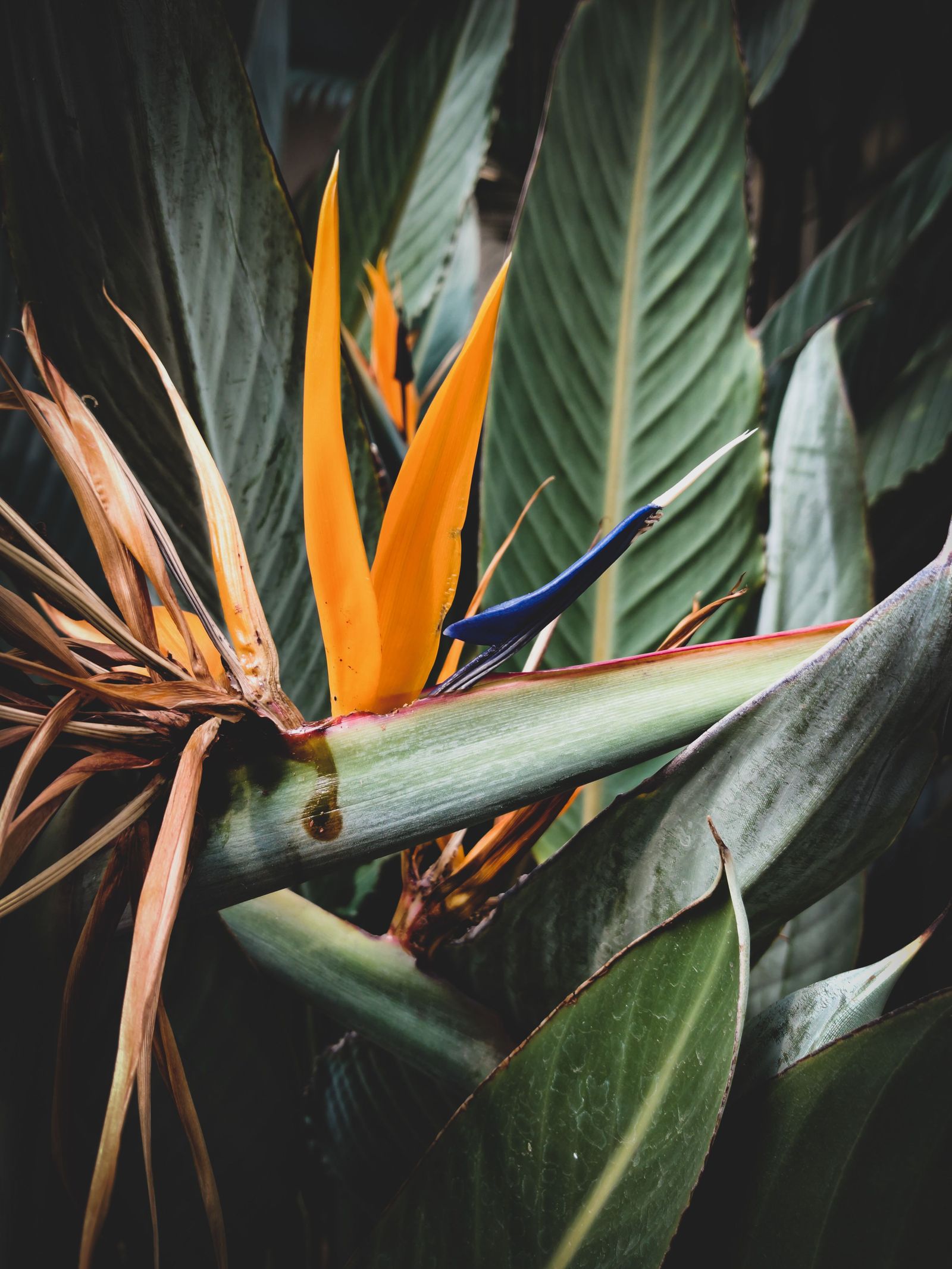
Photo: Jayakrishnan Krishnakumar / Pexels
Watering Volume Calculator: The Bird of Paradise Pot Audit
A bird of paradise stores water in its rhizome and forgives drought far sooner than kindness. Enter your pot diameter as both length and width with a depth of 1 inch to size the deep soak.
19.9 gallons
For 32 square feet at 1 inch deep. That is about 76 liters, or 10 trips with a standard 2 gallon watering can.
A rain gauge or a straight sided can set in the bed tells you when a sprinkler or soaker hose has actually delivered this depth. Time alone is a guess, because hose pressure varies from house to house.
The conversion is arithmetic, not opinion: one inch over one square foot is 144 cubic inches of water, and a US gallon holds 231 cubic inches, so each square foot at one inch takes 0.62 gallons.
The Depth Check: 1 to 2 Inches, Scaled by the Pot
Push a finger or a wooden dowel 2 inches into the mix. Dry and clean at that depth means water today; cool and damp means wait, whatever the surface looks like and whatever the calendar says. The depth matters more for this plant than for most, because the pot is usually large and the surface of a large pot dries days before the root zone does. Owners who water a 12 inch pot on a surface read keep the rhizome permanently wet while believing they water sparingly. Pot size is the interval: a 6 inch nursery pot in a bright room may check dry at 2 inches every 5 to 7 days in summer, the same plant graduated to a 12 inch pot runs 10 to 14 days, and a floor specimen in a 16 inch pot can go 3 weeks in winter without asking. When you do water, water completely, until it runs from the drainage holes, and empty the saucer or cache pot afterward; the rhizome sits low in the pot, exactly where pooled runoff collects. Use the calculator above to size that soak for your pot's diameter, because a thorough drink for a floor plant is measured in gallons, not glasses.
Indoor Versus Outdoor: Two Honest Intervals
The results for this plant sprawl from 5 days to 3 weeks, and most of the sprawl is placement. An outdoor bird of paradise in full sun, warm wind, and a terracotta pot is evaporating from every surface and transpiring hard through very large leaves; 5 to 7 days between depth checks that come up dry is normal in summer, and a plant in the ground in a hot climate can want a deep soak weekly while it establishes. The indoor plant lives in still air, gentler light, and usually a glazed or plastic pot, and every one of those slows the drying; 10 to 14 days is the honest indoor rhythm in summer for a standard 12 inch pot, and winter doubles it. Neither number is wrong, and copying the outdoor figure indoors is a rot plan. The seasonal shift applies in both worlds: growth is the meter. A plant pushing new leaves is drinking; a plant sitting still in December is sipping, and the depth check, not the month, arbitrates. Move a plant outdoors for the summer, as many owners do, and its interval halves within a fortnight; move it back in for winter and double your patience with it.
The Rhizome Rule: Why Dry Is Safe and Wet Is Not
The rhizome is a thick, horizontal underground stem packed with stored water and starch, and it is built for a climate with a dry season. In mix that stays wet, it does what any stored organ does in water: it rots, quietly, from the bottom of the pot upward, while the leaves above still look respectable. By the time the plant wobbles at the base or the newest leaf comes up blackened, the rhizome is largely gone. The guardrails are simple and absolute. The pot must drain, freely, every time. The mix must be open and gritty enough that water passes through rather than perching; a standard potting mix cut with perlite or bark serves. The depth check must come up dry before water returns. And the saucer must be emptied, because the rhizome lives at saucer height. The forgiving direction is always drought: a bird of paradise that goes a week past its check wilts slightly, drinks, and stands back up. A plant kept a week too wet loses roots it does not regrow on your schedule. When in doubt with this plant, wait a day. It is one of the few houseplants where neglect is a defensible strategy and attention is the risk factor.
The Leaf Signal Table: Curl, Split, and Brown Edges
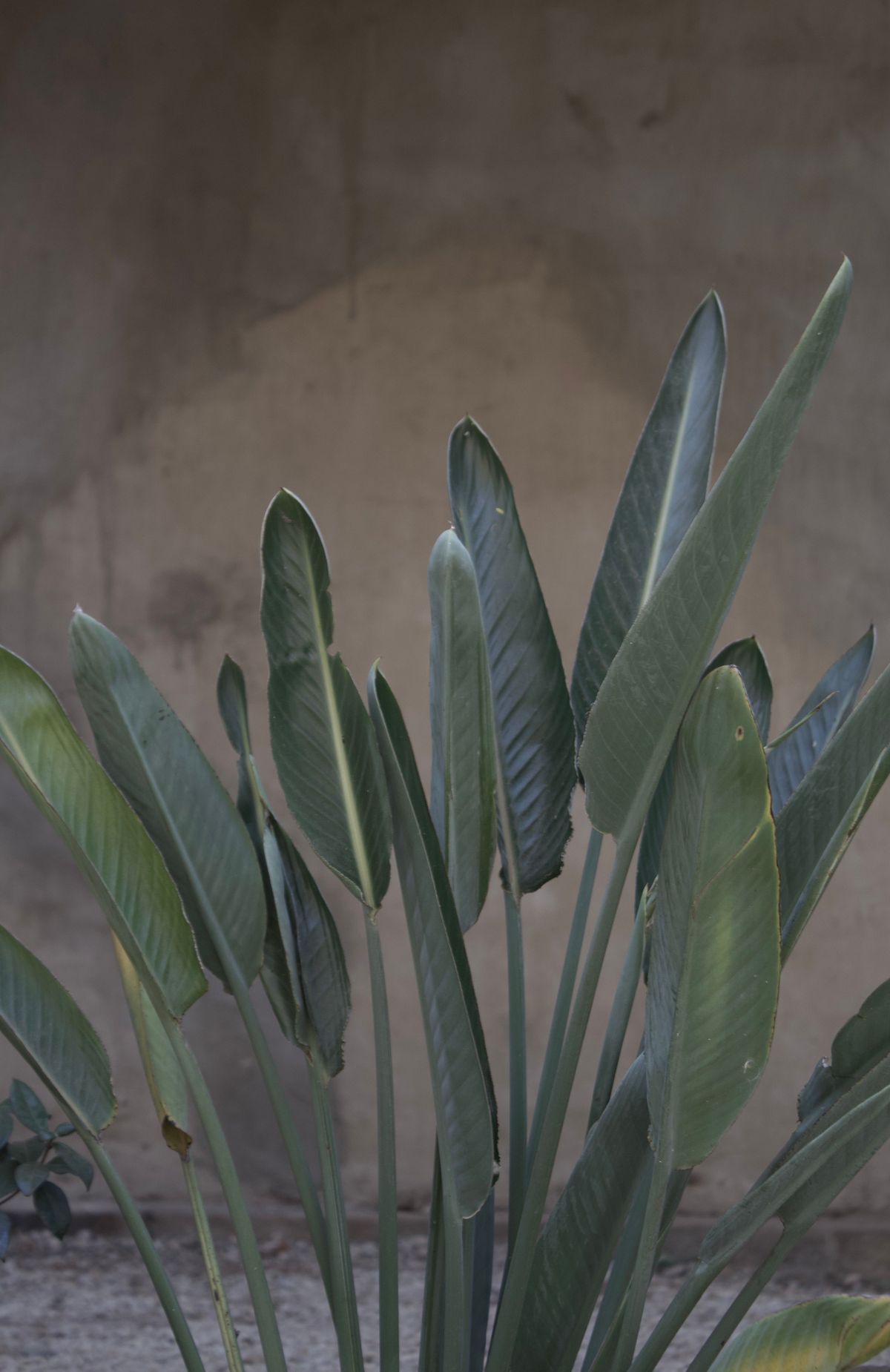
The leaves report three different problems in similar handwriting, and watering is only one of the answers. Leaves curling inward along their length, on a plant whose mix checks dry at depth, are thirst, and a full soak unrolls them within a day or two. The same curl on a plant whose mix is moist is usually a light or heat response, the leaf reducing its exposure at midday, and it relaxes by evening without any water from you. Splitting along the leaf veins is neither: it is the plant's design, tears that let wind pass through the huge leaves outdoors without snapping the stem, and indoor plants split less but still split; no watering pattern prevents it and none should be chased. Brown, crispy edges on older leaves, with the rest of the plant sound, are usually low humidity or salt accumulation, answered by an occasional flush of the pot and whatever humidity the room can offer, not by a shorter interval. Yellowing of the lowest leaves one at a time is normal retirement. Yellowing of several leaves at once, with a soft base, is the rhizome sending its last message, and the answer is the unpot and inspect routine from the rot guardrails, not a drink. Read the leaf, then check the depth, then decide; in that order the signals stop contradicting each other.
Feeding, Repotting, and the Growth Season
Water carries the rest of the care calendar. Feed in active growth only, spring through early fall, a balanced feed at half strength monthly, always into moist mix after a watering rather than before one, because dry roots plus fertilizer is a burn recipe. Repotting is a watering event in disguise: this plant blooms best slightly tight in its pot, and jumping two sizes up surrounds the rhizome with a volume of mix that stays wet far longer than the roots can patrol, which is the rot setup in a new costume. Move up one size, in spring, into the gritty mix, and water in once to settle it. The first check after repotting will come up dry later than the old pot did; trust the dowel, not your memory of the old rhythm. In the ground in warm climates the same logic scales: deep, infrequent soaks once established, a weekly rhythm while the roots are still the size of the nursery pot they came in. Indoors or out, the plant's whole water philosophy fits in one line: soak it rarely, soak it completely, and let the rhizome do the job it evolved to do.
Frequently Asked Questions
How often should I water my bird of paradise indoors?
When the top 1 to 2 inches of mix are dry at depth, which for a typical indoor plant in a 12 inch pot is every 10 to 14 days in summer and every 2 to 3 weeks in winter. Smaller pots run faster, larger floor pots slower. Water completely until it drains, and empty the saucer. The depth check is the rule; the day counts are what the rule produces in an average room, and a cool or dim room stretches every one of them.
Why are my bird of paradise leaves curling?
Read the mix before the leaf. Curling on a plant dry at 2 inches down is thirst, and a deep soak unrolls the leaves within a day or two. Curling on a plant that is still moist at depth is a heat and light response, the leaf folding to reduce exposure, and it relaxes by evening on its own. Watering a moist plant for a light symptom pushes the rhizome toward rot. The dowel check takes ten seconds and separates the two completely.
Can a bird of paradise recover from overwatering?
If the rhizome is still firm, yes. Unpot the plant, shake off the wet mix, and cut away any roots or rhizome sections that are black, soft, or sour smelling, back to firm clean tissue. Repot in fresh, gritty, free draining mix in a pot with open drainage, and water once lightly. Then hold the depth check strictly and let the plant dry properly between drinks while it rebuilds roots. A rhizome that is soft through most of its length is gone, and the honest move is to take any firm division that remains and start it as a new plant.
Is leaf splitting a sign of a watering problem?
No. Bird of paradise leaves split along the veins by design, so that wind passes through the large leaf instead of snapping its stem. Outdoor plants split more, indoor plants less, but some splitting is normal and healthy at any watering pattern. It is not caused by too much or too little water and cannot be prevented by changing the interval. Judge watering by the depth check and by curl and color, not by splits.
How much water does a bird of paradise need when I water it?
A full soak, every time: water slowly and evenly until it runs freely from the drainage holes, which for a 12 inch pot is typically a gallon or more, and for large floor specimens several gallons. Then let it drain completely and empty the saucer. Half measures, a glass here and there, wet the surface and teach shallow roots while the rhizome zone stays either dusty or, worse, permanently damp from accumulation. Rare and complete beats frequent and light for this plant in every season.
Photo credits: Jayakrishnan Krishnakumar (Pexels); Tiffany Christie Freeman (Pexels). Photos are served from this site; follow the credit to the library page for the original.