An orchid tells you when it is thirsty, in color, if you know where to look. The roots of a Phalaenopsis, the moth orchid that makes up most gift and grocery store plants, are green when wet and silvery grey when dry, and that color change is the watering timer the plant ships with. When the roots visible through the clear pot have turned silvery and the bark is nearly dry, water that day; in most homes the cycle lands every 7 to 10 days. Watering is a soak, 10 to 15 minutes with the pot standing in water, followed by a complete drain. Royal Botanic Gardens Kew guidance carried in the results says the same thing in calendar shorthand: water when the pot feels light and the compost is dry, generally weekly, less in winter. This page runs the full system: the root read, the soak and drain method, the medium adjustment that moves the interval by days, the seasonal stretch, and the ice cube question settled by what the roots show.
Home / Gardening Basics for Beginners
How Often to Water an Orchid: The Root Color Read, the Soak and Drain, and the Ice Cube Verdict
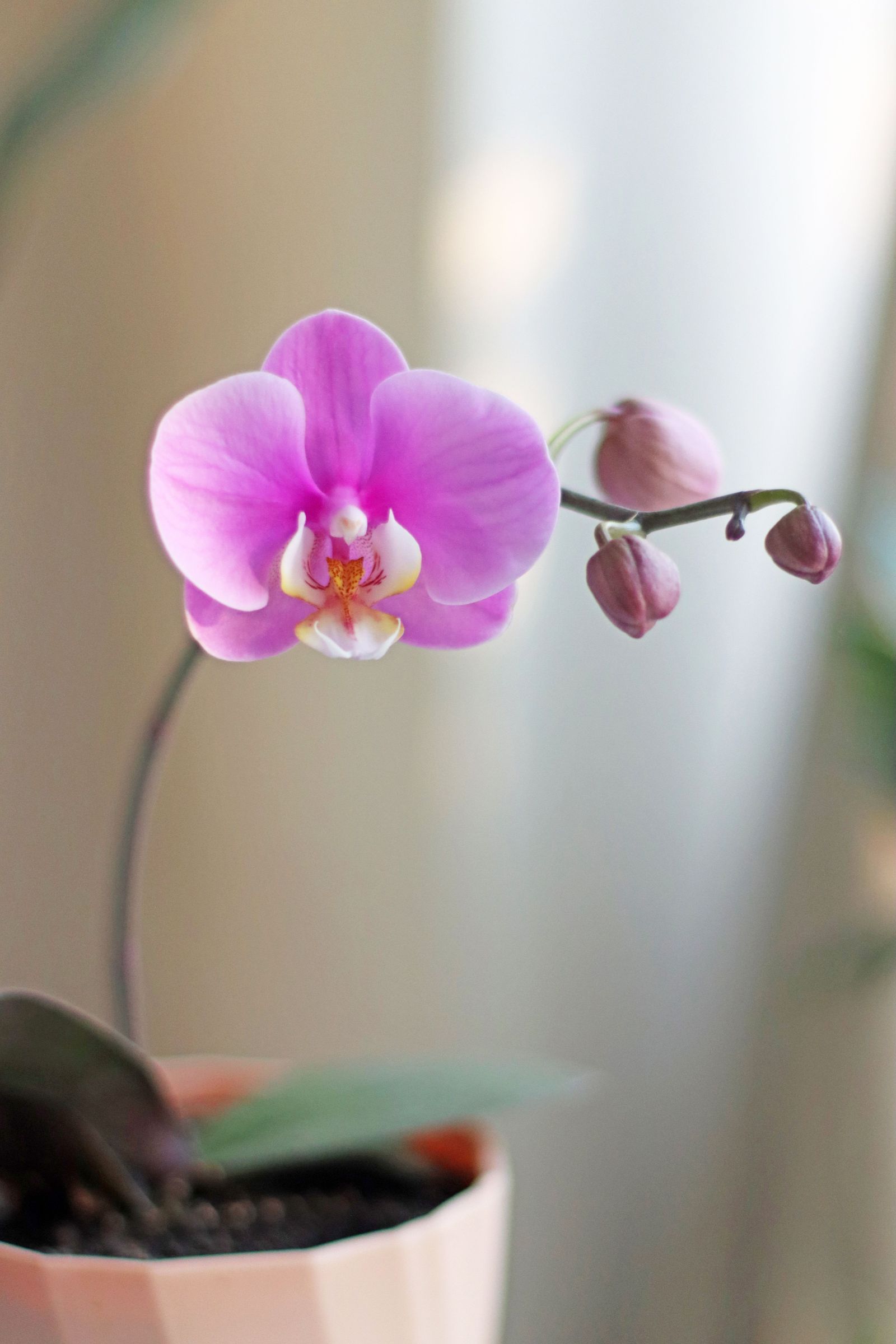
Photo: Amelia Cui / Pexels
Watering Volume Calculator: The Orchid Pot Audit
An orchid is watered by the soak, not the sprinkle: 10 to 15 minutes under, then drained to the last drop. Enter your pot diameter as both length and width with a depth of 1 inch to size one full soak.
19.9 gallons
For 32 square feet at 1 inch deep. That is about 76 liters, or 10 trips with a standard 2 gallon watering can.
A rain gauge or a straight sided can set in the bed tells you when a sprinkler or soaker hose has actually delivered this depth. Time alone is a guess, because hose pressure varies from house to house.
The conversion is arithmetic, not opinion: one inch over one square foot is 144 cubic inches of water, and a US gallon holds 231 cubic inches, so each square foot at one inch takes 0.62 gallons.
The Root Color Read: The Timer the Plant Ships With
Orchid roots are covered in velamen, a spongy silver tissue that absorbs water fast and shows its state honestly. Freshly watered roots are bright green. As the pot dries, they fade through pale green to silvery grey, and silvery roots from top to bottom of the pot mean the plant has used what it had. That is the whole skill, and it is why orchids are sold in clear pots: the pot is a gauge, and repotting into an opaque decorative pot without an inner clear one blinds the owner. Read the roots at the center of the pot as well as the edge, since the edge dries first; a few green roots deep inside mean a day or two of reserve remains. Pair the root read with the weight of the pot, light means dry, and you have two gauges that agree. Grey roots on a plant watered yesterday are not thirst but damage, usually roots that have died back from standing in water; healthy dry roots plump and green up within minutes of a soak, dead ones stay papery or turn to mush, which the triage section below covers.
The Soak and Drain: The Method Is the Message
Top watering an orchid in bark mostly wets the bark it touches and runs the rest straight through, leaving dry pockets around the roots that matter. The soak fixes that: set the clear pot in a bowl or sink of room temperature water, deep enough to cover the bark, and leave it 10 to 15 minutes while the bark and velamen drink. Then lift it out and drain it completely, minutes, not seconds, until no more than an occasional drip falls. The drain is not a courtesy step. Orchid roots rot in standing water, and the decorative outer pot is the usual trap: water pools in the bottom of the cache pot, the lowest roots sit in it permanently, and the plant declines over a month while the owner swears the watering was right. Tip any pooled water out of the outer pot every time. Water in the morning so foliage and crown dry by night, and keep water out of the crown, the cup where the leaves meet, because a wet crown in a cool room is the classic route to crown rot. Use the calculator above to size the soak volume for your pot; the soak uses the same water for several plants if they are healthy, which makes a shelf of orchids a ten minute job.
Bark Versus Moss: The Medium Moves the Interval
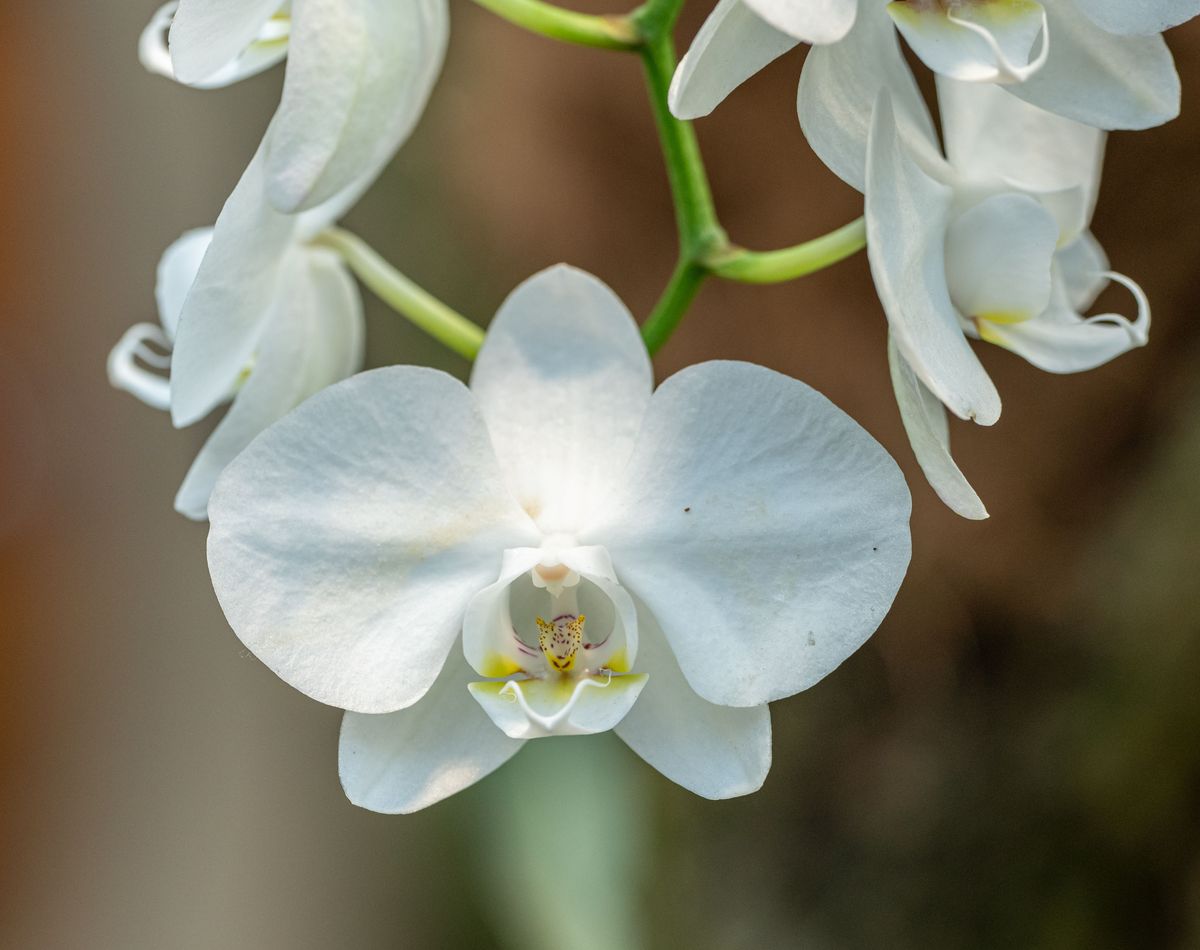
The same orchid on the same shelf can run two different intervals depending on what it is potted in, and the results sprawl, 5 to 12 days in warm conditions across species and homes, largely because the medium is rarely named. Bark chunks dry fast and evenly and suit the 7 to 10 day rhythm; a bark plant in a warm, bright room may read silvery at day 5. Sphagnum moss holds several times more water and dries slowly from the outside in, so a moss plant can go 10 to 14 days, and its danger is the reverse read: the surface feels dry while the core is still wet, and watering on the surface read rots the center roots. For moss, the weight check and a finger pressed an inch in are the honest gauges. Many grocery orchids arrive in a tight moss plug that behaves like neither, staying wet for weeks; if a new plant's roots read silvery at the edge but the plug stays soggy, that is a repotting conversation for after the bloom, into bark, at the interval this page runs. Never average the two media into one number; read the plant you have.
The Seasonal Stretch and the Bloom Cycle
The 7 to 10 day rhythm is a growing season figure. In winter, with short days, cool rooms, and slow growth, the same plant may take 10 to 21 days to read silvery, and forcing the summer calendar onto it is how winter orchids rot. Central heating complicates the read in the other direction: dry room air crisps the aerial roots and dries the bark surface while the pot core stays moist, which is another vote for reading roots at depth rather than surfaces. Bloom changes little about water but much about handling: a plant in flower drinks at its normal rate, wants its soak kept steady, and drops buds for sudden changes, dry blasts from heating vents, cold drafts, and being moved, more often than for a day's lateness in watering. After the last flower falls, the spike decision is a water neutral one: a green spike can rebloom from a node, a brown one is cut at the base. Feeding rides the soak: a dilute orchid feed every second or third watering in growth, flushed with a plain soak monthly, and nothing at all for a plant in distress until its roots are sorted.
The Ice Cube Verdict, and Root Triage
The ice cube method, one or two cubes a week on the bark, survives because it prevents the commonest beginner error, drowning, by rationing water to a trickle. Its costs are real: the melt is cold against tropical roots, the water reaches only the patch of bark under the cube, and the dose is sized for an average plant in an average room, which yours may not be. The root read makes the ration unnecessary. A plant watered by soak when its roots turn silvery gets the right amount by construction, at room temperature, through the whole pot. Keep the cubes for drinks. Triage, briefly: roots that are firm and green or silver are healthy in either state. Roots that are brown, black, or hollow feeling are dead and should be trimmed with a sterile blade at repotting. A plant with no living roots can still be saved if the leaves are firm, by potting it snug in fresh bark and keeping the humidity high while new roots grow, but that rescue starts with admitting the old watering pattern caused it. Read the roots, soak and drain, and the orchid question mostly answers itself.
Frequently Asked Questions
How often should I water my Phalaenopsis orchid?
When its roots turn silvery grey and the bark is nearly dry, which in most homes is every 7 to 10 days in the growing season. Water by soaking the pot for 10 to 15 minutes and draining it completely. In winter the interval stretches, sometimes to 10 to 21 days in a cool room, because the plant drinks slowly and the bark dries slowly. The root color is the rule; the day count is just what the rule usually produces.
Are ice cubes a good way to water an orchid?
They are a rationing device, not a good method. The melt water is cold against tropical roots, wets only the bark under the cube, and delivers an average dose regardless of your pot size, medium, or room. The soak and drain method, used when the roots read silvery, gives the plant a full, even, room temperature drink and then removes the excess that rots roots. Owners who switch from cubes to the root read usually find their plant was thirstier than the cubes allowed.
Why are my orchid's roots grey, and should I worry?
Grey and silvery roots are dry roots, and on a plant that was watered a week ago they are simply the signal to water today. Healthy dry roots are firm and turn green within minutes of soaking. Worry instead about roots that are brown, black, papery, or mushy, which are dead, usually from standing water in the outer pot. Those are trimmed away at repotting. Aerial roots that stay silvery in dry room air are normal and are not a reason to water the pot early.
My orchid is in moss, not bark. Does the timing change?
Yes. Sphagnum moss holds far more water than bark and dries from the outside in, so a moss plant typically runs 10 to 14 days between waterings, and its surface lies: it can feel dry while the core is still wet. Judge a moss plant by the pot's weight and by pressing a finger an inch into the moss, not by the surface. Many owners repot into bark after the first bloom ends, because bark's faster, more even drying makes the root read easier to trust.
What is the biggest watering mistake with orchids?
Letting the pot stand in water. The soak is 10 to 15 minutes; the drain after it must be complete, and any water pooled in the decorative outer pot has to be tipped out. Roots sitting in that pool rot quietly over weeks while the top of the plant still looks acceptable, and by the time leaves yellow the root system is largely gone. The second mistake is watering by the calendar through winter, when the plant's real interval may have doubled.
Photo credits: Amelia Cui (Pexels); Petr Ganaj (Pexels). Photos are served from this site; follow the credit to the library page for the original.