Most herbs on this site are watered with restraint. Mint is the exception that proves the rule, a moisture loving runner that wilts theatrically when dry and yellows at the base when drowned, and asks for even, frequent water in between. The working rule is the top inch check: water when the top inch of soil feels dry, and soak the pot or bed thoroughly. Where that lands on the calendar is decided mostly by the vessel. A small pot in summer sun can need water daily. A mid size pot runs every 2 to 3 days. A bed in warm weather runs every 2 to 3 days in dry spells, stretching to once a week or less in cool, humid weather. This page builds the system around those facts: the pot size ladder, the bed case, the morning drink, mulch as the tool that stretches every interval, and the harvest connection, because a mint plant being cut hard for the kitchen drinks on a different rhythm than one left to flower. The mint-plant name variant of this question folds into this article; it is the same plant and the same system.
Home / Gardening Basics for Beginners
How Often to Water Mint: The Pot Size Ladder, the Morning Drink, and the Harvest Rhythm
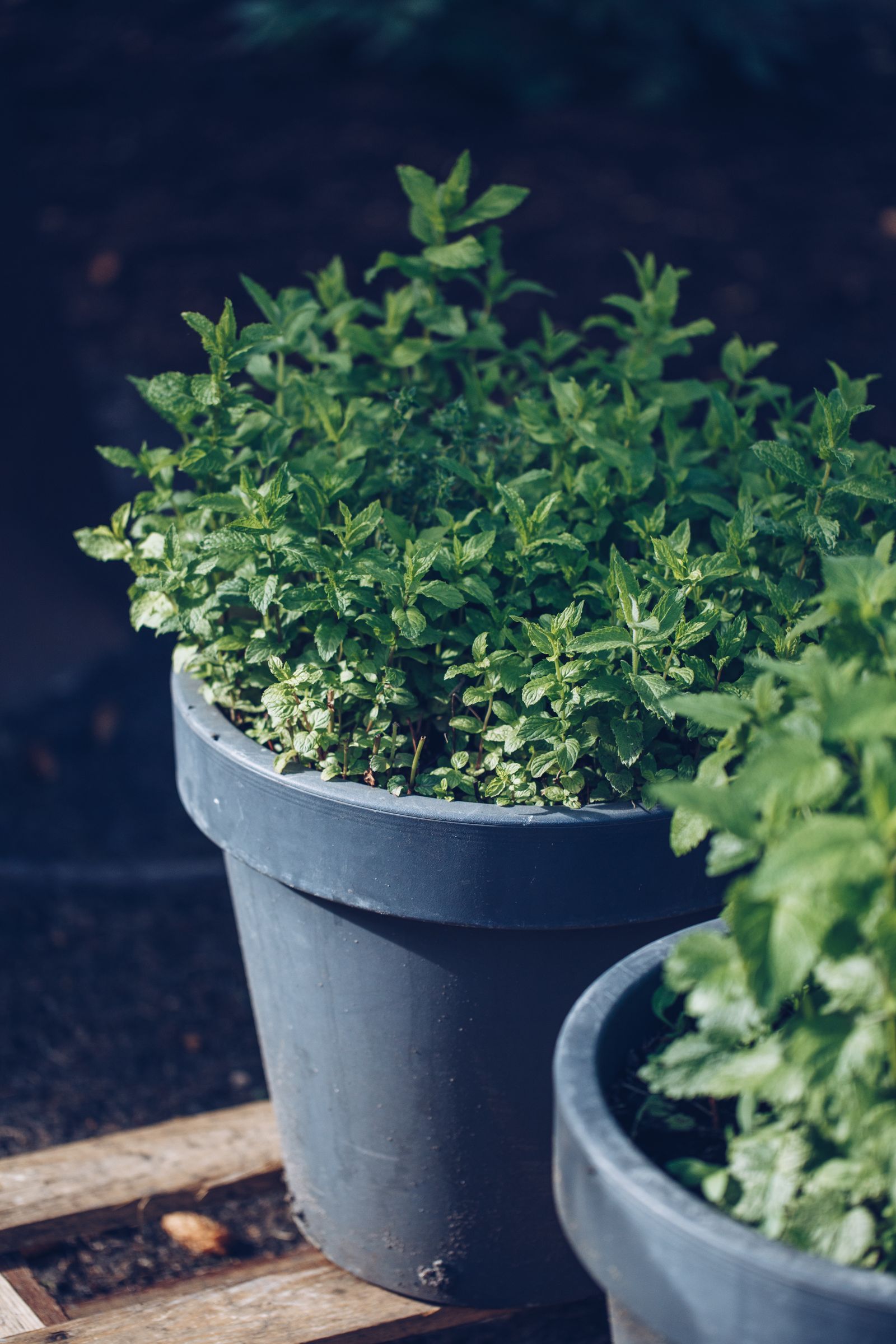
Photo: Damian Apanasowicz / Pexels
Watering Volume Calculator: The Mint Pot Audit
Mint is the thirsty herb: a small pot in summer sun can drink daily. Enter your pot diameter as both length and width with a depth of 1 inch to size one full drink for the pot you actually own.
19.9 gallons
For 32 square feet at 1 inch deep. That is about 76 liters, or 10 trips with a standard 2 gallon watering can.
A rain gauge or a straight sided can set in the bed tells you when a sprinkler or soaker hose has actually delivered this depth. Time alone is a guess, because hose pressure varies from house to house.
The conversion is arithmetic, not opinion: one inch over one square foot is 144 cubic inches of water, and a US gallon holds 231 cubic inches, so each square foot at one inch takes 0.62 gallons.
The Pot Size Ladder: Why One Mint Drinks Daily and Another Waits
Mint is grown in pots more often than any other herb, for the containment reason covered below, and pot size is the single strongest predictor of its watering interval. The physics are simple: the plant's leaf area, and therefore its water loss, grows fast, while the soil volume that funds it is fixed by the pot. A 4 to 6 inch pot in a warm, bright spot can dry its top inch in a day and needs checking every morning in summer, with watering most days. An 8 inch pot typically runs every 2 to 3 days. A 12 inch or larger pot, holding several times the mix, stretches to every 3 to 5 days in the same weather. Terracotta shortens every one of those numbers, because it breathes water through its walls; plastic and glazed pots hold moisture noticeably longer. Use the calculator above to see what a full drink actually is for your pot's diameter once, and the ladder stops being guesswork. The practical conclusion most growers reach is that mint is easier in a bigger pot than a small one, not because the plant needs the room for its roots, but because the water budget stops being a daily emergency.
The Bed Case: Runners, Moisture, and the Case for the Pot
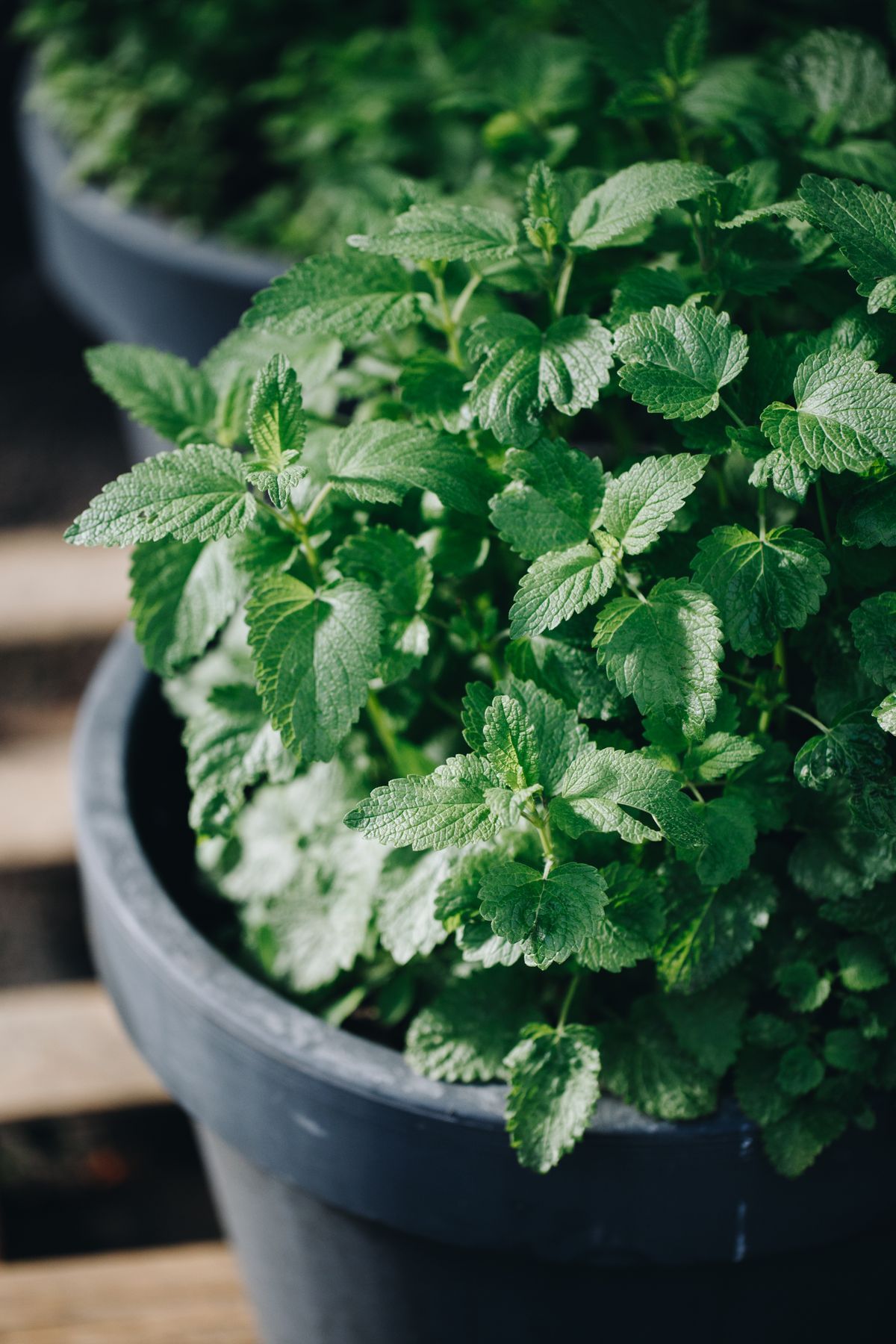
In the ground, mint drinks on the bed rhythm: every 2 to 3 days in warm, dry weather, with about an inch of water a week as the budget in temperate spells, and the top inch check as the trigger throughout. Established beds in rich, moisture holding soil can go longer, and a mulched bed in a cool spring may need nothing beyond rain for a week at a time. What a bed gives mint in water ease it takes back in territory. Mint spreads by runners that root as they go, and a bedded plant will colonize a herb bed, then a border, then a lawn edge, within a few seasons. That spreading habit is why the pot is the default recommendation for this herb, and why this article leads with the pot ladder rather than the bed. Growers who do bed mint usually sink the compromise: a large pot or bottomless container buried to its rim in the bed, which gives the roots bed moisture while the rim blocks the runners. Watered as a bed, contained as a pot, it is the one arrangement that gets both halves of this plant right.
The Morning Drink and the Wilt Recovery Test
Mint tells you it is thirsty more honestly than most plants, and faster. A dry mint wilts visibly, leaves and soft stem tips drooping together, and a mint watered within a few hours of that wilt stands back up as if nothing happened. That drama makes the wilt a usable instrument with one caution: use it as a late warning, not a schedule, because a plant wilted hard every day spends its energy recovering instead of growing, and its leaves toughen and lose flavor. Water in the morning where you can. A morning drink charges the pot before the day's heat, wets the foliage least, and lets any splashed leaves dry in moving air, which matters for a plant whose second great enemy is the fungal spotting that thrives on leaves kept wet overnight. Evening watering in a heat wave is a fair second choice and better than a noon soaking. The recovery test separates thirst from trouble: water a wilted plant deeply, and if it has not recovered within two hours, the problem is not water volume. Check for a pot that is root bound and shedding water straight through, or for the soggy, sour smelling mix of a plant that has been overwatered into root damage, which wilts for the opposite reason and needs its roots inspected, not another drink.
Mulch, Shade, and the Interval Stretchers
Two levers stretch mint's interval more than any others, and both work by slowing the surface drying that triggers the top inch check. The first is mulch: an inch or two of straw, shredded bark, or even a layer of gravel on a pot holds surface moisture and can add a day to a pot's rhythm in summer, with the side benefit of keeping soil from splashing onto the lower leaves you harvest. The second is afternoon shade in hot climates. Mint wants full sun in temperate weather and grows its best flavor there, but in genuinely hot summers a pot that bakes in reflected heat off a wall or pavement spends water on survival rather than leaves; moving it to morning sun and afternoon shade in the hottest weeks lengthens the interval and improves the harvest. Neither lever changes the rule, only the rhythm: the top inch still calls the day. What does not work is the self watering spike or globe as a primary system for this plant; mint drinks too fast in summer for a slow seep to keep pace, and the pot dries between the globe's drips. Use them as holiday insurance for a few days, not as the water supply.
Harvest Pressure: The Cut Plant Drinks Differently
Mint is harvested constantly, and the watering system has to account for it, because cutting changes the plant's water math in both directions. A hard cut removes leaf area, so the plant loses less water for the following days and the interval briefly stretches. Then the plant answers with a flush of soft new growth, the thirstiest tissue it produces, and the interval shortens again just as the new leaves size up for the next cut. Growers who pick daily for drinks and cooking are effectively running their plant in the high demand phase permanently, and their pots sit at the short end of every range in this article. The feeding connection follows: a plant exporting handfuls of leaves every week needs its nitrogen replaced, with a balanced liquid feed every 2 to 3 weeks in the growing season for potted mint, or the leaves pale and shrink no matter how correct the watering is. Pinching flower buds as they form keeps the plant in leaf production and drinking steadily; a mint allowed to flower slows, toughens, and drinks less, which is the plant telling you its season is turning. Run the top inch check, size the pot generously, water in the morning, mulch the surface, and feed the harvest: that is the whole mint system.
Frequently Asked Questions
How often should I water a mint plant?
Water when the top inch of soil feels dry, then soak thoroughly. In practice a small pot of 4 to 6 inches in summer sun can need water daily, an 8 inch pot every 2 to 3 days, and a large pot of 12 inches or more every 3 to 5 days. In beds, warm dry weather runs every 2 to 3 days, with about an inch of water a week as the budget in milder spells. Indoor mint in lower light stretches to every 5 to 7 days. Pot size and weather set the number; the check sets the day.
How often should mint in a pot be watered in summer?
Daily checks, and water most days for small pots. A 6 inch terracotta pot on a sunny patio in a heat wave is a daily watering plant, full stop. Larger plastic or glazed pots run every 2 to 3 days. Morning watering serves the plant best, mulch on the surface adds about a day of grace, and afternoon shade in extreme heat stretches the rhythm further. If a potted mint wilts hard every single day, the durable fix is a bigger pot, not a second daily soaking.
Why does my mint wilt every afternoon?
Because it is dry by then, or because it is root bound. Mint wilts fast and visibly when its soil dries, and a pot that has filled with roots and runners holds very little mix, so water runs through and the plant is thirsty again by noon. Water it and watch: recovery within an hour or two confirms thirst. The cure for the chronic case is potting up into a larger container with fresh mix, which restores the water reserve the plant has spent. A wilted plant that does not recover after watering has a root problem, usually rot from soggy mix, and needs inspection rather than more water.
Can you overwater mint?
Yes. Mint loves moisture and still rots in a swamp. The signs are yellowing lower leaves, soft or mushy stem bases, a sour smell from the mix, and wilting that watering does not fix. The cause is usually a pot without drainage, a saucer left full, or a heavy mix that never dries at the surface. Let the top inch dry between drinks, empty saucers, and repot a damaged plant into fresh, free draining mix after trimming rotted roots and stems.
Should mint be grown in a pot or in the ground?
In a pot, for most gardens, because mint spreads by runners and will colonize any bed it is planted in within a few seasons. The pot costs you watering frequency, daily in small pots in summer, and buys you a herb that stays where you put it. The compromise that gets both advantages is a large pot sunk to its rim in the bed: bed moisture for the roots, a rim barrier for the runners. In the ground uncontained, mint is a commitment to a mint patch, not a herb among herbs.
Photo credits: Damian Apanasowicz (Pexels); Damian Apanasowicz (Pexels). Photos are served from this site; follow the credit to the library page for the original.