Garden Bed Ideas: Choose by Your Yard, Not by the Photo
By the Windchime Walker editorial team
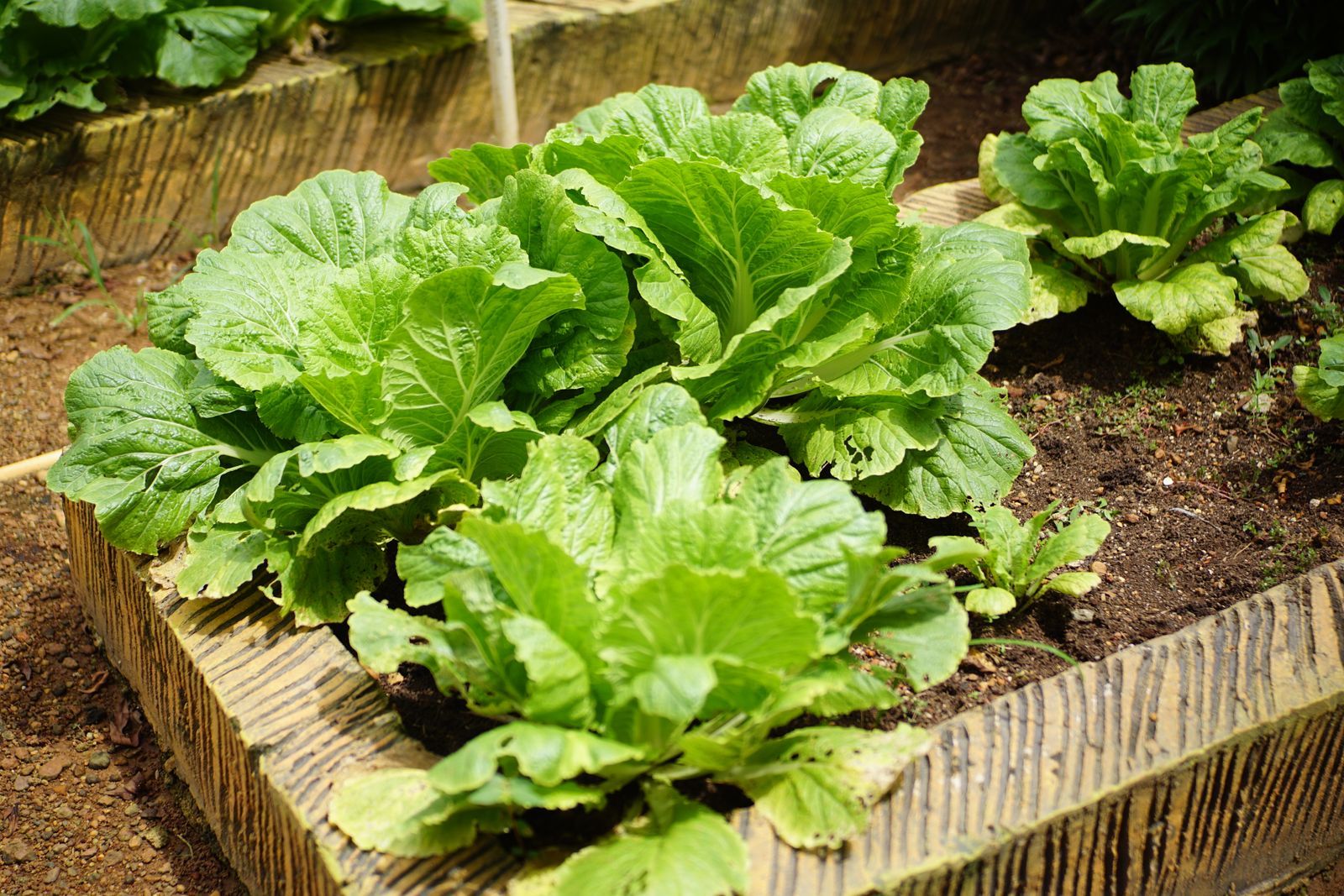
Photo: Agung Sutrisno / Pexels
Garden bed ideas are usually presented as a beauty parade: forty photographs of cedar boxes and stone terraces, each prettier than the last, and not one word about which of them belongs in your yard. So beginners copy the photograph. They build the tall cedar bed in a rental they are leaving in a year, or the sprawling ground level plot on soil that turns out to be rubble and clay, and the idea fails them for reasons that were knowable before a single board was cut.
A garden bed is not a look. It is a decision about five things: how much building you will do, what your soil is like, how much space you have, what your back can manage, and how long you will garden in this spot. This guide sorts the honest bed options by those constraints. Find your constraint first, then choose from the two or three beds that fit it, and the pretty photograph can come last, as a tiebreaker between beds that all would have worked.
Two measurements rule every option below. A bed you reach from both sides should be no more than about 4 feet wide, and one you reach from a single side about 2 feet, so you can touch the middle without stepping in and compacting the soil. And depth is more forgiving than people think: Oregon State University Extension puts 11 to 12 inches of soil as plenty over decent ground, which is why most of these beds do not need to be deep to grow well.
The Garden Bed Choice Checklist on this page walks the decision in order: constraint, width, depth, material, and the watch out for your pick. Tick through it once and the parade of forty photographs becomes a shortlist of two, either of which will serve you for years.
Interactive tool
Garden Bed Choice Checklist
Check off each step as you finish it. Your progress stays on this page.
0 of 6 complete
0% done
If You Will Not Build Anything: In Ground Beds and Grow Bags
The oldest bed idea is no bed at all: a dug and loosened patch of ground, edged with whatever you have, planted in rows or blocks. It suits anyone with workable soil and a normal back, costs nothing but labor, and scales to any size. Its watch out is your soil itself: if the ground is compacted fill, rubble, or heavy clay that stays wet, an in ground bed makes you fight it all season. Dig a test hole a foot deep, fill it with water, and watch. If it drains within the hour, in ground gardening is open to you.
Grow bags are the other no build answer, fabric pots that sit on any surface, patio, driveway, balcony, or the strip of sun beside a garage. They suit renters and paved yards completely, drain beautifully, and fold away in winter. A single tomato or a pair of pepper plants thrives in one large bag. The watch out is water: bags dry out faster than any other bed on this page, sometimes daily in high summer, so they belong near a hose and in the care of someone who waters faithfully.
If Budget Rules: Pallet Beds, Straw Bales, and Found Materials
A raised bed built from heat treated pallets, the ones stamped HT rather than MB, is the cheapest framed bed there is, often free behind warehouses and garden centers, with permission asked first. Pallets become walls for a bed or break down into boards for a box, and a companion article on this site walks the pallet build step by step. The watch out is lifespan and sourcing: pallet wood is untreated softwood that gives a few seasons rather than a decade, and any pallet that is stained, oily, or stamped MB stays behind.
Straw bale gardening plants directly into a conditioned bale: the bale is wetted and fed for a couple of weeks until its inside begins to compost, then seedlings go into pockets of soil on top. It suits a gardener with terrible soil and no building appetite, costs the price of the bales, and gives one or two seasons before the bale slumps into mulch, which is a feature on soil you are trying to improve. The watch out is the conditioning itself, which is real work for about two weeks and cannot be skipped, because an unconditioned bale cooks roots instead of feeding them.
Cinder block beds, blocks laid dry in a rectangle with soil in the cores planted with herbs, belong in this budget family too: cheap, permanent, no cutting, and movable with effort. The watch out is weight and heat; blocks are heavy to haul and their mass warms soil, which suits heat lovers and troubles lettuce in hot climates.
If Your Soil Is the Problem: Raised Beds and Lasagna Beds
The classic raised bed, a frame of boards filled with good soil, exists for one main reason: your ground cannot be trusted. Over clay, rubble, contaminated city soil, or a high water table, a raised bed gives roots 11 to 12 inches of clean, loose soil, which Oregon State Extension notes is plenty over decent ground, and even over poor ground it is a working garden while the soil below slowly improves. Heights run from 6 to 8 inches for a bed that mainly defines an edge and deepens the topsoil, up to 24 to 30 inches for gardeners who need height, which is the next section's subject.
The lasagna bed is the raised bed's no dig cousin: layers of cardboard, compost, leaves, and soil stacked directly on the ground or on grass, planted into the top layer while the bottom layers smother weeds and rot down. It suits autumn planners especially, built in fall and planted in spring. The watch out is patience and sourcing: a lasagna bed wants bulk organic material, and its first season is softer and less precise than a filled frame.
Both beds share the raised bed watch out: they dry faster than the ground and they cost soil up front. Filling is the real price of any raised bed, larger than the lumber, so plan the volume before you build the box.
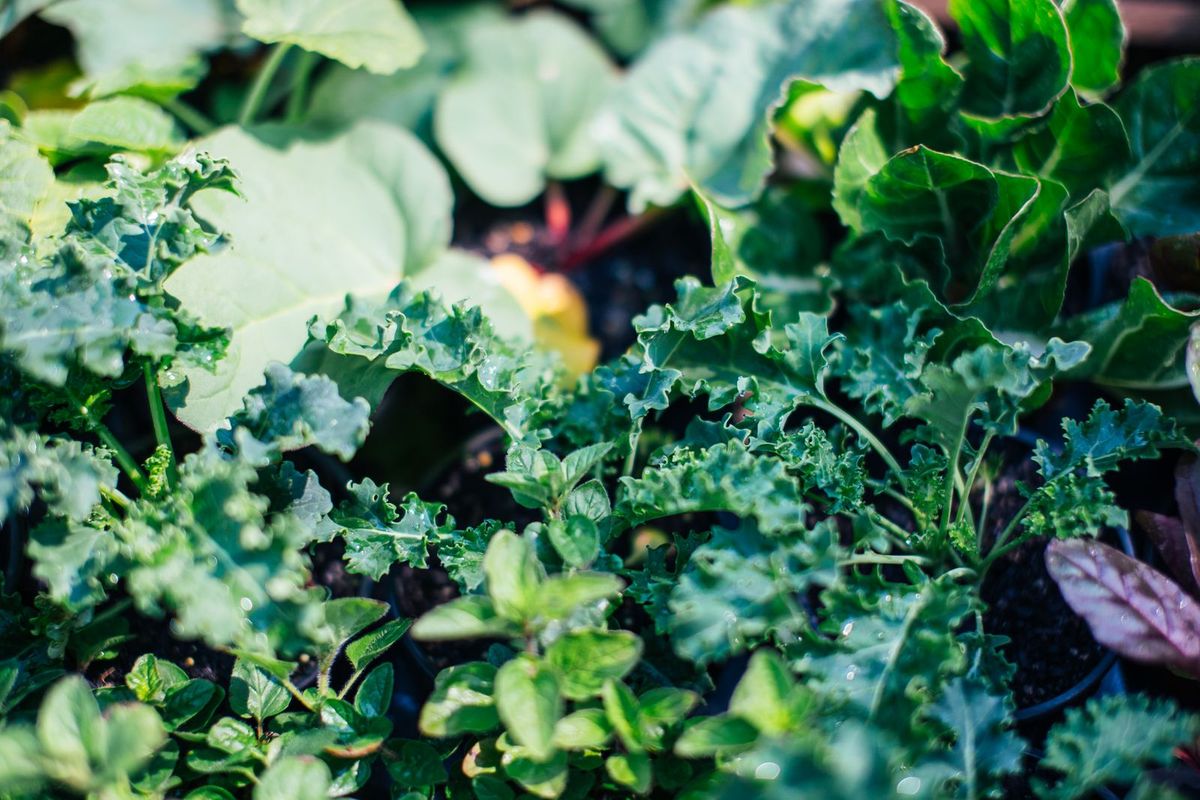
Healthy green kale and leafy vegetables growing in a sunlit garden
If Your Knees or Back Rule: Tall Beds and Table Gardens
Gardening at waist height is not a luxury category; for many people it is the difference between gardening and not gardening. Beds built 24 to 30 inches tall let you work standing or from a chair, and table gardens, deep troughs on legs, bring the soil to counter height entirely, with the space underneath open for a wheelchair or a stool. These beds suit anyone whose body has opinions, and they suit small paved spaces as well, since a table garden needs no ground at all.
The watch outs are honest ones. Tall beds take a great deal of fill, and the smart build fills the bottom third with logs, branches, and rough compost that will settle and feed slowly, reserving bought soil for the top foot where roots live. Tall beds also dry faster and warm earlier in spring, which extends the season at the cost of more watering. And a bed you cannot reach across still fails: even at waist height, 4 feet wide from two sides, 2 feet from one, because your arm did not get longer when the bed got taller.
If Space Is Tiny: Tiered, Vertical, and Keyhole Beds
Small yards garden upward. Tiered beds, stacked frames like a wedding cake, put strawberries and herbs on the sunny steps and give a slope a structure. Vertical planters and pallet walls hang pockets of soil on a fence for salads and herbs. Both suit renters and balcony gardeners, and both share the small soil watch out: little soil volume means quick drying and modest crops. These are beds for herbs, salads, and strawberries, not for a winter squash with ambitions.
The keyhole bed is the small space idea with real engineering in it: a circular raised bed about 6 feet across with a notch cut to a central compost basket, so kitchen scraps feed and water the bed from the middle while you reach everything from the notch. It suits a small sunny yard and a household that composts. The watch out is the build itself, which is more involved than a rectangle, and the center basket, which needs regular feeding to earn its keep.
Wicking beds, with a water reservoir sealed beneath the soil that plants draw up from below, belong in this family by purpose if not by size: they suit hot, dry places and forgetful waterers, trading a more complex build for watering intervals measured in weeks. The watch out is the build quality; a leaking liner makes an expensive puddle.
Two Ideas That Sound Clever and Usually Are Not
Honesty requires a short section on the bed ideas that photograph beautifully and disappoint in person. The first is the very deep raised bed sold as easier on the back, filled entirely with bagged soil. The height is genuinely kind, but a bed deeper than about 12 inches grows no better than a 12 inch bed, because vegetable roots live in the top foot; the extra depth is fill you paid for that no root visits. If you want height, build the tall walls and fill the bottom with logs and rough compost, as the tall bed section describes, and let the soil live where the roots are.
The second is the tiny decorative bed, the 2 by 2 foot herb square and its cousins. They are charming and they grow almost nothing, because soil volume is destiny: a small bed dries in a day, feeds a plant for a month, and crowds three herbs into a lifelong quarrel. If a small bed is what your space allows, plant it with one thing you love, a single rosemary, a patch of chives, a strawberry cluster, and let it be excellent at that instead of mediocre at six things. Small beds succeed by ambition management, not by planting density.
A related caution covers beds built against house walls and fences. They look tidy and they borrow trouble: soil splashes onto siding, moisture sits against foundations, and the bed's back half lives in the building's rain shadow and shade. Pull a bed a foot out from the wall, leave yourself a maintenance gap, and the same bed becomes reachable, drier, and kinder to the house.
Putting It Together: Match the Bed to the Constraint
Read back over your situation and the choice usually makes itself. Workable soil and a sound back: garden in the ground and spend your money on compost. No building allowed or a paved yard: grow bags. Pennies and patience: pallets or straw bales. Soil you would not feed a family from: a raised frame or a lasagna bed. A body that needs height: a tall bed or a table, filled smart. A tiny sunny corner: tiers, pockets, or a keyhole.
One last rule applies to every idea on this page: build one bed first. Plant it, water it, harvest from it for a season. The second bed, built next year with everything the first one taught you, is always the better bed, and a yard grows best one honest rectangle at a time.
Frequently Asked Questions
How wide should a garden bed be?
No more than about 4 feet wide if you can reach it from both sides, and about 2 feet if you reach from one side only, as with a bed against a fence. The limit is your arm: you should reach the center without stepping into the bed, because stepping in compacts the soil roots need loose.
How deep does a raised bed need to be?
Oregon State University Extension puts 11 to 12 inches of soil as plenty for most vegetables over decent ground. Beds of 6 to 8 inches work where the soil below is workable, since roots continue into it. Beds of 24 to 30 inches exist for the gardener's back, not the plant's roots, and can be filled cheaply at the bottom with logs and rough compost.
What is the cheapest garden bed idea that actually works?
An in ground bed on workable soil costs nothing but labor. Among built beds, a frame from heat treated pallets stamped HT is the cheapest, often free with permission, though pallet wood lasts a few seasons rather than a decade. Straw bales are another low cost option, one or two seasons per bale, with the bonus of improving the soil beneath as they rot.
Which garden bed is best for bad soil?
A raised bed filled with good soil, or a no dig lasagna bed layered over the problem, because both give roots a clean growing medium without asking you to fix the ground first. Over contaminated city soil, a raised bed with a fabric liner between fill and ground is the standard answer. Test drainage before choosing in ground gardening: a foot deep hole that still holds water after an hour is telling you to build up instead.
What bed works best in a small yard or on a patio?
Grow bags for flexibility, since they sit on any surface and fold away in winter, and tiered or vertical planters for herbs and salads where floor space is tightest. A keyhole bed, about 6 feet across with a compost basket at its center, is the most productive single bed for a small sunny yard. All small volume beds dry quickly, so place them near water.
Are tall raised beds worth it?
For a gardener with knee, back, or mobility limits, yes, they are the difference between gardening and not gardening. Build 24 to 30 inches tall, fill the bottom third with logs and rough organic material to cut the soil bill, and keep the width within reach. Expect to water more often than with ground level beds, because elevated soil drains and dries faster.
Photo credits: Agung Sutrisno (Pexels); Rachel Claire (Pexels). Photos are served from this site; follow the credit to the library page for the original.