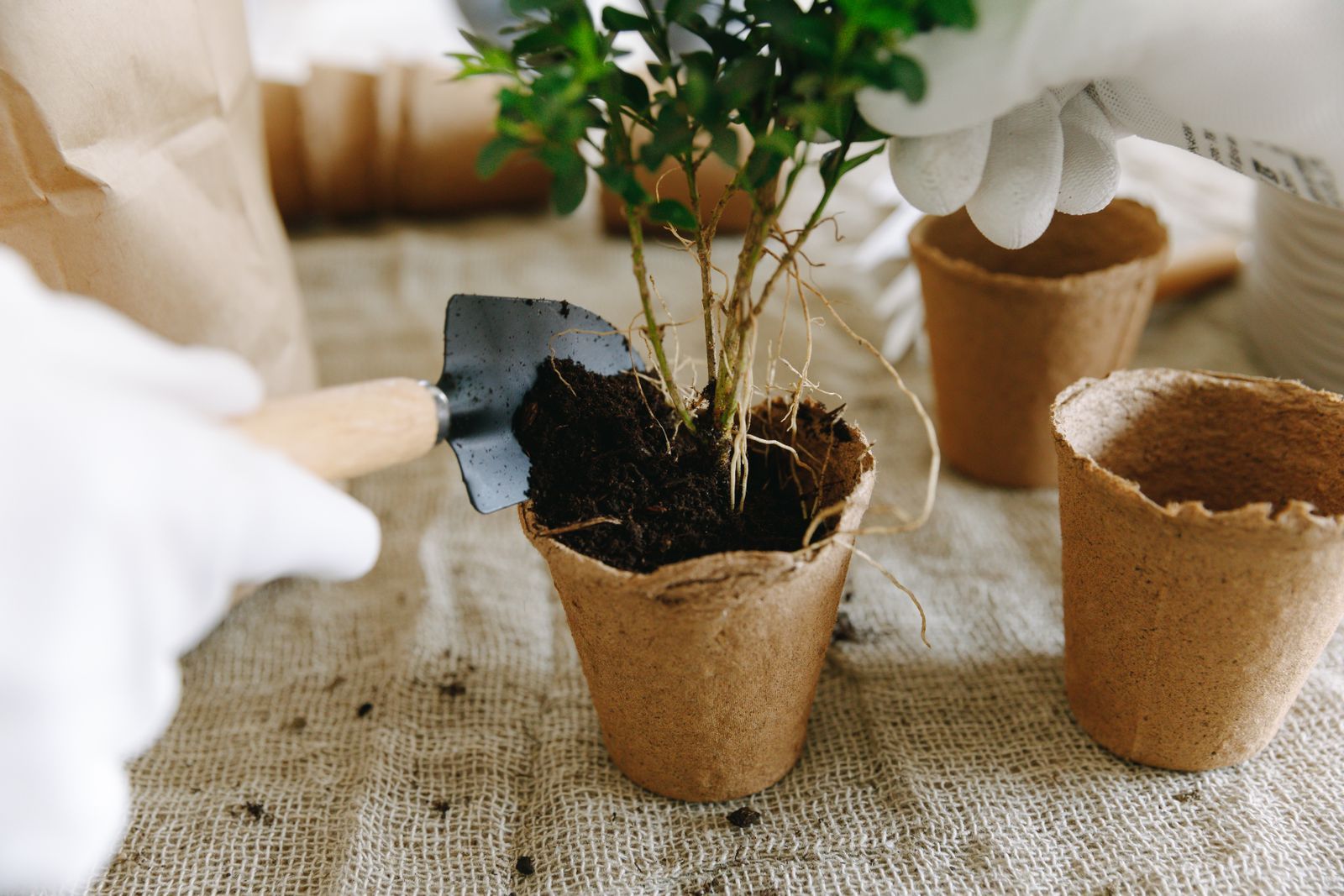
Two bags sit side by side at the garden center, both brown, both promising healthy plants, and one of them is wrong for the job you are about to do. Garden soil and potting soil are not grades of the same product, the good one and the cheap one. They are different materials built for different worlds: one for the open ground, where roots can roam and water can escape downward forever, and one for a box, where a plant must live its whole life in a few gallons of material you provide. Put each in the other's world and the plant suffers in predictable ways.
This guide explains what each bag actually contains, why the swap fails in both directions, and how to choose correctly for beds, raised beds, containers, and seed starting. It ends with a rescue routine for the most common version of the mistake, a pot already filled with garden soil and a plant already sulking in it, because that pot is sitting on a great many patios right now.
As you read, use the Right Soil for the Job Checklist on this page. It walks the decision in the order your plants will meet it: where will this plant live, what does that home need from its soil, and which bag provides it. Tick it off once and the garden center aisle gets much simpler forever.
Interactive tool
Right Soil for the Job Checklist
Check off each step as you finish it. Your progress stays on this page.
0 of 5 complete
0% done
The Short Answer
If the plant lives in the ground, it lives in your garden soil, improved with compost. If the plant lives in a container, it lives in potting mix, which despite the name usually contains no soil at all. If the plant lives in a raised bed, it lives in a raised bed blend or a mix of compost and loose soil made for boxes. The container rule is the strict one. Garden soil in a pot is the single most common soil mistake beginners make, and it fails every time, slowly and then completely.
What Garden Soil Actually Is
Garden soil is mineral soil: weathered rock particles, sand, silt, and clay, mixed with a modest amount of organic matter. Bags sold as garden soil are typically screened topsoil blended with compost or other organic material, meant to be mixed into existing beds to improve them. Your yard's own soil is garden soil in its original form.
In the ground, this material works because the ground forgives. Roots that meet a dense patch grow around it. Water that falls on a bed continues downward past the roots into the subsoil, so the bed rarely stays waterlogged for long. Earthworms, fungi, and bacteria move freely through the whole soil body, maintaining structure. Garden soil is heavy, dense, and alive, and in its own world those are virtues.
What Potting Soil Actually Is
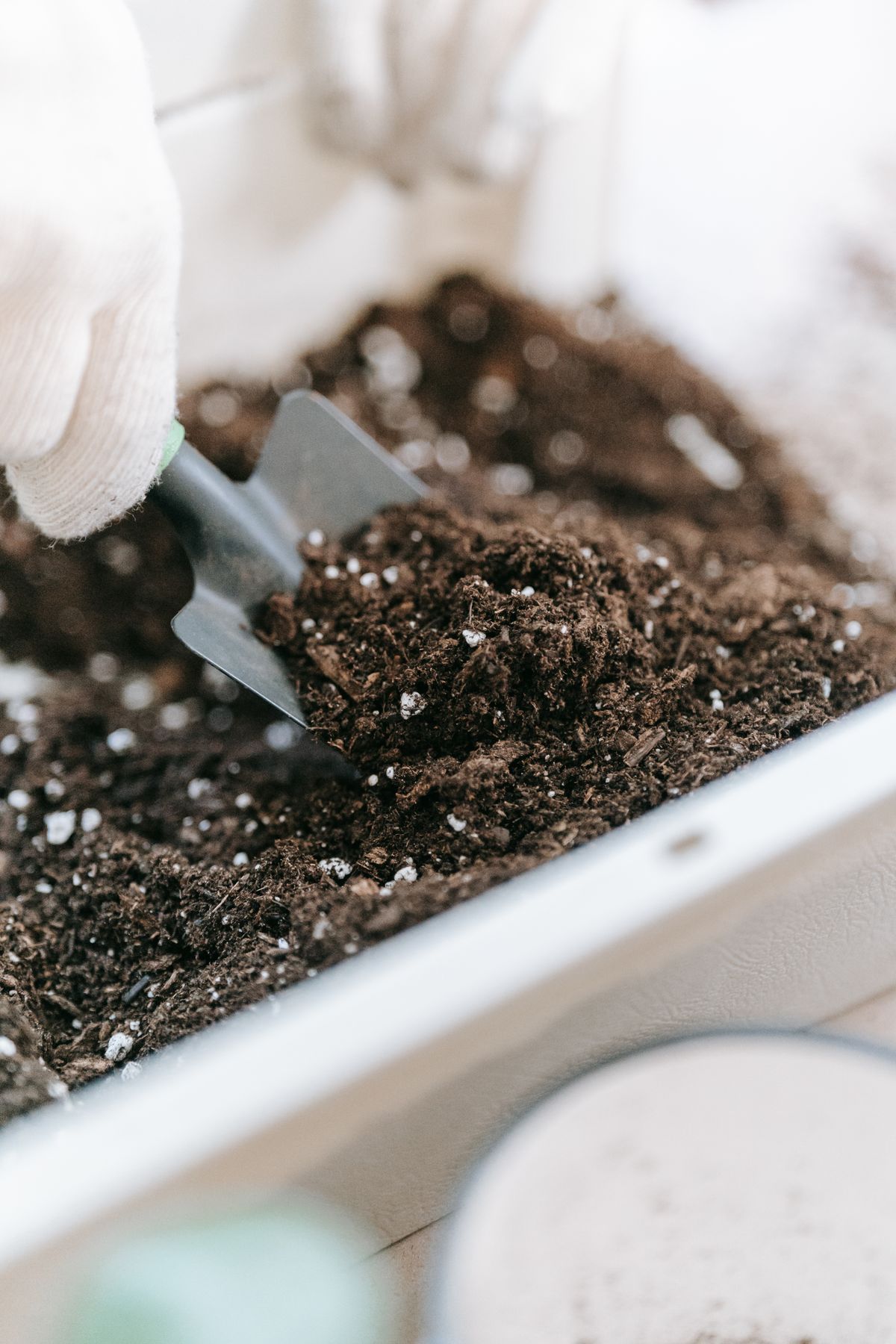
Potting soil, usually labeled potting mix, is a soilless blend built for containers. A typical mix combines peat moss or coconut coir for water holding, shredded bark for structure, and perlite or similar light mineral for drainage and air. There is little or no actual soil in the bag, and that absence is the point.
A container is a small, sealed world with one exit: the drainage holes. In that world, a mix must do three jobs at once. It must hold enough water between waterings that roots do not desiccate. It must drain freely enough that the bottom of the pot does not become a swamp. And it must keep air pockets open for months, because roots breathe, and a mix that collapses into a dense brick suffocates them. Potting mix is engineered for that triple job. Garden soil is not, which brings us to the failures.
Why Garden Soil Fails in a Pot
Fill a pot with garden soil and water it. The first week looks fine. Then physics starts. The fine particles in real soil settle and compact with every watering, squeezing out the air pockets roots need. The bottom of the pot stays wet long after the surface dries, because dense soil drains slowly and a pot gives water nowhere else to go. Roots in the wet zone suffocate and rot, while the surface looks dry enough to fool you into watering again.
The plant's symptoms arrive as a confusing bundle: wilting despite wet soil, yellowing lower leaves, stunted growth, sometimes a sour smell from the pot. Beginners often respond with more water, which is the one thing the plant cannot survive. The soil was not thirsty. It was drowning in a material that never belonged in a box.
Garden soil in pots carries two more risks. It can bring weed seeds and soil borne disease into your containers, and it is heavy, which matters more than you expect when a large pot must be moved. None of this makes garden soil bad. It makes it a ground material, used in the ground, where it is excellent.
Why Potting Mix Disappoints in the Ground
The reverse swap fails more quietly. Potting mix dug into a garden bed does no harm to plants, but it underperforms and wastes money. The light, airy blend that drains so well in a pot dries out quickly in an open bed and can even repel water when fully dry, so the amended patch behaves differently from the soil around it, and roots notice the boundary. Bark based mixes also tie up nitrogen at their surfaces as they break down.
And the cost is upside down. Potting mix is priced by the bag for containers. Amending a whole bed with it costs many times what compost costs, and compost does the in ground job better: feeding soil life, improving structure in both clay and sand, and lasting as part of the soil rather than as a foreign pocket inside it. In the ground, the right amendment is compost, not a container mix.
The Decision Table
Where the plant lives
What to use
Why
In ground bed
Your garden soil, improved with compost worked into the top layer
The ground drains and forgives; compost fixes structure and feeds soil life
Raised bed
Raised bed blend, or a loose mix made for boxes
A box is a container at scale; dug yard soil compacts and drains poorly in it
Container or pot
Potting mix, soilless
Holds water, drains freely, and keeps air pockets open in a sealed world
Seed starting
Seed starting mix, fine and sterile
Tiny seeds need fine contact, even moisture, and a clean start free of disease
Houseplants
Potting mix, adjusted per plant type
Indoor pots drain into saucers, not soil, so the mix must manage water alone
Notice that the raised bed row follows the container rule, not the ground rule. A raised bed is open at the bottom, which helps, but its soil still lives in a box, dries from the sides, and compacts if filled with dense dug soil. Gardeners who fill raised beds with yard soil spend years wondering why the beds underperform. The blend is the bed.
Hands shoveling loose potting mix into a white container, the light texture a container plant needs
Seed Starting Mix: The Third Bag Explained
Seed starting mix is potting mix's finer cousin: milled smaller, usually sterile, and made to hold even moisture around tiny seeds. Regular potting mix works for larger seeds and for potting up seedlings, but very small seeds can fall into the coarse gaps of a bark based mix and fail to stay moist. If you start seeds indoors, one bag of seed starting mix covers a season of trays and removes a whole category of germination failure. It is a specialty product that earns its shelf space.
The Rescue: A Pot Already Filled With Garden Soil
If you have a plant sitting in garden soil in a pot, do not panic and do not just add more water. Rescue it in this order.
First, check the drainage. The pot must have holes in the bottom, plural and open. If it has none, the plant moves to a pot that does, today. Second, judge the plant. If it is small, recently planted, or clearly struggling with the wilt despite wet soil pattern, repot it properly: ease it out, shake the dense soil gently from the roots, and replant in fresh potting mix at the same depth, then water thoroughly until water runs from the holes. Third, if the plant is large, established, and growing acceptably, you may leave it and manage carefully instead: water only when the top of the soil is genuinely dry, never let the pot sit in a saucer of water, and plan a proper repotting at the next natural moment, such as the start of the growing season.
What not to do: do not try to fix the pot by stirring perlite into the surface. The compaction is throughout the root zone, and surface amendments never reach it. The honest fixes are repotting or careful management, and repotting is kinder.
Reading a Bag Label Without a Chemistry Degree
Labels reward a quick scan of three things. The ingredient list, which tells you the material's family: peat or coir and bark and perlite means a container mix; topsoil and compost means a ground amendment. The intended use line, which manufacturers print plainly: trust it, because it is written by people who know where their product fails. And the weight of the bag in your hands: potting mix feels surprisingly light for its size, while garden soil feels like what it is, a bag of earth. When the label is vague, weight and ingredients together tell the truth.
One more label note: some potting mixes include slow release fertilizer, and some do not. Either is fine. A mix with fertilizer feeds for its first weeks; a mix without it simply means feeding is your job from the start. What matters is knowing which bag you bought, so write it on your garden notes the day you pot up.
A Word About Compost: The Third Material
Compost confuses the comparison because it is neither bag in this article's title, yet it belongs in both worlds' stories. Compost is decomposed organic matter, and its job is improvement, not residence. In the ground, it is the amendment that fixes garden soil's structure and feeds its life. In raised beds, it is a major ingredient of good blends and the yearly top up that replaces what broke down. In containers, compost can be a modest ingredient in a mix, but it is not a substitute for potting mix on its own: pure compost in a pot holds too much water, compacts as it continues to break down, and varies too much from batch to batch to trust a plant's whole life to it. Think of the three materials as roles. Garden soil is the ground itself. Potting mix is the container's engineered world. Compost is the food and the repair kit that both worlds need.
Corner Cases: Succulents, Orchids, and Other Specialists
The container rule holds for every houseplant, but some plants want the mix tuned. Succulents and cacti come from dry places and rot in a standard mix that stays moist; they want a grittier, faster draining blend, sold as cactus and succulent mix, with more mineral grit and less water holding material. Orchids barely use mix at all: most home orchids grow in coarse bark chunks, because in the wild they root on trees, and their roots expect air more than moisture. African violets and ferns sit at the other end, preferring a finer, more moisture retentive mix than standard.
The pattern is worth learning rather than the exceptions. A plant's native home predicts its mix: desert plants want drainage, tree dwellers want air, forest floor plants want steady moisture. When you buy a plant outside your experience, its label or a quick check of its origins tells you which direction to tune a standard potting mix, and small adjustments beat specialty shopping for most homes.
The Cost Question: Why the Wrong Bag Is the Expensive One
Garden soil is usually cheaper per bag than potting mix, which is exactly how the expensive mistake happens. The saving is a few dollars. The cost is a dead or stunted plant, a season of confused watering, and often a second plant bought to replace the first. Measured across one summer, the right bag is the cheap bag.
The same arithmetic runs in the ground. Potting mix spread through a bed costs many times what compost costs and does the job worse. Each material is priced for its world: engineered blends for the sealed world of pots, bulk organic matter for the open world of beds. Buying by world instead of by price tag is the whole skill this article exists to teach, and once learned, it quietly saves money every single season.
Making Do: When You Only Have One Bag
Life happens: you have a plant, a pot, and only garden soil in the shed. If planting cannot wait, you can improve the odds while a proper bag is on the shopping list. Use your largest pot with the most drainage holes, fill the bottom with the coarsest material you have, mix the garden soil with whatever light, chunky organic matter is at hand, such as shredded bark or coarse compost, to open its structure, and water with unusual discipline, only when the top is dry and never letting the pot stand in water. Then repot into real potting mix at the first natural opportunity. Improvisation is a bridge, not a destination, and the plant will tell you it knows the difference.
Frequently Asked Questions
Can I mix garden soil and potting soil together for a pot?
A small amount of garden soil in a mostly potting mix will not kill a plant, but it dilutes the mix's drainage and air pockets in proportion, and it reintroduces weed seeds and disease risk. There is no savings worth it: the pot still needs the potting mix's structure to work. Use potting mix straight for containers and save garden soil for the ground, where it belongs.
Is topsoil the same as garden soil?
Close cousins. Topsoil is the upper layer of soil, sold screened and by the bag or truckload, with quality that varies from rich to mostly subsoil and stones. Garden soil is usually topsoil blended with compost or other organic matter for bed use. Both are ground materials. Neither belongs in a container, and both improve with compost when you use them in beds.
What should I fill a raised bed with?
A raised bed blend, sold for the purpose, or a loose mix of compost and quality topsoil made for boxes. Do not fill a raised bed with dug yard soil alone: in a box it compacts, drains poorly, and dries unevenly. Beds also settle as organic matter breaks down, so expect to top up with compost each year to restore the level.
My potted plant wilts even though the soil feels wet. What is wrong?
That pattern, wilting in wet soil, usually means the roots are in trouble, not that the plant is thirsty. If the pot is filled with garden soil, compaction and waterlogging are the likely cause, and repotting into potting mix is the fix. Also check that the drainage holes are open and the pot is not standing in water. More watering makes this problem worse, not better.
Can I reuse last year's potting mix?
Yes, with refreshing. Old mix has lost structure and nutrients and may carry disease from last year's plants. Break it up, pick out old roots, and blend it with fresh potting mix, roughly half and half, before reusing. If last year's plant died of a disease, do not reuse its mix for a plant of the same family; compost it in a hot pile or use it to top up a garden bed instead.
I filled my raised bed with potting mix. Is that a problem?
Not for the plants. Potting mix grows plants in a raised bed perfectly well, and many gardeners have done exactly this with small beds. The drawbacks are practical: it costs far more than a raised bed blend, and it dries out faster than a soil based blend, so you will water more often. Over the years, top the bed up with compost as it settles, and the bed will gradually become the blend it should have been, without any need to empty and refill it.
Do houseplants need potting soil too?
Yes. Houseplants live in the most sealed world of all, pots that drain into saucers indoors, so the mix must hold water, drain freely, and keep air in the root zone entirely on its own. Use potting mix for every houseplant. Dense garden soil in an indoor pot waterlogs quietly and is the hidden cause behind many houseplants that fade for no visible reason.
Photo credits: Thirdman (Pexels); Sasha Kim (Pexels). Photos are served from this site; follow the credit to the library page for the original.