Gardening for Beginners in Pots: A First Garden With No Bed at All
By the Windchime Walker editorial team
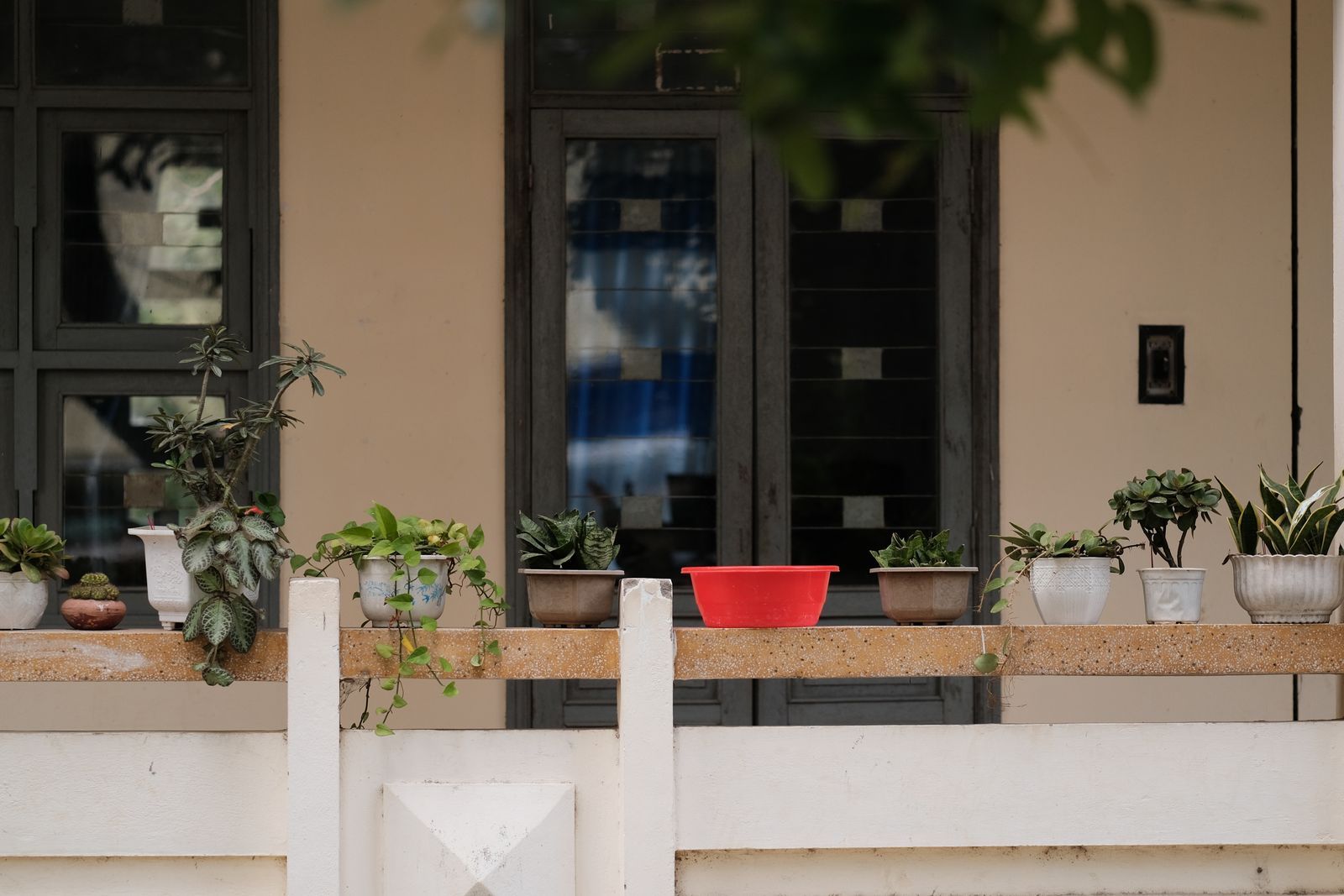
Photo: Pew Nguyen / Pexels
No bed, no yard, no problem worth surrendering to. A first garden in pots is a real garden, with its own rules that differ from bed gardening in ways that matter: the soil is a product you choose, the watering rhythm is faster, and the pot size decides more than the plant does. Beginners fail in pots mostly by treating them like small beds. Treat them as their own system and they are the most forgiving garden there is, movable into sun, out of storms, and up onto a table away from rabbits.
The figures here follow the extension guidance quoted across container guides, with the University of Maryland Extension container sizes used as this page's standard: 1 to 3 gallons for small herbs and greens, 8 to 10 gallons for one tomato or pepper plant. Start with three to five containers, not fifteen. A small pot garden you water faithfully beats a balcony jungle that dries out while you are on vacation.
Interactive tool
First Pots Checklist
Check off each step as you finish it. Your progress stays on this page.
0 of 7 complete
0% done
Rule One: Drainage Holes Are Non Negotiable
Every pot needs holes in the bottom, full stop. A pot without drainage holds water in the bottom third of the mix, roots sit in it, and the plant dies of wet feet while the surface looks dry, the most confusing death in container gardening. Decorative pots without holes are cachepots: keep the plant in a plain holed pot inside them and lift it out to drain after watering. Skip the layer of gravel at the bottom, an old myth that raises the water table inside the pot instead of improving drainage; mix all the way down drains better.
Rule Two: Potting Mix, Never Garden Soil
Soil dug from a bed, or bagged garden soil, compacts in a pot into a dense brick that sheds water and starves roots of air. Potting mix is built differently: peat or coir for water holding, bark and perlite for air, and a texture that stays open all season. Illinois, Michigan State, and Maryland extension guidance all land on the same sentence: containers get potting mix, never garden soil. Buy it fresh each spring for new plantings; last year's mix from a dead pot is tired, compacted, and carries whatever killed the last tenant.
Step 1: Start With One Big Pot, Not Five Small Ones
The counterintuitive beginner rule: one large pot is easier than several small ones. A big volume of mix holds moisture evenly and buffers a missed watering; small pots swing from soaked to parched in a day of summer. Start with the biggest pot your space and budget allow, plant it with the crop you most want, and add pots one at a time as the rhythm becomes habit. Three to five containers total is the right first fleet.
Step 2: Match the Pot to the Crop
Crop
Pot size (University of Maryland Extension)
Why
Small herbs (thyme, oregano, chives)
1 to 3 gallons
Shallow, modest roots; group a few per pot
Lettuce and greens
1 to 3 gallons, wide rather than deep
Fast crops, harvested young
Basil and parsley
1 to 3 gallons
One plant per gallon is a good working rule
One tomato plant
8 to 10 gallons
The root system of a small shrub, plus summer thirst
One pepper plant
8 to 10 gallons at the Maryland standard
Smaller pots grow smaller, thirstier plants
Undersizing is the silent yield killer: a tomato in a 3 gallon pot will live, and give you a handful of fruit and a daily watering chore. The same plant in 10 gallons gives a harvest and forgives a weekend away. When in doubt, size up; no gardener has ever mourned a pot that was too big, only the reverse.
Step 3: Think About Weight Before You Fill
Wet mix is heavy. A 20 inch pot filled with damp potting mix can weigh about 100 pounds, and a row of large pots concentrates that weight along a balcony edge or a deck board span. Put the big pots where the structure is strongest, near walls and over joists on a deck, and fill them where they will live rather than carrying them full. On a rented balcony, check the lease and the railing load before the fleet grows; on the ground, weight is a non issue and big pots are pure advantage. Saucers under pots protect surfaces, and pot feet or a low stand keeps the drainage holes clear of a sealed puddle.
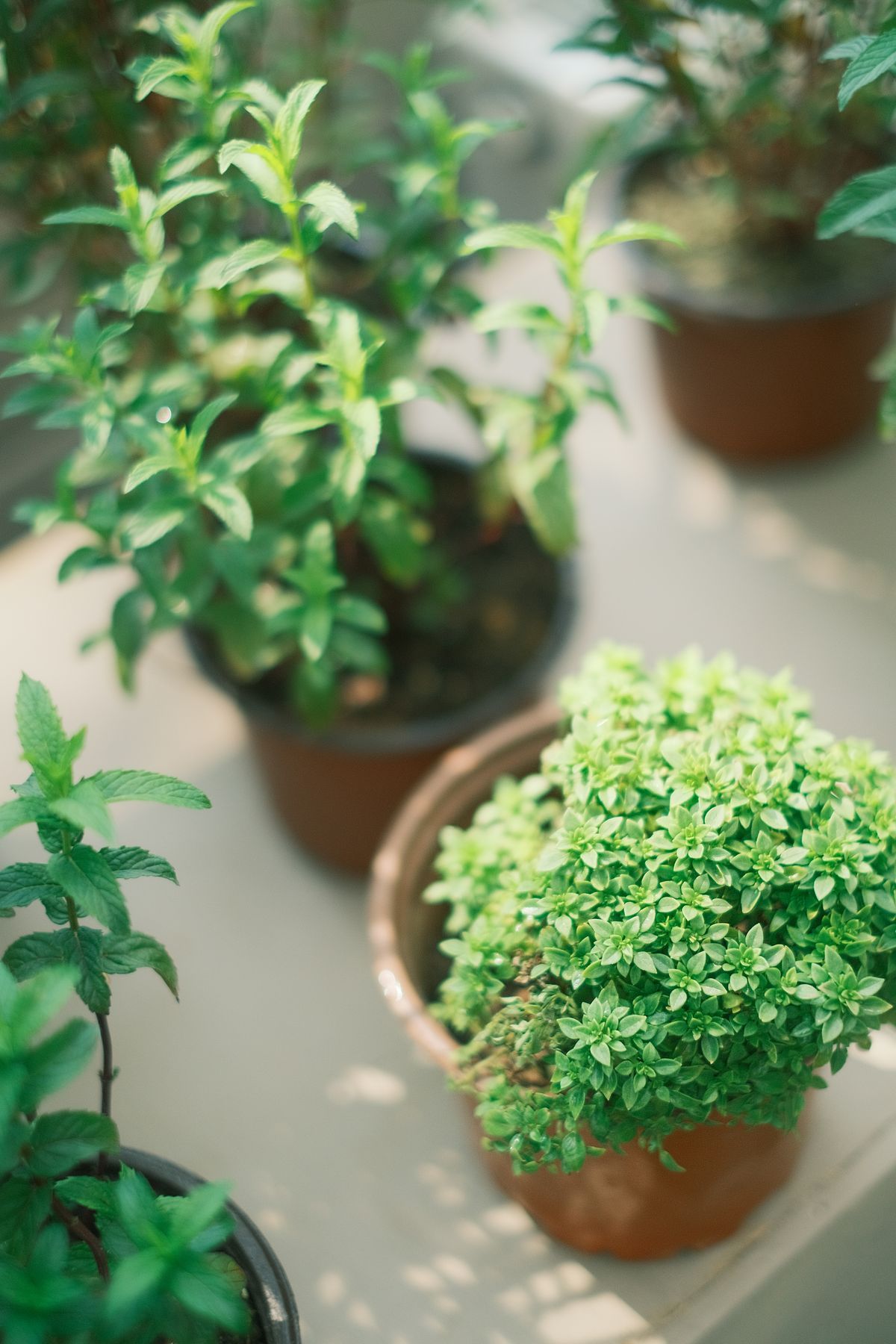
Potted herbs growing in bright sunlight on a balcony
Step 4: The Watering Rhythm of Pots
Pots dry from all sides, and in summer heat a container garden can need water daily, sometimes twice a day for small pots in wind. This is the honest cost of the system, and planning for it is the difference between a pot garden and a pot graveyard. Water in the morning, deeply, until a little runs from the drainage holes; that runoff is proof the whole root ball got wet, not just the top inch. The finger test still governs: dry an inch down in a small pot, or two inches in a large one, means water now.
Self watering inserts and reservoirs soften the rhythm and are worth it for the thirstiest crops. Mulch helps in pots too: an inch of shredded bark on the mix surface slows evaporation and keeps the top from crusting. Grouping pots together shades each other's walls and slows drying, a small kindness that shows by August.
Step 5: Feeding, Because Pots Leach
Every watering washes a little fertility out of the drainage holes, and potting mix starts with only a small charge of fertilizer. Pot plants therefore need feeding in a way bed plants often do not: a half strength liquid feed every couple of weeks through the growing season is the simple working rhythm, or a slow release fertilizer mixed in at planting per its label. Yellowing lower leaves on an otherwise well watered pot plant in midsummer usually mean hunger, not thirst. This is the one garden where the fertilizer bottle earns its shelf space.
What to Grow First in Pots
Herbs are the highest value first crop: basil, parsley, chives, thyme, and mint, with mint always in its own pot because it colonizes anything it shares. Lettuce and greens give fast, cut and come again harvests from wide shallow pots. One tomato in a big pot is the summer project, staked early and watered like it matters, because it does. Peppers love the heat a pot wall gathers on a sunny patio. Strawberries in a wide pot are the beginner's dessert. Grow what you eat, in the biggest pots you can house, and the pot garden stops feeling like a compromise within one season.
Winter and Year Two
In cold climates, pots freeze harder than beds because the roots are surrounded by cold air on all sides; tender perennials in pots need a garage, a sheltered corner, or acceptance that they are annuals here. Terra cotta cracks when wet mix freezes inside it, so empty and store clay pots dry, or choose plastic, resin, and fabric pots that flex. Fabric grow bags deserve a mention for beginners: cheap, light, impossible to overwater casually because they drain and breathe from every side, and they fold flat in winter. Many a first pot garden is a row of grow bags, and it is a good one.
Can look plain; thin pots crack after a few sunny years
Terra cotta clay
Breathes, heavy enough to anchor tall plants, classic look
Dries out fastest, cracks when wet mix freezes inside
Fabric grow bags
Cheapest per gallon, drain and breathe from every side, fold flat to store
Dry faster than rigid pots; a softer look
Glazed ceramic
Beautiful and heavy, holds moisture like plastic
Expensive, and often sold without drainage holes
Wood
Insulates roots, suits a rustic style
Rots over seasons unless lined or built from resistant wood
The material decides your watering rhythm as much as the weather does: the same tomato in terra cotta on a windy balcony may need water twice as often as in plastic two feet away. Match the pot to your attention span honestly. A forgetful waterer in plastic pots with saucers will outgarden a diligent one fighting clay in a heat wave.
Troubleshooting the Pot Garden
Plants wilting by noon and recovering by morning are telling you the pot is too small for the root system it now holds, or the mix has pulled away from the pot wall so water runs down the gap and out without wetting the root ball. The fix for the gap is to water slowly in two passes, or stand the pot in a tray of water for twenty minutes and let it drink from below. White crust on the mix surface or the pot rim is mineral buildup from tap water and fertilizer salts; a deep flush watering that runs freely out of the holes for a minute washes much of it through. Fungus gnats, the tiny flies that hover over damp mix, mean the surface stays wet too long: let the top inch dry fully between waterings and they lose their nursery. Leggy, pale growth is a light problem wearing a water costume; move the pot into more sun before reaching for fertilizer. And a pot that dries out every single day by midsummer is not a discipline failure, it is a size failure: pot up, or accept the twice daily rhythm until frost.
Where Pots Live: Sun, Wind, and Surfaces
A pot is a microclimate you can carry, and placement is the daily use of that power. Full sun crops in pots want the same 6 to 8 or more hours as in a bed, but pot walls heat up in afternoon sun, which roots feel more than leaves do; a light colored pot, or a pot shaded by its neighbors while the plant's leaves reach the sun, runs cooler than a black pot in isolation. Wind is the other variable beginners underestimate: a breezy balcony dries pots at twice the rate of a sheltered patio and can topple tall plants in light plastic pots, so group pots, weight the base, and expect the watering rhythm to follow the weather, not the calendar. Surfaces matter too. Pots on concrete in summer sit on a griddle and dry from the bottom up; a wooden slat, pot feet, or a simple board underneath breaks the contact. Pots on a lawn kill the grass beneath them in a neat circle, which is either a problem or the start of a bed, depending on your plans.
A First Season in Pots, Month by Month
Spring is for setup: fresh mix, pots checked for holes, the big pot planted first. Early summer is the rhythm finding month, when you learn each pot's thirst by the finger test and discover which corner of the balcony is the windy one. Midsummer is the honest test: daily checks, the half strength feed every couple of weeks, harvests of herbs and greens resetting the plants for another round. Late summer is when pot gardeners learn the succession trick, pulling a spent lettuce pot and sowing it again the same day for a fall crop, something bed gardeners need a whole empty row to do. Fall asks the cold questions: which pots come inside, which perennials get a sheltered corner, which clay pots get emptied and stored dry before freeze. Keep notes as you go; a pot garden's second year, planned from the first year's thirst map, is where the system starts to feel effortless.
Frequently Asked Questions
How many pots should a beginner start with?
Three to five containers. Start with one big pot planted with the crop you most want, learn the watering rhythm on a small fleet, and add a pot at a time. A small garden watered faithfully outperforms a big one that dries out.
What size pot does a tomato need?
The University of Maryland Extension container standard used on this page is 8 to 10 gallons for one tomato plant, and the same for one pepper. Small herbs and greens fit 1 to 3 gallons. Undersized pots are the most common cause of small harvests and daily watering emergencies.
Can I use garden soil in pots?
No. Garden soil, dug or bagged, compacts in containers, drains badly, and suffocates roots. Extension guidance from Illinois, Michigan State, and Maryland agrees: containers get potting mix, which is built to stay open and drain while holding moisture.
How often do pots need watering?
In summer heat, daily for many pots, and twice a day for small pots in wind. Water deeply in the morning until a little runs from the drainage holes. Use the finger test: dry an inch down in small pots, two inches in large ones, means water now.
Do pot plants need fertilizer?
Yes, unlike most bed plants. Watering leaches fertility out of the drainage holes all season. A half strength liquid feed every couple of weeks, or a slow release fertilizer at planting per the label, keeps pot plants green and producing.
How heavy is a big pot, really?
A 20 inch pot of damp potting mix can weigh about 100 pounds. Fill large pots where they will live, place them over the strongest structure on decks and balconies, and check your lease before a fleet of them lines a rented railing.
Photo credits: Pew Nguyen (Pexels); Emre Gencer (Pexels). Photos are served from this site; follow the credit to the library page for the original.