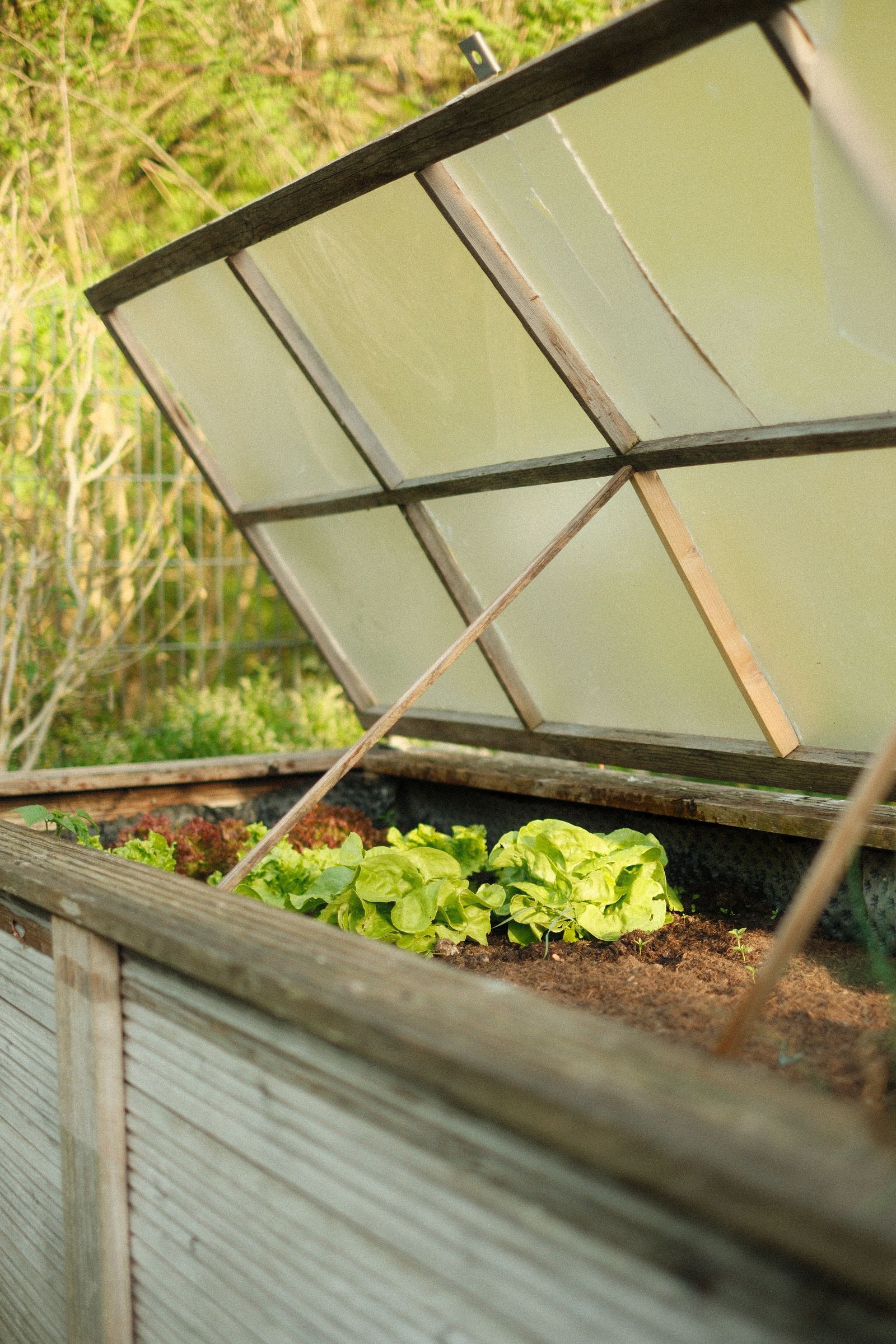
How Much Does It Cost to Build a Raised Garden Bed? One Bed, Priced End to End
By the Windchime Walker editorial team
Photo: Nico Siegl / Pexels
The raised bed is the most priced and least honestly priced project in the garden. Articles quote the lumber and stop, as if beds grew in empty, or quote a carpenter's custom build at 400 dollars and up, as if everyone hired out a box. The real number lives in between, and its biggest line is the one nobody expects: the soil. This page prices one standard bed, 4 by 8 feet and 12 inches deep, end to end, at three budget levels, so you can decide with the whole number in front of you.
Our raised bed build guide owns the construction itself, our soil calculator guide owns the volume math in depth, and our depth guide owns how deep a bed should be. This page owns the money: what one bed costs, where the money hides, and what it costs per year once lifespan enters the arithmetic.
Interactive tool
Raised Bed Soil Calculator: Price the Fill Before the Frame
Soil is the budget surprise in every bed build. Enter the inside length, width, and fill depth of the bed you are pricing and get the volume in cubic feet and yards plus the bag count, so the soil line of your budget is a number before you reach the store.
32.0 cubic feet of soil
That is 1.19 cubic yards in bulk, or about 22 bags at 1.5 cubic feet or 16 bags at 2 cubic feet.
Filling a new bed with a 60/40 mix: 19.2 cubic feet of topsoil and 12.8 cubic feet of compost.
Loose soil settles after the first few waterings. Most gardeners add roughly a tenth more than the raw volume and top the bed up in the second season.
The math is plain geometry: length times width times depth. One cubic yard is 27 cubic feet. Bag counts are rounded up, because a half filled bed helps no one.
The Bed at Three Budgets
Cost line
Frugal build
Mid build
Long life build
Frame
Untreated pine boards
Cedar boards
Steel kit or concrete block
Frame cost
About $40 to $70
About $120 to $200
About $150 to $300
Soil, bagged
About $110 to $176
About $110 to $176
About $110 to $176
Soil, bulk delivered
About $60 to $110 with delivery
About $60 to $110 with delivery
About $60 to $110 with delivery
Hardware and liner
About $15 to $30
About $25 to $45
About $20 to $40
Total, one bed
Roughly $170 to $275
Roughly $255 to $420
Roughly $280 to $515
Expected frame life
About 5 years
About 10 to 15 years
15 years and well beyond
Prices are planning figures, not quotes; lumber and soil prices swing by region and season. The shape of the table is the durable lesson: the soil line barely changes across budgets, the frame line is where the money moves, and the frugal build's savings are rented, not owned, because its frame is replaced two or three times inside the cedar bed's single life.
The Soil: Where the Budget Actually Lives
A 4 by 8 foot bed filled 12 inches deep holds 32 cubic feet of soil, about 1.19 cubic yards. Run the calculator on this page for your own bed's dimensions, because depth is the lever: the same bed at 18 inches holds half again as much, and at 8 inches a third less, which is why our depth guide treats depth as a buying decision. Bought bagged, 32 cubic feet is roughly 22 bags of 1.5 cubic foot mix, and at typical bag prices that runs about 110 to 176 dollars, before the second trip because the first load never quite fills the corners. Bought in bulk, a cubic yard and a fraction of garden mix costs less per yard than bags by a wide margin, but delivery adds a fee that punishes small orders, and you will have a pile on the driveway and a barrow in your hands.
The break point most gardeners find: one bed is a fair fight between bagged and bulk, two beds or one deep bed tips it to bulk, and three beds makes bagged the expensive hobby. The fill recipe matters to cost too: a bed filled entirely with premium bagged mix is the ceiling; the common 60/40 blend of topsoil and compost, or a bed whose bottom third is coarse organic matter that will settle and compost down, cuts the soil line by a third or more. What you may not do is fill the bed with excavated garden soil alone and call it savings; it compacts, drains poorly, and the plants invoice you for the difference all season.
The Frame: Four Material Families
Untreated pine is the cheapest honest frame and the shortest lived: about five years before rot at the soil line wins, faster in wet climates. Its real use is the trial bed, the renter's bed, and the gardener testing whether raised beds suit them at all before committing cedar money.
Cedar is the longevity buy among boards: naturally rot resistant, typically 10 to 15 years of service, at two to three times the pine price. Divided by years, cedar usually beats pine; multiplied by the cash needed this spring, pine wins. Both statements are true, and which one governs is a budget question, not a gardening one.
Steel kits, galvanized or coated, arrive as panels that bolt together in an afternoon, last well past 15 years, and cost in cedar's range or above. They win on assembly speed, thin walls that waste no growing room, and no rot, ever; they lose on the industrial look some gardens do not want and on hot edges in fierce sun climates.
Concrete block is the permanent and the heavy: the highest first cost in labor if not in dollars, a frame life measured in decades, and a bed that can be raised a course at a time as a gardener's knees age. Block also holds heat, which northern gardeners count as a feature in spring and southern gardeners count as a warning in August.
A gardener tending leafy greens in a wooden raised bed
The Hidden Costs: 30 to 80 Dollars Nobody Quotes
Every bed budget meets the same surprise lines at the store. Corner brackets and screws, or the stakes that keep boards from bowing under wet soil: 10 to 25 dollars. A liner or landscape fabric under the bed, and hardware cloth if burrowing pests are local: 10 to 30 dollars. The path around the bed, because a bed you reach across mud to harvest gets harvested less: a few bags of mulch at minimum. Irrigation, even the simple kind, a soaker hose and a splitter: 15 to 30 dollars, and the one most worth its money, because raised beds dry faster than the ground and hand watering a bed daily is the chore that ends more raised bed careers than rot does. Add the delivery fee if the soil comes by truck, and the honest hidden total runs 30 to 80 dollars. None of it is optional in the sense of being avoidable twice: you buy the brackets with the lumber or you buy them the first spring the boards bow.
Cost Per Year: The Only Fair Comparison
Divide each build by its frame life and the table flips its lesson. The frugal pine bed at roughly 200 dollars over five years costs about 40 dollars a year. The cedar bed at roughly 350 dollars over twelve years costs about 29 dollars a year. The steel or block bed at roughly 450 dollars over twenty years costs about 22 dollars a year, and it is still standing when the comparison ends. Soil is a one time cost across all three, since a settled bed is topped up with an inch of compost a year rather than refilled. The conclusion is not that everyone should buy the permanent bed; it is that the cheapest bed is the most expensive per year, so the frugal build only makes sense when its short life is the point: a trial, a rental, a garden that may move. When the bed's location is settled and the gardener is committed, buy the frame once.
Where to Save and Where Not To
Save on the frame's finish: beds need no stain, no paint, no decorative trim, and untreated wood left silver is a look gardens have worn for centuries. Save on the fill's bottom third, where coarse organic matter does honest work under a foot of good mix. Save on hardware by using simple corner blocks cut from a single board. Do not save on soil quality in the top layer, where roots actually live and where a cheap, weedy, or salty fill taxes every plant. Do not save on the bed's depth to shrink the soil bill without reading the depth guide first; a bed too shallow for its crops is the most expensive bed of all, because it is rebuilt. And do not save by skipping the irrigation line: the bed you water by hose end, on your knees, in August, is the bed that quietly gets abandoned, and an abandoned bed costs its full price per year forever.
Frequently Asked Questions
How much does a 4 by 8 raised bed cost in total?
Priced end to end with soil and hardware, roughly 170 to 275 dollars for an untreated pine build, 255 to 420 dollars for cedar, and 280 to 515 dollars for a steel kit or block build, using bulk soil at the low end of each range and bagged soil at the high end. The soil and hardware lines surprise beginners more than the frame does.
Why is the soil so expensive?
Volume. A 4 by 8 bed at 12 inches deep holds 32 cubic feet, about 1.19 cubic yards, which is roughly 22 standard bags. Bagged mix prices that volume at a premium; bulk delivery lowers the per yard cost but adds a delivery fee. Depth is the lever: every extra inch of depth on that bed is about 2.7 more cubic feet to buy.
Is bagged or bulk soil cheaper?
For one shallow bed, about even once delivery is counted. From two beds, or one deep bed, bulk wins clearly, and the gap widens with every bed added. Bulk also arrives as one consistent mix, while 22 bags can be three different products from three pallets.
How long will a raised bed frame last?
Untreated pine about 5 years, cedar about 10 to 15 years, galvanized steel and concrete block 15 years to several decades. Lifespan is why cost per year favors the durable frames: the pine bed is the cheapest to buy and the most expensive to own per year of service.
Can I fill a raised bed for less money?
Yes, honestly: fill the bottom third of a deep bed with coarse organic matter, logs, branches, and leaves that settle and break down, then buy good mix for the root zone above it. The blend most gardeners use is roughly 60 percent topsoil to 40 percent compost. What not to do is fill the whole bed with dug garden soil, which compacts and drains badly.
Is a raised bed worth the cost compared to gardening in the ground?
Where the ground fights you, poor drainage, heavy clay, rock, contamination worries, or a gardener's back and knees, yes: the bed buys soil quality and access that the ground cannot be amended into quickly at any price. On good, workable soil with a able gardener, in ground rows grow the same vegetables for the cost of seed and compost, and the honest answer is that the bed is a comfort and control purchase, not a yield one.
Photo credits: Nico Siegl (Pexels); Jenna Hamra (Pexels). Photos are served from this site; follow the credit to the library page for the original.