A dracaena with brown leaf tips is usually accused of a watering error, and about half the time the accusation is wrong. This genus runs two separate systems that produce overlapping symptoms: the moisture system, which is forgiving and simple, and the water chemistry system, which is neither, because dracaenas are among the most fluoride sensitive houseplants in the trade. An owner can water on a flawless rhythm with hard tap water and still watch the tips brown week by week. This page separates the two systems so they can be fixed separately: the dry slightly interval and its seasonal ladder, the fluoride protocol, and a diagnosis that tells the two brown tips apart. The marginata, dragon tree, and fragrans name variants all fold into this single article; they are the same genus on the same rules. The bamboo page on this site routes lucky bamboo here in spirit, since that plant is a dracaena too, though it usually grows in water rather than mix.
Home / Gardening Basics for Beginners
How Often to Water Dracaena: The Dry Slightly Rule, the Fluoride Problem, and the Brown Tip Diagnosis
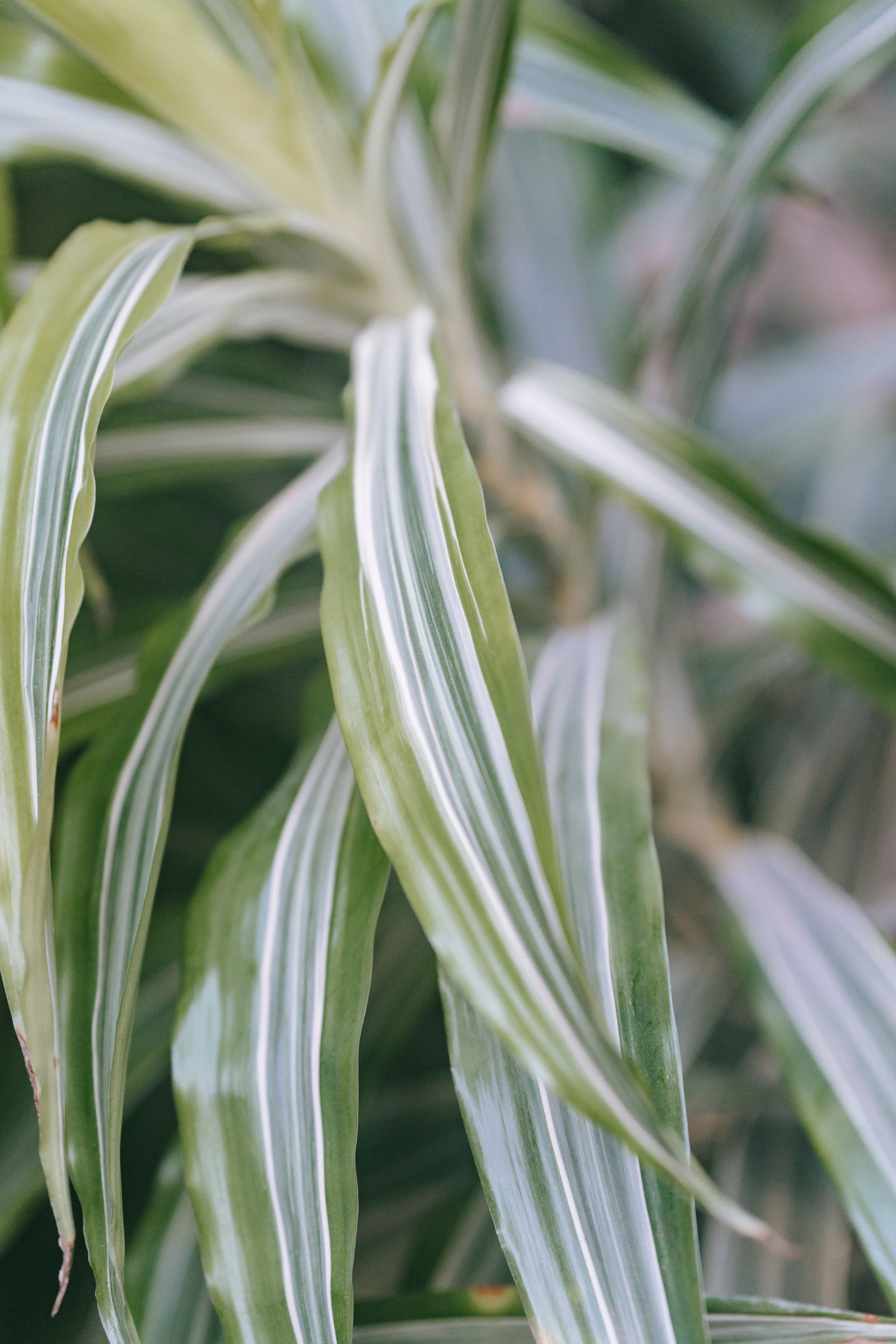
Photo: Teona Swift / Pexels
Watering Calculator: The Dracaena Pot Audit
A dracaena dries slightly between drinks, then takes a full soak. Enter your pot diameter as both length and width below and a depth of about 1 inch to size that soak, and let the depth check, not the calendar, call the day.
19.9 gallons
For 32 square feet at 1 inch deep. That is about 76 liters, or 10 trips with a standard 2 gallon watering can.
A rain gauge or a straight sided can set in the bed tells you when a sprinkler or soaker hose has actually delivered this depth. Time alone is a guess, because hose pressure varies from house to house.
The conversion is arithmetic, not opinion: one inch over one square foot is 144 cubic inches of water, and a US gallon holds 231 cubic inches, so each square foot at one inch takes 0.62 gallons.
The Interval: Dry Slightly, Then Thoroughly
Clemson Extension's guidance for dracaena is the cleanest statement of the rule: allow the plant to dry slightly between waterings, and water thoroughly when the surface of the mix is dry. In a typical room that produces an interval of about every 1 to 2 weeks in spring and summer, when the plant is growing, and every 2 to 3 weeks in winter, when it is not. Dry slightly is the operative phrase, and it sits deliberately between two failures: a dracaena kept constantly moist rots at the cane, and a dracaena baked dry for a month drops its lower leaves in a spiral. The check is the surface and the first inch below it, dry to the touch before the drink, and the drink itself is complete, water running from the drainage holes, sized by the pot audit above. Large floor plants in big pots run the long end of every range, because their volume buffers weeks; small table plants run the short end.
The Chemistry: Fluoride, Salts, and the Monthly Flush
Dracaenas are very sensitive to fluoride, which is present in most municipal tap water, and the injury shows as brown, dead tissue at the leaf tips and along the margins, exactly where an owner expects a watering symptom. North Carolina State's guidance for the genus adds the working protocol: use room temperature water, because cold water shocks the roots of a tropical plant, and flush the mix periodically to carry accumulated salts out of the pot. The full chemistry routine is simple. Water with rainwater or distilled water if tips are browning and your tap water is hard or fluoridated. Once a month, water heavily enough that a generous volume runs through and out, dissolving and carrying the salt crust that builds at the mix surface and the pot rim. Never let the plant sit in that flush water; the saucer is emptied, because a salt bath undoes the point of the exercise. Fertilizer is part of the same ledger: dracaenas are light feeders, and an enthusiastic feeding hand salts a pot faster than tap water does.
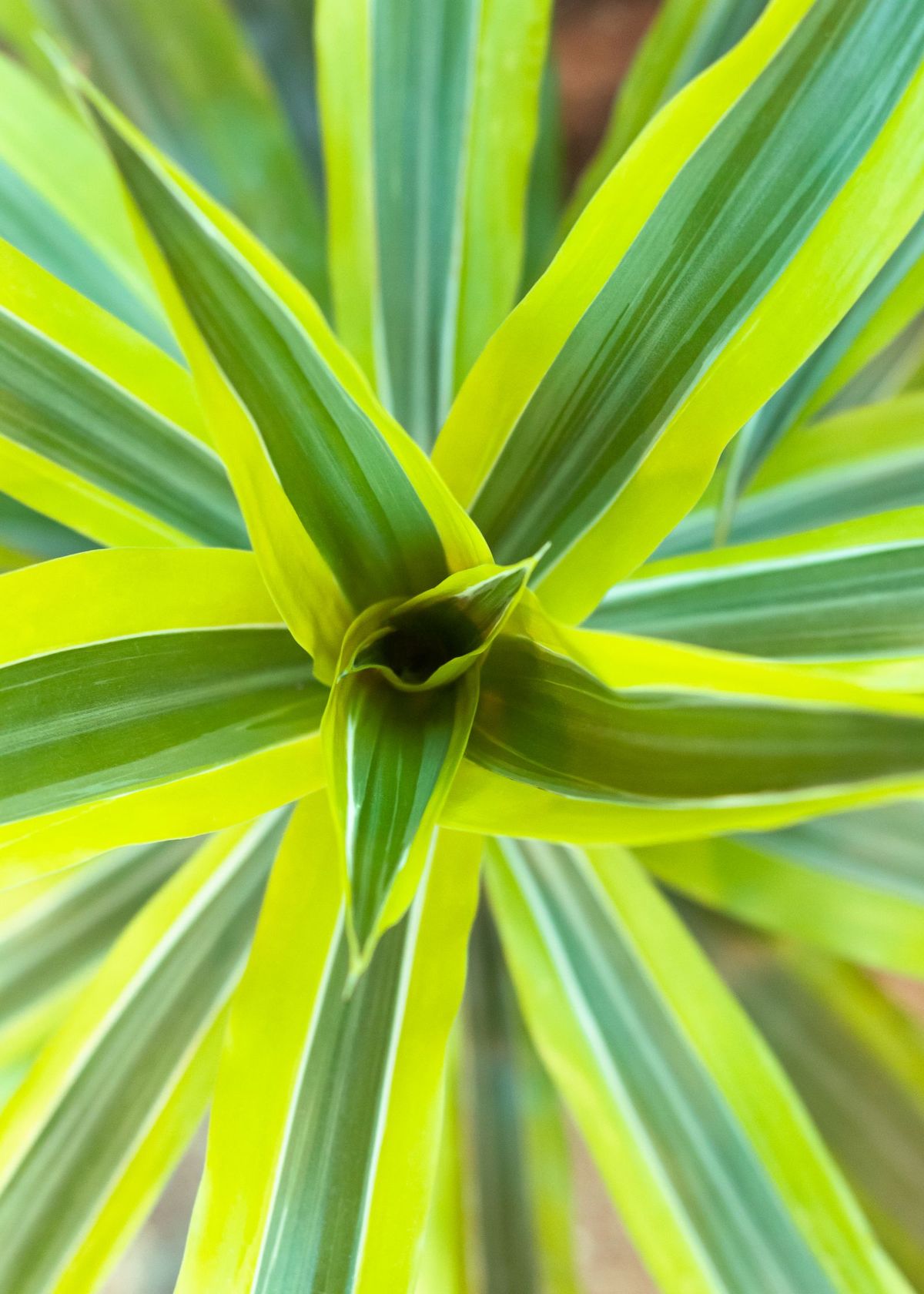
The Brown Tip Diagnosis: Two Causes, Two Fixes
Brown tips arrive from both systems, and the rest of the leaf tells you which. Fluoride and salt burn browns the very tip and the margin edges, sharply, on leaves that are otherwise firm, well colored, and well held, on a plant whose mix moisture has been correct. Underwatering browns tips too, but it travels with other evidence: leaves that yellow and drop from the bottom up, mix that is dry deep into the pot, and a plant that perks visibly after a drink. Overwatering's signature is different again: soft, dark patches, yellowing lower leaves, and canes that feel spongy at the base, which is rot and the genus's real killer. The test sequence is free: check the mix moisture at depth, look at whether the browning is tip only or traveling, and feel the cane. Tip only, firm plant, correct moisture: change the water, not the schedule. The trimmed brown tips will not green again; cut them with clean scissors following the leaf's natural point, leaving a hair of brown so the cut never opens living tissue.
The Name Variants: One Genus, One Rule
The query arrives under several names and they are one system. Dracaena marginata, the dragon tree of the shops, is the narrow leaved, red edged cane plant that most owners have; Dracaena fragrans, the corn plant, is the broad leaved one; the reflexa and deremensis types fill out the trade. All of them run the dry slightly interval and all of them share the fluoride sensitivity, so a marginata owner and a fragrans owner follow the same page. Size changes the numbers more than species does: a 6 foot cane plant in a 12 inch pot may go 3 weeks in winter between drinks, while a young marginata in a 6 inch pot on a bright sill wants the short end of the summer range. Judge the pot and the season, and let the species name go.
Pet Safety and Placement
The ASPCA lists dracaena species as toxic to cats and dogs, due to saponins in the leaves; a pet that chews the foliage can vomit, sometimes with blood, and cats may show dilated pupils and drooling. This is a placement fact, not a reason to fear the plant: a tall cane dracaena keeps most of its foliage above pet reach by design, and table sized plants belong on stands or shelves in homes with a chewing cat. Placement serves the water system too. Bright indirect light keeps growth and drinking in balance; a dracaena pushed into a dark corner drinks at half rate, and its interval stretches past every figure on this page, which is another case where the surface check outranks the calendar. Keep it out of cold drafts and away from heating vents, both of which brown tips by a third mechanism, dry air, that the diagnosis above will otherwise chase in circles.
The Multi Cane Problem
Many dracaenas are sold as three canes of different heights in one pot, and the arrangement has a watering trap built into it: the canes share one root zone but not one thirst, and the shortest cane, whose foliage sits lowest and oldest, is the one that rots first when the mix stays wet. The check therefore belongs at the base of the shortest cane, and the first symptom of chronic overwatering in these plants is almost always the small cane yellowing while the tall ones still look fine. There is no way to water one cane and not the others, so the multi cane pot is managed for its most vulnerable member: the long end of the interval, the full dry check, and prompt emptying of the cachepot. When a cane does rot, cut it out cleanly at the base rather than nursing it; the survivors' roots will colonize the space within a season.
Frequently Asked Questions
How often should I water a dracaena?
Let it dry slightly between waterings and water thoroughly when the surface is dry, per Clemson Extension guidance. In practice that is about every 1 to 2 weeks in spring and summer and every 2 to 3 weeks in winter, with big floor plants running longer and small bright sill plants shorter. The surface check is the rule; the intervals are what the check usually finds in a typical room.
Why are my dracaena leaf tips brown?
Two main causes. Fluoride and salt injury browns just the tips and margins of otherwise firm, healthy leaves, and dracaenas are very sensitive to the fluoride in tap water: switch to rainwater or distilled water and flush the mix monthly. True underwatering browns tips alongside yellowing, dropping lower leaves and a pot that is dry at depth. Read the rest of the plant before changing anything; the fixes are opposite in spirit, one changes the water and the other changes the schedule.
What kind of water is best for dracaena?
Rainwater or distilled water, at room temperature, especially where tap water is hard or fluoridated. North Carolina State guidance for the genus specifies room temperature water, since cold water shocks tropical roots. If you use tap water, the monthly heavy flush matters: run a generous volume through the pot to carry accumulated salts out, and always empty the saucer afterward.
Is dracaena safe around cats and dogs?
No. The ASPCA lists dracaena as toxic to cats and dogs; the saponins in the leaves can cause vomiting, sometimes bloody, with drooling and, in cats, dilated pupils. Keep table plants on stands or shelves out of chewing reach. Tall cane plants are naturally safer, since most foliage sits well above pet height, but fallen leaves should be picked up rather than left as toys.
Why is my dracaena dropping its lower leaves?
Some lower leaf drop is how a cane plant grows: the trunk extends and the oldest leaves retire. A fast spiral of yellowing and dropping is different, and the two usual causes are the ends of the moisture rule, a pot kept constantly wet rotting the cane from the base, or a pot left dry for many weeks. Feel the cane: firm is reassuring, spongy at the base is rot, and the mix moisture at depth will tell you which end of the rule to correct.
Photo credits: Teona Swift (Pexels); Eduardo Escalante (Pexels). Photos are served from this site; follow the credit to the library page for the original.