Ask how often to water lantana and you will get the drought tolerant label and a weekly inch, as if one number covered a plant that lives in three different water worlds. A lantana in its first month in the ground is still building the root system that will make it drought tolerant later, and it drinks like any new transplant. A lantana established in a bed runs on roughly an inch of water a week in dry weather, taken when the top inch of soil has dried. A lantana in a pot on a sunny patio can need water every 2 to 3 days, because the pot holds a teacup of soil compared to the bed. This page runs all three cases as one system: the establishment ladder, the bed budget, the pot rhythm, the wilt test that tells heat from thirst, and the winter taper. It also states the safety fact plainly once: lantana is toxic to pets and livestock if eaten, per ASPCA listings, so site it where grazing animals and curious dogs cannot browse it.
Home / Gardening Basics for Beginners
How Often to Water Lantana: The Establishment Ladder, the Bed Budget, and the Pot Rhythm
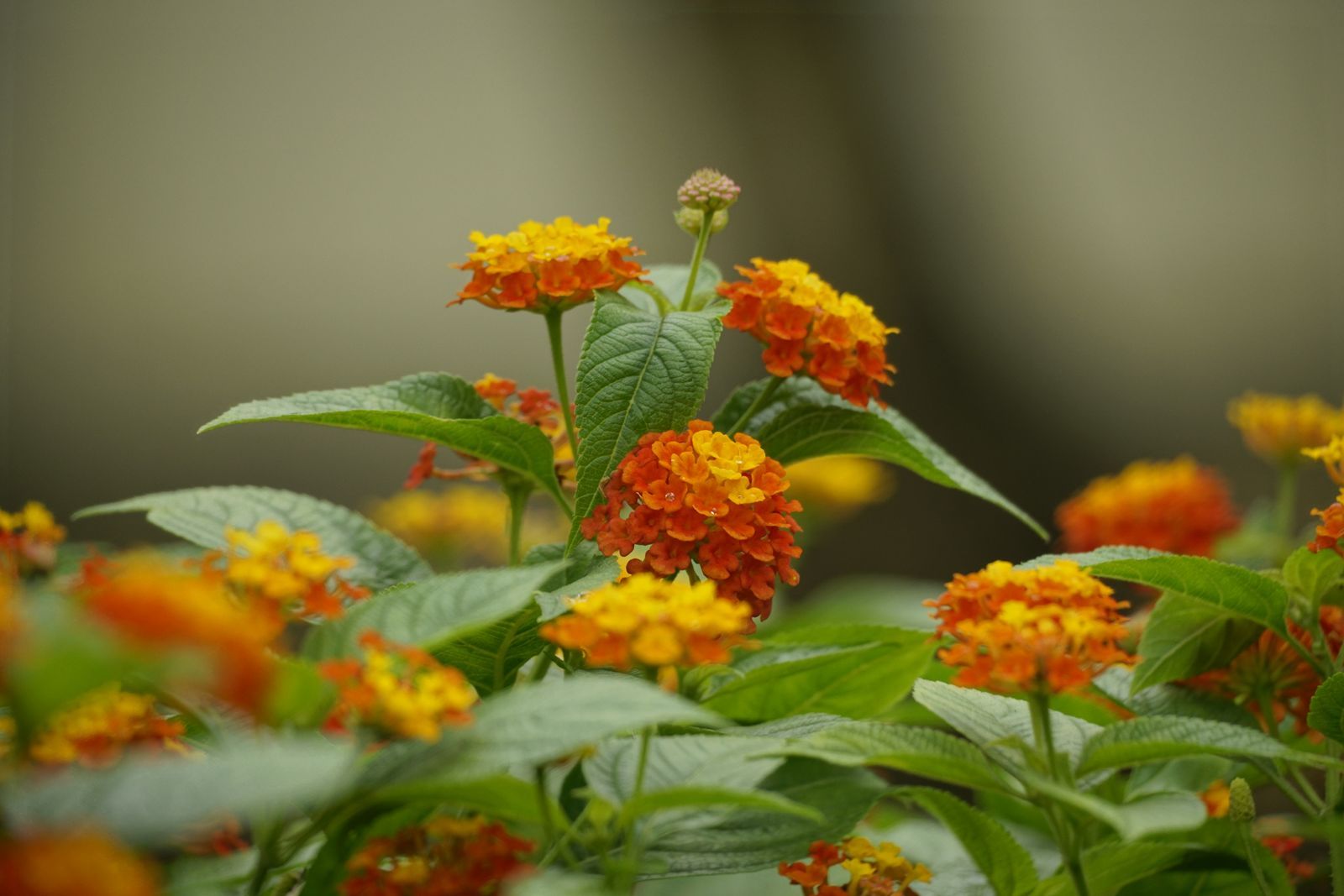
Photo: Duy Le Duc / Pexels
Watering Volume Calculator: The Lantana Pot Audit
Established lantana runs on about an inch of water a week in a bed and a far faster rhythm in a pot. Enter your bed size, or your pot diameter as both length and width, with a depth of 1 inch to size one deep soak.
19.9 gallons
For 32 square feet at 1 inch deep. That is about 76 liters, or 10 trips with a standard 2 gallon watering can.
A rain gauge or a straight sided can set in the bed tells you when a sprinkler or soaker hose has actually delivered this depth. Time alone is a guess, because hose pressure varies from house to house.
The conversion is arithmetic, not opinion: one inch over one square foot is 144 cubic inches of water, and a US gallon holds 231 cubic inches, so each square foot at one inch takes 0.62 gallons.
The Establishment Ladder: The First Six Weeks
Drought tolerance is earned, not planted. A nursery lantana arrives with a root ball the size of its pot, and for the first weeks that small ball is the whole plant's water supply, sitting in ground that may be far drier than the ball itself. Water deeply at planting to settle soil against the roots. Then hold a transplant rhythm: a deep drink every 2 to 3 days for the first two weeks in warm weather, stretching to twice a week through weeks three to six, always checked against the soil rather than poured by rote. The check is the top inch around the root ball, not the bed surface a foot away, because the surrounding soil and the ball dry at different rates and the ball is what the plant is actually drinking from. By the end of the first growing season the roots have run out into the bed, the plant has the deep, wide root system the drought label describes, and you can step down to the established budget below. Growers who water a new lantana on the established schedule lose it in its first dry spell and conclude the plant was weak. It was not weak. It was a transplant being watered like a veteran.
The Established Bed Budget: An Inch a Week, Read at the Top Inch
An established lantana in the ground wants about an inch of water a week during active growth in dry weather, delivered as one deep soak rather than daily sprinkles, and only when the top inch of soil has dried out. In cool or rainy periods the interval stretches on its own: the same plant may go 2 to 3 weeks between drinks in a mild, humid spell, because the check, not the calendar, is the trigger. The deep soak matters for the same reason it matters for every drought plant on this site. Water that wets the top 6 to 8 inches sends roots down into soil that stays moist days longer than the surface, and a lantana rooted deep is a lantana that shrugs at a dry fortnight. Shallow daily watering builds the opposite plant, all roots at the surface, wilting every hot afternoon. Use the calculator above to turn the inch into gallons for your bed's actual size once, and the budget stops being abstract. Mulch helps hold the budget: 2 to 3 inches of shredded bark or straw over the root zone slows evaporation and can stretch each interval by days, as long as it is kept a few inches clear of the stems.
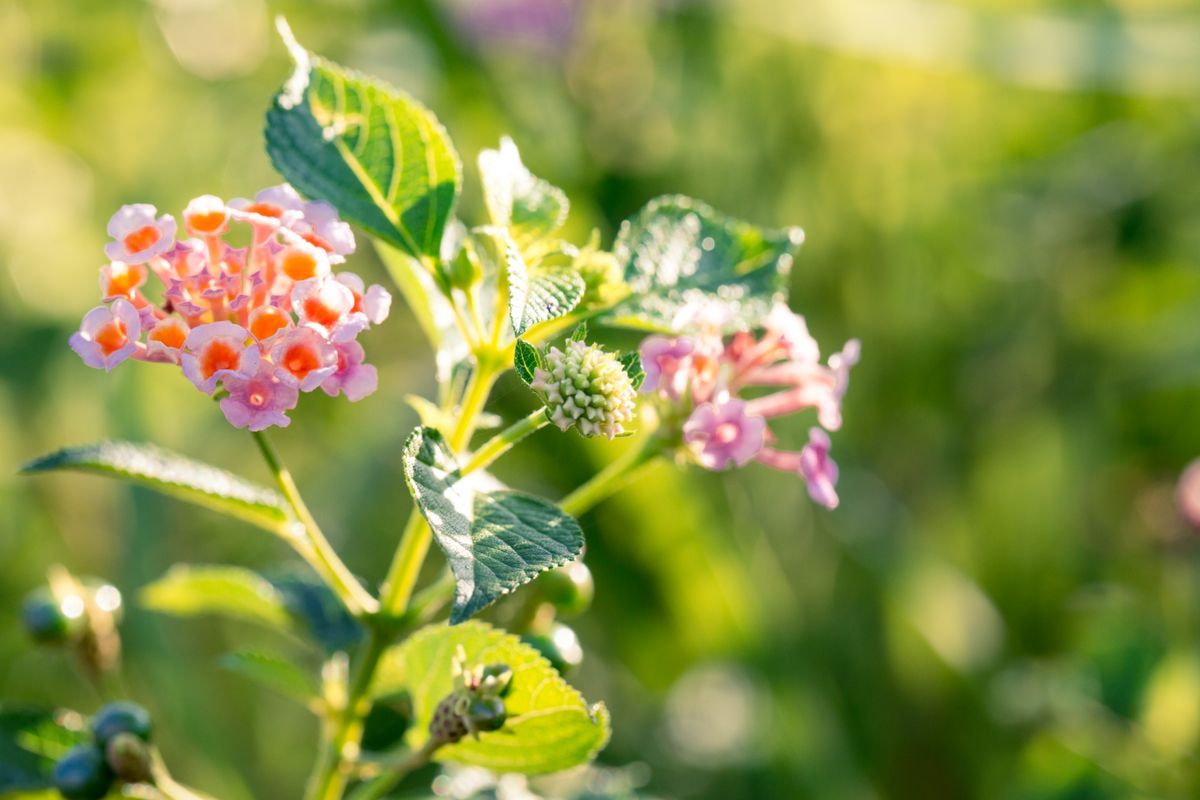
The Pot Rhythm: Days Ahead of the Bed
A potted lantana lives on a different clock, and the in-pots variant of this question folds into this section because the pot case is where most lantana watering goes wrong. The pot holds a fraction of the bed's soil volume, sits in full sun by design, and loses water through its walls as well as its surface, terracotta fastest of all. In summer heat a pot typically needs water every 2 to 3 days, and a hanging basket, with wind on every side, can need it daily. The check is the same top inch, but the consequence of missing it is faster: a bed plant wilts and recovers, a basket plant wilts, drops buds, and sheds leaves in a single hot weekend. Water pots at the base until drainage runs, in the morning where you can, and never let the pot stand in a saucer of runoff, because the one thing this drought plant cannot forgive is wet feet. A pot that wilts every day by noon is not asking for a second daily watering so much as a bigger pot or a move to afternoon shade; treat chronic daily wilt as a sizing report, not a schedule.
The Noon Wilt Test: Heat Wilt Is Not Thirst
Lantana wilts at noon on hot days even in soil that is adequately moist, because at peak heat the leaves lose water faster than the roots can replace it, and the plant closes down to protect itself. The test takes ten seconds: check the soil before you reach for the hose. If the top inch is dry and the plant is wilted, water deeply and it will stand back up within the hour. If the soil is still moist at an inch down and the plant is wilted, leave it alone; it will recover on its own as the afternoon cools, and watering wet soil is how root rot starts. The morning check settles arguments the noon check cannot: a plant still wilted at 8 in the morning is genuinely thirsty or genuinely in trouble, while a plant that was flat at noon and perky at dusk was only hot. Yellowing lower leaves with soft stem bases on a plant that never dries out point the other way, to overwatering, and the fix is a longer interval and a drainage check, not more water. Read the plant at the right hour and the watering question answers itself most days.
The Winter Taper, and Feeding in Season
Lantana's water year ends the way it began, in stages. As nights cool in fall, growth slows and the interval stretches; in the ground in mild climates the plant may need nothing beyond rain for weeks at a time. Where lantana is grown as a perennial, zones 9 to 11 in most guidance, winter watering is an occasional deep drink in a long dry spell and nothing more. Where it is overwintered in a pot indoors or in a garage, keep it barely moist, closer to the succulent rule than the summer rhythm, because a cold, wet, resting root ball rots quietly for months before the damage shows. Feeding follows the water: a light hand in season, a balanced feed at planting and perhaps once more midsummer, and restraint overall, because lantana blooms on lean treatment and excess nitrogen grows a leafy plant that flowers late and sparsely. Run the establishment ladder for new plants, the inch budget for beds, and the fast rhythm for pots, read wilt at the right hour, and taper hard in winter: that is the whole lantana watering system.
Frequently Asked Questions
How often should I water lantana?
It depends which lantana you mean. New plantings drink deeply every 2 to 3 days for the first two weeks, stretching to twice a week through week six. Established plants in beds run on about an inch of water a week in dry weather, watered when the top inch of soil is dry, and can go 2 to 3 weeks between drinks in cool, rainy spells. Pots in full sun typically need water every 2 to 3 days, and hanging baskets can need it daily in heat. The top inch check is the trigger in every case.
How often should I water lantana in pots?
Every 2 to 3 days in summer is the working rhythm for a pot in full sun, daily for hanging baskets and small terracotta pots in heat waves. Check the top inch of mix each morning and water at the base until drainage runs when it is dry. Never leave the pot standing in runoff. A pot that wilts daily by noon despite morning watering is reporting that it is too small or too exposed, and a bigger pot or afternoon shade fixes it better than a second drink.
Why is my lantana wilting when the soil is wet?
That is heat wilt, not thirst. At peak heat the leaves lose water faster than the roots can move it, and the plant droops to protect itself even in moist soil. It recovers as the afternoon cools. Watering already wet soil in response is the classic route to root rot in this plant. The reliable test is the morning after: a plant still wilted early in the day is thirsty or in trouble, while one that recovered by dusk was only hot.
Can you overwater lantana?
Yes, and overwatering kills more potted and bedded lantana than drought does. The signs are yellowing lower leaves, soft stem bases, and wilting that does not recover overnight in soil that stays wet. Lantana evolved in lean, fast draining ground and its roots cannot sit in saturated soil. Lengthen the interval, confirm the pot or bed drains freely, and let the top inch dry fully before the next drink.
How much water does lantana need in winter?
Very little. In the ground in mild climates, rain alone usually covers winter, with an occasional deep drink in a long dry spell. A potted plant overwintering indoors or under cover should be kept barely moist, watered sparingly every few weeks at most, because a cold and wet root ball rots while the plant rests. Resume the normal rhythm only when new growth shows in spring and nights have warmed.
Photo credits: Duy Le Duc (Pexels); Dapur Melodi (Pexels). Photos are served from this site; follow the credit to the library page for the original.