Gardening Basics: The Five Ideas Every Garden Stands On
By the Windchime Walker editorial team
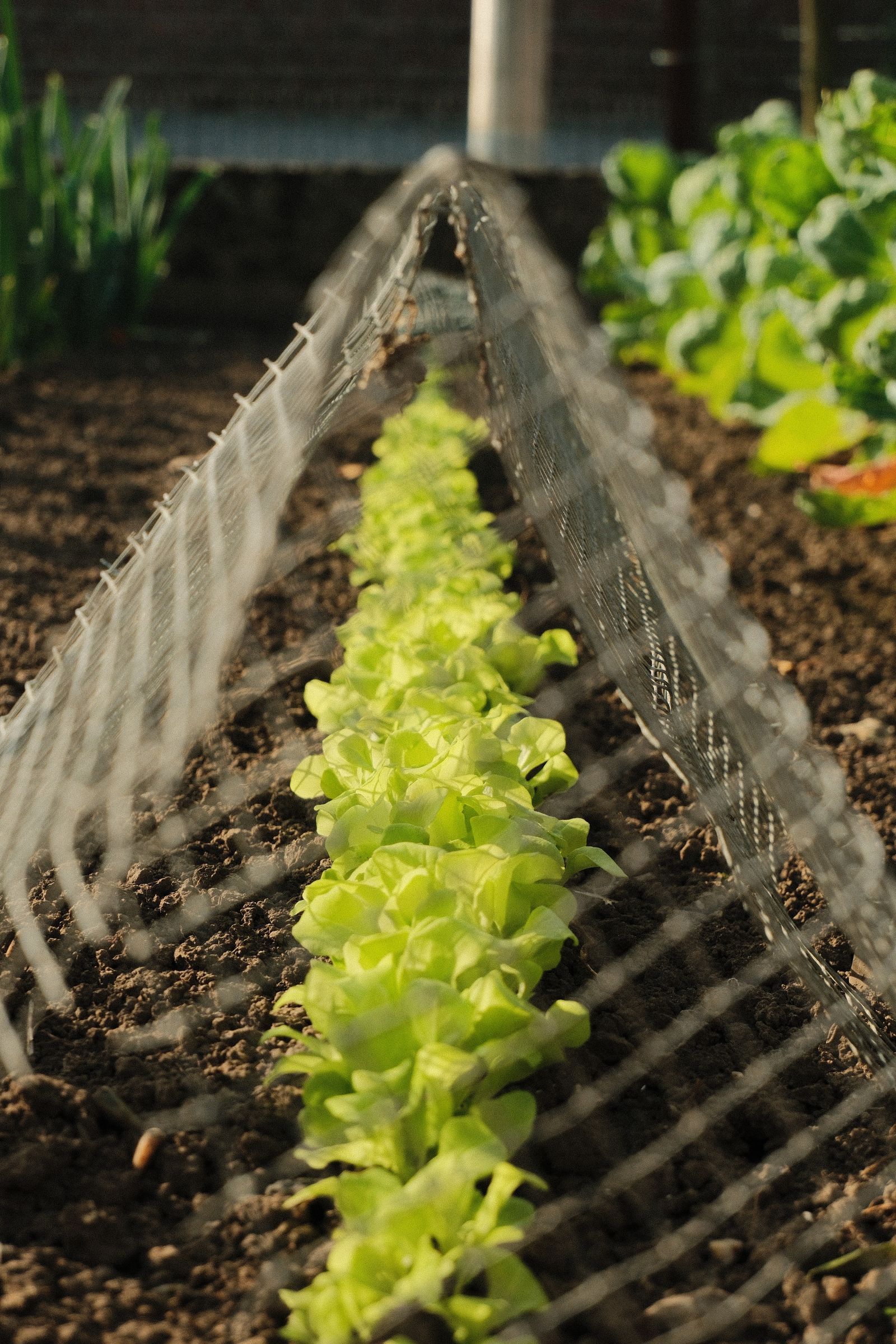
Photo: Thomas Houben / Pexels
Gardening looks complicated from the outside because gardeners talk about hundreds of plants, each with its own preferences. Underneath all of it sit five ideas that decide almost everything: sun, soil, water, timing, and space. A plant in the right sun, in decent soil, watered the way roots actually drink, planted in its season, and given room to reach full size will forgive a beginner nearly every other mistake. A plant missing any one of those five will struggle no matter how expensive the fertilizer is.
This page teaches the five basics as ideas you can test, not rules you have to memorize. Each one comes with a simple check you can run in your own yard today, with your eyes, your hands, or a kitchen timer. Pass the five tests before you spend money, and you have understood more gardening than most people learn in their first three seasons.
The Gardening Basics Checklist on this page lists the five tests in order. Work through them on the patch of ground you are thinking about, and the checklist will tell you honestly whether that spot, that soil, and that season can grow what you want to grow.
Interactive tool
Gardening Basics Checklist
Check off each step as you finish it. Your progress stays on this page.
0 of 6 complete
0% done
Basic 1: Sun Decides What Can Grow
Sunlight is the one input you cannot add later. You can improve soil, carry water, and wait for the right week, but a garden planted in the wrong light fails slowly and confusingly all season. Gardeners measure sun in hours of direct light on the spot itself, and the categories are plain. Full sun means 6 or more hours of direct sun a day, and most vegetables and most flowering annuals want it. Part shade means roughly 3 to 6 hours, and many leafy greens, herbs, and shade tolerant perennials manage well there. Full shade means less than 3 hours, and the honest list of what thrives in it is short: mostly foliage plants, a few flowers, and no vegetables worth the name.
The test is the shadow test, and it costs one day of glancing out the window. Pick the spot you want to plant. At about 9 in the morning, noon, 3 in the afternoon, and 6 in the evening, look at the spot and note whether it is in sun or shade. Four checks give you a rough map of the day's light. Repeat on a day when you are home anyway, and remember that the map changes with the seasons: a bed in full sun in June may sit in a tree's shadow in April, and a spot shaded by a bare branched tree in March may be dark all summer once the leaves open.
Two beginner traps hide in the sun question. The first is trusting the light in the garden center, where everything sits in bright open sky that your yard may not match. The second is counting the bright light under a tree canopy as sun. Dappled light through leaves is shade for gardening purposes, however cheerful it looks. When the count is close, give the spot to a plant that tolerates less sun rather than one that demands more, because plants stretch, flop, and refuse to flower when light starved, and no other care fixes it.
Basic 2: Soil Is a Living Material, Not Dirt to Fill Holes
Soil does three jobs at once: it holds the plant up, it stores water and releases it slowly, and it feeds the plant through a living community of organisms that break down organic matter into nutrients roots can take up. That is why gardeners talk about feeding the soil rather than feeding the plant. Soil rich in organic matter, the dark, crumbly material left by decomposed plants, does all three jobs better than soil without it.
You do not need a laboratory to read your soil. The squeeze test tells you its texture. Take a handful of moist soil, not mud and not dust, and squeeze it. Sandy soil falls apart the moment you open your hand and feels gritty. Clay soil holds a tight, slick shape you can mold. Loam, the gardener's goal, holds together loosely and then crumbles with a poke, and it is made of a balance of sand, silt, and clay with organic matter worked in. Most garden soil sits somewhere on the road between sand and clay, and the universal improvement, for both directions, is the same: add compost. Compost loosens clay and helps sand hold water, which is why it is the first purchase of almost every experienced gardener.
The second soil fact is pH, the measure of acidity, and most vegetables and flowers are happiest in soil that is slightly acidic to neutral, roughly 6.0 to 7.0. You cannot see pH, so this is the one test worth sending out: a soil test through your local extension office or a home kit tells you pH and the main nutrient levels before you buy fertilizer you may not need. Testing before fertilizing is the extension advice everywhere, because guessing wastes money and excess fertilizer washes into waterways. If you do only one formal thing for your first garden, make it the soil test.
Basic 3: Water Deeply, Less Often, at the Roots
Roots grow toward moisture, and the way you water trains them. A light daily sprinkle wets only the top inch of soil, so roots stay shallow, and shallow rooted plants collapse the first hot weekend you miss a day. Deep, less frequent watering soaks the root zone, and roots follow the water down, building plants that can reach moisture through a dry spell. For most established vegetable gardens the working standard is about 1 inch of water a week, from rain and hose combined, adjusted up in heat waves and down in cool, cloudy stretches.
The test here is the finger test, and it replaces all guessing. Before you water, push a finger into the soil up to the second knuckle. If it comes out with moist soil clinging to it, wait. If the soil is dry at that depth, water. After watering, check again an hour later: the moisture should reach several inches down, not just shine on the surface. A rain gauge or an empty tuna can set in the garden tells you how much water your sprinkler actually delivers, which is always less than it looks.
Water at the base of the plant when you can, in the morning when you can, and keep leaves dry when you can. Morning watering lets foliage dry in the sun, and wet leaves sitting overnight are an invitation to the fungal diseases that spot and mildew garden plants. Containers and seedlings are the exceptions to deep and infrequent: pots dry out fast and may need water daily in summer, and seeds and new transplants have tiny root systems that need the surface kept consistently moist until they establish. The rule is not a schedule; it is a depth. Water so the root zone is moist, then wait until the top begins to dry before you water again.
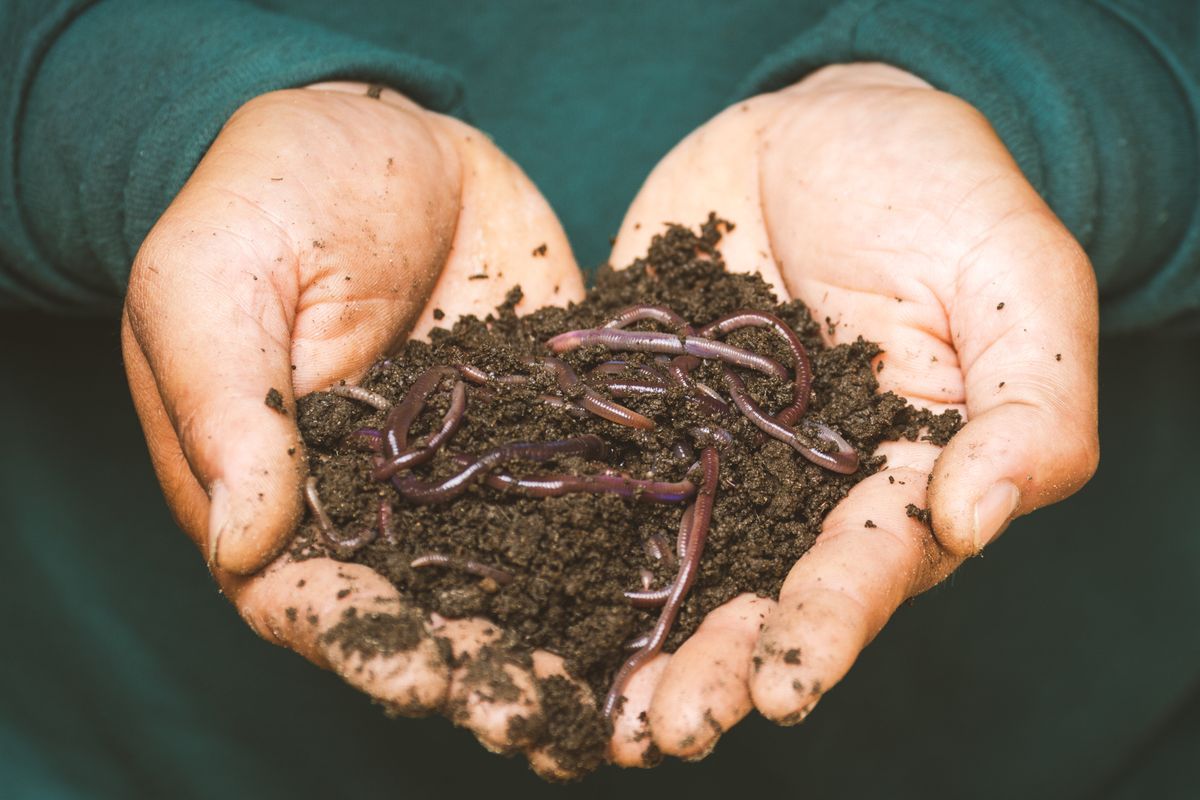
Hands holding dark garden soil with earthworms moving through it
Basic 4: Timing Is a Local Fact, Not a Date on a Seed Packet
Every plant has a temperature it prefers, and planting at the wrong time is the quiet cause of most beginner failures. Cool season crops such as lettuce, spinach, peas, and broccoli want to grow in the cool of spring and fall and will bolt, turn bitter, or stall in summer heat. Warm season crops such as tomatoes, peppers, beans, and squash are injured or killed by frost and sulk in cold soil, growing only when days and nights warm up. The seed packet's cheerful instructions assume you know which group your plant is in and what your local dates are.
Your local timing hangs on two dates: your last frost date in spring and your first frost date in fall, which together define your growing season. These are averages for your area, published by weather services and extension offices, and they are the anchor for every planting decision. Count backward and forward from them. Cool season crops go out weeks before the last frost. Warm season crops go out after it, when soil has warmed. Gardeners also talk about hardiness zones, which describe how cold your winters get and matter most for perennial plants that must survive winter outdoors; a zone tells you what survives, while frost dates tell you when to plant, and a beginner needs the second more than the first.
The reach of this basic is longer than it looks. The same tomato planted on the right date grows into the trellis; planted three weeks early into cold soil, it sits still, loses its lead, and never quite catches up. Timing mistakes cannot be watered or fertilized away. When a plant struggles, ask the timing question early: did this go in when its kind of weather was arriving, or leaving?
Basic 5: Space Is a Nutrient Too
A seedling is small, and every beginner plants too close. The full grown plant is the size that matters: a zucchini needs several feet in every direction, a tomato fills a cage and then some, and even lettuce wants its inches. Plants crowded together compete for light, water, and food, and the still, humid air between packed leaves is where disease does its best work. The spacing printed on the seed packet or plant tag is not a suggestion from a cautious lawyer; it is the measured room the plant needs, worked out over seasons of trials.
The test is the reach test, and it takes ten seconds at planting time. Stand at the spot, hold your arms out to the mature width of the plant, and see what your hands overlap. If your fingertips reach the fence, the neighboring plant, or the path, the plant will too. Planting charts and spacing planners exist because this is genuinely hard to eyeball from a two inch seedling. Fewer plants, properly spaced, outproduce a crowded bed nearly every time, and they are easier to weed, water, and harvest. Empty looking soil in May is not waste; it is the room June has already claimed.
How the Five Basics Work Together
The basics are a chain, and a garden fails at its weakest link rather than its average. Full sun cannot rescue a warm season crop planted into cold soil. Perfect timing cannot rescue a plant in deep shade. This is why experienced gardeners diagnose in order: sun first, then timing, then soil, then water, then space. When something in your garden disappoints you, walk the five in that order before you buy anything. Most of the time the answer is one of them, it is visible once you look, and the fix is free.
It also helps to know what is not a basic. Fertilizer brands, garden gadgets, companion planting charts, and lunar calendars all sit on top of the five, and none of them can substitute for one. Start small, a single bed or a few containers, run the five tests on that small space, and learn the ideas with your hands. A gardener who understands sun, soil, water, timing, and space can walk into any garden, anywhere, and ask the five questions that matter. That is the whole foundation, and everything else in gardening is a footnote to it.
The Basics in Practice: One Small Bed, One Season
Theory is cheap in February. The fastest way to put the five basics into your hands is to run them on one small space for one season, deliberately, and watch what each one does. Choose a bed or a row of containers small enough to weed in fifteen minutes. Before planting, run the five tests on it and write the results down: the shadow count, the squeeze test's verdict, the finger test's starting point, your two frost dates on a card taped inside a cupboard door, and the reach test for every plant you place. That card is your garden's specification sheet, and most gardens never get one.
Then plant a small, mixed cast chosen to teach: one sun demanding crop, such as a tomato or a pepper; one cool season crop, such as lettuce or peas; one root crop, such as radishes, which report back in a month; and one flower, because flowers teach deadheading, spacing, and patience faster than vegetables do. Through the season, when anything thrives or struggles, diagnose it against the five basics in order and write down which basic was responsible. You will find that nearly every event in the bed, good and bad, files under sun, soil, water, timing, or space, and by autumn the five ideas will no longer be a list you remember but a way you see.
The second season is when the basics start paying compound interest. You will choose plants by matching their needs to your measured sun instead of the catalog's photograph. You will buy compost before you buy plants. You will water by the finger test without thinking about it. You will plant the cool crops earlier and the warm crops later than your neighbors, and your garden will quietly outperform theirs. None of that requires talent. It requires five ideas, learned once, in your own soil, which is the only place they were ever going to be learned anyway.
Frequently Asked Questions
What are the absolute basics a beginner gardener must know?
Five ideas carry the whole craft: plants need the right amount of sun for their type, soil rich in organic matter, deep and less frequent watering, planting timed to local frost dates and the plant's temperature preference, and enough space to reach full size. Learn those five with the simple tests for each, and most beginner failures become easy to diagnose.
How many hours of sun do vegetables need?
Most vegetables need full sun, meaning 6 or more hours of direct sunlight a day on the spot itself. Leafy greens and some herbs tolerate part shade at 3 to 6 hours. Use the shadow test: check the spot at about 9, noon, 3, and 6, and count the hours it sits in direct sun.
How often should I water a garden?
Water deeply and less often rather than a little every day, so moisture reaches the root zone and roots grow down toward it. Most established vegetable gardens do well on about 1 inch of water a week from rain and watering combined. Check with the finger test: if soil is dry at the second knuckle, water; if moist, wait. Containers and new seedlings are exceptions and need more frequent attention.
Do I really need a soil test?
A soil test is the one formal step worth doing before anything else, because it tells you your soil's pH and nutrient levels before you spend money on fertilizer you may not need. Most vegetables and flowers prefer a pH around 6.0 to 7.0. Local extension offices test soil inexpensively, and home kits give a useful reading. Test before fertilizing, not after guessing.
What is the difference between hardiness zones and frost dates?
Hardiness zones describe how cold your winters get and tell you which perennial plants can survive your winters outdoors. Frost dates, your average last frost in spring and first frost in fall, tell you when to plant annual vegetables and flowers. Beginners need frost dates constantly and zones mainly when buying perennials, shrubs, and trees.
Why do my plants keep dying even though I water them?
Walk the five basics in order before blaming the watering. Check sun first: too little light starves a plant slowly. Then timing: a warm season crop in cold soil stalls no matter how it is watered. Then soil, then water depth, then crowding. Most struggling plants fail one of the five, and the failed one is usually visible once you look for it.
How big should my first garden be?
Small enough to run all five tests on it and keep up with it on your worst week: one raised bed, a sunny border, or a few large containers. A small garden you tend well teaches the basics faster than a large one that overwhelms you, and it outproduces a neglected big garden. Expand next season, when the ideas are in your hands.
Photo credits: Thomas Houben (Pexels); Sippakorn Yamkasikorn (Pexels). Photos are served from this site; follow the credit to the library page for the original.