How to Start a Garden on a Balcony: Rules, Weight, Wind, and Water, in That Order
By the Windchime Walker editorial team
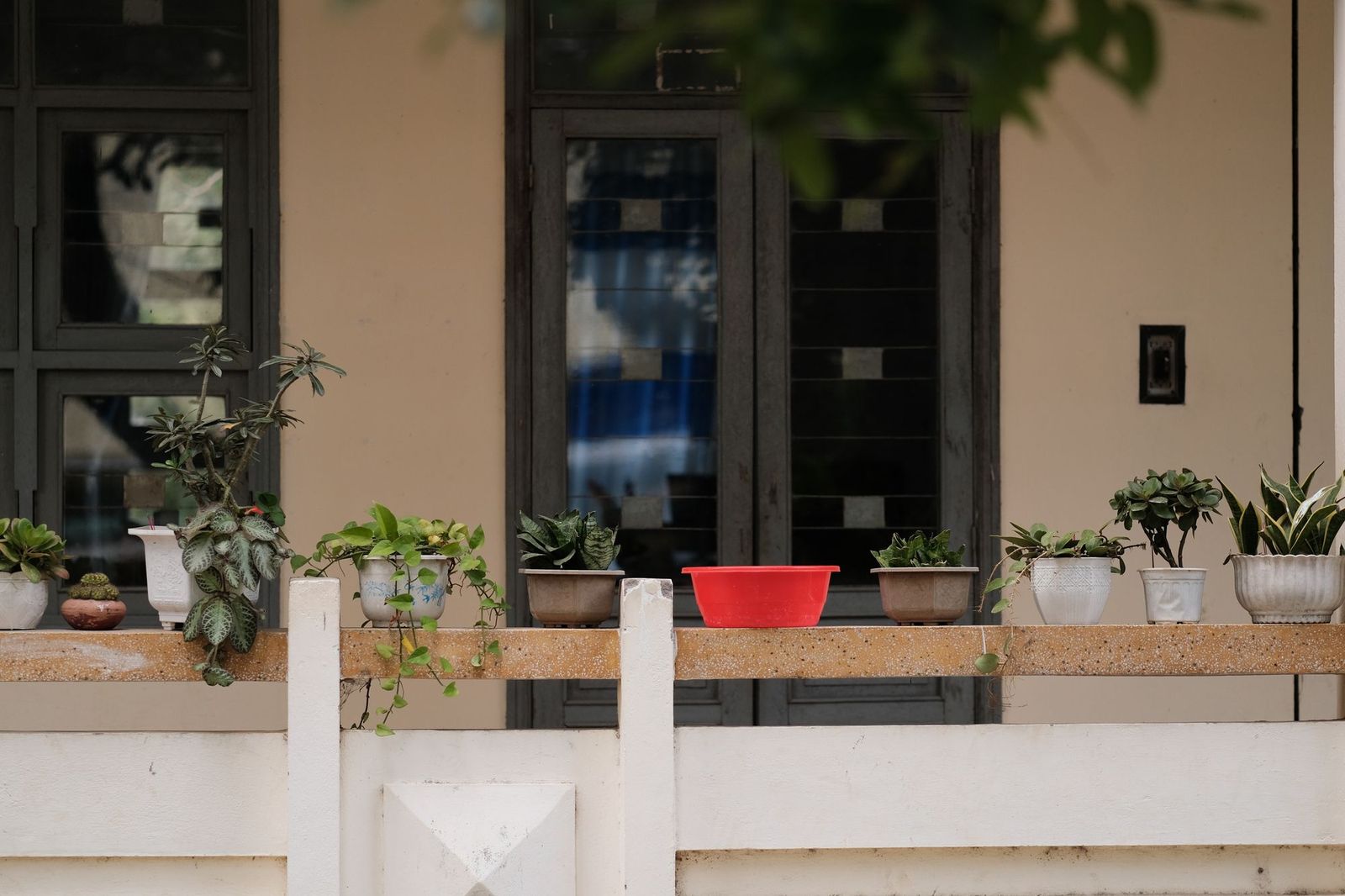
Photo: Pew Nguyen / Pexels
A balcony is not a small yard. It is a slab of concrete hanging in the weather, governed by a lease, floating above neighbors who will meet your drainage water personally, with every drop of water carried to it by hand and every pound of soil approved, or not, by the structure under it. Balcony gardens fail for balcony reasons, not gardening reasons. This page starts the garden in the order the constraints demand: rules, sun and wind, weight, drainage, water, and only then plants.
Our container gardening for beginners guide owns the general container method, pots, mix, and feeding. This page owns the balcony itself: the constraint set that decides whether a container garden is allowed to exist up there at all.
Interactive tool
Balcony Garden Checklist
Check off each step as you finish it. Your progress stays on this page.
0 of 8 complete
0% done
Step 1: The Rules Check, Before You Buy Anything
Read your lease and your building rules for the balcony clauses before a single pot is purchased. The common restrictions are specific: nothing attached to or hanging over the railing, no planters on the railing itself in some buildings, weight limits stated or implied, no watering that drips onto balconies below, and in stricter buildings, no visible clutter rules that a jungle of pots can trip. Homeowner association balconies add paint and appearance rules. A five minute email to the building manager asking what is permitted, planters inside the railing, a small shelf unit, a watering can routine, gets you a written answer you can rely on, and it surfaces the one rule that matters most: in nearly every building, everything you grow must live inside the railing line, on your slab, dripping into your saucers. Design inside that line from the start and no rule can surprise you later.
Step 2: Map the Sun and the Wind in One Day
Balcony light is not garden light. The building itself shades the slab for much of the day, the railing casts a moving band of shadow, and a south or west facing balcony can be a furnace of reflected heat off the wall while a north facing one never sees direct sun at all. Spend one day, ideally a day off, noting the sun at breakfast, midday, mid afternoon, and evening: how many hours of direct sun the floor gets, and where. That hour count is your planting plan: 6 or more hours grows tomatoes and peppers; 3 to 5 grows herbs, lettuce, and most flowers; under 3 is a foliage and fern balcony, which can be the most beautiful kind. Map the wind on the same day. Wind rises with floor height and funnels between buildings, and a tenth floor balcony can shred plants that thrive on the second floor. Note which corner is calmest; that corner is where tall and delicate plants live, and the exposed edge is reserved for low, tough, flexible planting. Everything on a balcony dries faster than the same pot at ground level, because the pot is surrounded by moving air on all sides including underneath. Budget your watering expectations accordingly.
Step 3: The Weight Budget, in Pounds
Wet soil is heavy, pots are heavier than they look, and the balcony slab has a limit whether or not anyone told you what it is. Work the numbers before the garden center does it for you. One incumbent figure worth planning around: a 16 inch glazed ceramic pot filled with wet mix can weigh 50 pounds or more, before the plant. Residential balconies are commonly discussed at 40 to 60 pounds per square foot of load, and while your building's real figure is an engineering question, the planning lesson is usable without it: weight concentrates. Five big pots in a row along one edge is a different load from the same five spread across the slab. Practical rules follow. Choose fabric grow bags, resin, and plastic pots over ceramic and terracotta at scale; a fabric bag of the same volume can weigh half what the glazed pot weighs wet. Keep the largest containers against the wall and over the slab's supported edges rather than cantilevered at the railing line. Fill the bottom of very large pots with the mix itself rather than rocks, which add weight without helping drainage, and never with gravel layers that just move the water table up. A balcony garden of a dozen medium pots in lightweight containers is a modest, spread load; the same garden in glazed ceramic clustered at the edge is a conversation with the building.
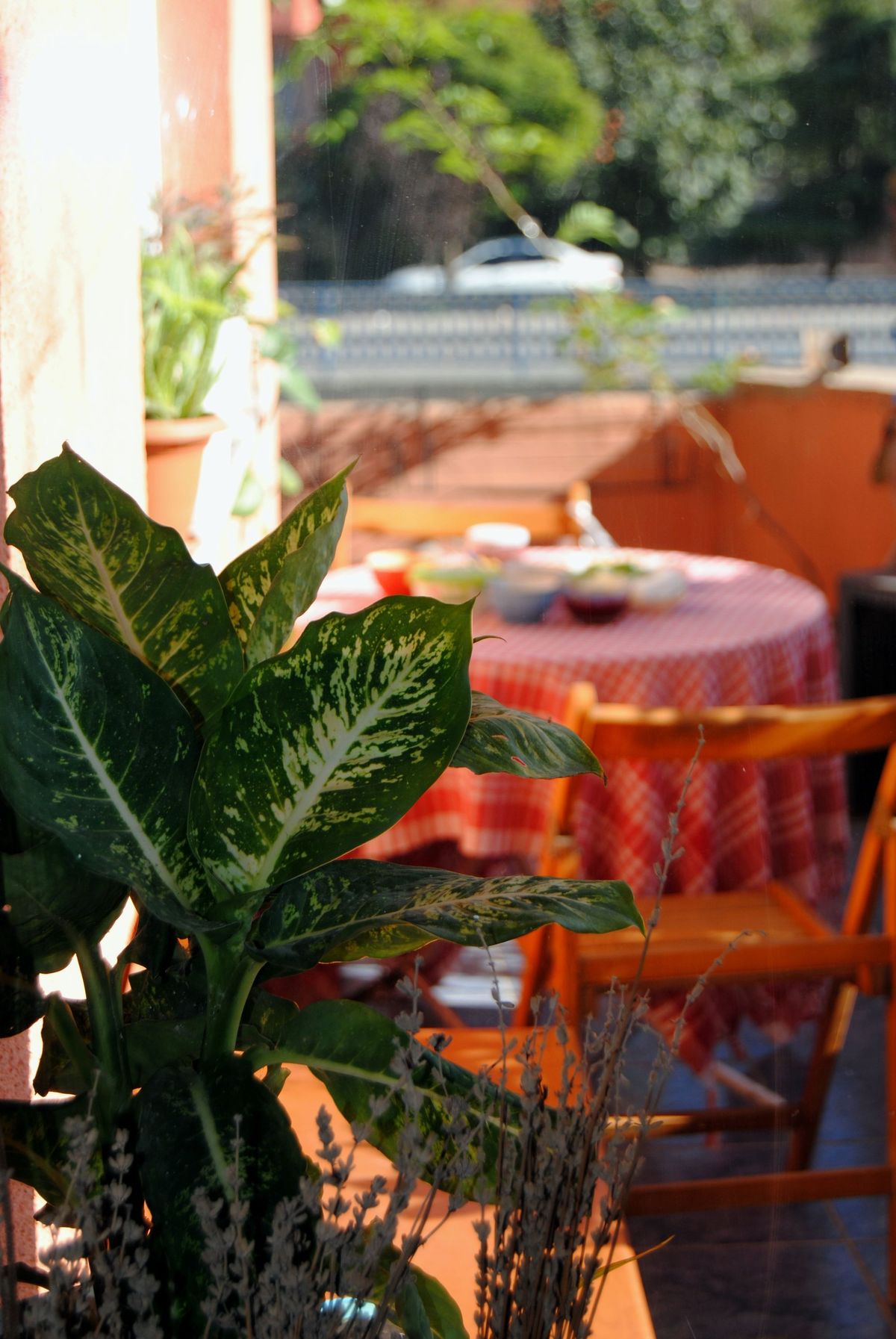
A small balcony arranged with potted plants, seating, and greenery
Step 4: Drainage That Keeps the Neighbors Dry
The fastest way to become a building problem is to water through your pots onto the balcony below. Every pot on the slab sits in a saucer or tray deep enough to catch a full watering's runoff, and the routine is non negotiable: water, wait ten minutes, and if the saucer is still holding water, that water goes back into the can or onto a thirsty plant, not over the edge. Self watering pots and reservoir planters earn their price on balconies precisely here, because the reservoir holds the excess inside the pot instead of on the slab. Railing planters that hook over the top rail are banned in many buildings and drip outward by design; where planters are allowed, choose the saddle style that sits astride the rail inside your line, or better, a shelf or stand inside the railing that holds pots at rail height with none of the risk. The slab itself should stay dry: standing water on concrete stains it, grows algae slick enough to slip on, and in freeze country, works into the surface all winter.
Step 5: Water, Carried by Hand
There is no hose bib on most balconies, which means the garden's water supply is you, carrying a can through your own home. Plan the garden to the carrying, not the other way around. A 2 gallon can weighs about 17 pounds full and waters roughly four to six medium pots in summer; a garden of twenty thirsty pots in July is a daily workout with a spill route through your living room. The levers that shrink the carrying: fewer, larger pots, which hold more water per plant than many small ones; mulch on every pot surface, which stretches each watering by days; self watering reservoirs for the thirstiest crops; and crop choice that respects the logistics, herbs and greens and peppers sip, while a tomato in full fruit on a hot balcony drinks like it is training for something. A drip kit fed from a reservoir bucket is the upgrade that changes balcony life entirely once the garden proves itself, but the first season should run on the can, because the can teaches you what each pot actually drinks.
Step 6: The First Fleet, 3 to 5 Pots
Start with 3 to 5 pots, matched to your sun map, and grow the fleet only after a month of rhythm. A proven first fleet for a sunny balcony: one large pot, 10 gallons or more, with a determinate tomato or a pepper as the anchor; one medium pot of the herbs you actually cook with; one wide shallow trough of lettuce or salad greens you can cut weekly; and one flower pot for the pollinators and for you. For a shady balcony, swap the tomato for a fern or a foliage pot and lean into herbs that tolerate part sun, like mint in its own pot, always its own pot. Use potting mix, never garden soil, which compacts in containers, drains badly, and imports weeds and disease to a slab you cannot rotate away from. Feed lightly and regularly, because container mix holds little nutrition and every watering washes some away: a half strength liquid feed every couple of weeks in season is the standard rhythm. The checklist below sequences the whole start, rules to first harvest, in the order that keeps a balcony legal, light, dry, and alive.
The First Month: Rhythm, Losses, and the Second Decision
A balcony garden's first month teaches its owner the real numbers: which pots dry in a day and which in four, how many can trips a week the garden actually costs, and where the sun map lied, because every balcony has a corner that behaves differently than the day of mapping promised. Keep the fleet small through this month precisely so the lessons are cheap. Expect one loss; a plant that sulks from week one in a spot the map said was right is information, not failure, and replacing it with the plant the corner is actually asking for is the second decision every balcony gardener makes. By the end of the month the routine should run itself: a watering round at a fixed time, saucers checked as part of the round, the fleet's thirst ranked in your head. Only then expand, one or two pots at a time, each new pot admitted under the same rules as the first fleet: inside the railing, in a saucer, within the weight budget, and within the carrying budget. Balconies fail by enthusiasm in May and succeed by arithmetic in June; the garden that is still being watered in September is always the one that was sized by the arithmetic.
Frequently Asked Questions
How do I start a garden on a small balcony?
In constraint order. Check the building rules first, map your sun and wind for a day, set a weight budget with lightweight pots spread across the slab, put every pot in a saucer so nothing drips below, and start with 3 to 5 pots sized to the water you can carry. Grow the fleet after a month, not before.
How much weight can a balcony garden hold?
It depends on the building, and the honest answer is to ask management and spread the load. Planning figures in common use put residential balconies around 40 to 60 pounds per square foot, and one 16 inch glazed ceramic pot of wet mix can weigh 50 pounds or more. Fabric and resin pots, weight spread out, and the biggest pots against the wall keep a normal garden comfortably modest.
What grows best on a balcony?
What your sun map allows. Six or more hours of direct sun grows tomatoes, peppers, and most herbs and flowers. Three to five hours grows herbs, lettuce, and greens well. Under three hours is a foliage balcony: ferns, hostas in pots, and shade flowers, which need the least watering of any balcony garden.
How do I water a balcony garden without a hose?
By can, planned for. A 2 gallon can waters about four to six medium pots; mulch, larger pots, and self watering reservoirs stretch each trip. Water into saucers and empty any runoff back into the can so nothing drips to the balcony below. A reservoir fed drip kit is the worthwhile upgrade after the first season.
Can I hang planters on my balcony railing?
Often not, and the lease decides. Many buildings require everything inside the railing line, and over rail planters drip onto neighbors by design. The safer route to height is a shelf or stand inside the railing holding pots at rail level, with saucers under every pot.
Photo credits: Pew Nguyen (Pexels); Elif Çöküç (Pexels). Photos are served from this site; follow the credit to the library page for the original.