How Often to Water a Fiddle Leaf Fig: The Tree Form Watering System
By the Windchime Walker editorial team
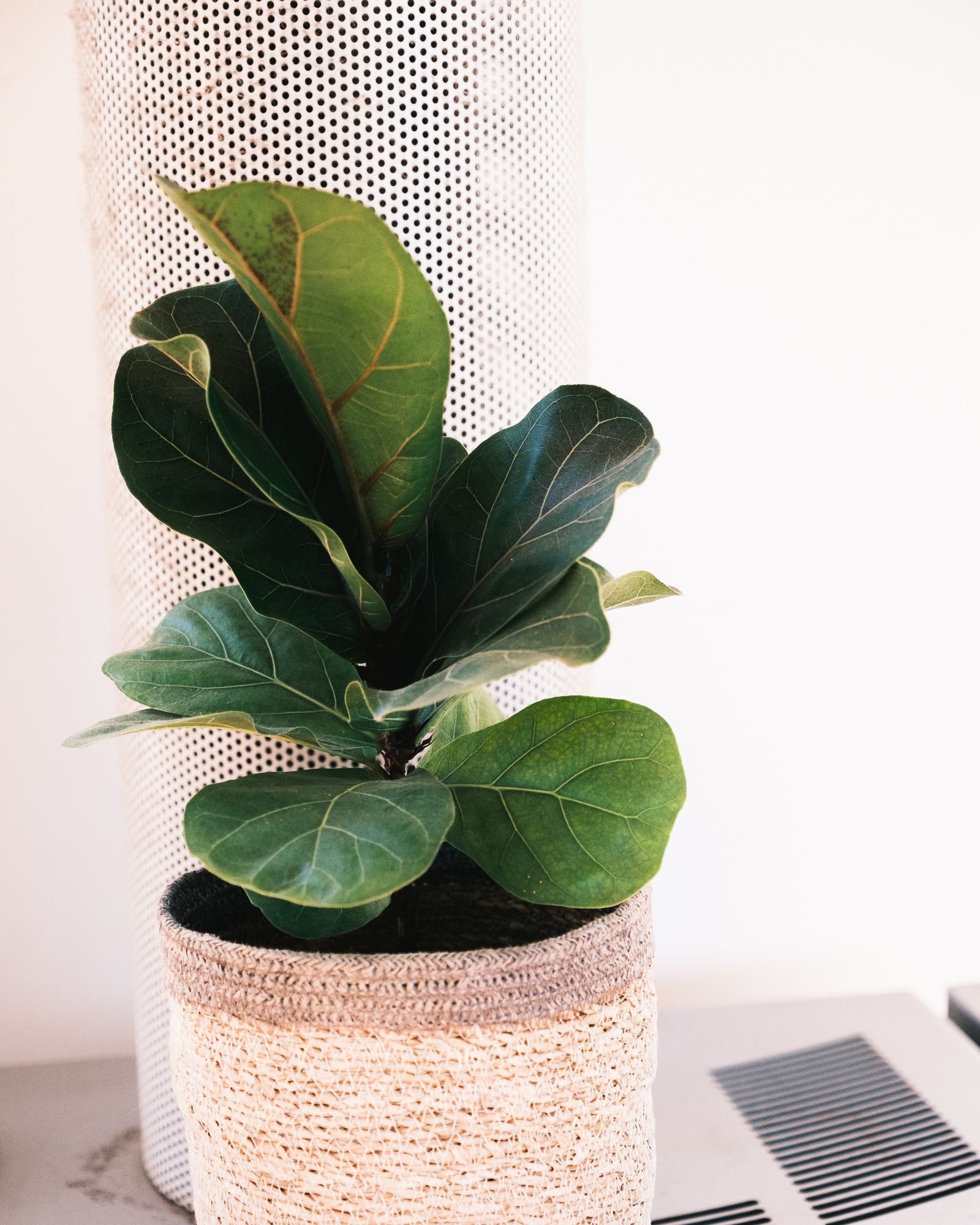
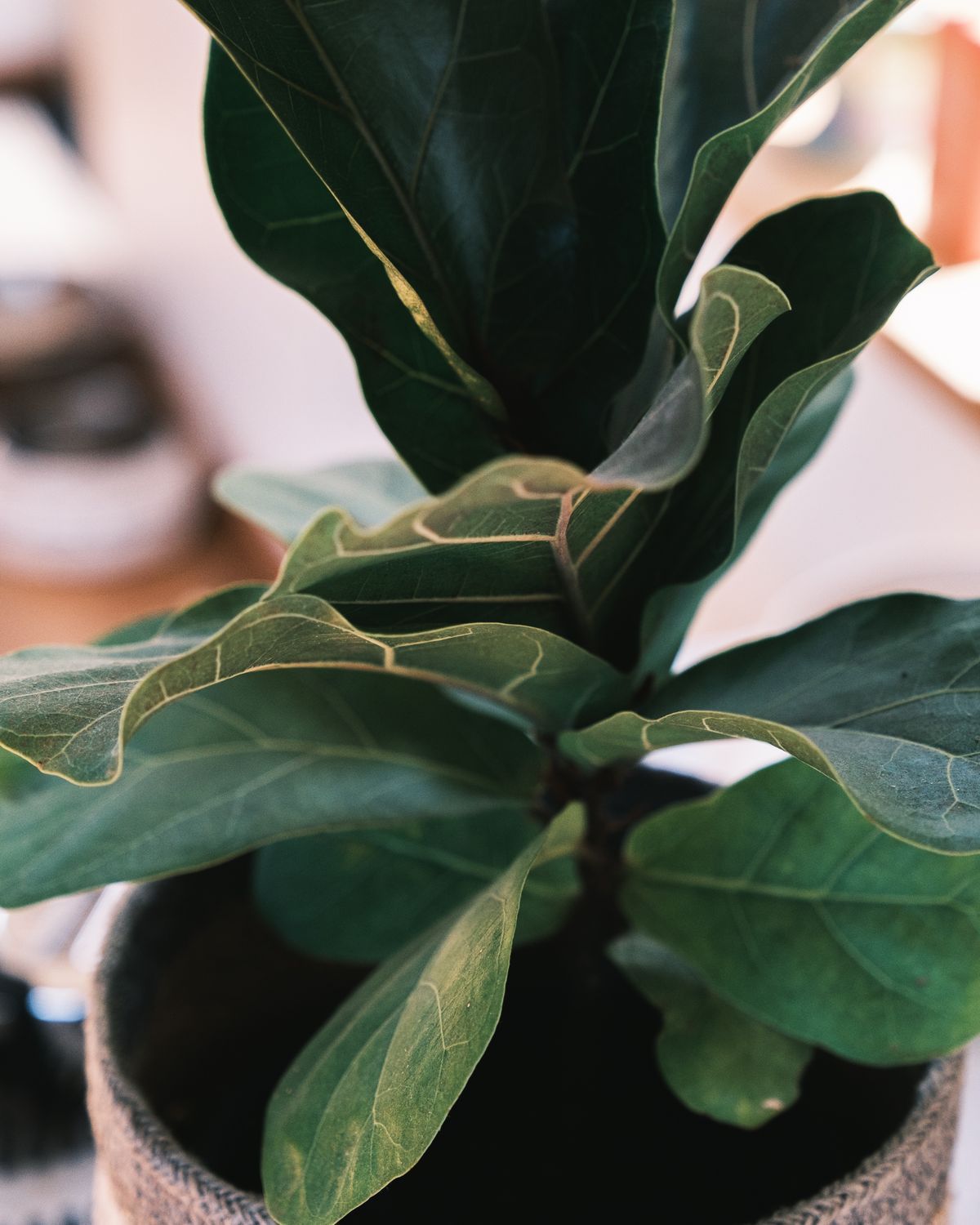
Photo: Lachlan Ross / Pexels
Ask how often to water a fiddle leaf fig and most advice quietly assumes a small plant in a 6 inch pot on a table. The plant most people actually own is a tree, 4 to 6 feet tall in a 10 to 14 inch pot on the floor, and its watering is a different job: more water per drink, a longer interval, and a dryness check that has to work on a pot you cannot lift with one hand. The rule itself is simple. Water when the top 2 to 3 inches of mix are dry, which lands at about every 7 to 10 days in the growing season and stretches to every 2 to 3 weeks in winter. Everything on this page is about running that rule honestly on a large plant.
Our houseplant watering chart owns intervals across many plants. This page owns the fiddle leaf fig alone, at tree size.
Interactive tool
Watering Volume Calculator: The Fiddle Leaf Fig Pot Audit
A tree form fiddle leaf fig in a 10 to 14 inch pot takes a real soak, not a splash. Enter your pot diameter as both length and width with a depth of 1 inch to see what one proper drink is in gallons, then water only when the top 2 to 3 inches have dried.
19.9 gallons
For 32 square feet at 1 inch deep. That is about 76 liters, or 10 trips with a standard 2 gallon watering can.
A rain gauge or a straight sided can set in the bed tells you when a sprinkler or soaker hose has actually delivered this depth. Time alone is a guess, because hose pressure varies from house to house.
The conversion is arithmetic, not opinion: one inch over one square foot is 144 cubic inches of water, and a US gallon holds 231 cubic inches, so each square foot at one inch takes 0.62 gallons.
The Check: Depth for Small Pots, Weight for Trees
The finger test works until the pot gets big. On a 6 or 8 inch pot, push a finger or a wooden chopstick 2 to 3 inches into the mix: dry at that depth, water; still cool and moist, wait. On a tree form plant in a 12 or 14 inch pot, the surface lies in both directions, dry on top while the root zone is still wet, or crusty on top while the bottom is swampy, and the pot is too heavy to judge by lifting casually. The reliable check at that size is weight done deliberately: learn the pot's weight just after a full soak and again when it is ready for water, by tipping it slightly with both hands or sliding a bathroom scale under one edge. A large fig pot swings several pounds between soaked and thirsty, and that swing is a clearer signal than the surface. A long wooden dowel pushed to the bottom and pulled out reads the deep moisture too: damp mix clings and darkens the wood. Pick one method and use it every time, because consistency is what turns a check into a measurement.
The Drink: Soak Volumes by Pot Size
When the check says water, the drink is a soak, not a splash: pour slowly over the whole surface until water runs freely from the drainage holes, give the pot 10 to 15 minutes, then empty the saucer or cachepot completely. NC State Extension's profile of this plant is blunt about why: the fiddle leaf fig is sensitive to overwatering and wants moist, well drained soil, which in practice means a full drink followed by a real drying interval, never a daily top up that keeps the bottom third permanently wet. Volume surprises people. A 10 inch pot takes roughly half a gallon to soak through; a 12 to 14 inch tree pot can take a gallon or more. The calculator above turns your pot's footprint into that number: enter the diameter as both length and width with a depth of 1 inch for a working estimate. Water that only wets the top half of a big pot trains the roots upward and leaves the deep root ball dry, which is how a plant can be both watered weekly and thirsty.
A fiddle leaf fig growing in a ceramic flowerpot
The Year: Growing Season Rhythm and the Winter Stretch
From spring through early fall, in bright light and active growth, expect the 7 to 10 day interval and watch it shorten during heat waves or when a flush of new leaves is expanding. New growth is a water expense: a tree pushing a dozen large leaves drinks noticeably faster than the same tree sitting still. In winter the interval stretches, to every 10 to 14 days in a bright room and 2 to 3 weeks in a dimmer one, because light, not temperature, is the throttle on how fast the plant uses water. The mistake is keeping the summer calendar running into December, which delivers water the plant cannot spend and parks it in the root zone. Let the check, not the calendar, set every drink, and let the interval be whatever the check says it is this month. Fertilizer rides the same rhythm: feed lightly in the growing season on a watering day, and not at all in winter.
Leaf Drop: Test Water Before Light and Shock
Leaf drop is the fiddle leaf fig's one alarm, and it has three common causes that need different responses, so diagnose before you react. Overwatering drop: lower and middle leaves yellow at the edges or develop brown patches, then fall, and the mix stays wet for many days after a drink. Fix the interval and the drainage, not the volume. Underwatering drop: leaves dry, curl slightly, and fall crisp, often after a missed stretch, and the pot is strikingly light. Soak fully and shorten the interval. Shock drop: a plant that was moved, repotted, or turned drops otherwise healthy green leaves within a week or two of the change. That plant needs stillness, not water: leave it in its new spot, water by the check, and let it settle. The diagnostic order matters because the instinctive response to any drop, watering more, is exactly wrong for the most common cause. A fig that drops a leaf or two after a move and then holds is fine; a fig losing leaves weekly on wet soil is drowning.
Pots, Drainage, and the Cachepot Trap
More large figs die in decorative cachepots than from any interval mistake. A cachepot with no drainage holds the runoff the saucer was supposed to release, and the bottom of the root ball sits in it for days. Either drill the pot, keep the plant in its nursery pot inside the cachepot and empty the cachepot after every watering, or move watering day to the sink or tub and let the plant drain fully before it goes back on display. Repotting follows the water too: size up only 2 inches at a time, because a small root ball in a large volume of fresh mix is a root ball surrounded by mix that stays wet far longer than the roots can dry it. Finally, rotate the tree a quarter turn at each watering if it stands against a wall of light; the rotation does not change the interval, but it keeps growth even so one side does not become a heavy, thirsty canopy the other side cannot support.
Water Quality, Dust, and the Occasional Shower
Two smaller topics ride along with this plant's watering and deserve straight answers. Water quality first: fiddle leaf figs are not notably sensitive to ordinary tap water, and the brown tip panic that belongs to spider plants and dracaenas is not a fiddle leaf fig pattern. If your water is heavily chlorinated, letting a filled can stand overnight before watering day is a free and harmless habit, but rainwater systems and distilled water are effort this plant does not repay. Dust is the real leaf issue. The leaves are large, horizontal, and glossy, which makes them dust shelves, and a dusty leaf photosynthesizes measurably worse than a clean one, which slows the plant's drinking and muddies your interval. Wipe the leaves with a damp cloth every month or two, supporting each leaf from beneath so it does not tear at the stem. Once or twice a year, a full shower in the tub or a gentle hose down outside doubles as the deepest watering of the season and the best pest inspection you will ever do, because you see every leaf underside at close range. Schedule it as a watering day, let the plant drain completely afterward, and the tree returns to its corner clean, soaked, and checked, which is the state the whole system on this page is designed to produce.
Frequently Asked Questions
How often should I water a fiddle leaf fig?
When the top 2 to 3 inches of mix are dry: about every 7 to 10 days in the growing season for most rooms, stretching to every 2 to 3 weeks in winter or low light. On large tree form plants, judge by pot weight or a dowel to the bottom rather than the surface alone.
How much water does a fiddle leaf fig need at once?
Enough to soak the whole root ball and run from the drainage holes: roughly half a gallon for a 10 inch pot and a gallon or more for a 12 to 14 inch tree pot. Then empty the saucer and let the mix dry to the check depth before the next drink.
Why is my fiddle leaf fig dropping leaves?
Test in order: overwatering (yellowing, brown edged leaves, mix wet for days), underwatering (crisp dry leaves, very light pot), then shock from a move or repot (healthy green leaves falling within two weeks of a change). Each cause has a different fix, and watering more is wrong for the most common one.
Can a fiddle leaf fig recover from overwatering?
Usually, if the trunk is still firm. Stop watering until the mix dries to the check depth and beyond, confirm drainage is real, and remove any standing water habit. Leaves already damaged will not heal, but new growth from the top tells you the roots have stabilized.
Should I mist my fiddle leaf fig instead of watering?
No. Misting wets leaves, not roots, and does not substitute for a soak. The plant takes its water from the mix. Average household humidity suits it; what it cannot suit is a root ball that swings between swamp and dust, which is a watering rhythm problem, not a humidity problem.
Photo credits: Lachlan Ross (Pexels); Lachlan Ross (Pexels). Photos are served from this site; follow the credit to the library page for the original.