Best Plants for Beginners: Decide Where It Lives First
By the Windchime Walker editorial team
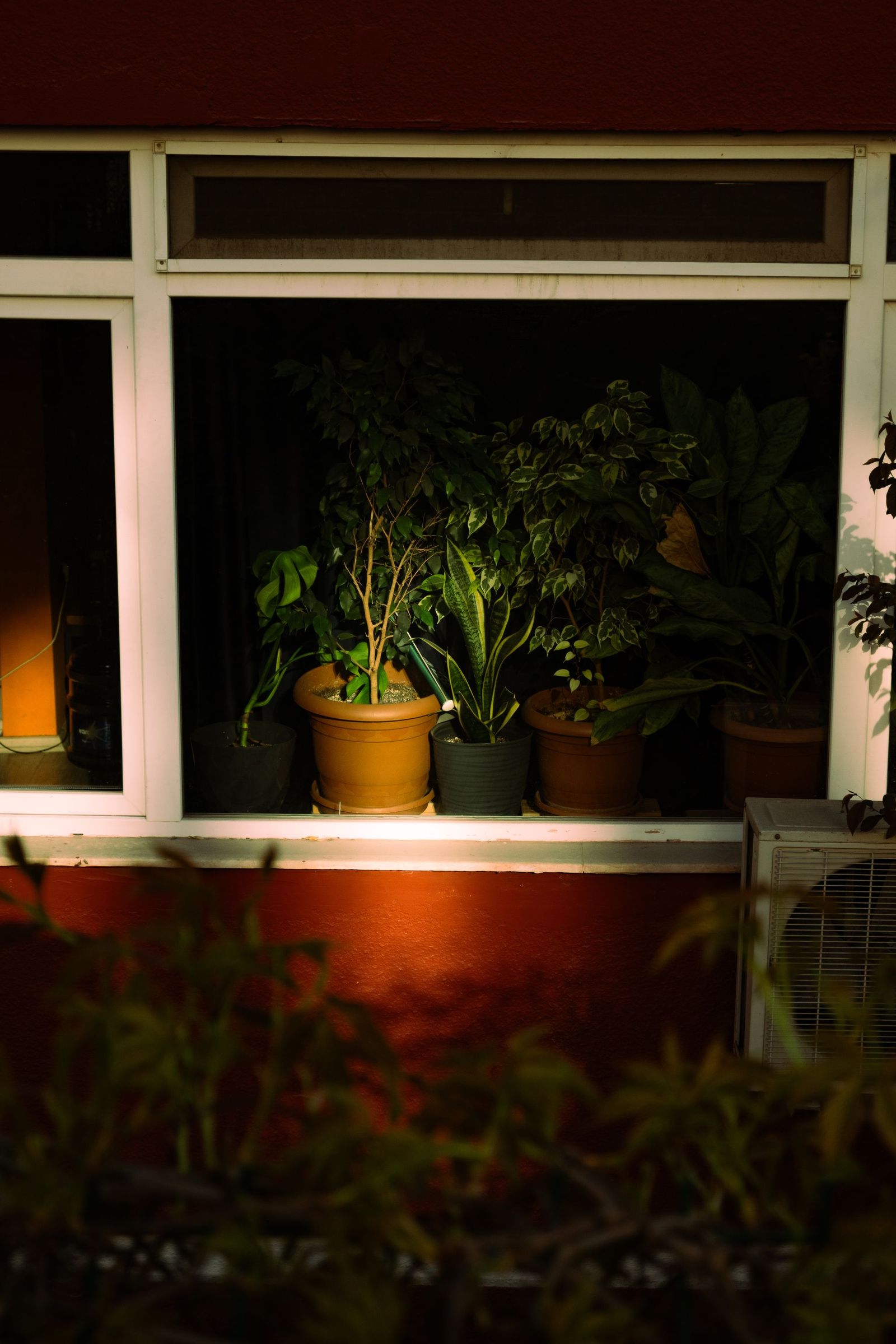
Photo: ilayda 0700 / Pexels
Ask a room of gardeners for the best beginner plant and you will get twenty answers, all of them true somewhere and most of them useless to you, because the question hides the decision that actually decides success: where will this plant live? A pothos on a bright windowsill and a pothos in a dark hallway are different plants with different fates. A marigold in full sun is a machine; a marigold in shade is a rumor. Species lists skip the address, and the address is the whole game.
This page works in the opposite order: decide the address first, then take the shortlist for that address. Our indoor companion guide owns the rooms of a house in depth, plant by plant and window by window, and our outdoor companion owns the yard by light and water. This page owns the first decision itself, the one a true beginner faces standing in the store with no garden at all yet: one plant, indoors or out, matched to your light, your pets, and your honesty about watering.
Interactive tool
First Plant Choice Checklist
Check off each step as you finish it. Your progress stays on this page.
0 of 6 complete
0% done
The Two Questions Before Any Plant
Question one: indoors or outdoors? Indoors means a pot, a window, and a plant that lives at room temperature all year, forgiving of seasons and dependent on you for every drop of water. Outdoors means soil or a bed, weather as a partner, and a plant that must match your climate and your sun. Neither is easier in general; each is easier for a particular person. Apartment dwellers, winter starters, and the plant curious usually begin indoors. Anyone with a sunny patch of ground and a taste for flowers or food begins outdoors.
Question two: who else lives there? Pets that chew leaves rule out a real list of popular houseplants, and the time to learn that is before the purchase, not from a vet bill. Pothos and ZZ plant, two of the most recommended beginner plants on earth, are both toxic to cats and dogs if eaten, a fact the ASPCA lists plainly and most listicles mention in a footnote. Spider plant, the third classic, is non toxic. Every pick below carries its pet flag so the decision is made with open eyes.
The Indoor Shortlist
Pothos is the forgiving vine: it tolerates low light (growing slowly), bright light (growing fast), missed waterings, and enthusiastic pruning, and its cuttings root in a jar of water, which turns one plant into a hobby. Pet flag: toxic if eaten, so it belongs on a high shelf in a pet home, or not at all.
Snake plant is the plant for the forgetful: upright swords that want bright light but accept dim corners, and water so rarely that the main way to kill one is kindness, watering it into root rot. Pet flag: toxic if eaten; its stiff leaves are at least uninteresting to most chewers.
Spider plant is the safe classic: arching striped leaves, baby plantlets on long stems, tolerance for uneven light and uneven watering, and a non toxic rating that makes it the default first plant for pet homes and classrooms. It asks for brighter light than the other two to keep its stripes, and forgives nearly everything else.
ZZ plant survives offices with no windows and owners with no memory, growing from rhizomes that store water. Pet flag: toxic if eaten, and its glossiness attracts dust and toddlers equally; place it deliberately. For a first indoor plant with pets, spider plant wins; without pets, pothos wins on sheer feedback, because it grows visibly and tells you quickly that you are doing it right.
The Outdoor Shortlist
Marigold is the beginner flower that behaves like a vegetable: direct sow or transplant after frost, full sun, blooms until frost, and shrugs off heat that melts fancier flowers. French types edge a bed at 8 to 10 inches apart; the one way to disappoint a marigold is shade.
Zinnia is the cutting garden in a packet: sow after frost about a quarter inch deep, thin to about a foot for tall types, pinch once for branching, and cut flowers all summer with the more you cut, the more they branch logic that makes beginners feel like florists. Zinnias want sun and air movement; crowded, wet leaves invite mildew, which spacing prevents.
Daylily is the perennial doorway: a clump that returns every year, tolerates most soils, and blooms reliably once established, teaching the beginner the great perennial lesson that some plants are bought for next year. Black eyed Susan and coneflower join it as the forgiving native backbone of a first border, and our perennials guide assembles them into a plan. Start outdoors with one annual for this summer's proof and one perennial for next year's promise, and you have begun both gardens at once.
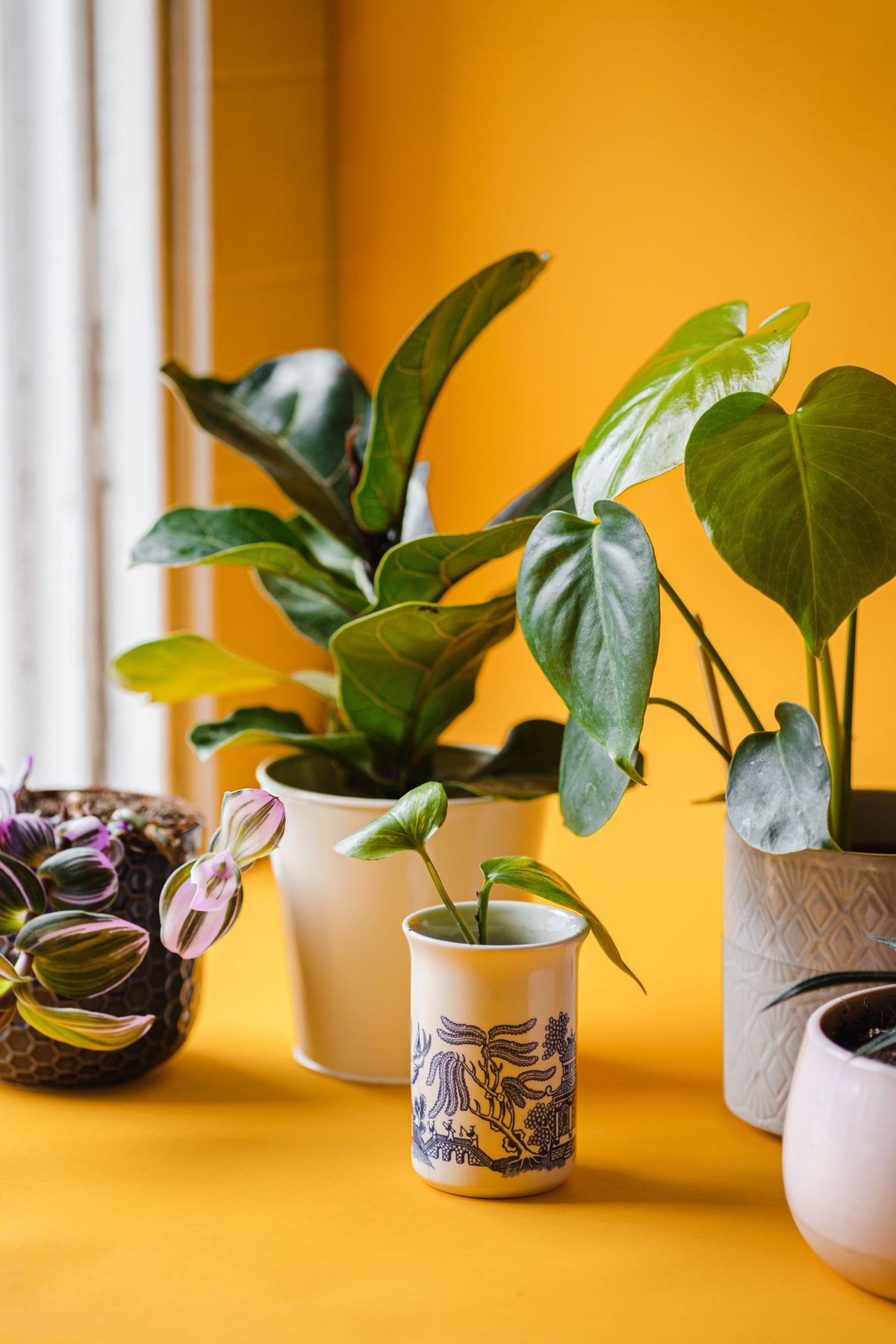
A collection of potted houseplants arranged against a bright yellow wall
Match the Plant to Your Watering Honesty
Every beginner plant death certificate, examined honestly, reads water: too much or too little, in a pot with no drainage, on a schedule copied from someone else's house. So choose by your real habits. If you are a daily fiddler who loves a routine, take a plant that enjoys attention: spider plant indoors, zinnia outdoors. If you travel, forget, and remember plants monthly, take the drought built ones: snake plant or ZZ indoors, daylily and sedum outdoors.
Then set the one piece of infrastructure that saves more plants than any advice: drainage. A pot with a hole and a saucer, soil that drains, and the habit of emptying the saucer. Indoors, more beginner plants drown in decorative pots without holes than die of any other cause. Outdoors, the equivalent is the puddle test: a spot that holds water a day after rain is a bog garden or a problem, and none of the plants on this page are bog plants.
Reading a Plant Label Like a Gardener
The shortlist above gets you to the store; the label gets you home with the right plant. Four lines matter. The light line (full sun, part shade, shade, or bright indirect indoors) must match the address you counted, not the address you hope the plant will somehow create. The mature size line tells you the plant's adult dimensions; a beginner who plants by the pot's current size is planting a surprise. The water line separates the drought built from the thirsty, and should match the watering honesty from the section above. And for houseplants, the pet line, which labels print inconsistently, so the ASPCA list is the referee when the label is silent.
Two label habits save money all season. Photograph the label before planting and file it with your notes, because the paper tag will fade to archaeology by July. And buy the plant whose label matches your conditions over the plant on sale whose label almost matches; a discounted plant in the wrong light is not a bargain, it is a slow refund request.
What a First Plant Teaches, Week by Week
It is worth knowing what the first month is actually for, because it is not decoration. In week one, the plant teaches placement: you learn whether the spot you counted as bright is bright at the hours the plant cares about, from the plant's posture rather than your estimate. In week two, it teaches your water: the finger test on a real schedule reveals how fast your soil or your potting mix actually dries, a number no book can give you because it depends on your pot, your mix, and your rooms.
In week three, the plant teaches growth: new leaves on a pothos, a flower bud on a marigold, the small daily evidence that the arrangement works. This is the week beginners become gardeners, not because anything dramatic happens, but because they have kept a living thing thriving on purpose for twenty one days and have the evidence in front of them. In week four, the plant teaches appetite: you will want a second plant, chosen with the confidence of someone who has done it once. That appetite, arriving in that order, is the entire method of this page, and it is why the collection builders who start with twelve plants so often end with none: they bought the appetite before the evidence.
Indoors and Outdoors Are Two Doors Into the Same Garden
A last reassurance for the reader still standing between the two shortlists: the choice is a door, not a destiny. Indoor gardeners learn light and water on a windowsill and walk outside in spring with trained eyes; outdoor gardeners learn seasons in a bed and bring a pot in for winter with trained hands. The skills are the same skills (light counted honestly, water by measurement, one plant at a time), and the first plant, whichever side of the glass it lives on, is the teacher of all of them. Pick the door your life fits today, take the shortlist for that side, and begin.
The First Plant Protocol
Buy one plant. Not a tray, not a collection, one. Put it in its decided spot the day it comes home, water it in, and write the date and the plant's name on a label or in your notes. For the first month, your only jobs are to look at it when you pass, check its soil with a finger before watering, and notice what it does. A plant that thrives teaches you your light and your habits better than any quiz; a plant that sulks teaches you faster, and one sulking plant is tuition, while twelve sulking plants is a discouragement spiral that ends first gardens.
After a month of success, and only then, add the second plant, ideally a contrast: if the first was foliage, the second flowers; if the first was indoors, the second can be the outdoor experiment. This is the whole method, and it scales: the gardeners with houses full of thriving plants mostly built them one honest success at a time, however the photos look now.
When the First Plant Dies Anyway
It happens, even with the address decided and the water measured, and the response separates gardeners from shoppers. A dead first plant is data with a small tuition: read it before replacing it. A plant that yellowed from the bottom in wet soil drowned, and the fix is drainage, not a different species. A plant that crisped at the edges in a south window wanted less direct sun or more water than its label's optimism implied. A plant that stretched pale toward the glass was light starved, and the fix is a different address, the lesson of this whole page learned the experiential way. Write the cause in your notes in one sentence, change exactly that variable, and buy the same plant again if you still like it; the second attempt, informed, succeeds at a rate that surprises people, and the confidence it builds is worth more than a lucky first success, because it teaches that plant death is a diagnosable event rather than a verdict on the gardener. The only true failure available here is buying twelve more plants to avoid reading one dead one.
Frequently Asked Questions
What is the single best plant for a total beginner?
If it lives indoors and pets chew, spider plant: non toxic, tolerant of uneven light and watering, and visibly responsive. Indoors without pets, pothos, for its speed and forgiveness. Outdoors, a marigold for this summer and a daylily for every summer after, in full sun.
Which beginner plants are safe around cats and dogs?
Spider plant is the classic non toxic pick. Pothos, snake plant, and ZZ plant are all listed as toxic if eaten, per the ASPCA, so in a pet home they belong out of reach or off the list. Check every plant before buying; our indoor guide carries the pet notes room by room.
How do I know if my spot has enough light?
Watch it on a real day and count hours of direct sun. Six or more hours is full sun for outdoor purposes; a bright windowsill that never sees direct sun is medium light indoors, however bright it feels. Match the plant to the counted light, not the hoped for light.
Why do my houseplants keep dying?
Usually water, in a pot without drainage. The fix is infrastructure before advice: a pot with a hole, a saucer you empty, soil that drains, and the finger test before every watering. More beginner houseplants drown than thirst, snake plants most of all.
Should my first plant be indoors or outdoors?
Follow your space and season. No outdoor space, or a winter start, points indoors. A sunny patch of ground and a wish for flowers or food points outdoors. The two tracks share one rule: one plant first, placed deliberately, watched for a month.
How many plants should I start with?
One. A month of success with one plant teaches your light, your water, and your habits, and earns the second plant. Collections bought in one weekend fail together and teach nothing except discouragement.
Photo credits: ilayda 0700 (Pexels); Olga Lioncat (Pexels). Photos are served from this site; follow the credit to the library page for the original.