How Deep to Make a Raised Garden Bed: Three Depths, One Decision
By the Windchime Walker editorial team
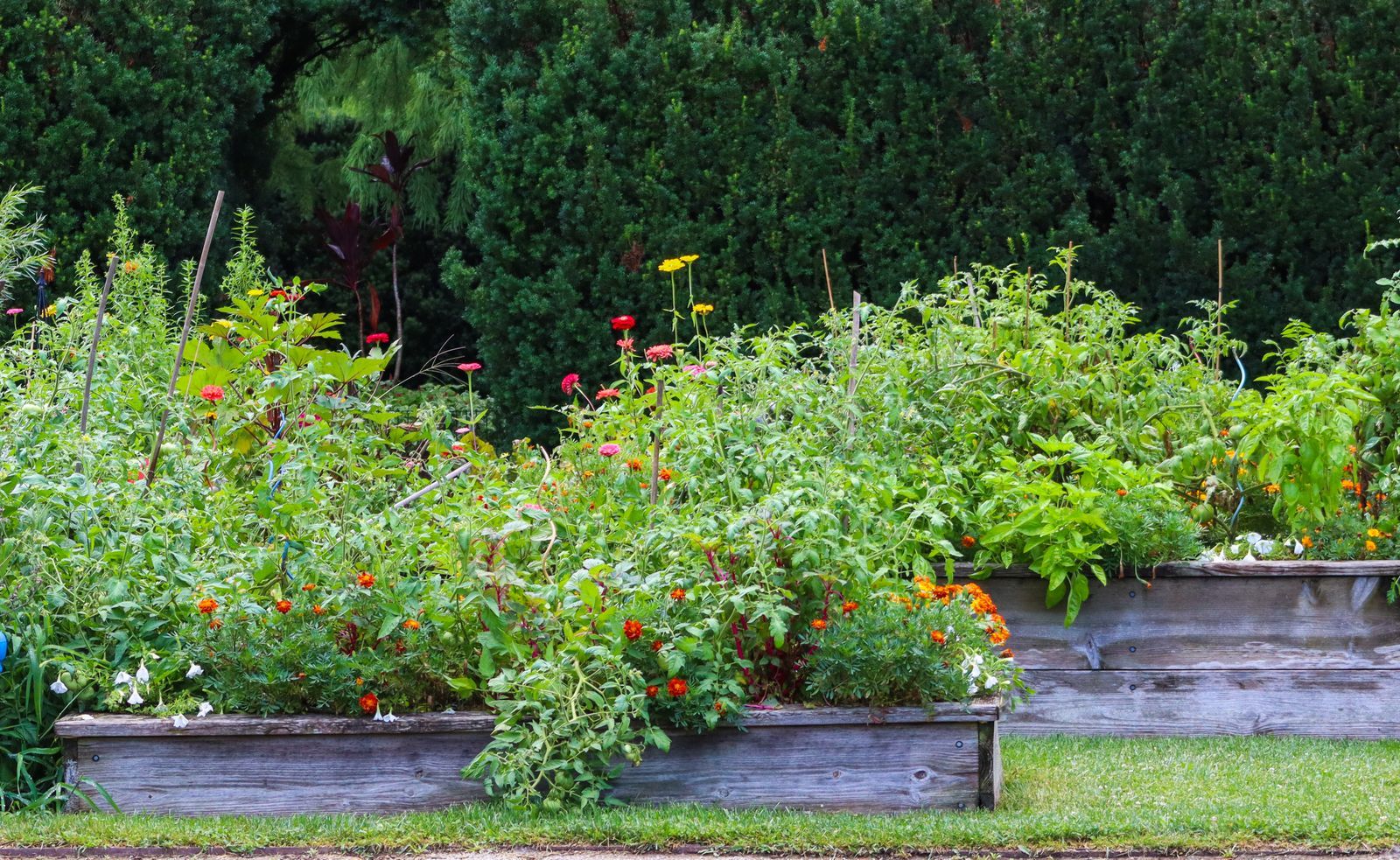
Photo: Karen F / Pexels
Ask how deep a raised bed should be and you will collect confident answers from 6 inches to 3 feet, all of them right about different things. The confusion is that three different depths share one word. Frame height is how tall the boards are. Soil depth is how much soil the roots actually get inside the frame. Root depth is how far down the plant wants to grow, which on open ground continues into the earth below the bed. Separate those three numbers, and the decision becomes a short table and a priced soil order instead of an argument.
The short answer, for the most common case: over open ground, 10 to 12 inches of soil grows nearly every vegetable well. Salad greens and herbs manage in 6 to 8 inches. Deep rooted crops such as carrots and potatoes want 12 to 18 inches or more. On concrete or another hard surface, where roots cannot continue downward, 18 inches is the practical minimum for a general bed. Everything below explains those numbers, and the Raised Bed Soil Calculator on this page prices whichever depth you choose, because every extra inch is soil you have to buy.
Interactive tool
Raised Bed Soil Calculator: Price the Depth Before You Build
Depth is a buying decision: every extra inch is soil you pay for. Enter your bed size and the depth you are considering, and see the volume and bag count before you cut a board or order a load.
32.0 cubic feet of soil
That is 1.19 cubic yards in bulk, or about 22 bags at 1.5 cubic feet or 16 bags at 2 cubic feet.
Filling a new bed with a 60/40 mix: 19.2 cubic feet of topsoil and 12.8 cubic feet of compost.
Loose soil settles after the first few waterings. Most gardeners add roughly a tenth more than the raw volume and top the bed up in the second season.
The math is plain geometry: length times width times depth. One cubic yard is 27 cubic feet. Bag counts are rounded up, because a half filled bed helps no one.
Depth One: Soil Depth, the Number That Feeds Roots
Soil depth is the measurement that matters to the plant, and it is set by the crop's root system, not by the lumber aisle. Shallow rooted crops, lettuce, spinach, radishes, and most herbs, draw their water and food from the top 6 to 8 inches and are content there. The great middle of the vegetable garden, beans, peas, cucumbers, peppers, and greens, uses 8 to 12 inches. Deep and hungry crops, tomatoes above all, reward 12 inches and use more if offered. Root crops are measured differently: the harvest itself is underground, so a carrot needs loose soil for the full length of the root you hope to eat, 12 to 18 inches for long varieties, and potatoes need depth both to grow in and to hill soil over as the season advances.
Crop group
Soil depth over open ground
Notes
Lettuce, spinach, radishes, herbs
6 to 8 inches
Shallow roots; also the container friendly group
Beans, peas, cucumbers, peppers
8 to 12 inches
The general bed depth of 10 to 12 covers these fully
One honest qualification: these depths assume the soil below the bed is ground the roots can enter. On open ground, a 10 inch bed over decent soil behaves deeper than its measurement, because roots cross into the earth beneath. That is why breaking up or at least loosening the ground under a new bed is worth ten minutes, and why the same bed on a hard surface plays by stricter rules.
Depth Two: The Hard Surface Rule
Set a raised bed on concrete, pavers, compacted gravel, or a rooftop, and the bed becomes a container with no bottom drainage into soil and no extra root room below. Everything the plant gets is inside the frame. For that case, 18 inches of soil is the practical minimum for a mixed vegetable bed, and shallow crops are the safer planting list if you build less. Drainage also changes character: water must leave through the frame's base and edges rather than soaking away, so hard surface beds dry at the top and can sit wet at the bottom in heavy rain. Gardeners on patios often do better with large fabric grow bags or true containers for exactly this reason, reserving framed beds for ground they can open.
Depth Three: Frame Height, the Number That Serves Your Back
Frame height is an ergonomics decision wearing a soil costume. An 11 or 12 inch frame, two common boards high, is the standard vegetable bed: enough soil for the general garden, low enough to step over and to reach across a 4 foot width. A frame of 17 to 24 inches reduces bending and suits gardeners who want to work seated on the edge or standing straighter, and frames of 24 to 30 inches serve wheelchair gardeners and anyone whose back has filed a formal complaint. The crucial trick: a tall frame does not need to be filled with soil to the top. Fill the bottom with plain topsoil, logs and branches in the hugelkultur style, or other clean fill, and put the good blended soil in the top 10 to 12 inches where the roots live. The plants cannot tell the difference, your back gets the height, and your wallet skips the most expensive soil bill in gardening.
Reach sets the frame's other dimension. A bed you can access from both sides should be no wider than 4 feet, so the middle is within a comfortable 2 foot reach from either side. Against a wall or fence, 2 to 3 feet wide is the honest limit. A deep bed you cannot reach into is just a compost pile with ambitions.
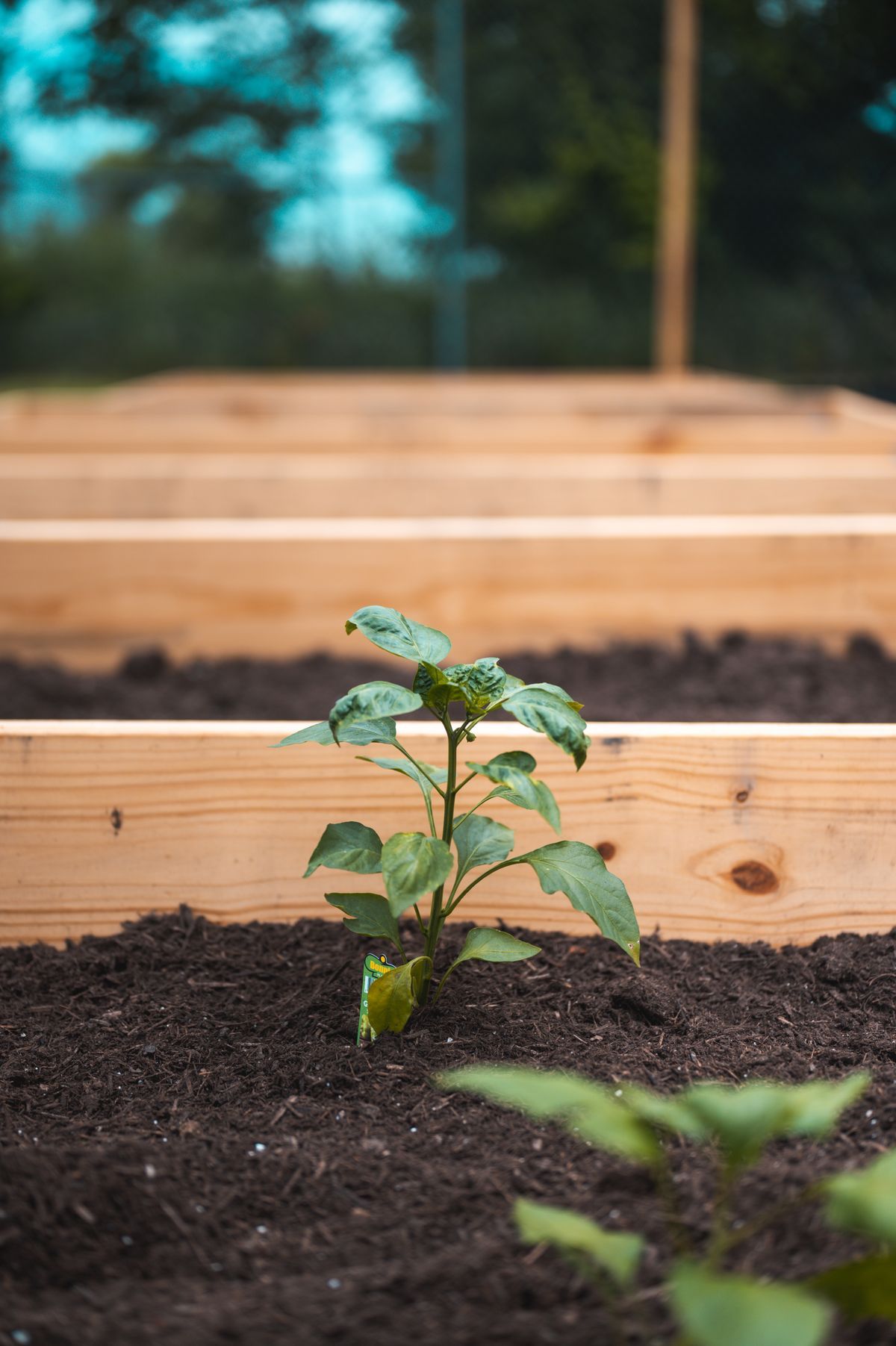
A young plant growing in a wooden raised bed
Pricing the Depth Before You Build
Depth is the most expensive decision in a raised bed, because soil is bought by volume and volume multiplies quietly. A bed 4 feet by 8 feet filled 12 inches deep holds 32 cubic feet of soil, about 1.2 cubic yards. Raise the fill to 18 inches and the same bed holds 48 cubic feet, half again as much money, hauling, and wheelbarrow trips. Go to 24 inches of full soil and you have doubled the original bill for root room that, over open ground, the earth below was providing free.
Run the calculator on this page with your bed's length, width, and candidate depths before you cut a board or order a load. Compare the 10, 12, and 18 inch numbers side by side. Most beginners discover that the standard 10 to 12 inch bed, with tall frames faked by fill if their back wants height, lands the garden they imagined at roughly half the soil cost of the deepest option they were considering. Build the depth the crops need, price it first, and let the lumber, not the soil, do the ergonomic work.
What Goes Wrong at Each Wrong Depth
Depth mistakes announce themselves in the plants, and reading them tells you whether to deepen next year's bed or relax. A bed that is too shallow for its crops over open ground usually forgives you, because roots escape downward, but the same shallow bed on compacted or poor subsoil produces a signature: plants that grow well in spring and then stall and thirst in summer, because their whole root run is a few inches of good mix over hardpan, and that thin layer dries fast. The fix is not always a taller frame; loosening the ground beneath the bed with a fork, so roots can cross into it, deepens the effective bed without a single new board or bag.
A bed that is too deep for its budget has the opposite signature, and it appears on the invoice rather than in the plants: soil costs that dwarf the lumber, a build that stalls half filled, and a gardener who quietly resents the garden before the first seed is sown. The other deep bed failure is subtler: filling the entire depth with rich, fluffy mix and watching it settle a quarter of its depth in the first season, leaving plants sitting in a crater below the frame's rim. All beds settle; deep beds settle dramatically. Fill proud, expect to top up after the first season, and know that the topping up is the planned second installment of the soil bill, not a surprise.
The third failure belongs to very tall beds filled carelessly: a frame of 24 inches or more built from single boards without bracing will bow outward under the weight of wet soil, because soil is heavy and water makes it heavier. Tall beds need cross bracing or sturdier construction, and the deeper the soil, the more the frame is a retaining wall and must be built like one. Depth, in other words, is not just a plant decision and a price decision; at the tall end it is a carpentry decision too, and the gardener who separates the three depths at the start, roots, wallet, and back, tends to get all three right in one build.
Deepening a Bed You Already Built Too Shallow
If an existing bed proves too shallow, you have three honest options, in ascending order of effort. The first is crop selection: plant the bed with the shallow rooted groups, salads, herbs, radishes, and beans, which are content in the depth you have, and give the deep crops to another spot. Many a 6 inch bed has had a long and productive life as a salad and herb bed, and redefining its job is a solution, not a surrender. The second is to fork the ground beneath: lift the soil mix aside in sections, or work between plantings, loosen the subsoil a fork's depth down and mix compost into the junction, so the bed's roots gain inches that no one can see. The third is to add a second frame course on top of the first, raising the walls and topping up with fresh mix, which converts a shallow bed into a standard one in an afternoon and is the right answer when the bed's job is truly the general vegetable garden. What does not work is piling soil into a mound above the frame and calling it depth; the mound sheds water, erodes at the edges, and gives the roots a hill instead of a bed. Depth is built with walls or borrowed from the ground below. Those are the only two honest sources of it.
Frequently Asked Questions
How deep should a raised bed be for vegetables?
For a general vegetable bed over open ground, 10 to 12 inches of soil grows nearly everything well. Shallow rooted crops such as lettuce, spinach, and herbs manage in 6 to 8 inches. Tomatoes reward 12 inches or more, and root crops such as carrots and potatoes want 12 to 18 inches of loose soil.
How deep does a raised bed on concrete need to be?
At least 18 inches for a mixed vegetable bed, because roots cannot continue into the ground below a hard surface, so everything the plant gets must fit inside the frame. If you build shallower on concrete, plant shallow rooted crops such as salads and herbs, or use large containers and grow bags instead.
Does a taller raised bed need to be filled entirely with soil?
No. Put clean fill, plain topsoil, or logs and branches in the bottom, and reserve the good blended soil for the top 10 to 12 inches where roots live. The plants get the depth they use, your back gets the frame height it wants, and you skip the largest soil bill in the project.
How much soil does a 4 by 8 foot raised bed hold?
At 12 inches deep, a 4 by 8 foot bed holds 32 cubic feet, about 1.2 cubic yards. At 18 inches it holds 48 cubic feet, about 1.8 cubic yards, and at 24 inches, 64 cubic feet, about 2.4 cubic yards. Use the soil calculator on this page to price your exact dimensions before ordering.
How wide should a raised bed be?
No wider than 4 feet if you can reach it from both sides, so the center stays within a comfortable 2 foot reach. Against a wall or fence, keep it to 2 to 3 feet. Never build a bed you have to step into, because stepping on the soil compacts it and undoes the raised bed's main advantage.
Is 6 inches of soil enough for a raised bed?
For lettuce, spinach, radishes, and most herbs over open ground, yes, 6 to 8 inches works, especially since roots can continue into loosened soil below the bed. For the general vegetable garden it is not enough: fruiting crops and root crops need the standard 10 to 12 inches or more to size up and to buffer watering between your visits.
Photo credits: Karen F (Pexels); Alfo Medeiros (Pexels). Photos are served from this site; follow the credit to the library page for the original.