The mum question is really two questions wearing one name, and answering the wrong one is why porch mums die in a week. The mum most people are asking about in fall is a florist or garden mum bought in full bloom, and it arrives in a state no other common plant matches: it has been grown hard in a small pot, and by sale day the pot is almost entirely roots, with very little soil left to hold water. That plant is checked daily and watered whenever the top inch is dry, which in warm fall weather means every day, and in a hot early autumn spell can mean twice a day. The other mum, a hardy garden mum planted in a bed, runs on a slower, ordinary rhythm. This page runs both, plus the rescue for a root ball that has dried past the point where top watering works, and the decision at the end of bloom that decides whether your mum was a disposable decoration or the start of a perennial. The in-pots, potted, and your-mums variants of this question fold into this article; the pot case is its main case.
Home / Gardening Basics for Beginners
How Often to Water Mums: The Root Bound Pot, the Bottom Soak Rescue, and the Garden Mum
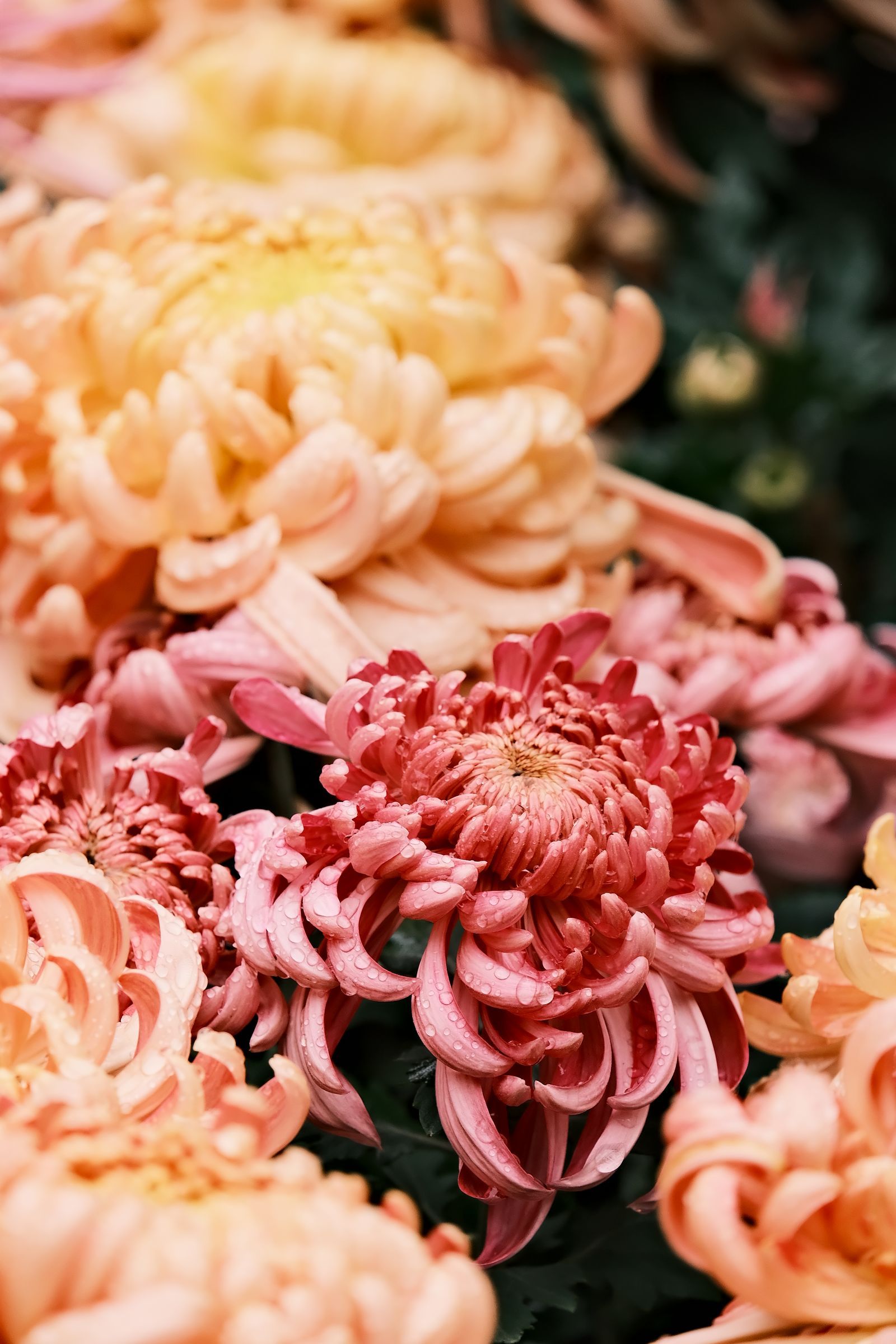
Photo: Lily Lili / Pexels
Watering Volume Calculator: The Mum Pot Audit
A nursery mum has filled its pot with roots and holds almost no reserve, so it drinks daily in warm fall weather. Enter your pot diameter as both length and width with a depth of 1 inch to size one thorough watering.
19.9 gallons
For 32 square feet at 1 inch deep. That is about 76 liters, or 10 trips with a standard 2 gallon watering can.
A rain gauge or a straight sided can set in the bed tells you when a sprinkler or soaker hose has actually delivered this depth. Time alone is a guess, because hose pressure varies from house to house.
The conversion is arithmetic, not opinion: one inch over one square foot is 144 cubic inches of water, and a US gallon holds 231 cubic inches, so each square foot at one inch takes 0.62 gallons.
The Root Bound Pot: Why This Plant Drinks Daily
Understand what you bought and the schedule makes sense. A blooming fall mum has spent its whole life being pushed: pinched, fed, and grown fast in a pot sized for shipping, not for the plant. Lift a store mum from its pot and you will find a solid cylinder of white roots with a whisper of mix between them. Soil is what holds water in a pot, and this pot barely has any, so the plant's reserve between drinks is measured in hours on a warm, windy porch rather than days. That is why the guidance for potted mums is a daily check rather than an interval: push a finger an inch into the mix every morning, and water thoroughly, at the base, until drainage runs, whenever that inch is dry. NC State guidance carried in the results puts hot early autumn demand at up to twice a day for container mums, and a small pot on a sunny, breezy porch in a September heat spell will prove it. As nights cool into the 50s the same plant stretches to every 2 to 3 days, because evaporation and the plant's own demand both fall. The calculator above sizes one full drink for your pot's diameter; with a root bound mum, nearly all of it is going to the plant, not the soil bank.
The Bottom Soak Rescue: When Water Runs Straight Through
Every mum owner meets the dried out root ball eventually: a pot missed for two hot days, light as paper, and top watering runs down the gap between the shrunken root ball and the pot wall and out the holes without wetting anything. The plant is not dead, and the fix is not more top watering. Set the whole pot in a bucket or sink of water deep enough to reach most of the pot's height and let it soak from the bottom for about 20 minutes, until the surface of the mix darkens with moisture wicking up and the pot feels heavy again. Lift it out, let it drain, and put it back on the daily check with a lesson learned. A mum rescued the same day it wilted usually drops only its lowest leaves and keeps blooming; one left dry for days sheds buds and browns at the edges, and no watering restores flowers that have already crisped. Prevention is placement and pot discipline: a mum in a decorative outer pot or foil wrap holds hidden runoff against its roots, so drain it after watering, and a mum moved into a larger pot with fresh mix at purchase gains the soil reserve it was sold without, at the cost of a few disturbed roots it will not miss.
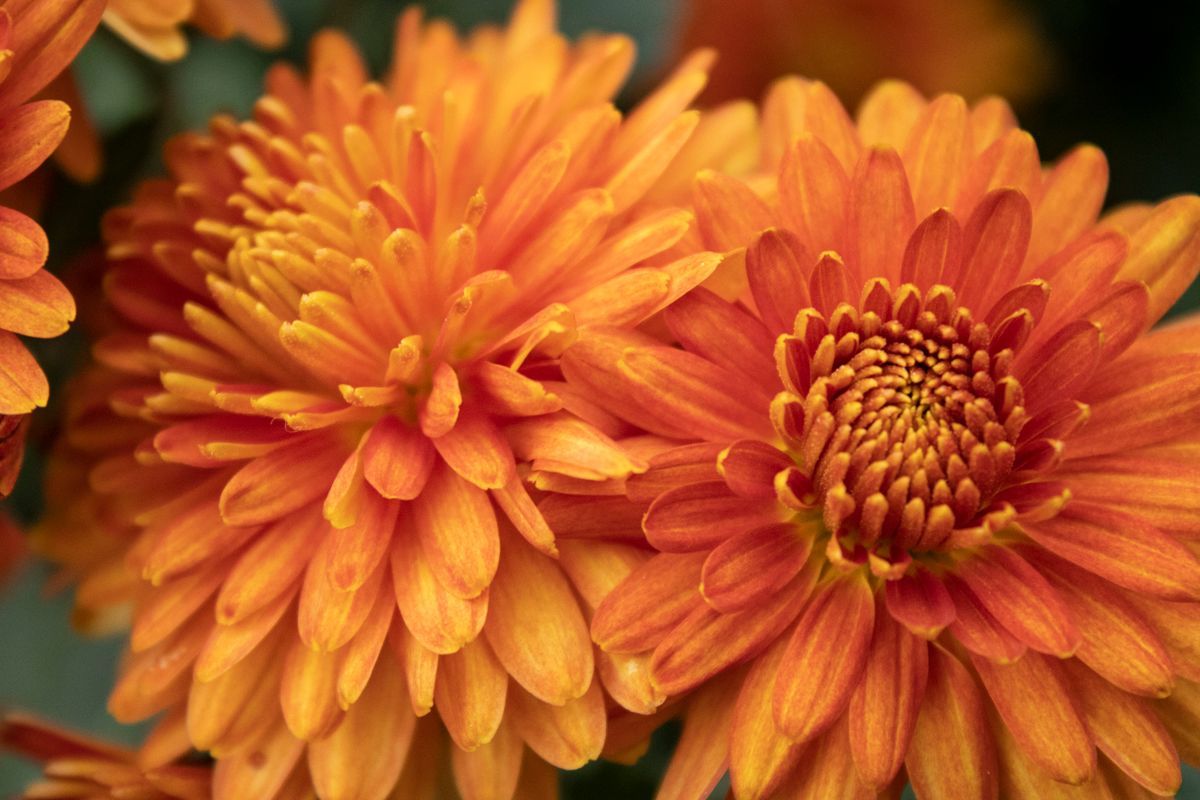
The Garden Mum: The Bed Rhythm and the Hardy Case
A hardy mum planted in the ground is a different water citizen. Newly planted in fall, it wants the transplant rhythm: deep watering at planting and a check every few days while it roots in, because its roots still live in the old pot shaped ball for the first weeks. Established in a bed, it runs on the ordinary perennial budget, about an inch of water a week in dry weather during active growth, less in cool spells, with the top inch check as the trigger and mulch doing its usual interval stretching work. Spring is the garden mum's real growing season, when the crown pushes new shoots and the plant builds the mound that will bloom in fall; water then is what sizes the plant, and a dry spring produces a small mum no fall watering can enlarge. Summer pinching, the traditional cut back by early July for a compact fall display, briefly raises water demand as the plant pushes regrowth. Winter watering is a non issue in cold climates, where the crown rests dormant under mulch, and a minor one in mild climates, where a long dry winter spell earns an occasional drink. Same species, two systems: the pot is a daily patient, the bed is a weekly one.
The End of Bloom Fork: Compost, or Plant It Out
When the flowers fade, the watering question changes into a keeping question, and the honest answer depends on which mum you have. Florist mums, the lush gift plants sold year round, are bred for the pot display and are poor garden prospects in cold climates; most are composted without guilt when bloom ends, and their watering simply stops. Hardy garden mums bought in fall can go into the ground, and fall planting has one rule that decides survival: get them in early enough, with at least several weeks before the ground freezes, water them in deeply, and mulch heavily after the ground cools, because a fall planted mum's roots are still shallow when winter heaves at them. Their first winter is the dangerous one, and spring survival is better for mums planted in spring, which is why experienced northern growers buy hardy mums in spring, plant and pinch them through summer, and let fall be the show rather than the planting date. Whichever fork you take, deadheading spent flowers during the display extends it, and water at the base throughout keeps the foliage diseases that spot mum leaves at bay. The plant was never hard to water. It was two plants, and now you know which one you are holding.
Frequently Asked Questions
How often should I water mums in pots?
Check them every day and water whenever the top inch of mix is dry. In warm September weather that usually means daily watering, and in a hot early autumn spell container mums can need water twice a day, per NC State guidance. Once nights cool into the 50s, the rhythm stretches to every 2 to 3 days. Water at the base until drainage runs, and empty any decorative outer pot or wrap so the roots never stand in runoff. The daily check, not a fixed schedule, is the rule, because a root bound mum has almost no reserve.
How do I revive a mum that dried out completely?
Bottom soak it. When a root ball dries fully it shrinks from the pot wall and top watering runs straight through without wetting the roots. Set the pot in a bucket of water reaching most of the pot's height for about 20 minutes, until the surface darkens and the pot feels heavy, then drain it and return to the daily check. A mum soaked the day it wilted usually loses only a few lower leaves. Buds and flowers that have already crisped do not recover, but the plant often blooms on.
How often do garden mums in the ground need water?
About an inch a week in dry weather during active growth, triggered by the top inch of soil drying, which is a far slower rhythm than the potted plant. Newly planted mums need more attention for their first weeks, a deep drink at planting and checks every few days while the root ball knits into the bed. Spring watering matters most, because that is when the plant builds the mound that blooms in fall. Cool weather and mulch both stretch the interval.
Why do my porch mums wilt so fast?
Because the pot is almost entirely roots. A store mum in full bloom has filled its shipping pot completely, leaving very little soil to hold water, so a warm, windy day empties its reserve in hours. Daily checking and thorough watering is the immediate answer. Potting the mum up into a larger container with fresh mix at purchase gives it the soil bank it was sold without and stretches the rhythm noticeably. A foil wrap or cachepot hiding standing water is the other common culprit, rotting roots that then cannot drink.
Can I keep a fall mum as a perennial?
Yes, if it is a hardy garden mum and you plant it out with time to root before the ground freezes, water it in deeply, and mulch heavily for its first winter. Northern growers often do better buying hardy mums in spring instead, planting and pinching them through summer for a bigger, better rooted fall display. Florist mums, the gift type sold in bloom year round, are bred for the pot and are usually composted after flowering in cold climates; keeping them is a houseplant project, not a garden plan.
Photo credits: Lily Lili (Pexels); Tatyana Pligina (Pexels). Photos are served from this site; follow the credit to the library page for the original.