Garden for Beginners: Choose Your First Garden Before You Plant It
By the Windchime Walker editorial team
Photo: Nemika F / Pexels
Most beginner advice rushes past the one decision that shapes everything else: what kind of garden to have. The steps for planting are nearly the same everywhere, but the garden itself can be a cluster of pots on a sunny step, a raised bed in the yard, a dug bed along the fence, or a border of herbs and flowers by the door. Each type asks a different amount of money, work, and commitment, and each grows a different list of things well. Choosing first, on purpose, is what separates a garden that fits your life from one that quietly becomes a chore.
This page is the choosing page. It compares the four beginner garden types honestly, on cost, effort, and what each grows best, and then gives a first planting list for each type, so the choice ends in plants rather than more reading. If you already know your type and want the step by step of starting, our start a garden guide owns those steps. This page owns the decision before them.
The Choose Your First Garden Checklist on this page walks the decision in order: your space, your sun, your time, and your budget, ending in the type that fits. Answer the four honestly and the checklist names your garden.
Interactive tool
Choose Your First Garden Checklist
Check off each step as you finish it. Your progress stays on this page.
0 of 6 complete
0% done
The Four Questions That Choose Your Garden
Before the types, the facts about your situation, because the right garden is the one that matches them. First, space: do you have a yard, a patio or balcony, or only a sunny step and a windowsill's worth of outdoors? Second, sun: how many hours of direct sun does your best spot get, counted honestly through a day? Most vegetables need 6 or more hours; herbs and flowers offer more shade tolerant choices. Third, time: can you give the garden twenty minutes most days in season, or does it need to survive on weekend attention? Fourth, budget: are you spending the price of a few bags of soil this year, or building something meant to last a decade?
None of these answers is the wrong answer. A balcony with four hours of sun is a fine home for herbs and salad leaves in pots and a poor home for tomatoes, and knowing that before you buy is the entire value of choosing first. Gardeners fail by mismatch, not by incompetence: the right plants in the wrong type of garden, tended by a person whose life the garden never fit.
Type 1: The Container Garden
A container garden is plants in pots, grow bags, buckets, or window boxes, filled with potting mix rather than garden soil. It is the lowest cost way in, the fastest to start, and the only option for many renters and apartment dwellers. A container garden can begin this afternoon with three large pots and a bag of mix.
What it grows well: herbs of every kind, salad leaves and radishes, peppers and cherry tomatoes in large pots, strawberries, and nearly any flower. What it asks: watering, and more of it than any other type, because a pot holds a small reserve of moisture and dries fast in sun and wind; in high summer, daily watering is normal. What it costs: the least to start, though good potting mix is the recurring expense. Its hidden virtue is forgiveness: a pot in the wrong place can be carried to a better one, and a failed plant empties one pot, not a bed.
First planting list for containers: basil, mint (always in its own pot, because it invades), parsley, cherry tomatoes in the largest pot you have, a hot or sweet pepper, loose leaf lettuce, and marigolds for color and company. Fill every pot to within an inch of the rim, because mix settles, and choose pots with drainage holes, always.
Type 2: The Raised Bed Garden
A raised bed is a frame of boards, blocks, or metal, set on the ground and filled with a mix of topsoil, compost, and other organic material. It is the beginner favorite for good reasons: the soil inside starts out loose, rich, and nearly weed free, the edges are defined so the garden never creeps, and you never walk on the soil, so it never compacts under your boots.
What it grows well: nearly every vegetable, at close spacing, in tidy rows and grids, which makes it the best type for a serious kitchen garden on a small footprint. What it asks: the highest startup effort of the four, one weekend of building and filling, and then the lowest weekly effort of any in ground option. What it costs: the most to start, between lumber and the soil to fill it, and the least to maintain. Depth matters and is its own question: most vegetables are happy with 10 to 12 inches of soil over open ground, and our raised bed depth guide works through the numbers crop by crop.
First planting list for a raised bed: tomatoes with a cage, bush beans, zucchini (one plant, and respect its space), lettuce and spinach in the cool shoulders of the season, carrots in the deepest corner, and a row of marigolds along the sunny edge.
Type 3: The In Ground Garden
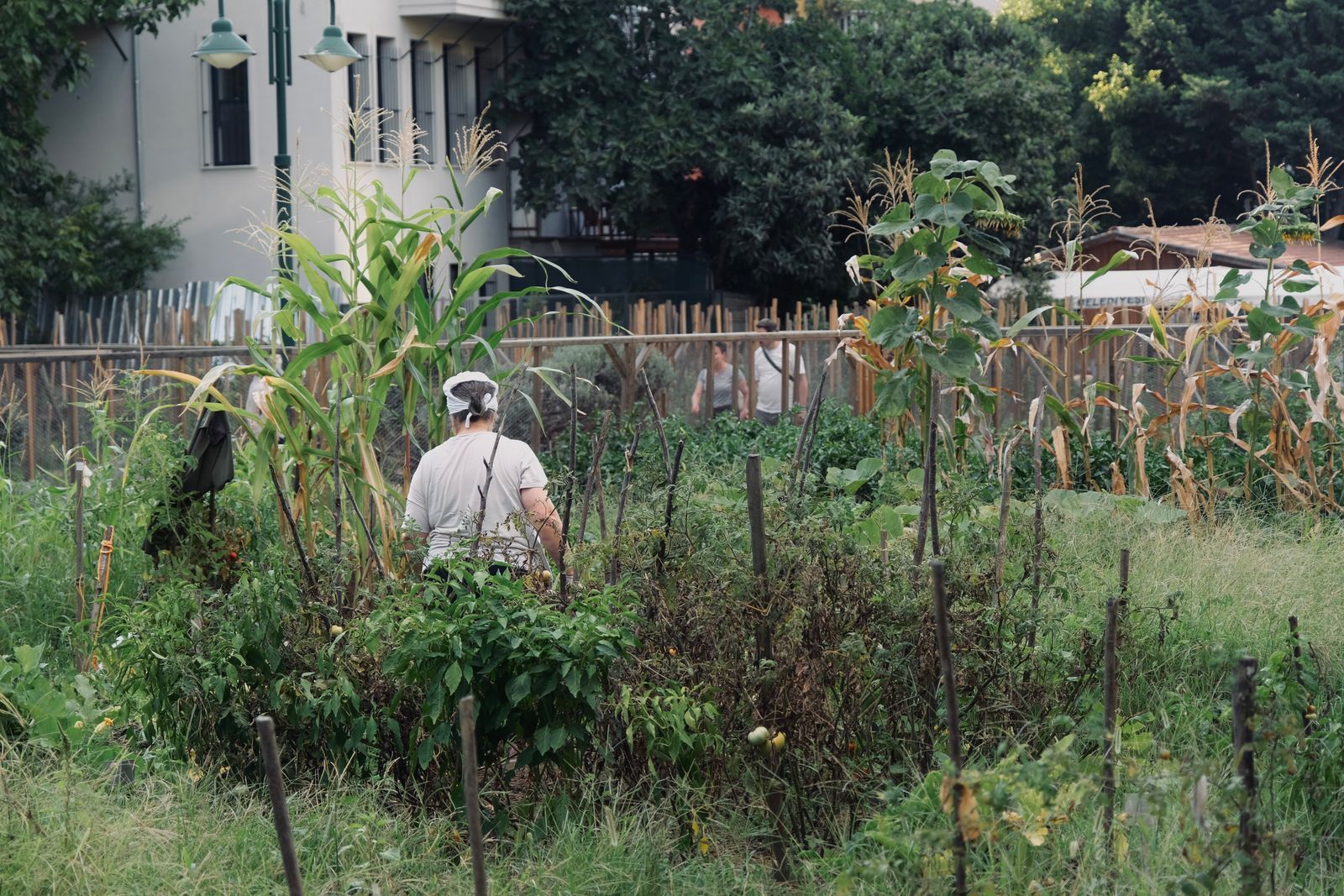
The in ground garden is the oldest type: a bed dug or tilled directly in your yard's soil, improved with compost worked in. It costs the least per square foot by far, because the soil is already there, and it scales to any size your yard and energy allow. It is also the type most exposed to your soil as it is: clay, sand, rocks, tree roots, and the weed seeds already sleeping in it.
What it grows well: everything, eventually, and the big sprawling crops, corn, pumpkins, potatoes, and vining squash, that raised beds hold awkwardly. What it asks: the most ongoing effort, especially weeding and soil improvement in the first two years, while you build fertility into ground that may have been lawn or fill. What it costs: very little money and a real amount of labor; a soil test matters most here, because you are farming the soil you actually have, and amending it blind wastes both money and seasons.
First planting list for in ground beds: potatoes, bush beans, zucchini and summer squash, tomatoes, sweet corn if your space is generous, sunflowers along the back edge, and pumpkins only if you can give them the run of a corner. Work 2 to 3 inches of compost into the top of the bed before the first planting, and mulch heavily after; in ground beds reward mulch more than any other type.
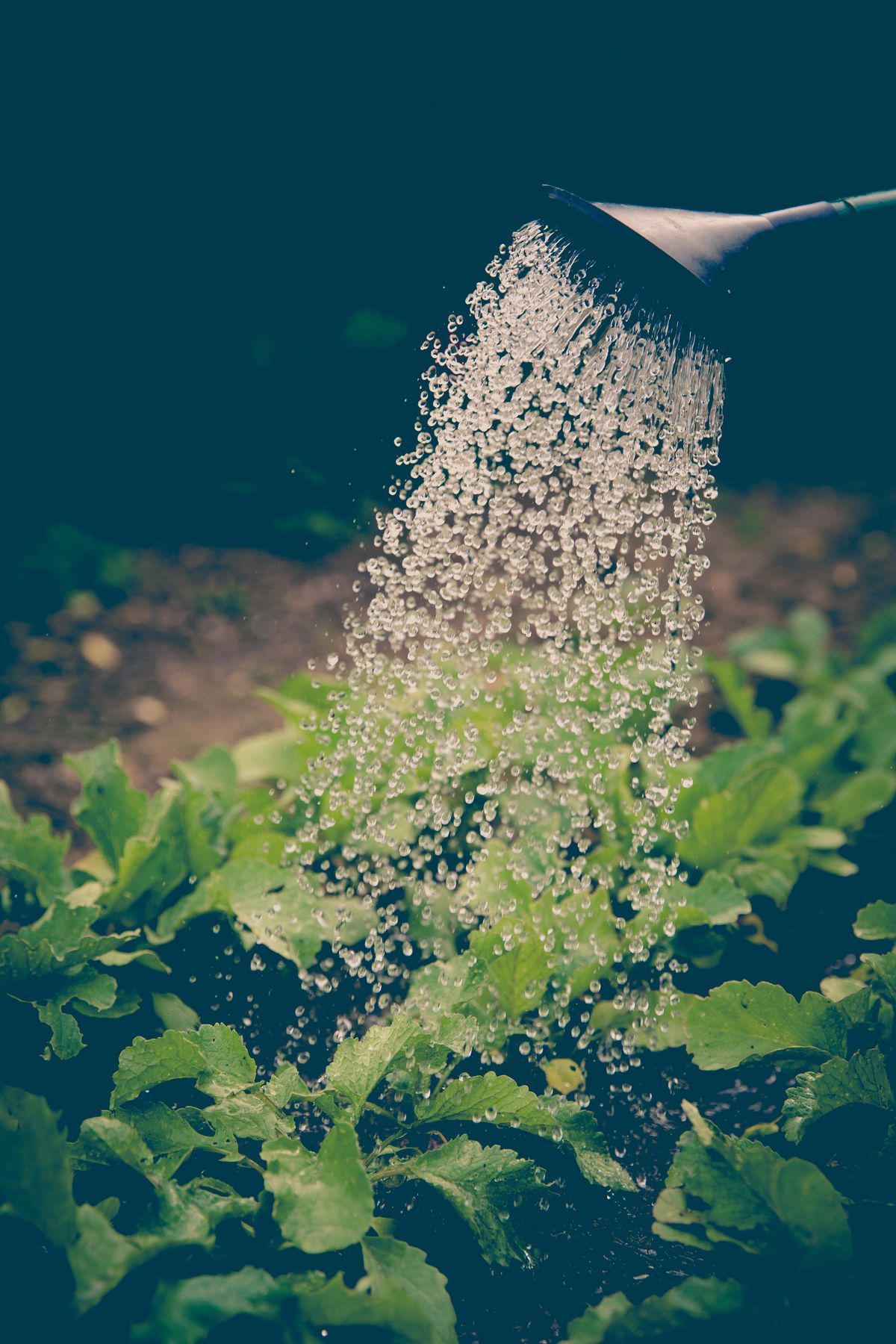
A watering can pouring water over green leafy plants in a garden
Type 4: The Herb and Flower Border
The border is a planted strip along a path, fence, porch, or foundation, filled with herbs and flowering plants, many of them perennial, meaning they return year after year. It is the lowest maintenance garden of the four once established, the prettiest from the street, and the one that asks the least weekly attention, which makes it the right first garden for many busy people who still want to grow something.
What it grows well: culinary herbs you can snip on the way to the kitchen, cutting flowers, pollinator plants, and the perennial backbone of a yard. What it asks: patience in year one, because perennials grow slowly at first while they build roots, and a willingness to weed and water through the first season until the plants fill in and shade their own soil. What it costs: moderate; perennial plants cost more per pot than annual seed, but they are bought once.
First planting list for a border: lavender and rosemary in the sunniest, driest end, chives and oregano in the middle, mint in a buried pot to contain it, coneflower and black eyed Susan for summer color, and zinnias sown fresh each spring in the gaps while the perennials size up. The old saying about perennials is true and worth planning around: the first year they sleep, the second year they creep, the third year they leap.
Comparing the Four Types at a Glance
Type
Startup cost
Weekly effort
Best for
Watch out for
Containers
Lowest
Highest watering
Renters, balconies, herbs, trying things
Drying out in summer heat
Raised bed
Highest
Lowest
Kitchen vegetables on a small footprint
The soil bill in year one
In ground
Lowest per square foot
Highest weeding
Big crops, big spaces, tight budgets
Your existing soil and its weeds
Herb and flower border
Moderate
Lowest once established
Beauty, herbs, busy schedules
Slow first year from perennials
Read the table by your life, not by ambition. The gardener with a balcony and twenty minutes a day should take containers without a flicker of regret, and the gardener with a big yard and strong weekends should dig in ground beds and grow the sprawlers. Hybrids are normal and often best: a raised bed for vegetables and a border for herbs is the classic pairing, and most mature gardens are two or three types stitched together over the years.
Your First Season in the Chosen Garden
Whichever type you choose, the first season's job is learning, not yield. Plant the list for your type, keep the garden small enough to tend on your tired days, and write down what happens: what sprouted fast, what the slugs loved, where the sun actually fell in July. Those notes are worth more than any harvest, because next year's garden is chosen with evidence instead of hope. Water deeply, mulch bare soil, and leave the fancy techniques for season two.
If two types still tie after the checklist, choose the one with the lower weekly effort. Beginners quit gardens that demand more than their lives allow, and nobody quits a garden that fits. The best garden for a beginner is not the most impressive one in the catalog. It is the one still being tended, happily, in September.
What Year Two Looks Like in Each Type
Beginners choose a garden for this year, but it helps to know what each type asks and offers once the first season's lessons are in. Containers stay exactly as flexible as they began: the second year is mostly a matter of refreshing the top of the potting mix, replacing what the roots consumed, and promoting the plants that earned it to bigger pots. The recurring cost stays the mix and the recurring job stays the watering, and a container gardener's skill shows in plant choice, matching each pot to its light more precisely every season.
A raised bed in year two is the easiest garden on this page. The frame is built, the soil is in, and the season opens with a layer of compost on top rather than a weekend of construction. The bed gardener's year two questions are about rotation, moving plant families around the bed so the soil rests from each crop's specific appetites and pests, and about depth: beds settle, and topping up an inch or two of mix every year or two keeps the soil level where the plants want it.
The in ground garden improves the most between year one and year two, because the soil itself is the project. A bed that was raw lawn or tired fill in year one, composted and mulched and planted through one season, is visibly darker, looser, and more alive in year two, and it keeps improving as long as the compost keeps coming. This is the type where patience compounds: the third year in ground bed often outgrows a raised bed of the same age, because its roots were never limited by a frame. The border, meanwhile, enters its creep year in year two and its leap year in year three, filling in until the weeding nearly stops, and the border gardener's main year two job is restraint: not dividing, moving, or improving plants that are quietly building the root systems the leap depends on.
Whichever type you chose, year two is when the garden stops being a project and starts being a place. Choose the type whose year two sounds like your life, and you have probably chosen right for year one as well.
Frequently Asked Questions
What is the easiest type of garden for a complete beginner?
For most beginners, a raised bed is the easiest garden to succeed with, because the soil starts loose, rich, and nearly weed free, and the defined edges keep the work small. For renters or anyone without yard space, containers are the easiest start. The herb and flower border is the easiest to maintain once established, though its first year is slow.
How much sun does a beginner garden need?
Most vegetables need 6 or more hours of direct sun a day, so place vegetable gardens, whether raised beds or in ground, in your sunniest spot. Herbs and many flowers offer more flexibility, and leafy greens tolerate part shade at 3 to 6 hours. Count your spot's sun honestly across a full day before choosing what to plant there.
How much does it cost to start a first garden?
Containers cost the least to start: a few large pots and a bag of potting mix. An in ground bed costs little money but real labor. A raised bed costs the most up front, for the frame and the soil to fill it, then the least to run. A perennial border costs moderately, with plants bought once. All four can begin at a modest budget if you start small.
Should a beginner use garden soil or potting mix in containers?
Always potting mix in containers, never garden soil or dug yard soil. Potting mix is blended to drain freely and stay loose in a pot, while garden soil compacts in containers, drains poorly, and suffocates roots. Garden soil belongs in beds. The two products sit side by side in the store and are not interchangeable.
How big should a first garden be?
Small enough to tend well on your busiest week: one raised bed, a few large containers, or a single border strip. A small, well kept garden outproduces a large neglected one and teaches you your sun, soil, and schedule in one season. You can always add a second bed next year; nearly everyone does.
Can I combine garden types?
Yes, and most experienced gardeners do. A raised bed for vegetables beside an herb border by the kitchen door is the classic combination, and containers handle the overflow and the experiments. Start with one type, learn it for a season, and add the second when the first feels easy.
Photo credits: Nemika F (Pexels); Markus Spiske (Pexels). Photos are served from this site; follow the credit to the library page for the original.