Gardening Ideas for Beginners: A First Garden for the Space You Actually Have
By the Windchime Walker editorial team
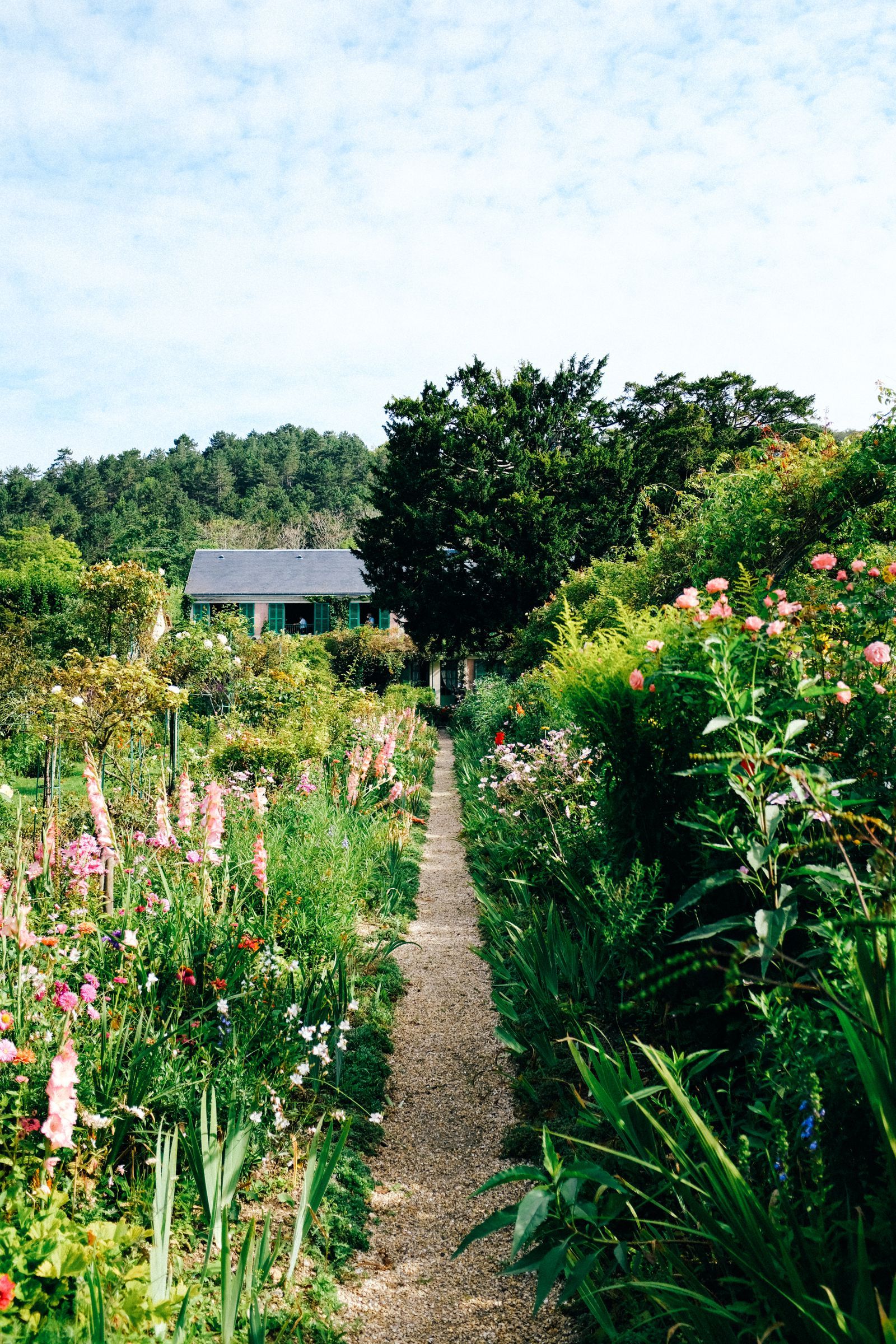
Photo: Adrien Olichon / Pexels
Most beginner advice hands you one garden, usually a rectangle of vegetables, and wishes you luck. But beginners do not fail because they picked the wrong instructions; they fail because they picked a garden that does not fit their space, their sun, or their calendar. This page is the menu before the instructions: a bank of first gardens, sorted by the space you actually have, each one complete enough to start this weekend and honest about what it costs in money, minutes, and patience.
Our garden bed ideas page owns bed layouts and shapes, and our garden for beginners guide owns the bigger choice of garden type. This page owns the ideas themselves, scored the way a beginner actually spends: a weekend to build, a handful of minutes a week to keep, and a first payoff close enough to taste.
Interactive tool
First Garden Ideas Checklist
Check off each step as you finish it. Your progress stays on this page.
0 of 8 complete
0% done
The One Rule Before Every Idea: Count Your Sun
Every idea below is labeled with the light it needs, because light is the one input you cannot buy your way out of. Edibles and most flowers want six or more hours of direct sun a day; leafy greens and herbs forgive four to six; and a real shade garden is a different plant list entirely, not a failed vegetable patch. Count your hours on a real day before you choose, watching where the sun actually lands at breakfast, lunch, and late afternoon. An idea matched to your light succeeds with ordinary care. An idea fighting your light fails with heroic care, and beginners blame themselves for what was really a shadow.
Yard Ideas: Room to Spread
The salad garden. A 4 by 4 foot bed or a short row set near the kitchen door: lettuce, radish, green onions, and a cucumber on a small trellis at the back. Build it in a weekend: clear, loosen, rake, sow. Upkeep runs about 20 minutes a week, mostly the weekly short sowing of radish and lettuce that keeps the harvest continuous instead of simultaneous. First payoff: radishes in about a month, lettuce cuts a week or two later. This is the fastest honest win in the yard, and our radish planting guide runs its weekly sowing system in full.
The salsa garden. One 4 by 8 foot bed: two tomato plants, two peppers, a row of onions, and cilantro sown in two small batches because it bolts. Upkeep about 30 minutes a week, most of it tying tomatoes and picking before the fruit splits. First payoff: peppers from midsummer, tomatoes just behind, and a harvest that arrives as a recipe instead of a pile. Buy transplants for the tomatoes and peppers in year one; starting them from seed is a second season skill with its own calendar.
The pollinator border. A strip along a fence or the sunny side of the house, planted with coneflower, zinnia, marigold, and a patch of herbs left to flower. Build it in a weekend from transplants and one packet of zinnia seed. Upkeep is the lowest in this bank, about 10 minutes a week of watering in dry spells and deadheading when you feel like it, and the payoff is not a harvest but a working border of bees and butterflies from early summer to frost. Our coneflower care guide covers the anchor perennial's simple calendar.
The cut flower row. A single row or narrow bed of zinnias, cosmos, and sunflowers, grown to be cut. Sow direct after last frost, thin honestly, and cut twice a week, because cutting is what makes these plants branch and bloom again. Upkeep about 20 minutes a week including the cutting itself. First payoff: a jar of zinnias on the table roughly two months after sowing, then flowers until frost.
Patio and Balcony Ideas: The Container Set
The tomato in a pot. One large pot, five gallons or more, one determinate or patio type tomato, a cage, and a watering can you will use daily in hot weather. This is the classic first container garden because the feedback is delicious and the plant is honest about thirst. Upkeep about 5 minutes a day in summer, nearly all of it watering; containers forgive nothing on water and everything else. First payoff: fruit about two months after transplanting.
The herb kitchen. Three to five pots by the door: basil, parsley, chives, mint in its own pot because mint in shared soil is a takeover, and rosemary if your winters or your windowsill allow. Upkeep about 15 minutes a week. First payoff is the fastest in this whole bank: snips of chives and basil within two to three weeks, and a kitchen that starts seasoning from the garden immediately. Our herb garden guides cover growing herbs indoors and out in depth.
The salad bowl. A wide, shallow container of loose leaf lettuce and radish, sown thick and cut young. Keep it where afternoon shade saves it in summer, sow a fresh bowl every three weeks, and treat each bowl as a crop with an end date rather than a plant to nurse. Upkeep 10 minutes a week; payoff in about a month, repeated.
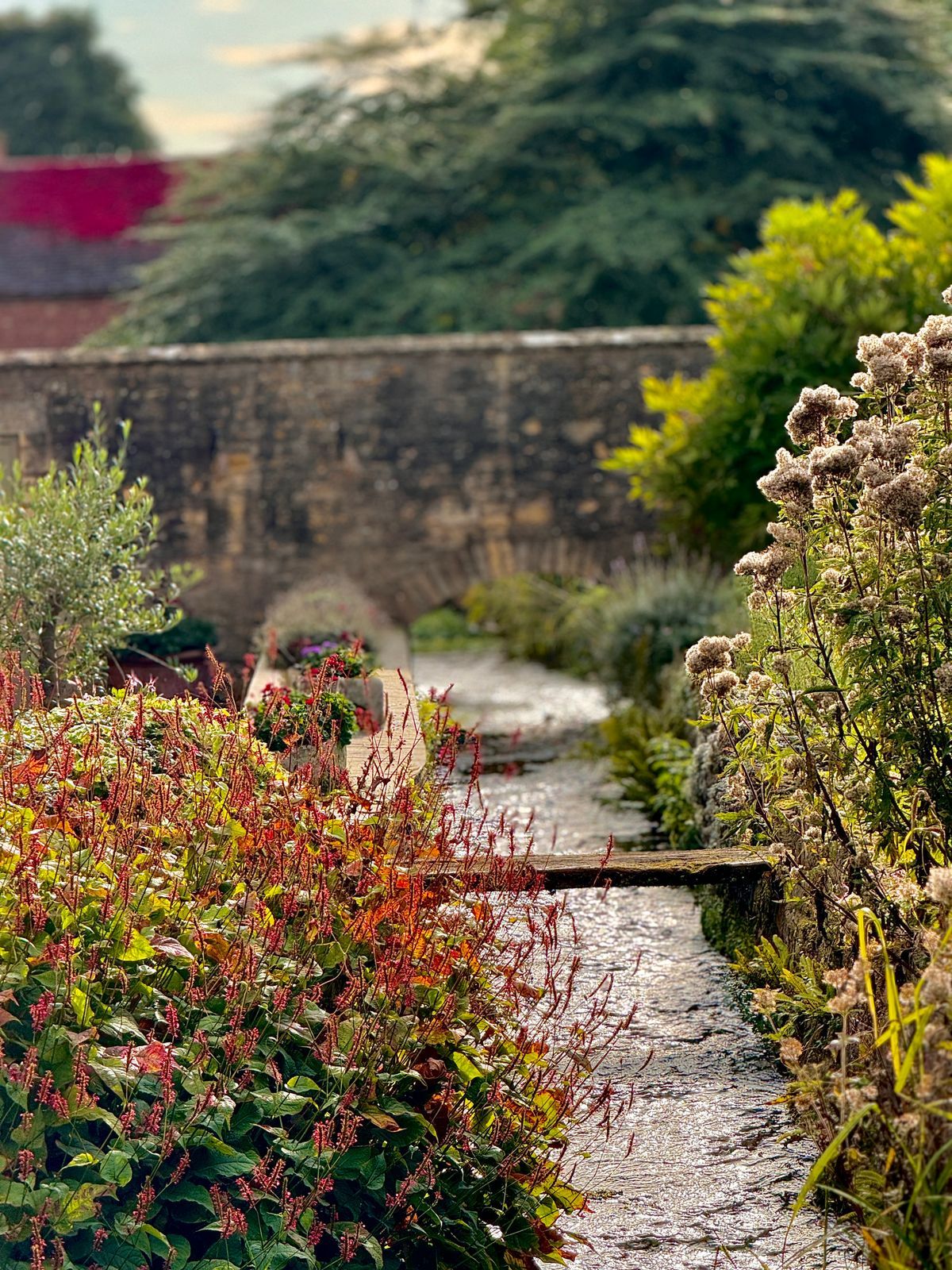
A stone path winding through shrubs and borders in a mature garden
Windowsill and Shade Ideas: Working With Less Light
The windowsill herb line. A bright sill, south or west facing, holds basil, chives, and parsley in small pots; an east sill holds mint and parsley; a north sill is honestly a place for a pothos, not for dinner. The sill garden's real limit is not light alone but pot size: small pots dry fast, so the upkeep is a two minute check each morning. Payoff: garnish level harvests in three to four weeks, and the daily pleasure of a green sill.
The shade garden. For the ground under trees and on the north side: hostas, ferns, and astilbe for looks, and for the edible minded, lettuce and other leafy greens in the brighter edges where four hours of sun still reach. Shade is not a consolation prize; a shade border is the lowest upkeep idea in this bank once established, about 10 minutes a week, because shade soil stays moist and weeds grow slowly in the dim. First payoff is slower, a filled border by the second season, which is the honest trade: shade gardens pay in years, sun gardens pay in weeks.
The Ideas, Scored
Idea
Space
Build
Weekly upkeep
First payoff
Salad garden
Yard bed
One weekend
About 20 minutes
Radish in about 30 days
Salsa garden
Yard bed
One weekend
About 30 minutes
Peppers from midsummer
Pollinator border
Yard strip
One weekend
About 10 minutes
Bees and bloom by early summer
Cut flower row
Yard row
One weekend
About 20 minutes
Zinnias in about 60 days
Tomato in a pot
Patio or balcony
One afternoon
About 5 minutes a day
Fruit in about 60 days
Herb kitchen
Pots by the door
One afternoon
About 15 minutes
Snips in 2 to 3 weeks
Salad bowl
Wide container
One afternoon
About 10 minutes
Cuts in about 30 days
Windowsill herbs
Bright sill
One hour
A daily 2 minute check
Garnish in 3 to 4 weeks
Shade garden
Shaded ground
One weekend
About 10 minutes
A filled border by season two
The Idea Killers: Three Ways a Good Idea Fails
Every idea in this bank fails in the same three ways, and knowing them is worth more than a tenth idea. The first killer is the light lie: the spot that felt sunny in April is shaded by June when the trees leaf out, and the edibles sulk. Count sun hours in the season you will grow in, not the season you are shopping in. The second killer is the watering gap: containers and fresh sowings need water on a rhythm that a two week vacation breaks completely. Choose the low water ideas, the borders and shade gardens, if your summer includes long absences, or arrange the neighbor trade before you plant, not after you wilt. The third killer is scale creep: the salad garden that works at 4 by 4 feet gets doubled in a burst of May enthusiasm, the upkeep doubles with it, and by July the whole thing is a chore resented at exactly the size where it stopped being fun. Every idea here is sized for one beginner's calendar. Grow the size given, succeed, and expand next year as a gardener with a harvest behind you rather than a debt in front of you.
How to Choose Just One
Choose by your calendar first and your appetite second. If your weeks are crowded, the pollinator border and the shade garden forgive absence; if you can give a daily two minutes, containers reward it; if you want food fast, the salad garden and salad bowl pay in a month. Then check the light rule against your space, and let it veto without argument. Finally, choose the idea whose payoff you can picture on your own table or in your own window, because a beginner's real fuel is the first payoff, and every idea in this bank was chosen to deliver one. Next season you will add a second idea, and you will add it as a gardener.
Frequently Asked Questions
What is the easiest garden idea for a complete beginner?
The herb kitchen, three to five pots by the door, or the salad bowl container. Both build in an afternoon, both forgive imperfect watering better than most, and both pay back within two to four weeks, which is fast enough to keep a beginner watering.
I only have a balcony. Which idea should I pick?
The tomato in a pot if your balcony gets six or more hours of sun, the herb kitchen if it gets four to six, and the salad bowl in the brightest corner either way. Count the sun hours first; a balcony's light, not its size, decides the menu.
How much does a first garden cost to start?
A container idea starts for the price of pots, potting mix, and a few transplants or seed packets, typically the cost of a single grocery trip. A yard bed built from cleared ground costs seed and transplants plus any soil you import. The expensive first gardens are the ones built twice because the first version fought the site's light or drainage.
What if my yard is mostly shade?
Take the shade garden seriously rather than forcing vegetables into dim ground. Hostas, ferns, and astilbe for the border, leafy greens at the brighter edges, and containers of sun lovers moved into whatever sunny patch exists, even a driveway edge, covers both beauty and food honestly.
How do I know how much sun my space gets?
Watch it for one day: note which hours direct sun touches the spot at morning, midday, and afternoon, and add them up. Six or more hours is full sun for gardening purposes, four to six is partial, and under four is shade. Apps and guesswork both lose to one day of looking.
Should I start with seeds or transplants?
Transplants for slow, warm season plants in year one (tomatoes, peppers), seeds for the fast and the direct sown (radish, lettuce, beans, zinnias). Seeds are cheaper and more satisfying; transplants buy you a month. Most good first gardens use both, each where it wins.
Photo credits: Adrien Olichon (Pexels); Pexels User (Pexels). Photos are served from this site; follow the credit to the library page for the original.