Garden Soil vs Top Soil: Which One Your Job Actually Needs
By the Windchime Walker editorial team
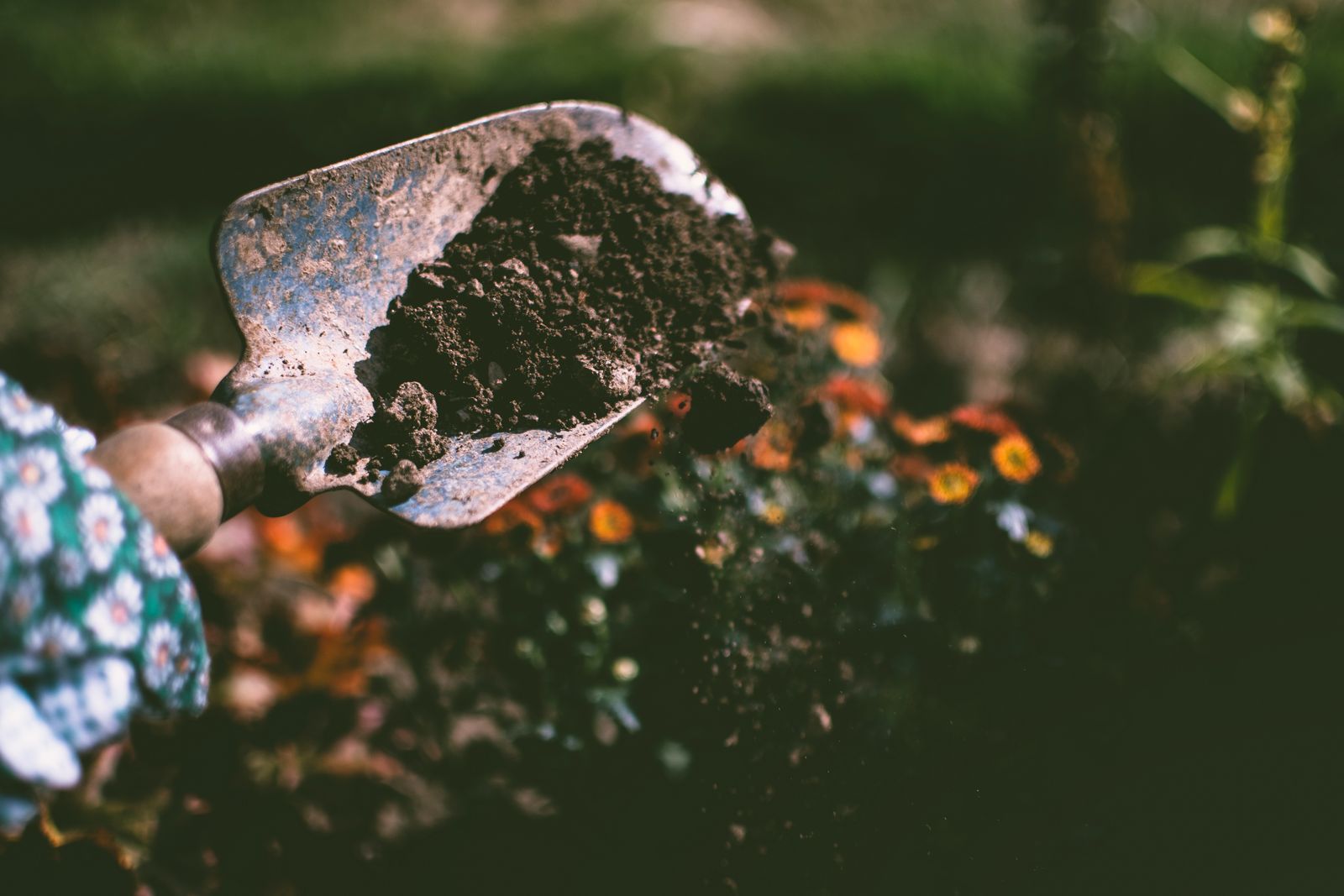
Photo: Lisa / Pexels
The two bags sit side by side in the store, and the two piles sit side by side at the landscape yard, with names close enough to feel like a trick: topsoil and garden soil. They are not the same product, they are not priced the same, and choosing the wrong one is a common and expensive beginner mistake, either paying garden soil prices to fill a hole, or planting a vegetable bed in raw topsoil and wondering why nothing thrives. The difference is simple once it is stated plainly, and this page states it, then walks your actual jobs to the right pick.
The short version: topsoil is earth, the upper layer of soil skimmed from the ground somewhere, screened at best, and otherwise as variable as the field it came from. Garden soil is a blended product, topsoil or a soil base mixed with compost and other organic matter, made to plant into directly. Neither name is a guarantee; extension sources such as NC State Extension warn that the word topsoil on a bag or a truckload promises nothing about quality, because there is no standard behind the word. What you are really choosing is how much of the improving work you want already done for you.
The Soil Buying Checklist on this page is the store and bulk yard companion: the job check, the quality checks, and the questions to ask a supplier before money moves. Our garden soil versus potting soil article owns the third product, the soilless mixes for containers. This page owns the ground level choice between earth and blend.
Interactive tool
Soil Buying Checklist
Check off each step as you finish it. Your progress stays on this page.
0 of 6 complete
0% done
What Topsoil Actually Is
Topsoil is the top layer of natural soil, roughly the upper 2 to 12 inches, where most biological activity and organic matter concentrate. Sold bagged or in bulk, it is dug from construction sites, fields, and farmland, then usually screened to remove rocks and roots. Everything else about it varies: texture from sandy to heavy clay, fertility from decent to nearly none, pH from acid to alkaline, and weed seed content from clean to a lawn waiting to happen. Good topsoil is a fine raw material. Poor topsoil is subsoil in a nice bag, and the label alone will not tell you which you got.
Use topsoil for jobs where plants are not the point, or not the immediate point: filling holes and low spots, grading around a foundation, building up a berm, leveling a lawn area before seeding, and as the base layer in deep raised beds, where better material goes on top. For those jobs its cheapness is a virtue and its variability does not matter much, because you are buying volume and weight, not fertility.
What Garden Soil Actually Is
Garden soil is a manufactured blend: a soil base, often topsoil, mixed with a substantial share of compost, aged bark, peat, or similar organic material, sometimes with a mild starter fertilizer. The organic share is the point. It feeds soil life, holds moisture, keeps the blend loose, and makes the product plantable the day it arrives. Bagged garden soil is blended for in ground beds and raised beds, and it is consistent in a way dug topsoil never is, because a manufacturer repeats a recipe.
Use garden soil where plants go directly into it: new flower and vegetable beds, raised bed filling, and refreshing old beds. Its price, noticeably higher per bag or yard than topsoil, buys the compost and consistency. The honest limit is scale: filling many large beds with bagged garden soil is the most expensive way to garden, which is why the bulk strategy below exists.
The Decision Table: Your Job, Your Material
The job
The right pick
Why
Filling a hole or low spot
Topsoil
Volume matters, fertility does not
Leveling ground before lawn seed
Topsoil, screened
Smooth and cheap; seed needs contact, not richness
A new vegetable or flower bed
Garden soil
Plants go straight in and need the organic matter
Filling a raised bed
Garden soil, or topsoil plus compost in layers
Depth is expensive; blend quality decides the top layer
Topdressing an existing bed
Compost, not either
The job is feeding, not filling
Containers and pots
Neither: potting mix
Both compact and drain badly in pots
Read the table by the job in front of you, and the store aisle gets simple. Most gardens need both products in a season, topsoil for the earthmoving and garden soil for the planting, and buying each for its own job is cheaper than forcing one product to do everything.
Buying in Bulk Without Regretting It
Bulk is where the money is saved and where the mistakes are biggest, because a delivered pile cannot be returned to the shelf. Ask the supplier four questions before the truck comes. First, is it screened, and to what size? Screening removes the rocks, roots, and clods that make a load miserable to spread. Second, where does it come from? Soil from a known local source beats anonymous fill. Third, what is it blended with, and in what proportion, if you are buying a garden soil or planter mix? A common good recipe is roughly half topsoil and half compost by volume. Fourth, can you see and touch the pile before ordering? Do it. Good material is dark, crumbly, and smells like earth; sour, chemical, or garbage smells are a refusal, as is soil full of shredded debris.
Two risks ride along with bulk soil and deserve naming. Weed seed is the common one: any dug soil carries some, and mulch plus prompt weeding is the management, not a reason to avoid bulk. Contamination is the rare but serious one: soil from old industrial or heavily treated sites can carry things you do not want in a vegetable bed. A supplier who can name the source is worth a small premium, and for vegetable beds many gardeners buy certified bagged product for the top layer even when the base is bulk. A soil test after delivery, before planting, is cheap insurance either way.
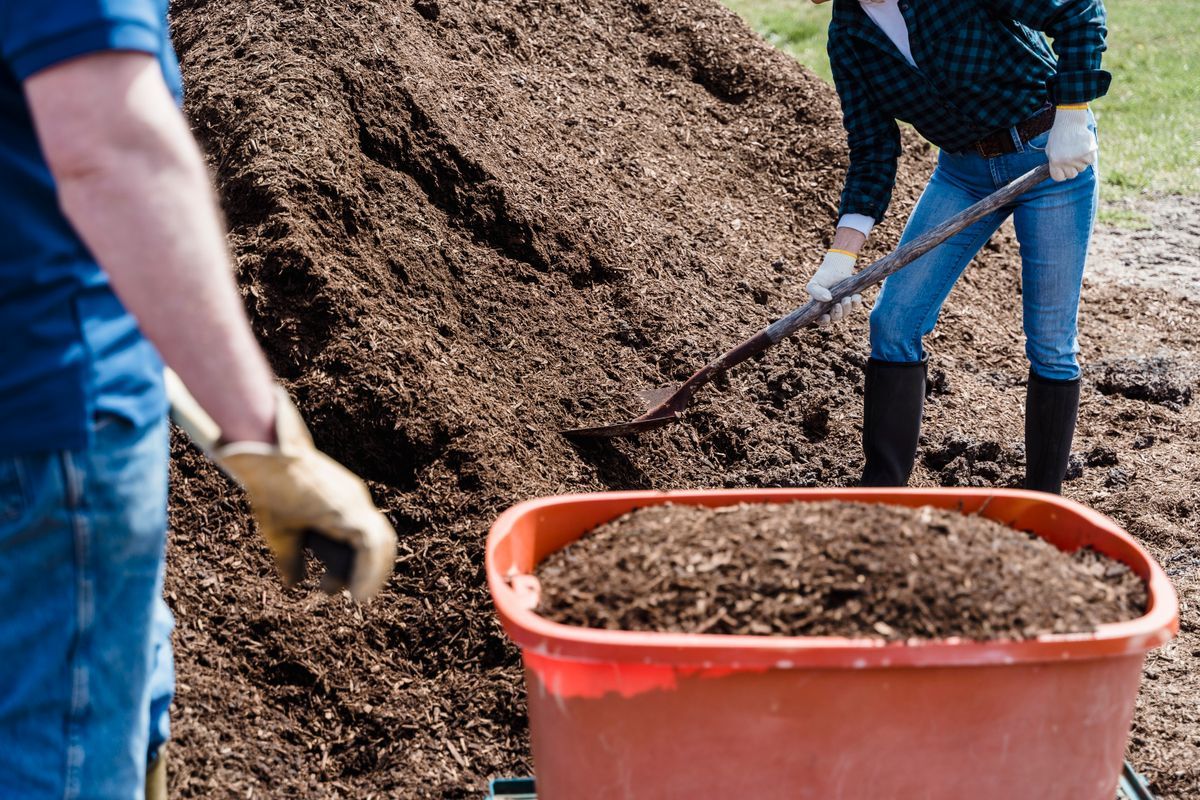
A person shoveling soil with a garden shovel
When Budget Forces the Cheaper Pick
Plain topsoil can absolutely become a garden bed; generations of gardeners grew in nothing else, because they improved it themselves. The recipe is consistent: spread the topsoil, then work 2 to 3 inches of compost into the top 6 to 8 inches, and mulch the surface after planting. That compost layer, roughly a third of the worked depth, does what the garden soil manufacturer did: adds organic matter, feeds the soil life, and loosens texture whether your topsoil leans sandy or clay. It will not be quite as uniform as a good blend in year one, and by year two or three of the same treatment, most gardeners cannot tell their improved beds from bought ones.
The reverse economy does not work. There is no cheap additive that makes garden soil a better hole filler than topsoil; you would simply be burying compost at premium prices. Buy each product for its job, improve the cheap one when plants are involved, and the soil budget of a whole garden drops to something reasonable. Soil is the one garden purchase that is never wasted, because unlike almost everything else in the yard, it stays and improves. Spend on the planting layers, save on the fill, and test what you bought so next year's decisions are based on your soil's actual numbers.
Reading the Bag and the Pile Like a Skeptic
Since the word topsoil guarantees nothing and garden soil is a recipe rather than a standard, the buyer's defense is reading what little information exists and trusting your hands for the rest. On a bag, look for the ingredient list and the proportions. A garden soil that names composted bark, compost, or peat high in its ingredients is a different product from one whose first ingredient is plain forest products with soil far down the list, and a bag that lists a guaranteed fertilizer analysis is at least telling you what it added. Weight is a clue: a bag that feels light for its size is mostly bark and peat, fluffy and fast draining, while a heavy bag carries real mineral soil. Neither is automatically wrong, but they behave differently in a bed, and the heavy, soil based blend is what most in ground beds want.
At the bulk yard, your senses are the laboratory. Take a handful of the pile and squeeze it: it should hold together loosely and crumble, like garden loam, not run through your fingers like sand or stay in a slick ball like clay, unless you are deliberately buying a sandy or clay base to amend. Look at it: dark color suggests organic matter, though color alone can deceive, since some subsoils are dark and some good sandy loams are pale. Smell it: clean earth is the only acceptable smell for a vegetable bed. Pick through it: a few small stones are normal in screened soil, while shredded plastic, glass, chunks of asphalt, or construction debris mean the pile's source is a demolition site, and that load should stay at the yard regardless of price. These checks take ninety seconds and are the difference between buying soil and buying someone else's problem by the cubic yard.
How Much to Buy: Bags, Yards, and the Math That Saves a Trip
Soil is sold in two languages and beginners translate badly between them. Bags speak in cubic feet, commonly 1, 1.5, or 2 cubic feet per bag. Bulk speaks in cubic yards, and one cubic yard is 27 cubic feet, roughly a pile 3 feet in each direction. The translation that matters: filling a standard 4 by 8 foot raised bed a foot deep takes 32 cubic feet, which is about 1.2 cubic yards in bulk, or 16 to 32 bags depending on bag size. Bought in bags, that bed is the most expensive soil in the neighborhood; bought in bulk, it is a single delivery and an afternoon of wheelbarrow work.
The working rule is a threshold, not a formula. One or two beds, a top up of an existing garden, or any job under about half a cubic yard: bags win on convenience, and the premium buys you a car friendly, storable product. Anything larger, a yard or more: bulk wins on price by a factor that embarrasses the bags, even after a delivery fee, and the only costs are a driveway pile and your own hauling. Between the two sits the bagged option's hidden tax, plastic: dozens of bags for one bed is a pile of packaging that bulk simply does not produce. However you buy, order a little more than the math says, because beds settle, piles shrink as you spread them, and the second trip, whether to the store or on the phone to the yard, always costs more than the extra half yard would have.
Frequently Asked Questions
What is the difference between garden soil and topsoil?
Topsoil is the natural upper layer of dug earth, roughly the top 2 to 12 inches, variable in texture and fertility, and sold for filling, grading, and leveling. Garden soil is a blended product, a soil base mixed with compost and organic matter, made to plant into directly. Extension sources warn that the word topsoil guarantees nothing about quality, so judge the material itself, not the label.
Can I plant vegetables directly in topsoil?
You can, but results depend entirely on the load, and raw topsoil is often low in organic matter and fertility. The reliable method is to work 2 to 3 inches of compost into the top 6 to 8 inches before planting, which brings plain topsoil close to a garden soil blend. A soil test after delivery tells you what you actually bought.
Which should I use to fill a raised bed?
Garden soil, or a bulk planter blend of roughly half topsoil and half compost, is the standard fill, because plants grow in the full depth of a raised bed. For deep beds, a base of plain topsoil with the blended material in the top 8 to 12 inches saves money without costing the plants anything, since most roots live in that top layer.
Can I use garden soil or topsoil in pots?
No. Both compact in containers, drain poorly, and suffocate roots. Pots need potting mix, a soilless blend designed to stay loose and drain freely in a confined space. Garden soil belongs in beds and topsoil belongs in the ground; the three products are neighbors in the store and are not interchangeable.
How do I know if a bulk topsoil load is good quality?
See and touch the pile before ordering. Good material is dark, crumbly, screened, and smells like clean earth. Ask where it came from, whether it is screened, and what it is blended with if it is sold as a mix. Refuse loads that smell sour or chemical or are full of debris, and run a soil test before planting vegetables in any bulk soil.
Is bagged garden soil worth the extra cost over topsoil?
For planting beds, yes, at small scale: you are paying for the compost content and consistency, and plants go straight in. At large scale the same result is cheaper in bulk, either as a blended planter mix or as topsoil you improve with compost yourself. For filling and grading, garden soil is never worth it; that is topsoil's job.
Photo credits: Lisa (Pexels); Greta Hoffman (Pexels). Photos are served from this site; follow the credit to the library page for the original.