The honest answer to how often to water jasmine is a check, not a day count: push a finger into the mix, and when the top 1 to 2 inches are dry, water thoroughly until it runs from the drainage holes. That rule is the consensus across the extension and botanical garden guidance in the search results, from NC State Extension to RHS to Missouri Botanical Garden. What changes is how fast your plant reaches that dry point, and that depends on which jasmine you own, where it sits, and what season it is. A jasmine in a small pot on a hot bright windowsill can hit the check point every 2 to 3 days. The same plant in a cool room in winter may take 7 to 12 days. Calendar advice fails because it ignores all three variables, and jasmine punishes both directions of error the same visible way: it drops its buds. This page gives you the interval ladder by placement and season, the species split the results blur, and the diagnosis that tells thirst from drowning before you adjust the schedule.
Home / Gardening Basics for Beginners
How Often to Water Jasmine: The Depth Check, by Species and Season
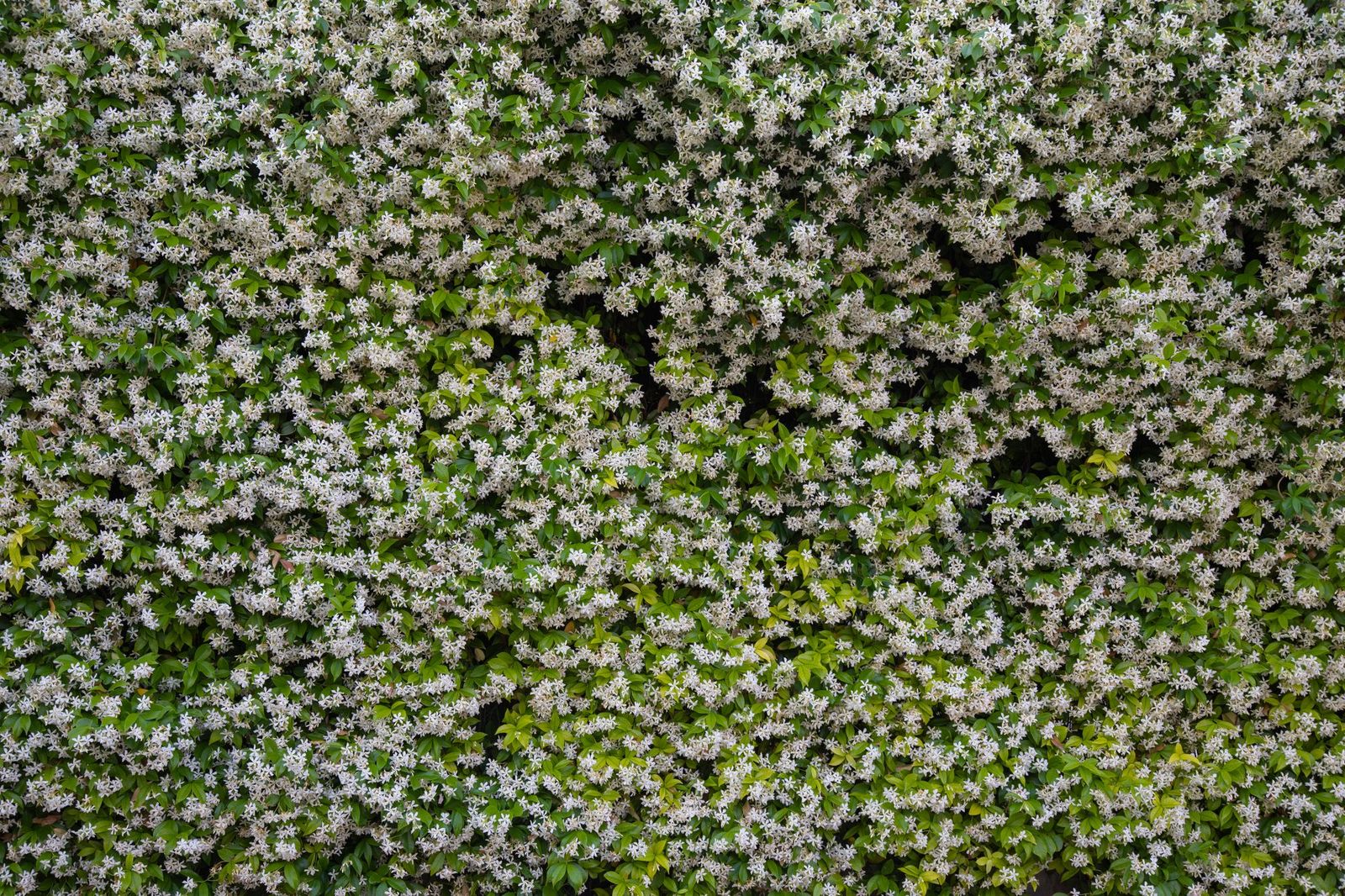
Photo: Engin Akyurt / Pexels
Watering Volume Calculator: The Jasmine Pot Audit
Jasmine is three plants wearing one name, and each drinks differently. Enter your pot diameter as both length and width with a depth of 1 inch to size one thorough soak, then run the depth check before you pour.
19.9 gallons
For 32 square feet at 1 inch deep. That is about 76 liters, or 10 trips with a standard 2 gallon watering can.
A rain gauge or a straight sided can set in the bed tells you when a sprinkler or soaker hose has actually delivered this depth. Time alone is a guess, because hose pressure varies from house to house.
The conversion is arithmetic, not opinion: one inch over one square foot is 144 cubic inches of water, and a US gallon holds 231 cubic inches, so each square foot at one inch takes 0.62 gallons.
Three Plants Wear the Name Jasmine
Part of the confusion in the results is that "jasmine" is at least three different plants. Common jasmine (Jasminum officinale) is the hardy climbing vine with white summer flowers, grown outdoors in mild climates and in pots elsewhere. Arabian jasmine (Jasminum sambac) is the tender tropical shrub sold as a houseplant, flowering in waves through the warm months and wanting the steadiest moisture of the three. Winter jasmine (Jasminum nudiflorum) is a hardy shrub that flowers on bare stems in late winter and shrugs off conditions the others would protest. In the ground, established common and winter jasmine are notably drought tolerant once their roots are down; NC State describes the genus as wanting moist, well drained soil but tolerating dry spells established. In a pot, none of them has that buffer, and the pot rules below are the ones that matter for most readers. If your plant came from a grocery store floral department, it is almost certainly sambac, and it wants the most consistent water of the group.
The Interval Ladder by Placement and Season
Run the depth check daily and the intervals below become descriptions of what you will find, not orders. In a hot, bright room or on a sunny patio in the growing season, a potted jasmine typically dries its top 2 inches every 2 to 3 days, and each watering should be a full soak, not a splash. In an average bright room in spring and summer, expect every 3 to 5 days. In cool temperatures or low light, the same pot stretches to every 7 to 12 days, because the plant is barely growing and the mix barely evaporates. Winter is a rest, not a smaller version of summer: Missouri Botanical Garden's pattern for the genus is generous moisture in the growing season, then a cooler, drier winter rest where the mix is allowed to dry deeper between drinks. The calculator above sizes one full soak for your pot; the check decides the day. What you are avoiding at both ends is a mix that never dries at the surface, which rots roots in a plant that likes its moisture moving through, not sitting.
Bud Drop: Thirst or Drowning?
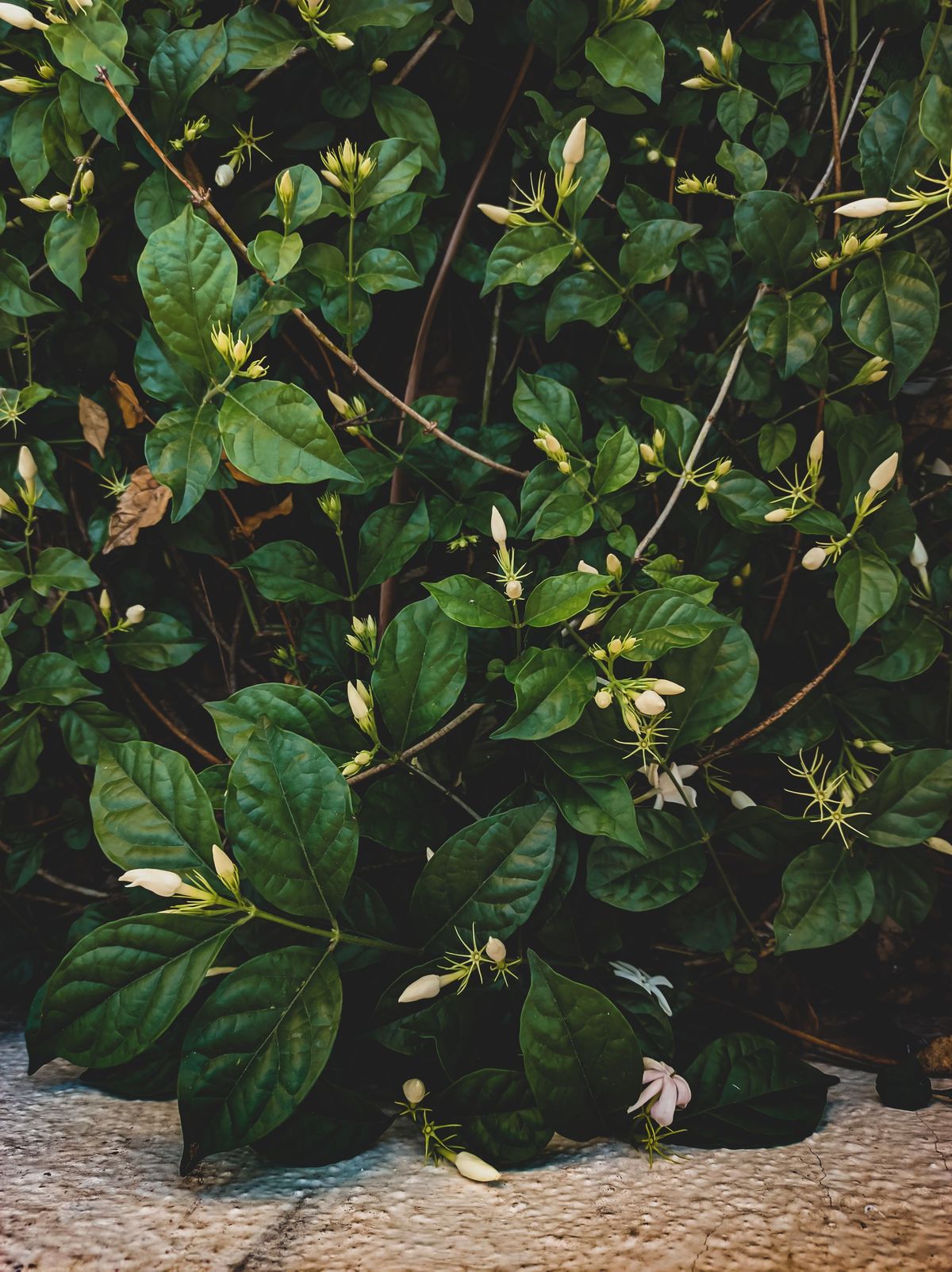
Bud drop is jasmine's general alarm, and it fires for opposite causes, which is why owners who respond by watering more sometimes kill the plant they are trying to save. Read the plant before you touch the can. Thirst bud drop comes with dry mix at depth, leaves that feel papery and may crisp at the edges, and buds that dry where they sit. Drowning bud drop comes with mix that is still wet 2 inches down days after watering, leaves yellowing from the lower ones upward, and buds that yellow and fall soft. The depth check separates them in five seconds. A third cause fools everyone: a plant moved from a greenhouse bench to a dry heated room drops buds from the air change alone, on any watering schedule, and settles once it adjusts. During the flowering window itself, consistency is the whole job. A sambac in full flower that swings from dry to flooded sheds buds for the swing, not the average, so in bloom you water a little earlier on the check and never let the pot go fully dry.
How You Pour Matters Almost as Much
Three delivery habits separate growers who struggle with jasmine from growers who do not. First, water the mix, not the plant: jasmine flowers and foliage spot and sulk under repeated wetting, and a watering can rose aimed at the soil line delivers the soak where the roots are. Second, water in the morning when you can, so foliage that does get splashed dries fast and the pot starts the day charged. Third, and most skipped, empty the saucer. A pot that finishes its soak standing in a half inch of runoff is a pot whose bottom roots never leave the water, and that standing water, repeated daily, produces the drowning pattern described above in a plant whose owner swears they barely water. Outdoors, a saucer under a patio pot in summer is a mosquito nursery besides. If the plant is too large to lift, slide the runoff out with a turkey baster or tip the pot briefly; the method does not matter, the empty saucer does. Water quality rarely matters for jasmine, but very hard tap water in a pot that is never flushed builds salts over a season; the monthly deep soak that runs freely for a minute is the flush, and it is already part of the system.
In the Ground, and the Winter Rest
A jasmine planted out in the garden plays by different rules after its first season. Water deeply at planting and through the first summer whenever the top 2 inches of soil dry, then step back: established common and winter jasmine in decent soil need supplemental water only in extended drought, which is the drought tolerance NC State notes. The pot rules never fully relax, because the pot is the drought. Winter care splits by species. Hardy plants outdoors need nothing but mulch. A potted sambac brought inside for winter wants the coolest bright spot you have, water at the long end of the ladder, and no feeding until growth resumes; forcing a resting tropical with warmth, water, and fertilizer in December produces soft growth and no flowers. Resume the growing season rhythm when you see new growth, not when the calendar turns, and move the pot back outside only after nights stay reliably mild. Depth check first, soak second, calendar last: that order is the entire jasmine watering system.
Frequently Asked Questions
How often should I water a potted jasmine indoors?
By the check, not the calendar: water when the top 1 to 2 inches of mix are dry, then soak until water runs from the drainage holes. In practice that is every 2 to 3 days in a hot bright spot in summer, every 3 to 5 days in an average bright room in the growing season, and every 7 to 12 days in cool low light. In winter, let the mix dry deeper between drinks, matching the cooler, drier rest the botanical garden guidance describes.
Why is my jasmine dropping buds?
Bud drop is an alarm with opposite causes. If the mix is dry at depth and the leaves feel papery, it is thirst. If the mix is still wet 2 inches down and lower leaves are yellowing, the roots are drowning and more water makes it worse. A plant newly moved from a greenhouse to a dry heated room also drops buds from the change alone. Run the depth check first, then fix the cause you actually have, and keep moisture even through the flowering window, when swings alone shed buds.
Does jasmine like wet soil?
No. Jasmine wants moist, well drained soil, in NC State's phrasing: water that arrives generously and then leaves. A pot that stays wet at the surface for days is rotting the roots of a plant that prefers its moisture moving through the mix. That is why the rule is a deep soak at the dry check rather than small daily splashes, which keep the surface swampy and the root zone uneven. If your pot has no drainage hole, repot before anything else on this page can work.
How much less should I water jasmine in winter?
Substantially less, and deeper between drinks. Winter is a rest for jasmine: Missouri Botanical Garden's pattern is generous moisture in the growing season and a cooler, drier winter rest. Let the mix dry well past the usual 2 inch check before watering, expect intervals of a week and a half or longer in a cool room, and hold all feeding until new growth shows in spring. A potted Arabian jasmine wintered indoors wants the coolest bright spot available, not a warm corner that pushes soft growth.
Can jasmine recover from underwatering?
Usually, yes, faster than from overwatering. A thirsty jasmine wilts, drops buds, and may crisp leaf edges, but a thorough soak at the check point typically lifts the foliage within hours, and the plant flowers again on the next cycle. Root rot from chronic overwatering is the slower, deadlier error: by the time the foliage reports it, much of the root system is gone. When in doubt with this genus, check the mix and wait a day; a dry day is recoverable, a drowned week often is not.
Photo credits: Engin Akyurt (Pexels); Abhay V (Pexels). Photos are served from this site; follow the credit to the library page for the original.