Milkweed defeats more planters with its seed's patience than with any difficulty of growing, because the plant is easy and the germination is gated. Asclepias seed carries a cold requirement, an evolved instruction not to sprout until winter has passed, and seed sown warm and hopeful in spring without that chill mostly sits, rots, or waits a full year in the soil to be chilled by the winter the planter skipped. So this page is organized around the gate: the 30 day cold moist stratification that opens it indoors, the fall sowing that lets the season open it for free, and then the ordinary, pleasant business of spacing, siting, and waiting through a first year of leaves for a second year of flowers. The seeds variant of this question folds into this article; the seed is the subject throughout. Run the checklist above in order and the monarchs handle the rest.
Home / Lawn and Landscape Basics
How to Plant Milkweed: The 30 Day Chill, the Fall Sowing Shortcut, and Species Matched to Site
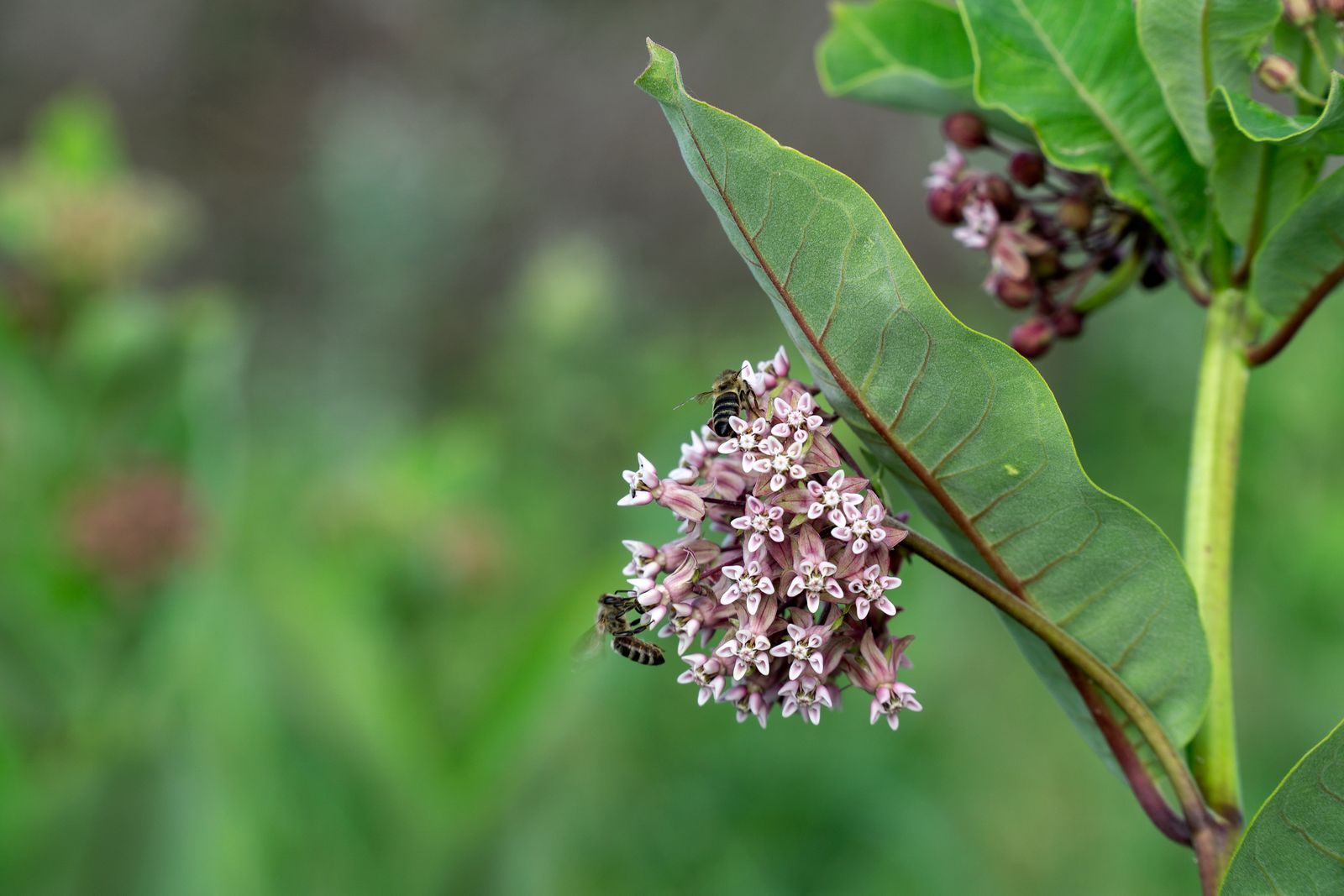
Photo: Nenad Delibos / Pexels
Milkweed Planting Checklist
Check off each step as you finish it. Your progress stays on this page.
0 of 8 complete
0% done
The Chill: Stratification Indoors, or Winter Outdoors
Cold moist stratification means exactly what it says: the seed must spend time cold and damp, not cold and dry in its packet. The indoor method runs 30 days for most species. Mix the seed with damp sand, vermiculite, or a barely moist paper towel in a sealed bag, refrigerate it at ordinary fridge temperature, and check weekly that the medium stays damp and no mold blooms; Illinois guidance for common milkweed runs the requirement longer, at least 6 weeks, and common milkweed is the species most planters are growing, so six weeks is the prudent default for it. The outdoor method is simpler and, for a fall planter, better: sow from September until the ground freezes, a quarter inch deep in a prepared bed, and winter performs the stratification in place, with the seed emerging on its own schedule in spring. Fall sowing also solves the indoor method's awkward ending, the stratified seed that must be sown the week it wakes whether the planter is ready or not. The honest trade: fall sowing risks seed to mice, washouts, and a forgotten bed location, so mark the bed like you mean it, while indoor stratification risks mold and timing. Either road passes the gate. Skipping the chill entirely is the only route that reliably fails, and it is the route most failed milkweed plantings took.
Sowing: A Quarter Inch, Warmth, and the 7 to 20 Day Window
Stratified seed sown a quarter inch deep into warm conditions germinates in 7 to 20 days at 64 to 75 degrees F, and the quarter inch matters: milkweed seed buried an inch deep in heavy soil spends its small reserve before it reaches light, while seed on the bare surface dries or feeds a bird. Indoors, sow the stratified seed into deep cells or 4 inch pots, because milkweed builds a taproot early and resents root disturbance almost as much as dill does; the kindest transplant is a whole cell slid into the ground unhandled. Grow the seedlings in the brightest light available, water from below where possible, and plant out after frost when the soil has warmed, spacing as the next section sets out. Outdoors in spring, stratified seed can be direct sown into a raked, weed free bed, kept moist through the germination window, and thinned to final spacing; the bed must be genuinely weed free at the start, because milkweed seedlings are slow, polite competitors and a weedy bed swallows them without a contest. Either way, protect the young planting from the garden's enthusiasm: no mulch volcano over the seed line, no fertilizer flush, just moisture, light, and a marked boundary against the mower.
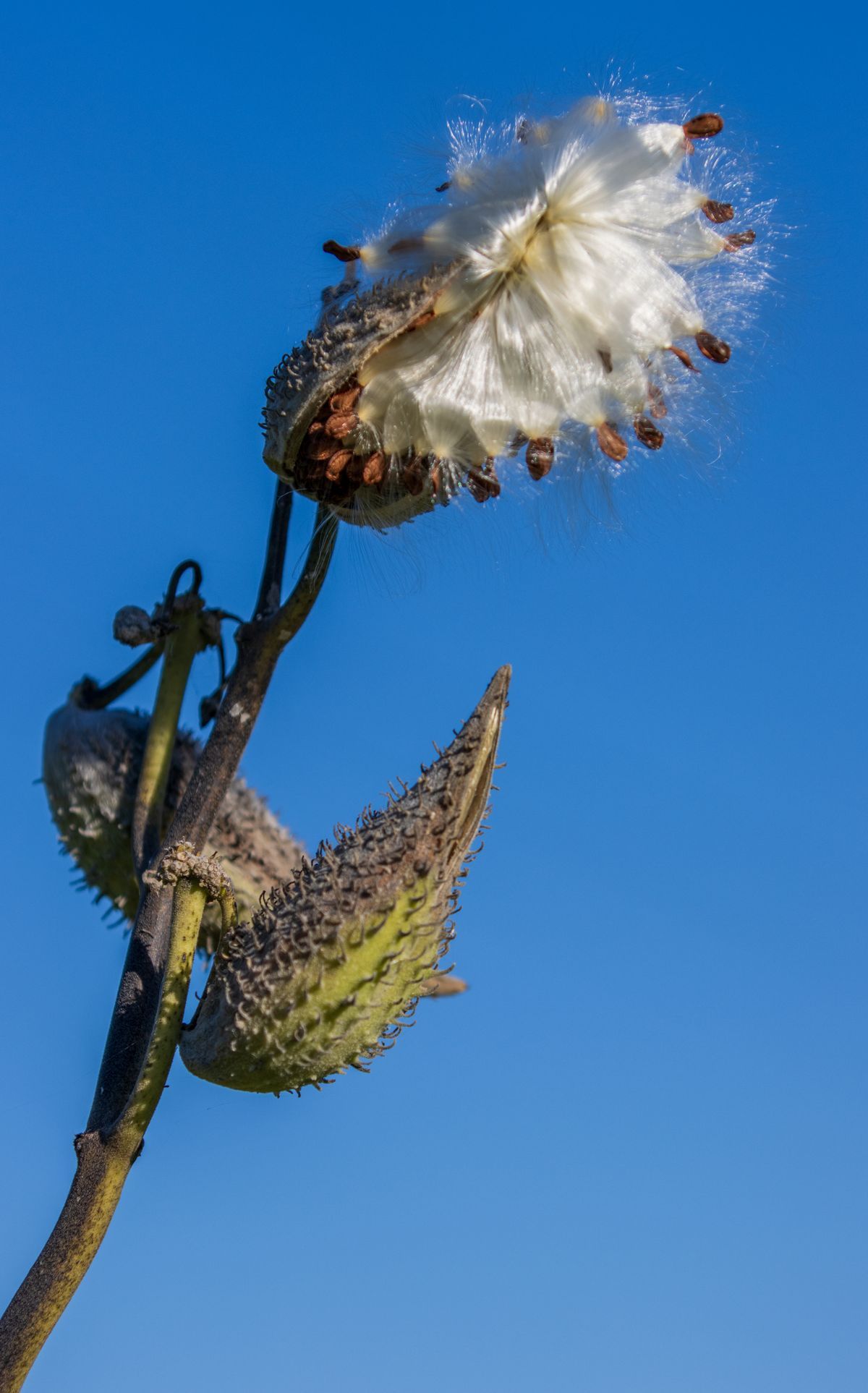
Species to Site: The Matching Table in Words
Milkweed is a genus, not a plant, and planting the wrong species in the wrong moisture is the second great failure after the skipped chill. Common milkweed, Asclepias syriaca, is the monarch icon and the thug of the family: it wants average to dry soil in full sun, spreads by rhizomes into a colony, and belongs in a meadow corner or a wild bed where a colony is the goal, never in a tidy border it will annex. Swamp milkweed wants the opposite address, moist to wet soil, a rain garden or a pond edge, and behaves as a clump rather than a conquest. Butterfly weed wants dry, lean, even sandy soil, sulks and rots in rich wet ground, and is the best mannered of the three in a designed border, compact and clumping with orange flowers that need no deadheading apologies. Whorled and prairie species fill regional niches between. Spacing follows the habit: clumping species at 12 to 18 inches, common milkweed at 24 inches with the understanding that the spacing is a starting negotiation the rhizomes will revise. Buy seed or plants of species native to your region where you can; the genus is local by nature, and a regional species arrives pre adapted to your winters, your rainfall, and your monarchs' timing.
The Two Year Expectation, and the Monarch Contract
Plant milkweed on the two year contract and it will not disappoint you; plant it expecting a butterfly garden by July and it will. Year one is leaves and roots: a first year plant from seed typically grows modestly above ground while it builds the taproot and crown that everything else stands on, and it usually does not flower. Year two brings the plant to size, flowers in early to midsummer, and the monarchs, whose caterpillars eat the leaves the planting exists to provide, which means a milkweed patch being visibly chewed in its second summer is a milkweed patch succeeding, and spraying it is the one true failure available. The management that follows is light: water a new planting through its first dry spells, then let an established plant run on rainfall in most climates; cut or leave the stems in fall as your overwintering insect philosophy dictates, knowing the seed pods split and sow the patch wider if left standing. Two warnings belong in this contract plainly. Common milkweed's rhizome spread is permanent; site it once, in a place a colony can live for a decade. And tropical milkweed, the red and orange annual sold everywhere, is a contested plant in warm climates, where its evergreen habit can hold monarchs past their migration and concentrate a parasite the migration normally purges; in frost free and mild winter regions, native species are the responsible choice, and where tropical is grown it should be cut to the ground in fall. Plant the chill, match the species, wait the two years: the butterflies are the interest on a patient deposit.
Frequently Asked Questions
Does milkweed seed need cold stratification?
Yes, for reliable germination. Milkweed seed carries a cold requirement and sown without a chill it germinates sparsely, late, or after a winter in the ground. Give it 30 days of cold moist stratification, seed mixed with damp sand or a moist towel in a sealed bag in the refrigerator, and at least 6 weeks for common milkweed per Illinois guidance. Or skip the refrigerator entirely with a fall sowing, from September until the ground freezes, which lets winter stratify the seed in place.
How deep do you plant milkweed seeds?
A quarter inch deep. The seed is small and its reserve is limited; buried an inch deep it exhausts itself before reaching light, and left on the surface it dries out or is eaten. Stratified seed sown a quarter inch deep germinates in 7 to 20 days at 64 to 75 degrees F. Indoors, use deep cells and transplant the whole cell undisturbed, because milkweed builds a taproot early and resents root handling. Keep a direct sown bed evenly moist through the germination window.
How far apart should milkweed be planted?
Twelve to 18 inches for the clumping species such as swamp milkweed and butterfly weed, and 24 inches for common milkweed, with the understanding that common milkweed spreads by rhizomes and will revise any spacing into a colony over time. That spread is why species matching matters: common milkweed belongs in a meadow corner or wild bed, swamp milkweed in moist soil and rain gardens, butterfly weed in dry lean borders. Space the plant you actually have, in the soil it actually wants.
When will my milkweed flower and attract monarchs?
Plan on the second year. First year plants from seed build roots and modest leaf growth and usually do not flower. In the second year the plant reaches size, flowers in early to midsummer, and monarchs find it; caterpillars chewing the leaves is the planting succeeding, not failing. Established plants then run on rainfall in most climates with almost no care. Tropical milkweed is the exception to handle carefully in mild climates, where natives are the better choice and tropical plants should be cut to the ground in fall.
Can I grow milkweed in a pot?
Yes, with a deep pot and the right species. Butterfly weed and swamp milkweed suit containers best; give each plant a pot at least 12 inches deep for the taproot, a gritty free draining mix for butterfly weed or a moisture holding one for swamp milkweed, and water through the first season as the plant establishes. Stratify the seed the same way, 30 days cold and moist. Common milkweed in a pot is possible but fights its own nature, a colony plant in a single plant container, and it belongs in the ground where it can spread.
Photo credits: Nenad Delibos (Pexels); Scott Platt (Pexels). Photos are served from this site; follow the credit to the library page for the original.