When to Fertilize a Lawn: Two Calendars, by Grass Family
By the Windchime Walker editorial team
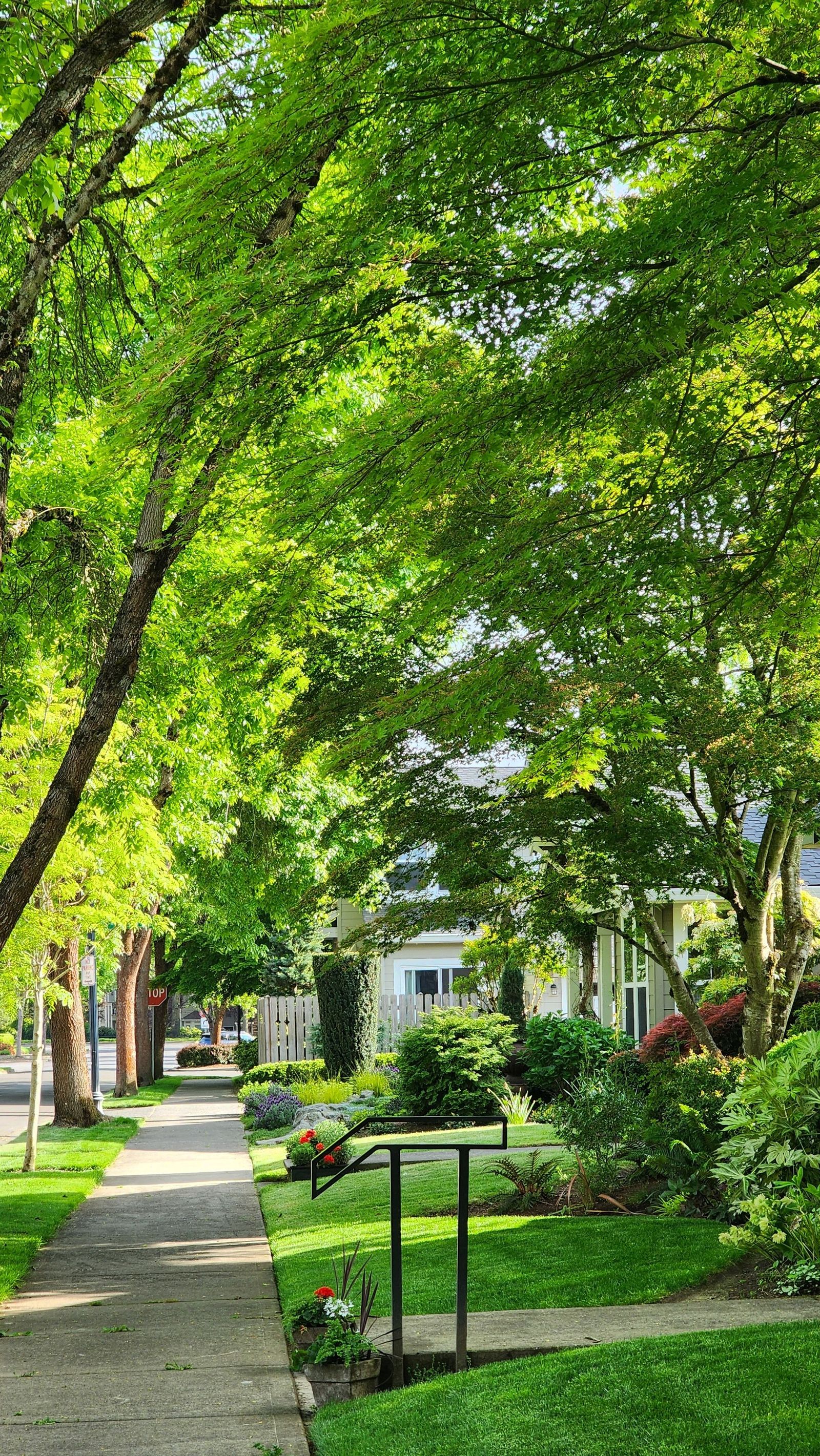
Photo: Sathyaprabha Rakkimuthu / Pexels
The fertilizer aisle is arranged by the retail calendar, which wants you feeding in April because April is when you are standing there. Your lawn's calendar is written by its grass family, and the two families keep nearly opposite years. A cool season lawn fed on the warm season schedule gets pushed into summer stress with soft growth; a warm season lawn fed on the cool season schedule gets fed while it sleeps and starved while it grows. Most fertilizing failure is not the wrong product; it is the right product on the wrong family's calendar. This page lays both calendars side by side, anchored to events you can see out the window rather than dates a store chose, with the rate ceiling and the skip conditions that keep feeding from becoming harm. Our basic lawn care guide owns the whole lawn year; this page owns the feeding question in the depth it deserves.
First, identify your family, because everything follows. Cool season grasses (fescue, bluegrass, ryegrass) grow actively in spring and fall and sulk in summer heat; they dominate northern lawns. Warm season grasses (bermuda, zoysia, St. Augustine, centipede) sleep brown through winter, green up late in spring, and grow hard through summer heat; they dominate southern lawns. If you do not know which you have, the winter tells you: a lawn that stays green into winter is cool season; a lawn that goes fully brown and dormant is warm season.
Interactive tool
Lawn Feeding Calendar Checklist
Check off each step as you finish it. Your progress stays on this page.
0 of 7 complete
0% done
Before Any Calendar: The Soil Test and the Rate Ceiling
Two rules precede every schedule. The soil test comes first: a basic extension soil test reports pH and the nutrients your soil actually holds, and lawns are routinely fed phosphorus they do not need by owners following a bag's generic program. Test once, and every few years after, and let the results set whether your fertilizer is a nitrogen only feed or a balanced one, and whether lime or sulfur belongs in the year at all.
The rate ceiling is universal: never apply more than about 1 pound of actual nitrogen per 1,000 square feet in a single application. More does not green more; it burns, it surges growth you must mow, and the surplus runs off into waterways, which is why many regions regulate lawn feeding near water and in winter. The arithmetic is on every bag (the first of the three numbers is the nitrogen percentage), and our checklist walks it: divide the target rate by the percentage to get pounds of product per 1,000 square feet. Feeding is a measured act, like dosing, and the gardeners whose lawns look fed rather than forced are the ones who measure.
The Cool Season Calendar
Early fall is the main event. As heat breaks and the grass resumes active growth, a feeding of about 1 pound of nitrogen per 1,000 square feet rebuilds what summer cost, thickens the turf, and stores the reserves the lawn lives on until spring. If a lawn gets only one feeding a year, a cool season lawn gets this one.
Late fall is the winterizer. A second feeding, several weeks after the first and while the grass is still green and growing slowly (typically around the last mowings), goes almost entirely to root reserves and early spring green up. Lawns fed in late fall green up earlier and thicker in spring without the surge growth that an early spring feeding causes.
Late spring is optional and light. A modest feeding can help a thin or hungry lawn, at a reduced rate, and many good lawns skip it entirely; spring feeding pushes top growth at the expense of roots heading into summer stress. Midsummer is the skip: no fertilizer on cool season grass in heat, when the lawn is semi dormant, disease prone, and unable to use it; feeding then grows fungus and thatch, not lawn. The cool season year, in one line: feed the fall like you mean it, consider the spring a garnish, and let summer alone.
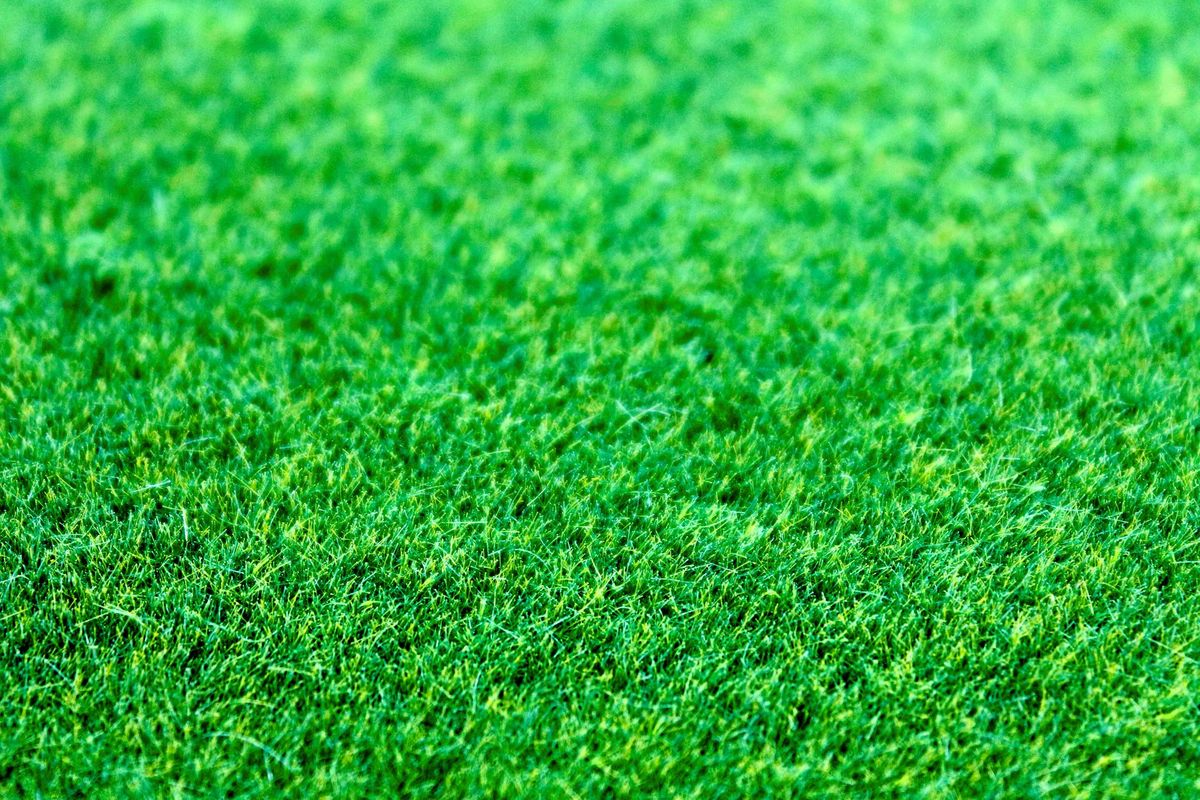
Close view of a lush green grass lawn
The Warm Season Calendar
Feeding starts at full green up, not at the first green tinge: when the lawn is fully green and actively growing, typically late spring, the first feeding of about 1 pound of nitrogen per 1,000 square feet launches the growing season. Feeding a still dormant or half awake warm season lawn wastes the application on soil and weeds and can injure tender new growth in a late cold snap.
Summer is the working season, and feedings continue at intervals through it, every 6 to 8 weeks for hungry grasses like bermuda, less often for slow ones like centipede, which wants a light hand and yellows under the feeding rates bermuda enjoys. Know your species within the family; the calendar is the family's, but the appetite is the species'.
Feeding stops 6 to 8 weeks before the first expected frost. Late nitrogen pushes tender growth that winter cold then burns, and a warm season lawn should glide into dormancy on its reserves, hardening as the nights cool. Winter is the skip, the mirror of the cool season summer: nothing on a dormant lawn, ever, because the grass cannot use it and every granule is runoff with a label on it.
The Two Calendars, Side by Side
Season
Cool season lawn
Warm season lawn
Early spring
Nothing yet; let reserves work
Nothing; still dormant
Late spring
Optional light feeding
Main feeding at full green up
Summer
Skip: heat and dormancy stress
Working feedings every 6 to 8 weeks by species
Early fall
Main feeding, about 1 lb N per 1,000 sq ft
Last feedings; stop 6 to 8 weeks before frost
Late fall
Winterizer feeding while still green
Nothing; gliding into dormancy
Winter
Nothing on frozen ground
Nothing on dormant grass
The table is the whole page in one view, and it exposes the retail calendar's error at a glance: the spring feeding frenzy serves the warm season lawn's green up and the cool season lawn's least important meal, and no lawn of either family is fed in the season when it sleeps. Anchor your year to your grass's events (full green up, the break of heat, the approach of frost) and the store's dates become irrelevant.
Feeding Day: The Small Craft
Apply on a calm, dry day when the grass is dry and rain is not imminent for a day, so the granules stay where they land until you water them in lightly if the label directs. Use a spreader, not a hand and a bucket, and apply in two passes at half rate in perpendicular directions, which is how overlaps and missed stripes are engineered out of the result. Sweep granules off paths and drives back onto the lawn; fertilizer on pavement is fertilizer in the storm drain. Keep children and pets off until the product is watered in and the grass is dry, per the label, and store the surplus sealed and dry with the rate and date written on the bag, because next season's first question is always what you did last season.
Reading the Lawn's Answer
A fed lawn talks back within a fortnight, and learning its language prevents the two classic errors: feeding again too soon because nothing seemed to happen, and concluding the product failed when the calendar did. A correct feeding on the correct family's schedule shows as an even deepening of green and a thickening you feel underfoot, spread over 10 to 14 days, not an overnight transformation. A surge of soft, fast growth that doubles your mowing tells you the rate ran hot or the timing pushed a plant already growing hard; note it, and trim the next application rather than skipping it, because the calendar's rhythm matters more than any single dose.
Stripes are a technique report, not a product report: light and dark bands across the lawn map your spreader passes with embarrassing fidelity, overlaps dark, gaps light. The two pass, half rate method in this page exists precisely to erase them, and a lawn striped once teaches it permanently. Yellowing after feeding, especially in patterns, is usually burn from granules concentrated in one place (a spill, a stopped spreader, a turn taken with the gate open) or a lawn fed while dormant or drought stressed, which is a calendar error confessing itself. Water a burned patch deeply and wait; grass crowns survive insults that foliage does not.
The long game deserves the last word. A lawn fed on its family's calendar, at measured rates, on tested soil, improves year over year in the ways that compound: thicker turf that crowds weeds out by shade, deeper roots that shorten the watering season, and a soil biology that begins returning nutrients on its own schedule. The neighbor's lawn that looks effortlessly better is rarely fed more; it is fed on time, which after three seasons is indistinguishable from magic and considerably cheaper. Write your two or three dates on the calendar now, in the months your grass family keeps, and the aisle's April siren song loses its power over you permanently.
The Lawn Journal: Three Lines a Year
Feeding rewards record keeping out of all proportion to the effort, because the questions repeat annually and memory answers them badly. Three lines per feeding, in the garden journal or on the calendar itself, are the whole system: the date, the product and its nitrogen number, and the rate you spread. Add one line each spring for the soil test's headline numbers when you take it. With those lines, next year's decisions are arithmetic; without them, every year starts from folklore and the aisle's advice, and the same mistakes get purchased repeatedly at retail. The lawns that improve decade over decade belong, almost without exception, to the gardeners who can tell you what they fed in the fall three years ago, not because the record is magic, but because the habit of recording is the habit of noticing, and feeding on time is mostly noticing, written down.
Frequently Asked Questions
When is the best single time to fertilize a lawn?
For a cool season lawn, early fall: about 1 pound of nitrogen per 1,000 square feet as growth resumes after summer. For a warm season lawn, at full green up in late spring. If a lawn gets one feeding a year, those are the two answers, and they are not interchangeable.
How much fertilizer should I apply at once?
Never more than about 1 pound of actual nitrogen per 1,000 square feet per application. Compute product from the bag's first number (its nitrogen percentage): a 20 percent nitrogen product needs 5 pounds per 1,000 square feet to deliver 1 pound of nitrogen. Measure the lawn, weigh the product, use a spreader.
Can I fertilize in summer?
Warm season lawns, yes: summer is their working season, fed every 6 to 8 weeks by species appetite. Cool season lawns, no: feeding in summer heat stresses semi dormant grass, feeds disease, and grows thatch. The calendar follows the grass family, not the month.
Should I fertilize before rain?
Not before heavy rain, which washes granules into drains and low spots. Light rain after application, or a light watering in, is good and often directed by the label. Apply to dry grass on a calm day, then let a gentle watering settle the product into the turf.
Do I really need a soil test?
Yes, once and then every few years. It reports pH and the nutrients your soil already holds, and it routinely saves lawns from phosphorus they do not need and lime they do not want. Every feeding program on this page assumes the test's numbers, not a bag's generic promises.
When should warm season lawns stop being fed for the year?
Six to 8 weeks before the first expected frost. Late feeding pushes tender growth that cold burns, and the lawn should enter dormancy on stored reserves. Cool season lawns have the mirror rule: their late fall winterizer is deliberate, and nothing goes on frozen ground afterward.
Photo credits: Sathyaprabha Rakkimuthu (Pexels); icon0 com (Pexels). Photos are served from this site; follow the credit to the library page for the original.