How to Get Rid of Weeds in Lawn: Match the Method to the Root
By the Windchime Walker editorial team
Photo: Keith Cassill / Pexels
Most lawn weed advice fails because it treats weeds as a single enemy with a single weapon, usually a bottle. Weeds are not one problem. A dandelion is a deep taproot with a parachute seed head. Clover and creeping Charlie are networks of stems rooting as they run. Crabgrass is an annual grass that exists only as seed in your soil, waiting for warmth. Three different machines, three different counters, and the gardener who identifies the root system before choosing the method wins the lawn in a season. The gardener who sprays everything wins a fortnight and a subscription.
There is also a longer truth underneath every method below: weeds are opportunists that colonize weakness. Bare soil, thin turf, scalped grass, and compacted ground are invitations, and a thick, well fed, properly mown lawn is itself the most effective weed control ever devised, because it leaves the invaders no light and no room. Every method here therefore ends the same way: fill the gap. A weed removed and replaced by grass seed is gone. A weed removed and replaced by bare dirt is a reservation for the next weed.
The Lawn Weed Removal Checklist on this page runs the identification first and the methods second, in the order this guide does. Tick off your weed's type before you touch a tool; two minutes of looking saves a season of spraying the wrong war.
Interactive tool
Lawn Weed Removal Checklist
Check off each step as you finish it. Your progress stays on this page.
0 of 7 complete
0% done
Step 1: Identify the Weed by How It Grows
Get down at lawn level and look at the plant's architecture. Taproot weeds grow as a rosette, a flat star of leaves from a single crown, with one thick root going straight down like a carrot: dandelion, plantain, dock, and thistle are the common ones. Pull one and the root tells you the whole story, a single pale spear that snaps if you are careless and leaves its growing tip behind to resprout.
Creeping weeds travel. Clover, creeping Charlie, white clover's cousins, and speedwell send stems along the surface that root at every node, knitting a mat through the grass rather than rising from a point. There is no single root to pull; the plant is a net, and pulling tears out handfuls while leaving rooted nodes behind like cuttings, each one a new plant. Grassy weeds, crabgrass above all, look like grass because they are grass: coarse, pale, sprawling annuals that germinate from seed in warm soil each spring, sprawl outward in summer, and die at frost, leaving their seed behind as next year's crop.
If you cannot name the weed, the growth habit is identification enough. Rosette and taproot, mat and runners, or grassy annual: pick the family, and the method below follows from it. A phone photo and a local extension office will name anything the habit leaves ambiguous, and extension identification is free.
Step 2: Taproot Weeds, the Fork and the Rain
Taproot weeds are hand weeding's home turf, and the technique is moisture and depth. Weed after rain or a deep watering, when the soil is soft, because a taproot slides out of wet soil whole and snaps off in dry soil at exactly the depth that guarantees its return. Use a forked dandelion weeder, a narrow tool that goes down alongside the root, levering gently while you pull the crown with a slow, steady hand. The goal is the root's full length, or at least its top several inches including the crown; a dandelion can resprout from a deep fragment, but a crown removed with the upper root is a finished plant.
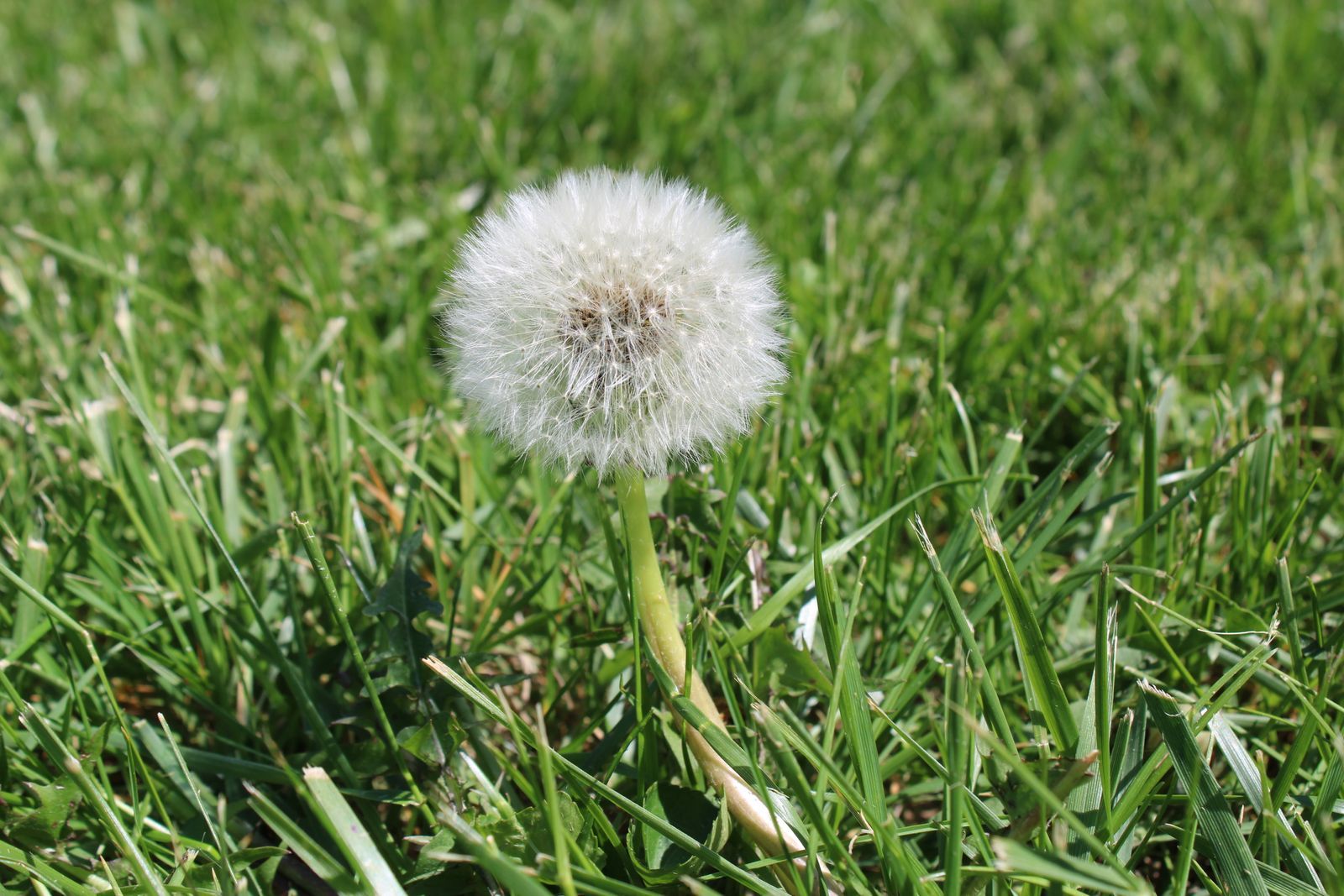
Timing adds the second half of the method: deadhead relentlessly. A dandelion flower is a seed head in waiting, and each one that puffs releases a small air force of seeds across your lawn and the neighbors'. Mowing or snapping off flowers before they set seed costs nothing and starves the invasion's supply line, while the roots you cannot reach this week get their appointment with the fork after the next rain.
For a lawn where taproot weeds are beyond hand work, a selective herbicide labeled for broadleaf weeds in lawns, applied while weeds are actively growing, in late spring for most, is the chemical option, used exactly per its label. It kills broadleaf plants and spares grass, which is why identification mattered: it will do nothing to crabgrass and nothing for a lawn whose real problem is thinness.
Step 3: Creeping Weeds, Rake Them Up and Mow Them Down
Creeping weeds are beaten by a combination they cannot adapt to: disruption and competition. Before mowing, rake the infested patch vigorously to lift the creeping stems up off the soil, then mow over them, which cuts the lifted stems into pieces and removes the leaf area the mat feeds from. Repeated through a season, raking and mowing exhaust the network's reserves. It is slow, it is free, and it works on the moderate infestations that make up most real lawns.
Raise the mower while you are at it. Grass cut too short is the creeping weed's best friend, because short turf lets light reach the soil where creeping stems root, and the grass itself weakens. Mowing high, around 3 inches for most lawn grasses, shades the soil, cools it, and lets the grass outcompete the mat for light. A season of high mowing changes a lawn's weed balance more than a season of spraying, because it changes the conditions the weeds were exploiting.
Bad patches, where the creepers have won outright and the grass is a memory, get the honest treatment: cut the patch out, remove the mat and its rooted nodes entirely, loosen the soil, and reseed or sod it. Half measures in a lost patch are how the mat survives to recolonize the lawn from its stronghold. Cut it out, fill the gap with grass, and the war in that corner is over.
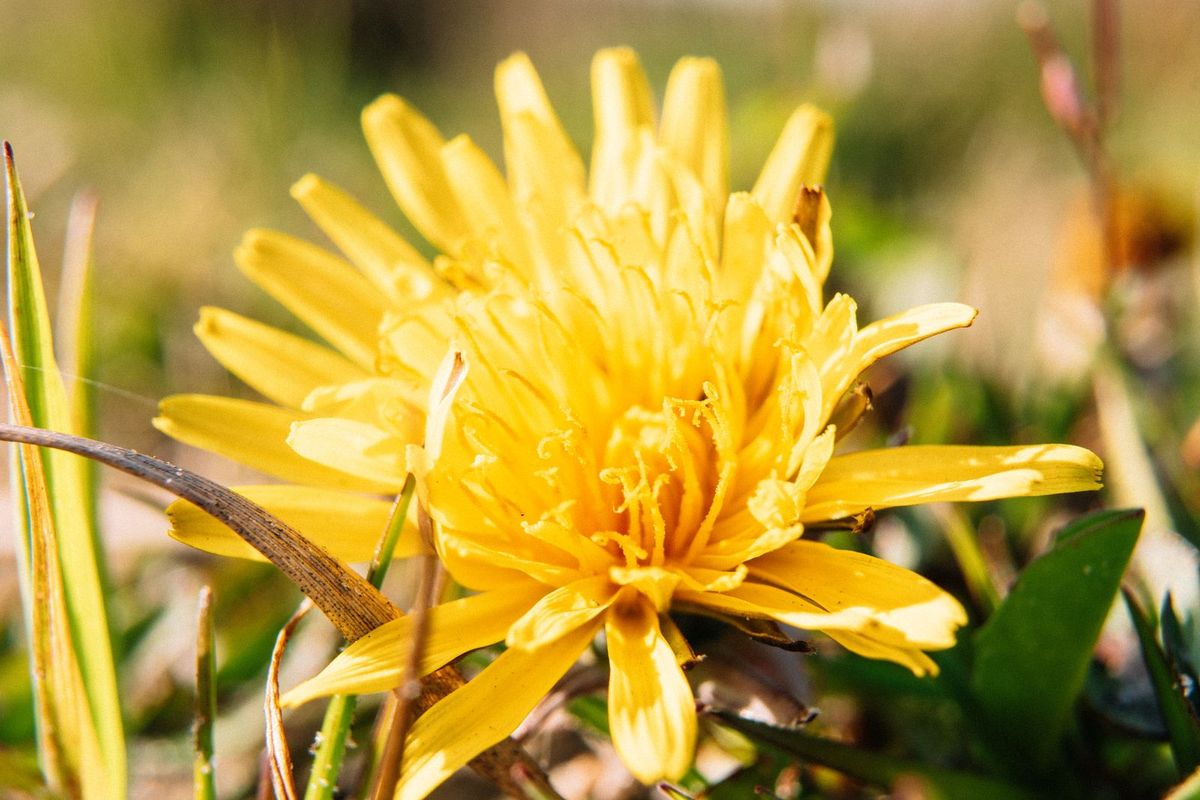
A bright yellow dandelion flower surrounded by greenery
Step 4: Grassy Weeds, Win in Spring or Not at All
Crabgrass is fought on the calendar, not in July. It germinates from seed when soil warms in spring, grows all summer, and dies at the first frost, having dropped thousands of seeds per plant. Pulling or spraying the visible plant in August removes a plant that was leaving anyway and does nothing about the seed bank it spent the summer filling. The war is won in early spring with a pre-emergent herbicide, applied before germination when soil temperatures approach the germination range, which forms a barrier that kills seedlings as they sprout. Miss that window and the year's crabgrass is largely decided; your summer work becomes limiting seed production, pulling plants before they seed where you can, and planning the fall overseeding that thickens the turf.
Because that thickening is the permanent answer. Crabgrass germinates in light and warmth at the soil surface; a dense lawn shades and cools the soil enough to suppress most germination without chemistry. Overseed thin areas in fall, when grass seed faces no crabgrass competition at all, feed the lawn on its schedule, mow high, and each spring the pre-emergent has less work to do. Gardeners who thicken their turf for two or three seasons find the crabgrass problem shrinking to the edges, the driveway strip and the hot corner by the pavement, where heat defeats shade and a targeted effort stays worthwhile.
Weeds in Special Places: Edges, Tree Rings, and Thin Shade
Three places in every lawn break the general rules, and each wants a word of its own. Along edges, driveways, fences, and pavement, heat radiates, soil is thin, and grass struggles while weeds shrug. The honest fix is often to stop demanding lawn there: a defined edge bed, a strip of mulch, or ground cover planted deliberately beats a decade of fighting crabgrass for a six inch strip of baked soil. Where the lawn must run to the edge, expect to hand weed it more often and overseed it every fall without exception, because it will thin every summer without fail.
Under trees, the competition is roots and shade together, and many lawns lose there no matter the method. Fork out the weeds, by all means, but overseed with a shade tolerant grass mix and accept a thinner sward, or convert the tree ring to mulch and shade plants and end the war by treaty. A tree ring of mulch is better for the tree than grass ever was, since mower and trimmer wounds at the trunk do real damage, so the treaty is a victory in disguise.
The thin shaded corner where nothing thrives deserves the same honesty: if grass cannot grow there, weeds are not the problem, they are the symptom. Fix the shade if you can, choose a shade mix and feed it if you cannot, or give the corner to plants that want it. The goal of this whole guide is a lawn that defends itself, and a corner handed to the right plants defends itself best of all, by not being a lawn shaped invitation.
Step 5: Fill Every Gap, or the Weeds Will
Every method above ends here, because bare soil is the weed's nursery. When you fork out a dandelion, drop grass seed in the hole and press soil over it. When you cut out a creeping patch, reseed it the same day. When crabgrass dies at frost, the gaps it leaves are exactly where its own seed is waiting, and a fall overseeding puts grass seedlings in those gaps first. Overseeding is not a separate lawn project that happens to help with weeds. In the long run, overseeding is the weed control, and everything else in this article is buying time for the grass to take over the job.
Keep the young seed moist, walk the lawn weekly through the growing season with the fork in your back pocket, and give the system a full season before judging it. A lawn is an ecosystem being steered, not a surface being cleaned, and steering takes a season to show. By the second season, the weekly walk finds a weed or two instead of a population, and the fork feels less like a weapon and more like a habit, which is what winning a lawn actually looks like.
Frequently Asked Questions
What is the fastest way to get rid of lawn weeds without chemicals?
Match the hand method to the root system. Taproot weeds like dandelions come out whole with a forked weeder after rain, when wet soil releases the root. Creeping weeds like clover are raked upright and mowed down repeatedly, with the mower raised to about 3 inches so the grass shades them out. Then overseed every gap the same week, because bare soil is where the next weeds are already scheduled.
Why do weeds keep coming back after I pull them?
Usually one of three reasons. A taproot weed pulled in dry soil snapped its root and resprouted from the crown left behind. A creeping weed was torn rather than removed, and every rooted node left in the soil became a new plant. Or the gap left behind stayed bare, and weed seeds in the soil, which are always present, germinated into the open light. Wet soil pulling, complete removal, and immediate overseeding close all three doors.
When should I apply pre-emergent for crabgrass?
In early spring, before the crabgrass seed germinates as soil warms. Pre-emergent works by killing seedlings as they sprout; it does nothing to plants already growing, so the summer battle against visible crabgrass is mostly limiting its seed production and planning fall overseeding. A thick lawn is the long term crabgrass control, since dense turf shades and cools the soil surface where crabgrass needs light and warmth to germinate.
Does mowing higher really reduce weeds?
Yes, and it is one of the most reliable weed controls there is. Grass kept around 3 inches shades the soil, which suppresses the germination of light hungry weed seeds like crabgrass and starves creeping weeds of the light their mats root in. Scalped lawns invite weeds because they offer bare, lit, warm soil. Mowing high costs nothing and changes the conditions every weed in this article was exploiting.
Should I use a selective herbicide on my lawn weeds?
It is a legitimate tool for broadleaf taproot and creeping weeds when hand work cannot keep up, applied while the weeds are actively growing, often late spring, and always exactly per the label. It will not touch grassy weeds like crabgrass, which is why identifying the weed comes first. Whatever you spray, the result lasts only if the lawn thickens afterward; spray without overseeding and you have rented the improvement for a season.
How long does it take to win a weedy lawn?
Plan on a full season to see the turn and two to three seasons to finish it. Hand weeding and mowing changes show within weeks, but the real cure, a turf thick enough to suppress weeds itself, builds through fall overseeding cycles, since fall is when grass seed grows without crabgrass competition. The weekly walk with a fork gets shorter every month, which is the truest measure of progress.
Photo credits: Keith Cassill (Pexels); Matthias Groeneveld (Pexels). Photos are served from this site; follow the credit to the library page for the original.