The honest answer to this question is not a product. Every natural weed killer you can spray is a compromise, and the guides that sell them as drop in replacements for herbicide set you up to fail with a scorched lawn and the same weeds back by June. Natural weed control works, genuinely and durably, when it is run as what it actually is: a system for making the turf so dense and competitive that weeds cannot establish, plus hand work for the ones that do. The Royal Horticultural Society's non chemical position is the anchor: a well fed, well grown lawn outcompetes weeds, and cultural control is the method, not the consolation prize. This site's how-to-get-rid-of-weeds-in-lawn owns the full method by root guide, chemical options included. This page owns the non chemical system alone; the without chemicals and without killing grass variants of the question are this article.
Home / Lawn and Landscape Basics
How to Get Rid of Weeds in Lawn Naturally: The Density System
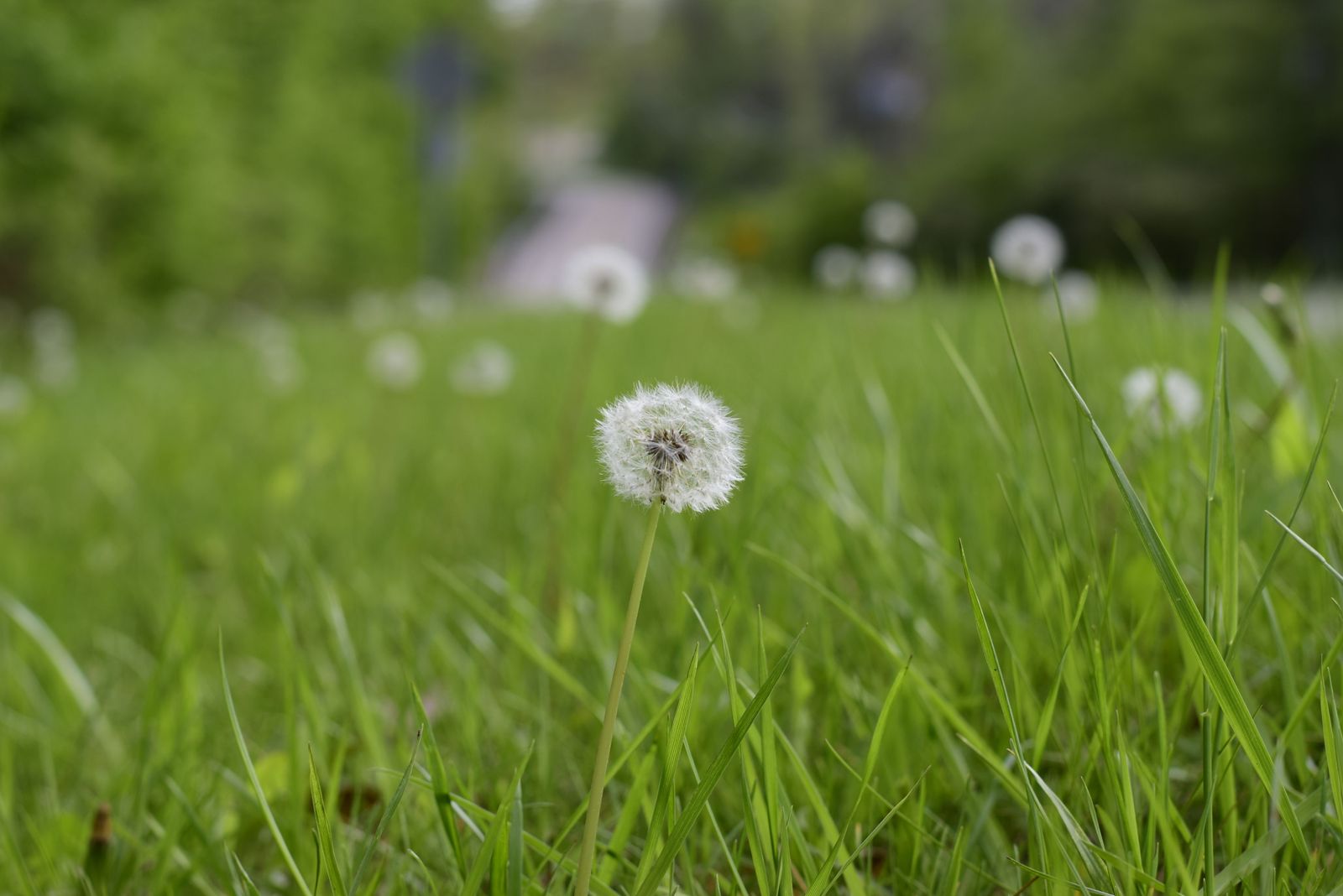
Photo: Manjunath B / Pexels
Natural Weed Control Checklist
Check off each step as you finish it. Your progress stays on this page.
0 of 8 complete
0% done
The Core Insight: Weeds Are a Symptom of Thin Turf
Weed seed is everywhere, in every lawn, every year, in quantities no effort can exhaust. What decides whether it grows is opportunity: bare soil, light reaching the ground, and weak grass that cannot take the space first. A thick lawn at the right height is a closed canopy, and almost nothing germinates under a closed canopy. So the natural program is not aimed at the weeds you see; it is aimed at the thinness that invited them. Every practice below exists to close the canopy, and the weeding itself, the hand pulling and the spot treatments, is the cleanup while the system takes hold. Expect the first season to be the hardest, with visible hand work, and each season after to need less, because a lawn closing its canopy is a lawn evicting its weeds on a schedule no spray can match.
The Cultural Program: Mowing, Feeding, Watering
Mow high: 3 to 4 inches for most cool season lawns, and never remove more than a third of the blade in a single mow. Height is weed control twice over, because tall grass shades the soil where weed seed waits, and because a tall plant keeps the deep roots that win the underground competition. Keep the blade sharp; a dull blade shreds leaf tips into entry points for disease and stress. Feed the lawn on a real schedule, because a hungry lawn thins and a thin lawn weeds: a soil test sets the amounts, but the rhythm is a main feed in fall for cool season lawns, with spring feeding as the soil test directs. Water deep and infrequently, an inch at a time, so roots grow down and the surface dries between drinks, which disadvantages shallow germinating weeds relative to established grass. Aerate compacted areas, because compaction is a weed invitation all by itself, favoring plantain, knotweed, and clover over turf grasses that cannot breathe there. And topdress with a quarter inch of compost worked down through the grass once a year, which feeds the soil biology the whole system stands on.
Overseeding: Closing the Door Every Fall
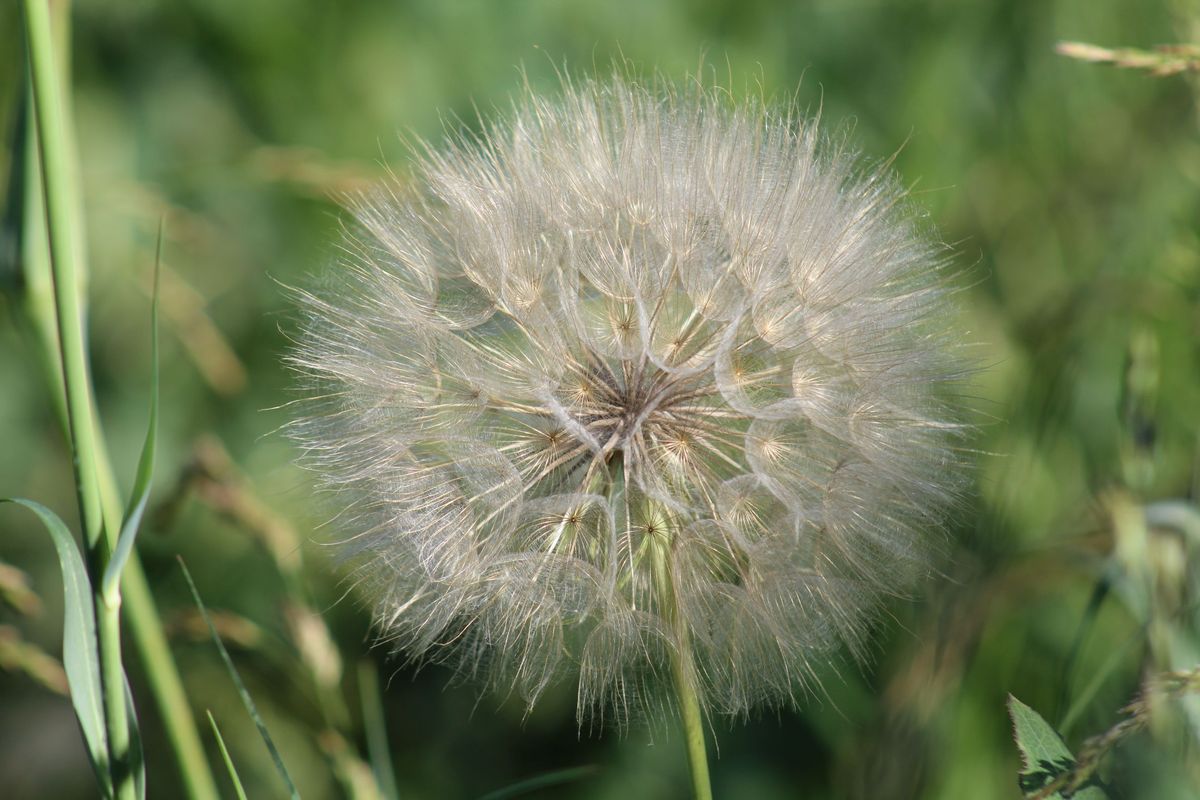
The single most powerful natural weed control act is overseeding thin areas every fall. Bare and thin spots are next year's weed patches with the date already set, and grass seed sown into them in the fall window germinates into cooling, weed free conditions and closes the canopy before spring. Any gap bigger than a dinner plate gets seed, soil contact, and water until it is established. This is also where one of the natural product stories collides with the system, so note it now: corn gluten meal, the popular natural pre emergent, cannot be used within about 6 weeks of overseeding, because it inhibits root formation in germinating seed generally, which includes yours. The system and the product must be scheduled around each other, and on most lawns the seed matters more.
Hand Removal: The Honest Workhorse
For weeds that establish anyway, the hand is the herbicide, and technique makes it efficient. Pull after rain or a deep watering, when the soil releases roots whole. Taproot weeds, dandelion above all, need a forked weeding tool or a narrow trowel worked down the root's full length; a dandelion snapped at the crown is a dandelion postponed, because the root regrows. Rosette and creeping weeds come up with a hoe or a hand fork under the crown. Work in passes through the season, a bucket's worth on a regular walk, rather than in one heroic weekend, because weeds pulled before they seed are next year's weeds prevented: a single dandelion clock is thousands of seeds, and the gardener who deadheads the weed population is running a pre emergent program with a bucket. Grass like weeds and established perennial invaders, ground ivy and violets among them, are the hard core; dig patches out whole and overseed the hole the same day, so the repair and the eviction are one act.
The Products, With Their Limits Stated
Three product classes appear in every natural weed guide, and each has a place, provided its limits are on the label you write for it. Corn gluten meal is a genuine pre emergent: it inhibits root formation in germinating seeds, and used at label rates in spring and fall it reduces crabgrass and other annual weeds over time, with the emphasis on over time, because its effect builds across seasons rather than arriving in the first one. It is also a nitrogen fertilizer, roughly 10 percent nitrogen, which feeds the density system while it works, and it carries the overseeding conflict stated above. Iron based sprays, the FeHEDTA products, blacken and suppress broadleaf weeds like dandelion and clover over repeated applications while leaving grass mostly unharmed, making them the one true selective in the natural shelf, though suppression over a season is a fairer word than eradication. Horticultural vinegar, at 20 percent acetic acid, and boiling water are contact burners: they scorch whatever foliage they touch, weed and grass alike, with no root kill on established perennials, so their place is spot treatment and hard surfaces, cracks in paving and edges, never broadcast over a lawn. Handle the vinegar with the respect a strong acid deserves, gloves and eye protection, and keep it off stone and concrete you care about. None of these replaces the system; all of them are more effective inside it.
The Season Plan, Assembled
Spring: raise the mower to 3 to 4 inches, sharpen the blade, pull the overwintered weeds while the soil is soft, and decide the corn gluten question against your seeding plans. Summer: mow high and regularly, water deep and infrequent, hand pull on the weekly walk before anything seeds, and spot treat with iron where a patch offends you. Fall: the main event, aerate if compacted, overseed every thin spot, topdress with a quarter inch of compost, and give the main feed. Winter: plan, test the soil, and sharpen everything. Run that year twice and the lawn you are managing is visibly different: denser, darker, and boring to weed, because there is progressively less to pull. That trajectory, not any single product, is what natural weed control actually promises, and unlike the spray substitute story, it is a promise the method can keep.
Related guides
These guides sit closest to this one on the garden path:
- How to Get Rid of Weeds in Lawn During Summer: Triage, Not Cure
- How to Start a Lawn From Scratch: The Seed or Sod System, End to End
- How to Get Rid of Weeds in Your Lawn Permanently: The Honest Answer
- How to Start a Garden Bed on Grass: Sheet Mulching Step by Step
Frequently Asked Questions
What is the best natural way to kill weeds in a lawn?
There is no single best product, because the method that works is a system: dense turf grown through high mowing at 3 to 4 inches, proper feeding, deep infrequent watering, and fall overseeding of every thin spot, so weeds lose the space they need to establish. Within that system, hand pulling after rain handles established weeds, iron based sprays suppress broadleaf weeds selectively over repeated applications, and corn gluten meal reduces new annual weeds across seasons as a pre emergent. Vinegar and boiling water are spot tools for paving and edges only, because they burn grass as readily as weeds.
Does corn gluten meal really work as a weed preventer?
Yes, with its limits understood. It inhibits root formation in germinating seeds, so it reduces crabgrass and other annual weeds, but the effect builds over several seasons of spring and fall applications rather than arriving at full strength in the first year. It doubles as a nitrogen fertilizer, which helps the turf density that does most natural weed control. Its hard limit is seeding: do not use it within about 6 weeks of overseeding, because it will inhibit your grass seed's roots along with the weeds'. Lawns being actively thickened should usually choose the seed over the gluten.
Will vinegar kill weeds without killing grass?
No. Horticultural vinegar at 20 percent acetic acid is a non selective contact burner: it scorches the foliage of whatever it touches, grass included, and on established perennial weeds it burns the top while the root survives to regrow. Its legitimate uses are spot treating individual weeds in bare areas, and clearing cracks and edges in paving where there is no grass to lose. Broadcast over a lawn it produces a polka dot lawn of burned grass and recovering weeds. It is also a strong acid; gloves and eye protection are not optional.
How do I get rid of dandelions naturally?
Pull them whole, after rain, with a forked tool worked down the full length of the taproot, because a dandelion snapped at the crown regrows from the root that remains. Deadhead any you miss before the clocks form; one seeding dandelion undoes a season of pulling. Iron based sprays suppress dandelions over repeated applications within a lawn. And the permanent fix is the density system on this page: dandelions colonize thin, compacted, closely mown turf, so mowing at 3 to 4 inches, aerating compaction, feeding, and overseeding gaps removes the conditions, after which the pulling gets easier every season.
How long does natural weed control take to work?
The hand work works immediately, weed by weed. The system works on a scale of seasons: visible improvement in the first year, a clearly denser and cleaner lawn by the end of the second, provided the full program runs, high mowing, feeding, deep watering, fall overseeding, and compost topdressing. Corn gluten meal follows the same clock, building effect across seasons. Anyone promising a natural one application transformation is selling the spray substitute story this page warns against; the real method is slower than chemistry in month one and better than chemistry by year two, because it removes the cause instead of renting relief from it.
Photo credits: Manjunath B (Pexels); Eve R (Pexels). Photos are served from this site; follow the credit to the library page for the original.