Overseeding is not seeding a lawn. It is repairing one, and the seed that repairs a lawn is chosen by a rule new lawn seed never faces: it has to match what is already growing, in color, texture, and season, or the repair announces itself every spring as a patchwork of mismatched green. That matching rule is why the extension services publish blend recipes rather than variety lists for this job. A blend spreads risk across species, and the proportions follow the light. The Iowa State blend benches are the clearest published version: a sunny lawn overseeds with a mix around 80 to 90 percent Kentucky bluegrass and 10 to 20 percent perennial ryegrass, while a lawn in mixed sun and shade shifts to roughly 50 to 60 percent bluegrass, 30 to 40 percent fine fescue, and 10 percent ryegrass. This page works those benches, the rates, and the fall calendar. The process of overseeding itself, mowing low, raking, seeding, and watering, lives on the site's fall overseeding guide, and the watering rhythm on the overseeded lawn watering page; this page is the seed decision both of them depend on.
Home / Lawn and Landscape Basics
Best Grass Seed for Fall Overseeding: Match the Lawn You Already Have
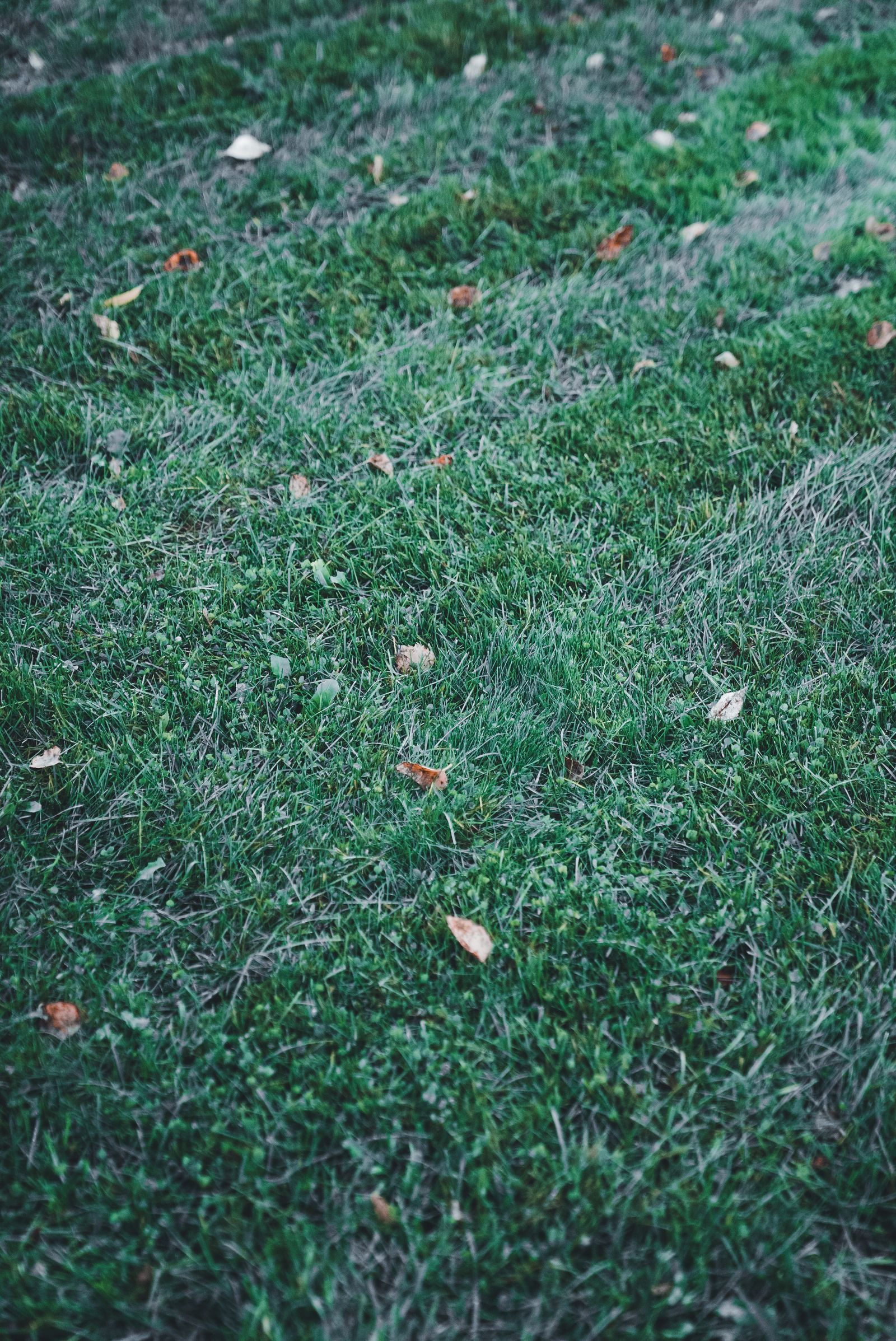
Photo: Erik Mclean / Pexels
Fall Overseeding Seed Checklist
Check off each step as you finish it. Your progress stays on this page.
0 of 8 complete
0% done
The Blend Benches, by Light
Read your lawn's light the way the blends do, in three bands. Full sun lawns, six or more hours of direct sun, run the bluegrass heavy bench: 80 to 90 percent Kentucky bluegrass for the dense, self repairing sod, with 10 to 20 percent perennial ryegrass as the fast nurse that covers in days while the bluegrass takes its three weeks to germinate. Mixed sun and shade, the common suburban case, runs the balanced bench: 50 to 60 percent bluegrass, 30 to 40 percent fine fescue, which is the shade worker of the cool season grasses, and 10 percent ryegrass for speed. Heavy shade is the third band, and it stops being a blend: essentially all fine fescue, the hard, chewings, and creeping red fescues, because bluegrass thins out under trees whatever the bag promises. Tall fescue lawns are the exception that proves the matching rule: if your existing lawn is tall fescue, overseed with tall fescue, at the high end of the rate range, because tall fescue does not spread and its texture refuses to blend with bluegrass. The seed tag on any bag lists the proportions and the weed seed percentage; read it the way you would a food label, because two bags both calling themselves a sun and shade mix can be different products entirely.
| Your lawn's light | Blend bench | Overseeding rate | Germination to expect |
|---|---|---|---|
| Full sun | 80 to 90% Kentucky bluegrass, 10 to 20% perennial ryegrass | 4 to 6 lb per 1,000 sq ft | Rye 5 to 10 days, bluegrass 14 to 21 days |
| Mixed sun and shade | 50 to 60% bluegrass, 30 to 40% fine fescue, 10% ryegrass | 4 to 6 lb per 1,000 sq ft | Fescue 7 to 14 days |
| Heavy shade | Near 100% fine fescue | 4 to 6 lb per 1,000 sq ft | 7 to 14 days |
| Existing tall fescue lawn | Tall fescue, matched | High end of the range | 7 to 14 days |
| Spot and thin patch repair | Match the surrounding lawn | 2 to 3 lb per 1,000 sq ft of area treated | As above |
Rates, and the Contractor Mix Warning
Overseeding rates run 4 to 6 pounds per 1,000 square feet for a full lawn pass, and 2 to 3 pounds for spot and thin area work, and the rate matters in both directions: too little seed into a thin lawn leaves the thinness, and seed dumped at double rate wastes money and crowds seedlings into disease. Weigh the seed for your measured area rather than spreading by feel; a bathroom scale and a bucket make the rate real in two minutes. The purchase to avoid is the cheap contractor mix, and the reason is printed on its own tag: these blends lean heavily on annual ryegrass, which germinates in days, looks wonderful for one season, and dies with the year, leaving the lawn exactly as thin as it started, minus the purchase price. Perennial ryegrass in the benches above is a nurse at 10 to 20 percent. Annual ryegrass at 40 percent is a rental. The tag also tells you the weed seed and inert matter percentages; a bargain bag that is 5 percent weed seed is a weed seeding service with grass included.
Reading the Seed Tag Like a Contract
Everything this page claims about blends is verifiable on the bag, because seed law requires the tag to print the truth: each species and variety by name with its percentage by weight, the germination percentage and its test date, the weed seed percentage, the inert matter percentage, and the presence of any noxious weed seed. Read it in that order. The species percentages tell you whether the bag matches the bench for your light or merely wears a sunny name; a sun and shade mix that is half fine fescue is a shade mix in a costume. The germination percentage tells you how much of the rate is alive; seed tested at 85 percent germination planted at the bench rate delivers the bench stand, while old seed at 60 percent needs the rate raised by a third to deliver the same plants, which is why the test date matters and why last year's bargain bag is not a bargain. Weed seed above about half a percent in a lawn bag is a warning, and any noxious weed listing is a refusal. Inert matter is the honest filler, chaff and coating, and at high percentages you are buying weight that is not seed. The tag is the one document in the seed aisle written under legal penalty, and ten seconds with it outperforms every brand claim printed on the front.
The Fall Calendar and the Germination Windows
Fall is the overseeding season for cool season lawns for three reasons that compound: the soil is warm from summer, so germination is fast; the weed pressure collapses as annual weeds finish their year; and the seedlings get the fall and the following spring to establish before their first summer. The deadline inside the season is the working rule: seed down at least 6 weeks before the first hard frost, so the new plants harden with roots down before the ground locks. Work backward from your frost date, and use the germination windows to judge what you are seeing: perennial ryegrass shows in 5 to 10 days, tall and fine fescues in 7 to 14, and Kentucky bluegrass in 14 to 21, which is why a bluegrass heavy bench looks like a failure at day 10 and a lawn at day 25. Judge the stand at the slowest species' window, not the fastest. Warm season lawns, bermuda, zoysia, St. Augustine, sit this entire page out: they are not fall seeded, their repair calendar runs in late spring, and the only fall seed they ever see is a temporary winter rye overseed for color, which is a different product with a different purpose and dies on schedule in spring.
Related guides
Keep reading with these guides from the same corner of the garden:
- Best Grass Seed for Fall Planting: New Lawns and Bare Ground
- How to Plant Grass Seed in Fall: The Frost Countdown and the Two Tracks
- Best Grass Seed: The Aisle Decision, Family First and Then the Label
- How to Start a Lawn From Scratch: The Seed or Sod System, End to End
Frequently Asked Questions
What is the best grass seed for overseeding in fall?
The blend that matches your existing lawn and light. Sunny lawns: about 80 to 90 percent Kentucky bluegrass with 10 to 20 percent perennial ryegrass. Mixed sun and shade: 50 to 60 percent bluegrass, 30 to 40 percent fine fescue, 10 percent ryegrass. Heavy shade: nearly all fine fescue. A tall fescue lawn overseeds with tall fescue. Read the seed tag proportions, not the bag's front label.
How much seed do I need to overseed my lawn?
Four to 6 pounds per 1,000 square feet for a full lawn pass, and 2 to 3 pounds per 1,000 for spot and thin area repair. Measure the lawn, weigh the seed, and spread by the number: too little leaves the thinness you were fixing, and double rate crowds seedlings and wastes money. The fall overseeding guide walks the measuring.
When is it too late to overseed in fall?
When fewer than about 6 weeks remain before the first hard frost. Seedlings need that runway to root down and harden before the ground freezes. Count backward from your frost date, and remember Kentucky bluegrass alone takes 14 to 21 days just to germinate, which makes it the first species to drop from the blend as the window closes.
Why avoid cheap contractor grass seed mixes?
Because their engine is annual ryegrass, which germinates fast, looks great for one season, and dies, leaving the lawn as thin as before. The benches on this page use perennial ryegrass only as a 10 to 20 percent nurse. Check the tag: high annual ryegrass, high weed seed, and high inert percentages mark the bags to leave on the shelf.
Can I overseed a warm season lawn in fall?
No, not for repair. Bermuda, zoysia, and St. Augustine are seeded and repaired in late spring as they green up, not in fall as they head for dormancy. The only fall seed a warm season lawn sees is a deliberate winter color overseed with ryegrass, which is temporary by design and is not a repair of the lawn itself.
Photo credits: Erik Mclean (Pexels); Kellie Churchman (Pexels). Photos are served from this site; follow the credit to the library page for the original.