Two fall seeding jobs share a season and a seed shelf, and confusing them is expensive. Overseeding repairs an existing lawn with matched seed at moderate rates. Fall planting, this page, starts a lawn where there is bare ground: a new build, a renovated yard stripped to soil, a patch too dead to repair. The differences are not subtle. Planting rates run roughly double the overseeding rates, because there is no existing stand to carry thin spots. Soil preparation, which overseeding skips, becomes half the work and most of the result. And the blend decision inverts: with no lawn to match, the seed is chosen purely for the site, its light, soil, traffic, and water, which makes the choice freer and the homework more important. The site's fall overseeding seed page covers the repair job and how to plant grass seed in fall covers the planting process; this page is the seed and rate decision for bare ground, and the convergence test in its teardown is why the two pages exist separately.
Home / Lawn and Landscape Basics
Best Grass Seed for Fall Planting: New Lawns and Bare Ground
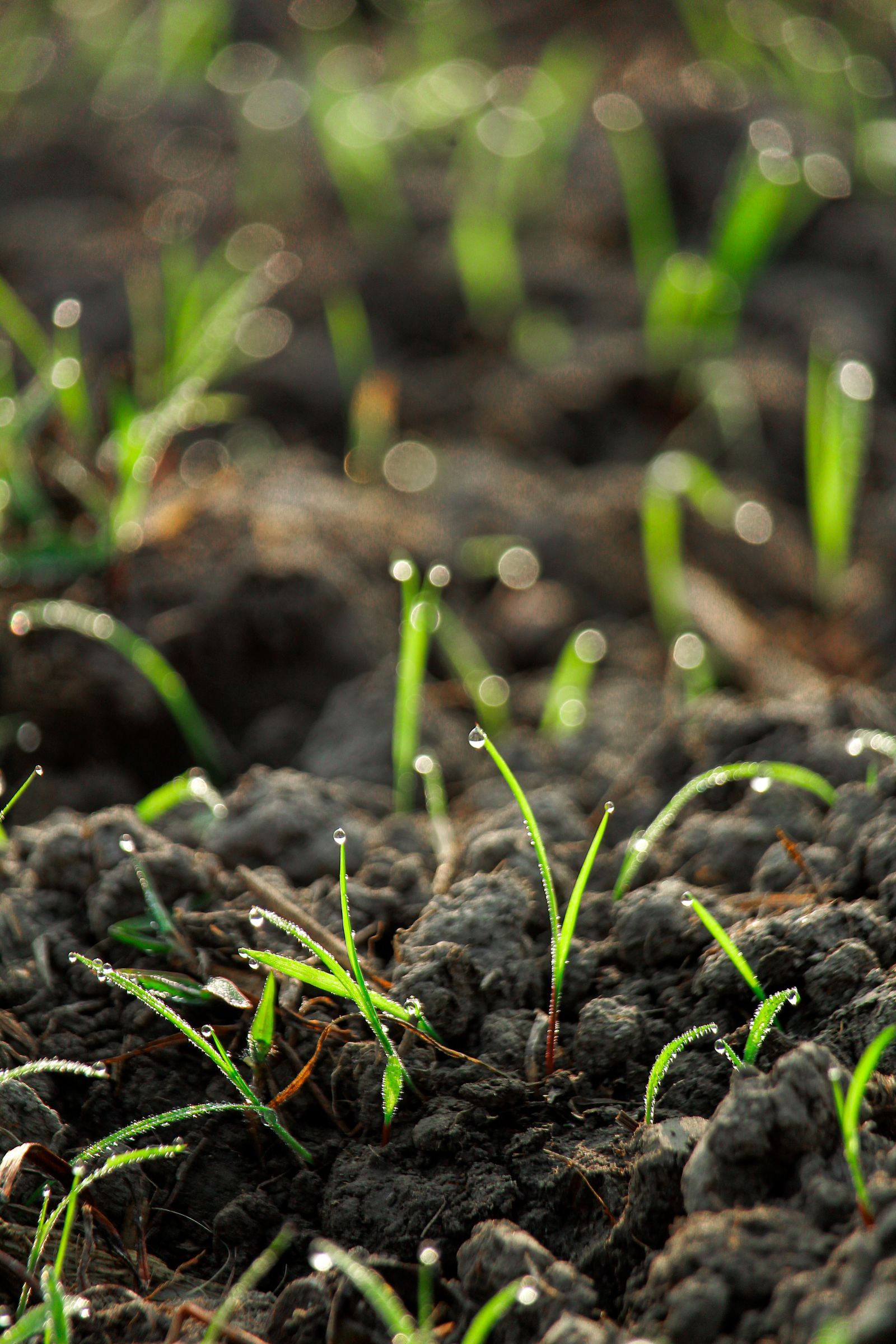
Photo: Sayeed Chowdhury / Pexels
Fall Planting Seed Checklist
Check off each step as you finish it. Your progress stays on this page.
0 of 8 complete
0% done
Rates for Bare Ground: The Double Rule
A new lawn is seeded at roughly twice the overseeding rate because every square foot must come from seed; there is no surviving grass to fill gaps while seedlings establish. The published bench for the most planted new lawn species, tall fescue, is 6 to 8 pounds per 1,000 square feet from Penn State's turf guidance, and it anchors the table below. Kentucky bluegrass, with its tiny seed and spreading rhizomes, plants at far lower weight for the same coverage, which is why rates are always species specific and why blend rates are read off the dominant species. Seed to soil contact decides how much of that rate becomes lawn: seed raked lightly into a prepared, firmed bed germinates at a high percentage, while the same seed scattered on hard, unprepared ground mostly feeds birds and washes into the low spots. On bare ground, the rate and the prep are one decision, not two.
| Species or blend | New lawn rate per 1,000 sq ft | Germination | Character |
|---|---|---|---|
| Tall fescue | 6 to 8 lb (Penn State) | 7 to 14 days | Deep roots, traffic tolerant, the default new lawn |
| Kentucky bluegrass blend | 2 to 3 lb | 14 to 21 days | Self repairing sod, slow to start |
| Fine fescue, shade sites | 4 to 5 lb | 7 to 14 days | The shade and low input choice |
| Perennial ryegrass | 7 to 9 lb | 5 to 10 days | Fast cover, often the nurse in blends |
| Sun and shade blend | 4 to 6 lb | Mixed windows | Read the tag; rate by the dominant species |
Choosing for the Site, Since There Is Nothing to Match
Freed from matching, the blend follows the site audit. Sun and traffic point to tall fescue for most new lawns in the transition and northern zones: deep rooted, drought steady once established, tolerant of the foot traffic a new yard actually gets, and planted at the Penn State bench above. A lawn meant to be a showpiece sod, with irrigation and patience, points to Kentucky bluegrass, accepting its 14 to 21 day germination and slow first season in exchange for a self repairing carpet that fills its own damage for decades. Shade points to the fine fescues, which are not a compromise in shade but the correct plant, and a new lawn under trees planted with bluegrass is a failure scheduled at purchase. Low water and low input sites also land on the fescues. Soil temperature is the planting trigger under all of it: cool season seed germinates while the soil sits between about 50 and 75 F, which is the real definition of the fall window, late summer through mid fall in most regions, and the reason fall beats spring, since spring soil warms through the germination band just as weed seed wakes, while fall soil cools through it as the weeds retire.
Soil Prep: The Half of the Job That Decides the Result
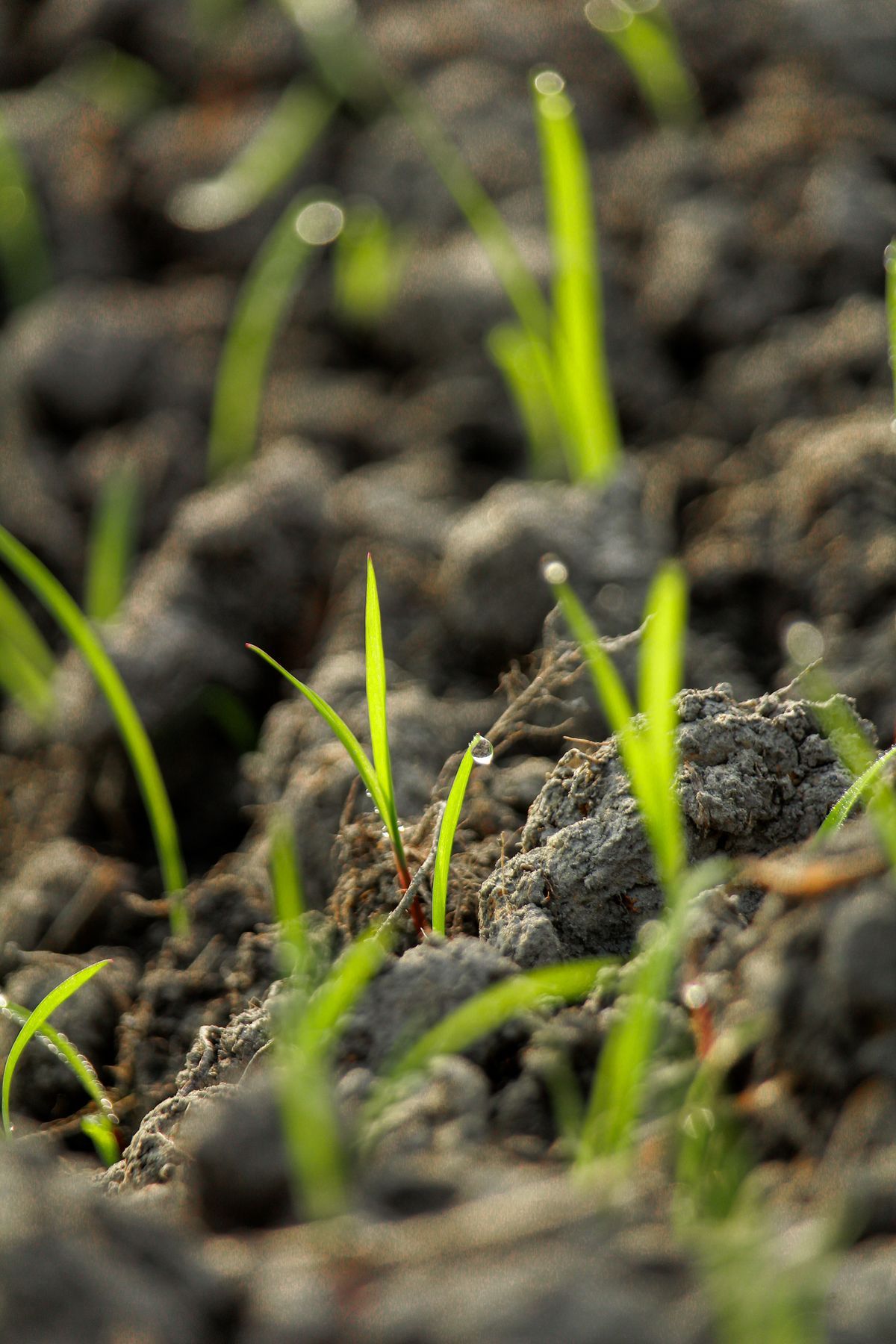
On bare ground, preparation is not a preliminary; it is the difference between the rate on the bag becoming a lawn or becoming bird feed. The working sequence: test the soil if the site is new to you, because fall is the one season with time to correct pH and work in amendments before seed; clear debris and kill or strip the existing weeds and failed grass; loosen the top few inches so roots can enter; grade and level, filling the dips where water and seed collect; then firm the bed, by rolling or watering and letting it settle, so the surface is even enough that seed sits in contact with soil everywhere at a shallow, consistent depth. Seed goes down in two passes at half rate, in perpendicular directions, which erases the stripes a single pass leaves. A light rake or roll afterward presses seed into contact, and a thin mulch of straw or a seed blanket on slopes holds moisture and keeps the seed where you put it through the first rains. Starter fertilizer at planting is the one feed a new lawn genuinely needs, phosphorus for root building where soil tests call for it, and the watering that follows is the germination rhythm: light, frequent, and never letting the seedbed dry until the stand is up, which the site's new grass seed watering page works out day by day.
Seed Quality: The Percentage That Adjusts Every Rate
On bare ground there is no existing stand to hide weak seed, so quality enters the rate arithmetic directly. Every seed tag prints a germination percentage from a dated test, and professionals convert it into pure live seed: the share of the bag that is both the species named and alive. A tall fescue bag at 90 percent purity and 85 percent germination delivers about 76 percent pure live seed, so the Penn State bench of 6 to 8 pounds becomes roughly 8 to 10 pounds of that bag to deliver the bench stand. Fresh, certified seed of named varieties sits at the top of both percentages and is worth its premium on a new lawn precisely because the rate math assumes it; old or bargain seed at 60 percent germination needs its rate raised by half, at which point the bargain has usually evaporated. Check the test date as well as the number: germination falls in storage, faster in a hot shed than a cool one, and seed more than a year past its test date should be discounted or retested with a simple rag doll count, 100 seeds on a damp paper towel, before it is trusted with a prepared bed and a closing window.
The First Winter and the Honest Expectations
A fall planted lawn goes into its first winter young, and managing expectations is part of the planting. It will look thin in places by spring, because germination is never total and winter takes a share; the spring assessment, not the fall one, is the real grade, and the standard repair is a light spring overseed of the thin areas at the repair rates, with the matched blend this time, since now there is a lawn to match. The first spring also brings the weed decisions a fall planting mostly dodged: pre emergent timing has to respect any spring seeding, and the young lawn gets its first real feed once it is growing strongly. By the end of its second fall, a well planted new lawn is indistinguishable from an old one, and the two year arc is the honest promise. What fall planting buys, over spring, is a full extra season of establishment before the first summer drought, which is the test that kills more new lawns than winter ever does. Plant the bench rate, into prepared soil, inside the window, and the arc runs itself.
Related guides
The closest companions to this guide:
- How to Grow Grass: From Bare Ground to a Lawn That Holds
- How to Plant Grass Seed: Bare Ground, Done in Order
- How to Fix Bare Spots in Lawn
- Best Grass Seed for Sandy Soil: Species That Root Deep and a System That Feeds Them
Frequently Asked Questions
How is fall planting different from fall overseeding?
Planting starts a lawn on bare ground; overseeding repairs an existing one. Planting rates run roughly double, tall fescue at 6 to 8 pounds per 1,000 square feet against 4 to 6 for overseeding, planting requires full soil preparation, and the blend is chosen for the site rather than matched to existing grass. The two jobs share a season and nothing else, which is why this site gives them separate pages.
What is the best grass seed for a new lawn in fall?
For most sites, tall fescue at the Penn State bench of 6 to 8 pounds per 1,000 square feet: deep rooted, traffic tolerant, and germinating in 7 to 14 days. Kentucky bluegrass suits irrigated showpiece lawns willing to wait 14 to 21 days for germination. Fine fescue is the correct seed for shade and low input sites, not a fallback.
When is the fall planting window?
Late summer through mid fall, defined by the soil rather than the calendar: cool season seed germinates with soil between about 50 and 75 F, and the seed should be down at least 6 weeks before the first hard frost so seedlings harden before winter. Work backward from your frost date and plant at the early end of the window when you can.
Do I really need to prepare the soil? Can I just spread seed on bare dirt?
Preparation is what converts the seed rate into a lawn. Seed on hard, unprepared ground germinates poorly, washes into low spots, and dries at the surface. Loosening, leveling, and firming the bed so seed sits in shallow contact with soil everywhere is the difference between a stand and a scattering, and on bare ground it matters more than the seed brand.
Why does my fall planted lawn look thin in spring?
Because germination is never total and winter takes a share of young plants; a fall planting is graded in spring, not in fall. The standard finish is a light spring overseed of the thin areas at repair rates with a matched blend, plus the first feed once growth is strong. By the end of the second fall the lawn should read as established.
Photo credits: Sayeed Chowdhury (Pexels); Sayeed Chowdhury (Pexels). Photos are served from this site; follow the credit to the library page for the original.