How to Grow Grass: From Bare Ground to a Lawn That Holds
By the Windchime Walker editorial team
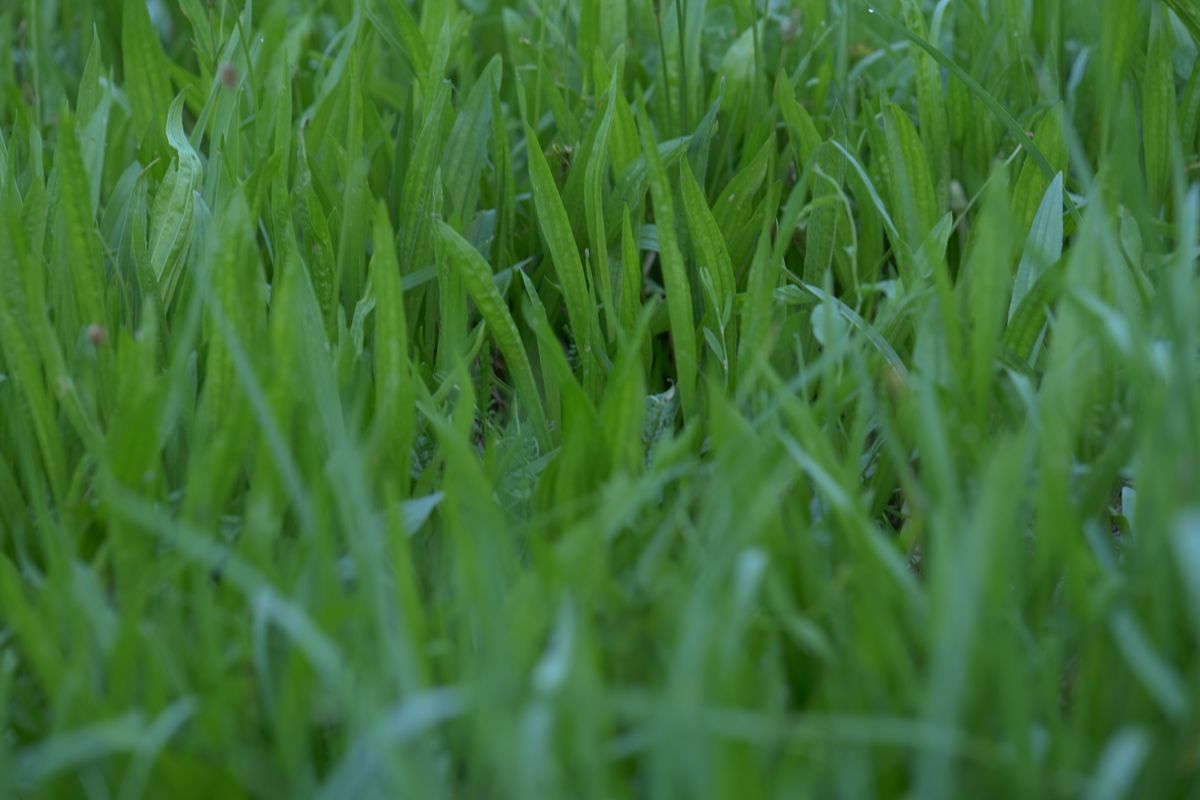
Photo: Martin Banov / Pexels
Most lawn guides end at the moment of maximum danger: the seed is down, the straw is spread, and the writer waves goodbye. But lawns are not lost on sowing day. They are lost in the six weeks after germination, when the watering rhythm goes wrong, feet compact the seedbed, and the first mow scalps a stand that was two inches of root and hope. This page owns the whole arc, from bare dirt to a lawn that holds: the timing decision, the seedbed standard, sowing day in brief (our seeding guide owns that day in depth), and then the establishment season, covered at the length it deserves because it is where the lawn is actually decided.
The choosing of the seed itself is its own decision, family first and label second, and our grass seed guide owns it. Here we assume the bag is bought and the ground is waiting.
Interactive tool
New Lawn Grow In Checklist
Check off each step as you finish it. Your progress stays on this page.
0 of 8 complete
0% done
Step 1: Time It by Family, or Do Not Start
Grass seed has a season and it is not spring by default. Cool season grasses (bluegrass, fescues, ryegrass) are sown in early fall first choice, spring second: fall gives warm soil, cool air, weakening weeds, and a whole autumn of root growth before summer stress, while spring sowing races the heat. Warm season grasses (Bermuda, zoysia, bahia, centipede) are sown in late spring into genuinely warm soil, because their seed and their growth both wait for heat. Sowing against the family calendar does not always fail, but it always handicaps, and a lawn begun at the right moment with mediocre technique beats a lawn begun at the wrong moment with perfect technique. If your calendar is wrong, the professional move is to prepare the ground and wait, which takes more discipline than sowing and produces more lawn.
Step 2: Test the Soil and Prepare the Seedbed
Most lawn grasses grow best at a soil pH between 6.0 and 7.0, a little wider at the edges, and a soil test before sowing is the cheapest information in the whole project: lime or sulfur corrections take months to work, and sowing day is when the ground is open to receive them. Clear the area of weeds, rocks, and debris. Loosen the top 2 to 3 inches, more where the ground is compacted, because grass roots read compaction as a wall. Grade and level now, filling dips and knocking down humps, since every flaw in the grade is permanent once the lawn is on it and will be announced by every mow. Rake to a fine, firm seedbed: firm enough that a footprint presses in shallowly rather than sinking, because seed sown into fluff dries out and seed sown into dust washes into the low spots at the first rain.
Step 3: Sowing Day, in Brief
Sow at the rate on the bag for a new lawn, in two passes at right angles, half the seed each way, so coverage evens out instead of striping. Rake the seed in lightly or roll it, so it sits in contact with the soil and covered no more than about 1/4 inch; deeper seed spends its whole reserve reaching for light it never finds. A light mulch of straw or a seed blanket holds moisture and discourages birds on slopes and in wind, thin enough to see soil through. Then water, which is the next step and the whole ballgame.
Sunrise light falling over a dewy green lawn edged with trees
Step 4: The Moisture Discipline, Germination to First Mow
A seedbed must never dry out once germination begins, and it must never be drowned either; the rhythm is light watering sessions, two to four times a day in warm dry weather, keeping the top layer continuously moist like a wrung cloth. Germination runs 5 to 21 days depending on species, ryegrass sprinting and bluegrass taking its thoughtful time, and the watering discipline must last until the slowest seed in your blend has sprouted, which is why blends forgive beginners: something is always up and encouraging. As the grass stands up, begin the taper that separates lawn growers from seedbed keepers: fewer sessions, deeper water, so the surface begins to dry between drinks and roots chase moisture down. By the first mow, the rhythm should be approaching the established lawn's rule of about an inch a week, deeply and infrequently.
Keep feet off. A seedbed tolerates no traffic, no dogs doing laps, no shortcuts across the corner, for the whole establishment period. This is the rule households break and lawns remember, in the shape of a pale path worn exactly where everyone walks. Rope it, sign it, forgive in advance the one delivery driver, and hold the line.
Step 5: The First Mow, and the Mowing Rules That Follow
Mow the first time when the new grass reaches about 3 to 4 inches, with a sharp blade, on a dry day, taking only the top of the plant: the one third rule, never removing more than a third of the blade in one cut, applies to a lawn's first haircut and every one after. A dull blade on tender grass does not cut, it tears and pulls, and seedlings come out by the roots in the mower's wake. Collect nothing; the clippings at this height are dust and belong to the soil. After the first mow, traffic can begin gently, and the watering taper completes its move to the deep and infrequent rhythm. Mowing height for the first season errs high, because a taller canopy shades the soil, cools the roots, and starves the crabgrass seed of the light it is waiting for in your new lawn's thin places.
Step 6: The Honest First Season, and the Overseed That Finishes It
A first season lawn is a promise, not a photograph. It will be thinner than the bag's picture, patchy where the watering missed a corner, and weedy in the places where the seedbed waited too long, and all of that is the normal texture of year one rather than your personal failure. Judge it by its trajectory: filling in month over month is success, whatever it looks like in week three. Weed control in year one is mostly patience and mowing; most herbicides wait until the new grass has been mowed a few times, and the label of any product you consider is the authority, read before the purchase, not after.
Then comes the move that separates finished lawns from perpetual projects: the second season overseed. At your family's next proper sowing window, overseed the whole lawn at a maintenance rate, concentrating on the thin places. The first sowing built the lawn's skeleton; the second fills its shoulders, and a lawn overseeded once in its youth and fed on its family's calendar crosses into the state gardeners actually want, dense enough to crowd out most weeds by occupancy. Our overseeding guide owns that job in full. Grow the arc in order, bare ground, seedbed, moisture, taper, first mow, patience, overseed, and the dirt patch becomes the least interesting problem in your yard, which is the highest praise a lawn can earn.
Slopes, Shade, and Other Honest Adjustments
Two conditions bend the standard arc without breaking it, and both reward honesty over optimism. On a slope, the enemy is water moving faster than soil can hold it: seed washes into stripes at the first hard rain, and the top of the hill dries while the bottom drowns. The adjustments are mechanical: roughen the surface across the slope rather than along it, sow, and pin a seed blanket or a thin straw mulch that is actually anchored, then water in shorter, gentler sessions so the surface never sheets. In shade, the adjustment is to the expectation and the species list: fine fescues among the cool season grasses tolerate the most shade, mowing height goes to the top of the range so every blade gathers what light there is, and the watering taper matters doubly because shaded soil stays wet and invites disease. Under dense tree canopies with dry, root competed soil, the professional answer is sometimes that grass is the wrong plant, and the gardener who converts the worst circle to mulch and shade perennials has not lost a lawn argument; they have stopped scheduling one. A lawn that covers the ground it can honestly grow on, thickly, beats a thin lawn spread over ground it cannot.
When Seed Is the Wrong Answer: Sod and Plugs
Seed is the default because it is cheap and various, but two situations argue for its rivals. Sod is the instant lawn: a slope that cannot hold seed against the rain, a yard needed for an event or for children this season rather than next, or a repair in the middle of summer when seed cannot be kept moist. Sod's price per square foot is many times seed's, and its care in the first weeks is its own discipline of deep watering until the roots knit, but it converts the establishment risk into a known cost, which is sometimes the correct trade. Plugs are the warm season answer where seed is scarce or unreliable, zoysia and St. Augustine above all: individual plants set in a grid into prepared ground, watered faithfully while they spread to meet each other across a season. Plugs ask patience in place of sod's money, and a plugged lawn in its first year looks like a checkerboard with ambitions. The seed grower reading this page has the right default; knowing when to abandon it for a slope, a deadline, or a species that refuses to be sown is not disloyalty to the method. It is the method's final step, matching the tool to the ground, which is where this whole arc began.
Frequently Asked Questions
When is the best time to grow grass from seed?
By family: cool season grasses in early fall first choice and spring second, warm season grasses in late spring into warm soil. Fall sowing for cool season lawns gives warm soil, cool air, dying weeds, and a full autumn of root growth before summer. Sowing against the family calendar handicaps everything that follows.
How deep should grass seed be covered?
No more than about 1/4 inch, with firm seed to soil contact mattering more than depth. Sow in two passes at right angles for even coverage, rake lightly or roll, and keep the seedbed continuously moist with light watering two to four times a day until germination, which runs 5 to 21 days by species.
How long until grass seed sprouts?
Five to 21 days depending on species: perennial ryegrass is the sprinter at the fast end, Kentucky bluegrass the slow end, fescues in between. In a blend, judge the watering discipline by the slowest seed in the mix, and keep the seedbed moist until it has sprouted too.
When do I mow a new lawn for the first time?
When the grass reaches about 3 to 4 inches, with a sharp blade, on dry ground, taking only the top third of the plant. A dull blade tears tender seedlings out by the roots. Keep foot traffic off the seedbed entirely until around the first mow, then introduce it gently.
How do I water grass as it grows in?
Light and frequent while the seedbed germinates, never letting the surface dry out; then taper deliberately to fewer, deeper sessions as the grass stands up, arriving at the established rule of about an inch a week by the time the lawn is being mowed. The taper is what drives roots downward and makes a drought tolerant lawn.
My new lawn is thin and patchy. Did I fail?
Almost certainly not. A first season lawn is normally thinner than the photograph, and it is judged by trajectory, not by week three. Hold the watering taper, mow high and sharp, keep traffic honest, and plan the second season overseed at your family's next sowing window: that overseed is what finishes the lawn the first sowing started.
Photo credits: Martin Banov (Pexels); Dan Bleden (Pexels). Photos are served from this site; follow the credit to the library page for the original.