How to Start a Lawn From Scratch: The Seed or Sod System, End to End
By the Windchime Walker editorial team
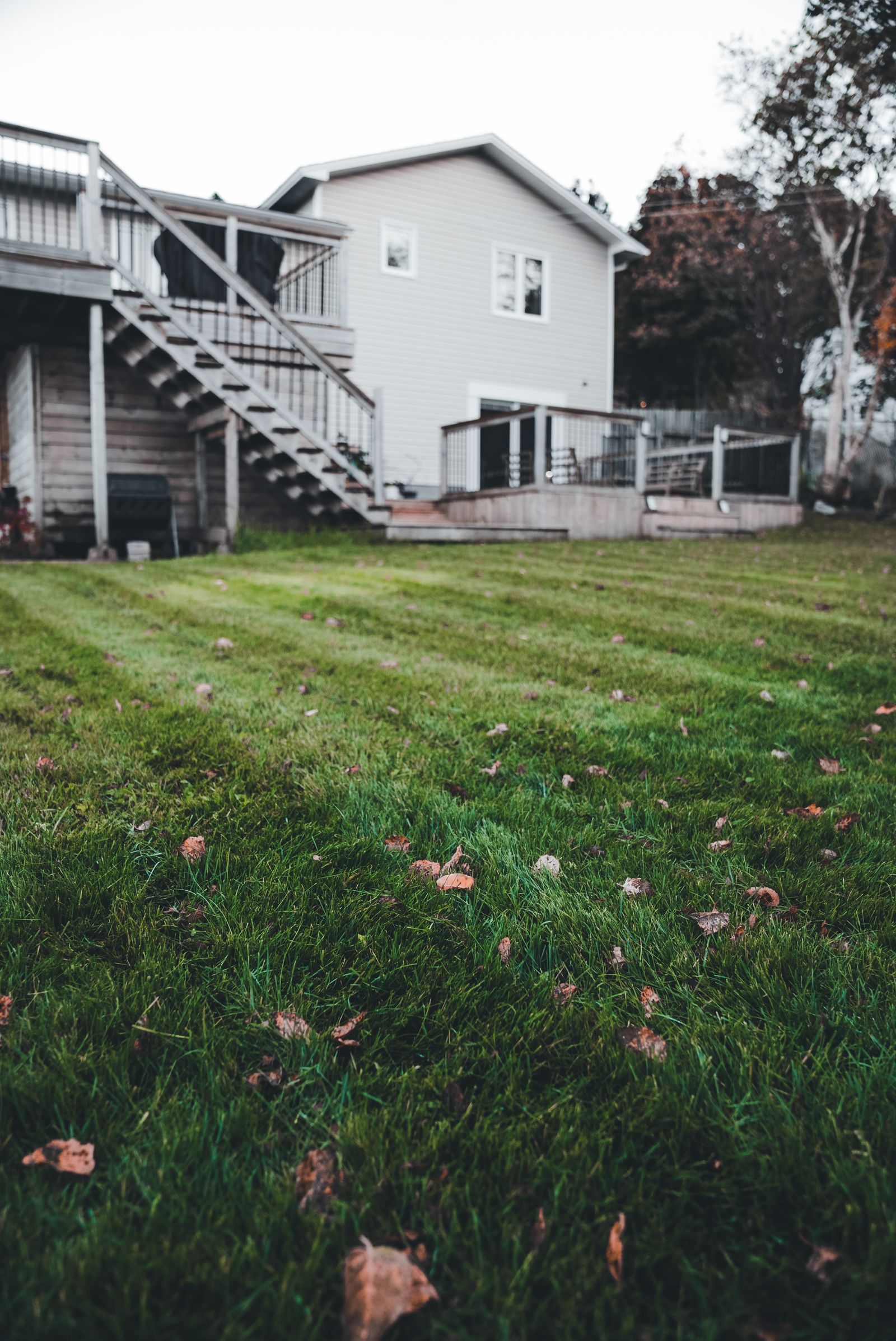
Photo: Erik Mclean / Pexels
Starting a lawn from scratch is the one lawn project where every later problem is decided before the grass exists. A lawn that starts on tested, graded, adequately deep soil stays easy for decades; a lawn thrown onto compacted subsoil is a subscription to repair articles. The sequence is not complicated, but it has an order, and the order is the value: decide seed or sod with real numbers, test and amend the soil, grade for drainage, confirm the topsoil depth, let new soil settle, then sow or lay, water on the establishment taper, and mow by the rule. This page runs the whole system for bare ground, a new build, a full renovation, a patch of dirt where a lawn is supposed to be.
Our how to grow grass guide owns grass growing in general and our how to plant grass seed page owns sowing day technique. This page owns the from scratch project end to end.
Interactive tool
New Lawn Checklist
Check off each step as you finish it. Your progress stays on this page.
0 of 8 complete
0% done
The First Decision: Seed, Sod, and the Slope Test
Seed is the cheap route by an order of magnitude: forum and retailer figures put seeding at roughly 10 to 50 cents per square foot against sod at several times that, and seed lets you choose exactly the grass blend your site wants. Its costs are time and exposure: 6 to 8 weeks to a usable lawn, a season to a dense one, and a constant weed fight while it fills in. Sod is a lawn the week it is laid, at the price, and with the variety someone else chose. The deciding test most guides skip is slope: seed washes. On any real gradient, seed and its mulch slide in the first heavy rain, and sod, or seed under erosion blanket, is the honest answer. Decide by area, budget, slope, and how soon the ground must be usable, and write the decision down, because it sets the calendar: sod goes down almost any frost free week, while seed has hard windows, spring and early fall for cool season grasses, late spring for warm season ones.
Soil First: Test, Amend, Grade, and Count the Topsoil
Send a soil sample to a testing lab or your extension service before you buy anything. The targets are a pH between 6.0 and 7.0 for most grasses and a phosphorus reading that tells you how much starter fertilizer the seedbed needs; lime and sulfur corrections go in now, while the ground is open, because they are nearly impossible to work in under an established lawn. Clear the site completely: old grass, weeds, rocks, and construction debris, with a sod cutter for large areas of old turf. Grade to drain, a 1 to 2 percent slope away from buildings, which is 1 to 2 feet of fall in 100 feet, filling low spots rather than feathering them, because low spots become the lawn's permanent puddles and moss farms. Then count the topsoil: a lawn needs 4 to 6 inches of decent topsoil over the whole area to root into and to hold water evenly. New build sites routinely have an inch of topsoil over compacted fill, and no seed blend survives that math; if you are short, order topsoil now, in the open ground phase, when spreading it is a morning's work instead of a renovation.
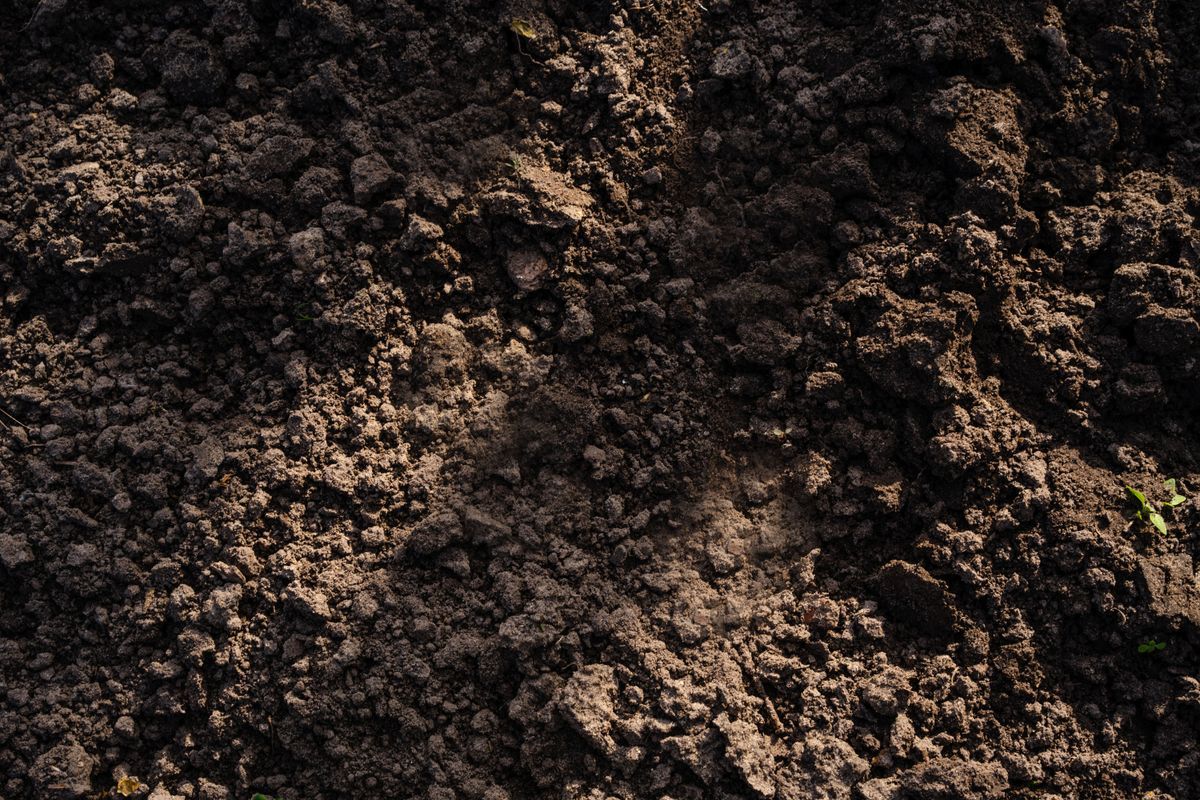
Freshly tilled soil prepared for planting
The Settle Week, and Sowing Day
Soil you have tilled, spread, or graded is full of air and optimism, and it will settle unevenly the first time it is watered, taking your careful grade with it. Water the prepared ground thoroughly and let it settle for about a week, raking out the dips that appear, so the surface you sow is the surface the lawn will keep. This is the step the quick guides skip and the step that separates lawns that mow evenly from lawns that scalp. On sowing day, work a starter fertilizer, high in phosphorus, the middle number on the bag, lightly into the surface, and sow in two crosswise passes with a broadcast or drop spreader, half the seed each way, which cancels the striping a single pass leaves. Rake the seed in lightly, no deeper than about a quarter inch, or roll it for contact; seed sitting on the surface dries and feeds birds, seed buried deep never arrives. A light mulch of straw on exposed or sloped ground holds moisture and the seed both. Laying sod instead: stagger the seams like brickwork, butt the edges tight, roll it, and water it into contact the same day, because sod is a living carpet with a shelf life measured in hours off the pallet.
The Establishment Taper: Water Like a Nursery, Then Like a Lawn
New seed lives or dies on surface moisture: keep the seedbed continuously damp with light waterings, two to four short sessions a day in dry weather, never a flood that floats the seed into drifts. Germination runs 7 to 21 days by species, ryegrass fast, bluegrass slow, and as the seedlings stand up you taper: fewer sessions, deeper water, until by week six the lawn is on the adult rhythm of about an inch a week, deeply and infrequently, which is the rhythm that grows deep roots. Sod's taper is shorter: water daily for the first week or two until the roots knit and a corner cannot be lifted, then join the same adult rhythm. Traffic discipline is part of the watering system: a new lawn is not a path, a playground, or a dog run until it has been mowed several times, because seedlings tear out by the roots under feet that an established lawn shrugs off. Keep the mower off too, until the grass reaches about 3 inches, then take the first cut at the top third only, with a sharp blade, because a dull blade pulls seedlings out of soft ground instead of cutting them.
The First Season, and the Mistakes That Cost a Year
Fertilize again 4 to 6 weeks after germination with a gentle feeding, and hold any weed killer until the new grass has been mowed at least three times, because herbicides that an established lawn tolerates can finish a young one; the weeds you ignore this season are handled by density next season, since a thick lawn is the only durable weed control. Overseed the thin patches in the first fall rather than admiring them: a from scratch lawn's second seeding is where it becomes a lawn, filling the gaps the first pass, the birds, and the weather negotiated. The expensive mistakes are all in the prep, not the aftercare: no soil test, so the pH fights the grass for years; no topsoil, so the roots live in rubble; no settle week, so the grade lies; seed sown into a hot dry forecast with no watering plan. Get the ground right and the grass is the easy part, which is the whole thesis of starting from scratch: you are not really growing grass this season, you are building the place grass grows, once, properly, at the only moment when it is cheap to do.
The Warm Season Version: What Changes
South of the transition zone the same system runs with the calendar and the cast changed. Warm season grasses, bermuda, zoysia, centipede, and St. Augustine, are planted in late spring into warming soil, never fall, and several of them are not seeded at all in their best varieties: they go down as sod, plugs, or sprigs, which makes the seed versus sod decision for you. Soil targets shift slightly, centipede preferring a more acid soil than the 6.0 to 7.0 band, which is one more reason the test comes first. The settle week, the grading, the topsoil depth, and the establishment taper are identical, because soil physics does not care which grass is coming. What changes most is the weed war: a warm season lawn planted in late spring meets the summer weeds at their peak rather than in their decline, so the first season's discipline, mowing high, watering deep, feeding on schedule, carries more weight. The zoysia version of this project gets its own page on this site, because its establishment is slow enough to deserve one; the system there is this system, with a two season patience plan bolted on.
Frequently Asked Questions
Is it better to seed or sod a new lawn?
Seed costs a fraction as much, roughly 10 to 50 cents per square foot against several times that for sod, and lets you choose the blend, but takes 6 to 8 weeks to use and a season to thicken. Sod is a lawn in a week at the price. On slopes, choose sod or seed under erosion blanket, because loose seed washes in heavy rain.
How much topsoil does a new lawn need?
Four to six inches of decent topsoil over the whole area. Less than that over compacted fill is the most common reason new build lawns fail, and no seed blend compensates. Order and spread topsoil during the open ground phase, when it is cheap and easy.
How long before a new lawn can be used?
Seeded lawns need 6 to 8 weeks before light use and a full season to become dense and durable. Sod can be used gently in 2 to 3 weeks, once its roots knit and a corner cannot be lifted. Keep traffic, and especially dogs, off both until they have been mowed several times.
How often do I water a new lawn?
Keep the seedbed continuously damp at first with light waterings two to four times a day in dry weather. As seedlings establish, taper to deeper, less frequent watering, reaching about an inch a week by week six. Flood watering early is an error; it floats seed into drifts and bare patches.
When do I mow a new lawn for the first time?
When the grass reaches about 3 inches, cutting only the top third, with a sharp blade. A dull blade pulls seedlings out of soft ground. Wait until the lawn has been mowed at least three times before using any weed killer on it.
Photo credits: Erik Mclean (Pexels); Atlantic Ambience (Pexels). Photos are served from this site; follow the credit to the library page for the original.