Every lawn owner declares war on weeds in July, which is rather like declaring war on a flood while standing in it. The summer weeds are already up, growing faster than the turf, and setting the seed that guarantees next year's invasion, while the lawn itself, if it is a cool season grass, is heat stressed, semi dormant, and in no condition to tolerate aggressive chemistry. Oklahoma State Extension's lawn care guidance frames the calendar honestly: summer annual weeds, crabgrass above all, are controlled at emergence, with pre emergent herbicide in spring and post emergent treatment while the plants are young in May and June. By midsummer the strategy changes from cure to triage, and triage has three jobs: stop this year's seed, protect the turf you have, and do no damage that fall's real campaign will have to repair. The checklist tracker on this page runs the summer program in order. The sections below carry the reasoning, including the heat rule that overrides most product labels' fine print, and the handoff to autumn, when the war is actually winnable.
Home / Lawn and Landscape Basics
How to Get Rid of Weeds in Lawn During Summer: Triage, Not Cure
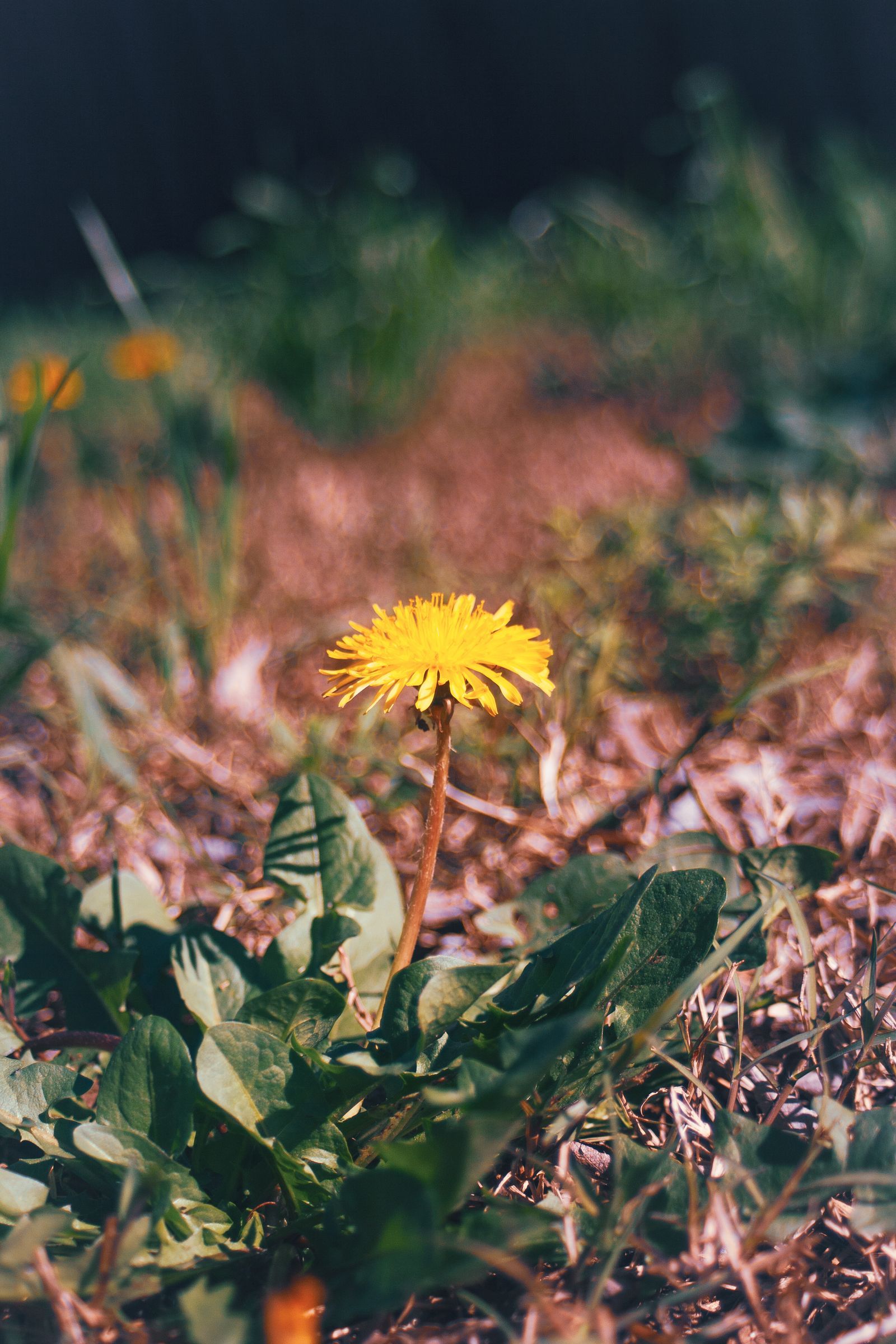
Photo: Douglas Allen / Pexels
Summer Lawn Weed Triage Checklist
Check off each step as you finish it. Your progress stays on this page.
0 of 8 complete
0% done
Know the Enemy: What Is Actually Growing in July
Summer lawn weeds divide into two armies with different weaknesses. The grassy annuals, crabgrass and goosegrass and foxtail, germinated in spring, grow flat and fast in the heat the turf hates, and die at the first frost, which means their entire strategy is seed: one crabgrass plant sets thousands of seeds, and every plant you prevent from seeding is a patch of next year's lawn saved. The broadleaf perennials and summer annuals, dandelion finishing its year, clover spreading, spurge carpeting the hot edges, purslane in the thin spots, live differently: the perennials persist by root and crown, and killing their tops without killing the crown is mowing, not control. Identification decides the tool, and a hand lens and 5 minutes beat a shelf of products bought blind. Spurge and purslane pull easily and completely by hand after a watering. Crabgrass pulls well when young and fights back, root by root, when its stems have rooted at the nodes in August. Dandelion and clover in summer are best simply marked, mentally or with a flag, for the fall treatment that will actually kill them, because the chemistry that kills broadleaf weeds in summer is the chemistry most likely to injure the lawn around them.
The Heat Rule: Why Blanket Spraying Backfires
The label on most broadleaf lawn herbicides carries a temperature limit, commonly around 85 degrees F, and it is not legal decoration. Sprayed onto heat stressed cool season turf, the same product that is safe in May burns, yellows, and thins the grass in July, opening bare ground that the next flush of weed seed colonizes immediately. Volatilization adds a second injury: in heat, some herbicides turn to vapor and drift onto garden plants, tomatoes and grapes being famously sensitive, damaging beds that were never sprayed. The summer rules follow directly. Never blanket spray a cool season lawn in a heat wave or above the label temperature. If broadleaf weeds must be treated in summer, spot treat individual plants, in the cool of early morning, with the product mixed exactly to label, and accept partial results. Hand pull what can be pulled, especially anything approaching seed. And water the lawn deeply before any treatment day, because a hydrated lawn tolerates chemistry measurably better than a drought stressed one. Warm season lawns, bermuda and zoysia and their kin, play by different rules, growing actively in the heat and tolerating summer treatment far better, which is why regional advice contradicts itself so cheerfully: the calendar depends on which grass is actually in the ground.
Mowing High: The Cheapest Weed Control in Summer
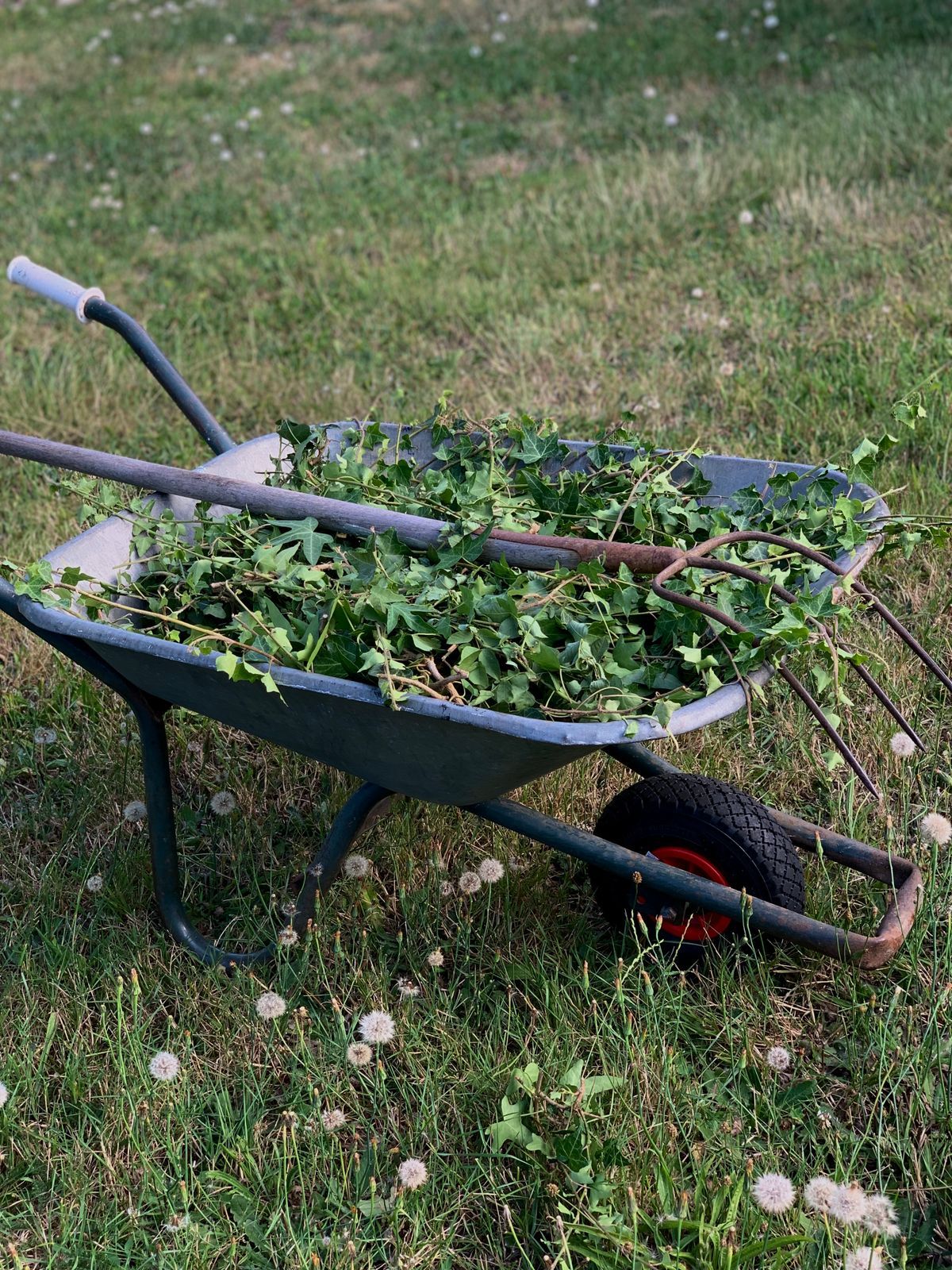
The mower is the summer weed program's heavy artillery, and its setting is the whole secret. Cool season turf mowed at 3 to 4 inches shades its own soil, and shaded soil germinates a fraction of the crabgrass and spurge seed that sunlit, scalped soil does, because those seeds need light and heat at the surface to wake. A lawn cut at 2 inches in July is a weed nursery with grass in it; the same lawn at 3.5 inches is a canopy under which most summer annuals cannot start. Mow often enough that no more than a third of the blade comes off at once, leave the clippings, which return nitrogen and shade the crowns, and keep the blade sharp, because a dull blade's torn tips brown in the heat and thin the canopy you are counting on. Edges deserve one pass of attention: the strip along hot pavement is where spurge and crabgrass establish first, in soil too hot for turf, and a slightly higher cut and a hand pull there in June prevents the beachhead from which the August invasion spreads.
The Fall Handoff: Where the War Is Won
Summer triage ends with a scheduled surrender of the calendar to autumn, and the surrender should be written down, because fall is when every summer failure is redeemable. As temperatures cool, cool season turf resumes active growth while the summer annuals die at frost and the perennial broadleaf weeds begin moving food down into their roots, which makes fall the one season when a broadleaf herbicide rides the plant's own plumbing into the crown and kills it whole. Fall is also the seeding season: bare and thin patches repaired in September grow grass where weeds were, overseeded into a thickened canopy that next summer's shade war depends on, and a fall pre emergent decision can be made for the winter annuals. The site's fall weed control page runs that campaign in full, and its fall fertilizing page covers the feeding that powers the turf's side of it. The natural weed control page serves owners who run the whole program without synthetic chemistry, in summer and fall alike. Summer's job, to say it once more, is to arrive at September with the turf alive, the seed bank smaller than it was, and nothing burned that fall has to fix.
Watering the Summer Lawn So Weeds Lose
Water is the second lever, and most summer watering helps the weeds more than the grass. Shallow daily sprinkling keeps the soil surface wet, which is precisely the germination bed crabgrass and spurge seed wait for, while the turf's roots, finding water at the surface, stay shallow and suffer most in the heat. The corrective pattern is deep and infrequent: about an inch of water at a time, once or twice a week in dry weather, soaked in during the early morning, so the surface dries between waterings while the root zone stays supplied. A simple rain gauge or a tuna can on the lawn tells you what an inch looks like from your sprinkler, a measurement most owners have never made and the single most useful number in summer lawn care. On slopes and compacted ground, cycle the watering, 20 minutes on and an hour off, so the water enters the soil instead of running to the street carrying your fall plans with it. The lawn that is watered deeply and mowed high enters August with roots 6 inches down and a canopy that shades its own crowns; the lawn watered daily and cut short enters August as a weed farm with a water bill, and no product applied that month closes the gap between them.
Related guides
Keep reading with these guides from the same corner of the garden:
- How to Get Rid of Weeds in a Lawn Without Killing the Grass: Identify First
- How to Get Rid of Weeds in a Lawn with Vinegar: What It Can and Cannot Do
Frequently Asked Questions
What kills crabgrass in the middle of summer?
Honestly, very little kills mature crabgrass cleanly without risking the lawn, which is why extension guidance puts crabgrass control at emergence in May and June. In midsummer, hand pull plants before they set seed, pulling after watering when the roots release, mow high at 3 to 4 inches to shade out new seedlings, and mark the patches for a spring pre emergent and fall overseeding.
Can I spray weed killer on my lawn in July?
On a cool season lawn, blanket spraying in heat is how lawns get injured: most broadleaf products carry a limit around 85 degrees F, and heat stressed turf burns and thins under them. If treatment cannot wait, spot treat individual weeds on a cool morning, mixed exactly to label, on a well watered lawn. Warm season lawns tolerate summer treatment much better.
Why do weeds take over my lawn every summer?
Because summer is the weeds' season and the turf's off season. Cool season grass slows or rests in heat while crabgrass, spurge, and their kin germinate and sprint. A lawn scalped short lets light and heat reach the soil, waking weed seed. Mowing at 3 to 4 inches, watering deeply, and thickening the lawn each fall are the structural answers.
Is hand pulling weeds worth it in summer?
Yes, with timing. Pull crabgrass and other annuals before they set seed and one plant removed is thousands of next year's seeds prevented. Pull after rain or watering, when roots release, and get the crown of perennial weeds, not just the leaves. In a bad patch, 15 minutes with a bucket in June outperforms an hour in August.
When is the best time to actually get rid of lawn weeds?
Fall, for most of them. Cooling weather revives cool season turf, summer annuals die at frost, and perennial broadleaf weeds move food into their roots, carrying a fall herbicide application down into the crown for a complete kill. Fall is also the overseeding window, so the ground weeds vacate is claimed by grass. Summer is for triage that protects that fall campaign.
Photo credits: Douglas Allen (Pexels); Karen Massari (Pexels). Photos are served from this site; follow the credit to the library page for the original.