Vinegar has the best public relations of any weed treatment and the most misunderstood job description. It is not a selective herbicide and it is not a systemic one. It is a contact burndown: the acetic acid destroys the cell membranes of the foliage it wets, the top of the plant browns within hours, and everything the spray never touched, including the entire root system, is unharmed. On a young annual seedling with no reserves, that burn is a death. On a dandelion with a 10 inch taproot, it is a haircut, and the plant is back in about two weeks. In a lawn, the second fact governs everything, because vinegar also cannot tell a weed from a grass blade: every drop that lands on turf burns turf. So the honest use of vinegar in a lawn is narrow and specific, shielded spot treatment of young weeds in places the spray can be kept off the grass, and this page draws that boundary precisely, including the two popular claims, stronger vinegar and salt mixes, that need their warnings in full. For the broader natural program, see the natural lawn weed guide; for chemistry that genuinely spares grass, the grass safe weed guide.
Home / Lawn and Landscape Basics
How to Get Rid of Weeds in a Lawn with Vinegar: What It Can and Cannot Do
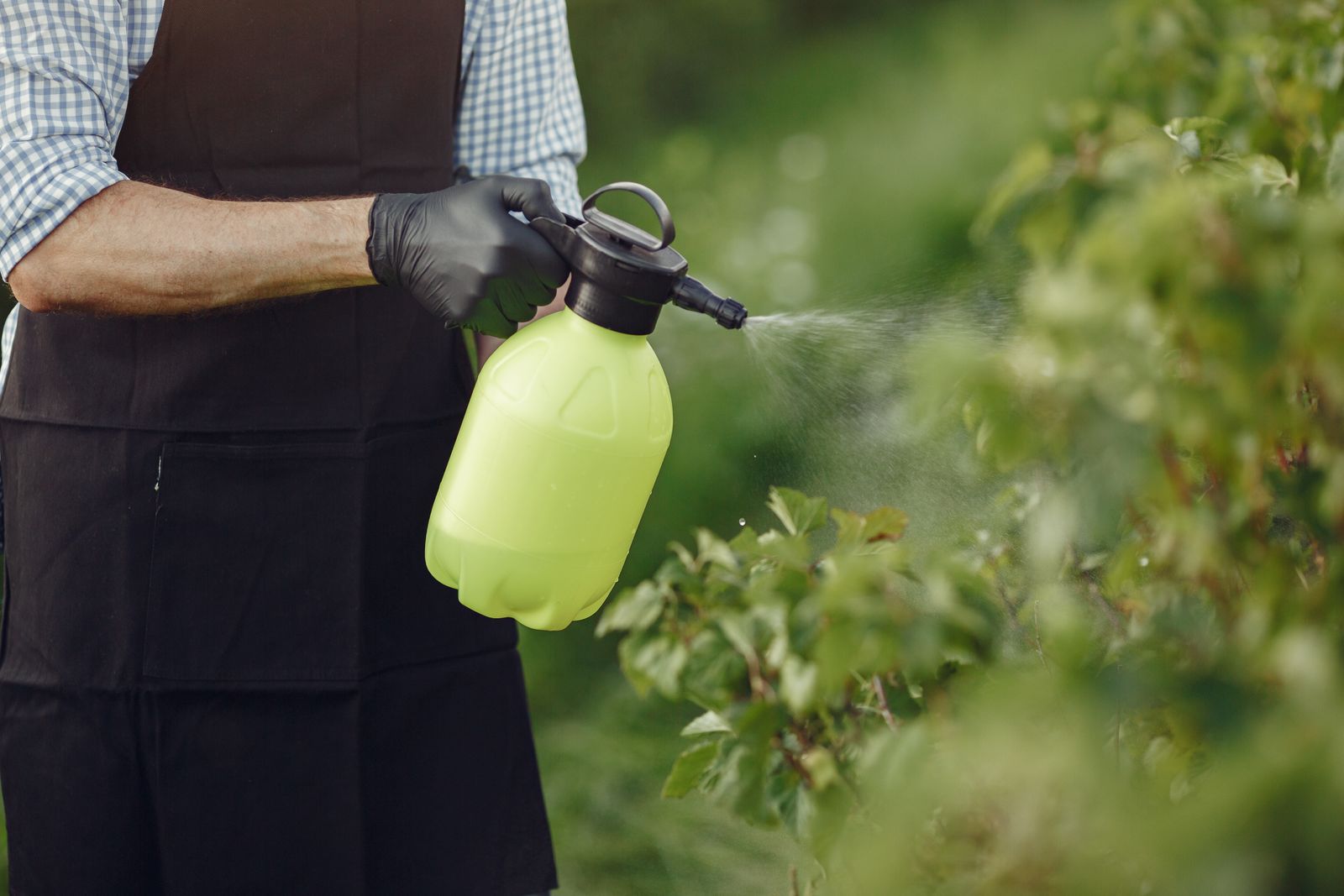
Photo: Gustavo Fring / Pexels
Vinegar Weed Control Checklist
Check off each step as you finish it. Your progress stays on this page.
0 of 8 complete
0% done
What Vinegar Actually Does
Acetic acid burns foliage on contact by wrecking cell membranes and dropping the tissue's pH; the plant tissue it touches collapses and dries, usually within hours on a sunny day, which is why vinegar treatments are applied in bright, calm, dry weather for maximum effect. Nothing travels: the acid does not move down into roots the way a systemic herbicide does, so the plant's survival is decided entirely by what lives below ground. Annual weeds caught in their first days, with a thread of root and no stored energy, die outright. Biennial and perennial weeds, dandelion, plantain, clover, thistle, lose their tops and regrow from the crown and root, typically showing new leaves in about two weeks. Repeat burning can exhaust a perennial over a season of vigilant reapplication, the same war of attrition as repeated mowing of a weed, but each round also burns any grass the spray touches, which is why the method's arena is cracks, edges, and bare patches rather than open turf.
| Vinegar strength | What it burns | Hazards | Lawn verdict |
|---|---|---|---|
| Household, 5 percent acetic acid | Young annual seedlings only | Mild eye and skin irritant | Spot use on seedlings, shielded |
| Pickling, 7 to 9 percent | Seedlings, soft growth | Irritant, stronger fumes | Marginal gain, same limits |
| Horticultural, 20 percent | Most foliage on contact | Corrosive: burns skin, can blind | PPE required; keep off turf entirely |
| Horticultural, 30 percent | Woody stems' foliage, tough weeds | Corrosive, dangerous to handle | A tool for fence lines, not lawns |
| Any vinegar plus salt | Everything, then the soil itself | Sterilizes soil where applied | Never in a lawn or bed |
The Strength Question, Honestly
Household vinegar at 5 percent acetic acid is the bottle in the kitchen, and its ceiling is low: it scorches seedlings and the softest growth and merely spots the leaves of established weeds. Horticultural vinegars at 20 to 30 percent acetic acid are genuinely stronger burndowns, and they are also genuinely hazardous, a different category of product wearing the same friendly name. At those concentrations acetic acid is corrosive: it burns skin on contact, can cause permanent eye damage from a splash or a wind blown mist, and its fumes bite the lungs. The protective equipment is not a suggestion: chemical resistant gloves, sealed eye protection, long sleeves, and no spraying in any breeze. A gardener who is not willing to gear up for it should not buy it, and a household with children or pets moving through the treated area should think twice regardless. Even at full strength, the root problem is unchanged: 30 percent vinegar burns a dandelion's top exactly as dead as 5 percent does, and the taproot regrows it on the same two week clock. Strength buys a faster, more complete top burn. It has never bought roots.

Never Add the Salt
Most viral DIY weed recipes mix vinegar with salt and a squirt of dish soap, and the salt is where a weak treatment becomes a lasting injury. Salt does kill plants thoroughly, roots included, by poisoning the soil itself, and it does not leave: sodium persists in the soil, disperses clay structure, and renders the spot hostile to all plant life, grass emphatically included, for months to years depending on dose and rainfall. A salted lawn patch is a bare, dead zone that will not reseed, will not heal, and leaches its problem sideways into the surrounding soil with every rain. The historical name for this is salting the earth, and it was a way to curse land permanently. The dish soap in the recipes is a surfactant that helps the spray wet waxy leaves, harmless enough in itself, but it does not rescue the recipe. Vinegar alone, used within its limits, degrades in days and leaves the soil's chemistry nearly untouched, one of its genuine virtues. Vinegar with salt trades that virtue for the worst soil outcome in the home garden. Leave the salt in the kitchen.
The pH Footnote
Repeated vinegar use acidifies the soil where it is applied, measurably in small, heavily treated spots. In the context of spot treatment this is a footnote: a few shielded applications on a patio edge will not move a lawn's pH. In the context of a gardener attempting to run a whole lawn weed program on vinegar, it compounds the method's other problems, nudging the soil acid in exactly the patches where the grass has also been burned, which then grow back thin and moss friendly. Soil pH is a slow variable worth managing deliberately, with a soil test and lime or sulfur as the test directs, not as a side effect of a weed habit. If you have used vinegar heavily in one area for a season, a soil test before reseeding that area is cheap diligence.
Where Vinegar Belongs: The Honest Job List
Used inside its limits, vinegar earns its place in exactly four jobs. First, seedlings in cracks and edges: the flush of annual weed seedlings in driveway cracks, path joints, and the gravel edge of a bed, where there is no grass to protect and a burn is a finish. Second, shielded spot work in turf: an individual young weed in a lawn, sprayed through a cut bottle shield or with a foam or gel applicator that puts the vinegar on the weed and only the weed, accepting a small risk to the blades immediately around it. Third, pre reseeding burndown of a small bare patch being renovated anyway, where the grass is already gone and the weeds are in the way of seed. Fourth, fence lines and gravel areas away from desirable roots, at horticultural strength with full protective equipment, where a non selective burn is the actual goal. Outside those four, the grass safe ladder, pulling, selective products, pre-emergent, and turf density, does the lawn's work better, and the vinegar bottle goes back to the kitchen shelf where its reputation was earned.
Application Technique: Shields, Weather, and Aim
Since vinegar's whole lawn problem is aim, technique is the difference between its legitimate spot use and a polka dotted lawn. The standard shield is a two liter bottle with the bottom cut off, set over the target weed as a chimney: spray down through the neck and every drop lands inside a 4 inch circle, on the weed and the soil under it, not on the surrounding turf. A foam applicator or a brush, painting horticultural vinegar onto the leaves of a weed threaded through desirable plants, is the precision version, slow and exact, for the weed growing out of the middle of a groundcover. Weather sets the burn's strength: apply in full sun on a calm, dry day with no rain for 24 hours, because sunlight and heat accelerate the acid's work on the leaf, wind moves the mist onto grass, and rain dilutes the treatment off the foliage before it finishes. Wet the weed's foliage thoroughly, since the burn only happens where the acid touches, and expect to re-treat perennial regrowth on its two week return, burning the new top before it can repay the root's loan of energy; three or four disciplined rounds across a season can genuinely exhaust a shallow rooted perennial, which is the one path by which vinegar ever kills a real weed outright. Rinse the sprayer after use, since acid left in seals and nozzles corrodes them, and store horticultural vinegar as the corrosive it is, capped, upright, and out of the reach of anyone who might mistake the bottle for its kitchen cousin.
Related guides
These related guides round out the picture:
- How to Get Rid of Weeds in Lawn During Summer: Triage, Not Cure
- How to Get Rid of Weeds in Lawn: Match the Method to the Root
Frequently Asked Questions
Does vinegar kill weeds permanently?
Only the ones with nothing below ground: young annual seedlings die from the burn. Perennial weeds with real roots, dandelion above all, lose their tops and regrow, typically in about two weeks. Vinegar is a contact burndown; it never reaches the root, at any strength.
Will vinegar kill my grass?
Yes, any vinegar that lands on grass burns it. Vinegar is completely non selective. In a lawn it is only usable as a shielded spot treatment on individual young weeds, with a cut bottle shield or a targeted applicator, accepting minor risk to the blades touching the weed.
Should I add salt to vinegar weed killer?
Never. Salt sterilizes soil: it persists for months to years, destroys soil structure, and leaves a bare patch that will not reseed and that leaches into surrounding ground. It converts a short lived, soil safe treatment into the most permanent damage a home recipe can do.
Is horticultural vinegar safe to use?
It is effective and hazardous. At 20 to 30 percent acetic acid it is corrosive, burns skin, and can permanently damage eyes. It demands chemical resistant gloves, sealed eye protection, and calm weather, and it still does not kill roots. Gardeners unwilling to gear up fully should stay with household strength and its smaller job list.
Does vinegar change soil pH?
Repeated heavy use acidifies the treated spots. Occasional shielded spot treatments will not move a lawn's pH meaningfully, but a season of heavy use in one area justifies a soil test before reseeding there. Manage pH deliberately, by test, not as a side effect of weeding.
Photo credits: Gustavo Fring (Pexels); Gustavo Fring (Pexels). Photos are served from this site; follow the credit to the library page for the original.