The shelf of lawn weed killers confuses people because the products are not interchangeable versions of one thing. They are three different tools for three different classes of weed, plus a fourth that prevents weeds rather than killing them, and the grass safe promise on any label is specific: safe on the grass types named, at the rates given, in the weather allowed. The gardener who skips the identification step and sprays a broadleaf killer at crabgrass, or a non selective at everything, gets the two classic results: weeds untouched, or weeds and lawn dead together. This page is the decision system that avoids both, and it sits between the site's broader guides on purpose: the general lawn weed guide covers the whole war, the natural methods guide covers the no chemistry route, and this page is the selective chemistry ladder for people who want the weeds gone and the grass unharmed.
Home / Lawn and Landscape Basics
How to Get Rid of Weeds in a Lawn Without Killing the Grass: Identify First
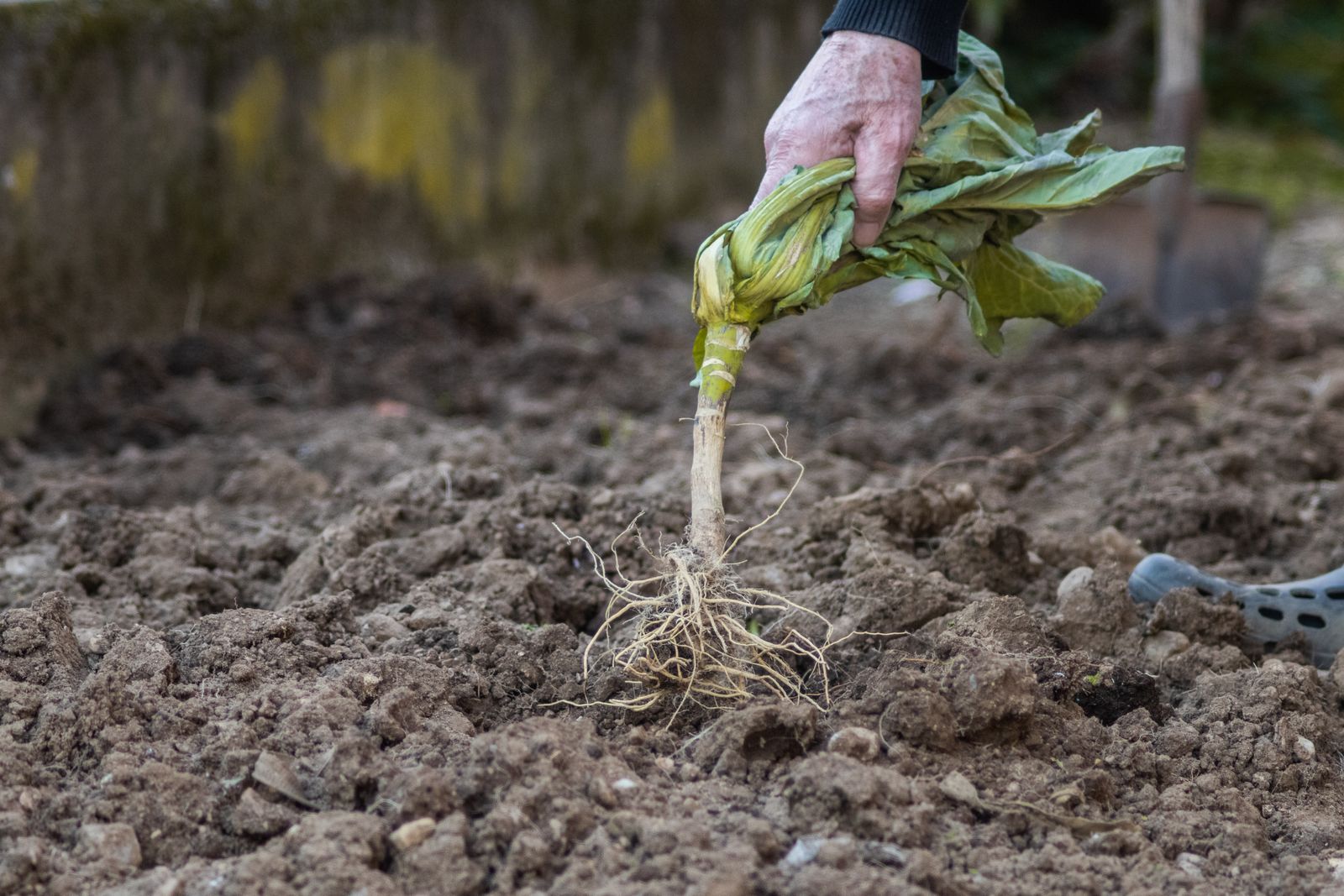
Photo: Riccardo Falconi / Pexels
Weed Control Without Killing Grass Checklist
Check off each step as you finish it. Your progress stays on this page.
0 of 8 complete
0% done
Step One: Name the Weed's Class
Three classes, three responses. Broadleaf weeds, dandelion, clover, plantain, chickweed, creeping Charlie, have wide leaves and visible flowers, grow in a different plant family from grass, and are the class selective herbicides handle best. Grassy weeds, crabgrass, quackgrass, annual bluegrass, are grasses themselves, which is why almost nothing kills them in a lawn without killing the lawn: the chemistry can barely tell them from the turf, and the answers are pre-emergent prevention or spot treatment with the few specialized products that exist. Sedges, yellow nutsedge chief among them, look grasslike but have triangular stems, feel the stem between your fingers for the edges, and take their own sedge specific products, ignoring both broadleaf and grassy weed killers entirely. Identification to class takes a minute with a phone photo and any extension weed gallery, and it is the minute the whole program stands on. A mixed infestation is normal; treat it as two programs running in parallel, not one product asked to do everything.
| Weed class | Examples | Selective answer | Prevention |
|---|---|---|---|
| Broadleaf | Dandelion, clover, plantain, creeping Charlie | 2,4-D / dicamba / MCPP blends, or iron based HEDTA | Thick turf, fall feeding |
| Grassy | Crabgrass, quackgrass, annual bluegrass | Few specialized post emergents; mostly pre-emergent | Spring pre-emergent, timed to soil temperature |
| Sedge | Yellow nutsedge | Sedge specific products (halosulfuron, sulfentrazone class) | Drainage, no overwatering |
| Moss and algae | Moss in shade | Not a weed problem: shade and drainage fix | Prune for light, correct compaction |
The Ladder: Pull, Spot, Blanket, Prevent
Work the ladder from the bottom. First rung, hand pulling: a dozen dandelions in a small lawn is a ten minute job with a forked weeder after rain, taproot and all, and it is the only treatment with zero risk to grass, pets, and everything else. Second rung, spot treatment: weeds scattered through decent turf get a selective spray aimed at the weed, not the lawn, which uses a tenth of the chemistry of a blanket application and stresses a tenth as much grass. Third rung, blanket application: a lawn more weed than grass in patches earns the full selective treatment, weed and feed or a hose end sprayer pass, and even then the follow up in a season is reseeding the bare ground, because dead weeds leave holes that new weeds colonize first. Fourth rung, the one that changes next year: pre-emergent, applied in spring as soil warms toward 55 degrees for crabgrass and in fall for annual bluegrass and winter broadleaves, which stops the seed based classes before they exist. Gardeners climb to the rung their infestation actually needs and no higher; the ladder exists because the blanket rung is the most expensive, the most stressful to the lawn, and the most commonly used first.
Label Discipline: Where Grass Safety Actually Lives
The selective promise is conditional, and the conditions are printed on the label. Grass type compatibility comes first: the classic broadleaf blends built on 2,4-D, dicamba, and MCPP are safe on the cool season lawns and on bermudagrass and zoysia within their label rates, and damaging or deadly to St. Augustine and centipede lawns, which have their own gentler labeled products. Read your grass's name on the label or do not spray. Temperature is second: above about 85 to 90 degrees, the same products volatilize, drift as vapor, and stress turf, and spraying in a heat wave injures the lawn and the garden beds downwind; the summer weed guide is built around that constraint. Timing around mowing is third: do not mow for 2 to 3 days before or after application, so the weed has full leaf area to absorb the product and the product has days to move into the roots before the leaf is cut. Rain and irrigation wait 24 to 48 hours after spraying for the same reason. None of this is fine print; it is the difference between the product working and the product scorching a lawn in a weed shaped pattern.
The Iron Option and Its Trade
For gardeners who want a selective broadleaf tool without the classic synthetic chemistry, iron based herbicides, the FeHEDTA products, are the real alternative: they darken and kill broadleaf weeds, dandelion and clover especially, through iron overload that grass tolerates, and they can be used where the synthetics are restricted. The trades are honest ones: they usually need repeat applications two to three weeks apart, they cost more per area, they can temporarily darken the lawn itself, and they are ineffective on grassy weeds and sedges. They fit the spot treatment rung of the ladder well, especially in spring and fall's cool weather, which is also when broadleaf weeds grow most actively and every selective works best. The fall weed guide makes the seasonal case in full: autumn is the professional's preferred window for perennial broadleaf control, because the weeds are moving resources down into their roots and carry the herbicide with them, while the lawn is growing strongly enough to fill the gaps.
The Lawn Is the Long Term Herbicide
Every rung of the ladder buys time; the lawn itself is what keeps the weeds out once they are gone. Weed seed is already in every soil, waiting for light and bare ground, and a thick turf at the right mowing height, 3 to 4 inches for most cool season lawns, shades the soil surface so thoroughly that most seed never germinates. The practices compound: mow high and often, feed in fall when grass wants it, water deeply and infrequently so roots run deep while weed seed at the surface stays dry, and overseed thin patches every fall before the weeds claim them. A lawn managed this way needs the ladder's lower rungs only, a weeder, a spot sprayer, a spring pre-emergent on the crabgrass prone edges. That is the actual destination of the grass safe program: not a cabinet of products, but a turf dense enough that the question this page answers mostly stops being asked.
Reading the Result: What the Next Two Weeks Should Look Like
A selective application announces its verdict slowly, and gardeners who expect overnight death misread a working treatment as a failed one and spray again, doubling the dose into the range where the grass gets hurt. The honest timeline for a broadleaf blend on a dandelion runs like this: nothing visible for two to three days, then a twist and curl in the growth as the hormone herbicides distort the plant's growing points, then yellowing and wilting across the following week, with the plant collapsing and browning by day ten to fourteen. Clover blackens faster; creeping Charlie, the stubborn one, may only check and yellow on the first pass and honestly needs the second application the label allows, two to three weeks later, which is planned persistence rather than failure. The rules of the reading period are simple: do not mow the treated weeds off in the first days, since the leaf is the herbicide's road into the root; do not water beyond the label's rain window; and do not judge before day ten. What failure actually looks like is a weed growing normally at day fourteen, green and untwisted, which points back to the class question, a grassy weed or a sedge wearing a broadleaf treatment, or to a condition breach, heat, mowing, or rain inside the window. A scorched lawn with living weeds is the opposite signature, product applied in heat or at an overdose, and its lesson is label discipline rather than product choice. Keep a note of what you sprayed, on what, and when; the lawn keeper's notebook is the difference between a program that improves yearly and a shelf of half used bottles bought on hope.
Related guides
These related guides round out the picture:
- How to Get Rid of Weeds in a Lawn with Vinegar: What It Can and Cannot Do
- How to Care for Zebra Grass: the Full Routine, and the Invasiveness Question Answered Honestly
- How to Get Rid of Weeds in Your Lawn Permanently: The Honest Answer
Frequently Asked Questions
What kills weeds but not grass?
Selective herbicides, matched to the weed's class and your grass type. Broadleaf weeds take blends of 2,4-D, dicamba, and MCPP, or iron based FeHEDTA products; grassy weeds take the few specialized products or, better, pre-emergent prevention; sedges take sedge specific chemistry. The label's grass list decides what is safe on your lawn.
Why did weed killer not work on my lawn weeds?
Usually a class mismatch: a broadleaf product sprayed on crabgrass or nutsedge does nothing, because those are not broadleaf weeds. Next causes are label conditions: sprayed above 85 to 90 degrees, mowed within 2 to 3 days of application, or rained on within a day. Identify the class first, then check the conditions.
Is there a grass safe option without synthetic herbicides?
Yes, iron based FeHEDTA herbicides kill broadleaf weeds like dandelion and clover through iron overload while grass tolerates them. Expect repeat applications two to three weeks apart, higher cost, and no effect on grassy weeds or sedges. Hand pulling and pre-emergent corn gluten sit on the natural side of the ladder as well.
When is the best time to spray weeds in a lawn?
Cool, active growth: spring and especially fall for perennial broadleaf weeds, when they move resources to their roots and carry the herbicide down. Avoid heat above about 85 to 90 degrees, avoid mowing 2 to 3 days either side, and give the application 24 to 48 hours without rain or irrigation.
How do I stop weeds coming back after I kill them?
Close the gaps and thicken the turf: overseed bare patches in fall, mow at 3 to 4 inches, feed in fall, and water deeply and rarely. Add a spring pre-emergent where crabgrass rules. Weed seed is already in the soil; dense grass shade is what stops it ever seeing light.
Photo credits: Riccardo Falconi (Pexels); Sam Clarke (Pexels). Photos are served from this site; follow the credit to the library page for the original.