Every low maintenance landscaping list on the internet is a photo album, and a photo album cannot tell you which of your Saturdays a groundcover buys back. Yards do not generate work evenly. They generate it in streams, mowing and edging here, thirsty beds there, pruning debt in the shrubs, leaf litter under the wrong tree, and each stream has a different fix with a different payoff. Convert the wrong stream first and you spend a season's budget making the pretty parts prettier while the hours stay exactly where they were. This page runs the conversion as an audit instead: price the yard in hours by task, name the worst offenders, then convert in the order the hours dictate, using the levers the results keep returning to, lawn removal where grass costs the most, mass planting, hydrozoning, evergreen structure, and deep mulch. The front yard, front of house, and budget variants of this question all fold into this page, because the audit answers all three: the front yard is simply the first zone most homeowners should convert. One number from the results deserves honesty up front: a guide claims a traditional yard at 2 to 3 hours a week against a redesigned one at 15 to 30 minutes. That claim is reported here, not adopted; your audit will produce your own number, and it will be the true one.
Home / Lawn and Landscape Basics
Low Maintenance Landscaping Ideas: The Hours Audit and the Conversion Order
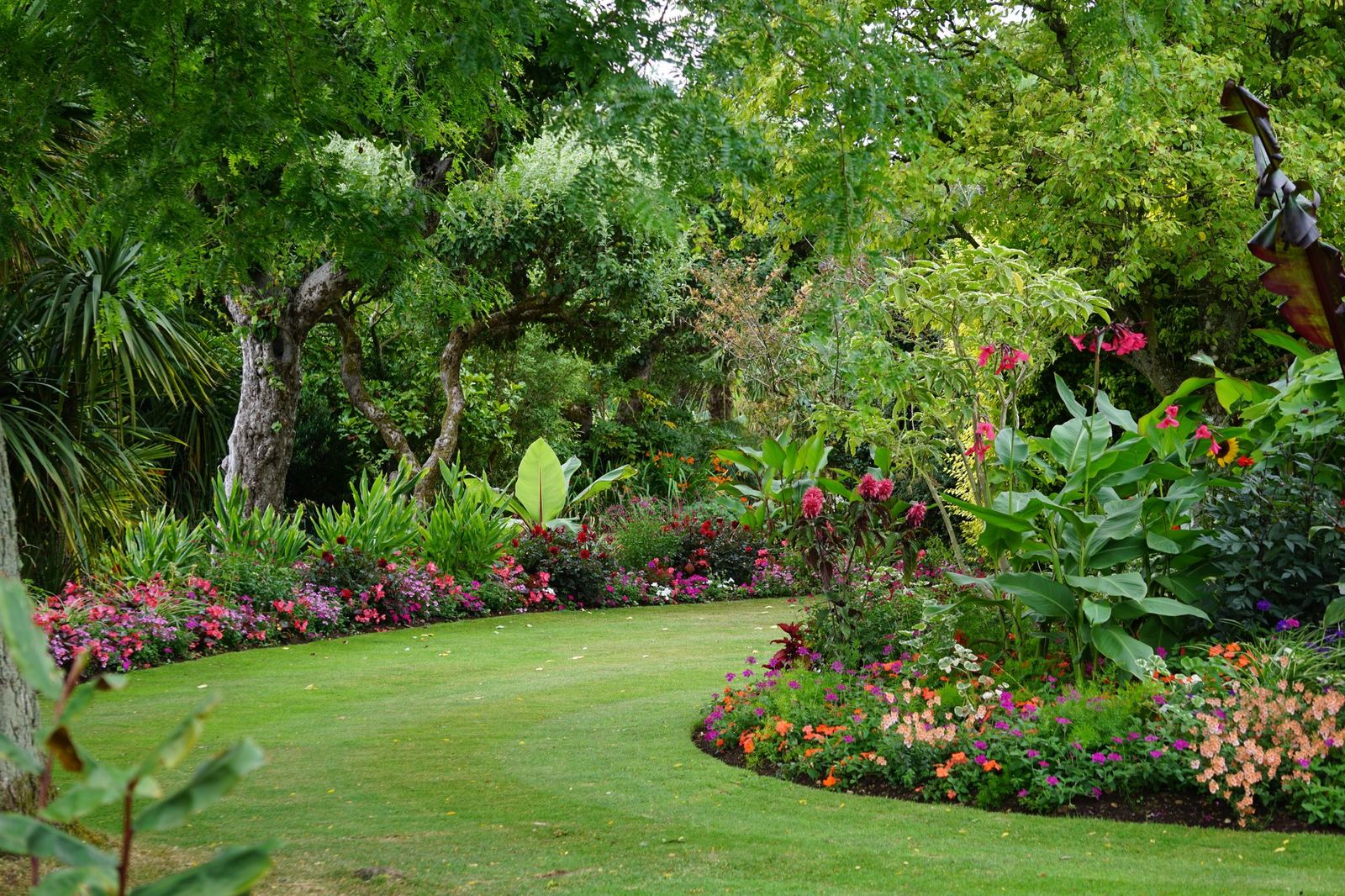
Photo: Silviu Muresan / Pexels
Low Maintenance Landscaping Checklist
Check off each step as you finish it. Your progress stays on this page.
0 of 8 complete
0% done
Step One: Price the Yard in Hours
Before any idea is allowed on paper, audit the work as it actually happens for two or three typical weeks in the growing season. Keep five columns: mowing, edging and trimming, watering, pruning and deadheading, and cleanup, leaves, litter, and bed weeding. Time them honestly, including the setup and the putting away, because the 10 minutes of dragging the hose is part of watering's price. Most homeowners who run this audit discover the same shape: one or two streams dominate, and they are rarely the ones they expected. The narrow lawn strip between the sidewalk and the street, mowed in passes and edged on both sides, often costs more minutes per square foot than the entire back lawn. The mixed bed of one of everything, each plant on its own water and pruning schedule, costs more attention than a bed three times its size planted in drifts. The audit converts low maintenance from a style into an engineering problem with a ranked list, and the ranked list is the plan. Ideas come second, aimed at the top of it.
The Conversion Levers, Ranked by Hours Bought Back
First lever, remove the worst lawn. Grass is the highest maintenance surface in most yards per square foot, mowed weekly, edged, fed, and watered, and the worst grass, narrow strips, steep slopes, deep shade where it thins and weeds, costs the most and looks the worst doing it. Converting those areas to beds, groundcover, or a path and planting surface retires their hours permanently. Second, mass planting: one tough species repeated in drifts of five, seven, nine, instead of one of everything. A drift is pruned in one pass with one rule, watered on one schedule, and replaced by division when it thins; a collector's bed is a hundred small obligations. Third, hydrozoning: group plants by water need so no bed is irrigated for its thirstiest member, and the dry bed can be left to the rain. Fourth, evergreen structure: anchors of evergreen shrubs carry the yard's shape through winter without the seasonal replanting and cutting back that herbaceous displays demand. Fifth, mulch at 2 to 4 inches across every bed, the cheapest lever of all, which suppresses the weeding stream and halves the watering stream in one delivery. Run the levers in that order, against your audit's top streams, one zone per season, and the redesign never stalls at the decorative parts.
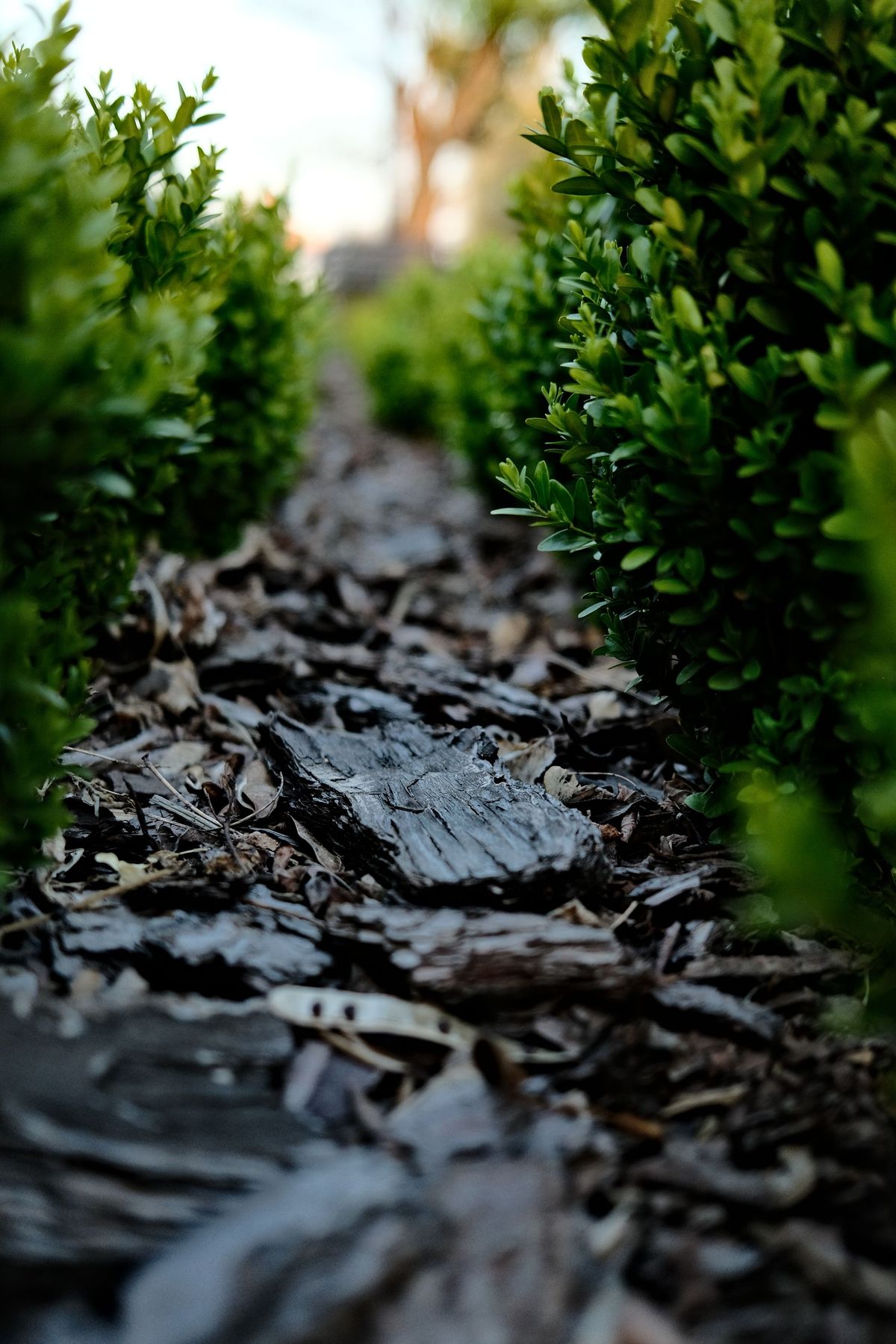
The First Zone: The Front Yard
The front yard variants of this question fold here because the front is where the audit and the appearance agree. It is the most edged, most visible, most lawn dominated part of most properties, and the part whose work is done for an audience. The conversion pattern that serves it: shrink the lawn to the shape actually used, a clean panel rather than a wall to wall carpet; replace the strips along the drive and sidewalk with mulched beds; plant those beds in massed drifts of two or three tough species with evergreen anchors at the corners and the door; and let one good tree, chosen for mature size and litter manners, do the shade work. The budget version of the same conversion is mostly labor and patience: divisions from existing perennials, mulch bought in bulk rather than bags, and one zone per season instead of a contractor's week. What the front yard conversion is not: gravel. A yard converted to rock mulch and three yuccas has not retired its work; it has traded mowing for weeding stone, heat management, and leaf litter trapped in gravel, and it reads as a parking lot by year two. Living groundcovers and mulched beds are the low maintenance surfaces; stone is a high maintenance one wearing a disguise.
What Low Maintenance Is Not, and the Honest First Year
Three honest warnings close the system. Low maintenance is not no maintenance: every living landscape has a floor of work, a few hours a month in a well converted yard, spent on the mulch top up, the drift pruning pass, the path edges, and the weeds that arrive on the wind. The goal is a yard whose work fits in that floor, not a yard that needs nothing; only plastic achieves that, briefly, before it needs replacing. Second, the establishment year is the most expensive year, not the cheapest: new beds and groundcovers want regular water and weeding while they knit together, and the hours the conversion eventually retires are bought with a season of attention up front. Growers who quit in the establishment year conclude the system failed at the exact moment it was about to pay. Third, be suspicious of any claim, including the 2 to 3 hours down to 15 to 30 minutes figure in the results, that prices your yard without measuring it. Your audit is the measurement. Run it, convert the worst stream first, and let your own columns, checked again after a season, deliver the verdict. That is what an idea list cannot do, and it is the whole value of the audit: the yard tells you what to change, in hours, and hours are the currency you were spending all along.
Frequently Asked Questions
What is the lowest maintenance landscaping?
The landscaping whose work you have audited and converted in the right order. In practice it looks like this: lawn shrunk to the area actually used, with the narrow, sloped, and shaded strips converted to beds; beds planted in massed drifts of a few tough, zone matched species rather than one of everything; plants grouped by water need; evergreen shrubs carrying the structure; and mulch 2 to 4 inches deep everywhere. The result is a yard maintained in hours per month rather than per week. There is no plant list that achieves this by itself, because maintenance is generated by layout and surface choices more than by species.
How do I make my front yard low maintenance?
Convert it as the first zone, using the pattern on this page: shrink the lawn to a clean panel of the shape actually used; turn the strips along the sidewalk and drive into mulched beds; plant the beds in drifts of two or three tough species with evergreen anchors framing the door and corners; and choose any tree for its mature size and litter manners. The budget version uses divisions from your own perennials, bulk mulch instead of bags, and one zone per season. Avoid the gravel conversion, which trades mowing for weeding stone and trapped litter and reads as a parking lot within two years.
What plants are best for low maintenance landscaping?
The ones that are zone matched, matched to your soil and light, and planted in drifts: tough evergreen shrubs for structure, long lived perennials that divide rather than die out, and groundcovers that knit into a weed suppressing mat where lawn struggled. Native plants earn their reputation here because they arrive pre adapted to your rainfall and soil, though native is a starting filter, not a guarantee, since a native in the wrong spot still fails. The deeper rule is the mass planting itself: any suitable species repeated in drifts of five or more is lower maintenance than a collection of individually excellent plants, because the work is in the variety of obligations, not the plants.
Does mulch really reduce maintenance that much?
Yes, and it is the cheapest lever on this page. A 2 to 4 inch mulch layer across every bed suppresses most weed germination, which cuts the weeding stream, and holds soil moisture, which cuts the watering stream, while feeding the soil as it breaks down. It is not permanent: organic mulch is topped up as it decays, annually in most climates, and that top up is itself one of the remaining jobs in a converted yard. But measured against the hours it retires, mulch is the highest return delivery in landscaping, which is why it appears in every serious low maintenance system in the results.
How long does it take for a low maintenance yard to pay off?
The establishment year is the investment: new plantings want regular water and weeding while they knit, and a converted zone typically reaches its low maintenance floor in its second season. After that, the honest expectation is hours per month, not the zero of the advertisements and not the 15 to 30 minutes of the boldest claim in the results, which this page reports as a claim rather than a promise. Re-run your hours audit after a season and compare columns; the audit that planned the conversion is also the instrument that verifies it, and its numbers are the ones worth believing.
Photo credits: Silviu Muresan (Pexels); Egor Komarov (Pexels). Photos are served from this site; follow the credit to the library page for the original.