Every guide to overseeding opens with the same confession: fall is better. It is. Fall has warm soil, cooling air, and no weed pressure, and this site's fall overseeding guide and its general overseeding guide own that season and the standard method. But lawns do not consult guides; they come out of winter thin, patchy, and mud colored, and the homeowner reading this in April has a lawn to fix now, not a seminar on September. Spring overseeding works when you respect the two things that make spring different, and this page exists to handle them honestly rather than to repeat the fall method with the date changed. This article was deliberately not folded into the fall guide when that was proposed in batch 7, because the spring case has its own physics.
Home / Lawn and Landscape Basics
How to Overseed a Lawn in Spring: Winning the Season Everyone Warns You About
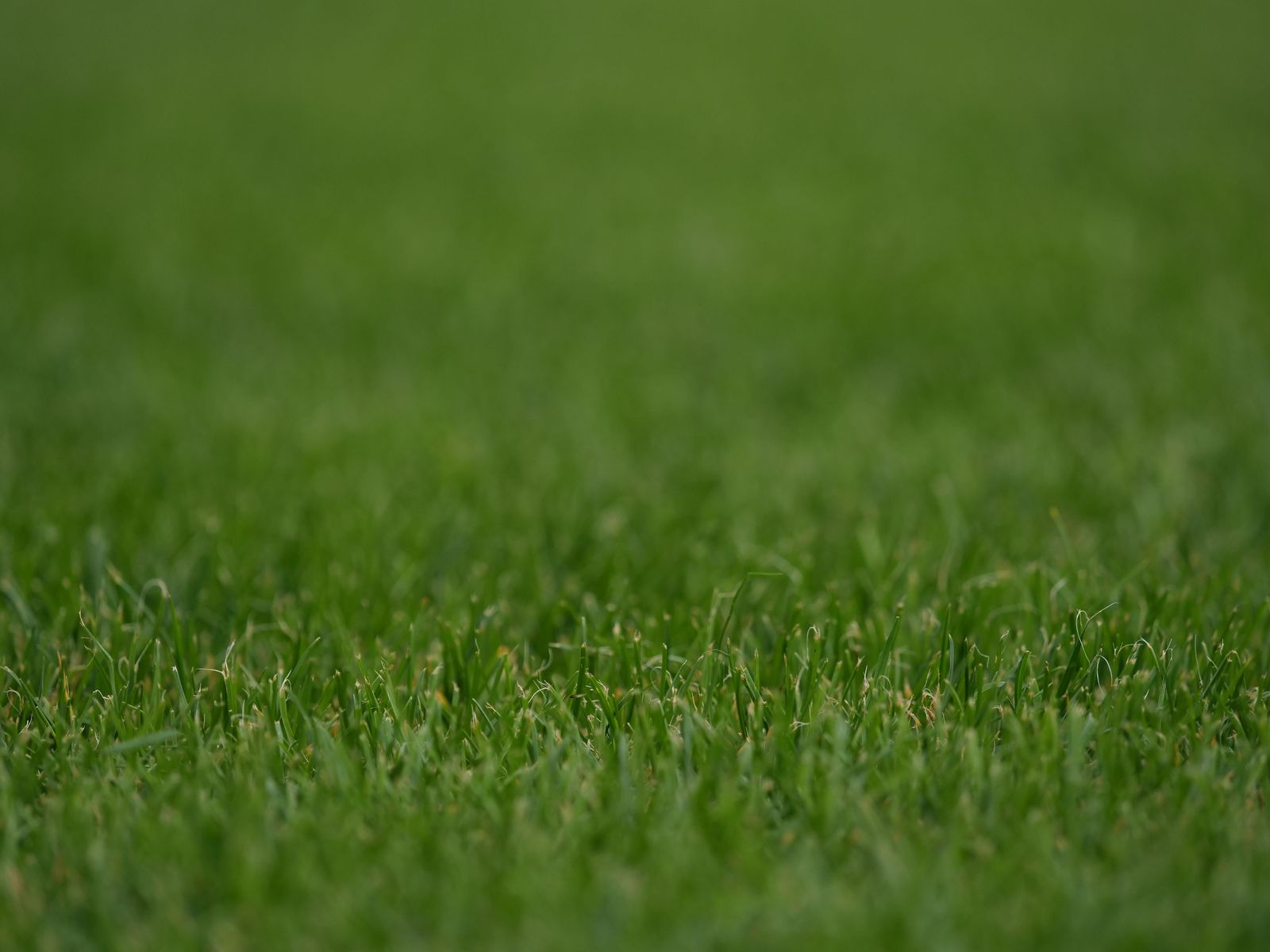
Photo: Volodymyr Korol / Pexels
Spring Overseeding Checklist
Check off each step as you finish it. Your progress stays on this page.
0 of 8 complete
0% done
The First Trap: Pre Emergent and Seed Cannot Share a Lawn
Crabgrass pre emergent herbicide works by stopping germinating seeds from establishing roots, and it does not distinguish a crabgrass seed from a grass seed. A lawn treated with a standard crabgrass preventer in spring will reject your overseeding as reliably as it rejects the crabgrass, for weeks to months depending on the product and rate. So the first decision of spring overseeding is a fork, made before any seed is bought: this spring, does this lawn get the preventer or the seed? A lawn that is mostly sound with a crabgrass history gets the preventer and waits for fall seeding. A lawn that is thin and patchy, where bare soil will grow weeds faster than crabgrass alone would, gets the seed and accepts a season of hand weeding and post emergent spot treatment. One narrow exception exists: a few pre emergent products based on siduron, and newer mesotrione based starter products, are labeled as compatible with seeding, and if you use one, the label's seeding interval is the law. Everything else is a choice, and making it accidentally, preventer down in March and seed in April, is the most expensive spring lawn mistake there is.
The Window: Soil Temperature, Not the Calendar
Spring seeding runs on soil temperature: 50 to 65 degrees Fahrenheit for cool season grasses, which in most northern lawns means mid March to about May 15. Earlier, the seed sits in cold soil and germinates slowly while the window closes; later, the seedlings meet summer heat before their roots are deep enough to survive it, and the job fails in July no matter how well April went. Warm season lawns run the same logic later, seeding in late spring once soil passes 65 degrees and keeps climbing. A soil thermometer or a screwdriver and a weather history will tell you more than any date: several days of soil in the band, with the trend rising, is the green light. The deadline discipline is what separates spring from fall seeding: every week of delay in spring is borrowed from the seedlings' root growing time before heat, so a spring seeding done promptly at the cool end of the window beats a perfect one done late.
The Second Lever: Ryegrass Is the Spring Species
In fall you can seed almost anything, because the season forgives slow germination. In spring, germination speed is survival, and perennial ryegrass is the fastest cool season grass there is, up in 5 to 10 days where Kentucky bluegrass takes 3 to 4 weeks it does not have. The spring blend therefore runs ryegrass forward: a mix weighted to perennial ryegrass, with fine fescue for shade and a minority of bluegrass if you want it, establishes cover before summer and nurses the slower species through. Pure bluegrass seedings belong to fall. This is also why spring overseeding seed should be bought fresh and by the blend, not by whatever bag is cheapest: read the label's percentages, because a spring mix that is mostly slow species is a fall mix wearing the wrong season's clothes.

Rates and Prep: The Method Underneath
The prep mirrors the standard method this site teaches for overseeding generally, tightened for spring. Rates: 2 to 4 pounds of seed per 1,000 square feet to thicken an existing lawn, 4 to 8 pounds for bare or nearly bare patches. Mow the lawn short first, 1.5 to 2 inches, and bag or rake the clippings so seed can reach the ground. Deal with thatch over half an inch by dethatching, and with compaction by core aerating, because seed sitting on thatch or on concrete hard soil germinates into air and dies. Sow in two passes at right angles for even cover. Topdress with a quarter to half inch of compost, peat, or fine soil worked down through the grass; in spring the topdressing earns its keep twice, holding moisture around the seed and hiding it from the birds that are nesting and hungry. A starter fertilizer at seeding is standard practice and compatible with the seed in a way the pre emergent never was; use one unless a soil test says your phosphorus is already high.
The Watering Runway: Light, Twice a Day, for Weeks
Spring seedlings live or die on the watering runway: light watering twice a day, enough to keep the seedbed and the top layer of soil continuously moist, for 2 to 4 weeks until germination is complete and the new grass is up. Light is the operative word; the goal is damp seed, not soaked soil, and a heavy watering habit in spring washes seed into clumps and puddles. As the grass establishes, stretch the interval and deepen the drink, transitioning over the following month to the normal lawn regime of deep and infrequent, because roots follow the water down. Spring weather helps and betrays in equal measure: a rainy week is free irrigation, and a sudden hot dry wind can undo a seedbed in an afternoon, which is why the twice daily check, not the twice daily timer, is the real instruction. Mow the new grass when it reaches about 3 inches, with a sharp blade and a light touch, and keep feet and mower turns gentle on the seeded patches until the second or third mowing.
What Success Looks Like, and the Fall Backstop
Set the expectation honestly: a good spring overseeding thickens the lawn and closes most bare ground before summer, and some of the spring seedlings, especially in the hottest, driest spots, will still thin out in July. That is the season's price, known in advance. The backstop is built into the calendar: whatever spring could not finish, the fall overseeding window, this site's home ground, completes, and a lawn on the spring plus fall rhythm for one year usually needs neither the year after. Seed in the window, settle the preventer question first, run ryegrass forward, and water like a seedbed for a month. Spring will never be fall, but it is a great deal better than a thin lawn and a shrug.
Frequently Asked Questions
Can I overseed after putting down crabgrass preventer?
With a standard pre emergent, no: it blocks grass seed germination for weeks to months, the same way it blocks crabgrass, and seed sown into it mostly fails. Check the product label for its seeding interval, because that interval is the answer for your specific product. The exceptions are the seeding compatible chemistries, siduron based preventers and mesotrione based starter products labeled for use at seeding. If the preventer is already down and the lawn desperately needs seed, the honest options are to wait out the label interval, which usually means fall, or to seed only after disturbing small bare patches thoroughly and accepting reduced germination there.
When is it too late to overseed in spring?
For cool season lawns, when soil temperatures push past about 65 degrees and the calendar passes mid May in most northern regions, the runway gets too short: seedlings meet summer heat with shallow roots and fail in July. Warm season lawns seed later, in late spring as soil warms past 65 degrees. If you have missed the spring window, the right move is not to seed anyway and hope; it is to spend the summer on mowing high, watering deeply, and weed control, and then seed in the fall window, which is the best one of the year and only a few months away.
What is the best grass seed for spring overseeding?
A blend weighted toward perennial ryegrass, because it germinates in 5 to 10 days and establishes before summer heat, which is the whole spring problem. Fine fescue earns its place in shaded areas, and a minority share of Kentucky bluegrass is fine for its long term quality, but a spring seeding built mainly on bluegrass is too slow for the season. Read the bag's label percentages rather than its marketing name, and buy fresh seed with a recent test date, because old seed's germination rate is another delay spring cannot afford.
How much seed do I need for spring overseeding?
Two to 4 pounds per 1,000 square feet for thickening an existing lawn, and 4 to 8 pounds per 1,000 for bare or nearly bare areas. Measure your lawn's area honestly, because underbuying and stretching the seed thin is the quiet cause of many patchy results: sparse seed makes sparse grass, and in spring the thin spots are exactly where weeds move in. Split the total into two lots and sow in two passes at right angles, which evens out the spreader's pattern and the inevitable heavy and light spots of a single pass.
How often should I water newly overseeded lawn in spring?
Lightly and twice a day, keeping the seedbed continuously moist without soaking it, for the 2 to 4 weeks until germination is complete. The seed itself must never dry out once it has absorbed water and begun to germinate, which is why frequency beats volume at this stage. After the new grass is up and growing, stretch the schedule gradually: every other day, then twice a week, deepening each drink, so by early summer the lawn is on the normal deep and infrequent regime and the roots have followed the water downward.
Photo credits: Volodymyr Korol (Pexels); Curtis Adams (Pexels). Photos are served from this site; follow the credit to the library page for the original.