The aerator is gone, the seed is down, and the lawn looks like a battlefield crossed by a goose parade: plugs everywhere, bare soil showing, seed sitting visibly on the surface. Everything that decides whether this expensive, disruptive day becomes a thicker lawn or an expensive feeding of the local birds happens in the next six weeks, and it is almost all restraint: do not rake, do not starve the seed of water, do not walk, do not mow early, do not spray. This page owns those six weeks, week by week. Doing the aerating and seeding job itself is covered by our overseeding guide, and the seedbed watering schedule in its finest detail by our grass seed watering guide; this page is the aftercare arc entire, from plugs to the return of normal lawn life.
Home / Lawn and Landscape Basics
How to Care for a Lawn After Aeration and Seeding: The Six Weeks After
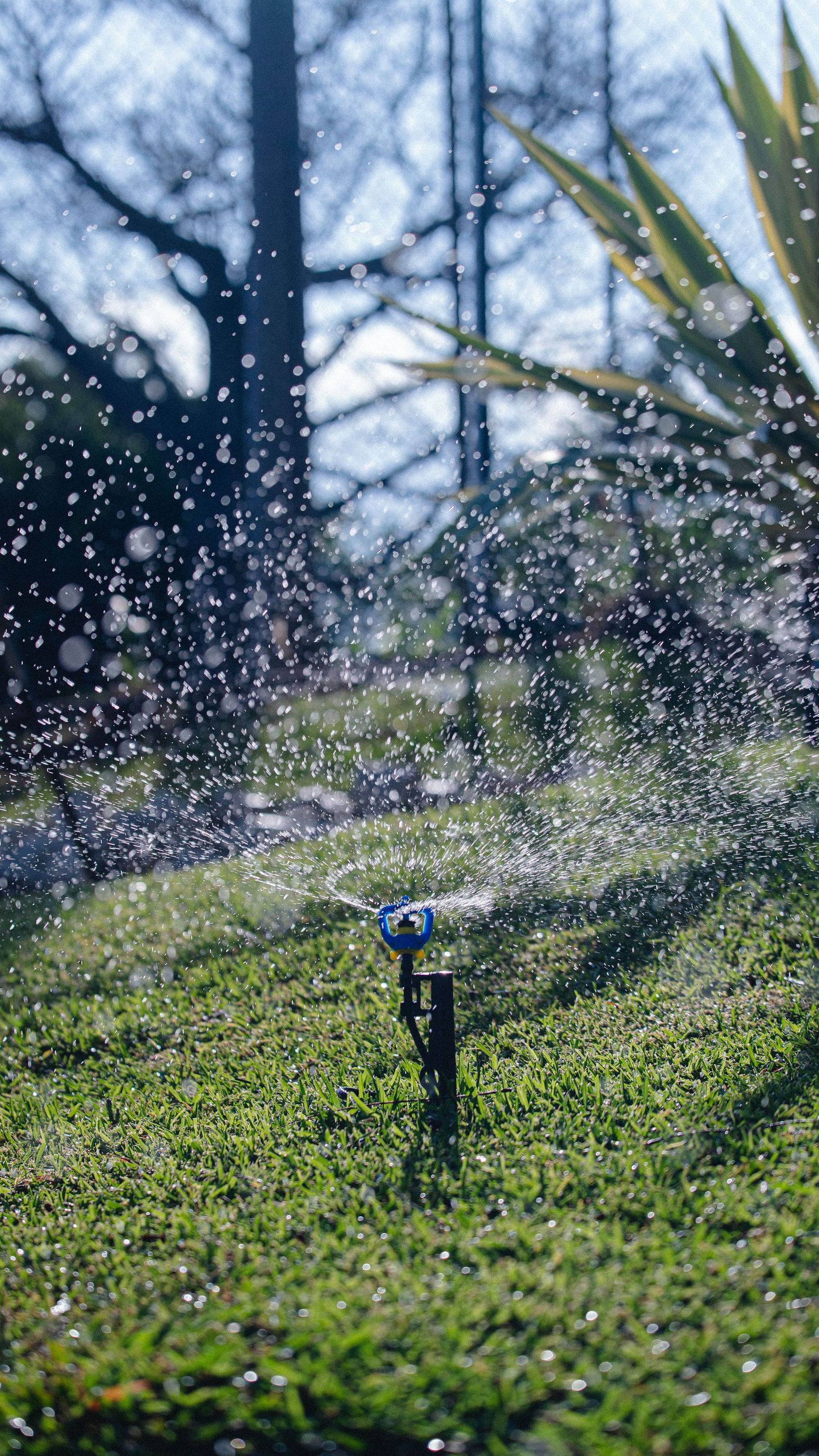
Photo: Jonathan Córdova R. / Pexels
Aeration and Seeding Aftercare Checklist
Check off each step as you finish it. Your progress stays on this page.
0 of 7 complete
0% done
Week 0: Leave the Plugs Alone
The soil cores lying all over the lawn are not litter; they are the point. Each plug is a column of your lawn's own soil, full of the microbes and thatch eating organisms that will break the plug down and return its soil to the surface over the coming weeks, topdressing the seedbed with exactly the material seeds want contact with. Raking them up removes the benefit and disturbs the seed. They look worst on day one and melt visibly with every watering and rain; by week three they are mostly gone, and the correct action throughout is to walk away.
Walk away literally, too: foot traffic is the new seedbed's enemy, compacting the aerated soil you just paid to loosen and crushing seedlings as they emerge. Keep traffic off the seeded area as completely as life allows for at least the first 2 weeks, and reroute the dog, the shortcut, and the delivery path for the duration. The lawn will forgive a necessary crossing; it will not forgive a daily path.
Weeks 1 to 3: The Moisture Discipline
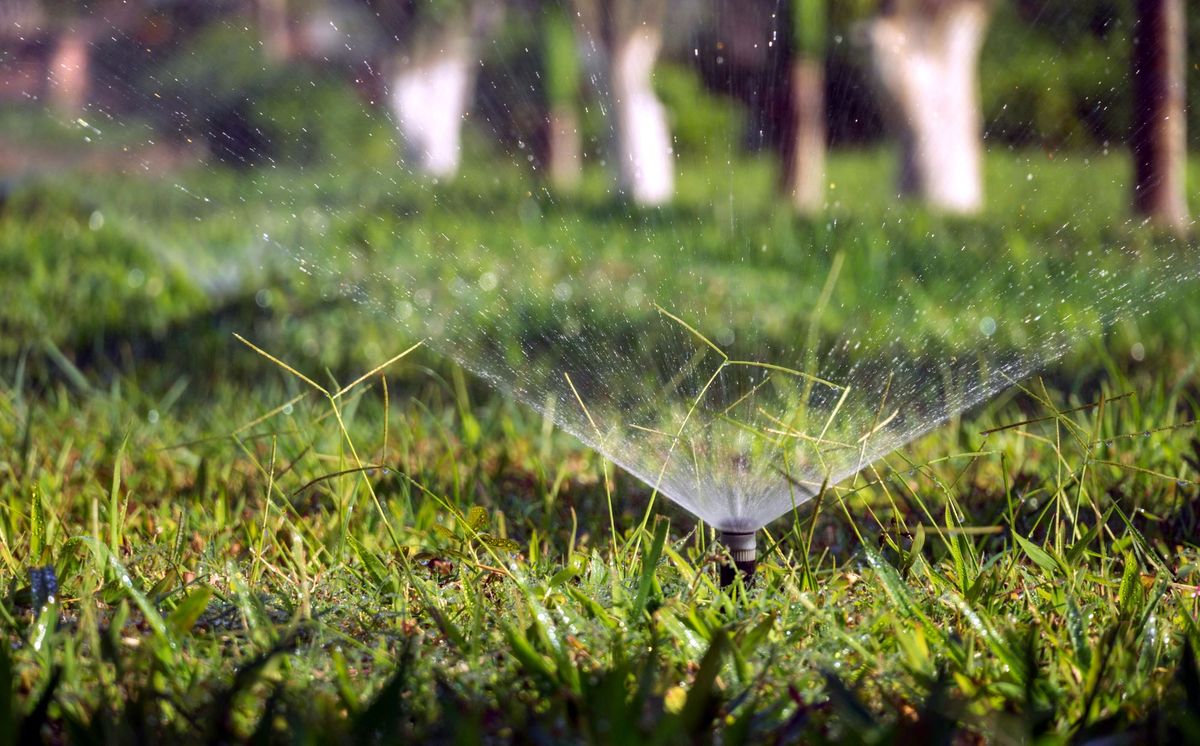
Seed dies once, at germination, if it dries out mid sprout, and the entire watering discipline exists to prevent that one death. Keep the seedbed evenly moist: light watering daily at first, more often in hot or windy weather, so the surface never fully dries while seeds are sprouting. The germination window runs about 14 to 21 days for the common lawn grasses in the guidance our research gathered, and through that whole window the surface stays damp, not flooded: puddles wash seed into drifts, and a soggy bed rots what a dry bed desiccates.
As sprouts appear and root, the watering begins its long taper, from daily light sessions toward every other day and deeper, training the roots down. Our grass seed watering guide gives the week by week taper in full; the principle here is that aftercare watering is a slope, not a switch, and the lawns that fail in week four are usually the ones whose owners declared victory at the first green haze and returned to a weekly soak while the roots were still an inch long.
Weeks 3 to 4: The First Mow, at Height, with a Sharp Blade
The first mow waits until the new grass reaches about 3.5 to 4 inches, and then takes only the top, cutting back to about 3 inches. Mowing earlier scalps seedlings whose roots are still threads; mowing much later lets the new grass flop and shade itself. Two preparations matter more than the date. Sharpen the blade: a dull blade tears grass rather than cutting it, and torn seedlings with shallow roots get pulled and shredded where a sharp blade slices them clean. And mow when the grass is dry, on a calm pass, with no sharp turns on the soft new turf, because a pivoting mower wheel on a young seedbed tears out a divot of the future.
Bag or collect the clippings on this first cut if they fall in clumps that could smother seedlings, and return to leaving them once the lawn is established and cutting dry. After the first mow, the traffic ban relaxes gradually: normal walking returns, but the seeded lawn is still a young lawn until it has been mowed several times, and games, furniture, and parked equipment wait for the second month.
Weeks 4 to 6: Weed Control Waits, Feeding Waits Longer
The weeds will come; they always do, into bare, watered, fertile soil, and the aftercare discipline is to let them, for now. Weed control products, even the lawn safe selective kind, stress or kill young grass, and the standard rule from the guidance is to hold all weed control until the new grass has been mowed a couple of times and is actively growing with real roots. Hand pull the worst offenders if they offend you; the sprayer stays in the shed until the lawn is established, and any pre emergent is next season's conversation, since it would have prevented the seed you just sowed from doing exactly what it did.
Fertilizer follows the same patience. If a starter fertilizer went down with the seed, the young lawn is fed; if not, a light feeding waits until the grass is established and growing, around the end of this six week arc, and then the lawn joins the normal calendar in our fertilize timing guide. What the young lawn wants from you in these weeks is not products but the taper of water, the weekly mow at height, and protection from being loved to death with interventions.
The Six Week Timeline, on One Line Each
Week 0: plugs down, seed down, traffic off, watering set. Weeks 1 to 2: surface damp daily, sprouts appear, plugs softening. Week 3: germination completing, watering tapering, first mow approaching as the grass nears 4 inches. Week 4: first mow taken with a sharp blade, clippings managed, traffic cautiously returning. Week 5: second mow, watering every other day and deeper, thin spots becoming honestly visible. Week 6: the lawn rejoins normal care; weed control becomes permissible on established growth, and thin spots are marked for a touch up sowing while the season still allows or noted for the next seeding window.
Thin spots deserve their sentence: some are inevitable (a washout, a shaded corner, a traffic crossing that could not move), and a small touch up sowing into a scarified patch, kept moist like the original, repairs them within the same season if the calendar allows. A lawn is not a pass fail exam; it is a standing crop that is patched annually, and the aeration year's patches are simply part of its rhythm.
Reading the Six Weeks Like a Gardener
The aftercare arc has a texture worth learning, because it is the same texture as every establishment process in the garden, from a transplanted tomato to a new hedge. The first phase is fragility disguised as mess: the lawn looks its worst exactly when it is most alive with possibility, and the gardener's temptation is to intervene, tidy, fix. Resist it. In establishment, most interventions are damage wearing a helpful costume: the rake that disturbs the seed, the footstep that compacts the core holes shut, the early mow that uproots what it meant to groom. The professional's skill in week one is not technique; it is confidence that the plan is working invisibly.
The second phase is the green haze, when the seedbed flushes with a million threads of grass and the lawn looks, for a hopeful week, better than it ever will again. This is the dangerous moment for discipline, because the haze is not a lawn: it is a crowd of seedlings with roots an inch deep, competing for light, and half of them will thin themselves out as the strong ones win. Watering that stops here, in celebration, kills from below. The haze is a promise, and the taper described in this page is how the promise is kept: water withdrawn gradually enough that roots chase it down, never so fast that the surface crowd starves before the roots are ready.
The third phase is honesty: by week five the lawn shows its true map, thick where the seed, soil, and water agreed, thin where they did not. Beginners read this map as a verdict; gardeners read it as a work list. Every thin patch has a legible cause (a low spot that puddled, a high spot that dried, the corner the hose never quite reached, the crossing that could not move) and a scheduled remedy, the touch up sowing or the note for the next seeding window. A lawn kept for years is not a lawn that was seeded perfectly once; it is a lawn whose thin spots were read correctly and patched annually, each year's map a little less marked than the last. The six weeks after aeration and seeding are when that lifelong reading habit begins, and the plugs, the haze, and the thin spots are its first three lessons.
A Note on Who Does the Work
If a lawn service performed the aeration and seeding, the aftercare is still yours, and the handoff is where jobs quietly fail: the crew's work ends at the seed, and the six weeks that decide everything begin the moment their truck leaves. Ask the crew three questions before they go: what seed went down and at what rate, whether a starter fertilizer was applied, and what their watering instruction assumes about your sprinkler setup. Write the answers on the calendar with the date. Homeowners who aerate themselves hold the same information by default; homeowners who hire it out must collect it deliberately, because week four's decisions (the mow, the wait on weed control, the possible light feeding) all depend on what actually happened on day one, and memory will not keep it as faithfully as one written line.
Frequently Asked Questions
Should I rake up the plugs after aeration?
No. Leave them. The plugs break down over the following weeks, returning soil and thatch digesting microbes to the surface and topdressing the seedbed. Raking removes the benefit and disturbs the seed. They look rough for a few days and melt away with watering and rain.
How often do I water after aeration and seeding?
Keep the seedbed evenly moist with light watering daily at first, so the surface never dries through the germination window of about 14 to 21 days. As the grass roots, taper gradually to every other day and deeper, reaching the normal lawn schedule of about 1 inch a week by around week 5 or 6.
When can I walk on the lawn again?
Keep traffic off the seeded area for at least the first 2 weeks, longer if you can. After the first mow, normal walking returns gradually, but hold games, furniture, and heavy use until the lawn has been mowed several times and is clearly established, around the second month.
When is the first mow after seeding?
When the new grass reaches about 3.5 to 4 inches, cutting it back to about 3 inches, with a freshly sharpened blade and on dry grass. A dull blade tears shallow rooted seedlings out instead of cutting them. Collect clippings if they clump over the young grass.
When can I apply weed killer after seeding?
After the new grass has been mowed a couple of times and is actively growing with established roots, typically at the end of the six week aftercare arc or later. Weed control on young grass stresses and can kill it. Hand pull the worst weeds in the meantime.
What if parts of the lawn did not come in?
Touch up sow them: scarify the patch surface, sow matching seed, firm it into soil contact, and keep it moist exactly like the original seedbed. Within the seeding season this repairs most thin spots; otherwise mark them for the next seeding window, fall for cool season lawns and late spring for warm season ones.
Photo credits: Jonathan Córdova R. (Pexels); Q. Hưng Phạm (Pexels). Photos are served from this site; follow the credit to the library page for the original.