Summer is when the lawn's watering mistakes come due, and they are almost all the same mistake: a little water, very often. A lawn kept green through a hot season runs on a budget, 1 to 1.5 inches of water a week, delivered deeply in two or three sessions, and the lawn that cannot be watered at that level has an honest alternative that is not a failure state: planned dormancy, where the grass browns on purpose and survives on a survival ration until the weather breaks. What does not work is the middle path most lawns actually get, a daily sprinkle that wets the surface, trains the roots to live in the top inch where the heat is worst, and delivers a lawn that is simultaneously watered every day and drought stressed every afternoon. This page runs the budget system: the sessions, the morning rule, the rain accounting, the dormancy option priced honestly, and the heat wave protocol for the weeks that test both plans.
Home / Lawn and Landscape Basics
How Often to Water Grass in Summer: The Inch Budget, the Morning Sessions, and the Planned Dormancy Option
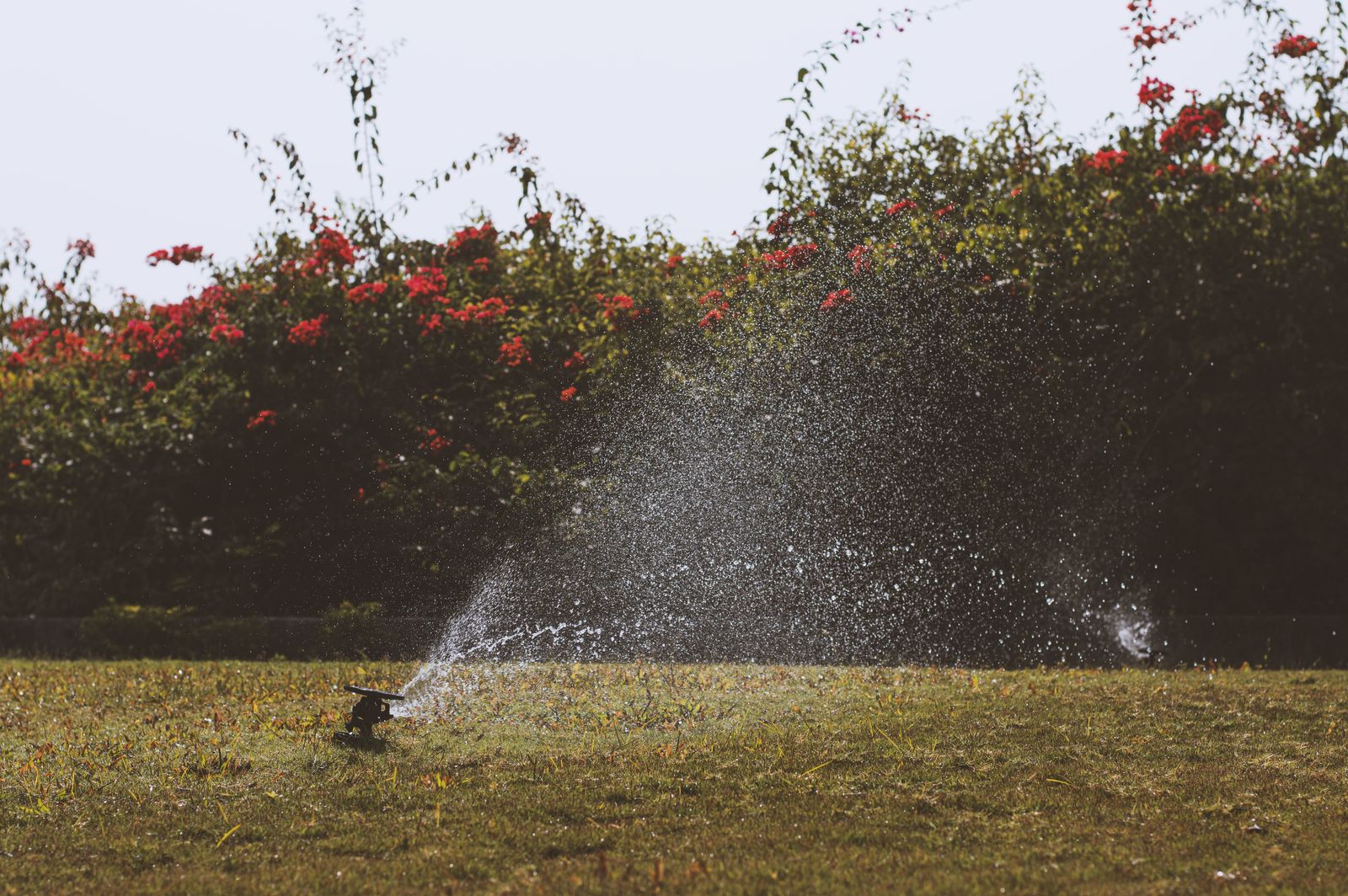
Photo: Animesh Srivastava / Pexels
Watering Volume Calculator: The Summer Lawn Audit
A summer lawn wants 1 to 1.5 inches a week in two or three deep morning sessions. Enter your lawn length and width with a depth of 1 inch to size one session.
19.9 gallons
For 32 square feet at 1 inch deep. That is about 76 liters, or 10 trips with a standard 2 gallon watering can.
A rain gauge or a straight sided can set in the bed tells you when a sprinkler or soaker hose has actually delivered this depth. Time alone is a guess, because hose pressure varies from house to house.
The conversion is arithmetic, not opinion: one inch over one square foot is 144 cubic inches of water, and a US gallon holds 231 cubic inches, so each square foot at one inch takes 0.62 gallons.
The Budget: 1 to 1.5 Inches a Week, Measured
The budget is a depth of water over the whole lawn, and it is measured, not timed. Sprinklers deliver wildly different rates, so the only honest unit is the inch: set straight sided cans or a rain gauge on the lawn, run the system, and read the depth collected against the time taken. Most home systems deliver somewhere between a quarter and a full inch per hour, which means a session meant to deliver half an inch might take thirty minutes or two hours, and no schedule copied from a neighbor survives that spread. The weekly target for an actively growing cool season lawn in summer is 1 to 1.5 inches, the higher end in heat and wind and on sand, the lower end on clay and in partial shade. Warm season grasses in their summer growth run leaner and laugh at the lower figure. Rain counts against the budget at face value, read off the same gauge, which is why the gauge lives on the lawn all season: a week that delivers an inch of rain is a week the sprinklers stay off, whatever the calendar page says. Use the calculator above to convert the budget into gallons for your lawn's actual area; the number is sobering, and it is supposed to be, because it is the true price of the green option, against which the dormancy option below can be honestly compared.
The Sessions: Deep, Two or Three a Week, in the Morning
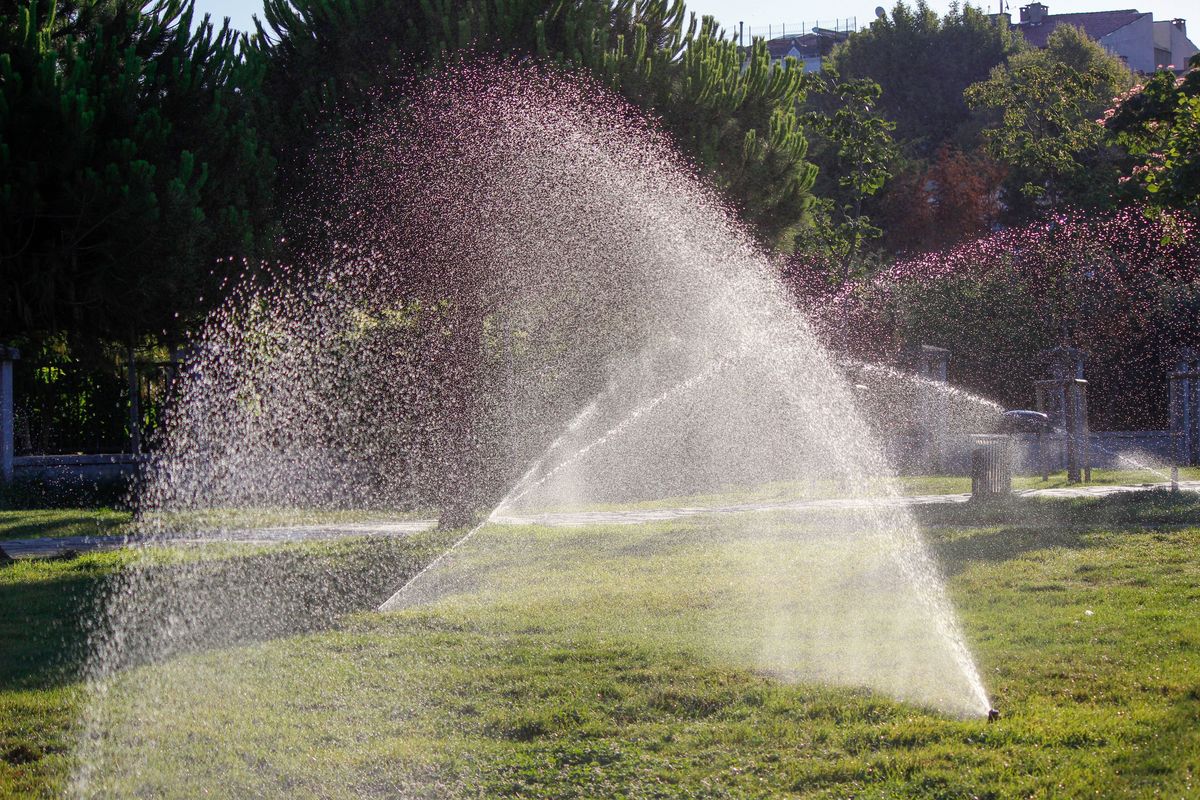
Delivery decides whether the budget builds a lawn or a dependency. The same weekly inch given as two or three deep sessions soaks the soil several inches down, and roots follow the moisture down into ground that stays cool and damp through the afternoon. Given as seven daily sprinkles, it wets the top inch, evaporates by noon, and trains the entire root system into the layer that bakes. Morning is the session hour, finishing by mid morning where possible: the air is calm so the water lands where it was aimed, the sun has not yet begun taking its share, and the grass dries through the day rather than sitting wet into the night, which is the fungus appointment. Evening watering is the acceptable second choice in a heat emergency; midday watering in wind is mostly a donation to the atmosphere. On slopes and clay, the cycle and soak trick applies: run the session in two or three short passes with rests between, so the water enters the soil instead of running off it, and the full budget lands in the root zone rather than in the street. A lawn watered deeply twice a week will look, by August, like a lawn with a system; a lawn sprinkled daily will look like a lawn with a habit, and the difference is visible from the sidewalk.
The Dormancy Option: Brown on Purpose, Alive at the Crown
A lawn that cannot or will not be watered at budget has a respectable alternative, and it is not neglect, it is a plan. Cool season grasses evolved to go dormant in summer drought: the blades brown and stop growing while the crowns and roots stay alive underground, waiting for rain and cool nights. Planned dormancy keeps that machinery alive on a survival ration, about half an inch of water every 2 to 3 weeks in the absence of rain, just enough to keep the crowns hydrated, not enough to green the lawn or restart growth. The rules of the plan are discipline: choose it early, before the lawn is stressed; keep traffic off the dormant grass, whose dry blades snap rather than bend; hold mowing to a minimum and high; and expect the recovery to take two to three weeks of real rain or budget watering in the fall before the lawn greens fully. The limits deserve honesty: a young lawn, a thin lawn, and a lawn on shallow soil may not have the reserves dormancy demands, and in a drought that runs past six to eight weeks even established crowns begin to die in patches. But for an established lawn in an ordinary dry summer, dormancy is the water bill's best answer, and the brown lawn in August that greens by October was not a failure. It was the plan, executed.
The Heat Wave Protocol and the Failure Signs
The weeks above 90 degrees with wind are where both plans are tested, and the protocol is mostly about not panicking in either direction. On the budget plan, a heat wave raises the draw: hold the sessions, consider the higher 1.5 inch end of the budget, and water in the early morning without exception; a lawn that wilts at midday but recovers by morning is riding out heat, not dying, and the check is the footprint test, grass that springs back after a step has water enough in its leaves, grass that stays flat is asking. Syringing, a light midday misting to cool the canopy, is a golf course tool with a narrow case and is not a substitute for a session. On the dormancy plan, a heat wave changes nothing except vigilance about the survival ration's timing. The failure signs that demand action in any week: grass grey blue and curled in the morning, which is drought past wilting; footprints that persist at breakfast; and soil dry 3 to 4 inches down on a screwdriver probe, the lawn's version of the depth check. Fungus, by contrast, brown patches in a lawn that is wet every night, is the overwatered signature, and its fix is the morning rule and longer intervals, not a fungicide bought in a panic. Read the lawn at the right hour, and summer stops being an emergency with a hose.
Frequently Asked Questions
How often should I water my lawn in summer?
Two or three deep sessions a week, delivering a total of 1 to 1.5 inches of water, in the morning. The depth matters more than the count: each session should wet the soil several inches down, which takes as long as your sprinklers need to put down half an inch or so, measured with cans or a gauge on the lawn rather than guessed from the clock. Rain counts against the weekly budget at face value. Daily light watering is the pattern to avoid; it trains shallow roots and stresses the lawn it means to help.
How long should I run my sprinklers?
As long as they take to deliver the session's depth, and only a measurement can tell you. Set straight sided cans across the lawn, run the system for 30 minutes, and read the depth: that is your system's rate per hour, and every session length follows from it. Home systems range from about a quarter inch to a full inch per hour, so a half inch session might take thirty minutes or two hours. On slopes and clay, split the session into short passes with rests, cycle and soak style, so the water enters the soil instead of running off.
Is it OK to let my lawn go brown in summer?
For an established cool season lawn, yes, if it is done as a plan. Dormancy is the grass's own drought survival: blades brown while crowns stay alive, kept hydrated on a survival ration of about half an inch of water every 2 to 3 weeks without rain. Keep traffic off it, mow high and rarely, and expect two to three weeks to green up when fall water returns. Young, thin, or shallow rooted lawns have fewer reserves and are riskier candidates, and a drought running past six to eight weeks thins even established lawns.
Should I water my lawn every day in a heat wave?
No. Raise the weekly budget toward the 1.5 inch end and hold the pattern of two or three deep morning sessions. Daily watering, especially daily light watering, keeps roots at the surface where the heat is worst and foliage wet where fungus wants it. A lawn wilting at midday that recovers by morning is coping, not dying; the morning footprint test, grass springing back after a step, is the honest check. Reserve daily water for new sod and new seed, which live under different rules entirely.
When is the best time of day to water grass?
Early morning, finishing by mid morning. The air is calm, so the water lands where aimed; evaporation is at its daily low; and the grass dries through the day instead of sitting wet overnight, which is when lawn diseases do their work. Evening is the acceptable fallback in a heat emergency. Midday watering in sun and wind loses the most to evaporation and drift, though it does not scorch the grass, whatever the folklore about droplets and lenses says; it is wasteful, not dangerous.
Photo credits: Animesh Srivastava (Pexels); Muhammed Zahid Bulut (Pexels). Photos are served from this site; follow the credit to the library page for the original.