How to Grow Zoysia Grass: Establishment by Seed, Plugs, or Sod
By the Windchime Walker editorial team
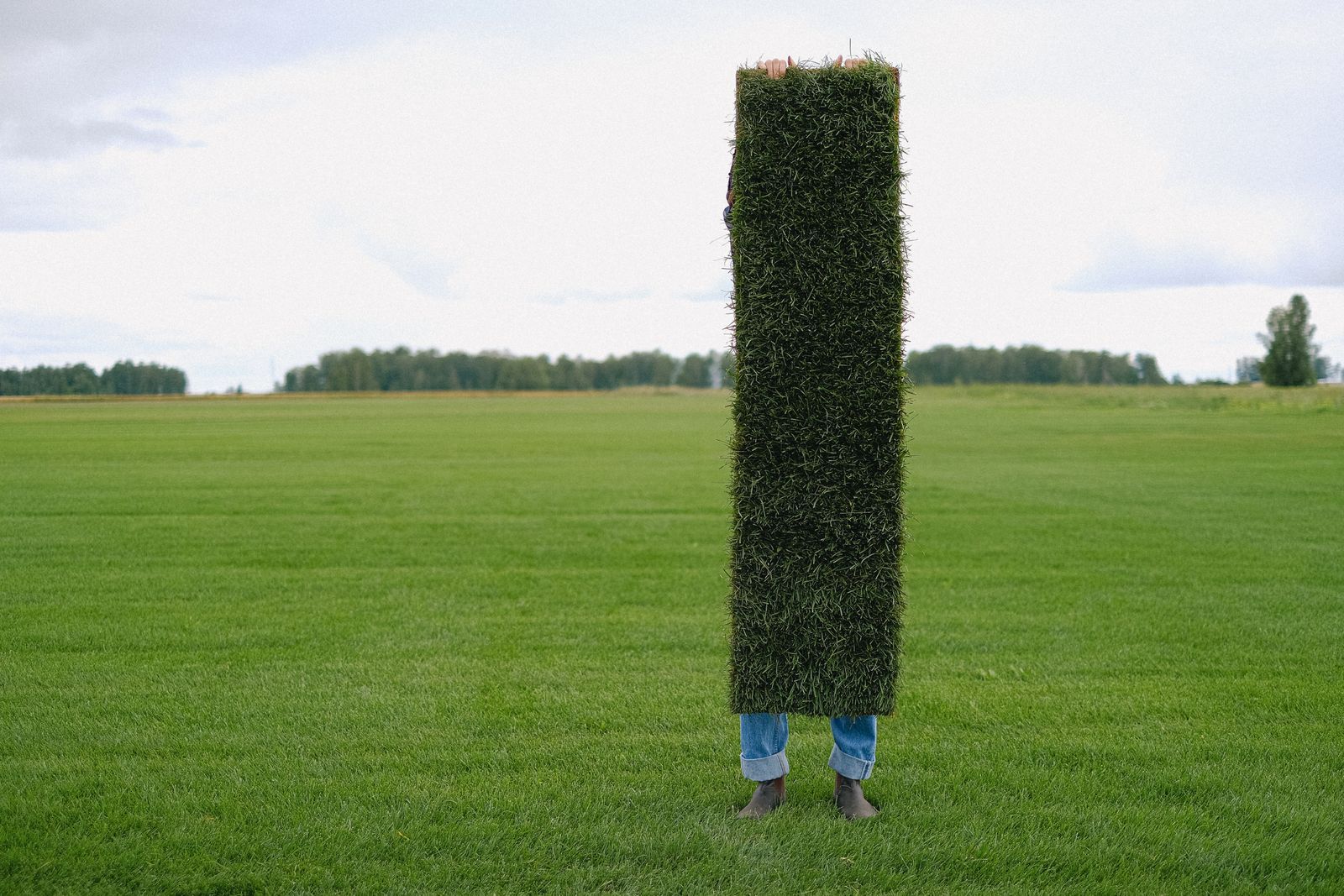
Photo: Anna Shvets / Pexels
Zoysia is the warm season grass people choose for the lawn they will have in five years: dense, soft, drought tolerant once rooted, and in no hurry whatsoever. Growing it is an establishment project measured in seasons, and the first decision, how to plant it, is the one the guides list without helping you make. There are three routes, seed, plugs, and sod, and they are not three prices for the same lawn: they are three different lawns for the first two years, with different varieties available to each. This page makes the decision properly, with the extension sources on the table, including the place where they flatly disagree.
Our how to care for zoysia grass guide owns the care calendar for an established lawn. This page owns getting one established, and stops where that one starts.
Interactive tool
Zoysia Establishment Checklist
Check off each step as you finish it. Your progress stays on this page.
0 of 8 complete
0% done
The Route Decision, and the Variety Reality
Seed is the cheapest route and the narrowest: only one zoysia species is sold as seed, Zoysia japonica, in varieties like Zenith and Compadre. The finer textured zoysias people picture, the matrella types and hybrids such as Emerald and Zeon, exist only as sod, plugs, or sprigs; no bag of seed grows them. Plugs, small rooted pieces set in a grid, are the middle route: most varieties are available, the material cost is moderate, and the timeline is the price, about two growing seasons to full cover. Sod is every variety, instant cover, and the highest cost, justified on slopes, small areas, and anywhere erosion or impatience rules. Zoysia is hardy in zones 6 through 9, wants full sun to light shade, and plants only into warm soil: wait until soil temperature is consistently above 65 degrees, late spring to early summer, for every route, because zoysia seed and plugs set into cold ground sit still while the weeds move in.
The Seed Route, With the Disagreement on the Table
Clemson Cooperative Extension's guidance is the seed route's documentation: sow Zenith in late spring to early summer at 1 to 2 pounds per 1,000 square feet, rake it in barely, and keep it moist; germination runs 14 to 21 days on most accounts and up to 28 on the seed producers' figures, and a seeded lawn needs a full growing season or more to densify. Clemson also notes, fairly, that seeded types do not perform as well overall as the vegetative cultivars. The University of Maryland Extension goes further and does not recommend starting zoysia from seed at all, citing high cost for the seed itself, limited availability, and unreliable germination. This page does not average those positions into a shrug. The working judgment: seed is a legitimate route for large, sunny, weed free areas where the japonica texture is acceptable and the budget rules, planted exactly on Clemson's numbers; it is a poor route for small lawns, shady lots, and the northern transition zone, where plugs or sod succeed on the first attempt instead of the third. Whichever route you take, soil preparation is the shared foundation: test the soil, Missouri's guidance puts the target pH at 6.0 to 6.5 with lime only below 6.0, clear the area, and grade it before a single plug or seed lands.
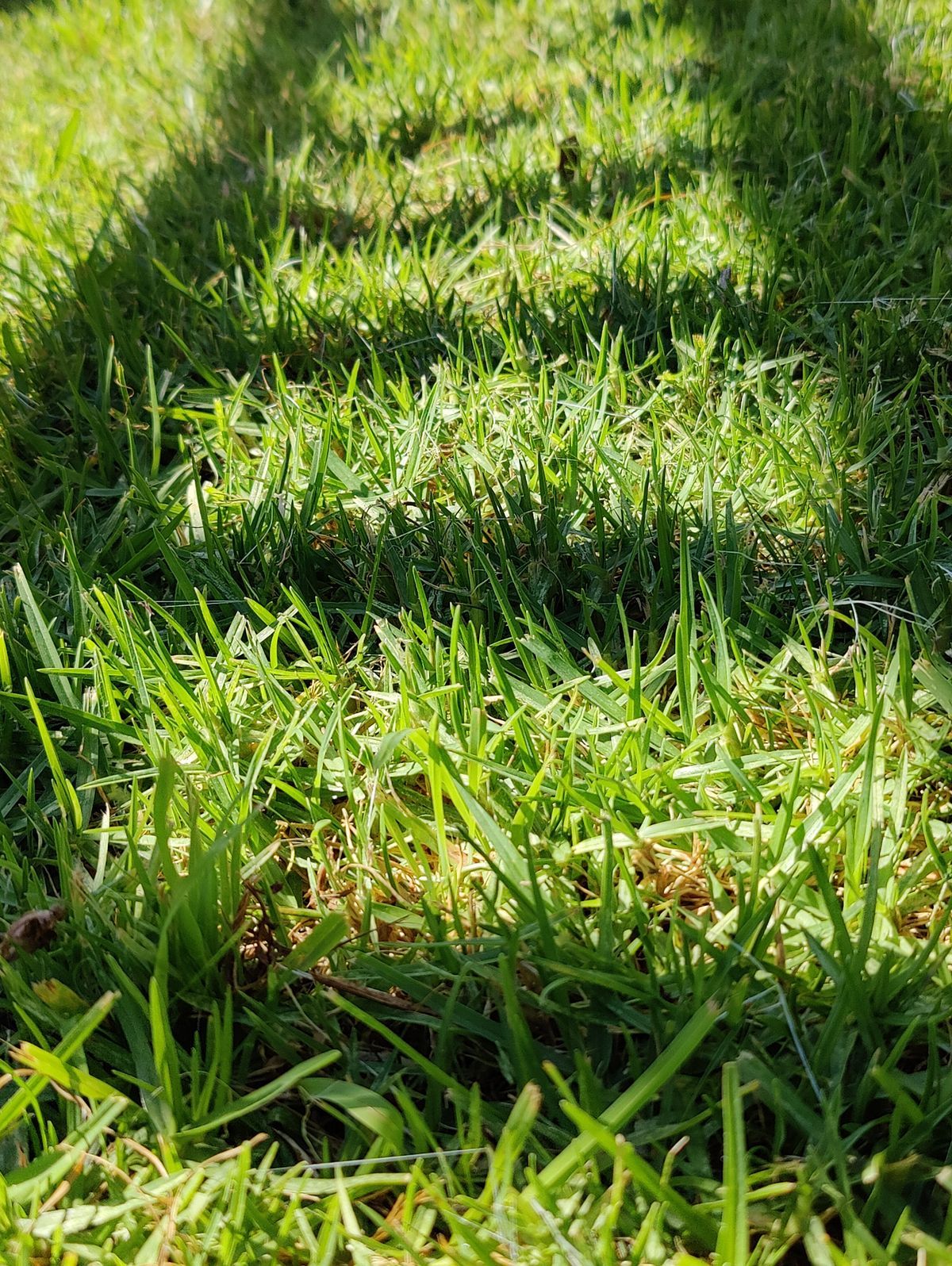
A close-up of vibrant green grass with soft shadows in sunlight
The Plug Route: Spacing Is a Timeline You Buy
Plugs convert spacing directly into time, and the University of Missouri's table prices it: with 2 inch plugs, 6 inch centers take about 4,000 plugs per 1,000 square feet, cut from 12 or more square yards of sod; 8 inch centers take about 2,250; 12 inch centers about 1,000 plugs and 3 plus square yards. Clemson's recommendation, 2 inch plugs on 6 inch centers, is the spacing that closes in two growing seasons or less. Plant in a diagonal grid so the runners meet evenly, set each plug at its original depth, firm the soil around it, and apply a starter fertilizer, a balanced analysis at label rate. The honest consequence of choosing 12 inch centers to save money is a third season of filling in, spent weeding a grid of green islands. Missouri documents the long version of this game too: plugs can convert an existing bluegrass lawn to zoysia over two to five years, mowed short at about an inch to favor the zoysia's spread, which tells you exactly what kind of plant you are partnering with.
Establishment Care: Water, Weeds, and the First Mow
All three routes share the establishment discipline. Water lightly and daily for the first two to three weeks, keeping the planting zone moist without puddling; zoysia seed in particular must not dry out across its long germination. As roots take hold, taper toward deeper, less frequent watering, and by the second season the lawn joins the deep and infrequent rhythm its drought reputation is built on. Weed control is the establishment job that decides success, because a slow lawn cannot outrun weeds: hand pull invaders while the zoysia is sparse, keep pre emergent timing off new seedings until the grass is established, and mow, which favors the low dense zoysia against upright weeds. The first mow waits until growth reaches about 2 inches, with clippings from the first cut removed rather than left to smother the young plants. Fertilize lightly in the first season; a zoysia lawn being pushed with nitrogen grows thatch and trouble faster than it grows cover.
The Patience Plan: What Years One and Two Look Like
Year one from plugs or seed is a lawn under construction: real cover in the planted grid, thin between, going straw brown with the first cold weather, because zoysia dormancy is total and early. This is normal, and the northern edge of zone 6 should expect the longest brown season. Year two is the close: runners knit the grid, density builds, and the lawn starts delivering the surface you planted it for, with full maturity, the deep dense mat that shrugs off foot traffic and summer drought, arriving across that second and third season. Sod skips the construction phase and starts at year two's surface, which is the entire content of its price. Choose the route with your eyes on this timeline and zoysia is one of the most satisfying grasses to grow; choose it expecting a bluegrass schedule and every month of its deliberate pace reads as failure. The grass is not slow because something is wrong. It is slow because the density it is building is the point.
The Fourth Route: Sprigs, and the Conversion Option
Between plugs and sod sits sprigging, the route the guides mention least and golf courses use most: shredded stems and rhizomes, sold by the bushel or cut from sod, scattered over the prepared ground, pressed or lightly covered, and kept moist until they root at the nodes. A bushel of sprigs covers roughly 1,000 square feet on the usual guidance, and the route behaves like plugs at wider effective spacing: cheaper than sod, slower than plugs to close, and demanding the same establishment watering discipline, because a sprig with no roots dries out faster than a plug. It suits large areas where sod money is out of reach and the japonica versus fine texture question has already been answered in favor of a vegetative variety. The conversion option deserves its sentence too: because zoysia out competes most cool season grasses in summer heat once it gets a foothold, plugging zoysia into an existing thin lawn and mowing low lets it colonize over two to five years, trading a long awkward adolescence for almost no soil preparation. Both routes obey this page's one law: the timeline is the price, and it is quoted honestly before you plant, not discovered after.
Frequently Asked Questions
Can you grow zoysia grass from seed?
Yes, with limits. Only Zoysia japonica is sold as seed, as Zenith and Compadre; the fine textured varieties like Emerald and Zeon exist only as sod or plugs. Clemson Extension documents seeding at 1 to 2 pounds per 1,000 square feet in late spring to early summer, while the University of Maryland Extension does not recommend seed at all, citing cost, availability, and unreliable germination.
How far apart should zoysia plugs be planted?
Six inch centers close the lawn in about two growing seasons; 12 inch centers take longer. The University of Missouri's table: 2 inch plugs at 6 inches take about 4,000 plugs per 1,000 square feet, at 8 inches about 2,250, at 12 inches about 1,000. Spacing is a timeline you buy.
When is the best time to plant zoysia?
Late spring to early summer, when soil temperature is consistently above 65 degrees and frost danger has passed, roughly late April through June in most of its range, zones 6 through 9. Planted into cold soil, zoysia sits still while weeds establish.
How long does zoysia take to establish?
Seed needs a full growing season or more to densify; plugs need about two growing seasons to close at 6 inch spacing, longer at wider spacing; sod is cover immediately. Full maturity, the dense mat zoysia is famous for, arrives across the second and third seasons for the planted routes.
How do I water new zoysia?
Lightly and daily for the first two to three weeks, keeping the planting moist, especially seed across its 14 to 21 plus day germination. Then taper to deeper, less frequent watering as roots take hold, joining the deep and infrequent rhythm by the second season.
Photo credits: Anna Shvets (Pexels); Chloe Lee (Pexels). Photos are served from this site; follow the credit to the library page for the original.