Zoysia seed is the cheap route to an expensive lawn, and it deserves an honest page. The seed itself costs a fraction of sod or plugs, but what you pay instead is discipline: two to four weeks of keeping a seedbed continuously moist with light drinks several times a day, in early summer heat, for a seed that germinates slowly and a lawn that takes a full growing season to close. Growers who know that going in succeed with it. Growers sold a sprinkle and forget story lose the stand in the first dry weekend. The facts have sprawl that this page flags rather than hides. Only Zoysia japonica is sold as seed, in the cultivars Zenith and Compadre; the fine textured zoysias exist only as sod or plugs. Clemson HGIC's establishment guidance is the working standard here: sow late spring to early summer at 1 to 2 pounds per 1,000 square feet, barely covered, straw over the top, light watering 3 to 4 times a day. And the standing conflict recorded on this site in batch 10 stands: Clemson lists seed as a real establishment route, while the University of Maryland does not recommend it, a disagreement about reliability and weed pressure that the seed buyer should know exists. This site's zoysia establishment guide defaults to plugs; this page owns the seed route for the reader who has priced both and chosen it anyway.
Home / Lawn and Landscape Basics
How to Plant Zoysia Grass Seed: The Clemson Rate and the Moisture Discipline
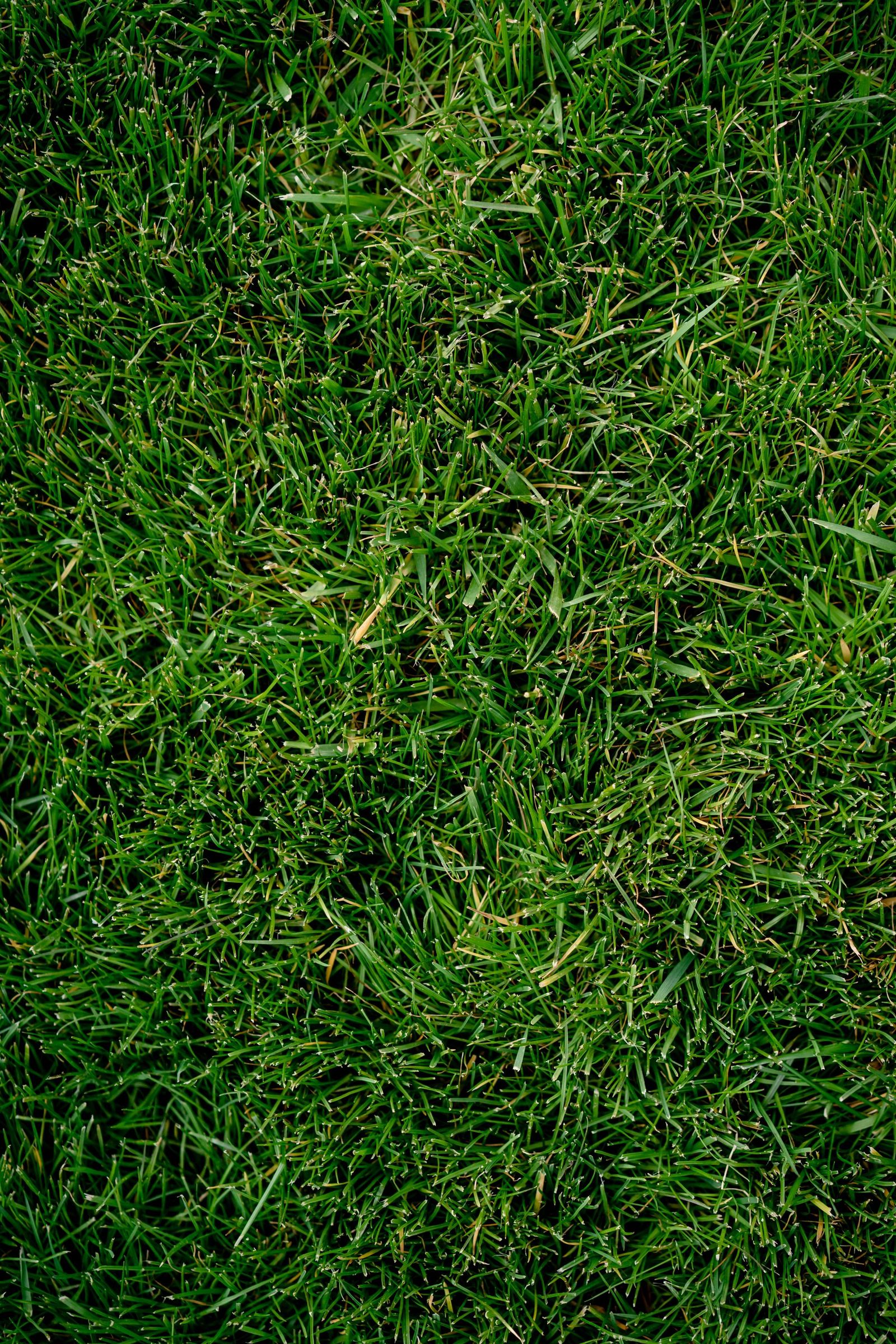
Photo: Atlantic Ambience / Pexels
Zoysia Seed Checklist
Check off each step as you finish it. Your progress stays on this page.
0 of 8 complete
0% done
The Rate: Clemson's Standard and the Sprawl Around It
Sow at 1 to 2 pounds per 1,000 square feet, Clemson's figure, and treat the rest of the published range as context. Product listings commonly sit at 1 pound per 1,000, the light end of the Clemson band. Stover Seed, a primary seed producer, runs about 3.3 pounds per 1,000, expressed as 1 pound per 300 square feet, which is an overseeding weight of seed for a stand that cannot afford gaps. One outlier guide in the results reaches 4 to 6 pounds, which this page does not adopt; at zoysia seed prices, that rate spends the savings that justified the route. The verdict reasoning: zoysia spreads by rhizomes and stolons once established, so a stand sown at the Clemson rate closes its own gaps across the season, which is the plant's whole habit. Sow in two crosswise passes for even coverage, because a pound or two across a thousand square feet is a whisper of seed and a single pass stripes. Seed is sown onto a prepared, firmed, weed free bed; seed on top of an existing weedy lawn is a donation to the weeds, which germinate faster than zoysia and know it.
The Window, the Trigger, and the Light Rule
The calendar window is late spring to early summer, but the real trigger is soil temperature: 65 to 70 degrees, checked with a probe or a screwdriver and a thermometer, because zoysia seed sown into cool soil sits while weed seed wakes around it. This is a warm season grass with a warm season germination, and sowing it on the cool season calendar is the classic failure. Two preparation rules guard the window. Cover the seed barely, raked in or rolled, at most a quarter inch deep, because zoysia seed needs light to germinate and a buried stand simply never appears; the straw mulch that follows goes on thin enough to see soil through it, holding moisture without blocking that light. And keep pre emergent herbicide away from the seedbed entirely: nothing applied within about 90 days before sowing, per the guidance in the results, because the same chemistry that stops crabgrass stops zoysia, and it does not care which you meant. Soil pH wants 5.8 to 6.5, tested and corrected before sowing, not after a thin stand gives you the news slowly.
The Germination Protocol: Moist, Not Wet, for Weeks
Here is the discipline the price tag hides. From sowing until the stand is up and rooting, the seedbed must never dry out, which in early summer means light watering 3 to 4 times a day, a few minutes each, misting the surface back to damp. Not a daily soak: a soak puddles and floats the seed, and the surface dries between drinks anyway. The straw cover is your ally, shading the seedbed and slowing the drying so the rhythm is survivable. Germination timing sprawls by source, retail guidance at 14 to 21 days and Stover Seed at 21 to 28, and the honest plan is the longer one: a grower expecting sprouts at 2 weeks who sees bare soil at day 18 waters on in good faith if they were warned, and rips it up for sod if they were not. Once seedlings are up and growing, taper the watering in the standard direction, fewer and deeper, teaching the young lawn to root down, and keep feet and mowers off it until it has knitted. Weeds will come in the gaps; hand pull what you can, use no herbicide on the young stand, and let the zoysia's spread do the closing, which is the deal you made when you chose the slow route.
The First Mow, the First Season, and the Honest Comparison
Mow first when the new grass reaches about 3 inches, cutting it to 2, with a sharp blade that slices rather than tears seedlings out of a bed they have barely rooted into. Then hold the season's real expectation: a seeded zoysia lawn takes a full growing season to become dense, and it will look thin and weedy on the way, especially against a neighbor's sod. Judge it at the end of its second spring, when it greens up as a closed stand, not at the end of its first July. Fertilize lightly once the stand is growing, and overseed any genuinely bare patches the following late spring at the same trigger temperature rather than in a panic in August. And the comparison this page owes you, stated plainly because its reader is choosing: plugs, this site's default route in its zoysia guide, cost more, plant faster, and close on a similar total timeline with far less watering discipline, because each plug arrives with roots. Sod costs most and is a lawn the day it lands. Seed costs least in money and most in attention, and it is the right choice for exactly one grower: the one with a large area, a small budget, an irrigation setup or a faithful hose hand, and the patience the protocol demands. If that description fits, sow at the Clemson rate, on the temperature trigger, under a whisper of straw, and keep it moist. The lawn is slow, and it is real.
Frequently Asked Questions
How much zoysia seed per 1,000 square feet?
One to 2 pounds, the Clemson HGIC rate, which this page uses as the working standard. The published range sprawls: product listings sit at 1 pound, Stover Seed runs about 3.3 pounds (1 pound per 300 square feet), and one outlier guide reaches 4 to 6 pounds, which spends the savings that justify seeding at all. Zoysia spreads by rhizomes and stolons once established, so a stand sown at the Clemson rate closes its own gaps across the season. Sow in two crosswise passes for even coverage, because this little seed stripes easily.
When should I plant zoysia grass seed?
Late spring to early summer, on the soil temperature trigger rather than the calendar: sow when the soil reaches 65 to 70 degrees. Zoysia is a warm season grass whose seed germinates slowly and only in warm soil; sown cool, it sits while weeds wake around it. Prepare a firmed, weed free bed, keep pre emergent herbicide at least about 90 days away from the sowing date, and correct soil pH toward 5.8 to 6.5 before sowing. A late sowing runs out of season before the stand closes, so the window has a real closing date too.
How long does zoysia seed take to germinate?
Plan on 3 to 4 weeks. Retail guidance quotes 14 to 21 days, while Stover Seed, a primary producer, quotes 21 to 28 days, and this page plans on the longer figure so the stand is not abandoned at day 18 for being on schedule. Through the whole wait the seedbed must stay continuously moist, watered lightly 3 to 4 times a day under a thin straw cover, never soaked and never dried. Seed covered deeper than about 1/4 inch may never appear at all, because zoysia seed needs light to germinate.
Can I use pre emergent before planting zoysia seed?
No, and this mistake kills more seeded stands than drought. Pre emergent herbicides stop grass seed from establishing indiscriminately, zoysia included, so keep them off the seedbed for about 90 days before sowing, per the guidance in the results, and use none on the young stand afterward either. Weed control during establishment is hand pulling and patience: the zoysia closes gaps by spreading once it is growing, which is the slow deal the seed route makes. If your lawn has heavy weed pressure and no tolerance for a weedy first season, that is the University of Maryland's case against the seed route, and plugs are your answer.
Is zoysia seed or plugs better?
They buy the same lawn with different currencies. Seed, only Zoysia japonica in Zenith and Compadre, costs the least money and the most attention: weeks of several times daily watering, a full season to density, and a weedy looking first summer. Plugs, this site's default in its zoysia establishment guide, cost more, plant with roots already made, and close on a similar timeline with far less daily discipline. Sod is instant at the highest price. Clemson treats seed as a legitimate route; the University of Maryland does not recommend it. Choose seed only if the area is large, the budget is tight, and the watering discipline is genuinely available.
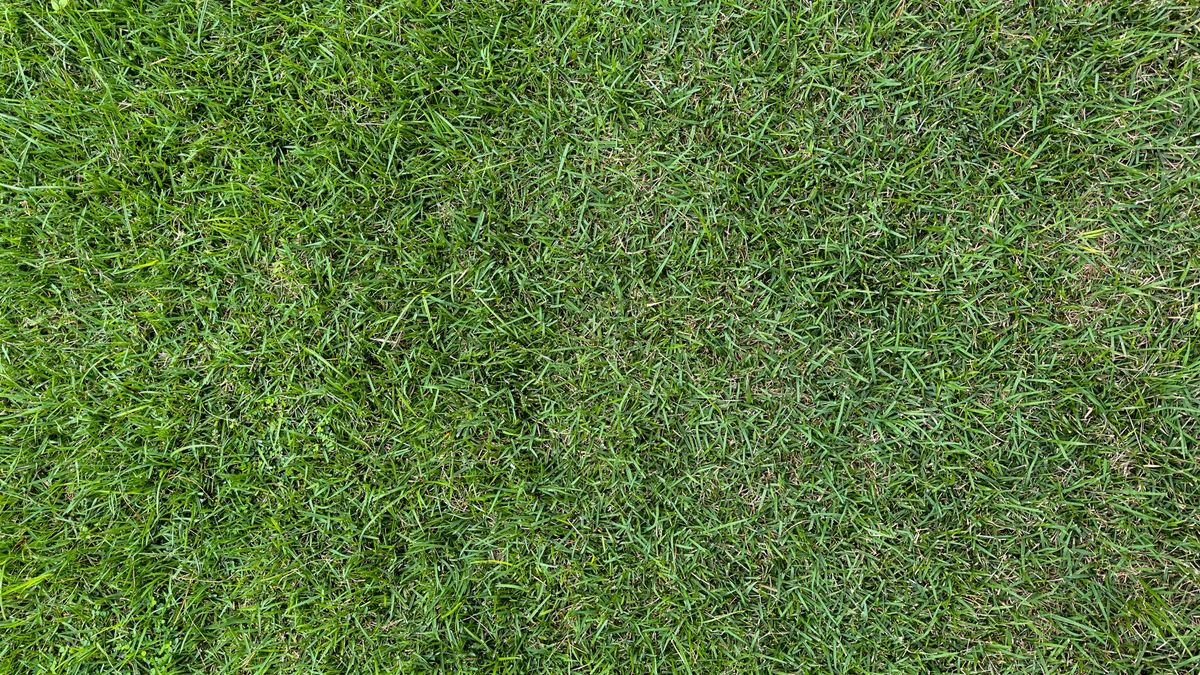
Photo credits: Atlantic Ambience (Pexels); thiago japyassu (Pexels). Photos are served from this site; follow the credit to the library page for the original.